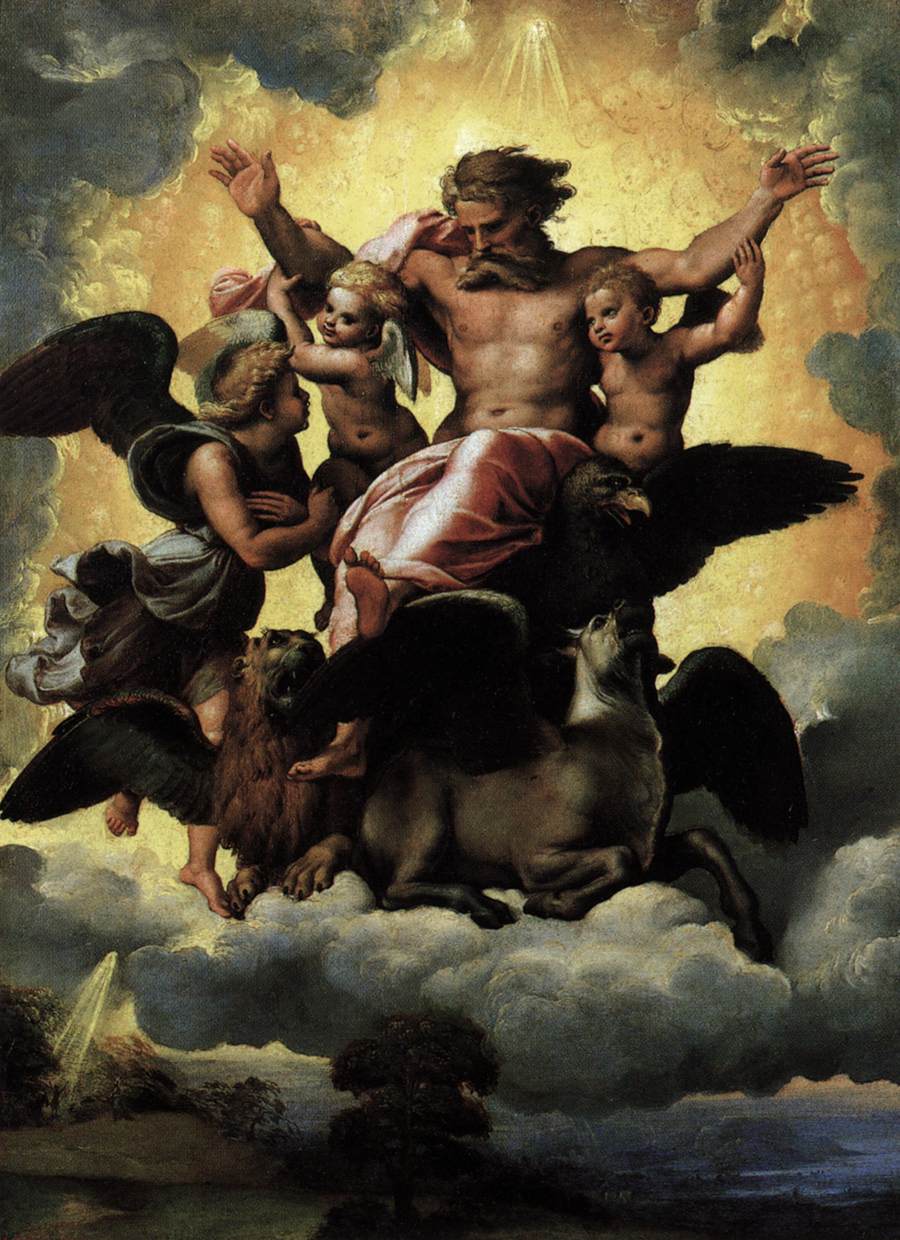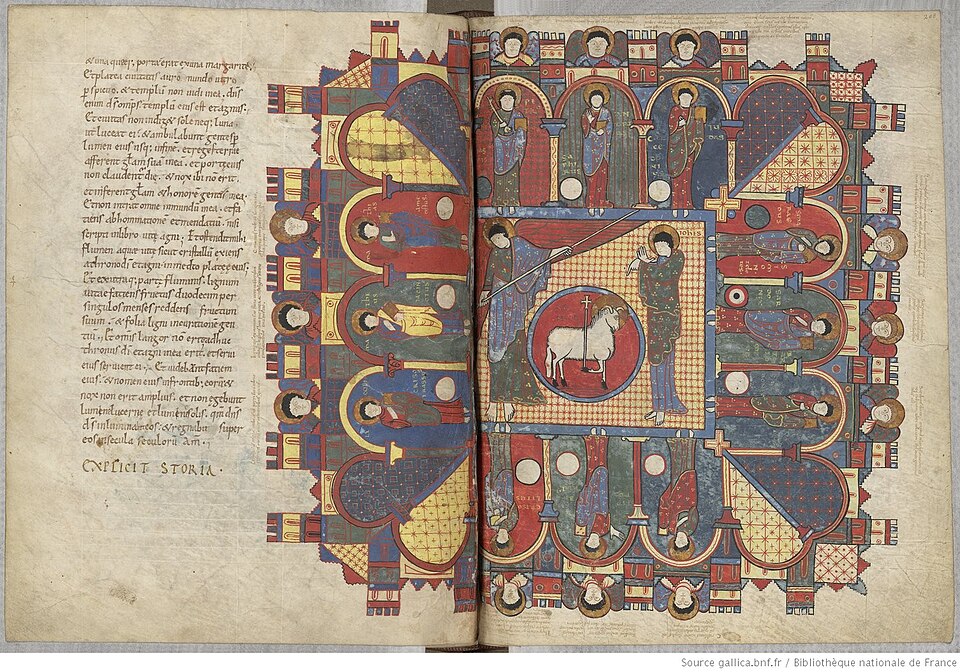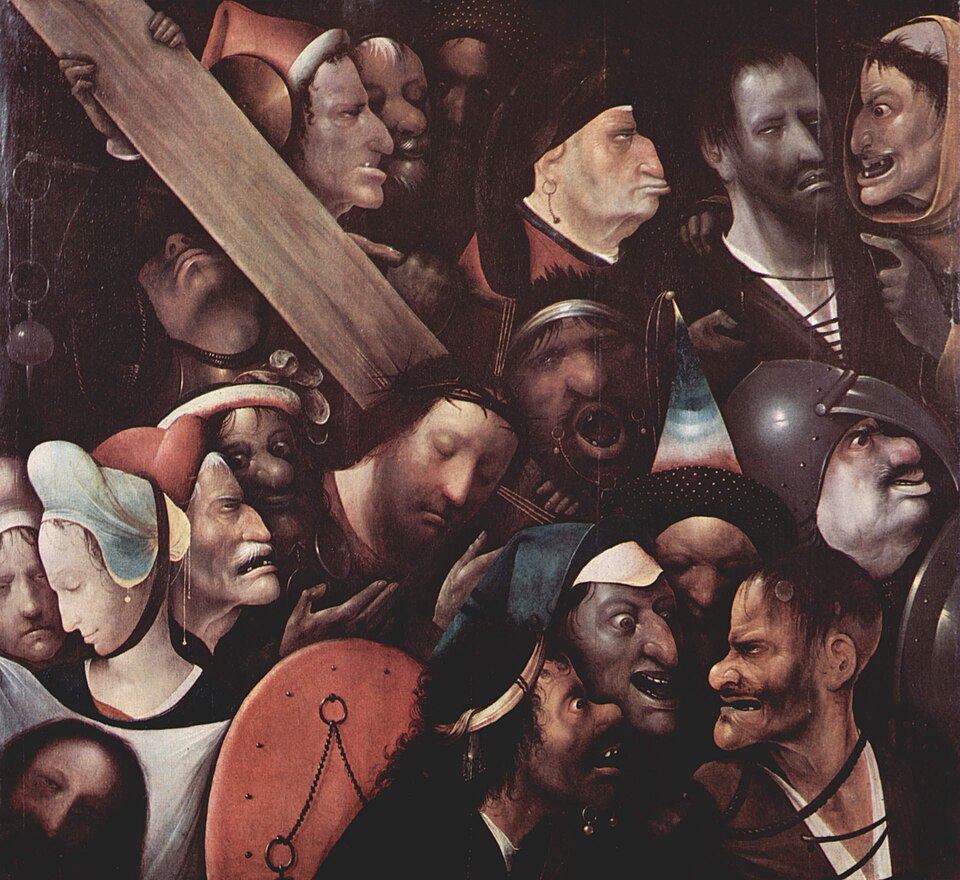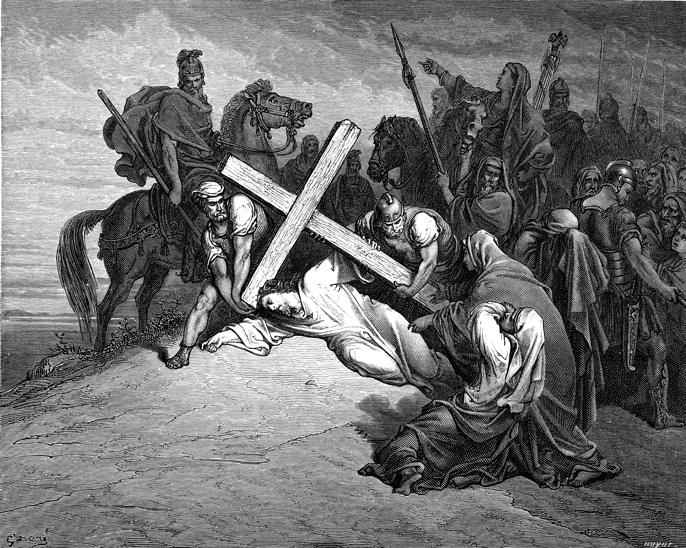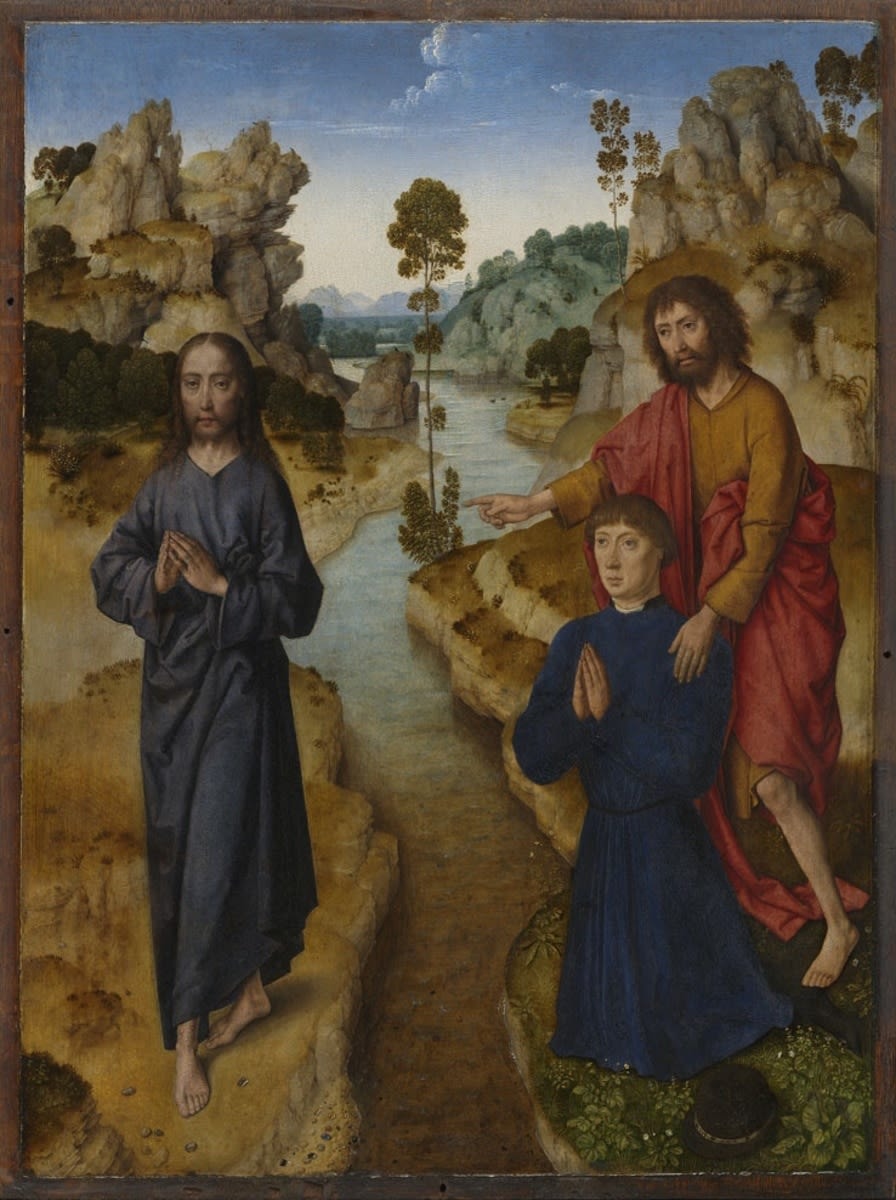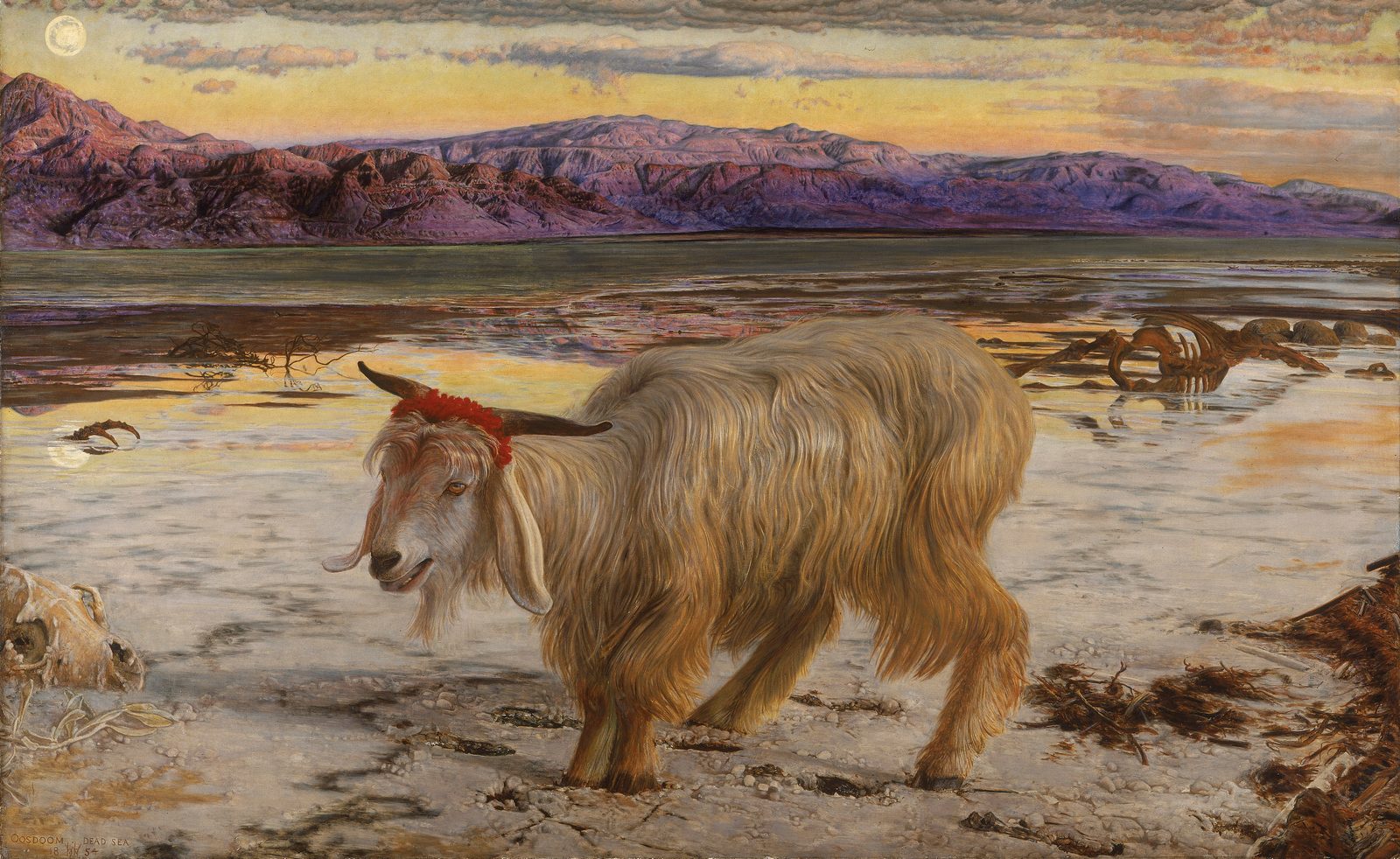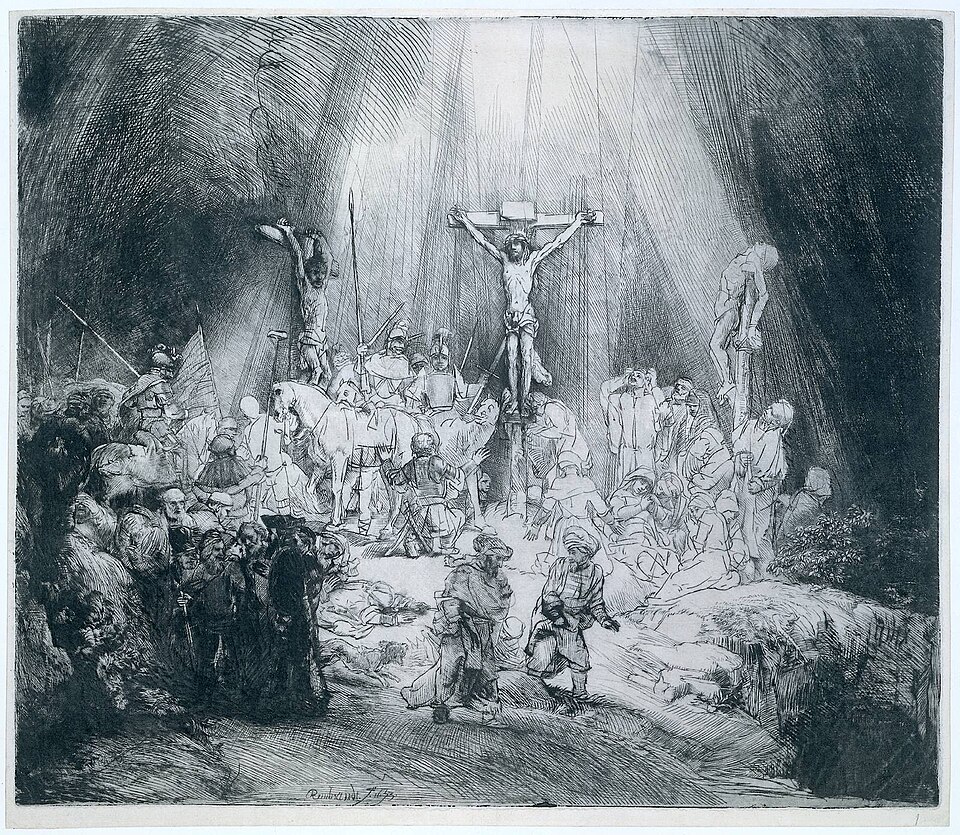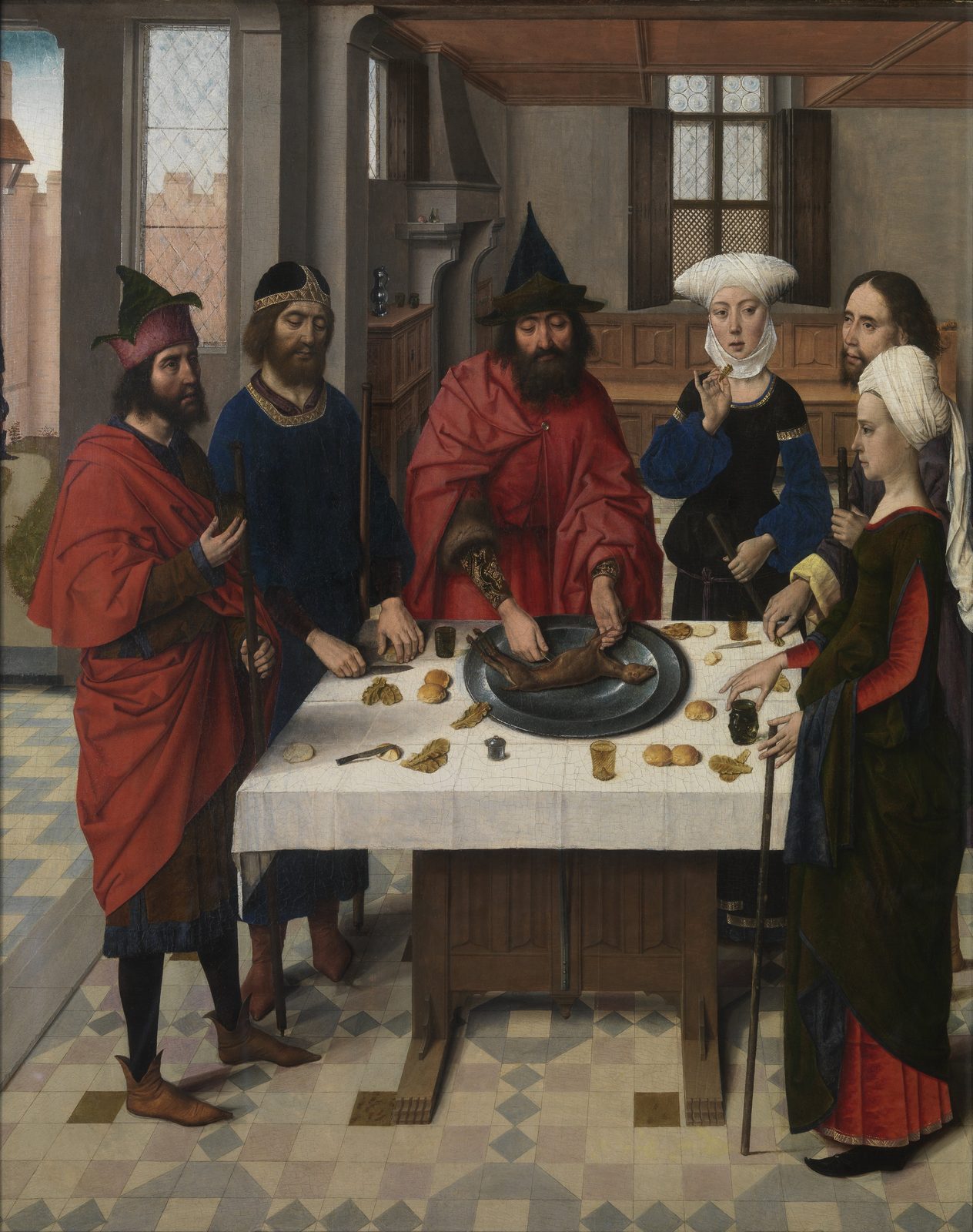
The events themselves: what happened, where the retelling has drifted from the text, and what the scene was really like.
177 studies, 8 as cards, 169 in the register
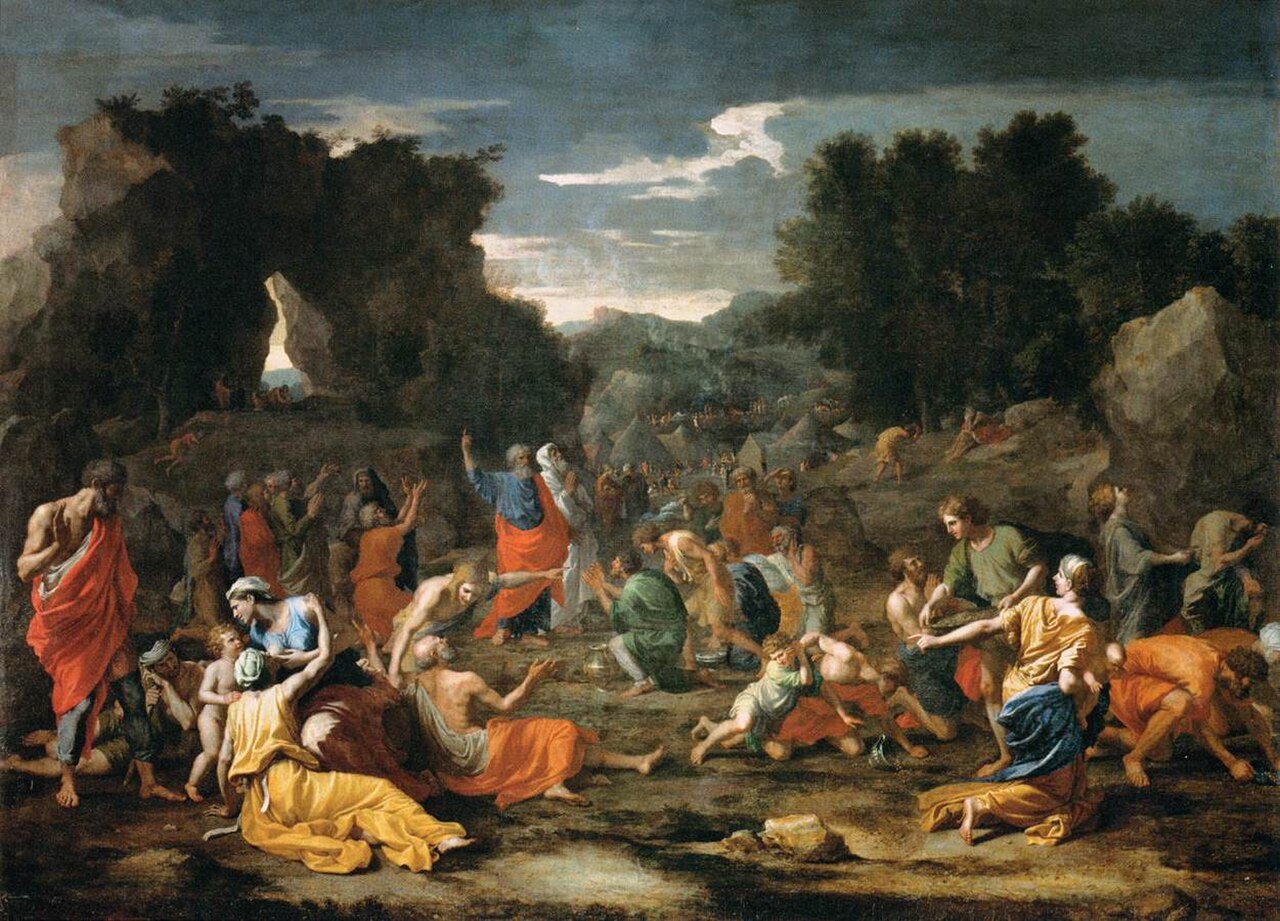 The Wilderness GenerationNumbers' wilderness cycle read the way the New Testament reads it, a standing warning to the church, not just a record of the past.
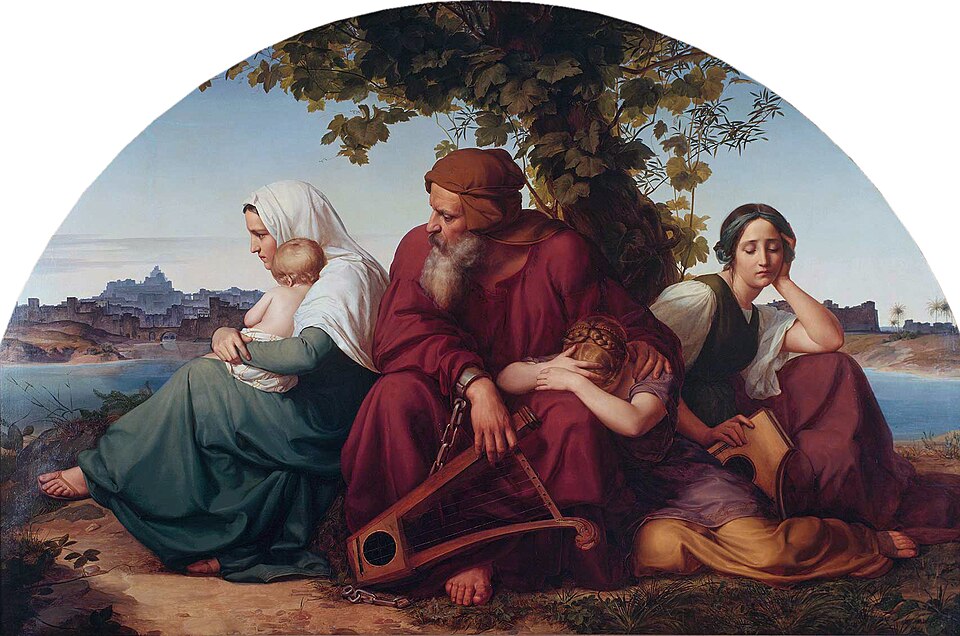 The Exile and the ReturnThree deportations, seventy years reckoned two ways, Cyrus's decree corroborated by the Cyrus Cylinder, and three returns under Zerubbabel, Ezra, and Nehemiah.
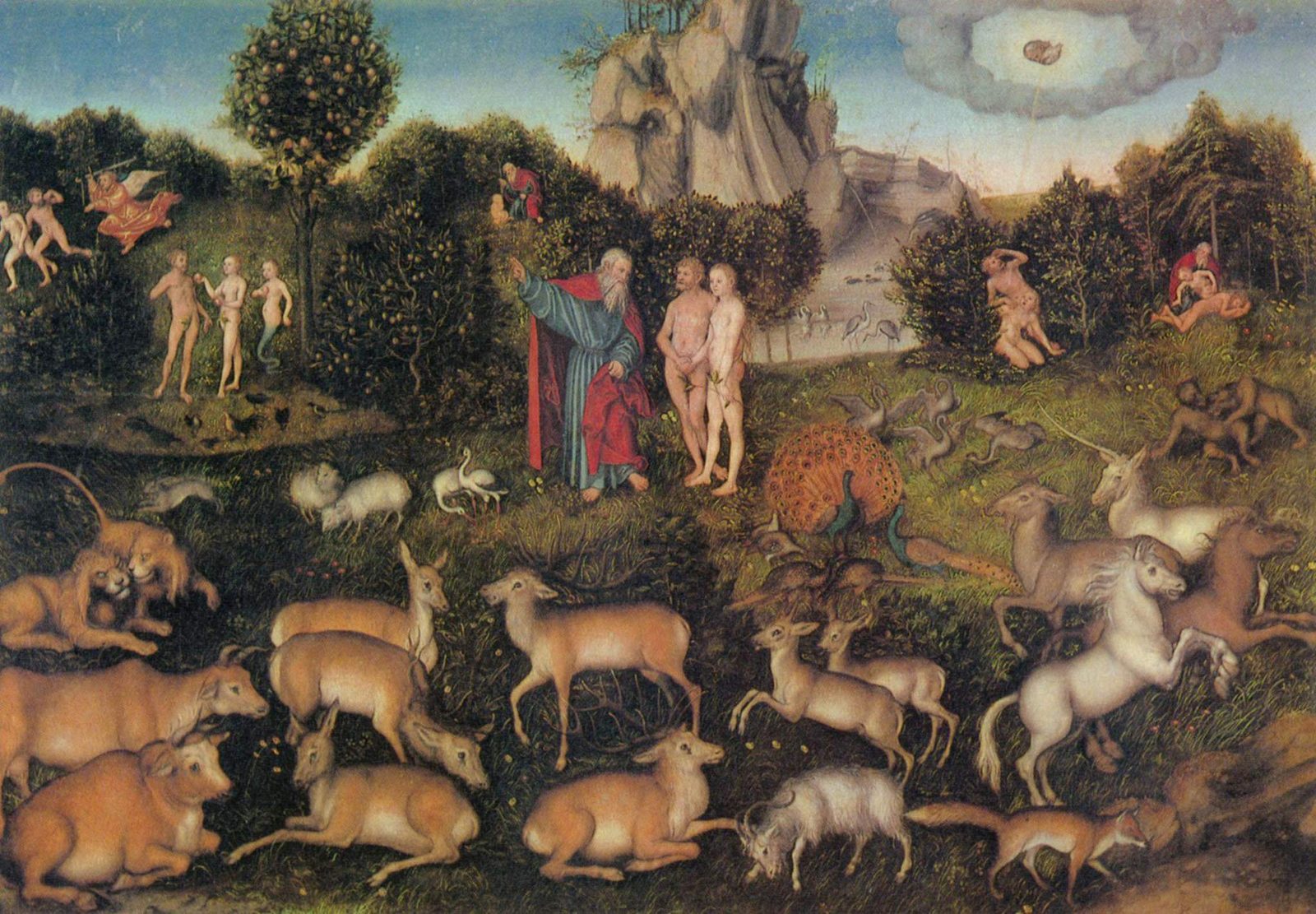
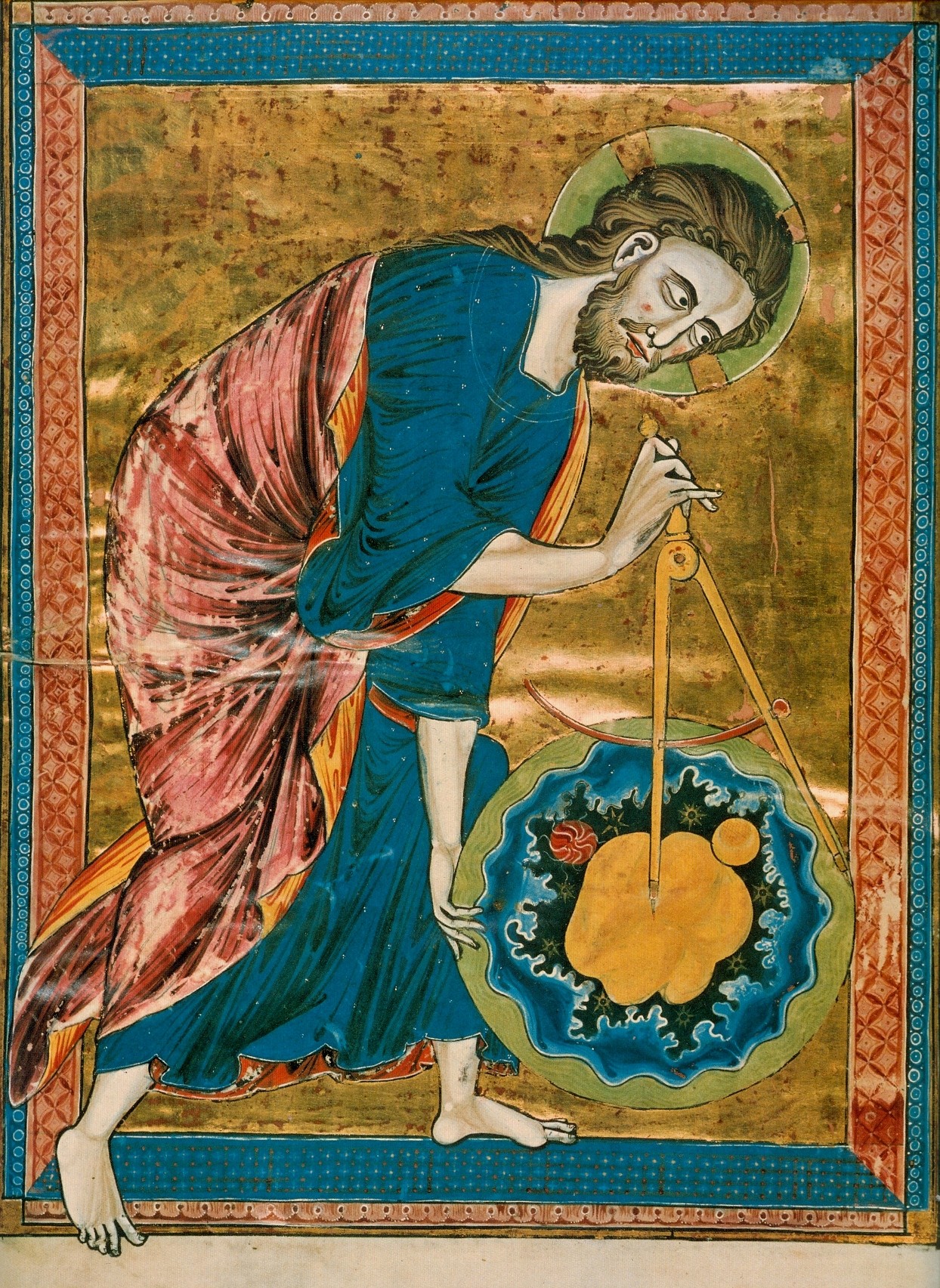
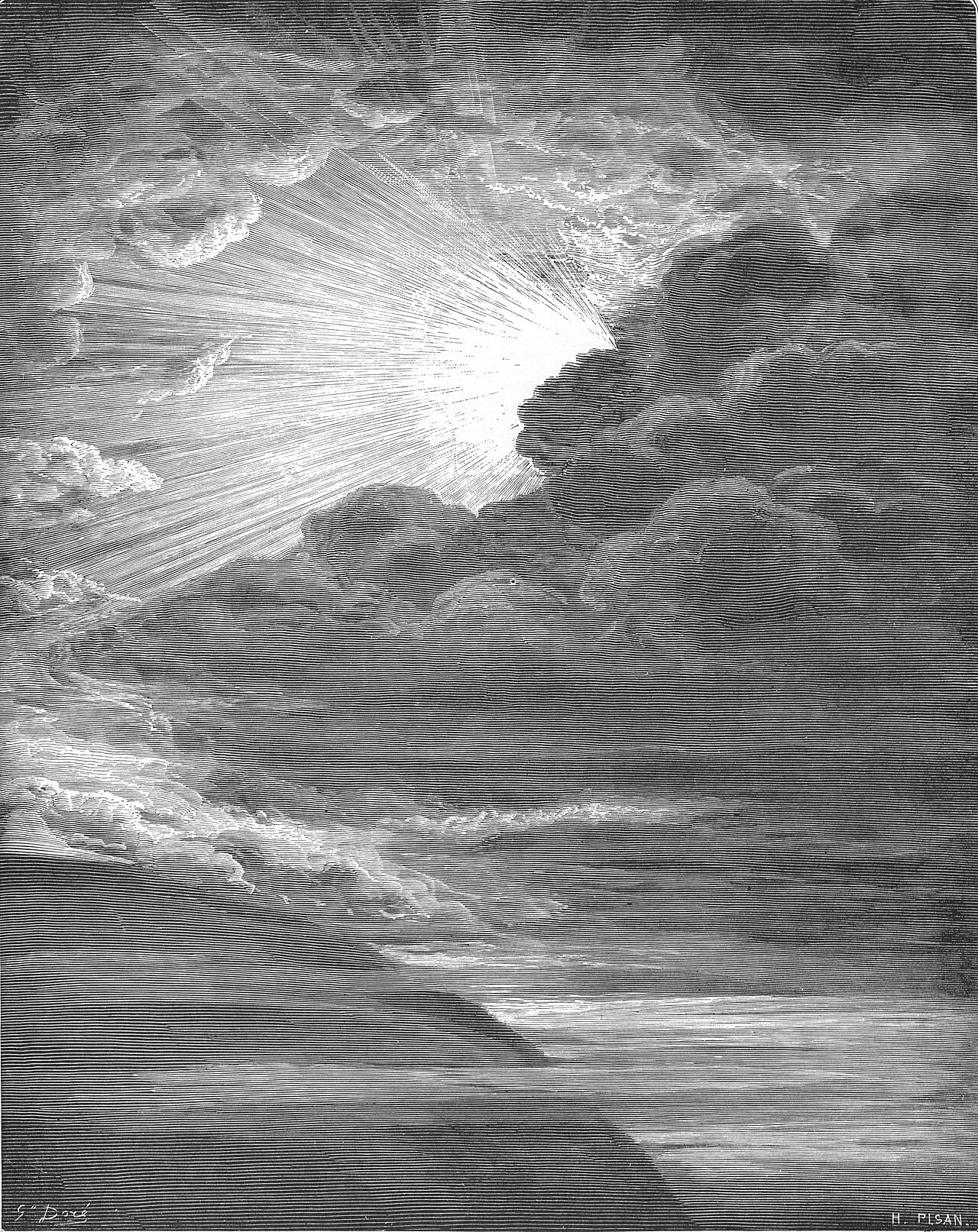 The Creation WeekSix ordinary days: God forms three realms, then fills them, and crowns the whole 'very good.'
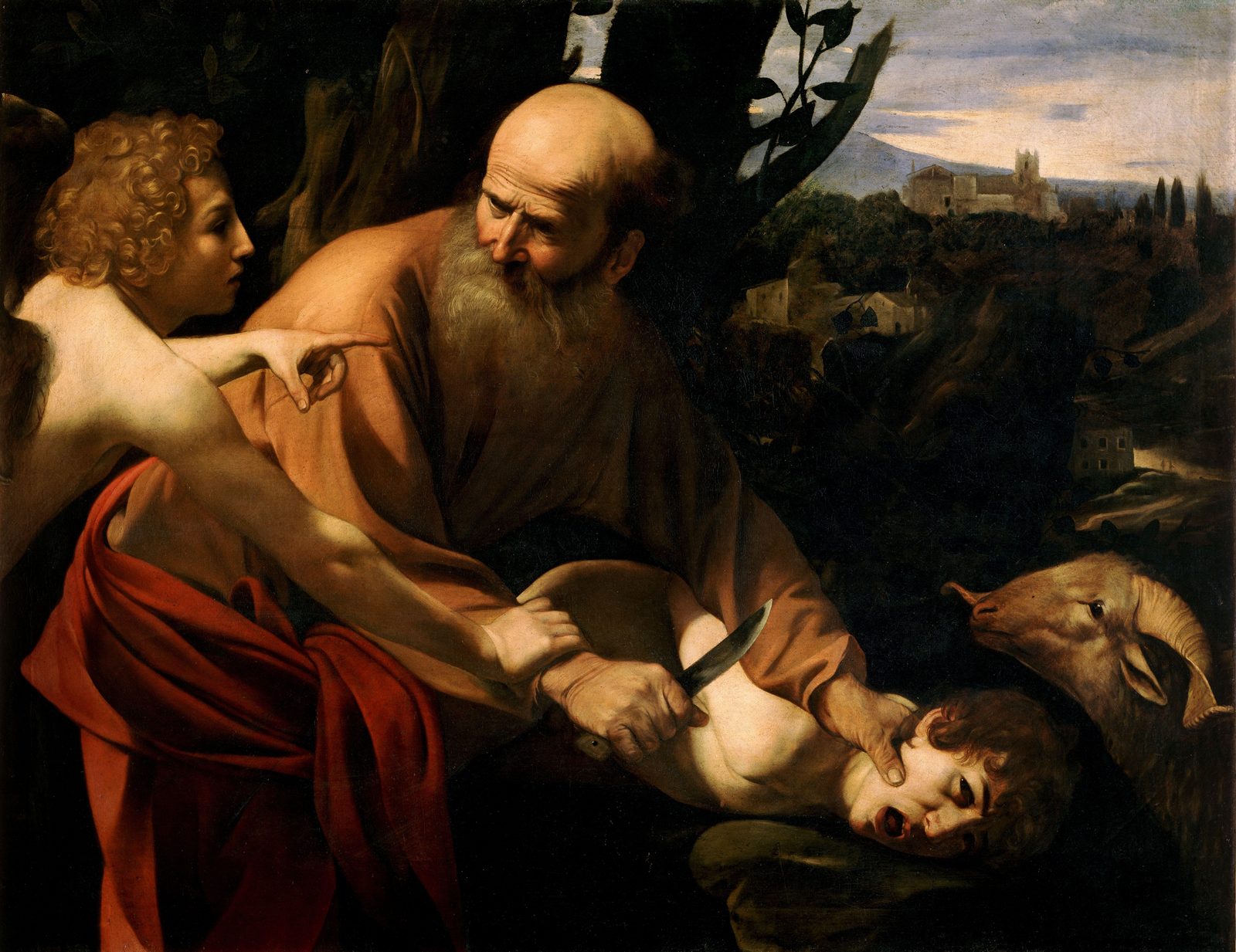
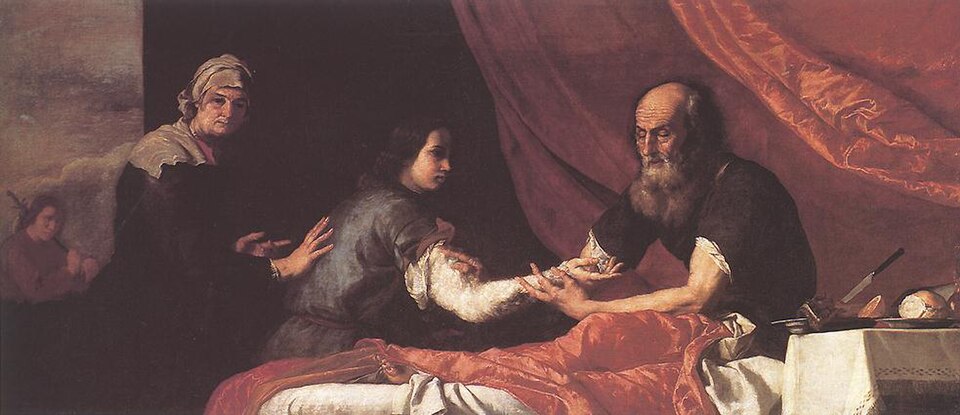
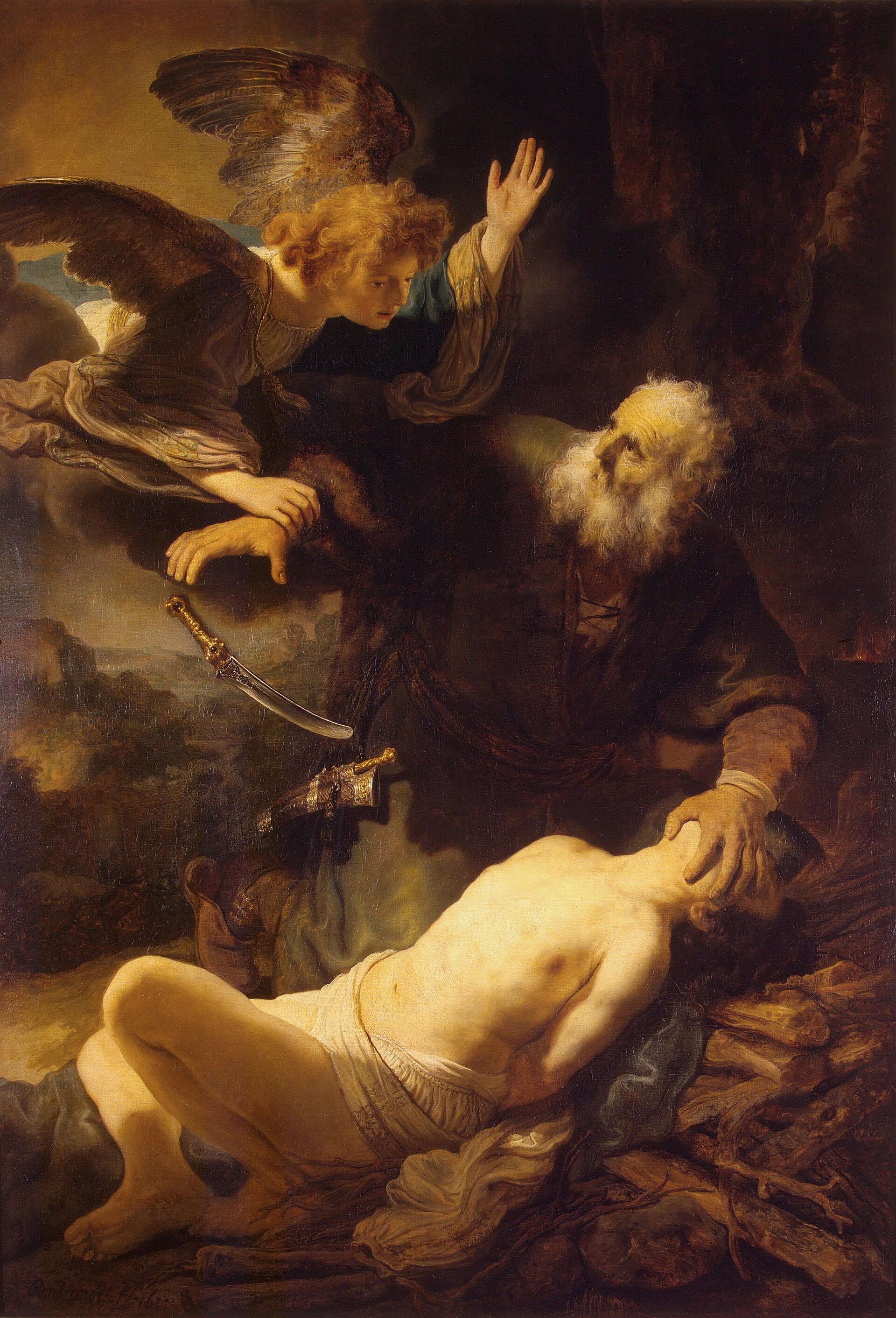 The Binding of IsaacThe strongest type in Genesis of the Father offering the Son, the beloved son, the wood, the ram, and the mountain that looks to Calvary.
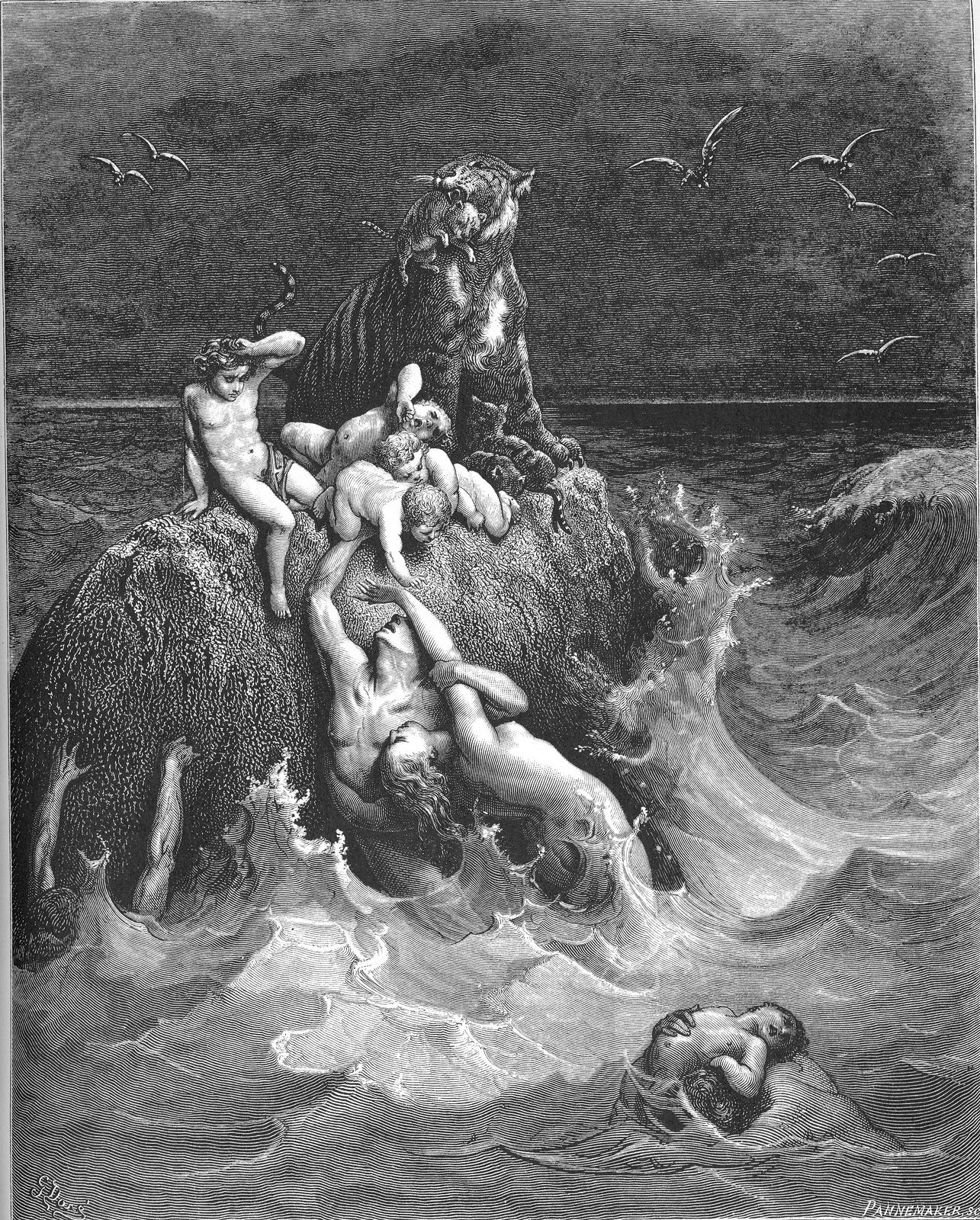 The FloodA real, global Deluge: judgment and mercy running together, pivoting on five words: 'And God remembered Noah.'
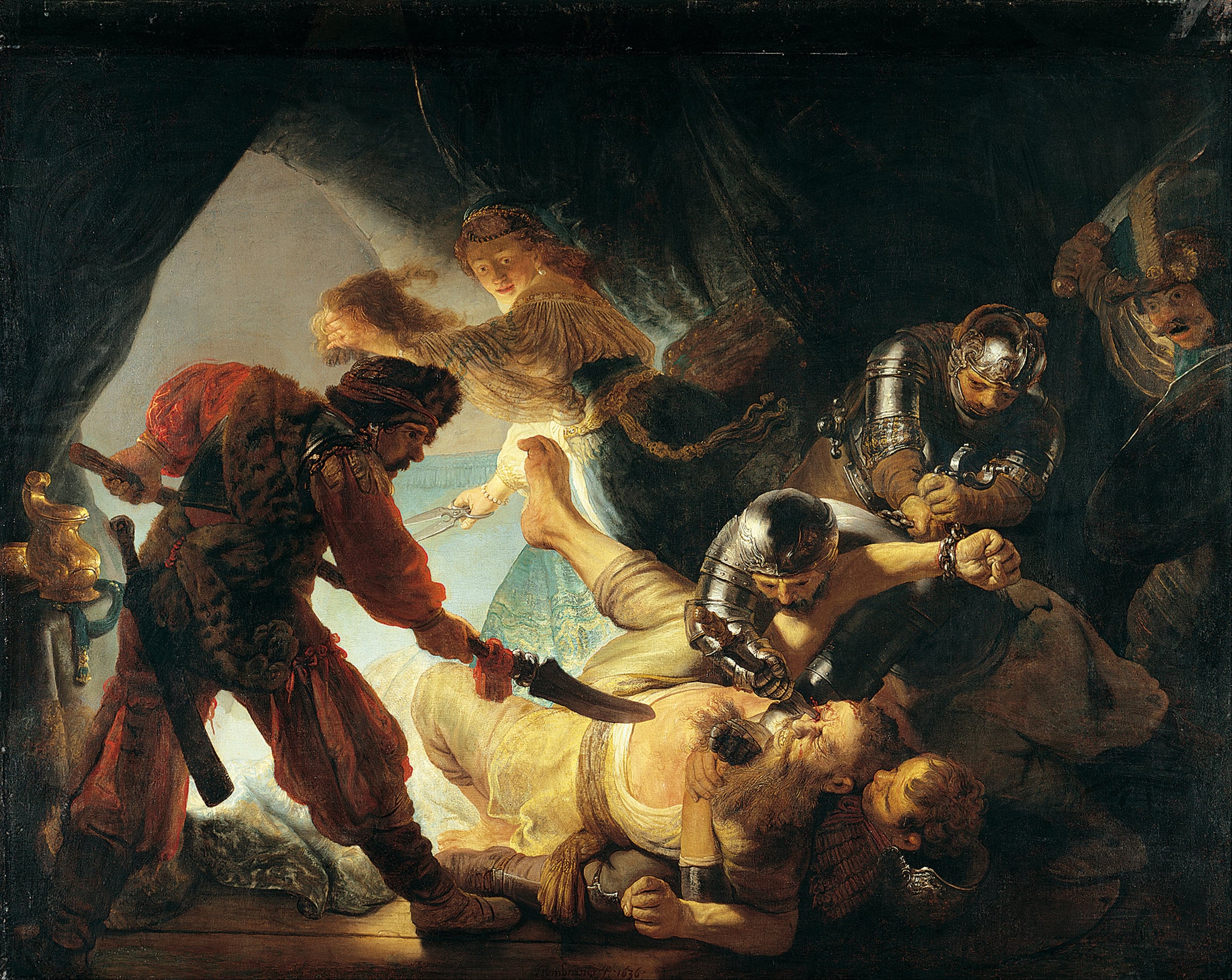 The Judges CycleJudges' six-stage formula run six times, with the 'land had rest' notice vanishing after Gideon.
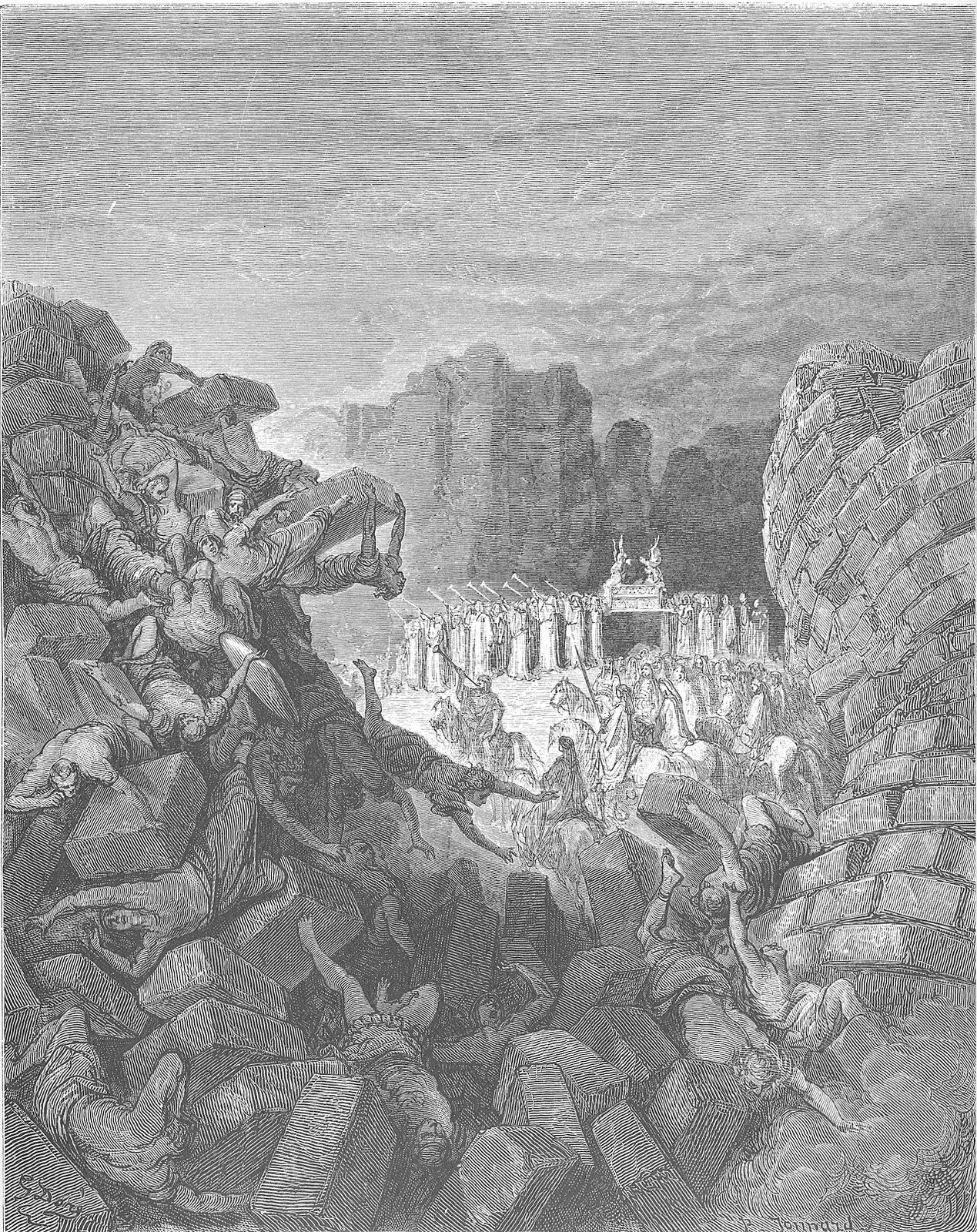 The Fall of JerichoNo siege engine, no battering ram: a city falls to a trumpet and a shout, with Rahab saved and Achan destroyed.
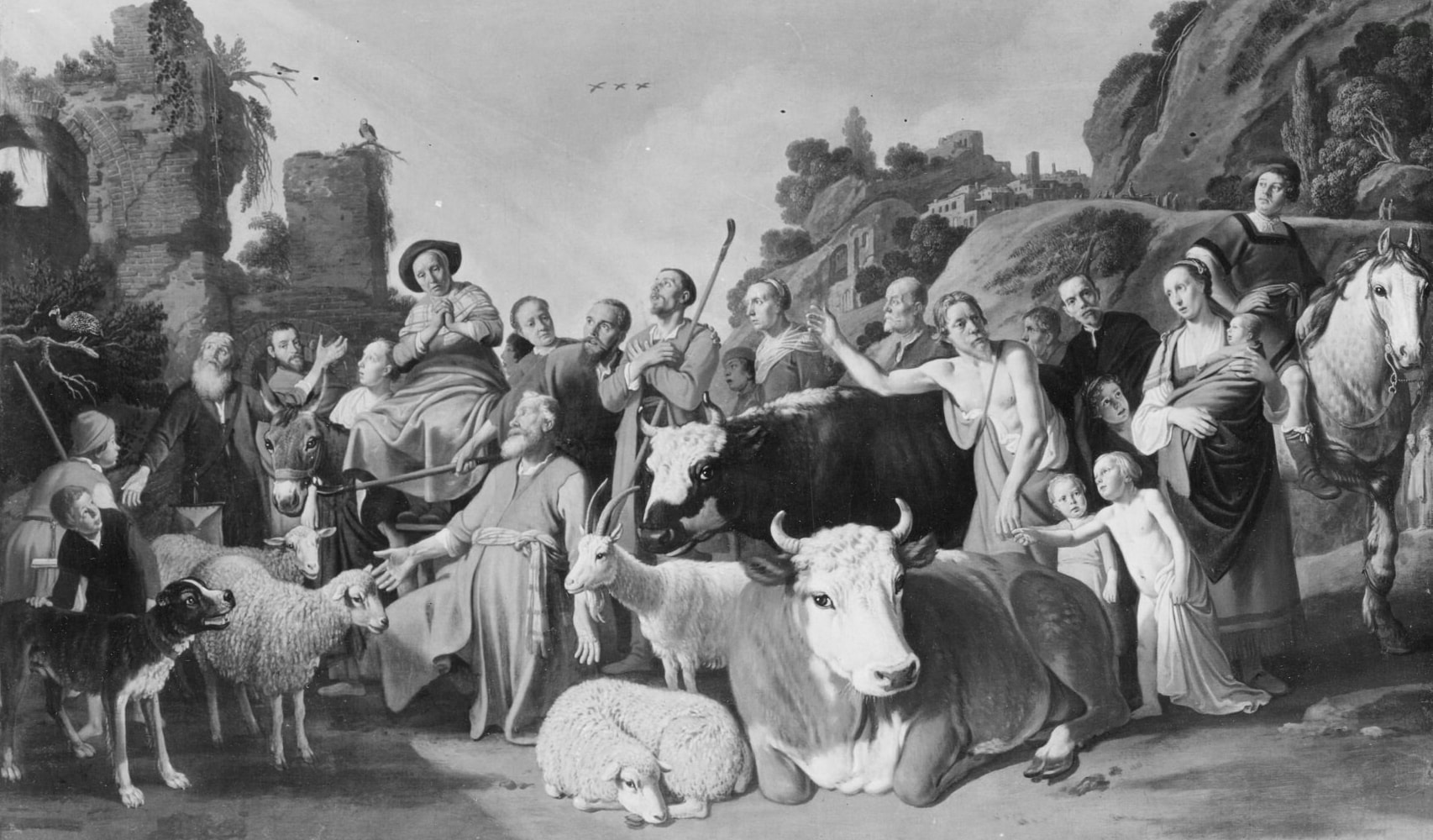
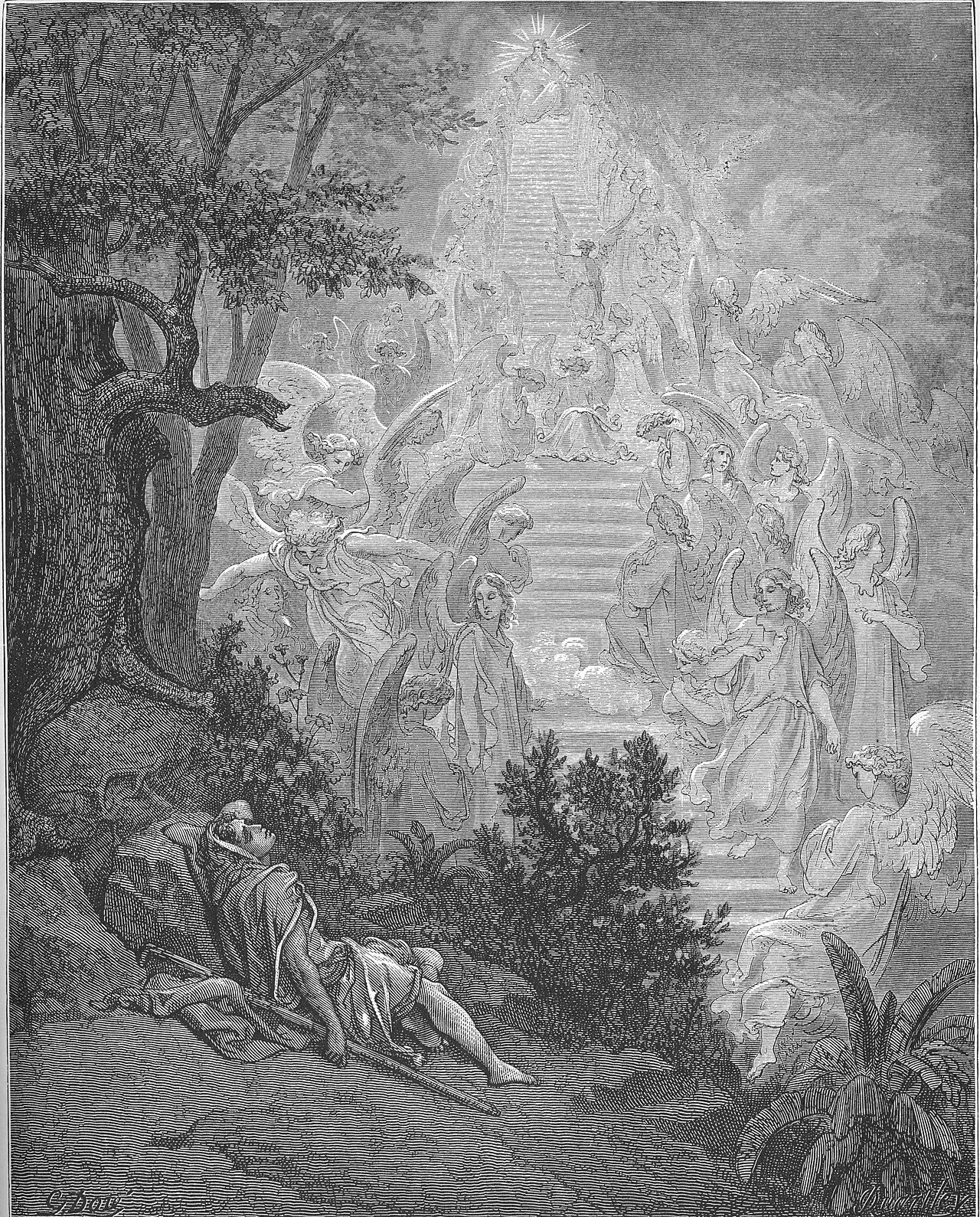 Jacob's LadderA fleeing deceiver lies down on a stone and meets God, a ladder set between heaven and earth that Jesus claims as Himself.
The register: 169 more studies of this kind
A
- Abimelech and Jotham's Fable
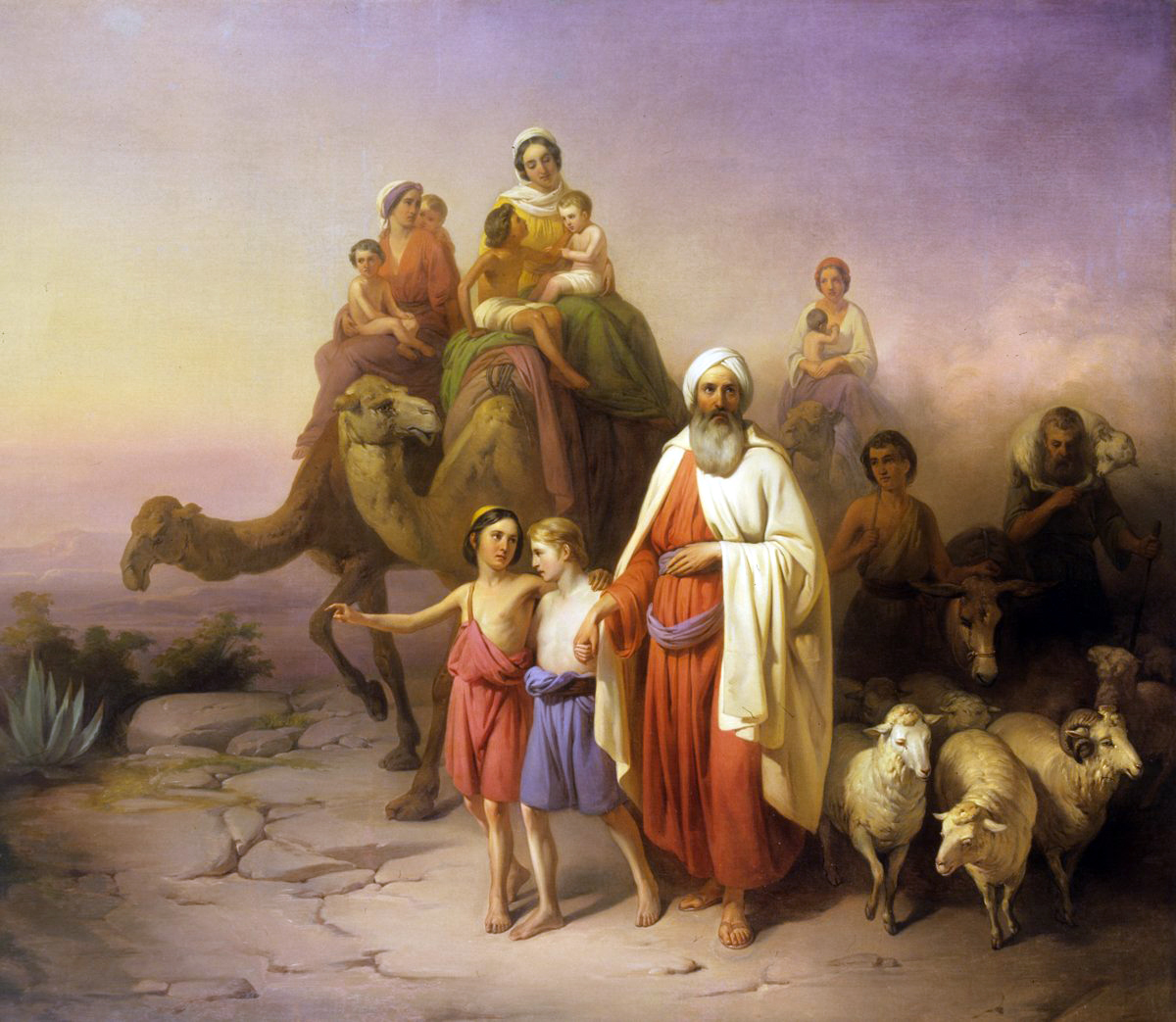
- Abraham and Sarah: The Twenty-Five Years
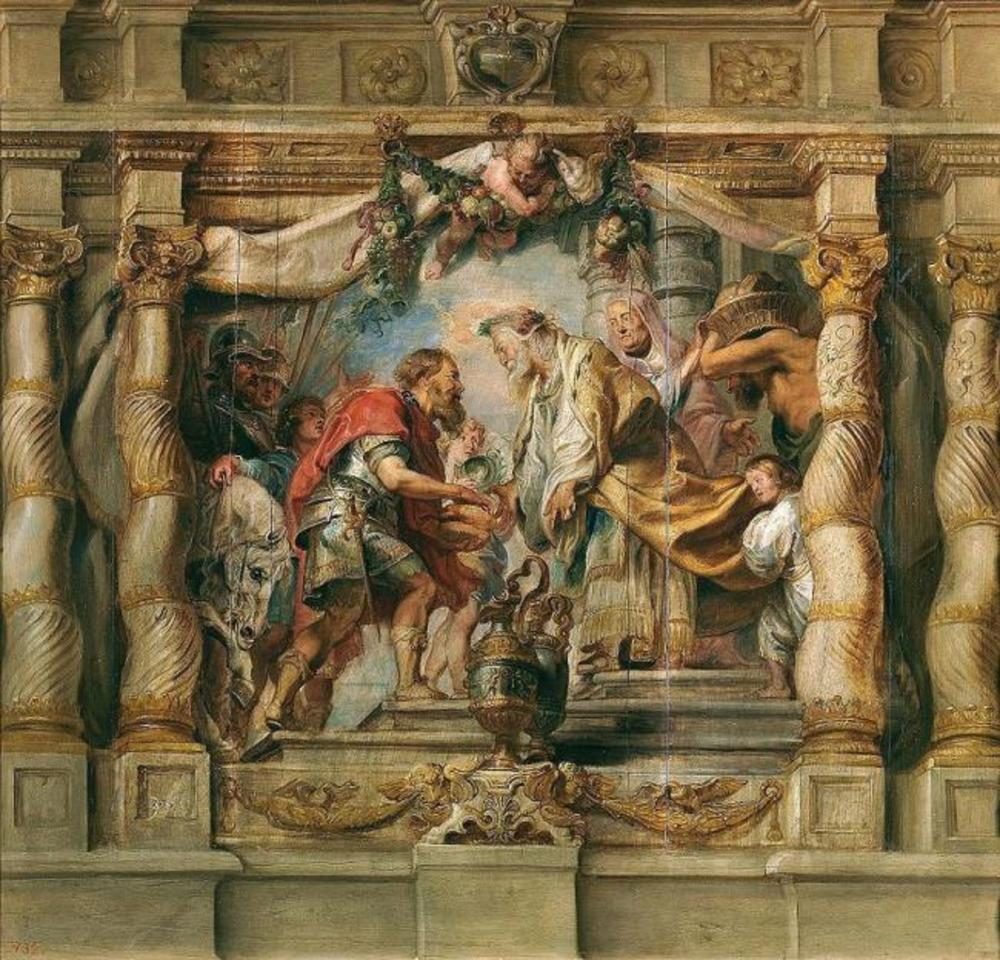
- Abraham's Three Visitors
- Ananias and Sapphira (Acts 5)This page walks Acts 5:1-11 on the six-beat iconic-story pattern, drawing the chapter's own three-hour gap as a clock and naming what the text does not say rather than filling the silence.
- Asmodeus and the Unseen WarA demon named Asmodeus kills seven bridegrooms to stop one covenant marriage, until the angel Raphael chases him to Egypt and binds him.
- Augustine's Three Answers
B
- Baal of Peor
- Balaam's Donkey
- Barnabas, a Good Man
- Be It Unto Me — The Annunciation, Luke 1This page walks Gabriel's visit to Mary in six passes, pairing her question with Zechariah's from one chapter earlier, then tracing what Scripture leaves unsaid and how the rest of the New Testament reads the scene.
C
- Cain and Abel
- Caleb and the Twelve Spies
- Calming the Storm: Mark 4:35–41This page walks the storm on the Sea of Galilee verse by verse, then lines up three psalms that credit stilling the sea to the LORD alone against what happened in that fishing boat.
- Cornelius and Peter, Acts 10This page walks Acts 10 as two visions moving toward each other, a Roman officer's angel and a fisherman's vision of a sheet, and charts the exact order of events showing the Holy Spirit falling before anyone is baptized.
- Corrie ten Boom and the Guard
D
- Daniel in Babylon
- Daniel in the Lions' Den: Daniel 6A seventy-year timeline shows Daniel's age by the shape of the evidence rather than by assertion, then the page corrects seven common drifts in how the story gets retold and names four questions the chapter leaves silent.
- Daniel's Open Window
- David and Bathsheba: 2 Samuel 11-12The page builds Nathan's parable as a courtroom exhibit and lays the king's own verdict against what it cost him, tracked chapter by chapter through the rest of 2 Samuel.
- David and Goliath
- David and Jonathan: 1 Samuel 18 & 20A covenant ledger lines up four things Jonathan swore against where each was paid, the last payment landing decades after his death.
- David and Mephibosheth
- David Danced Before the Ark
E
- Egypt's Famine Years and the Land of Pharaoh
- Ehud and the Deliverance from Moab
- Elijah on Carmel — the Still Small VoiceThe contest on Carmel where fire falls and 'the LORD, he is God,' followed by collapse at Horeb and an answer in a still small voice.
- Elisha — the Double PortionElisha asks for his master's spirit doubled at the Jordan, and performs a miracle-catalog that doubles Elijah's in scope.
- Enoch Walked With God
- Esther: For Such a Time as This
- Ezra's Questions God AnswersWritten a generation after the temple fell in AD 70, this book pours the era's grief into Ezra's questions about why the wicked prosper and why Zion suffered.
F
- Faith Under Fire, the Furnace and the Lions' DenDaniel 3 and Daniel 6 told as facing trials, fifty years apart, God present inside the sentence rather than instead of it.
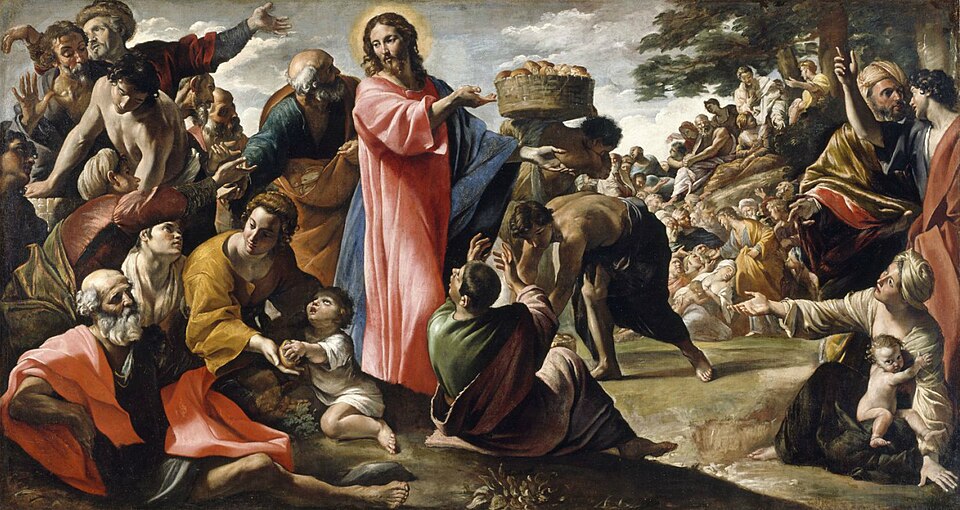
- Feeding the Five Thousand, John 6:1–15This page walks the only miracle all four Gospels record through the six-beat Iconic Story shape: the plain telling, a side-by-side ledger of all four accounts, the true context, what the text leaves unanswered, an Old Testament shadow, and the old commentators on the leftovers.
G
- “Great Is Truth.” The Three GuardsmenThree royal guardsmen answer what is strongest, wine, the king, or women, and the third answer swerves into Truth, winning the contest and a temple.
- Gain All You Can, Give All You Can
- George Müller and the Orphans of Bristol
- Gethsemane (The Garden Called the Oil Press)Gethsemane walks the six-beat Iconic Story shape through the three prayers Jesus prayed in the garden, His condition shifting from 'if it can pass' to 'since it cannot,' with the disciples asleep each time He returns.
- Gideon's Fleece
- Gomer, Bought Back — Hosea 1–3A prophet commanded to marry an unfaithful woman, three children named as verdicts and reversed, and the price paid to buy her back.
- Grumbling, the Opposite of Thanks
H
- Hanukkah: the Feast the Revolt MadeHanukkah began as Judas Maccabeus's decree to keep the temple's rededication every year for eight days, the only biblical-era feast founded between the Testaments.
- Heliodorus in the TreasuryA royal officer sent to seize the Jerusalem temple treasury is struck down by a rider and two young men before he can touch it, then carried out helpless.
- Hezekiah and Sennacherib
- Hezekiah's Sundial, 2 Kings 20 & Isaiah 38This page follows 2 Kings 20 past the healing and the backward shadow to the part most retellings skip: the Babylonian envoys the sign brought, and the exile sentence that followed them.
- Hope in the Cell
I
J
- Jacob Wrestles the Angel
- Jesus at Twelve (Luke 2)This page works the six beats of an Iconic Story: the plain account of Luke 2:41-52, six places the popular retelling drifts from the text, the pilgrimage customs behind it, and what the eighteen silent years do and do not tell us.
- Jesus Stills the Storm
- Jesus WeptScripture records Jesus weeping three times: at Lazarus's tomb, with the raising of Lazarus only verses away; over Jerusalem, a city that would not know its day; and in Gethsemane, with strong crying and tears before the cross.
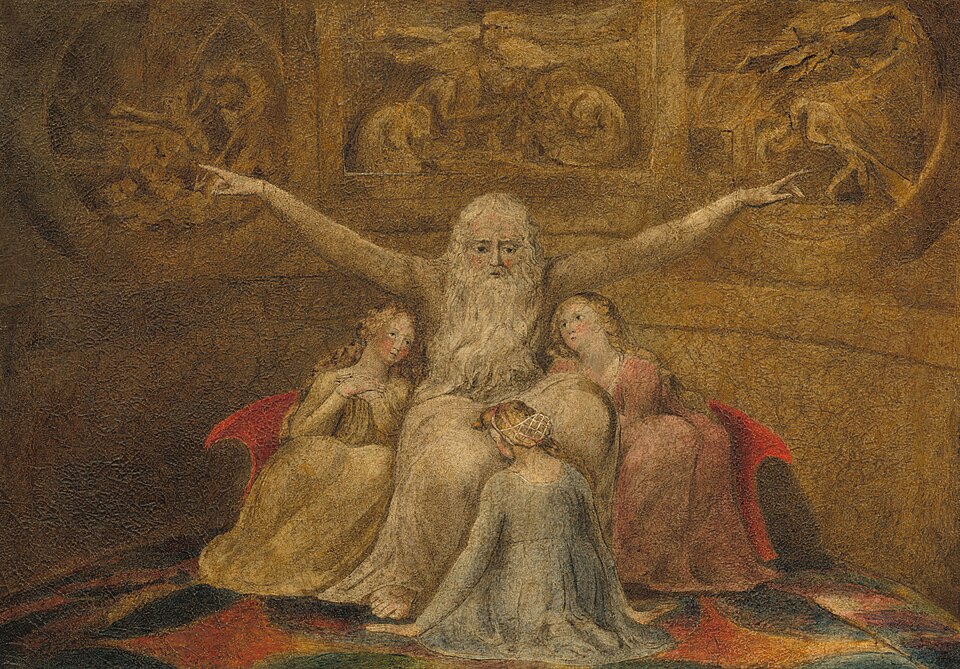
- Job's Integrity
- John on Patmos, Revelation 1The page walks Revelation 1 as a story: what John saw, the Old Testament passages every feature of the vision comes from, the real history of Patmos exile, and what the chapter deliberately leaves out.
- Jonah, the Man Who Ran
- Joseph and Potiphar's Wife
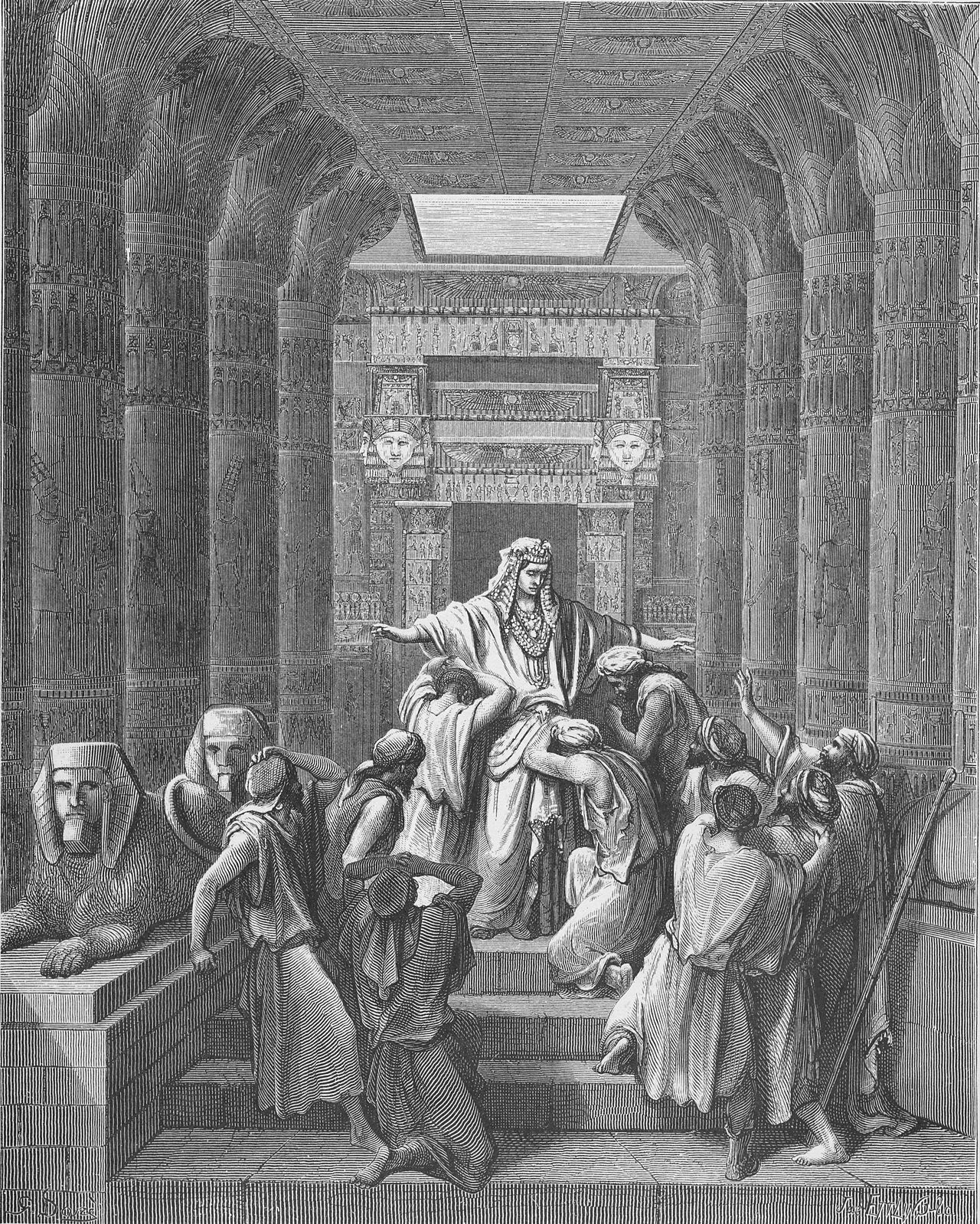
- Joseph Forgives His Brothers
- Josiah Finds the Book (2 Kings 22–23)The page follows the found scroll from Hilkiah's report through Huldah's oracle to the covenant renewal and Passover, using a cascade diagram that widens with the book's reach and narrows back to the sentence still unturned.
- Judas Maccabeus, the HammerJudas Maccabeus led an outnumbered guerrilla army for six years on the creed that with the God of heaven it is all one to deliver by many or by few, the same faith Jonathan spoke at Michmash.
- Judith/Judith The Widow
M
- Mary and Martha: Luke 10:38–42The page walks the scene in six beats: what Luke's Greek actually says, the same two sisters across three scenes in two Gospels, the questions the text leaves unanswered, and what the moment shows about Jesus.
- Men Who Read the Sky — The Wise Men and the Star, Matthew 2Six places the carol drifts from what Matthew actually wrote are named one by one, then three readings of the star, natural event, supernatural light, angel, are laid out side by side with their holders, strengths, and difficulties, unresolved.
- Mercy in the Plague Years
- Miracles of JesusThirty-five recorded works of power across the four Gospels — healings, nature, raisings from the dead, and deliverance — every one anchored to its passage, walked as a ledger.
- Moses in the Bulrushes
- Moses Strikes the Rock
- Moses, the Most Humble Man
N
- Naaman the Leper — 2 Kings 5A captured Israelite girl's one sentence sends an Aramean general to a prophet who will not even come to the door, and Naaman is healed by washing in the Jordan seven times.
- Naboth's Vineyard — 1 Kings 21Naboth refuses to sell his vineyard to King Ahab out of obedience to Israel's land law, so Jezebel has him killed by forged letters and false witnesses that keep every legal form.
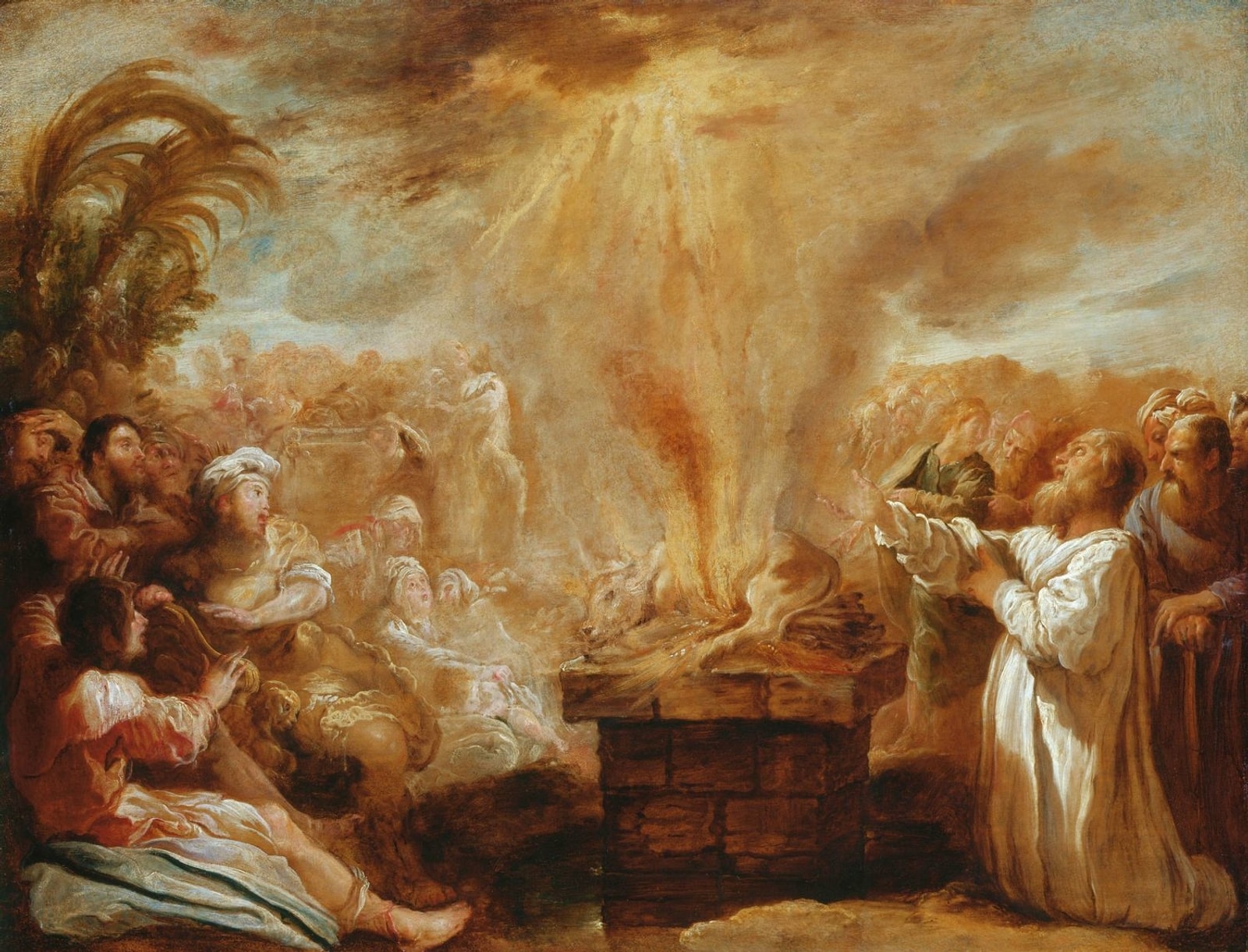
- Nadab and Abihu: the unauthorized fire
- Nathan Before David
- Nicodemus at Night. John 3A ruling-council member comes to Jesus after dark with a compliment and is answered with a new birth, a bronze serpent, and John 3:16.
- Now Thank We All Our God
P
- Paul and Silas at Midnight — Acts 16This page walks Acts 16:16-40 in six parts: the story itself, six places the common retelling drifts from the text, the Roman law behind the beating, what the text leaves unanswered, where the night points to Christ, and how early commentators read the midnight song.
- Paul before Agrippa — Acts 26This page sets both honest readings of Agrippa's famous reply side by side without picking a winner, and lays out who was actually in the room: the last of the Herods, his sister Bernice, and a governor only days into the job.
- Paul the Tentmaker
- Paul's Last Imprisonment and Death
- Paul's Shipwreck — Acts 27–28This page runs the fourteen days as a ship's log, verse by verse, then covers the seamanship a nineteenth-century sailor checked against the real Mediterranean and answers the old objection about Malta's snakes.
- Peter Freed from Prison — Acts 12This page walks Acts 12 in six parts: the story itself, six places retellings drift from the text, the Roman guard and festival setting, what the chapter leaves unexplained, where the rescue points to Christ, and how the church has read it.
- Peter's Confession
- Peter's Denial — Matthew 26 · Mark 14 · Luke 22 · John 18This page lines up all four gospel accounts of Peter's denial side by side, since they do not fully agree on who accused him or exactly where he was standing.
- Philip and the Ethiopian — Acts 8This page sets the law that excluded eunuchs from worship side by side with Isaiah's own promise to them, and shows both meeting in one scene on a desert road.
- Polycarp: Eighty-Six Years
R
S
- Samuel Hears His Name — 1 Samuel 3This page walks 1 Samuel 3 as an iconic story: what actually happened, where the retellings drift from the text, the setting behind the silence, and what the chapter leaves unanswered.
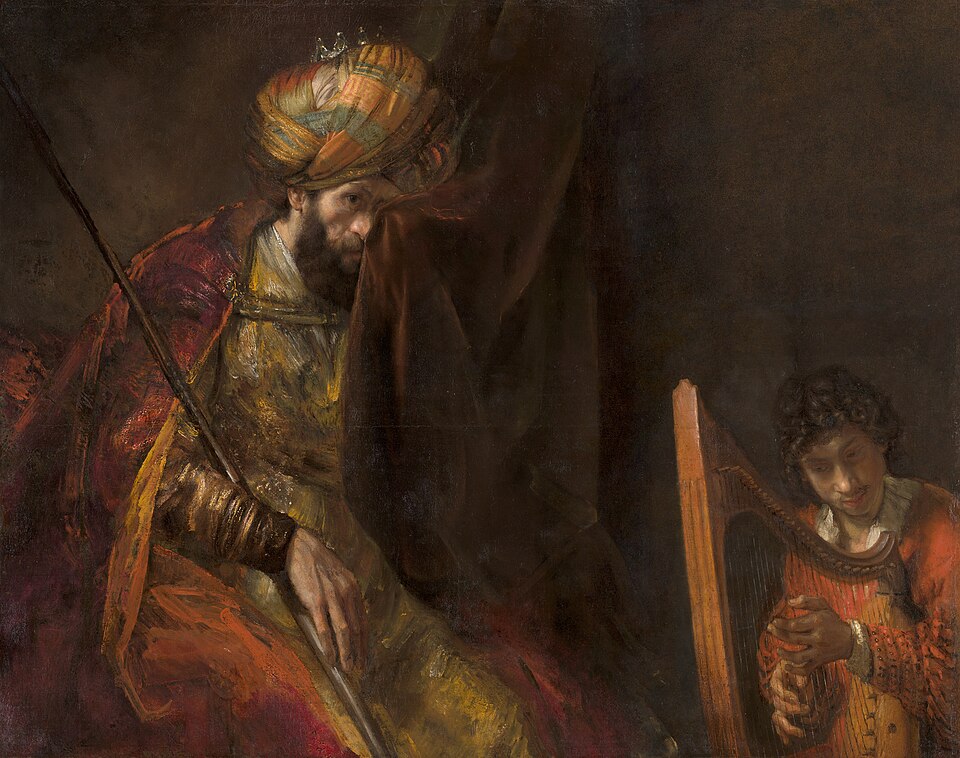
- Saul at Endor — 1 Samuel 28This page walks 1 Samuel 28 as an iconic story, from the three closed doors of prayer that sent Saul to a medium to the eighteen-century argument over who or what appeared.
- See How They Love One Another
- Sihon and Og
- Sodom and Gomorrah
- Solomon and the Two Mothers — 1 Kings 3This page walks the chapter in six passes: the story itself, six places retellings drift from the text, the world of a king who heard cases in person, what Scripture leaves unsaid, the New Testament's own greater-than-Solomon reading, and where two old commentators disagree over one Hebrew word.
- Stephen, the First Martyr — Acts 6–7This page follows Stephen's story in six passes: what happened, where retellings drift from the text, the temple argument behind his sermon, what Scripture leaves unsaid, the Son of Man he saw standing, and what the church took from his death.
- Susanna and the Two JudgesTwo judges threaten Susanna with death unless she sins with them, and she chooses death over sin.
T
- The Antioch ConfrontationAt Antioch, Peter stopped eating with Gentile believers when men came from James, and Paul opposed him to his face, in public.
- The Ark and Dagon — 1 Samuel 4–6This page follows the ark's seven-month journey through five stations in six passes: the story, where retellings drift, the customs behind it, what Scripture leaves unsaid, where it points, and the commentators' own readings.
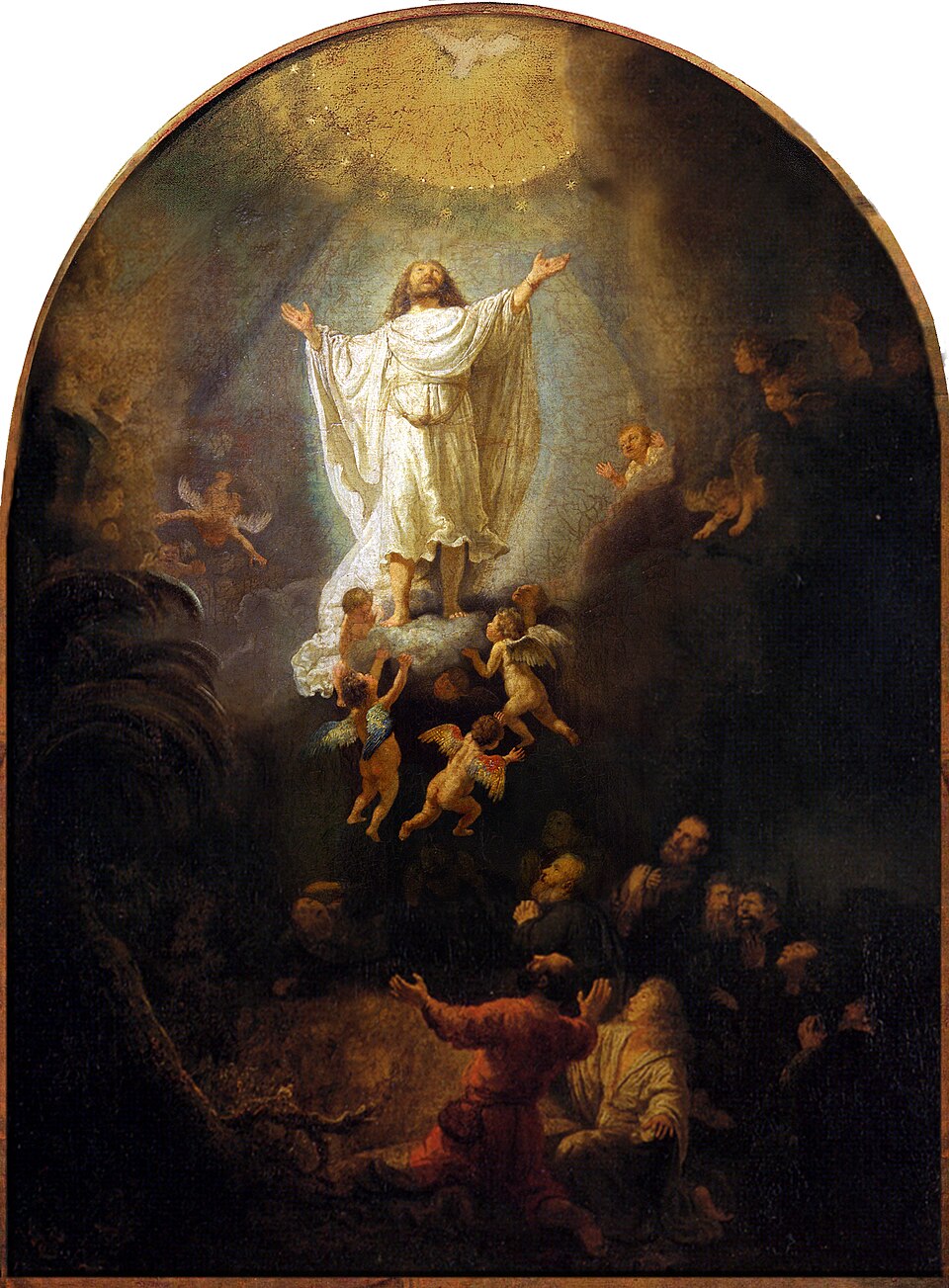
- The Ascension — Acts 1:1–11 · Luke 24:50–53This page walks the ascension in six passes: the story, where retellings drift, the place and the priestly posture, what Scripture leaves unsaid, what the New Testament says it started, and how the early church read it.
- The Baptism of Jesus — Matthew 3This page walks Matthew 3:13-17 in six beats: the scene itself, five places the retelling drifts from the text, five readings of why He was baptised, four honest gaps the Gospels leave open, the Father's sentence stitching together Psalm 2 and Isaiah 42, and how the early church read the river.
- The Boldness of Peter and John
- The Canaanite Conquest
- The Canticles — the Four Songs of Luke 1–2Magnificat, Benedictus, Gloria, Nunc Dimittis: the earliest Christian hymnody, sung over the coming of Christ.
- The Cleansing of the Temple — John 2 · Matthew 21This page walks John 2:13-22 and Matthew 21:12-17 in six beats: the scene itself, six places the common retelling drifts from the text, the true context of the temple courts, what the Gospels leave unanswered, what the scene reveals of Him, and how the early church read it.
- The covenant at Shechem
- The Crossing of the Jordan
- The Crucifixion
- The Damascus Road — Acts 9This page walks Acts 9's account of Saul's conversion in six beats, then lines up all three tellings of the same morning side by side, from Luke's narration to Paul's own retellings before a crowd and before a king.
- The Daughters of Zelophehad
- The death of Moses
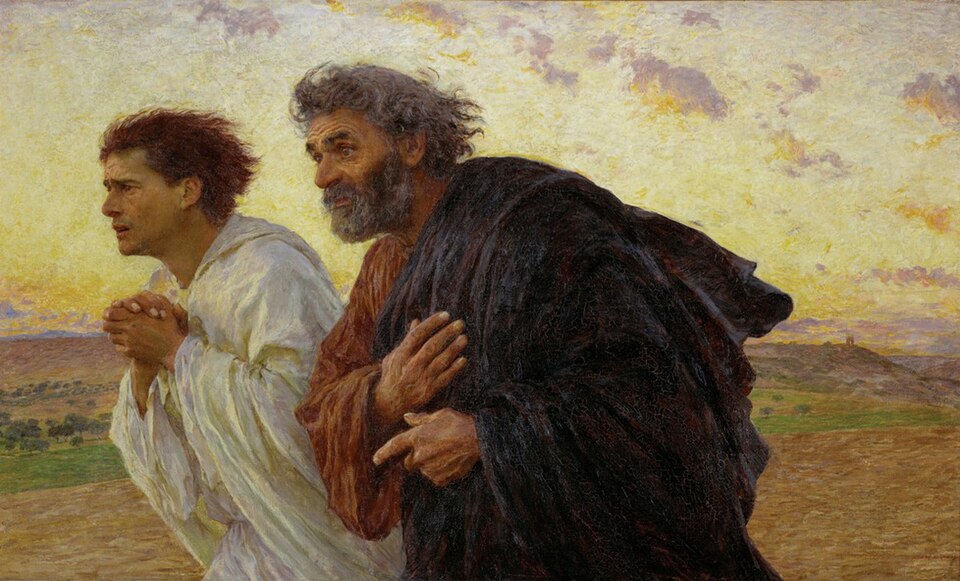
- The Empty Tomb
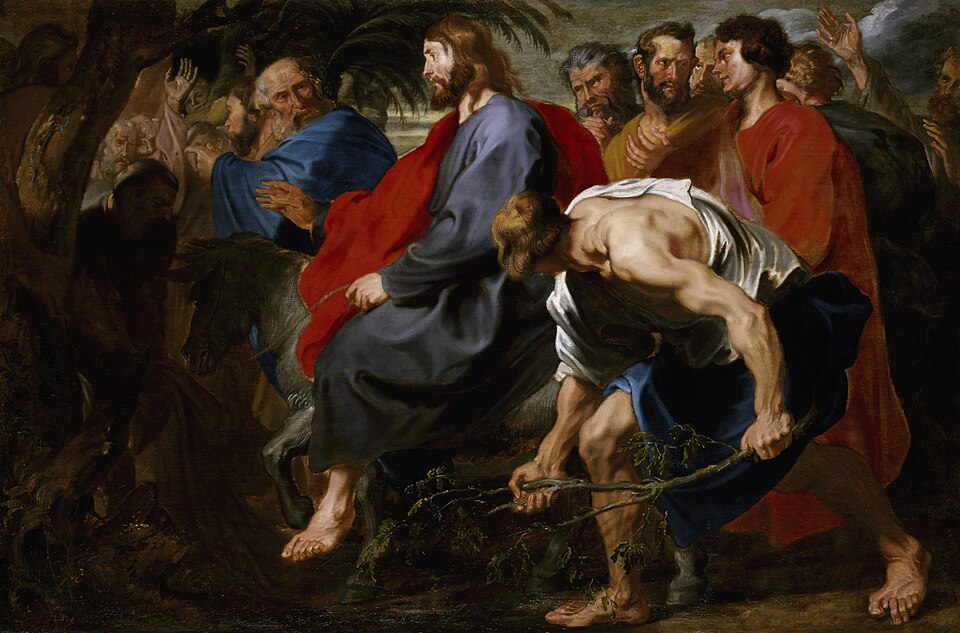
- The Entry into Jerusalem
- The Fall of Nineveh, 612 BC
- The Fall of Samaria and the Indictment of 2 Kings 17
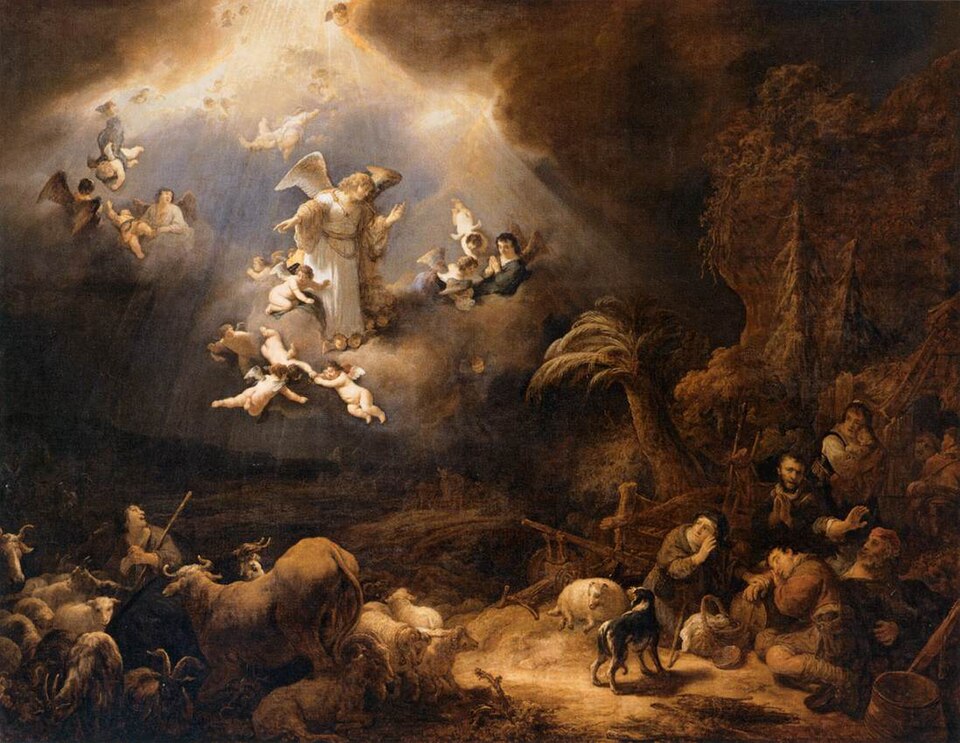
- The First People Told — The Shepherds of Bethlehem, Luke 2This page walks Luke 2:8-20 in six stages: the story plainly told, what the text says against popular retellings, the shepherds' true setting, what Scripture leaves silent, the titles the angel names, and what old commentators heard in it.
- The Flight to Egypt — Matthew 2This page follows Matthew's account of the flight into Egypt beat by beat: the story itself, where the popular retelling drifts from the text, the history behind it, and where the New Testament reads it as a new exodus.
- The Floating Axe Head — 2 Kings 6This page walks the seven verses of 2 Kings 6 beat by beat: the story, five common misreadings, the school of prophets behind it, and an honest note that the New Testament never quotes this passage.
- The Forerunner and the Refiner — Malachi 3:1; 4:5–6Malachi's promised messenger and returning Elijah, both answered in John the Baptist, and a refiner's fire that purifies before it judges.
- The Fourth Man in the Fire — Daniel 3This page walks the six beats of the story: the Hebrew names Babylon renamed, what Daniel 3 actually says, the true context of the golden image and the furnace, and where the story points in Christ.
- The God Who Gets NamedCanonical Esther never once names God, but the six Greek additions supply prayers, a prophetic dream, and the divine name throughout.
- The Good SamaritanThis page follows the lawyer's two questions and the road itself, then shows how Jesus reverses the question from who qualifies for love to who acted like a neighbor.
- The Hour of JohnJohn marks the whole story of Jesus with one recurring word: the hour.
- The Idol Who Ate NothingDaniel proves the idol Bel is not alive by sifting ashes across the sealed temple floor and finding the priests' footprints in the morning, since they had been sneaking in nightly to eat the offered food themselves.
- The Last Kings of Judah and the Fall of Jerusalem
- The Levite's concubine and the war on Benjamin
- The Man Who Asked to Touch — John 20:24–29A three-condition checklist lays Thomas's own demand from verse 25 beside what the text actually records, and only one of the three is ever confirmed.
- The Messianic MiraclesThree works Scripture presents as unprecedented — a Jewish leper cleansed, a mute demoniac freed, a man born blind given sight — the crowd's question, the Pharisees' verdict, and the historical claim behind them, steelmanned honestly.
- The Night Visions of Zechariah
- The Ninety-Four BooksIn a vision around AD 100, Ezra re-dictates the burned Scriptures, and heaven splits the result into books published openly and books kept for the wise alone.
- The Passion & Resurrection, John 18–21John shapes the Passion around one contrast: Jesus' sovereign self-possession against the collapse of everyone around Him.
- The Patience of Job
- The Pharisee and the Tax Collector
- The Prodigal SonThe page walks the parable in five beats, from the complaint that provoked it through the far country, the rehearsed speech, and the father's run, to the second son left standing outside the music.
- The Raising of Lazarus — John 11This page walks John 11 in six beats: the story, six details the retellings tend to skip, a to-scale timeline of the delay, what Scripture stays silent on, and what the sign reveals about Jesus.
- The Rare Jewel of Christian Contentment
- The Rechabites
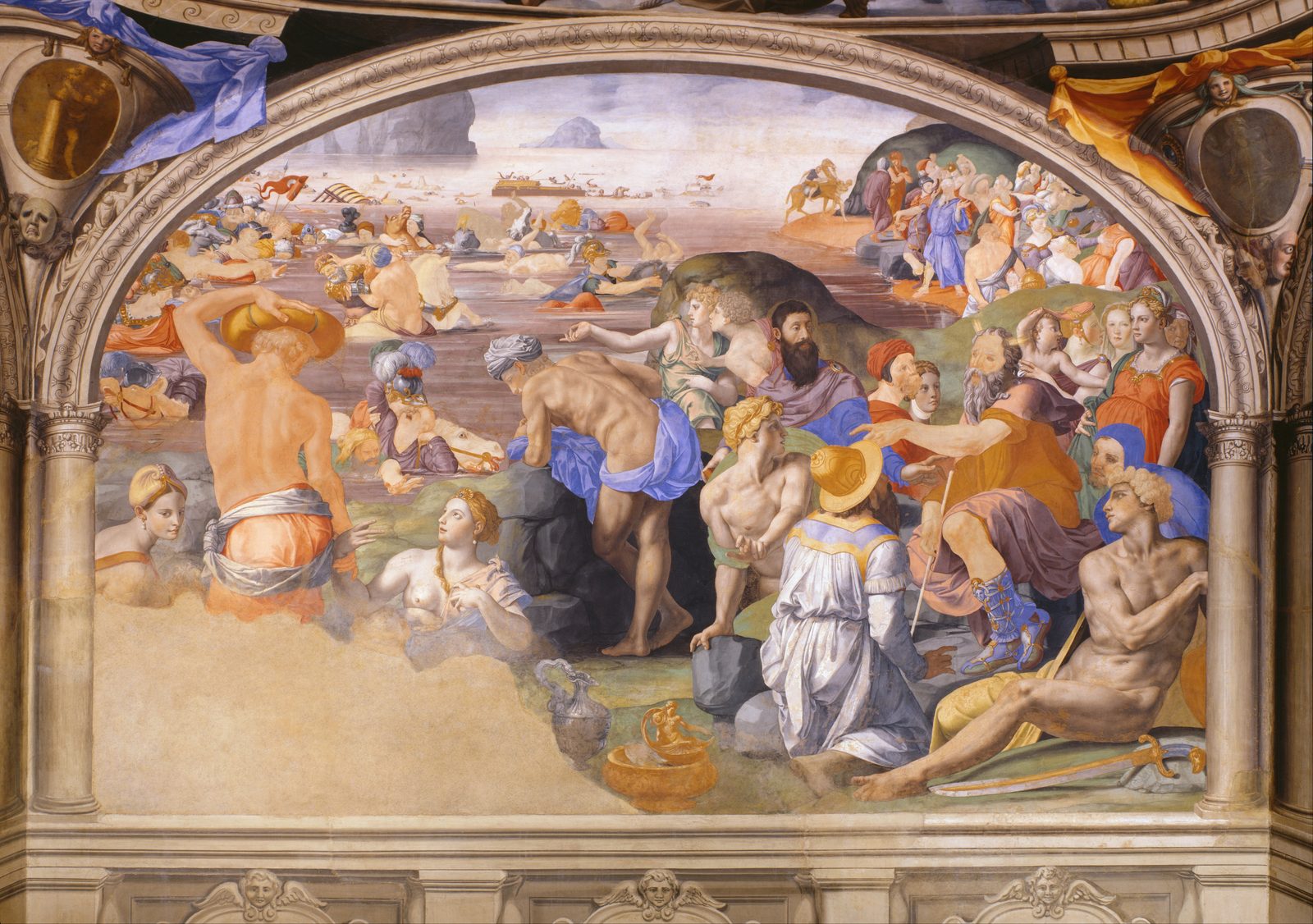
- The Red Sea Crossing
- The Rich FoolThis page follows the rich fool's soliloquy clause by clause, then God's one-sentence answer that ends his plans that same night.
- The Rich Young RulerThis page shows why Jesus's command to this one man was not a universal rule, citing Zacchaeus and the women who supported His ministry as counter-cases.
- The Rise of the Monarchy and the Law of the King
- The Road to EcbatanaTobit's journey runs through five real places of the Assyrian exile, from Nineveh through the Tigris to Ecbatana and back.
- The Road to Emmaus — Luke 24:13–35This page walks Luke 24:13-35 through six beats: the plain story, five places the popular retelling drifts from the text, the seven-mile distance checked against Josephus, the silences the chapter leaves open, and Luke 24:27 as the charter verse for reading Christ in the Old Testament.
- The Seven Brothers and Their MotherSeven brothers and their mother are tortured to death one at a time under Antiochus, each confessing that the King of the world will raise them up.
- The Seven Signs of JohnJohn never calls them mighty works — he calls them signs, deeds that point past themselves to who the doer is.
- The Shunammite Woman and Elisha
- The Sign of JonahAsked for a sign, Jesus gives exactly one: Jonah's three days and three nights, pointing to His own three days in the heart of the earth, and a greater than Jonah is here.
- The Silent YearsBetween his return from Egypt as an infant and his baptism in the Jordan near age thirty, Scripture gives Jesus one narrated story: found in the temple at twelve.
- The Song in the FurnaceThis page reads the Greek addition to Daniel 3, sixty-eight verses of prayer and praise sung inside the furnace, and lays out who the fourth man in Daniel 3:25 was.
- The Temptation in the Wilderness — Matthew 4This page walks Matthew 4 and Luke 4 through six beats: the story, what the text says against popular versions, the desert and temple setting, what the Gospels leave silent, the second Adam comparison, and old commentary on the scene.
- The Ten Commandments
- The Ten Lepers
- The Ten PlaguesThe 3×3+1 architecture of Exodus 7–12, the judgment on the gods of Egypt honestly graded, and Pharaoh's hardening heart set out verse by verse.
- The Tower of Babel: Genesis 11Humanity unites to make a name against heaven; God confuses the tongues and scatters the nations, the scattering Pentecost reverses.
- The Transfiguration — Matthew 17 · Mark 9 · Luke 9This page walks Matthew 17, Mark 9, and Luke 9 through six beats: the story, what the three accounts say against smoothed-over retellings, the unnamed mountain, what none of the Gospels tell, the Father's two declarations, and how the church has read it.
- The Trial of JesusJesus stood before six hearings in about twelve hours: Annas, Caiaphas and the council by night, the full Sanhedrin at daybreak, Pilate, Herod, and Pilate a second time.
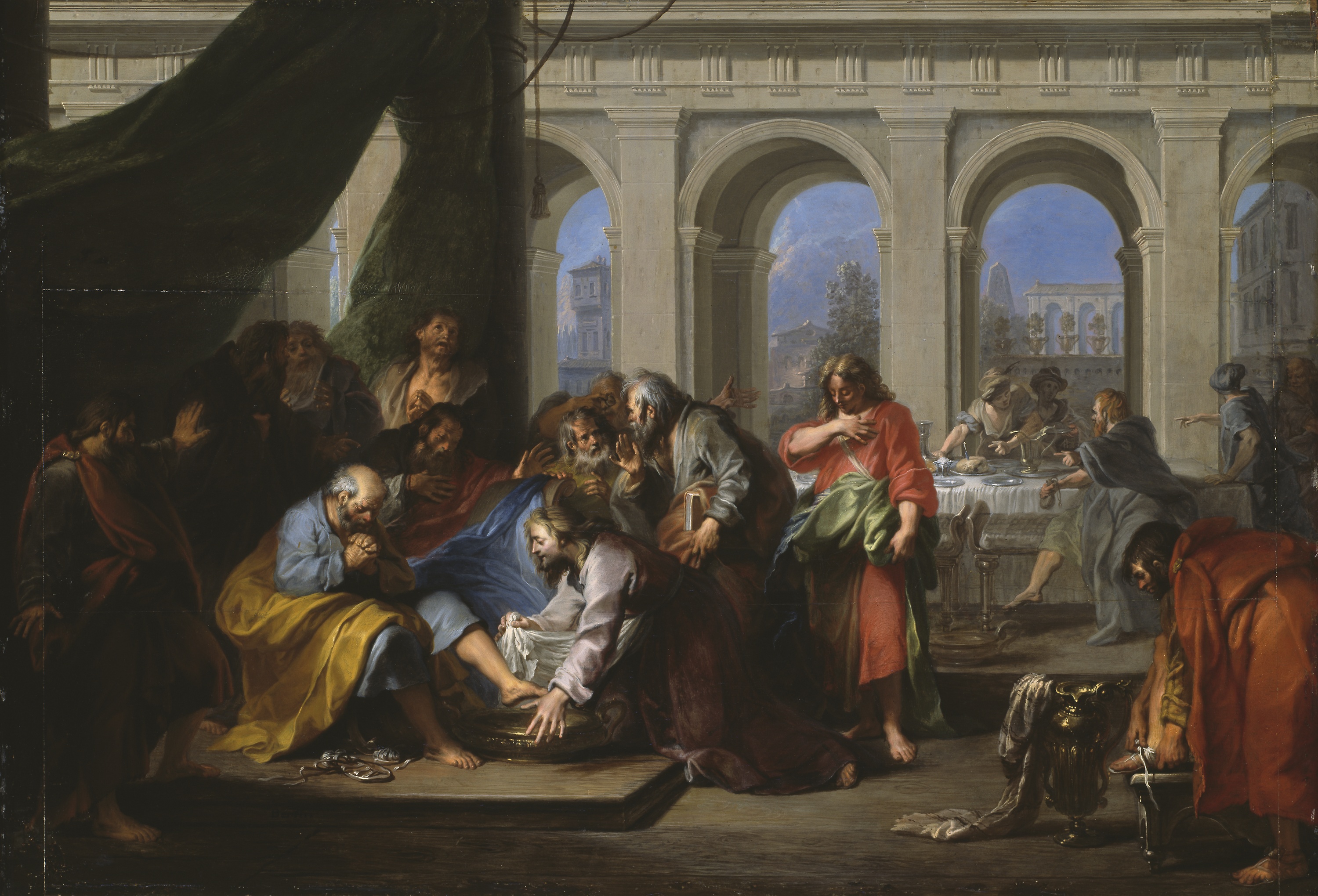
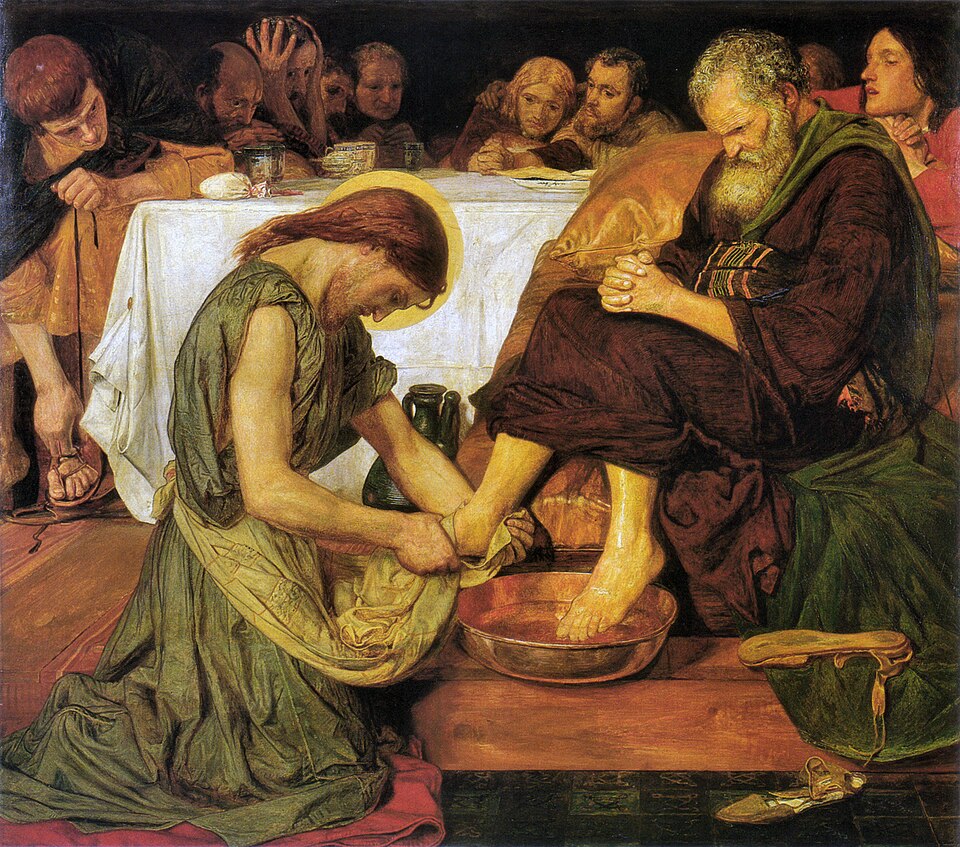
- The Upper Room & the Farewell — John 13–17The towel, the new commandment, the promise of the Paraclete, the true vine, and the High-Priestly Prayer for every future believer by name.
- The Valley of Dry Bones — Ezekiel 37Bones, then bodies, then breath: ruach as the word the whole vision turns on, and two sticks joined under one Shepherd-King.
- The Wall — the 52-Day Rebuild — Nehemiah 1–6A four-month burden, a night ride around the ruins, and a wall finished in fifty-two days despite mockery and conspiracy.
- The Widow's MitesThe page unpacks what the two mites were actually worth and why proportion, not amount, is Jesus's measure.
- The Woman at the Well — John 4A ten-turn thread lays out the whole conversation verse by verse, His lines and hers side by side, before six places the retellings drift from John's own words are named.
- The World's HatredThis page traces the world's hatred to its source in John 15 and Matthew 10, then shows how the hostility, the command it carries, and the injustice of it were all foretold in advance.
- The Worst King's PrayerThis page traces Manasseh's repentance in 2 Chronicles 33 and reads the fifteen-verse Prayer that later tradition wrote to fill the gap the Chronicler left.
- The Writing on the Wall (Daniel 5)Each word on the wall opens to show its weight, its verb, and the sentence it delivered, and a three-rung diagram explains why 'third ruler' was actually the highest offer Belshazzar had left to give.
W
- Walking on Water — Matthew 14:22–33This page walks Matthew 14:22-33 and its Mark and John parallels in six passes: the story plainly told, where retellings drift from the text, the true distance and hours, what Scripture leaves unsaid, what the scene reveals of Christ, and the old readers on Peter.
- What the Chronicler Leaves Out, and Why
- Wilberforce and the Slave Trade