

Psalm 119 · Value 10 of 41 · Featured Study
Goodness
Goodness belongs first to God, and by His gift to the people He makes new.
Jesus asked if it was lawful on the Sabbath to do good or to do evil, and no one answered.
You are good, and You do what is good; teach me Your statutes.
- Anchor text
- Psalm 119:68 “You are good, and You do what is…”
- Its opposite
- Evil returned for good, and evil called good
- Hold in memory
- Psalm 119:68
Summary
Scripture calls God good from its first page to its last letters. The world He made was very good, and the psalms praise Him for a goodness that endures forever. The command to do good rests on that ground, and the Law, the prophets and the apostles all give it. Jesus carried it past friends to enemies, so that His people do good even to those who wrong them.
- God alone is good in Himself, and all goodness in His creatures comes from Him.
- His goodness reaches every creature, the evil as well as the good.
- Goodness grows in believers as part of the fruit the Holy Spirit bears.
- Scripture names the opposite of goodness as evil returned for good and evil renamed as good.
What Goodness Is
Four words of Hebrew and Greek carry what Scripture means by good and goodness.
What does Scripture mean when it calls God good, and what does it ask when it tells His people to do good? This study of goodness answers from the text in order. It gives the four Hebrew and Greek words, the key texts and the commands. It shows the ground of goodness in God and in Christ, the people who did good, the practice and the opposite. It then names the stories, the voices and the questions on which readers disagree. Five studies take each part further.
Tov, good
The Hebrew adjective tov (H2896) runs from pleasant through good to welfare. A psalm uses it of God Himself: “Good and upright is the LORD.”
Tuv, goodness
The Hebrew noun tuv (H2898) means goodness, and a psalm marvels at it: “How great is Your goodness which You have laid up for those who fear You.”
Agathos, good
The Greek adjective agathos (G18) is the New Testament's common word for good, as in “God works all things together for the good of those who love Him.”
Agathosyne, goodness
The Greek noun agathosyne (G19) stands four times, all in Paul's letters, as in “the fruit of the light consists in all goodness, righteousness, and truth.”
Tov, good, Tuv, goodness, Agathos, good, Agathosyne, goodness, The Words Tov and Agathosyne, the study in brief
The Key Texts, from Creation to the Letters
The Hebrew tov stands in 497 verses of 35 books and the Greek agathos in 91 verses of 21 books, and the key texts carry God's goodness from Genesis to Galatians.
Law
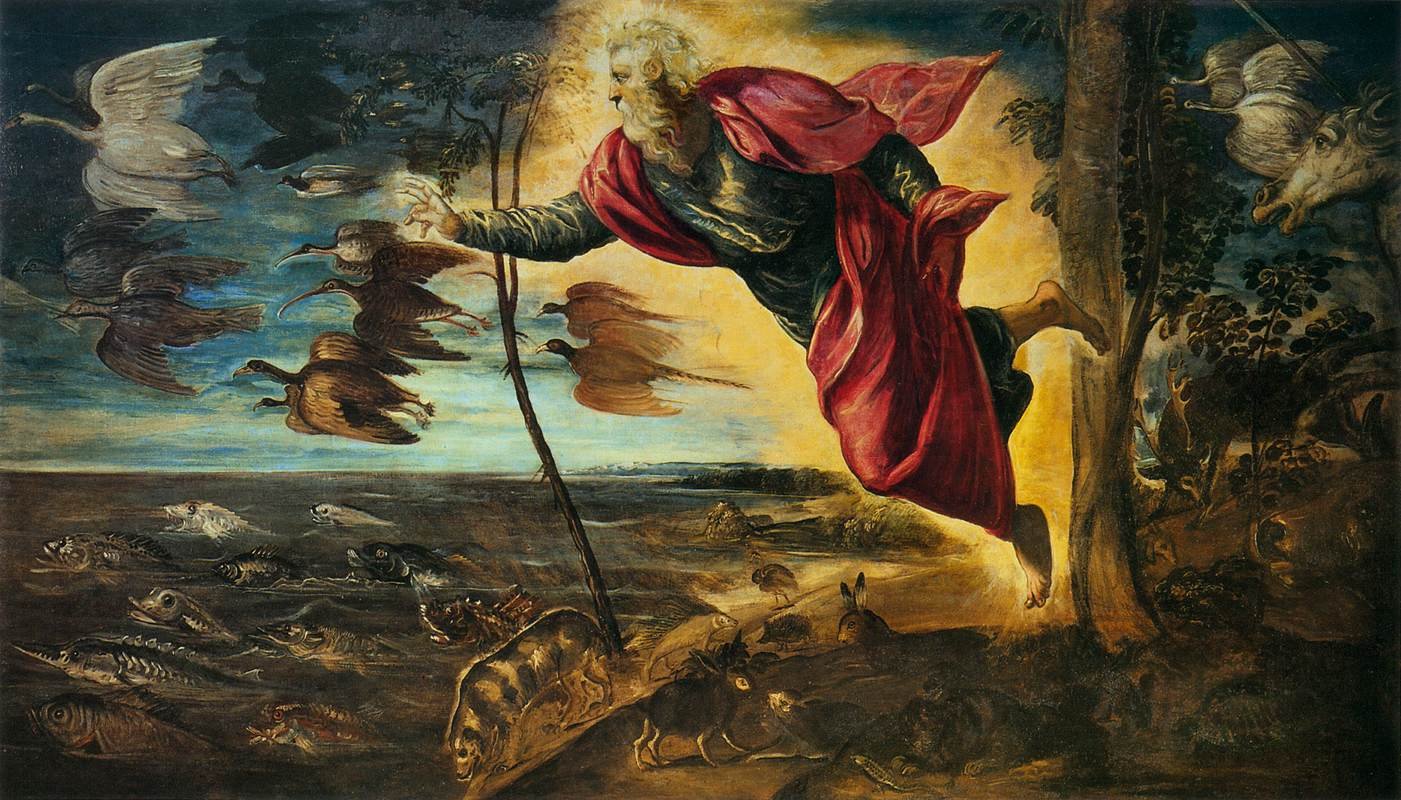
And God looked upon all that He had made, and indeed, it was very good. And there was evening, and there was morning—the sixth day.
The sixth day closes with God's verdict on the whole of His work.
Genesis 1:31BSB
Law
“I will cause all My goodness to pass before you,” the LORD replied, “and I will proclaim My name—the LORD—in your presence. I will have mercy on whom I have mercy, and I will have compassion on whom I have compassion.”
The LORD promises Moses that His goodness will pass before him with the proclamation of His name.
Exodus 33:19BSB
Wisdom
Surely goodness and mercy will follow me all the days of my life, and I will dwell in the house of the LORD forever.
The shepherd psalm trusts that God's goodness will go with the psalmist to the end of his life.
Psalm 23:6BSB
Wisdom
Taste and see that the LORD is good; blessed is the man who takes refuge in Him!
The psalm turns the confession of God's goodness into a call to every reader.
Psalm 34:8BSB
Wisdom
For the LORD is good, and His loving devotion endures forever; His faithfulness continues to all generations.
The psalm gives the LORD's goodness as the reason His people praise Him.
Psalm 100:5BSB
Wisdom
The LORD is good to all; His compassion rests on all He has made.
The psalm reaches the LORD's goodness and compassion to every creature He made.
Psalm 145:9BSB
Prophets
The LORD is good, a stronghold in the day of distress; He cares for those who trust in Him.
Nahum calls the LORD a stronghold for those who trust Him in the day of distress.
Nahum 1:7BSB
Prophets
He has shown you, O man, what is good. And what does the LORD require of you but to act justly, to love mercy, and to walk humbly with your God?
Micah says that God has shown man what is good and what He requires.
Micah 6:8BSB
Gospels
“Why do you call Me good?” Jesus replied. “No one is good except God alone.
A man kneels and calls Him good Teacher, and He sends the word good back to God.
Mark 10:18BSB
Epistles
But the fruit of the Spirit is love, joy, peace, patience, kindness, goodness, faithfulness, gentleness, and self-control. Against such things there is no law.
Goodness stands beside kindness and faithfulness in what the Spirit grows.
Exodus 33:19, Psalm 23:6, Psalm 34:8, Psalm 100:5, Psalm 145:9, Nahum 1:7, Micah 6:8, Mark 10:18 and 1 more
Where Scripture Commands Goodness
Moses, the psalms, the prophets and the apostles command God's people to do good.
Moses told Israel, “Do what is right and good in the sight of the LORD” (Deuteronomy 6:18). Psalm 34 calls children to listen and teaches them, “Turn away from evil and do good; seek peace and pursue it” (Psalm 34:14).
The prophets pressed the same command on a people who had stopped keeping it. Isaiah called Judah to “Stop doing evil! Learn to do right; seek justice and correct the oppressor” (Isaiah 1:16 to 17), and Amos said, “Hate evil and love good” (Amos 5:15).
John wrote to his friend Gaius, “The one who does good is of God; the one who does evil has not seen God” (3 John 1:11).
Love must be sincere. Detest what is evil; cling to what is good.The letter sets the sincere love it asks of the church inside a choice between evil and good.
Do not be overcome by evil, but overcome evil with good.Paul gives this command right after the charge to feed a hungry enemy.
Romans 12:9, Romans 12:21, Overcome Evil with Good, the study in brief
Goodness Rests on God's Own Goodness
The psalms, the prophets and the letters show God good before they ask goodness of anyone.
The psalms make His goodness the reason for thanks. The line “Give thanks to the LORD, for He is good” opens Psalms 106, 107 and 136 (Psalm 107:1). Jeremiah foretold that the same words would be heard again in the restored city (Jeremiah 33:10 to 11).
The first letter to Timothy carries the verdict of creation into the church: “every creation of God is good” (1 Timothy 4:4).
Every good and perfect gift is from above, coming down from the Father of the heavenly lights, with whom there is no change or shifting shadow.James traces all that is given to one unchanging Father.
You Are Good, and You Do What Is Good, the study in brief
Christ, Who Went Around Doing Good
Christ did good to the oppressed, taught His disciples to do good to enemies, and laid down His life as the good shepherd.
Peter told the household of Cornelius how God anointed Jesus with the Holy Spirit and with power. Then he said that Jesus “went around doing good and healing all who were oppressed by the devil, because God was with Him” (Acts 10:38).
He taught that “your Father in heaven” will “give good things to those who ask Him” (Matthew 7:11). He told His disciples, “love your enemies, do good to them, and lend to them, expecting nothing in return,” because the Most High “is kind to the ungrateful and wicked” (Luke 6:35).
His goodness went to the cross. “I am the good shepherd,” He said, and “the good shepherd lays down His life for the sheep” (John 10:11). There the Greek word for good is kalos. The letter to Titus says that “He gave Himself for us to redeem us from all lawlessness and to purify for Himself a people for His own possession, zealous for good deeds” (Titus 2:14).
The Crucifixion, the study in brief
Who Did Good
Five people of the Bible are remembered by name for the good they did.
Jehoiada the priest
He “was buried with the kings in the City of David, because he had done what was good in Israel for God and His temple.”
2 Chronicles 24:16He was “seeking the good of his people and speaking peace to all his countrymen.”
Esther 10:3Joseph of Arimathea
Luke calls him “a good and righteous man, who had not consented to their decision or action.”
Luke 23:50 to 51
Mordecai, Joseph of Arimathea, Tabitha
The Practice of Goodness
Scripture names eight practices of goodness, each in the words of the verse that gives it.
- 1Do good to everyone“Therefore, as we have opportunity, let us do good to everyone, and especially to the family of faith.”Galatians 6:10
- 2Do not grow weary“Let us not grow weary in well-doing, for in due time we will reap a harvest if we do not give up.”Galatians 6:9
- 3Do not withhold good“Do not withhold good from the deserving when it is within your power to act.”Proverbs 3:27
- 4Repay no one evil for evil“Make sure that no one repays evil for evil. Always pursue what is good for one another and for all people.”1 Thessalonians 5:15
- 5Feed a hungry enemy“If your enemy is hungry, give him food to eat, and if he is thirsty, give him water to drink.”Proverbs 25:21
- 6Let good deeds be seen“In the same way, let your light shine before men, that they may see your good deeds and glorify your Father in heaven.”Matthew 5:16
- 7Answer slander with good“For it is God’s will that by doing good you should silence the ignorance of foolish men.”1 Peter 2:15
- 8Share with others“And do not neglect to do good and to share with others, for with such sacrifices God is pleased.”Hebrews 13:16
Do not grow weary, Do not withhold good, Repay no one evil for evil, Feed a hungry enemy, Let good deeds be seen, Answer slander with good, Share with others
What Stands Against Goodness
Good judged without God, the heart that does no good, and evil returned for good stand against goodness in Scripture.
Scripture's account of the first sin turns on the word good. The serpent promised, “you will be like God, knowing good and evil” (Genesis 3:5), and the woman “saw that the tree was good for food” (Genesis 3:6). Paul quotes Psalm 14 to say of the whole race that “there is no one who does good, not even one” (Romans 3:12).
Wisdom
If anyone returns evil for good, evil will never leave his house.
Proverbs warns that evil will not leave the house of one who pays back good with harm.
Prophets
Woe to those who call evil good and good evil, who turn darkness to light and light to darkness, who replace bitter with sweet and sweet with bitter.
Isaiah pronounces woe on those who swap the names of evil and good.
Isaiah 5:20BSB
Prophets
You hate good and love evil. You tear the skin from my people and strip the flesh from their bones.
Micah charges the rulers of Israel with hating good and loving evil.
Micah 3:2BSB
Epistles
Anyone, then, who knows the right thing to do, yet fails to do it, is guilty of sin.
James counts the good that is known and left undone as sin.
James 4:17BSB
Isaiah 5:20, Micah 3:2, James 4:17
Proverbs 17:13, Isaiah 5:20, Micah 3:2, James 4:17
Goodness in the Stories of the Bible
Four stories tell of a brother who forgave, a hunted man who spared his king, a prophet who fed his captors and a Levite who gave and vouched.
Joseph forgives his brothersGenesis 50
Joseph's brothers sold him into Egypt. Years later, with their father dead, they feared that he would repay them for all the wrong they had done. He told them, “As for you, what you intended against me for evil, God intended for good” (Genesis 50:20). Then he promised, “I will provide for you and your little ones,” and he spoke kindly to them (Genesis 50:21).
Read the study of providence 8 sections, 21 verses set out
David spares Saul1 Samuel 24
King Saul took three thousand chosen men to hunt his rival and went into a cave where David and his men were hiding. David “crept up secretly and cut off a corner of Saul’s robe” (1 Samuel 24:4) and let the king go. The king wept aloud and said, “You are more righteous than I, for you have rewarded me with good, though I have rewarded you with evil” (1 Samuel 24:17).
Read the page on Saul 14 sections, 25 verses set out
Elisha feeds the raiders2 Kings 6
The king of Aram sent an army to Dothan to capture Elisha. The LORD struck the raiders with blindness at Elisha's prayer, and Elisha led them into Samaria (2 Kings 6:13 to 20). When the king of Israel asked whether to kill them, Elisha answered, “Set food and water before them, that they may eat and drink and then return to their master” (2 Kings 6:22). “And the Aramean raiders did not come into the land of Israel again” (2 Kings 6:23).
Read the study that opens with this story 8 sections, 17 verses set out
Barnabas encourages the churchActs 4, 9 and 11
Barnabas, a Levite from Cyprus, sold a field and laid the money at the apostles' feet (Acts 4:36 to 37). When the disciples in Jerusalem would not believe that the man who had threatened them was now a disciple, he brought him to the apostles (Acts 9:26 to 27). Sent to Antioch, he encouraged the new believers, and Luke gives the reason in his character: “Barnabas was a good man, full of the Holy Spirit and faith” (Acts 11:24).
Read the story of Barnabas 11 sections, 11 verses set out
David spares Saul (1 Samuel 24), Elisha feeds the raiders (2 Kings 6), Barnabas encourages the church (Acts 4, 9 and 11)
Goodness in the Church's History
Four accounts tell of Christians who did good to enemies, a soldier who clothed a beggar, a boy who stole for the evil of it and a fugitive who saved his pursuer.
Aristidesthe second century
Aristides described the Christians to the emperor in his Apology (chapter 15, translated by D. M. Kay, 1896). He wrote that “they do good to their enemies”, and that when they had no food to spare, “they fast two or three days in order to supply to the needy their lack of food”. The Lord had told His disciples, “do good to those who hate you” (Luke 6:27). The Apology is one Christian's account of his own people.
Read the study that tells Aristides in full 8 sections, 17 verses set out
Martin of Toursthe fourth century
Sulpicius Severus tells in his Life of Saint Martin (chapter 3, translated by Alexander Roberts, 1894) that Martin, still a soldier, met “at the gate of the city of Amiens a poor man destitute of clothing” in a hard winter. Martin “divided his cloak into two equal parts, and gave one part to the poor man”. Sulpicius adds that Christ appeared to Martin that night wearing that half, and the vision is the biographer's report.
Augustine of Hippothe fourth century
In his Confessions (book 2, chapter 4, translated by J. G. Pilkington, 1887) Augustine told how at sixteen he and his friends stripped a pear tree near the family vineyard, “not to eat ourselves, but to fling to the very swine”. He wrote of it, “It was foul, and I loved it.” Paul had confessed, “nothing good lives in me, that is, in my flesh” (Romans 7:18).
Dirk Willems1569
The Martyrs Mirror (1660, translated by Joseph F. Sohm, 1886, page 741) tells how Dirk Willems fled arrest at Asperen across the ice. The ice broke under the thief-catcher behind him, and Willems “quickly returned and aided him in getting out, and thus saved his life.” The burgomaster held the man to his oath, and Willems was taken again and burned. The account is the martyrology's, compiled about ninety years after the event.
Martin of Tours (the fourth century), Augustine of Hippo (the fourth century), Dirk Willems (1569)
Voices on Goodness, by Century
Five quotations from the fifth century to the nineteenth, each under the line it teaches.
died 428 · Theodore of Mopsuestia
COMMENTARY ON PSALMS 25:8
A fifth-century reading: mercy is God's custom, and His goodness often covers sin.
The quotation1 quotation
“Mercy is customary with God; righteousness is his constant concern. Often, in fact, he obscures sin with a show of his goodness, and he does not submit individuals' behavior to harsh scrutiny; rather, when he sees some people persisting in their errors without amendment, he …”
Theodore of Mopsuestia · Commentary on Psalms 25:8 · on Psalm 25:8Patristic
died 735 · Bede
Commentary on Genesis (Hexaemeron)
An eighth-century reading: God's verdict on the finished creation carries an added emphasis.
The quotation1 quotation
“And God saw all that he had made, and behold, it was very good. Because it was said of each of God's works individually that he saw that they were good, rightly in conclusion, with all things completed, it was stated with an added emphasis …”
Bede · Commentary on Genesis (Hexaemeron) · on Genesis 1:31Patristic
died 1107 · Theophylact of Ohrid
Commentary on Acts
A twelfth-century reading: God is good by His essence and is the source of every good.
The quotation1 quotation
“‘He was a good man, full of the Holy Spirit and of faith.’ It is not the same thing to say that God is good and that a man is good. The former is good by essence, being the beginning and source of all good …”
Theophylact of Ohrid · Commentary on Acts · on Acts 11:24Patristic
1662 to 1714 · Matthew Henry
Commentary on the Whole Bible
An eighteenth-century reading: the LORD is good at the source, and His mercy flows on and never fails.
The quotation1 quotation
“In the fountain he is good; in the streams his mercy endures for ever and never fails. A particular demand hereof from the redeemed of the Lord, which may well be applied spiritually to those that have an interest in the great Redeemer and are saved by him from sin and hell.”
Matthew Henry · Commentary on the Whole Bible · on Psalm 107:1Puritan
1834 to 1892 · Charles Spurgeon
The Treasury of David, Vol. 1
A nineteenth-century reading: God's goodness and His uprightness are seen together at the cross.
The quotation1 quotation
“Good and upright is the Lord: therefore will he teach sinners in the way. Here the goodness and rectitude of the divine character are beheld in friendly union; he who would see them thus united in bonds of perfect amity must stand at the foot of the cross and view them blended in the sacrifice of the Lord Jesus. It is no less true than wonderful that through the atonement the justice of God pleads as strongly as his grace for the salvation of the sinners whom Jesus died to save.”
Charles Spurgeon · The Treasury of David, Vol. 1 · on Psalm 25:8
Theophylact of Ohrid, Matthew Henry, Charles Spurgeon
How Goodness Has Been Taught
Origen and Basil of Caesarea taught the good that answers evil and the goodness known by experience in the third and fourth centuries.
Origen wrote that the one who repays evils with good things overcomes evil with good.1 paragraph
Origen wrote on Romans 12:21 in his Commentary on the Epistle to the Romans. He said that “he overcomes evil with good who, having received evils, repays them with good things”. He added that “if you apply good, evil is destroyed”.
Basil of Caesarea taught that the goodness of the Lord is learned by experience more than by doctrine.1 paragraph
Basil of Caesarea compared the goodness of the Lord to honey in his Homilies on the Psalms, on Psalm 34. He wrote that “the nature of honey can be described to the inexperienced not so much by speech as by the perception of it through taste”. He added that “the goodness of the heavenly Word cannot be clearly taught by doctrines” and is grasped “by our own experience”.
Where the Science Speaks
Two studies measured giving to others and happiness, and each finding has limits.
Dunn, Aknin and Norton (2008) found that people assigned at random to spend money on others reported more happiness than people assigned to spend it on themselves.
In a registered replication, Aknin, Dunn, Proulx, Lok and Norton (2020) found the effect in two of their three experiments, small in one of them. The studies measure only spending and passing happiness, and they never ground the command.
Five Studies of Goodness
Each study takes one part of goodness into more depth.
The texts
3 studies
- Passages and psalms · 13 verses set outYou Are Good, and You Do What Is Good
The Tet stanza of Psalm 119, verses 65 to 72, praises the LORD as good, and Psalm 34 calls its hearers to taste and see His goodness.
- Passages and psalms · 17 verses set outOvercome Evil with Good
Paul tells the church at Rome to repay no one evil for evil, to feed a hungry enemy, and to overcome evil with good.
- Doctrines · 12 verses set outThe Goodness of God and the Problem of Evil
The problem of evil asks how a God who is good and almighty can allow evil, and Christian teachers have answered it since the early church.
- Passages and psalms · 13 verses set outYou Are Good, and You Do What Is Good
The stories
1 study
- Stories · 11 verses set outBarnabas, a Good Man
The Berean text names Barnabas in 35 verses, 30 of them in Acts 4 to 15 and five in three of Paul's letters.
- Stories · 11 verses set outBarnabas, a Good Man
The words
1 study
- Symbols and words · 12 verses set outThe Words Tov and Agathosyne
Tov in Hebrew and agathos with its noun agathosyne in Greek are the words Scripture uses for good and goodness, from the days of creation to the fruit of the Spirit.
- Symbols and words · 12 verses set outThe Words Tov and Agathosyne
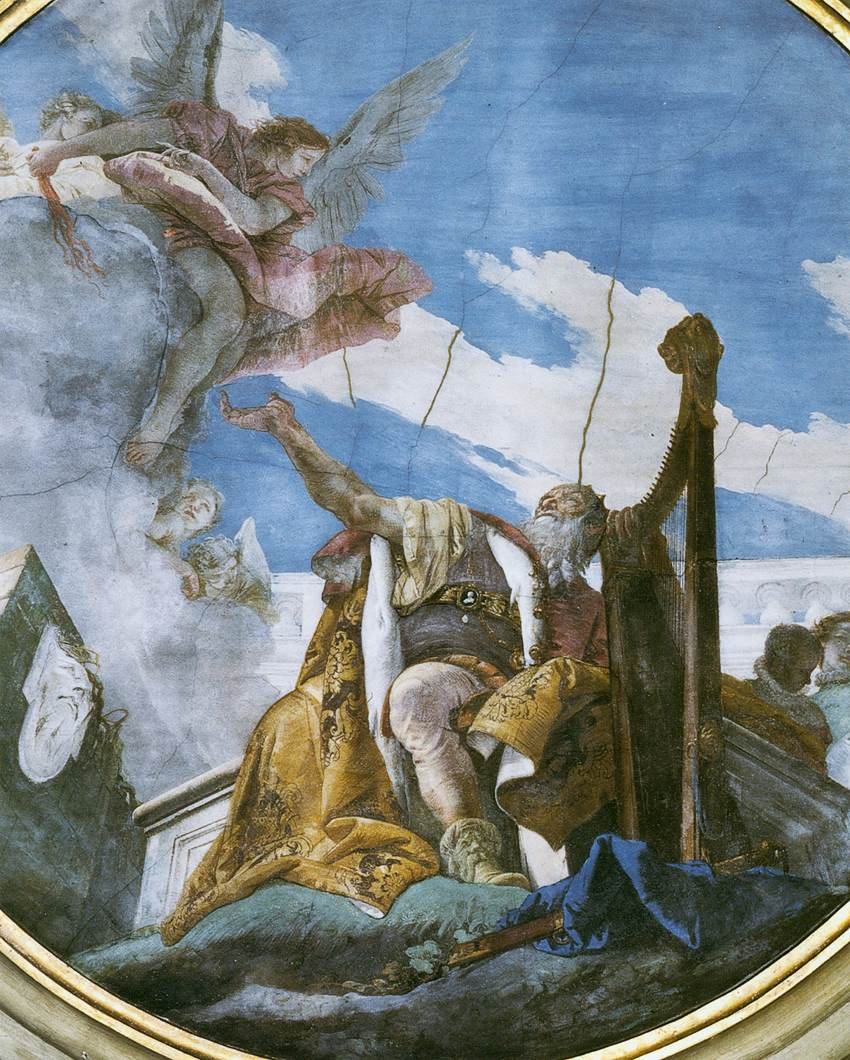
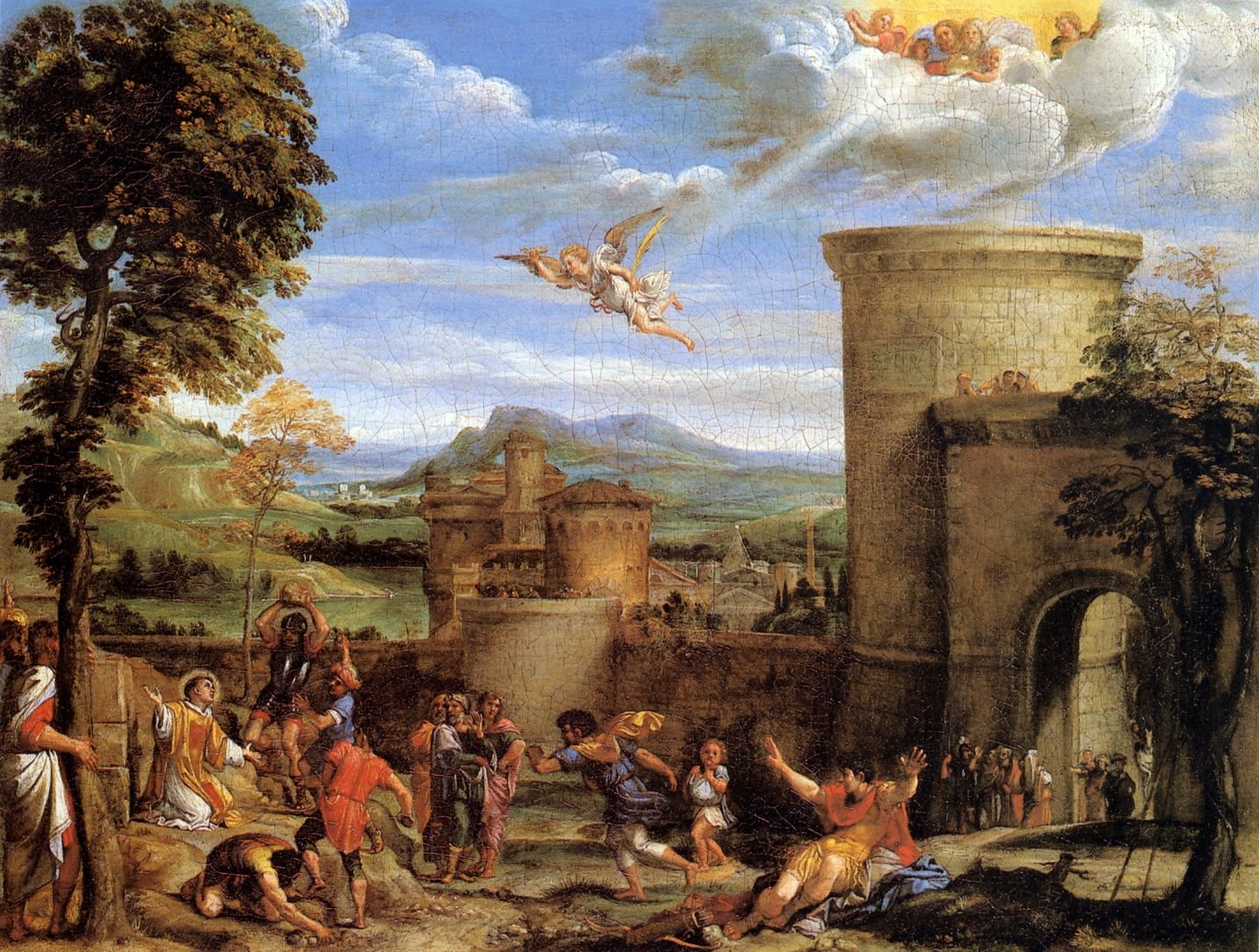
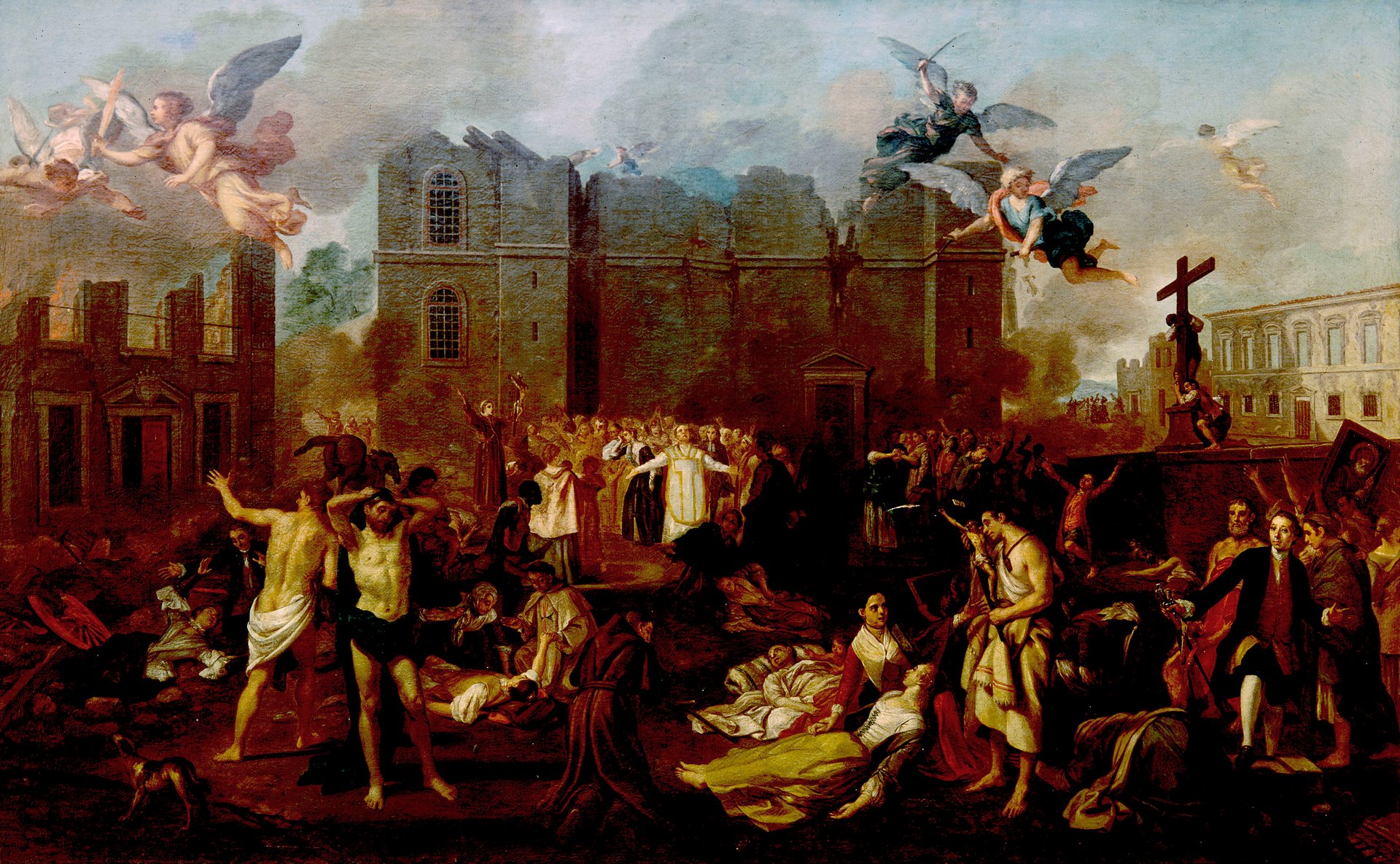
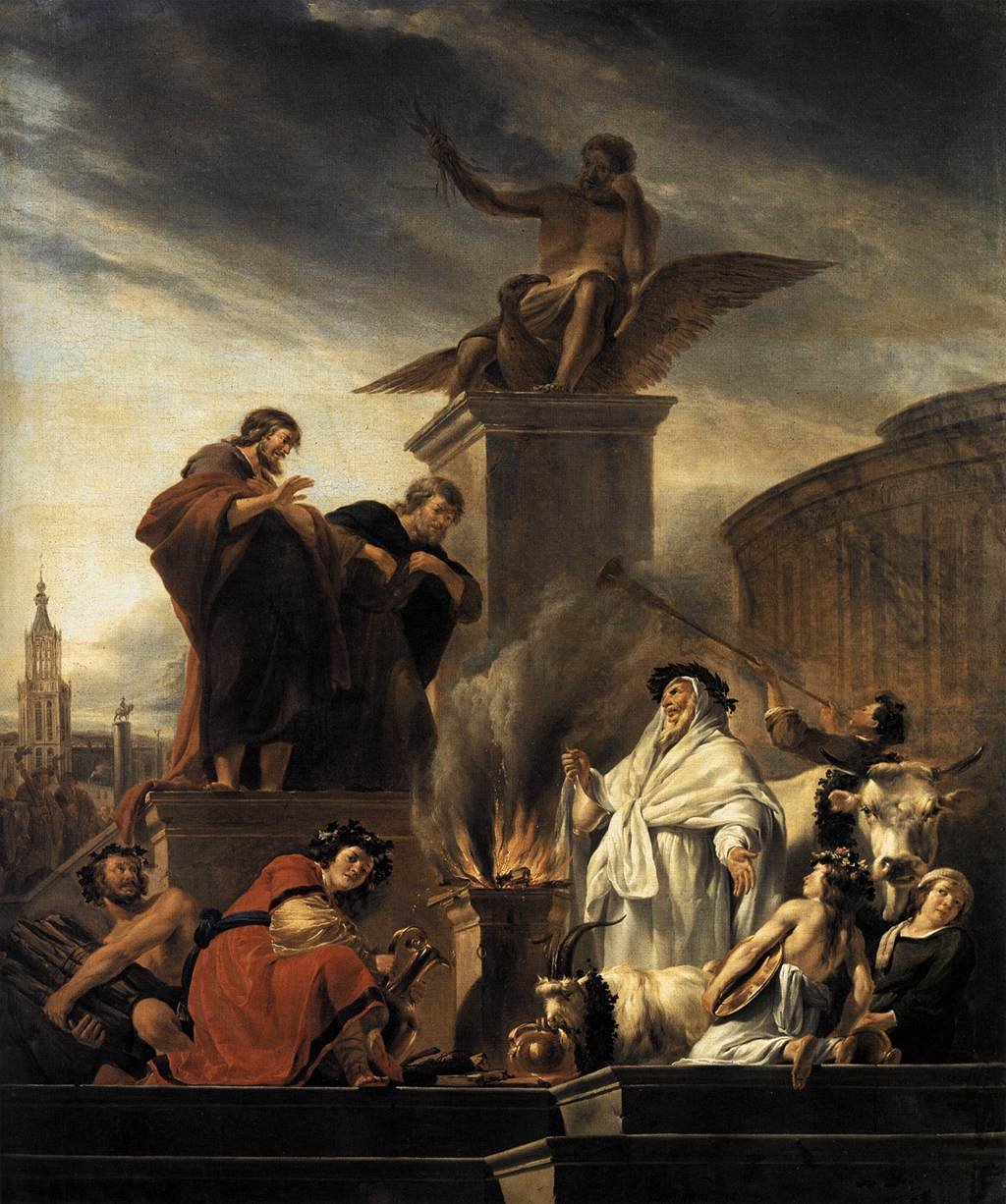
Overcome Evil with Good, The Goodness of God and the Problem of Evil, Barnabas, a Good Man, The Words Tov and Agathosyne
Where Readers Disagree
Eight readings answer three questions, each with its holders, the work that argues it and the objection raised against it.
Whom the LORD is good to
| Reading | Held by | Work | Objection |
|---|---|---|---|
| Every creature He made, in His kindness | Charles Spurgeon (Baptist) | Spurgeon, The Treasury of David, volume 7 (1885), on Psalm 145:9 | John Gill reads the verse with the psalm's earlier praise of God's goodness and holds that the goodness meant is Christ's goodness to His chosen people. |
| His chosen people, in Christ's special goodness | John Gill (Particular Baptist) | Gill, Exposition of the Old Testament (1748 to 1763), on Psalm 145:9 | The verse extends His compassion to everything He made, and Jesus says that the Father “causes His sun to rise on the evil and the good” (Matthew 5:45). |
Whether goodness and kindness differ
Read the study of the words tov and agathosyne 9 sections, 12 verses set out
| Reading | Held by | Work | Objection |
|---|---|---|---|
| They differ in manner, and goodness may do good with a stern brow | Jerome (Patristic) | Jerome on Galatians 5:22, as R. C. Trench prints it in Synonyms of the New Testament (1871), appendix | The Tyndale House brief lexicon gives goodness as the first sense of chrestotes, the word for kindness, so the two words overlap. |
| They overlap, and a good man is a kind man | John Chrysostom (Patristic) | Chrysostom, Homilies on Acts, homily 25, on Acts 11:24 | Paul lists kindness and goodness as two fruit of the Spirit side by side, which suggests he meant two things. |
Whether evil counts against a God both good and almighty
Read the study of the goodness of God and the problem of evil 9 sections, 12 verses set out
| Reading | Held by | Work | Objection |
|---|---|---|---|
| It rules Him out, for His goodness and His power cannot both be held with evil | J. L. Mackie (Philosophical critic) | Mackie, Evil and Omnipotence, Mind 64 (1955) | Alvin Plantinga answered with a defence from free will, which removes the contradiction. |
| It does not rule Him out, for a good God may allow evil for the sake of free creatures | Alvin Plantinga (Christian philosopher) | Plantinga, God, Freedom, and Evil (1974) | William Rowe argued that some suffering still appears pointless, so evil stands as evidence against a good God even without a contradiction. |
| Suffering that seems pointless counts as evidence against Him | William L. Rowe (Philosophical critic) | Rowe, The Problem of Evil and Some Varieties of Atheism, American Philosophical Quarterly 16 (1979) | Stephen Wykstra answered that the limits of human sight take the weight from the appearance of pointless suffering. |
| Human beings are not placed to see whether a given evil has a reason | Stephen J. Wykstra (Christian philosopher) | Wykstra, The Humean Obstacle to Evidential Arguments from Suffering, International Journal for Philosophy of Religion 16 (1984) | Rowe's argument holds that suffering with no reason anyone can see still counts as evidence until a reason is shown. |
It does not rule Him out, for a good God may allow evil for the sake of free creatures, Suffering that seems pointless counts as evidence against Him, Human beings are not placed to see whether a given evil has a reason
Sources
Scripture is the Berean Standard Bible.
- STEP Bible, Translators Brief lexicon of Extended Strongs for Hebrew and for Greek (Tyndale House, Cambridge), CC BY 4.0, with the Greek brief lexicon based on Abbott-Smith (1922)
- Aristides, Apology, chapter 15, translated from the Syriac by D. M. Kay, 1896.
- Sulpicius Severus, Life of Saint Martin, chapter 3, translated by Alexander Roberts, 1894.
- Augustine of Hippo, Confessions, book 2, chapter 4, translated by J. G. Pilkington, 1887.
- Thieleman J. van Braght, The Bloody Theater or Martyrs Mirror (1660), translated by Joseph F. Sohm (Elkhart, Indiana, 1886), page 741.
- Origen, Commentary on the Epistle to the Romans, on Romans 12:21.
- Basil of Caesarea, Homilies on the Psalms, homily 16, on Psalm 34.
- R. C. Trench, Synonyms of the New Testament (New York: Scribner, 1871), appendix, printing Jerome on Galatians 5:22.
- John Chrysostom, Homilies on the Acts of the Apostles, homily 25.
- Theophylact of Ohrid, Commentary on Acts, on Acts 11:24.
- Theodore of Mopsuestia, Commentary on the Psalms, on Psalm 25:8.
- Bede, Commentary on Genesis (Hexaemeron), on Genesis 1:31.
- Matthew Henry, Commentary on the Whole Bible (1710), on Psalm 107:1.
- Charles Spurgeon, The Treasury of David, volume 1 (1869), on Psalm 25:8, and volume 7 (1885), on Psalm 145:9.
- John Gill, Exposition of the Old Testament (1748 to 1763), on Psalm 145:9.
- J. L. Mackie, Evil and Omnipotence, Mind 64, no. 254 (1955): 200 to 212.
- Alvin Plantinga, God, Freedom, and Evil (New York: Harper and Row, 1974)
- William L. Rowe, The Problem of Evil and Some Varieties of Atheism, American Philosophical Quarterly 16 (1979): 335 to 341.
- Stephen J. Wykstra, The Humean Obstacle to Evidential Arguments from Suffering, International Journal for Philosophy of Religion 16, no. 2 (1984): 73 to 93.
- E. W. Dunn, L. B. Aknin and M. I. Norton, Spending money on others promotes happiness, Science 319(5870): 1687 to 1688 (2008)
- L. B. Aknin, E. W. Dunn, J. Proulx, I. Lok and M. I. Norton, Does spending money on others promote happiness?: A registered replication report, Journal of Personality and Social Psychology 119(2): e15 to e26 (2020)
Keep Studying
Studies9
In this value5
People and groups22
Show the next 6 titles
Symbols1
Doctrines6
Values7