
Study
The featured studies
The studies in How We Got the Bible, sorted by the kind of thing each one teaches.
Summary
How We Got the Bible holds 148 of the site's 1112 featured studies, in 7 of the ten kinds.
- 23 studies ask what a whole book of the Bible says from end to end.
- 2 studies ask what one passage says, line by line.
- 13 studies ask who one person or one people was, and what part they take in the story.
- 8 studies ask where a place stood and what happened on that ground.
- 10 studies ask what Scripture teaches on a subject, from its first text to its fullest.
The studies by kind
Show the groups
- Books of the Bible23 studies, 8 as cards, 15 in the register
- Passages and psalms2 studies, 1 as cards, 1 in the register
- People and groups13 studies, 2 as cards, 11 in the register
- Places8 studies, 4 as cards, 4 in the register
- Doctrines10 studies, 0 as cards, 10 in the register
- Debates5 studies, 2 as cards, 3 in the register
- Symbols and words87 studies, 8 as cards, 79 in the register
Books of the Bible
One study for each book, with the studies of how the Bible came to us and how its writers wrote. This is the place to begin a book from end to end.
23 studies, 8 as cards, 15 in the register
 How We Got the BibleJosephus's twenty-two books, the three tests of canonicity, the Muratorian Fragment, and Athanasius's 367 letter, the first list of exactly today's twenty-seven.
 The Sects of Second Temple JudaismPharisees, Sadducees, Essenes, and Zealots: four answers to faithfulness under Rome, and where each one collided with Jesus.
 The Bible and SlaveryThe historical frame, what the Law actually protects, Paul's letter to a slave-owner, and the objection presented at full strength, unsoftened, no triumphalism.
 The Bible and the Ancient Near EastHammurabi, Gilgamesh, Enuma Elish and the Hittite treaty form set honestly beside Genesis, Exodus and Deuteronomy, what does a parallel actually prove?
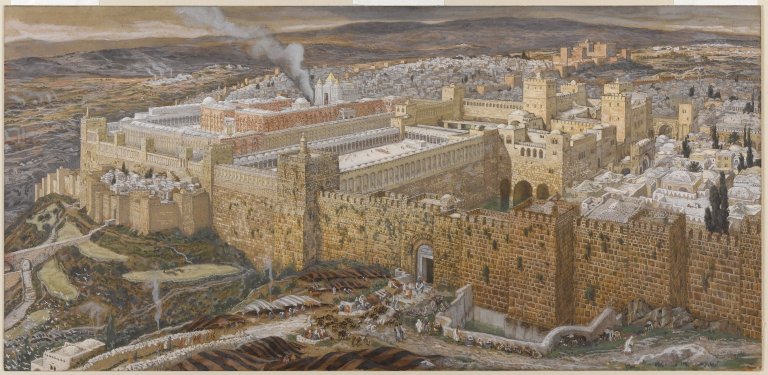 The Intertestamental PeriodThe 400 years between Malachi and Matthew, Alexander, Antiochus, the Maccabees, and Rome, setting the stage the New Testament opens on.
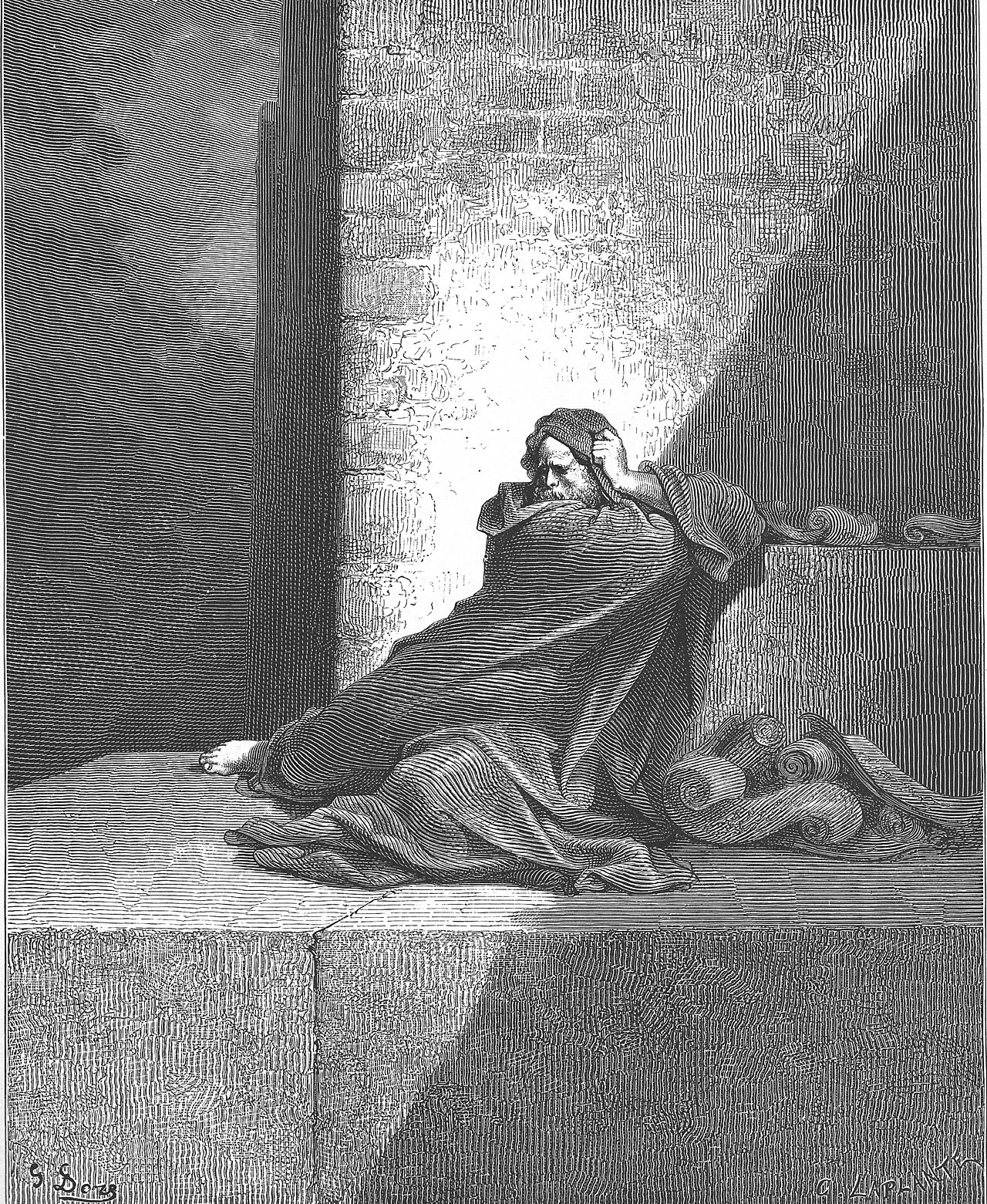 The TanakhThe same thirty-nine books, walked as three chambers — Torah, Nevi'im, Ketuvim — and what that arrangement was built to emphasize.
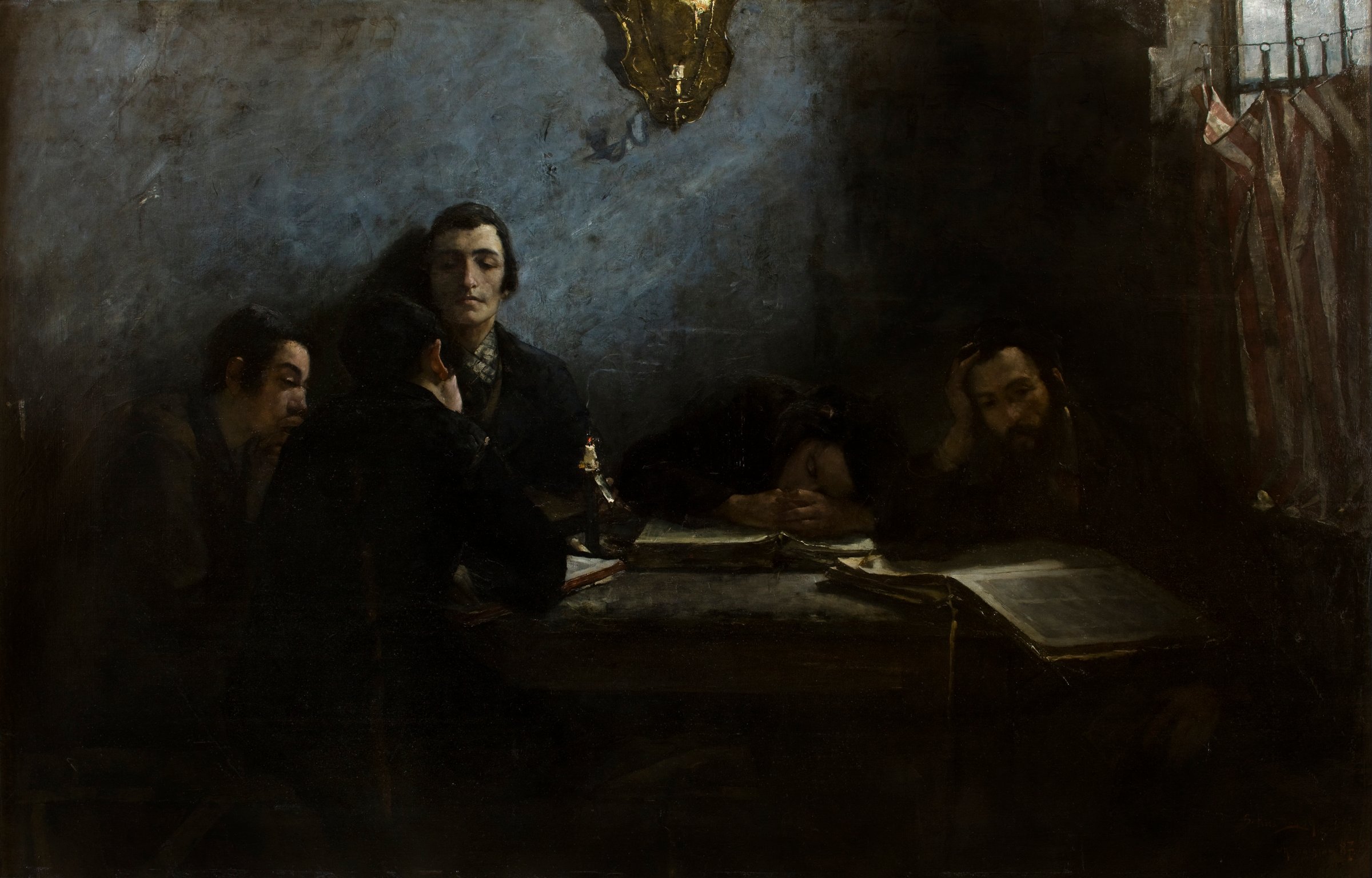 The Designer's FingerprintThe contested pattern claims: ELS, gematria, Panin, examined honestly, critiques at full strength.
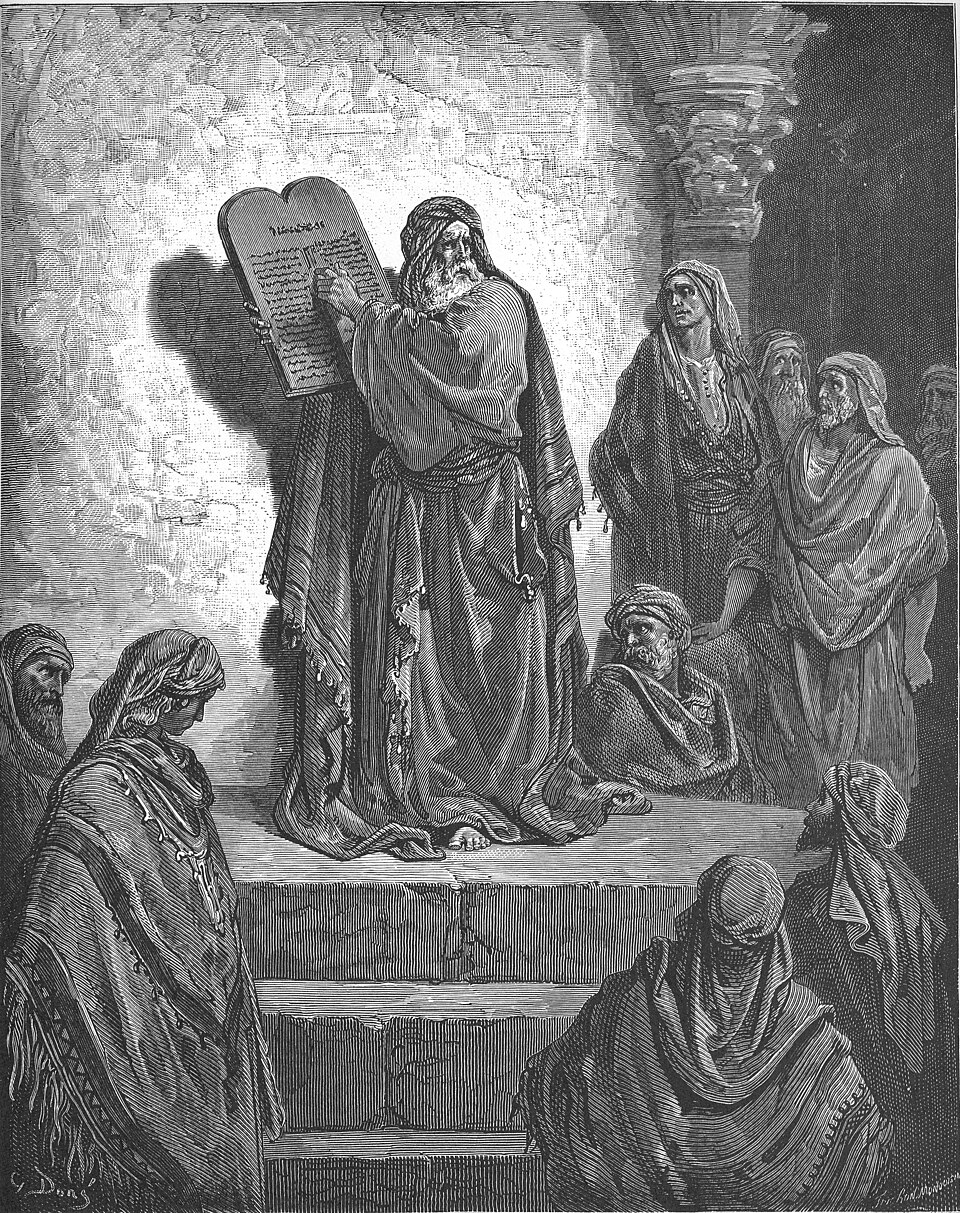 How to Study the BibleObservation, interpretation, application: genre-aware reading rules, word studies, cross-references, and the house hermeneutic behind every MannaFest page.
The register: 15 more studies of this kind
- 1 Enoch: The Book Jude Quotes1 Enoch is a five-book Jewish library that Jude quotes by name and Jesus appears to draw on when he answers the Sadducees on marriage and the resurrection.
- Bible Codes/Mathematical Order
- How Prophecy WorksBiblical prophecy is forth-telling before it is foretelling: a message spoken for God about the present, inside which specific predictions sit.
- Paul and the PoetsThree occasions, four pagan lines: Epimenides quoted twice (Mars Hill and Crete), Aratus at Athens, Menander in Corinth, and what Paul's method licenses.
- The ApocryphaThe fourteen-to-fifteen books that ride between the testaments — labeled study resources, never part of the 66.
- The Ending of Mark — 16:9–20The oldest manuscripts stop at Mark 16:8, mid-sentence, the evidence for and against the longer ending, laid out openly.
- The Hebrew Calendar
- The Jewish Day and the Watches of the NightThe Jewish day ran from evening to evening, not midnight to midnight.
- The Jewish WritingsJewish tradition carries its own library alongside the Hebrew Bible: the Mishnah, two Talmuds, Midrash, the Targums, and a line of great commentators.
- The Maccabean RevoltThis page tracks four centuries between Malachi and Matthew through two timelines, a desecrated altar, a family's revolt, and the fast that became Hanukkah.
- The Prophetic Word Made SureNear the end of his life, Peter grounds the gospel he preached in what he actually saw: the Transfiguration on the holy mountain.
- Weights, Measures, and Money in Scripture
- Who Decided the Canon?This page walks the timeline of how the biblical canon actually formed, from the counted Hebrew books through Jerome's line, the Reformers, Trent, Jerusalem, and Ethiopia, and shows what the four living lists share and where they differ.
- Who Wrote the Pastorals? — 1–2 Timothy & Titus1–2 Timothy and Titus's contested authorship, laid out as a claim-evidence-counter ledger, the traditional and critical cases both at full strength.
- Wisdom Before ChristThis page maps the wisdom stream across five stations, from Proverbs through two between-Testament study resources into the New Testament, then names what that stream shows about Christ's arrival.
Passages and psalms
These studies take a chapter, a song or a single teaching and read it line by line. Each stays inside one passage and follows its own movement.
2 studies, 1 as cards, 1 in the register
The register: 1 more studies of this kind
People and groups
Lives told from first mention to last, and the nations, families and parties around Israel and the church. The full roster of names stands on the people hub; these are the studies built around one life or one people.
13 studies, 2 as cards, 11 in the register
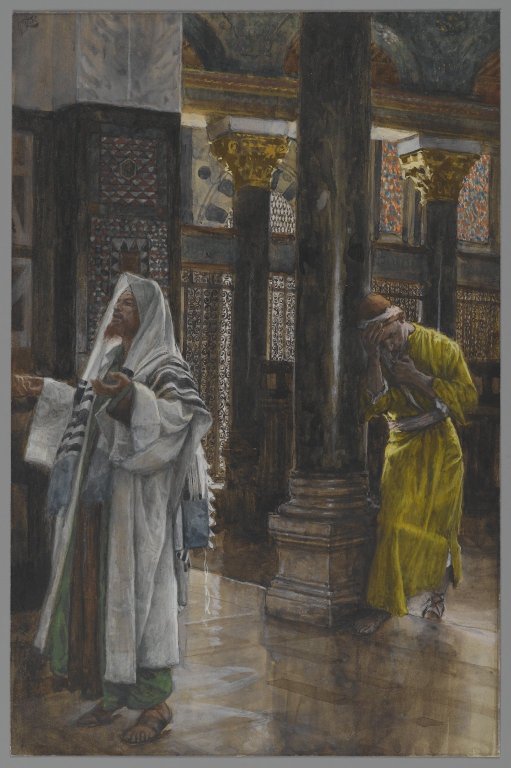 The PhariseesA lay movement built on keeping the law in the home, the party Paul was trained in, and what they and Jesus actually disagreed about.
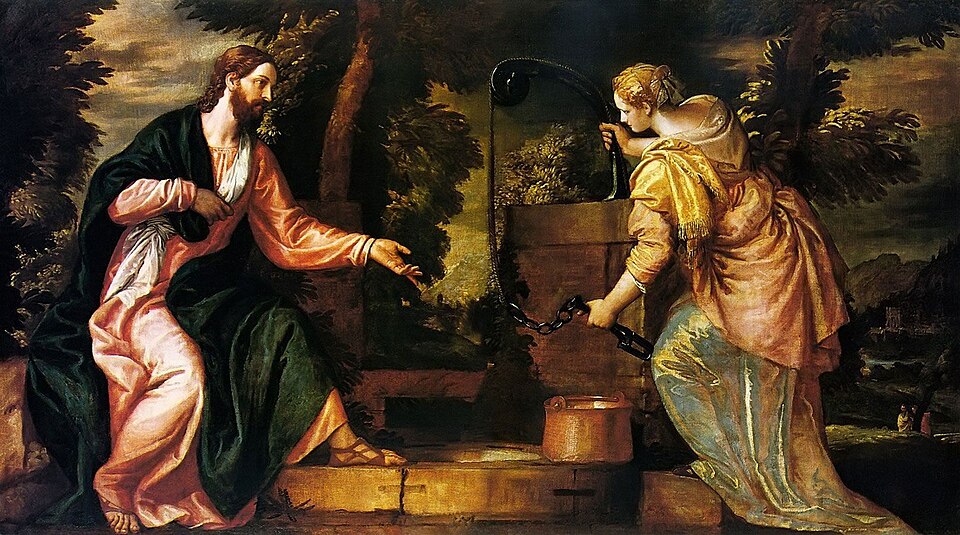 The SamaritansWho they were, what happened at Shechem, why the woman at the well raised the mountain, and what the parable would have cost its first hearers.
The register: 11 more studies of this kind
- Amalek and the Standing War
- AssyriaAssyria rose from Nineveh into the most feared war machine of its age, ruling by deportation.
- GreeceDaniel 8 pictures Greece as a he-goat that crosses the world without touching the ground and names it outright as the king of Greece, then shows its great horn broken and four horns rising in its place, exactly what happened when Alexander the Great died and his empire split among his four generals.
- Moab and Ammon
- PersiaPersia rose under Cyrus, who took Babylon the night a hand wrote judgment on Belshazzar's wall, and in his first year issued a decree letting captive Judah return home and rebuild its temple.
- Pharaoh
- RomeDaniel's vision names a fourth kingdom, strong as iron, that the majority reading across church history identifies as Rome.
- Scribes and the SanhedrinThe scribes were the recognized legal experts of Jesus' day, a profession tracing to Ezra; the Sanhedrin was the nation's court, drawn from chief priests, elders and scribes together.
- The EssenesThe Essenes were a Jewish school Josephus places beside the Pharisees and Sadducees, marked by shared property, strict purity rules, and their own calendar.
- The House Churches
- The SadduceesThe Sadducees were the priestly aristocracy of Second Temple Judaism, centered on the Temple and its politics.
The ground a story stands on: what was built there, what was found there, and what Scripture makes of the name afterwards.
8 studies, 4 as cards, 4 in the register
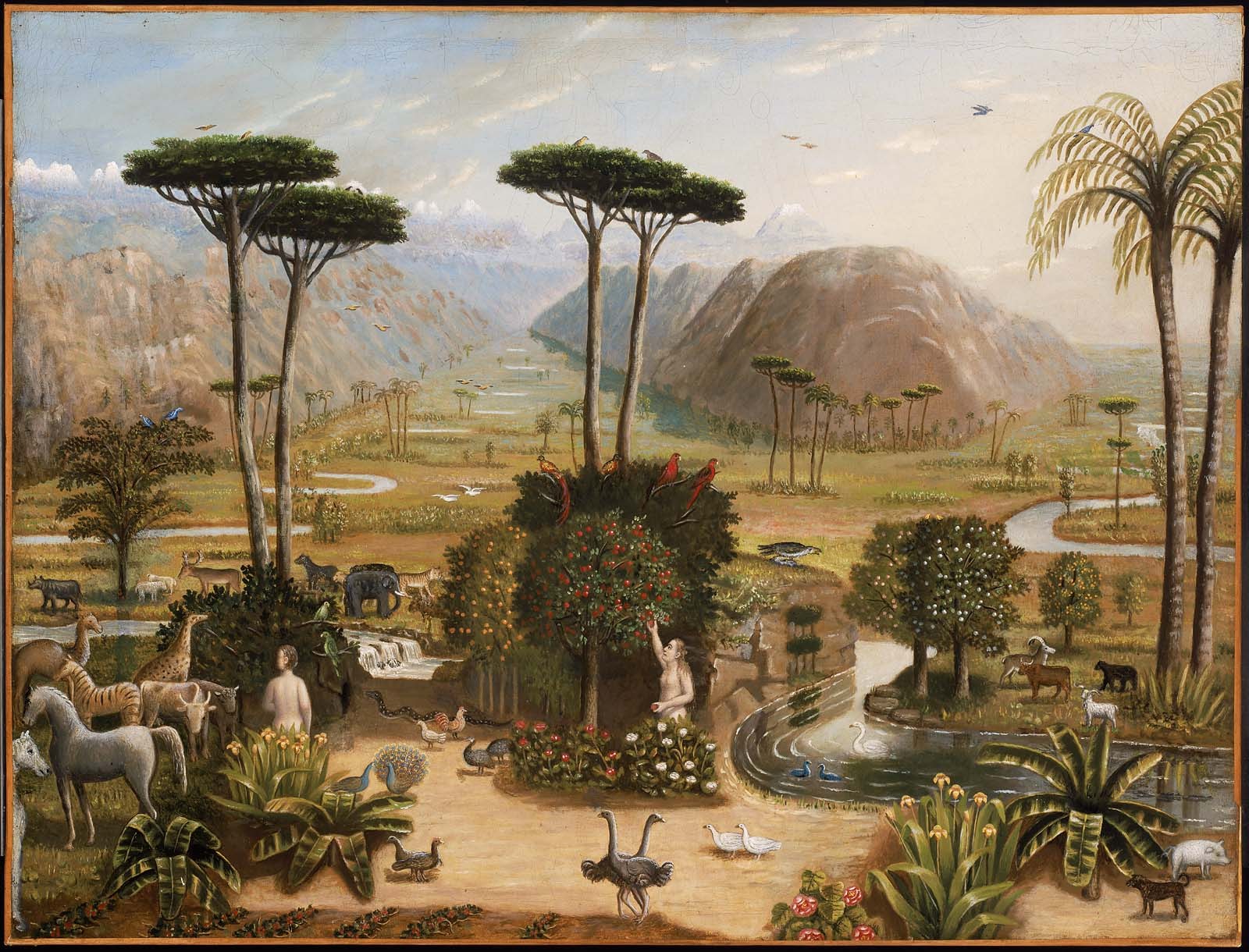 EdenThe garden read as the first sanctuary, with the river, the gold, the guarded east gate, and the tree that returns on the last page of Revelation.
 BabylonOne city from the plain of Shinar to the last book of the Bible: the tower, the empire that burned the temple, and the name John gives every power that trades in souls.
 The CityBabel, Sodom, Jerusalem and the New Jerusalem read as one line: what a city is for in Scripture, and what makes one stand or fall.
 Outside the CampWhere the sin offering was burned, where the leper waited, and where Jesus died: one place in the law that Hebrews turns into a call.
The register: 4 more studies of this kind
What Scripture teaches on a subject, from its first text to its fullest. The traditions that formed the teaching are named.
10 studies, 0 as cards, 10 in the register
The register: 10 studies of this kind
Questions Christians answer differently. Each study sets out the texts both sides read, the positions with their holders, and where this site's tradition lands.
5 studies, 2 as cards, 3 in the register
 Archaeology and the BibleSixteen excavated objects that touch the text, sorted by how much each one actually carries, every row states what the object does not show.
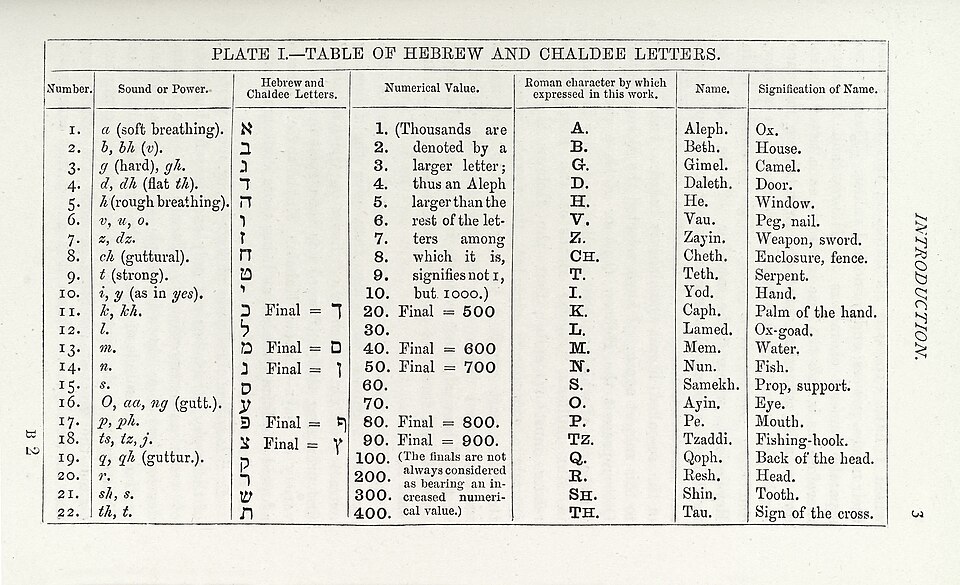 Gematria and Its LimitsWhat the letter-number system is, where the Bible itself uses it, and the four tests that separate a real numeric pattern from one a reader could find in any long text.
Symbols and words
A picture or a word traced across the canon, from its first mention to the place it comes to rest.
87 studies, 8 as cards, 79 in the register
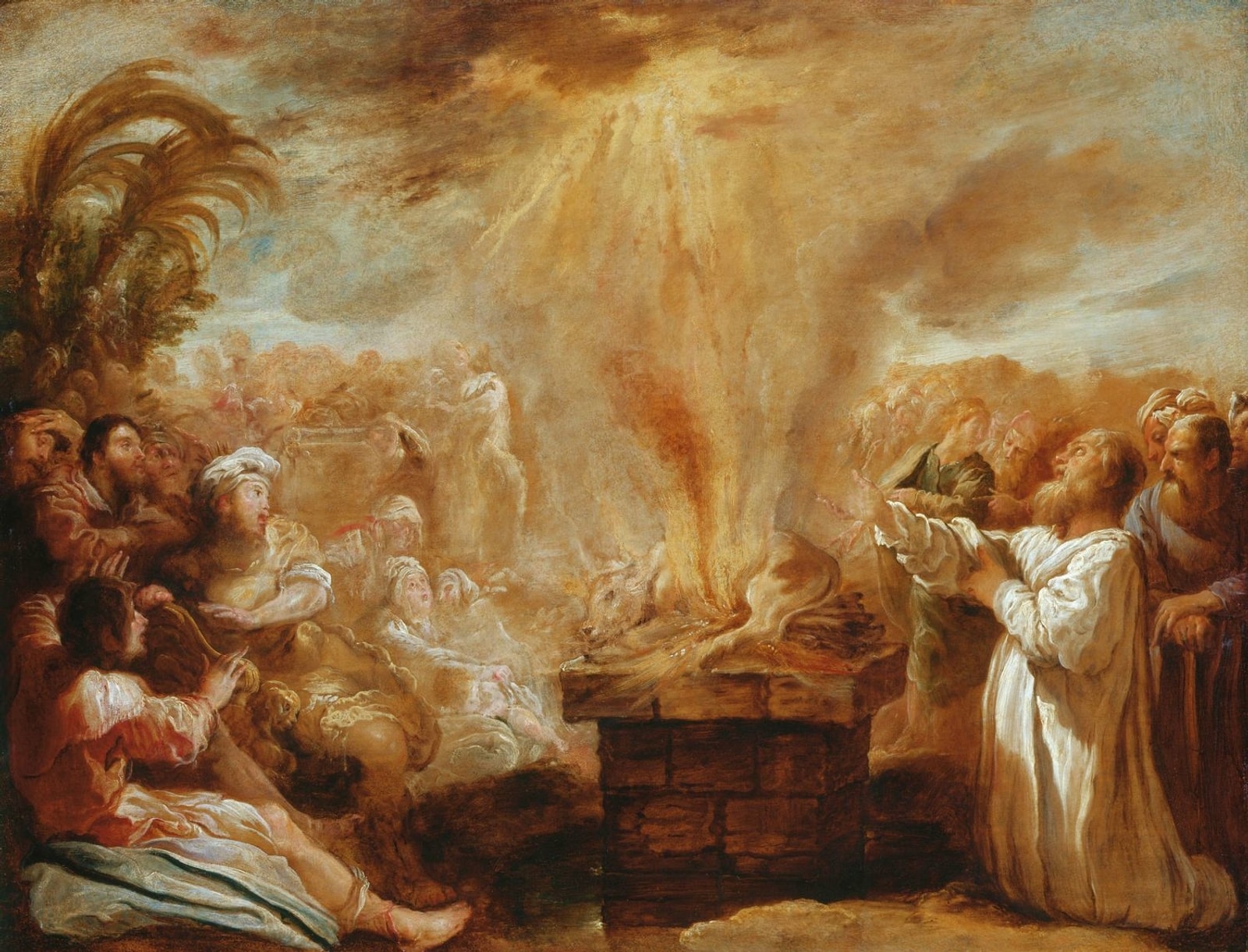 FireThe bush that burns and is not consumed, the pillar, the altar, the tongues at Pentecost, and the lake at the end: what fire does in Scripture is refine, judge and reveal.
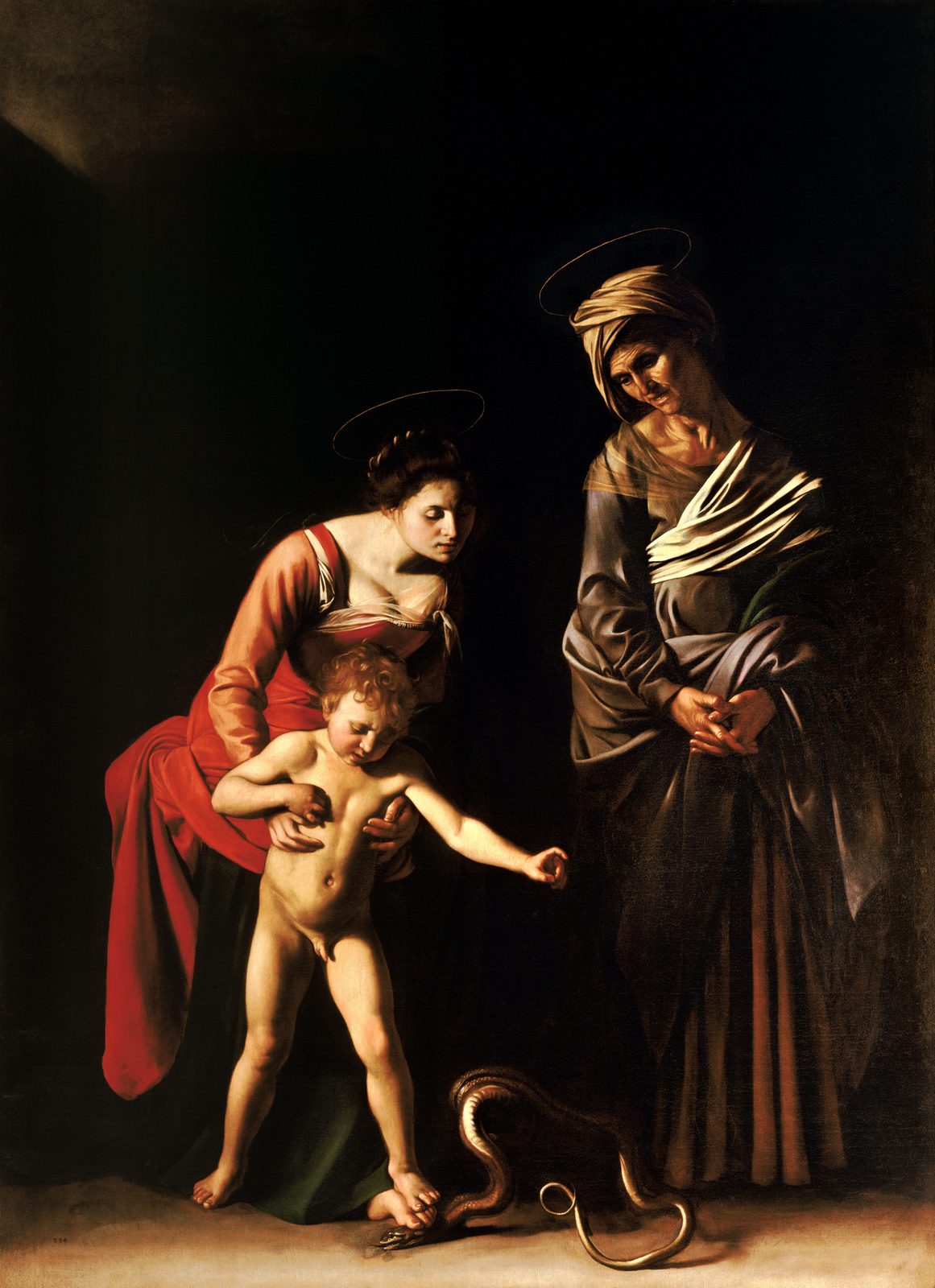 The SeedOne word running from Genesis 3:15 to Galatians 3:16, through the sowing parables, and why Paul rests an argument on its being singular.
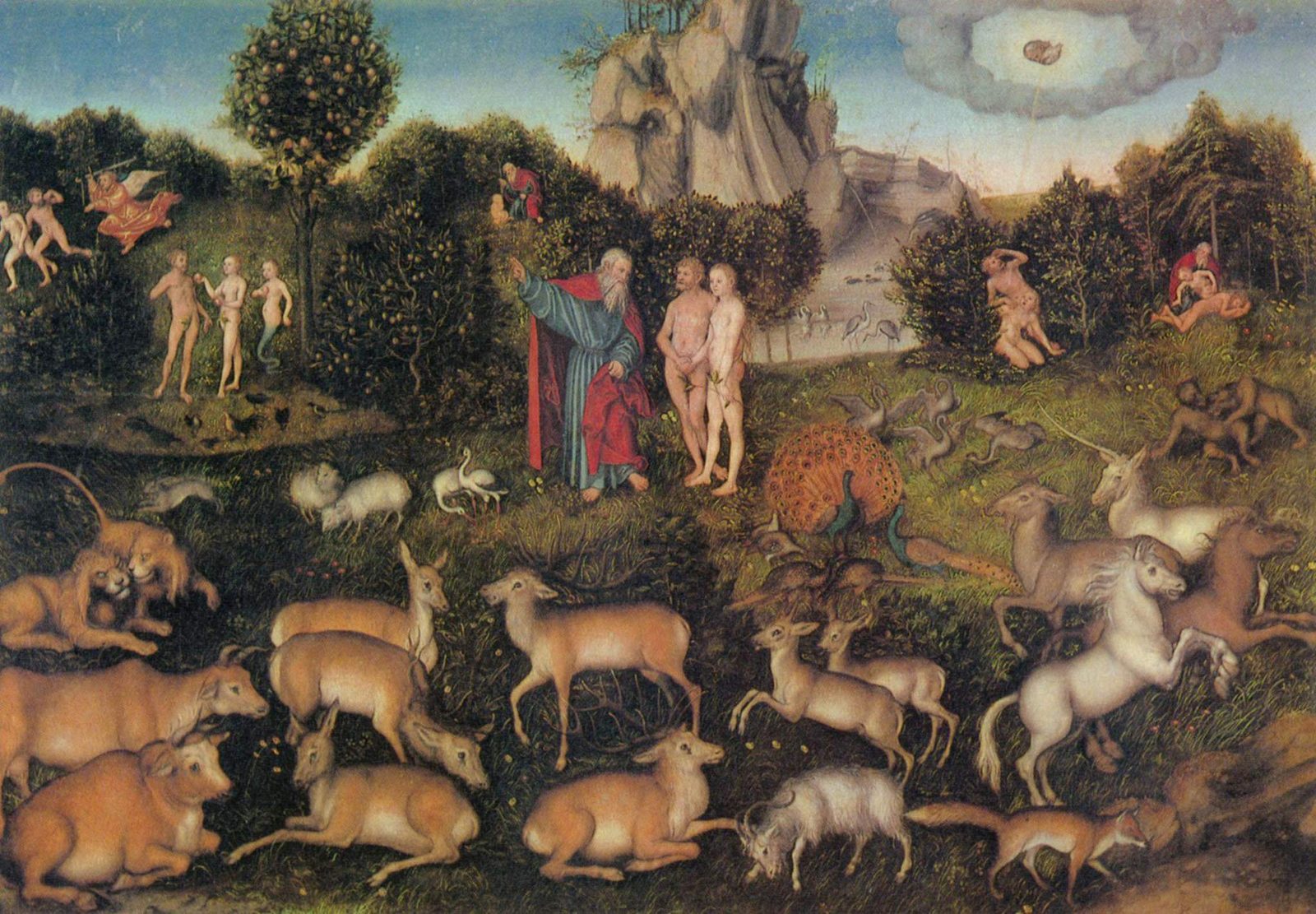 Creation to New CreationThe Bible begins in a garden and ends in a city — and the city has the garden in the middle of it. Seven explicit textual echoes bind Genesis 1–2 to Revelation 21–22.
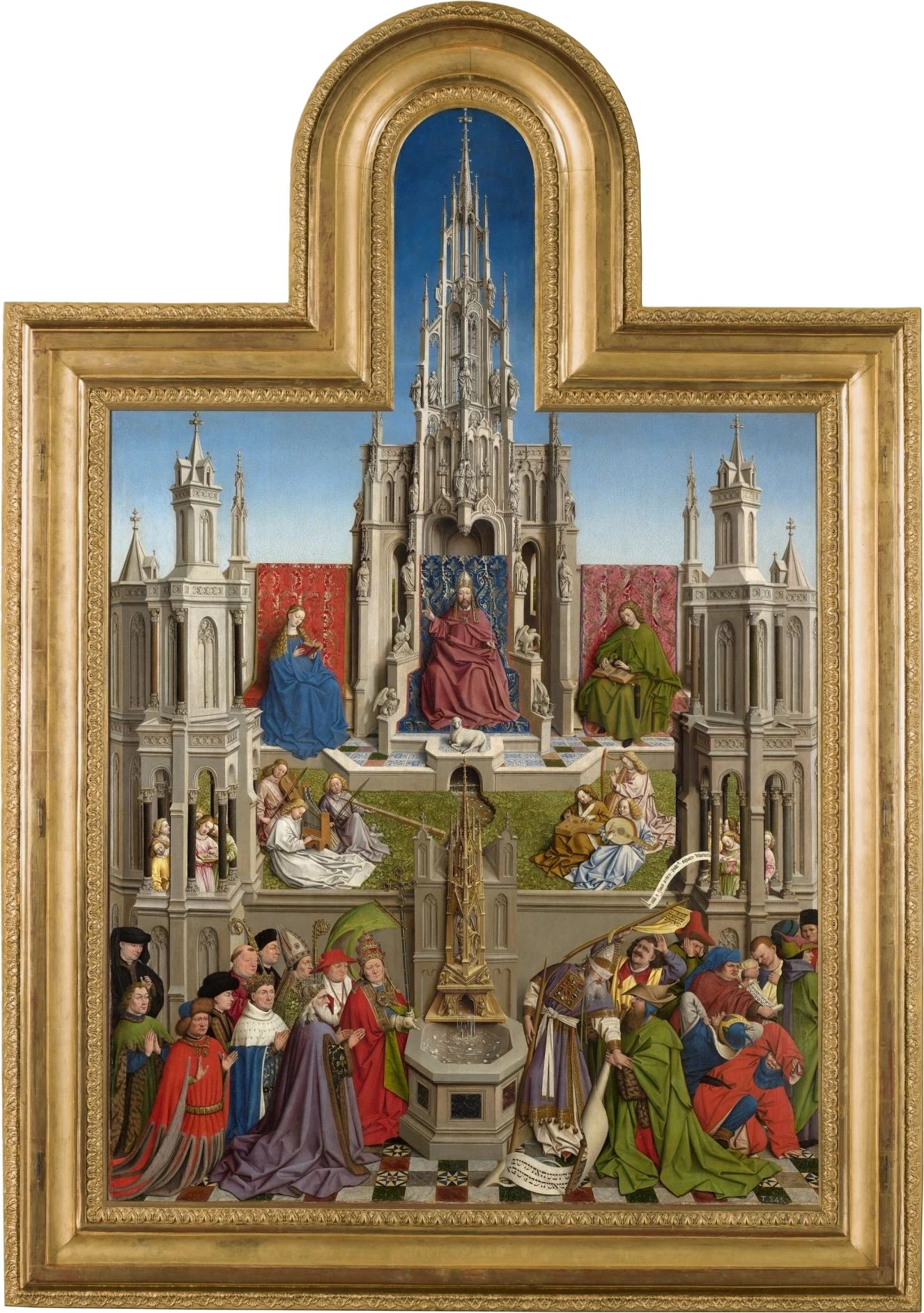 WaterThe flood, the rock at Horeb, the well at noon, the pool at Siloam, and the river from the throne: what washing, thirst and drowning mean across the canon.
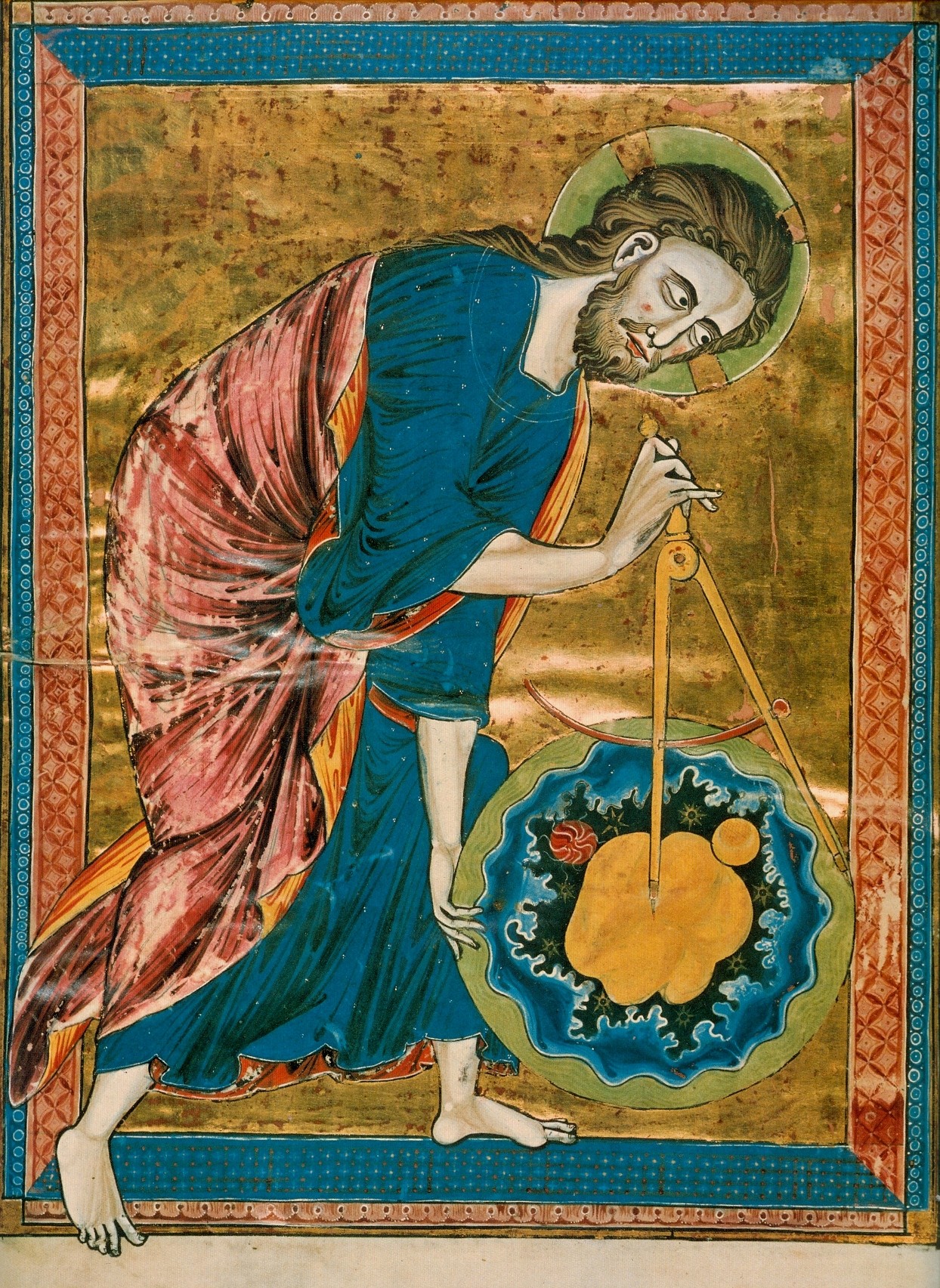 The Numbers of ScriptureEvery number 1–40 from the catalog, each marked as visible structural pattern or associative tradition, the honesty rail stated plainly.
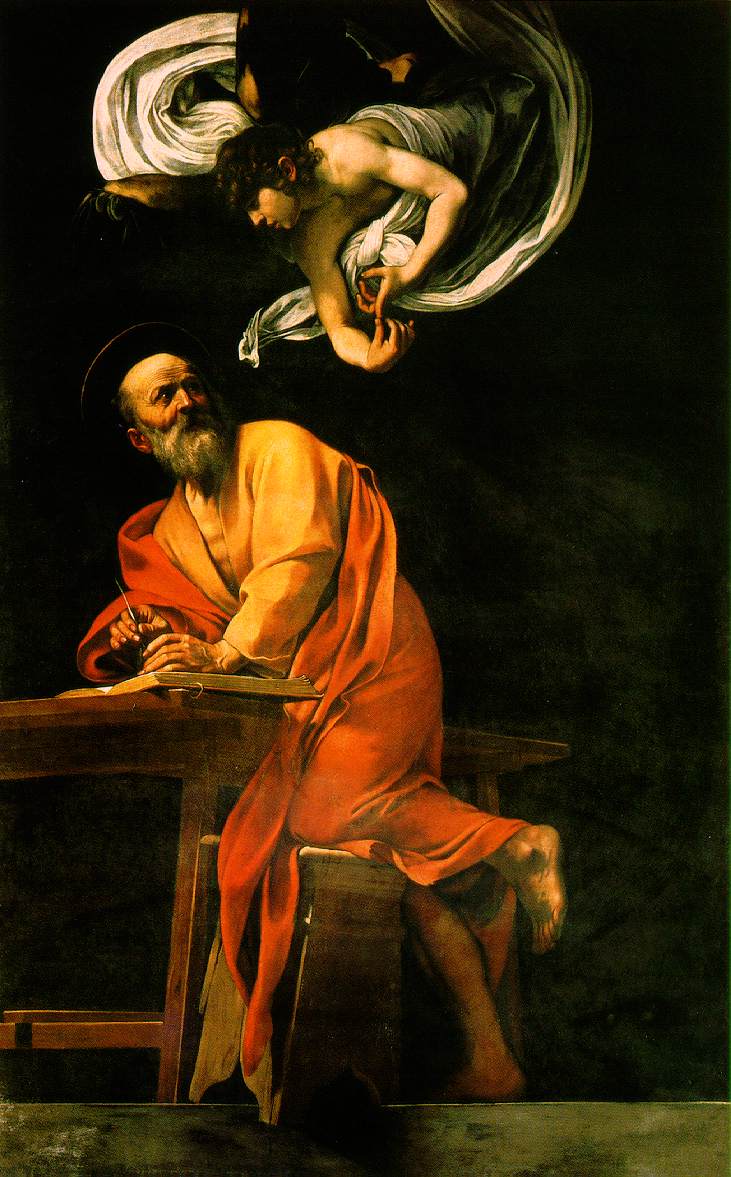 The Fulfillment Formula (Matthew's Ten Quotations)Ten times Matthew stops the story to say 'that it might be fulfilled', the sources, the sites, and the three modes of fulfilment.
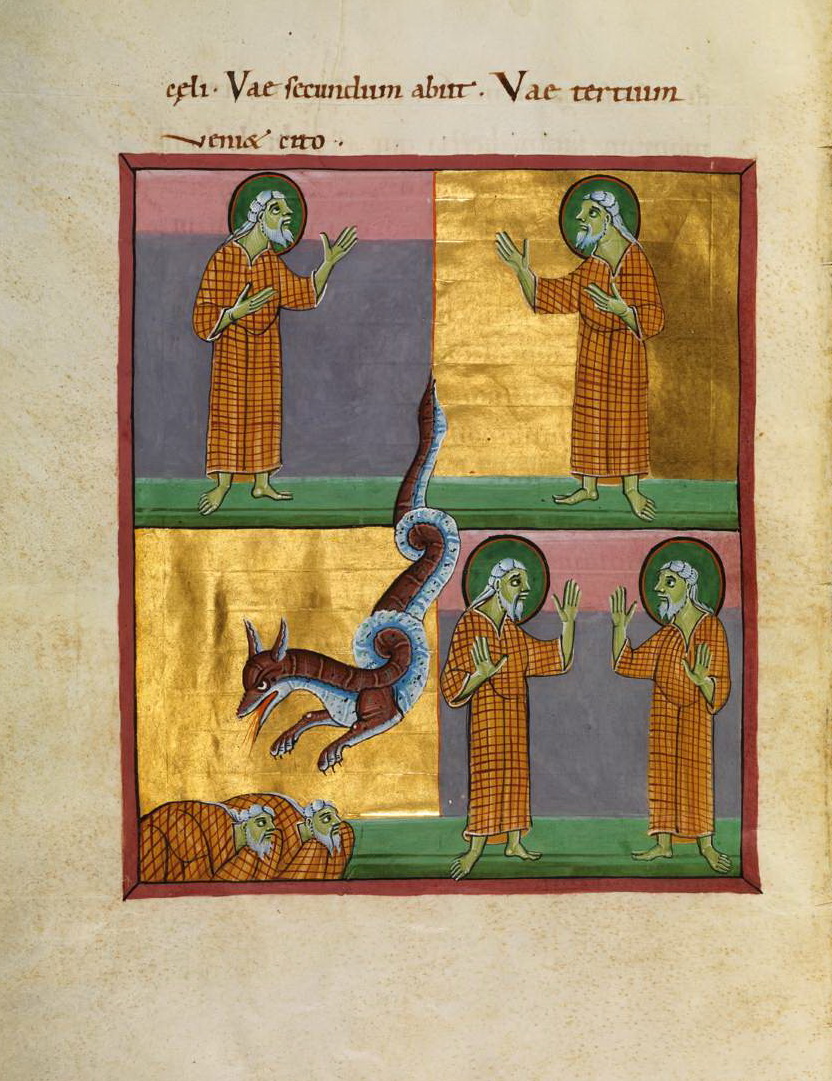 Apocalyptic LiteratureThe Bible's genre of the unveiling — from Daniel's beasts to Revelation's throne, where history is shown its appointed end.
 Theological WordsEight words that carry the Bible's theology — agape, chesed, logos, hilastērion, berith, shalom, emunah, doxa — each a door into its full workbench page.
The register: 79 more studies of this kind
- Acrostics: From Aleph to TawAn acrostic is a poem whose lines or stanzas begin with the Hebrew alphabet in order, aleph to taw; this page teaches the form, then walks all fourteen acrostics in the Hebrew Bible, including the one letter that went missing.
- Blue, Purple and Scarlet
- Bookends: How Scripture Frames ItselfAn inclusio is a bookend: a word or line that opens a passage and closes it again, wrapping everything between the two matching ends into one unit.
- Bread
- Chiasmus: the Bible's Mirror WritingA chiasm is a mirror-shaped passage that walks to a center and back out in reverse, putting the meaning at the middle; this page teaches the form with one verse, then walks seven of the canon's great rings.
- Darkness
- Gold, Silver, Bronze & IronScripture uses four metals: gold, silver, bronze and iron: and it uses them in a fixed order.
- How Greek WorksThis page walks six features of New Testament Greek: why it is koine and not classical, how verb aspect works, what the article does at John 1:1, how word order carries emphasis, how compound words are built, and the alphabet's letters and numbers.
- How Hebrew WorksThis page walks the twenty-two Hebrew letters one at a time, with an honest grade on how well each sign's origin is actually known, then covers the missing vowels, three-letter word roots, single words with many English meanings, and the letters' double life as numbers.
- Irony in Scripture: More Than the Speaker KnowsScripture's irony lets a speaker say more, or the opposite, of what they know, while the reader sees the whole picture; the device exposes the self-deceived in their own words and reaches its summit at the cross, where mockery states the gospel.
- Light
- Locusts in Scripture
- MazzarothTwelve constellation groupings; one biblical word (Job 38:32). Bullinger and Seiss read them as a gospel-arc; modern critics trace their figures to Albumazar, not Adam. The objections below are presented at full strength, and the founder's own slot on the page is his to fill.
- Numbered Sayings: Three Things, Then FourThe graded numerical saying names a number and then raises it by one (three, then four; six, then seven) to say a case is complete and overflowing; the numbers are rhetorical weight, not a literal inventory.
- Parallelism: the Bible's Rhyme of Thoughts
- Precious Stones
- Sackcloth
- Taw — The Mark of GodThe last letter of the Hebrew alphabet — drawn in the Sinaitic script as a cross — appears at the decisive moments of judgment and rescue: the doorposts of Goshen, the foreheads in Jerusalem, the sealing of the 144,000, and the cross at Golgotha.
- The 153 FishAn eyewitness counted an exhausted night's end in a catch no net had ever held before: a hundred and fifty-three prized fish, and the net did not tear.
- The Altar
- The Covenant Lawsuit: When God Sues His People
- The Covenant of Salt
- The Craft of ScriptureScripture's writers worked with deliberate literary craft at every scale, from the sound of a single word to the architecture of whole books, and most of it disappears in translation.
- The CrownThe crown is Scripture's picture of honour conferred.
- The Door & the GateThe door is Scripture's picture of controlled access: a way in that is real, single, and not always open.
- The Dove
- The Face
- The Firstborn
- The Flesh'Flesh' in the New Testament does two jobs, and running them together produces a serious error in one direction and a lazy excuse in the other.
- The Furnace & the Refiner's FireA furnace is fire with walls around it and a job to do.
Keep studying
On this page
People and groups1
The text itself3
The roster is the site’s own build manifest, so no study can be missing from it. A study leads its kind when it carries a line of its own and more of the other studies link to it; a register row with no line of its own borrows the first sentence of the study’s own summary. The pictures are public domain: engravings by Gustave Doré from Doré’s English Bible(1866), and paintings held at Wikimedia Commons. Each is named in full on the study’s own page.