
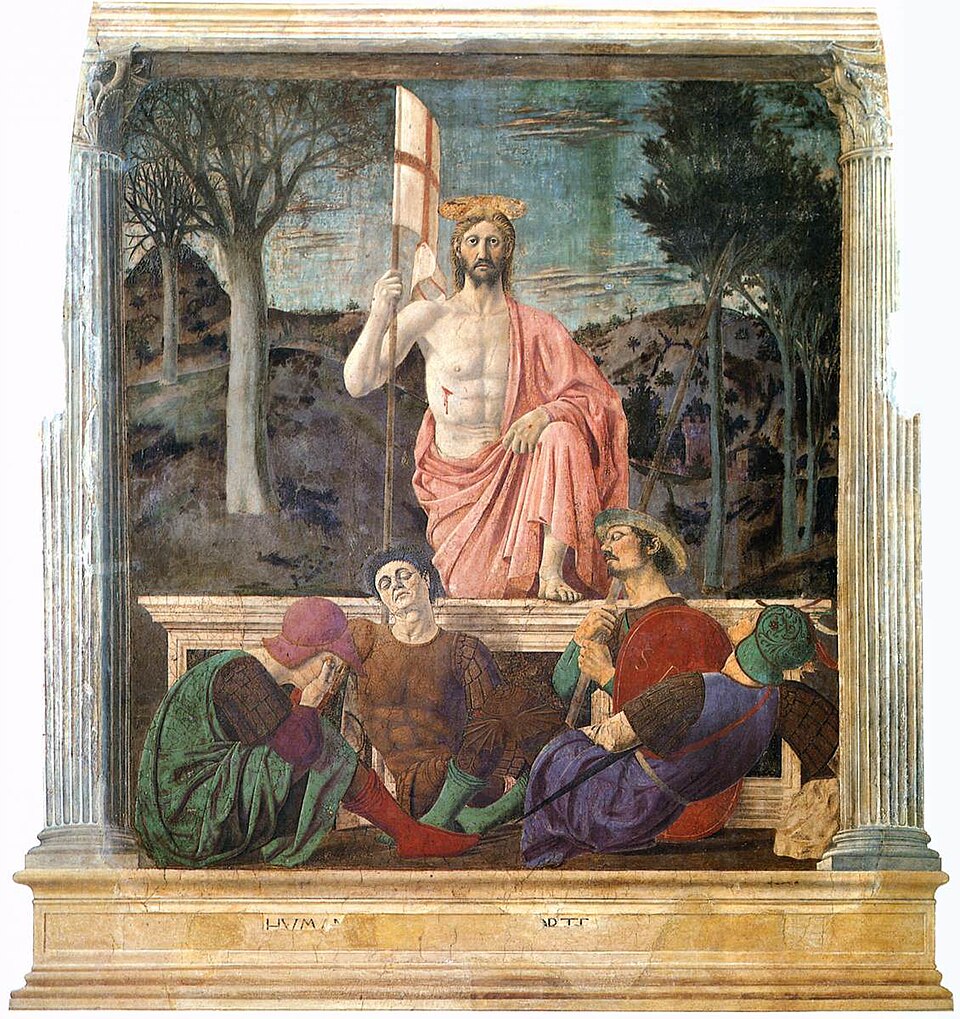
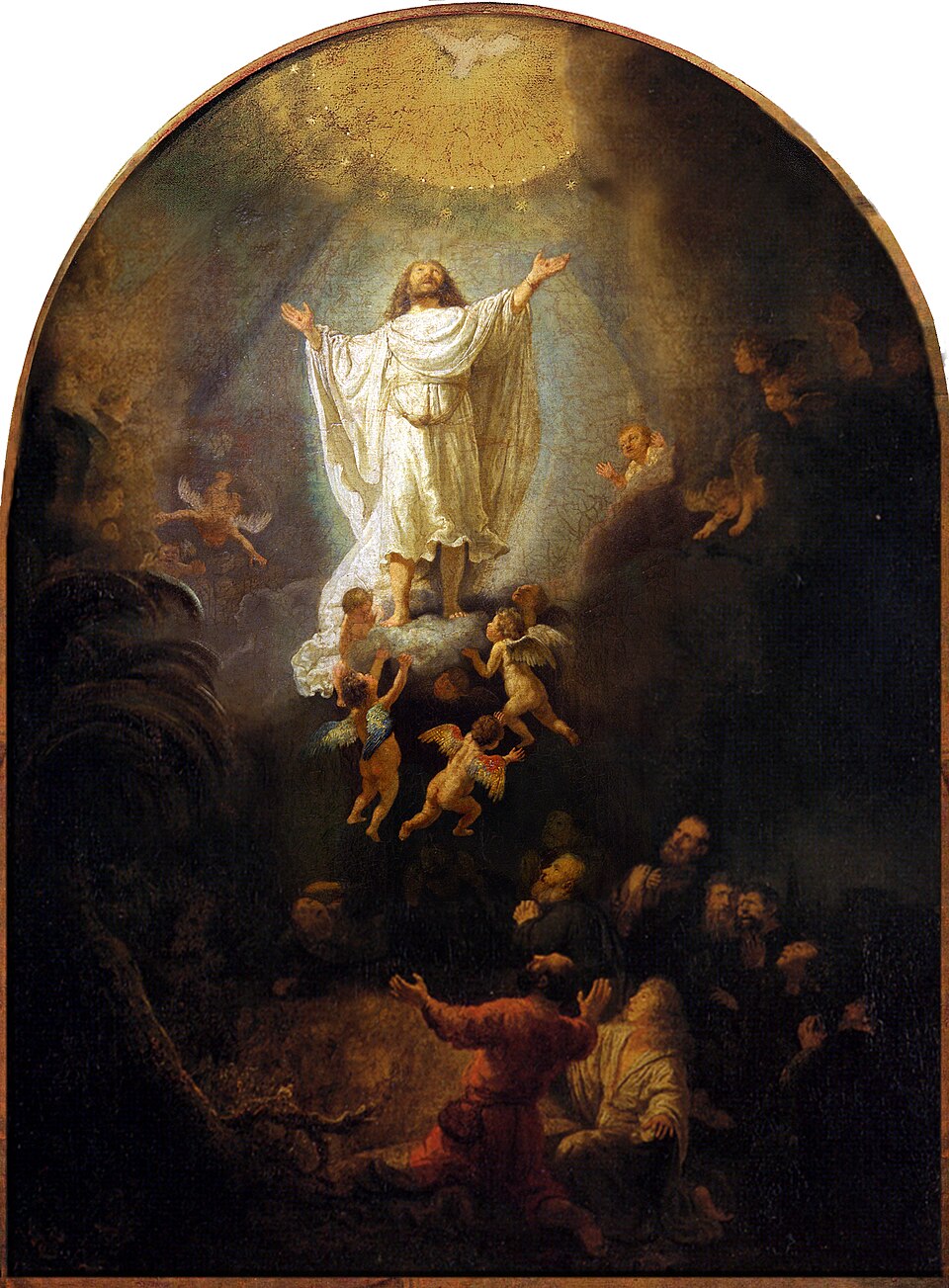
The events themselves: what happened, where the retelling has drifted from the text, and what the scene was really like.
9 studies, 8 as cards, 1 in the register
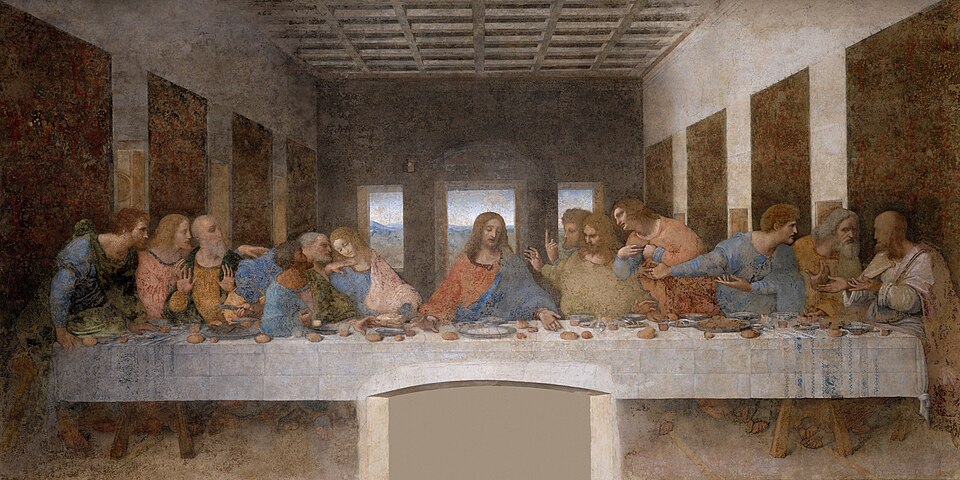 The Upper Room & the Farewell — John 13–17The towel, the new commandment, the promise of the Paraclete, the true vine, and the High-Priestly Prayer for every future believer by name.
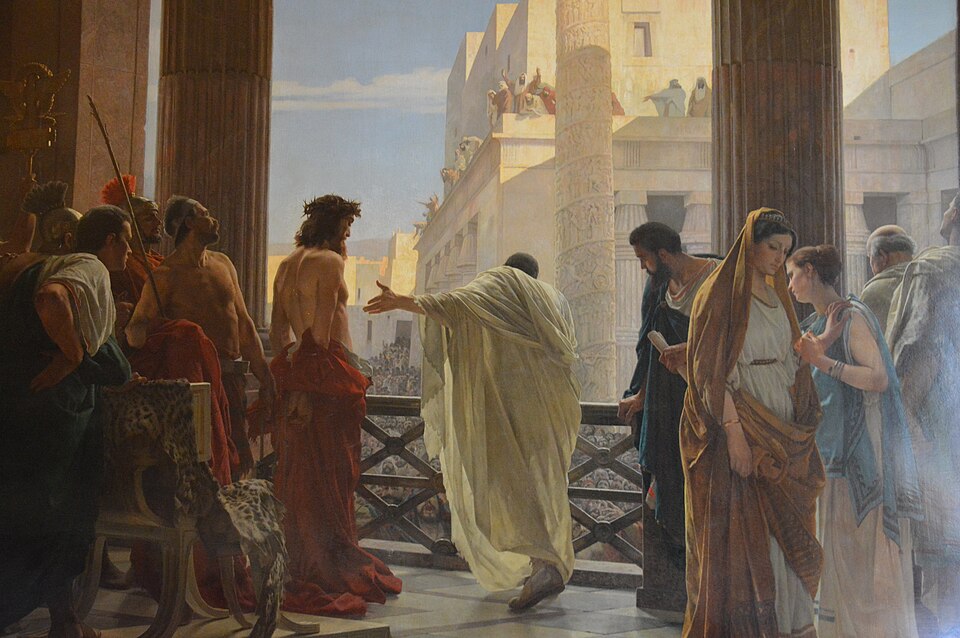 The Passion & Resurrection, John 18–21John shapes the Passion around one contrast: Jesus' sovereign self-possession against the collapse of everyone around Him.
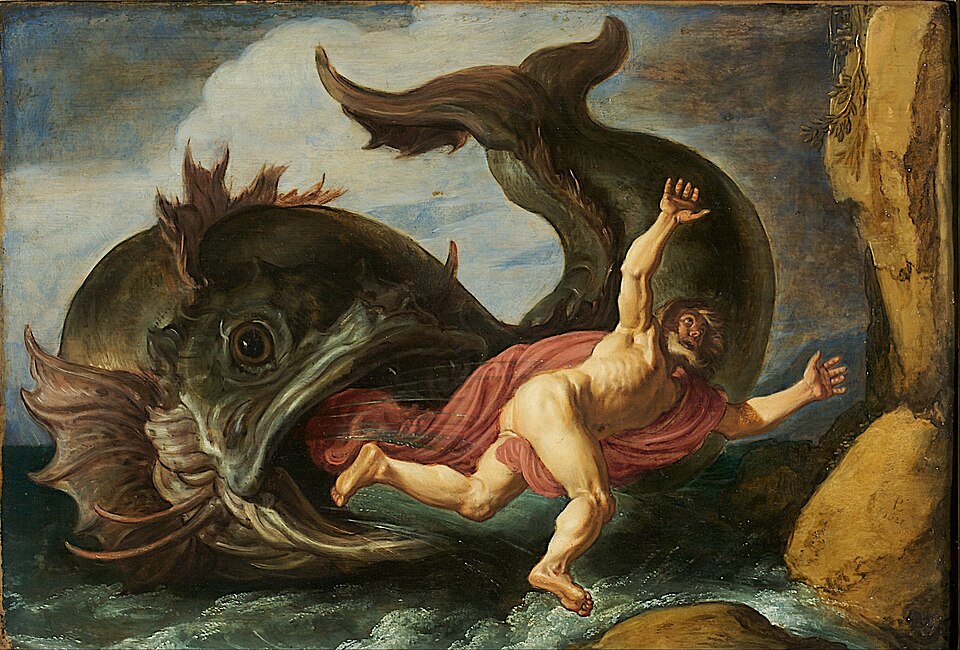 The Sign of JonahAsked for a sign, Jesus gives exactly one: Jonah's three days and three nights, pointing to His own three days in the heart of the earth, and a greater than Jonah is here.
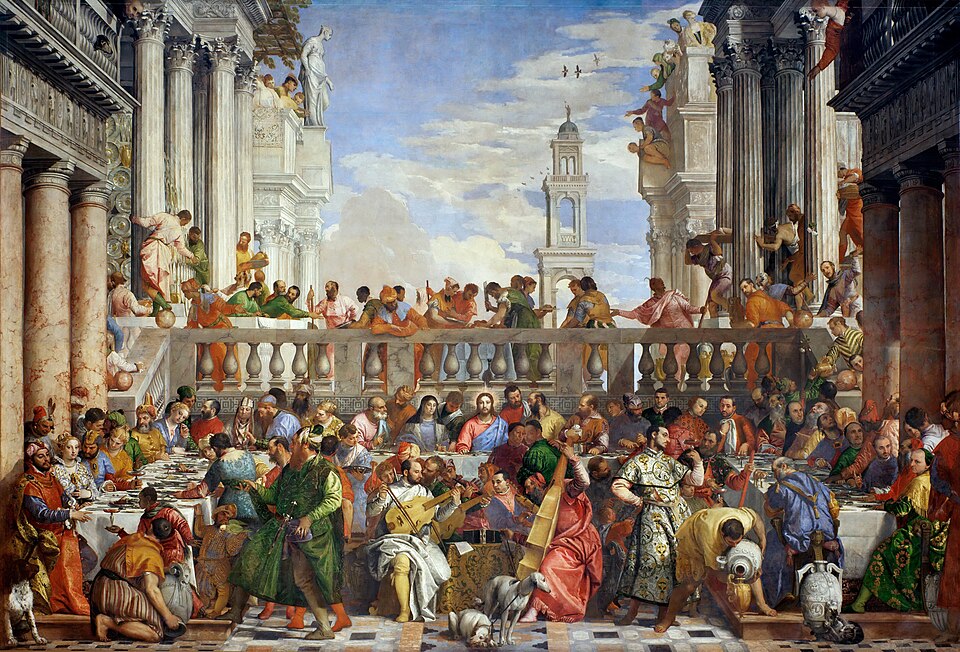 The Seven Signs of JohnJohn never calls them mighty works — he calls them signs, deeds that point past themselves to who the doer is.
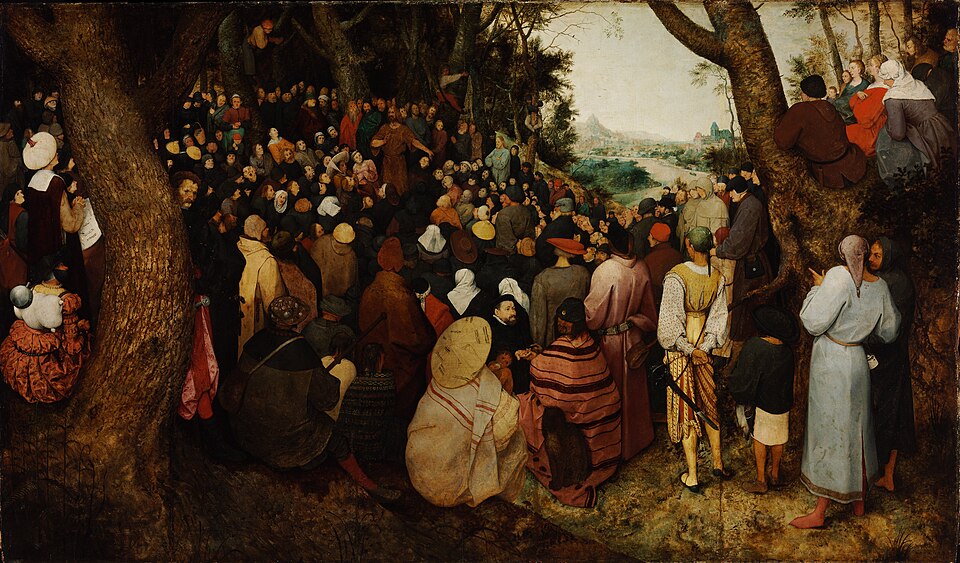 The Forerunner and the Refiner — Malachi 3:1; 4:5–6Malachi's promised messenger and returning Elijah, both answered in John the Baptist, and a refiner's fire that purifies before it judges.
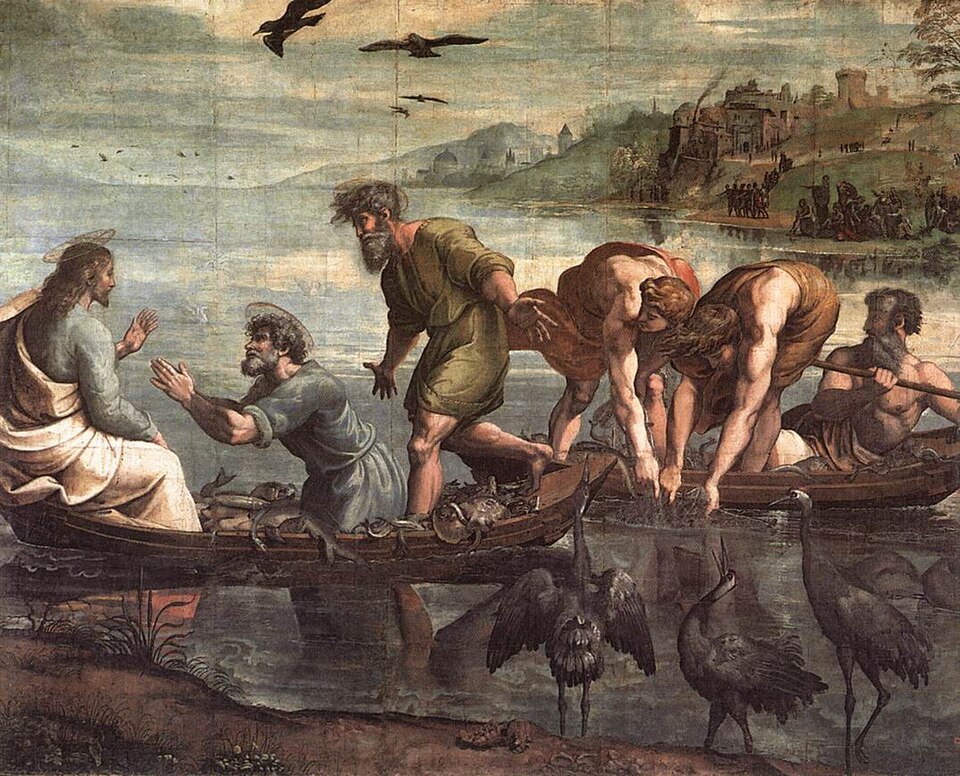 Miracles of JesusThirty-five recorded works of power across the four Gospels — healings, nature, raisings from the dead, and deliverance — every one anchored to its passage, walked as a ledger.
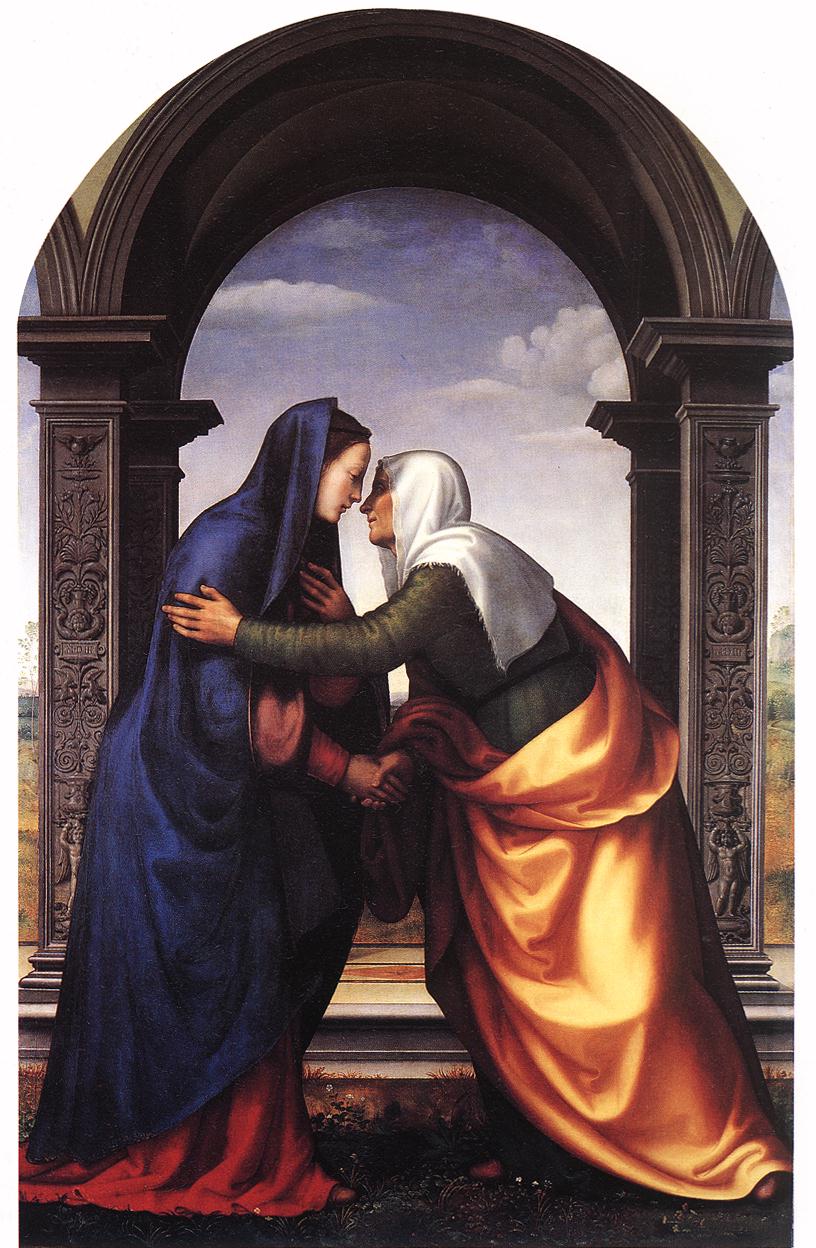 The Canticles — the Four Songs of Luke 1–2Magnificat, Benedictus, Gloria, Nunc Dimittis: the earliest Christian hymnody, sung over the coming of Christ.
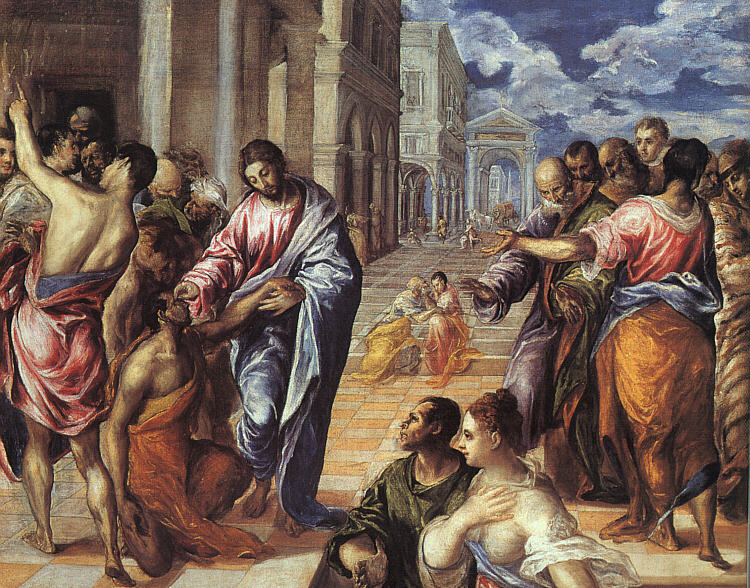 The Messianic MiraclesThree works Scripture presents as unprecedented — a Jewish leper cleansed, a mute demoniac freed, a man born blind given sight — the crowd's question, the Pharisees' verdict, and the historical claim behind them, steelmanned honestly.