

Psalm 100 · Value 1 of 41 · Featured Study
Gratitude
Gratitude is the thanks people owe to God for who He is and for everything He gives, commanded from the Law of Moses to the letters of Paul.
Paul names the refusal to give God thanks among the first steps by which the human heart was darkened (Romans 1:21).
Enter His gates with thanksgiving and His courts with praise; give thanks to Him and bless His name.
- Anchor text
- Psalm 100:1 to 5 “Make a joyful noise to the LORD, all…”
- Its opposite
- Grumbling against God and ingratitude
- Hold in memory
- Psalm 100:4, 1 Thessalonians 5:18
Summary
Gratitude in Scripture is thanks given to God, owed first because He is good and then for all that He does. Israel brought thanks to Him as an offering, the todah, and sang a refrain of thanks for His goodness in its worship. In the Gospels Jesus gives thanks before meals and at the tomb of Lazarus. The church named the Lord's Supper the Eucharist after the Greek verb for His thanks over the bread (1 Corinthians 11:24). Scripture names grumbling as the opposite of thanks.
- Thanks rests on God's character before His gifts: Psalm 136 thanks Him for who He is before it lists what He has done, and each of its 26 verses ends with His loving devotion.
- God commands thanks in every circumstance, the hard ones included, and calls it His will for His people in Christ (1 Thessalonians 5:18).
- In Israel thanks was brought to God as an offering, eaten before Him the same day, and His people enter His gates with thanksgiving (Leviticus 7:11 to 15).
- Thanks is kept alive by remembering what God has done: "do not forget all His kind deeds" (Psalm 103:2).
- Grumbling is a complaint against God Himself: Moses told the people, "Your grumblings are not against us but against the LORD" (Exodus 16:8), and Paul names it as a warning (1 Corinthians 10:10).
What Gratitude Is
Gratitude is the thanks owed to God, and four words of Hebrew and Greek carry its meaning.
What does Scripture mean by gratitude, and why does every person owe God thanks? The answer is drawn from the text in order. It opens with the four Hebrew and Greek words for thanks, the key texts from the Law to Revelation and the books that use the word. It gives God's commands to give thanks, the ground of thanks in His character, and the thanks Jesus gave at a meal, at a tomb and at the Last Supper. It names the people and the stories that show thanks, the complaining that stands against it, and the church's witnesses and teachers. Nine studies take each part further, and three questions close it.
Todah, thanksgiving and the thank offering
31 uses in the canon
Leviticus 7:12 uses the noun for the offering itself, brought with cakes and wafers.
Yadah, thanks said aloud
114 uses in the canon
To thank God in Hebrew is to say aloud what He has done, so the same verb serves for praise and for confession.
Eucharisteo, to give thanks
38 uses in the canon
Strong's lexicon notes its special use for saying grace at a meal, and Paul uses it for his thanks for the church at Philippi.
Charis, grace and thanks
153 uses in the canon
The Greek charis means grace, and its range includes gratitude, as when Paul thanks God for His indescribable gift.
Todah, thanksgiving and the thank offering, Yadah, thanks said aloud, Eucharisteo, to give thanks, Charis, grace and thanks, The Words Todah, Yadah and Eucharisteo, the study in brief
The Key Texts of Thanks
Thanks is commanded or given in the histories, the psalms, the prophets, the letters and Revelation.
History
Give thanks to the LORD, for He is good; His loving devotion endures forever.
David's song of thanks gives the refrain Israel kept singing.
Wisdom
Sacrifice a thank offering to God, and fulfill your vows to the Most High.
God asks for thanks itself as the offering He wants.
Psalm 50:14BSB
Prophets
the sounds of joy and gladness, the voices of the bride and bridegroom, and the voices of those bringing thank offerings into the house of the LORD, saying: ‘Give thanks to the LORD of Hosts, for the LORD is good; His loving devotion endures forever.’ For I will restore the land from captivity as in former times, says the LORD.
Jeremiah promises that thank offerings will again be brought to the temple.
Acts and Epistles
Thanks be to God for His indescribable gift!
Paul thanks God for His indescribable gift.
Revelation
saying, “Amen! Blessing and glory and wisdom and thanks and honor and power and strength be to our God forever and ever! Amen.”
In the worship before the throne, thanks is given to God forever and ever.
Psalm 50:14, Jeremiah 33:11, 2 Corinthians 9:15, Revelation 7:12
Where Scripture Commands Thanks
The psalms call the whole earth to give thanks, and Paul makes thanks the will of God for the church at all times.
The psalms give the command most often, in a plural imperative spoken to the whole congregation.
Paul carries the command into every circumstance and every hour, and he closes a list of commands to the Colossians with three words, "And be thankful" (Colossians 3:15).
Give thanks in every circumstance, for this is God’s will for you in Christ Jesus.Paul gives one reason for the command, and it is the will of God.
In All Circumstances, the study in brief
Thanks Rests on Who God Is
The psalms give God's goodness and His lasting loving devotion as the reasons for thanks, before any gift is named.
Israel's refrain gives two reasons for thanks, and both are about God Himself: He is good, and His loving devotion endures forever. One psalm closes every one of its verses with the second reason, so the thanks for what He did rests on who He is.
James traces every good gift to the Father, "with whom there is no change or shifting shadow" (James 1:17).
Thanks for Who He Is, the study in brief, Hesed, the LORD's Loving Devotion, the study in brief
Jesus and Thanks
The Gospels record Jesus giving thanks to the Father before He fed a crowd, at the tomb of Lazarus and at the Last Supper.
Before the loaves were sharedJohn 6
About five thousand men sat on the grass, and a boy had five barley loaves and two small fish.
Then Jesus took the loaves and the fish, gave thanks, and distributed to those who were seated as much as they wanted.
John 6:11BSB The thanks comes when the food is least, before the miracle.
At the tomb of LazarusJohn 11
Lazarus had been dead four days when Jesus came to his tomb at Bethany.
So they took away the stone. Then Jesus lifted His eyes upward and said, “Father, I thank You that You have heard Me.
John 11:41BSB He gives thanks for the answer before Lazarus comes out.
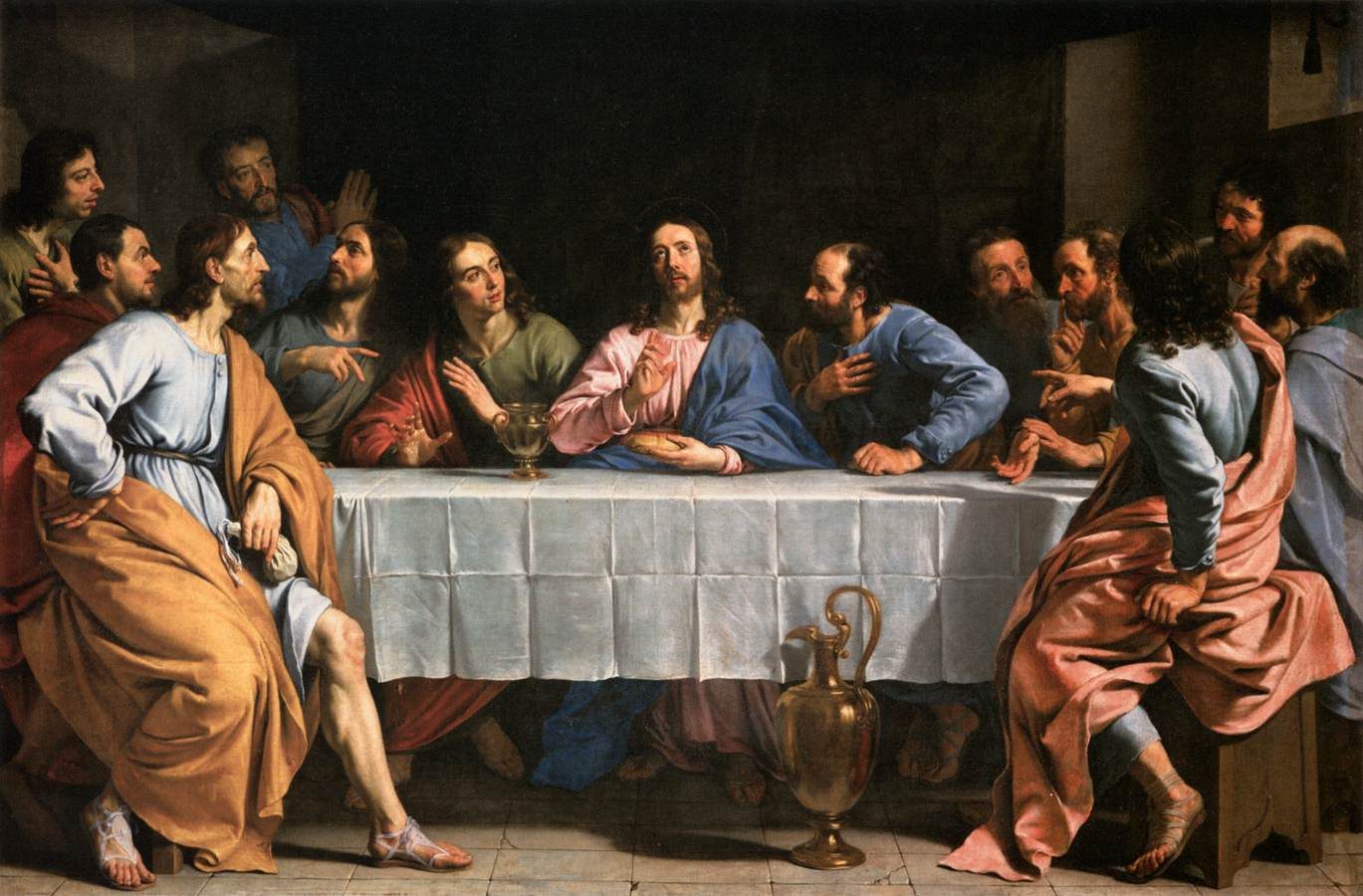
At the Last SupperLuke 22
Jesus ate the Passover with His apostles on the night before He died, and Paul hands on what He did that night to the church at Corinth (1 Corinthians 11:23 to 25).
And He took the bread, gave thanks and broke it, and gave it to them, saying, “This is My body, given for you; do this in remembrance of Me.”
Luke 22:19BSB The meal the church keeps begins with His thanks.
At the tomb of Lazarus (John 11), At the Last Supper (Luke 22)
Thanks Grows from Grace Received
Paul describes thanks as the overflow of grace in believers who are rooted in Christ.
Paul treats thanks as the fruit of a heart that has received grace. He tells the Colossians to walk in Christ "rooted and built up in Him, established in the faith as you were taught, and overflowing with thankfulness" (Colossians 2:7).
Let the word of Christ richly dwell within you as you teach and admonish one another with all wisdom, and as you sing psalms, hymns, and spiritual songs with gratitude in your hearts to God.Thanks belongs to the gathered church's song as well as to each believer's prayer.
Colossians 3:16
Who Gave Thanks
Six people and groups thanked or praised God for what He had done, from Hannah to Anna.
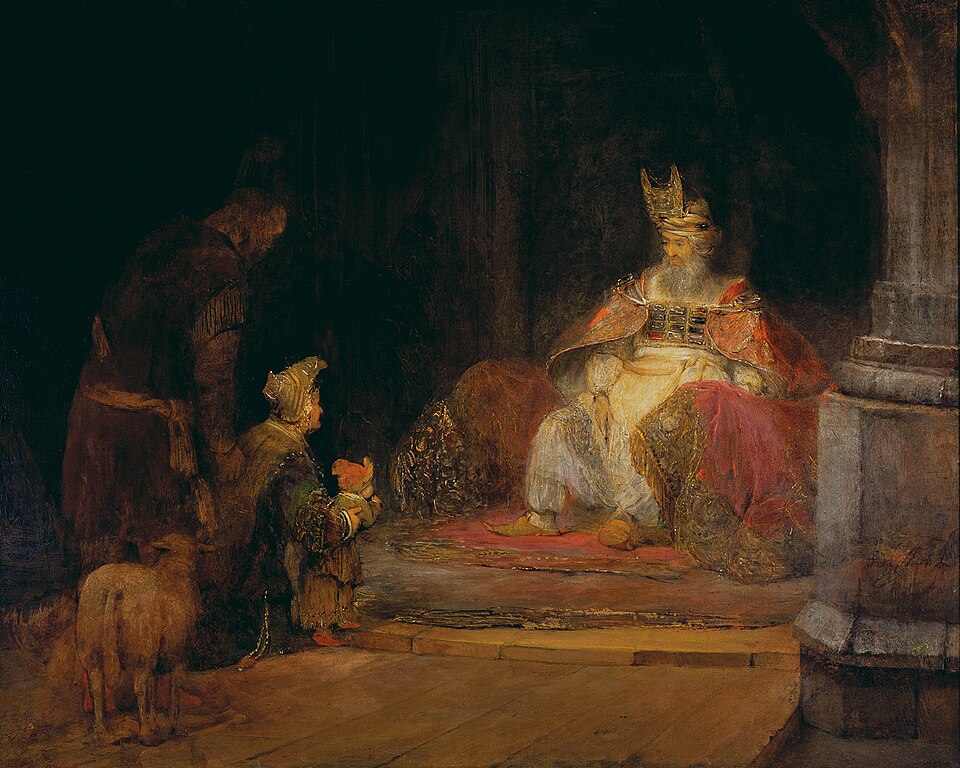
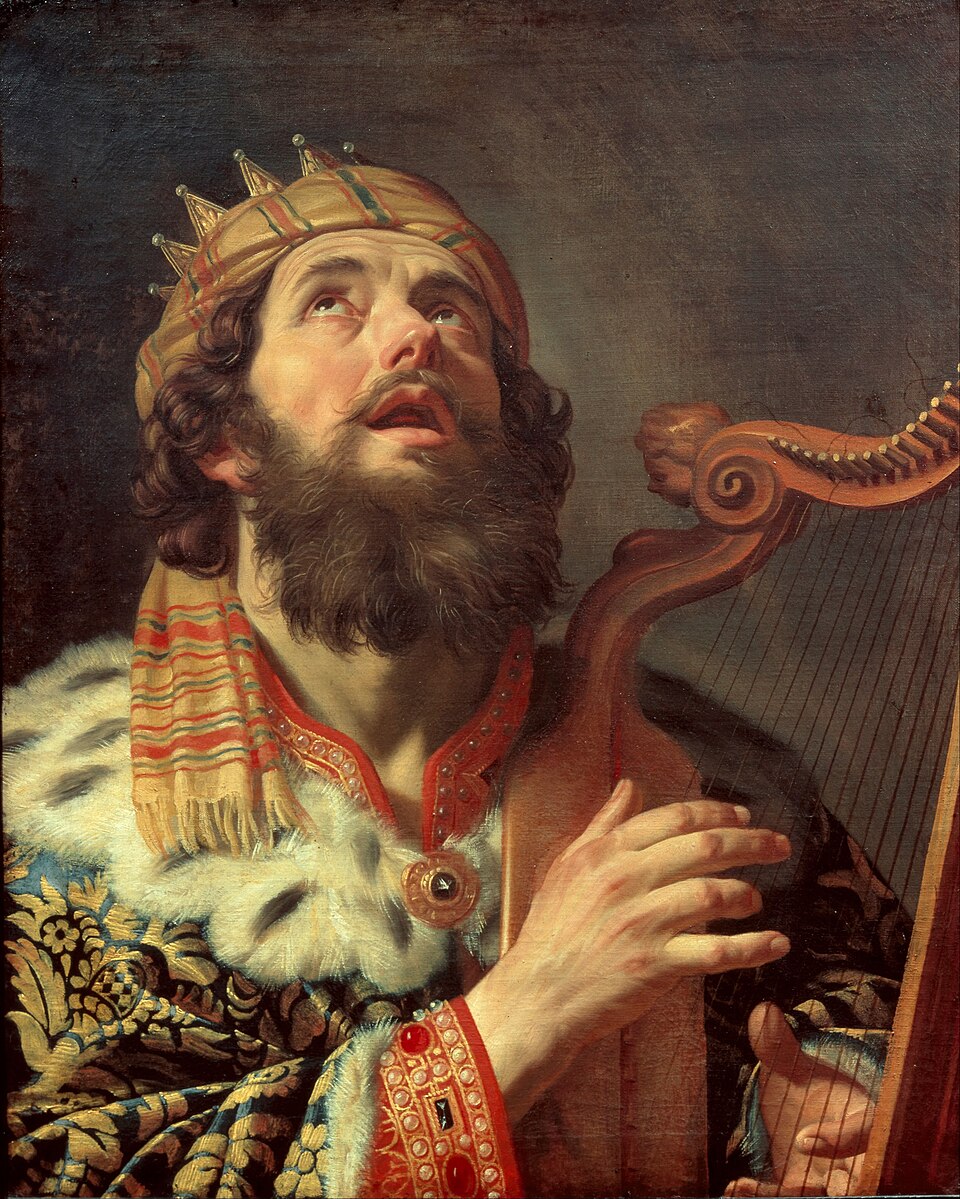
He gave Asaph and his brothers a song of thanks on the day the ark came to Jerusalem.
1 Chronicles 16:7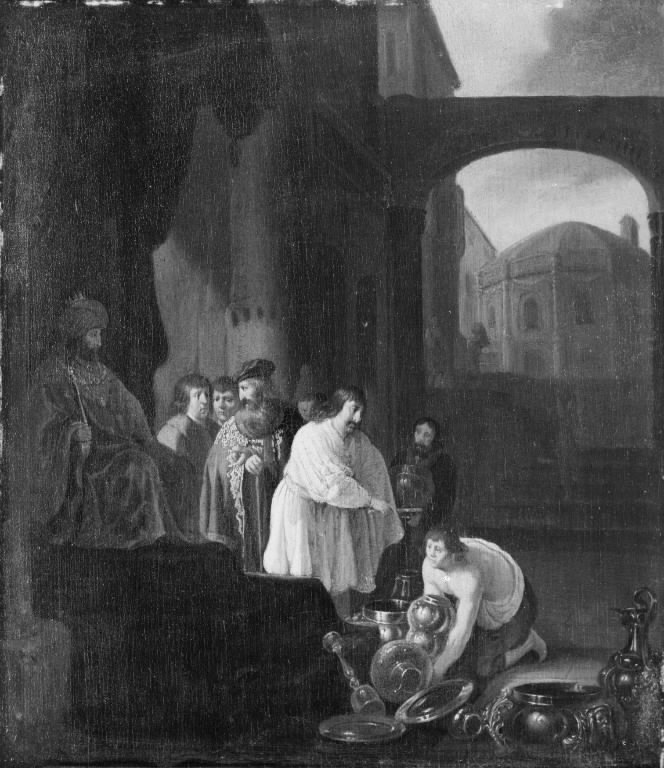
Healed of a mortal illness, the king wrote that only the living can thank God, as he did that day.
Isaiah 38:19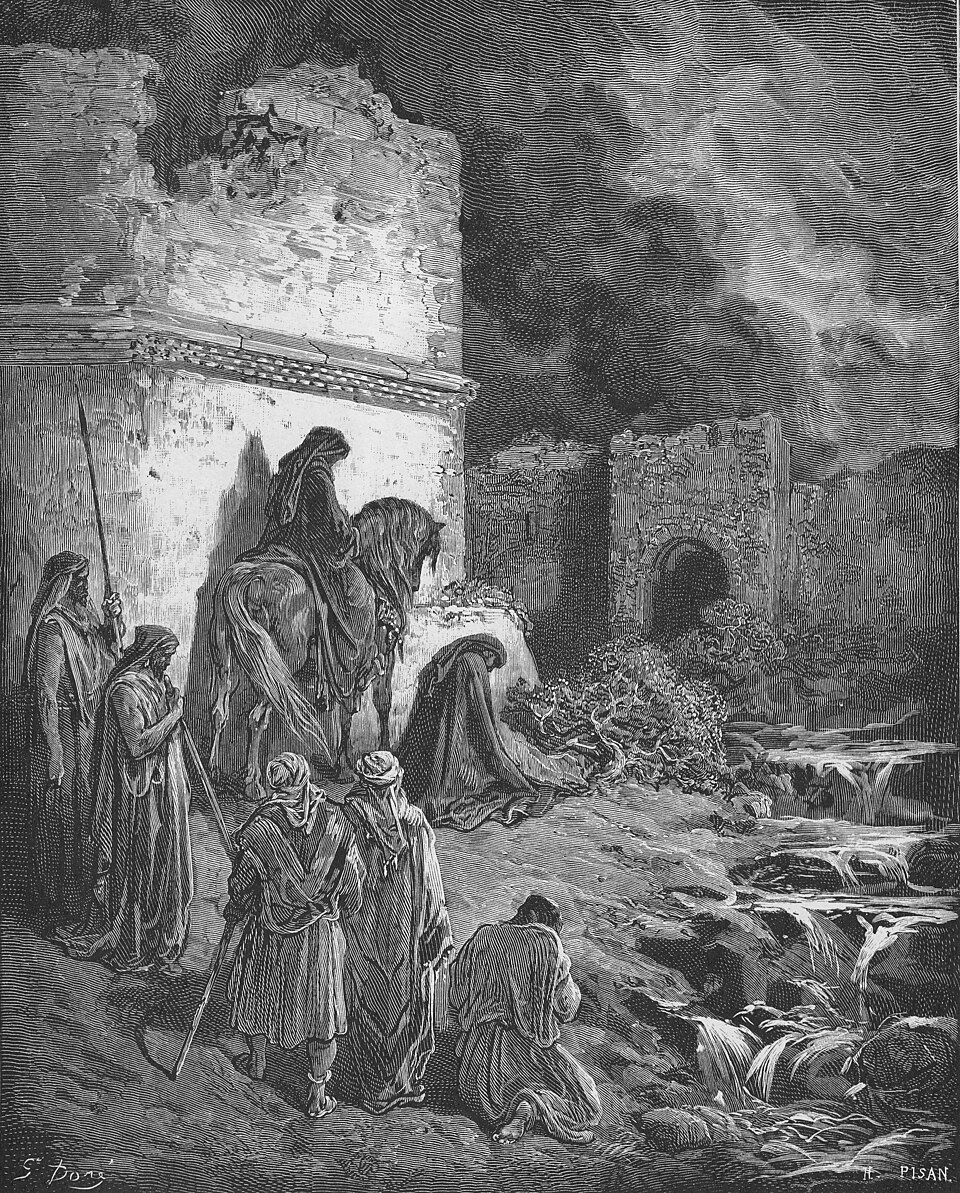
They came to Jerusalem to dedicate the rebuilt wall with thanksgiving and singing.
Nehemiah 12:27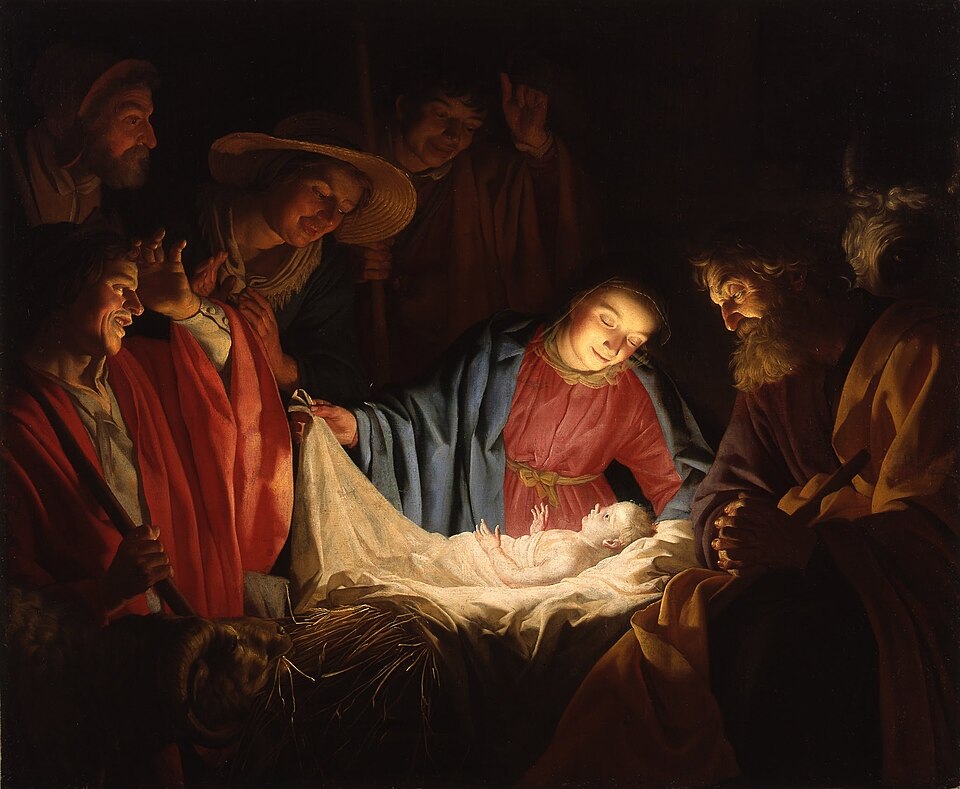
Her song opens with her soul magnifying the Lord and rejoicing in God her Savior.
Luke 1:46 to 47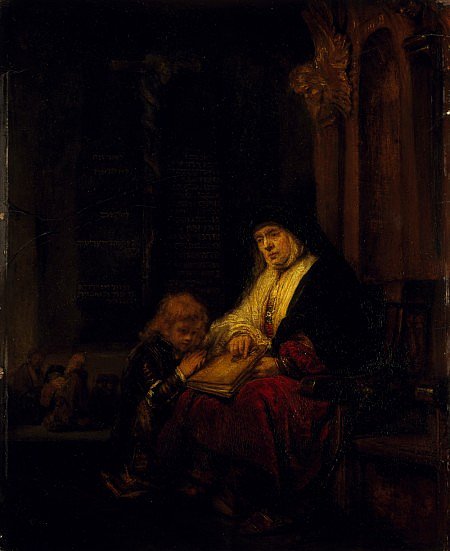
Hezekiah, The Levites of Nehemiah 12, Mary, Anna
The Practice of Thanks
Beside grace at meals, Scripture names three habits of thanks, each with the verse that gives it.
- 1Give thanks with the gathered churchPsalm 95 calls God's people into His presence with thanksgiving and song.Psalm 95:2
- 2Offer thanks as a sacrificeThe thank offering of the Law becomes in Hebrews a sacrifice of praise, offered to God through Jesus without ceasing.Hebrews 13:15
- 3Tell what God has doneThe psalmist of Psalm 116 pays his vows of thanks before all God's people.Psalm 116:17 to 18
Offer thanks as a sacrifice, Tell what God has done
Grumbling and Ingratitude
Scripture names grumbling and ingratitude as the sins that stand against thanks, from the wilderness to the last days.
In the desert Israel complained about food while God fed them every morning.
Paul names ingratitude among the sins of the last days, where "ungrateful" stands between disobedience to parents and the unholy (2 Timothy 3:2).
Soon the people began to complain about their hardship in the hearing of the LORD, and when He heard them, His anger was kindled, and fire from the LORD blazed among them and consumed the outskirts of the camp.
Numbers opens its record of the desert years with a complaint and its judgment.
Numbers 11:1BSB
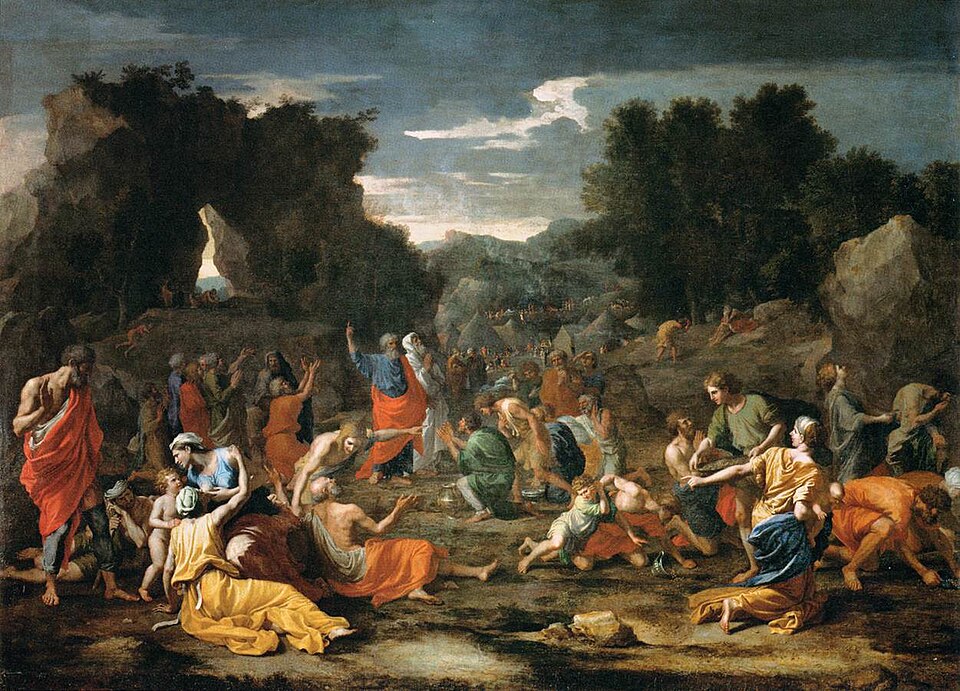
The LORD heard the whole congregation grumble against Him in the desert.
Numbers 14:27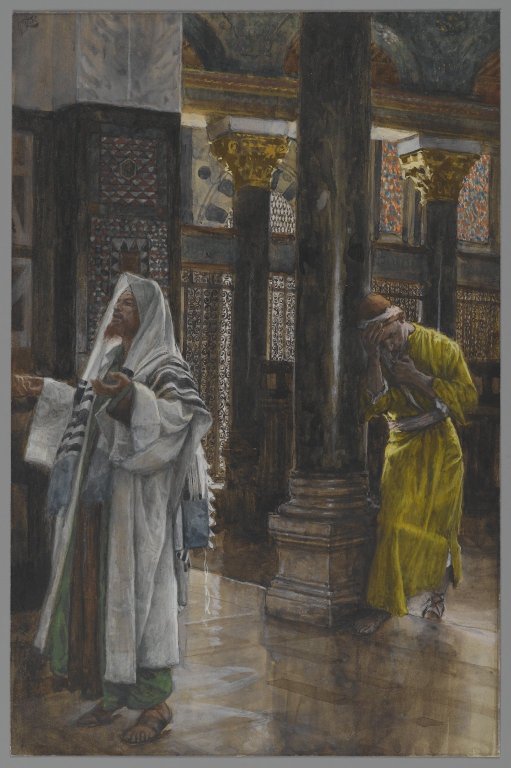
He thanked God that he was not like other men, and the tax collector went home justified.
Luke 18:11 to 14
Numbers 11:1, The wilderness generation, The Pharisee in the temple, Grumbling, the Opposite of Thanks, the study in brief
Thanks in the Stories of the Bible
Four stories show thanks given after a healing, under a king's decree, inside a fish and in a storm.
The Ten LepersLuke 17
Ten men with leprosy called to Jesus for mercy on the way to Jerusalem and were cleansed on the way to the priests. One of them, a Samaritan, came back praising God and fell at His feet in thanks, and Jesus asked where the other nine were (Luke 17:11 to 19).
Read the study of the Ten Lepers 10 sections, 9 verses set out
Daniel in the lions' denDaniel 6
Darius signed a decree that for thirty days anyone who petitioned any god or man except the king would be thrown to the lions. Daniel went home and knelt at his window three times a day, praying and giving thanks to his God as before (Daniel 6:10), and God shut the lions' mouths.
Jonah inside the fishJonah 2
Jonah ran from the LORD's call and was swallowed by a great fish. His prayer from inside it ends with a vow to sacrifice to the LORD "with the voice of thanksgiving" (Jonah 2:9), and only then did the LORD command the fish to vomit him onto dry land.
Paul in the stormActs 27
A storm drove Paul's ship for fourteen days, and the 276 people aboard had gone without food. Paul took bread, gave thanks to God in front of them all and began to eat, and every one of them was brought safely to land (Acts 27:33 to 44).
Daniel in the lions' den (Daniel 6), Jonah inside the fish (Jonah 2), Paul in the storm (Acts 27)
Thanks in the Church's History
Five pastors and writers gave thanks in exile, in a plague year, after a robbery, in want and in blindness.
John Chrysostom407
John Chrysostom was marched into a second exile and fell sick on the road in 407. Palladius records that he received the Lord's Supper and offered his last prayer, "using his customary formula, 'Glory to God for all things'" (Dialogue, chapter 11).
Martin Rinkart1636
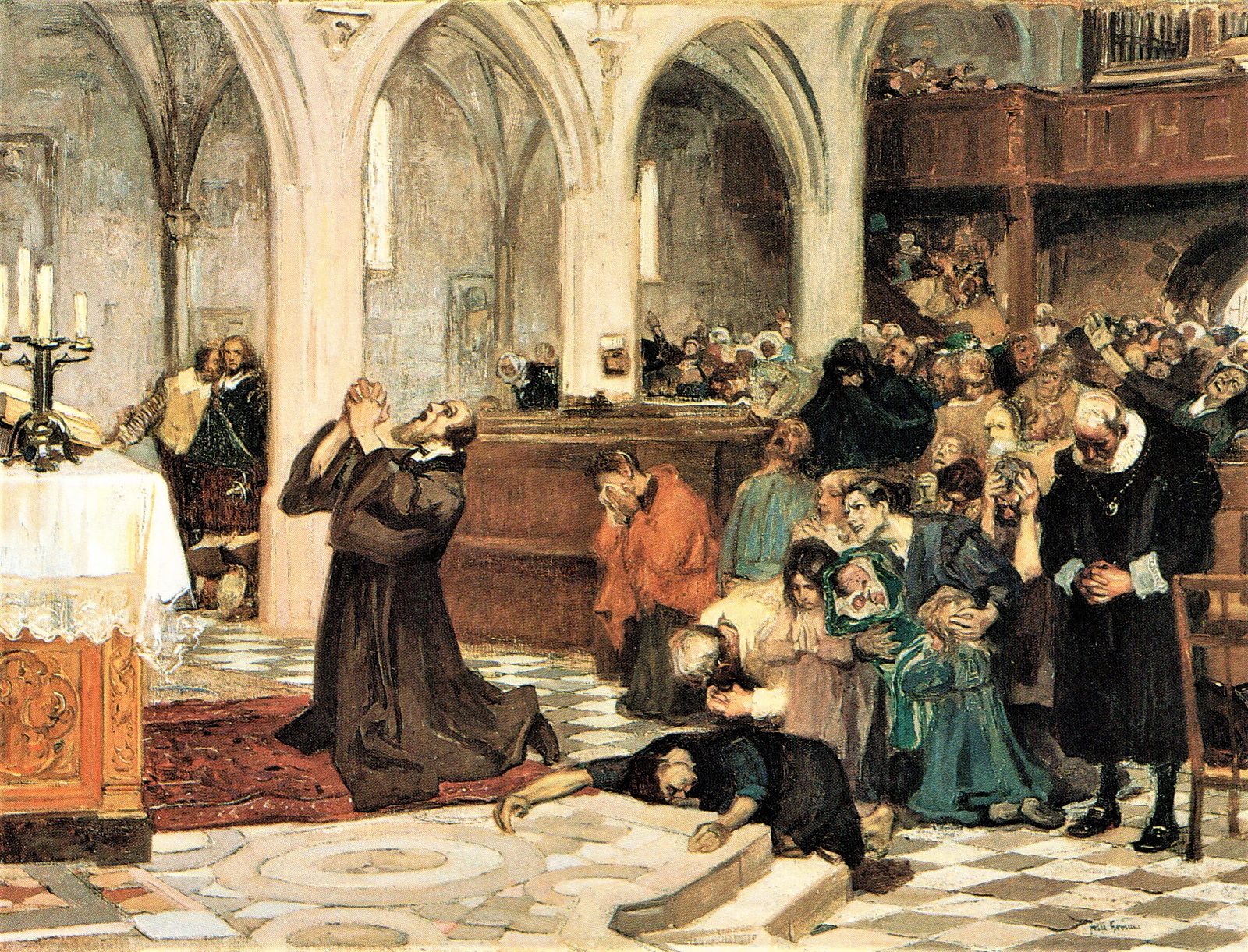
Martin Rinkart was pastor in Eilenburg through the Thirty Years' War, and John Julian's Dictionary of Hymnology records that in the plague of 1637 he read the burial service over about 4,480 people. Julian dates his table grace "Nun danket alle Gott," sung as "Now thank we all our God," most likely to 1636.
Read the study of the hymn 9 sections, 4 verses set out
Matthew Henry1713
Matthew Henry was robbed by four men on 8 March 1713. His diary opens that night's remarks with thanks: "What reason have I to be thankful to God, who have travelled so much, and yet was never robbed before" (Memoirs, pages 248 to 249). The popular prayer of four thanks told in his name goes beyond the diary.
George Müller1840
George Müller recorded each gift to the orphan houses in his care and his thanks for it. On 20 November 1840 the houses had no milk for tea and no money, and ten pounds came a few minutes before the milkman: "The Lord be praised for this deliverance!" The story of a milk cart breaking down at the door is not in the first two parts of his Narrative.
Fanny Crosby1903
Fanny Crosby was blind from the age of six weeks. At eighty-three she wrote in her Life-Story (1903): "It seemed intended by the blessed Providence of God, that I should be blind all my life; and I thank Him for the dispensation."
Martin Rinkart (1636), Matthew Henry (1713), George Müller (1840), Fanny Crosby (1903)
Voices on Thanks, by Century
Three voices, each quoted from a work in the public domain under the line that says what he teaches.
died 420 · Jerome
Homily 33, on Psalm 106
Fourth and fifth centuries. The command to give thanks is itself the proof that God is good and forgives.
The quotation1 quotation
“Give thanks to the Lord, for he is good, for his mercy endures for ever. Therefore confess to him your sins, because he is good and forgives sins. But if he were not good, he would not say to you, ‘Give thanks’; and, ‘Give thanks to him, for his mercy endures for ever.’ This is mercy: for the rest, above there is justice. ‘For his mercy endures for ever.’ As long as you are in this age, give thanks.”
Jerome · Homily 33, on Psalm 106 · on Psalm 107:1Patristic
1509 to 1564 · John Calvin
Commentaries
Sixteenth century. Nothing moves a person to give thanks as much as God's free mercy.
The quotation1 quotation
“He singles out the divine mercy and truth as the subject of his praise, for while the power and greatness of God are equally worthy of commendation, nothing has a more sensible influence in stimulating us to thanksgiving than his free mercy; and in communicating to us of his goodness he opens our mouth to sing his praises.”
John Calvin · Commentaries · on Psalm 138:2Reformed
1834 to 1892 · Charles Spurgeon
The Treasury of David, Vol. 2
Nineteenth century. God accepts an offering only when it comes as a tribute of gratitude.
The quotation1 quotation
“Offer unto God thanksgiving. No longer look at your sacrifices as in themselves gifts pleasing to me, but present them as the tributes of your gratitude; it is then that I will accept them, but not while your poor souls have no love and no thankfulness to offer me. The sacrifices, as considered in themselves, are contemned, but the internal emotions of love consequent upon a remembrance of divine goodness, are commended as the substance, meaning, and soul of sacrifice.”
Charles Spurgeon · The Treasury of David, Vol. 2 · on Psalm 50:14
How Gratitude Has Been Taught
Luther, Burroughs, Brother Lawrence, Wesley, Newton and Chesterton taught thanks from the sixteenth century to the twentieth.
Luther taught that God asks only thanks for His gifts1 paragraph
The Table Talk, recorded by guests at Luther's table and translated by Henry Bell, has him say that God asks one thing for His gifts. He asks "only that we do acknowledge him for our God, and thank him for his gifts" (Selections from the Table Talk). He said of farmers: "I give more thanks to our Lord God for one tree or bush than all rich farmers and husbandmen do for their large and fruitful grounds."
Jeremiah Burroughs named discontent as the enemy of thanks1 paragraph
Jeremiah Burroughs, in The Rare Jewel of Christian Contentment (1651), described discontent as the habit that makes every mercy of God seem small. He urged his readers to spend time every day blessing God's name for the mercies He has granted.
Brother Lawrence taught thanks in the middle of trouble1 paragraph
Brother Lawrence, Nicholas Herman of Lorraine, counselled a sufferer by letter that God asks only small things of us (The Practice of the Presence of God, Seventh Letter, Revell translation of 1895). Among them is "sometimes to return Him thanks for the favors He has given you, and still gives you, in the midst of your troubles."
Wesley and Newton joined thanks to prayer and to every change of life1 paragraph
John Wesley's note on Philippians 4:6 calls thanksgiving "The surest mark of a soul free from care, and of prayer joined with true resignation" (Explanatory Notes upon the New Testament). John Newton wrote in a letter of 26 January 1775 that a Christian "should be humble, patient, meek, cheerful, thankful under all events and changes" (Cardiphonia).
Chesterton called gratitude the test of happiness1 paragraph
G. K. Chesterton wrote in Orthodoxy (1908): "The test of all happiness is gratitude; and I felt grateful, though I hardly knew to whom."
Where the Science Speaks
Scripture sets thanks against anxiety, and surveys of people find the grateful less anxious and less depressed.
Be anxious for nothing, but in everything, by prayer and petition, with thanksgiving, present your requests to God. And the peace of God, which surpasses all understanding, will guard your hearts and your minds in Christ Jesus.Thanks takes the place of worry here, as 1 Thessalonians 5:18 carries it into every circumstance, and God's keeping follows it.
Consider it pure joy, my brothers, when you encounter trials of many kinds,James commands joy in trials of many kinds, the answer Paul gives in thanks.
Gratitude, Anxiety and the Brain, the study in brief
Nine Studies of Gratitude
Each study takes one part of gratitude further, grouped by the texts, the stories, the words, the practice and the science.
The texts
3 studies
- Passages and psalms · 18 verses set outThanks for Who He Is
Two psalms of Israel's worship praise the LORD for His character first and for His deeds second.
- Passages and psalms · 14 verses set outIn All Circumstances
Paul wrote 1 Thessalonians 5:18 to a church that had received the message in great suffering, and Philippians 4:6 from chains.
- Passages and psalms · 15 verses set outEnter His Gates with Thanksgiving
Psalm 100 and Leviticus 7 show Israel's thanks both as a song of worship and as an offering eaten at the sanctuary.
- Passages and psalms · 18 verses set outThanks for Who He Is
The stories
3 studies
- Stories · 9 verses set outThe Ten Lepers
Luke 17:11 to 19 records ten lepers cleansed by Jesus on the road to Jerusalem, of whom one, a Samaritan, came back to give thanks.
- Stories · 6 verses set outGrumbling, the Opposite of Thanks
Exodus and Numbers record Israel complaining against Moses, Aaron and the LORD during its years in the wilderness.
- Stories · 4 verses set outNow Thank We All Our God
Martin Rinkart, a Lutheran archdeacon, wrote this hymn of thanks as a grace at table.
- Stories · 9 verses set outThe Ten Lepers
The words
1 study
- Symbols and words · 4 verses set outThe Words Todah, Yadah and Eucharisteo
Todah and yadah in Hebrew and eucharisteo in Greek are three of Scripture's words for thanks to God.
- Symbols and words · 4 verses set outThe Words Todah, Yadah and Eucharisteo
The practice
1 study
- Doctrines · 6 verses set outGrace Before Meals
Scripture joins thanks to food from the law of Moses to the letters of Paul, and Jesus gave thanks over bread at His meals.
- Doctrines · 6 verses set outGrace Before Meals
The science
1 study
- Doctrines · 6 verses set outGratitude, Anxiety and the Brain
Paul set thanksgiving against worry, and psychologists have since compared grateful people with anxious ones and tested a habit of giving thanks.
- Doctrines · 6 verses set outGratitude, Anxiety and the Brain
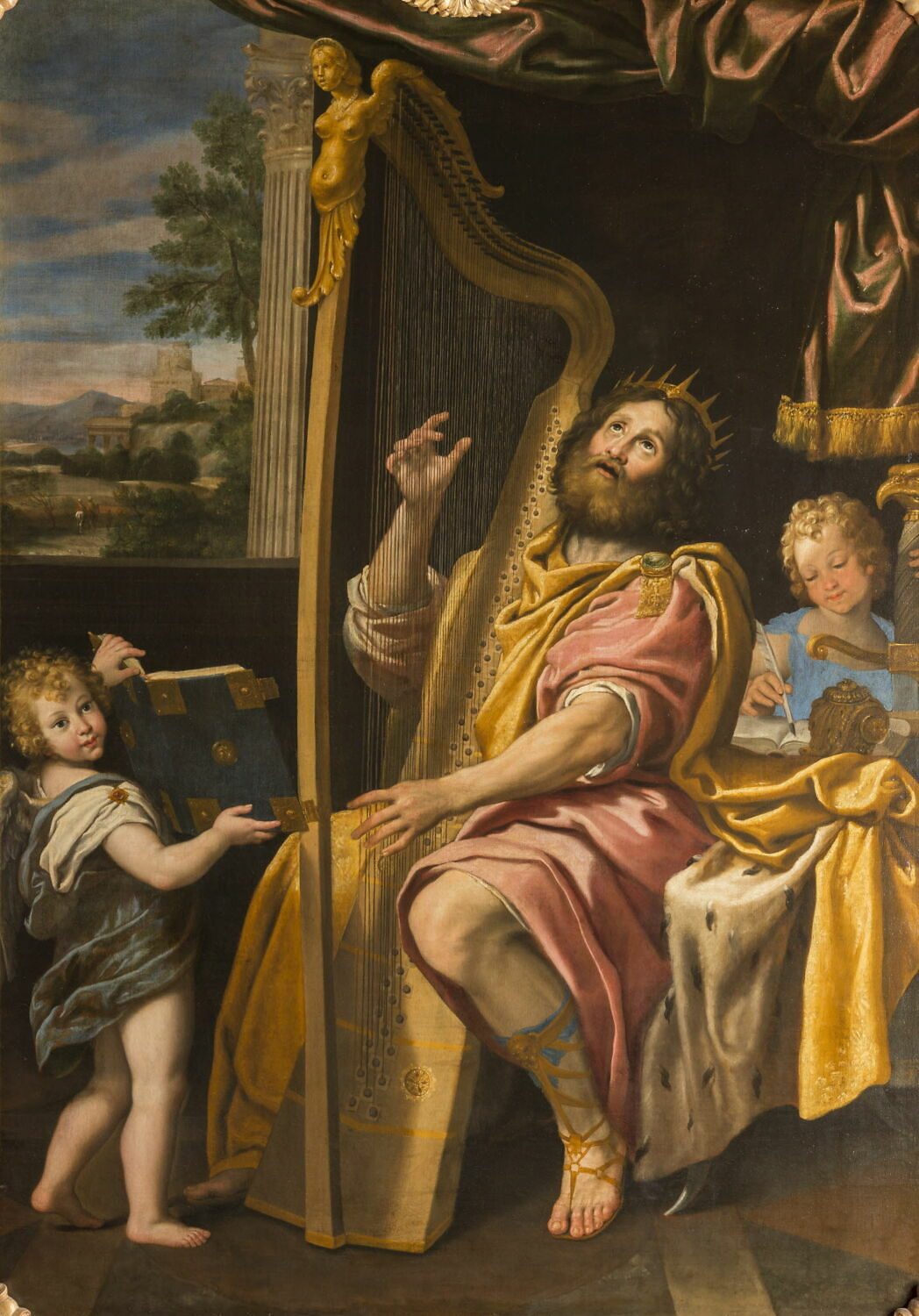
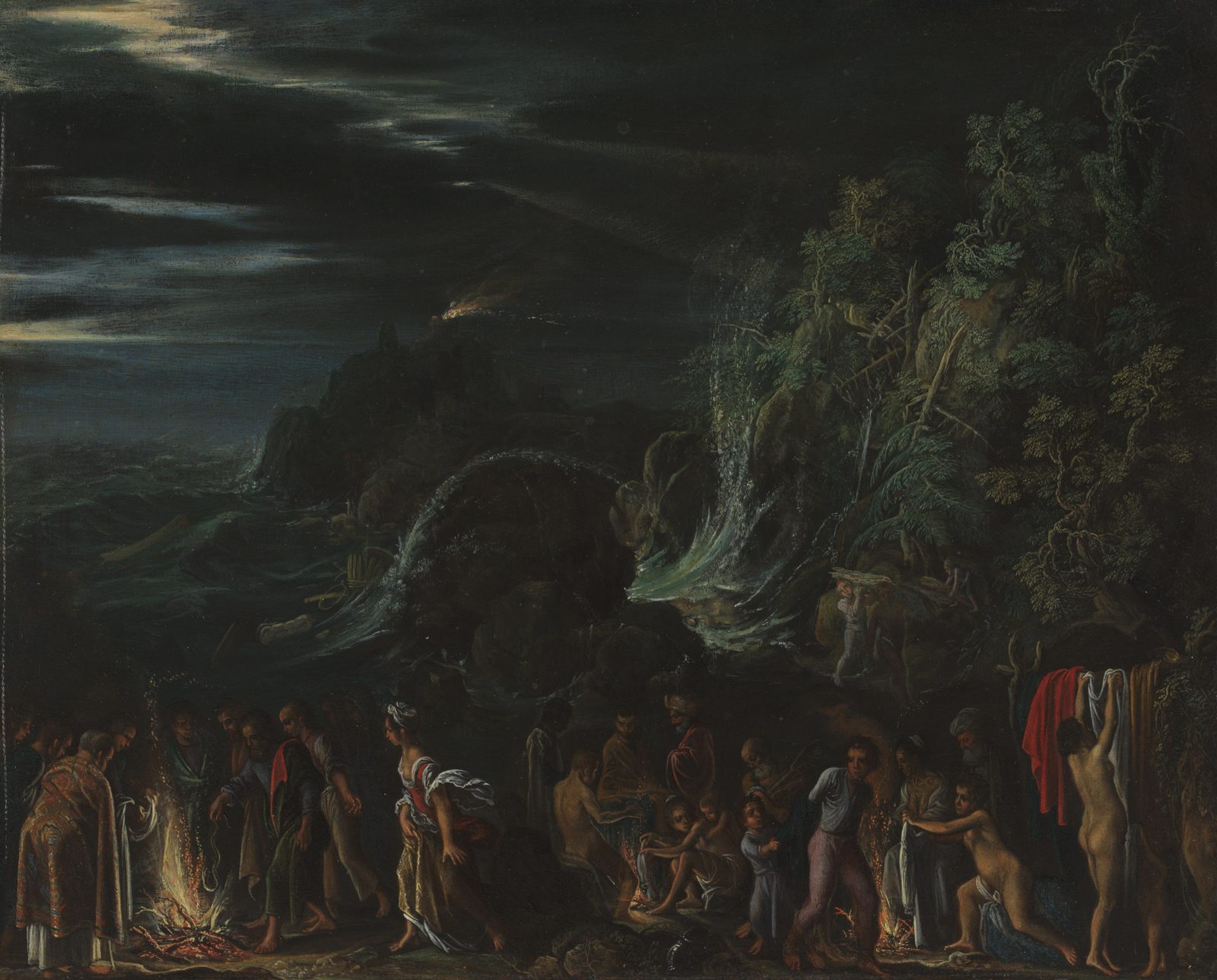
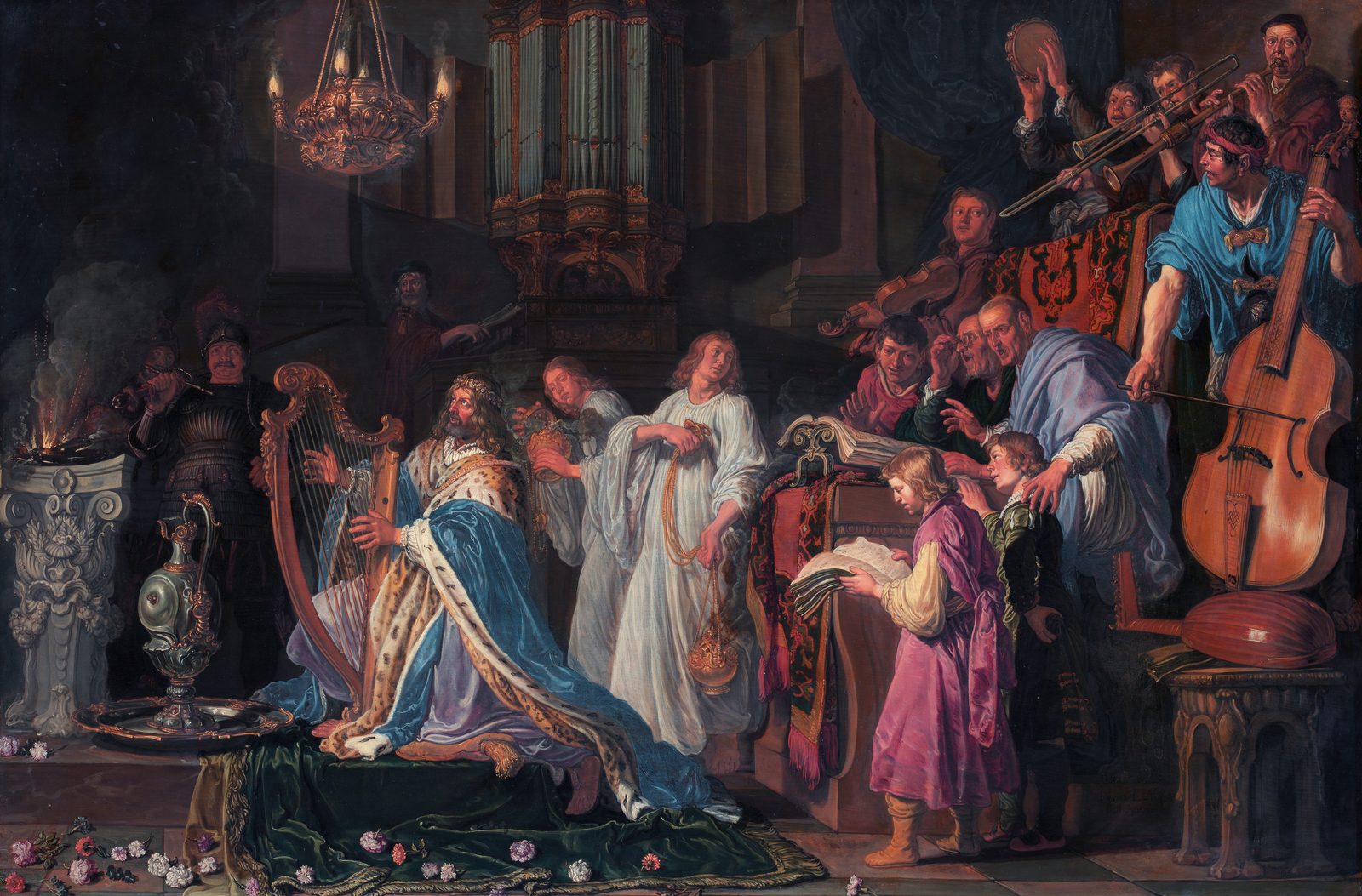
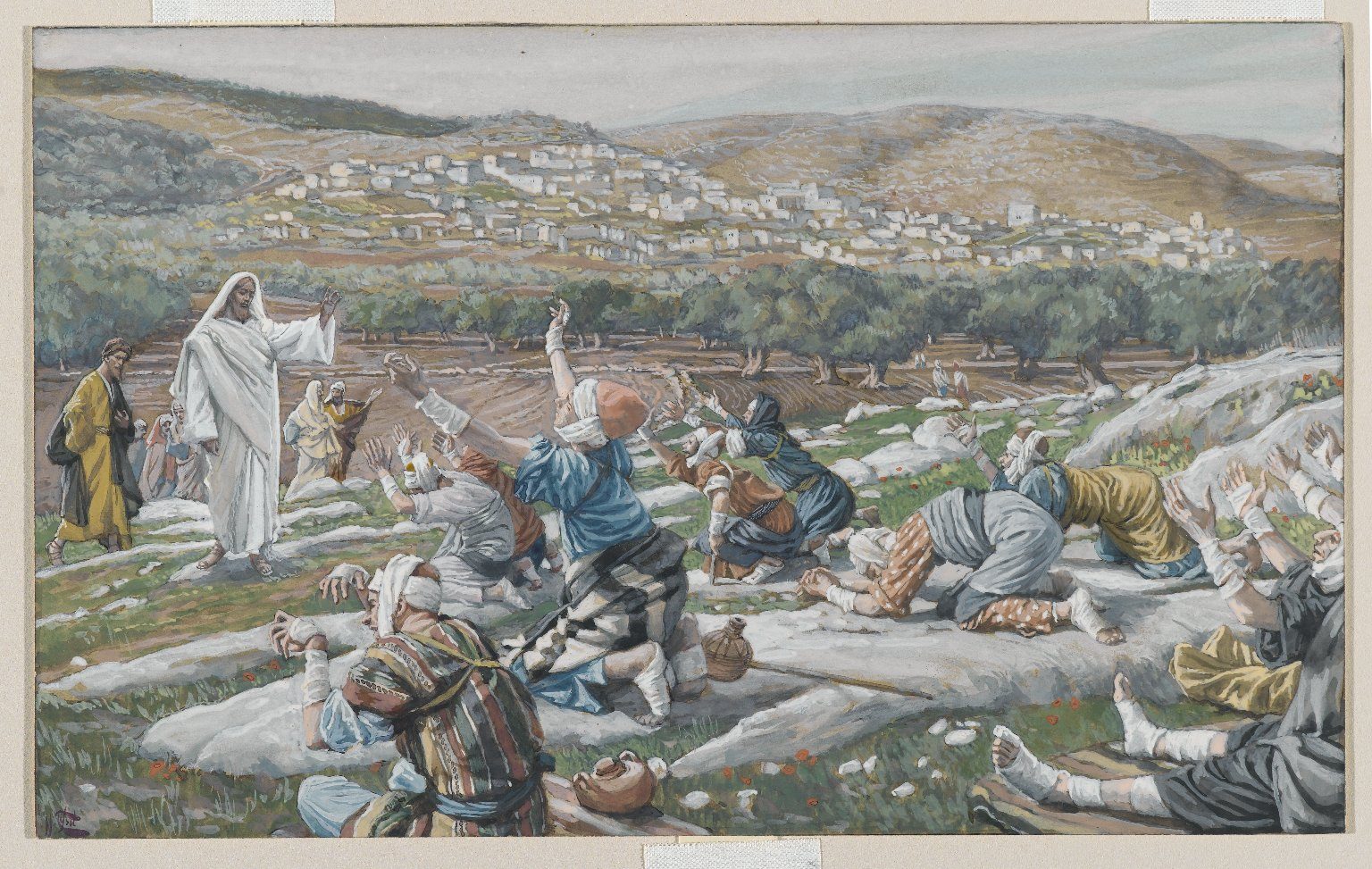
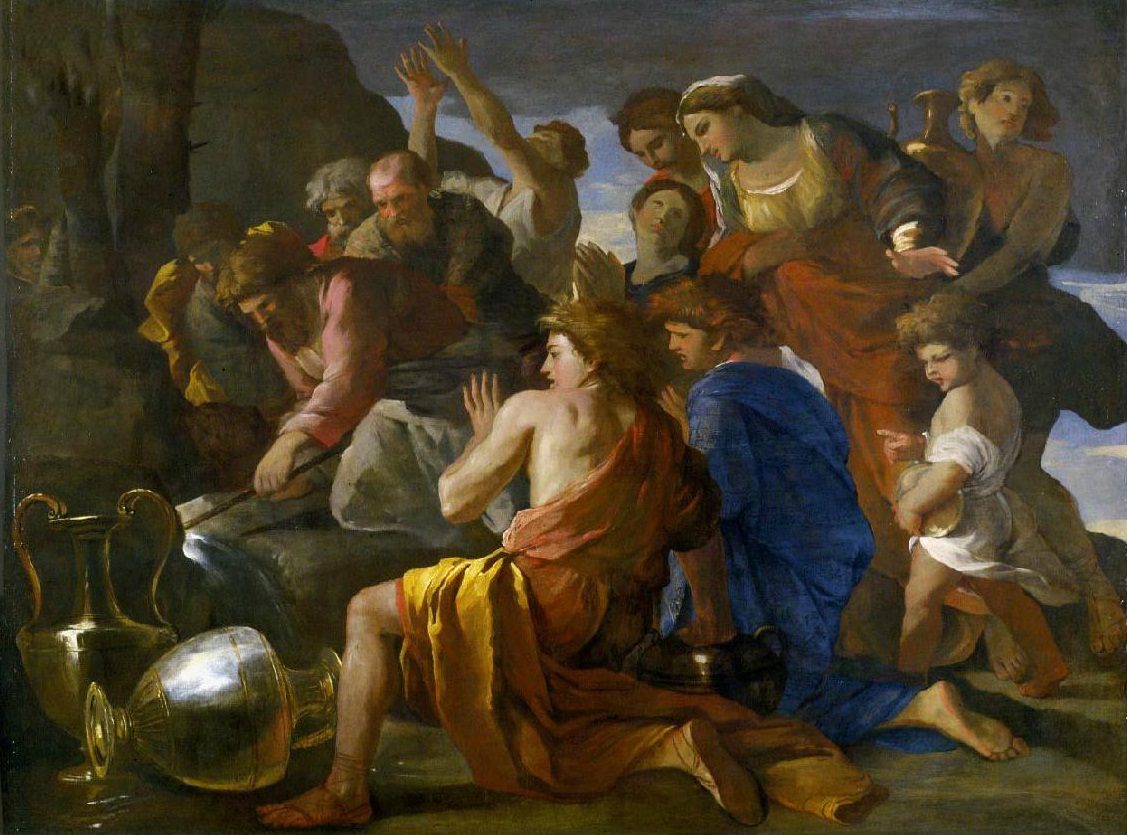
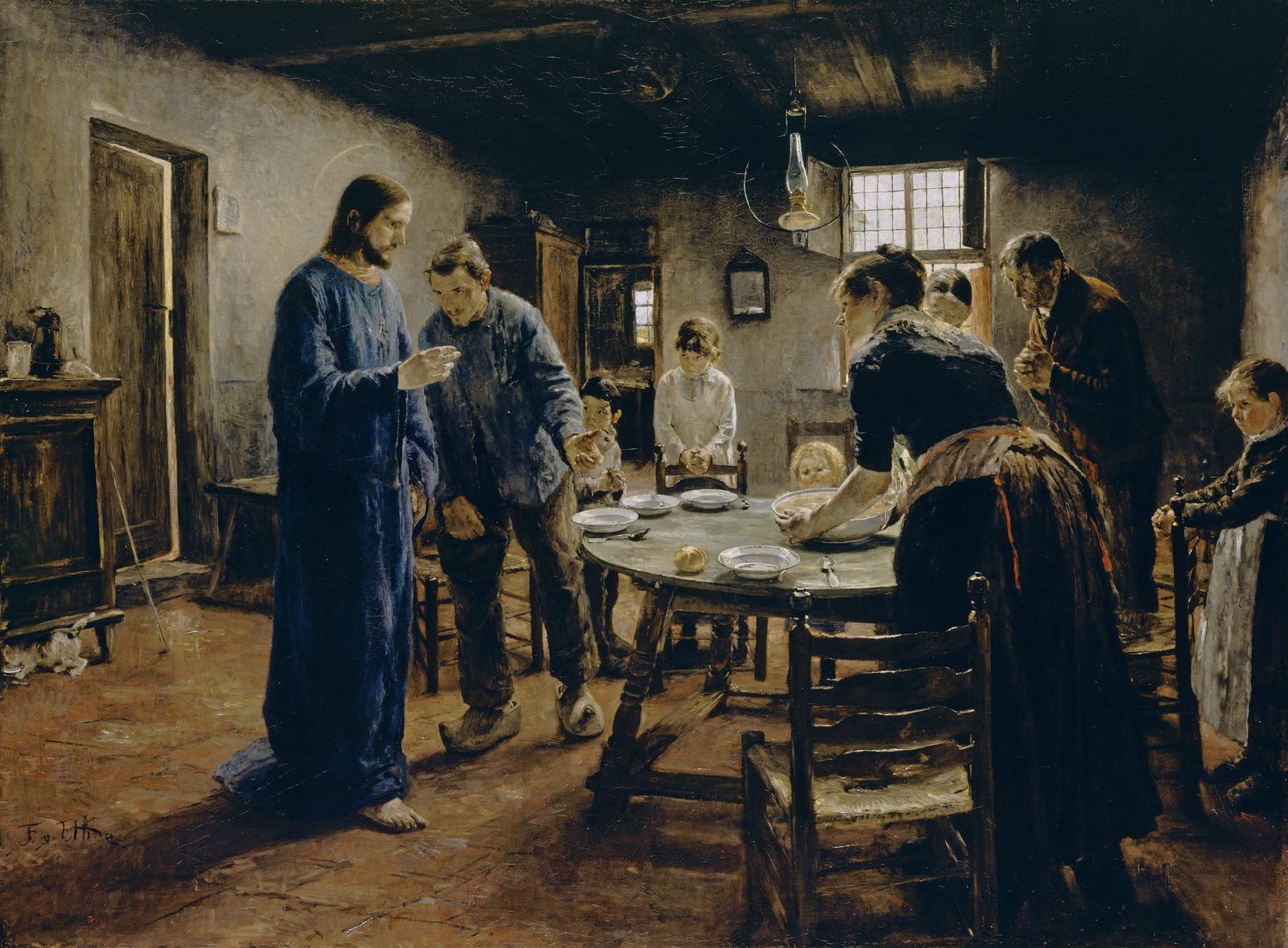
In All Circumstances, Enter His Gates with Thanksgiving, The Ten Lepers, Grumbling, the Opposite of Thanks, Now Thank We All Our God, The Words Todah, Yadah and Eucharisteo, Grace Before Meals, Gratitude, Anxiety and the Brain
Where Readers Disagree
Each reading names its holders, the work that argues it and the objection raised against it.
For everything (Ephesians 5:20)
Read the study of In All Circumstances 7 sections, 14 verses set out
| Reading | Held by | Work | Objection |
|---|---|---|---|
| Thanks in every hard thing, with the evil itself excepted | John Wesley (Methodist) | Explanatory Notes upon the New Testament (1755), on Ephesians 5:20 | Ephesians 5:20 says "for everything," and Chrysostom read the words to include the affliction itself. |
| Thanks even for the evil, as God's instrument | John Chrysostom; Thomas Watson (Patristic; Reformed (Puritan)) | Chrysostom, Homily 19 on Ephesians; Watson, A Divine Cordial (1663), pages 78 to 79 | Paul's own command reads "in every circumstance," which places the thanks in the hard thing without making the evil its object. |
Whose gratitude
Read the study of Gratitude, Anxiety and the Brain 6 sections, 6 verses set out
| Reading | Held by | Work | Objection |
|---|---|---|---|
| A human strength open to every person, measured by its effects | Robert Emmons and Michael McCullough (The psychology of well-being) | Emmons and McCullough, Counting blessings versus burdens, Journal of Personality and Social Psychology (2003) | Scripture directs thanks to God (Romans 1:21; Colossians 3:17), and the studies measure the practice without its object. |
| A gracious thanks that loves God for what He is in Himself | Jonathan Edwards (Reformed (New England)) | A Treatise Concerning Religious Affections (1746), Part 3, the second sign | Romans 1:21 holds everyone who knows God through creation answerable for thanks, so the natural thanks for benefits is owed as well. |
The meal of thanks (Luke 22:19)
Read the page on the Lord's Supper
| Reading | Held by | Work | Objection |
|---|---|---|---|
| The bread and wine changed into His body and blood | Paschasius Radbertus; Thomas Aquinas (Roman Catholic) | Thomas Aquinas, Summa Theologiae, part III, questions 73 to 83 | Albert Barnes, on 1 Corinthians 11:26, notes that Paul still calls it bread after the blessing. |
| Christ truly received by faith and by the Spirit | John Calvin; the Reformed churches (Reformed) | Calvin, Institutes of the Christian Religion, book IV, chapter 17 | Zwingli read the command to do this in remembrance of Him as making the meal a remembrance and the bread a sign. |
| A remembrance and a proclamation of His death | Ulrich Zwingli; Albert Barnes; the Baptist tradition (Reformed (Zurich); Baptist) | Zwingli, On the Lord's Supper (1526); Barnes, Notes on 1 Corinthians 11:26 | The spiritual reading answers from 1 Corinthians 10:16 that the bread is a sharing in the body of Christ, received really but spiritually. |
Christ truly received by faith and by the Spirit, A remembrance and a proclamation of His death
Sources
Scripture is the Berean Standard Bible.
- STEP Bible, Translators Brief lexicon of Extended Strongs for Hebrew and for Greek (Tyndale House, Cambridge), CC BY 4.0, with the Greek brief lexicon based on Abbott-Smith (1922)
- Matthew Henry, Commentary on the Whole Bible (1710), on Psalm 136:1.
- John Wesley, Explanatory Notes upon the New Testament (1755), on Ephesians 5:20 and Philippians 4:6.
- John Chrysostom, Homily 19 on Ephesians, Nicene and Post-Nicene Fathers, first series, volume 13.
- Thomas Watson, A Divine Cordial (London, 1663), pages 78 to 79.
- Jeremiah Burroughs, The Rare Jewel of Christian Contentment (London, 1651), pages 91 to 92.
- Palladius, The Dialogue of Palladius concerning the Life of Chrysostom, translated by Herbert Moore (London: SPCK; New York: Macmillan, 1921), chapter 11, page 96.
- John Julian, A Dictionary of Hymnology, revised edition (London: John Murray, 1907), pages 962 to 963, article Rinkart, Martin.
- J. B. Williams, Memoirs of the Life, Character, and Writings of the Rev. Matthew Henry, third edition (London: Joseph Ogle Robinson, 1829), pages 248 to 249.
- George Müller, A Narrative of Some of the Lord's Dealings with George Müller, Written by Himself, Second Part (London: J. Nisbet), entry for 20 November 1840.
- Fanny Crosby, Fanny Crosby's Life-Story, by Herself (New York: Every Where Publishing Company, 1903), chapter 1, pages 13 to 14.
- Fanny Crosby, Memories of Eighty Years (Boston, 1906), page 26.
- Martin Luther, Selections from the Table Talk, translated by Henry Bell (1652), Cassell's National Library edition (London: Cassell, 1886)
- Brother Lawrence (Nicholas Herman of Lorraine), The Practice of the Presence of God (New York: Fleming H. Revell, 1895), Seventh Letter, pages 33 to 34.
- John Newton, Cardiphonia, letter of 26 January 1775 (London: Thomas Tegg, 1829), page 232.
- C. H. Spurgeon, Gratitude for Deliverance from the Grave, Metropolitan Tabernacle Pulpit, volume 38 (1892), sermon 2237.
- G. K. Chesterton, Orthodoxy (1908), chapter 4, The Ethics of Elfland.
- Florencio F. Portocarrero, Katerina Gonzalez and Michael Ekema-Agbaw, A meta-analytic review of the relationship between dispositional gratitude and well-being, Personality and Individual Differences 164 (2020): 110101.
- R. A. Emmons and M. E. McCullough, Counting blessings versus burdens: an experimental investigation of gratitude and subjective well-being in daily life, Journal of Personality and Social Psychology 84(2): 377 to 389 (2003)
- D. E. Davis and others, Thankful for the little things: a meta-analysis of gratitude interventions, Journal of Counseling Psychology 63(1): 20 to 31 (2016)
- D. R. Cregg and J. S. Cheavens, Gratitude Interventions: Effective Self-help? A Meta-analysis of the Impact on Symptoms of Depression and Anxiety, Journal of Happiness Studies 22(1): 413 to 445 (2021)
Keep Studying
Studies6
In this value9
People and groups28
Show the next 6 titles
Show the next 6 titles
Show the next 6 titles
Show the next 4 titles
Values11