

Hebrews 12 · Value 24 of 41 · Featured Study
Perseverance
Perseverance is the endurance by which a believer holds to Christ through trial and suffering.
Paul wrote at the end, “I have finished the race” (2 Timothy 4:7).
Therefore, since we are surrounded by such a great cloud of witnesses, let us throw off every encumbrance and the sin that so easily entangles, and let us run with endurance the race set out for us.
- Anchor text
- Hebrews 12:1 to 3 “Therefore, since we are surrounded…”
- Its opposite
- Growing weary and shrinking back
- Hold in memory
- Hebrews 12:1, James 1:12
Summary
To persevere is to keep doing God's will without giving up until the end of life. The Bible calls for it most plainly in Hebrews, a letter to believers who had suffered well in their early days and were growing tired. Jacob at the Jabbok, the church at Smyrna and Paul in his labours each held on when giving up was the easier way.
- The New Testament's main words for endurance are the Greek noun hypomone and its verb hypomeno.
- God is the giver of endurance, and believers receive it from Him rather than make it themselves.
- Jesus endured suffering Himself and made endurance part of His teaching.
- Trials test faith and train endurance, and Scripture commands believers to keep on to the end.
- God promises the crown of life to the one who perseveres under trial.
What Perseverance Is
The Greek noun and verb of endurance name holding on under trial, and the verb can also mean to stay behind.
Perseverance runs through Scripture from Jacob holding on at the Jabbok to the letters to the churches of Revelation. Hebrews 12 gathers it into one picture of a runner who keeps going with his eyes on Jesus. This study of perseverance asks what Scripture means by endurance, where it comes from and how a believer keeps it to the end. It gives the Greek words, the key texts, the ground of endurance in God, Christ and endurance, and the practice. It ends with the stories, the church's history, the voices and the questions on which readers disagree.
Hypomone, endurance
The Greek noun hypomone (G5281) is rendered in the Berean both endurance and perseverance. Paul joins it to the Scriptures as a way to hope: “so that through endurance and the encouragement of the Scriptures, we might have hope.”
Hypomeno, to endure
The Greek verb hypomeno (G5278) can mean simply to stay behind, as when “the boy Jesus remained behind in Jerusalem” (Luke 2:43), and in most of its uses it means to bear trials. Paul uses it in a saying he calls trustworthy: “if we endure, we will also reign with Him.”
Hypomone, endurance, Hypomeno, to endure, The Word Hypomone, the study in brief
The Key Texts of Perseverance
The psalms, the prophets, the Gospels and the letters each call God's people to endure and say what endurance brings.
Wisdom
Wait patiently for the LORD; be strong and courageous. Wait patiently for the LORD!
David ends a psalm written under threat by telling himself twice to wait for the LORD.
Psalm 27:14BSB
Prophets
But those who wait upon the LORD will renew their strength; they will mount up with wings like eagles; they will run and not grow weary, they will walk and not faint.
Isaiah answers Israel's complaint that its way was hidden from the LORD (Isaiah 40:27).
Isaiah 40:31BSB
Gospels
By your patient endurance you will gain your souls.
Jesus gives this promise while He warns His disciples of persecution before the end.
Luke 21:19BSB
Epistles
Not only that, but we also rejoice in our sufferings, because we know that suffering produces perseverance; perseverance, character; and character, hope.
Paul writes to believers already at peace with God (Romans 5:1), so their sufferings are no sign that the peace has failed.
Epistles
Consider it pure joy, my brothers, when you encounter trials of many kinds, because you know that the testing of your faith develops perseverance. Allow perseverance to finish its work, so that you may be mature and complete, not lacking anything.
James tells believers why a trial can be met with joy.
Epistles
Blessed is the man who perseveres under trial, because when he has stood the test, he will receive the crown of life that God has promised to those who love Him.
James closes his opening word on trials with the end each trial is meant to reach.
James 1:12BSB
Isaiah 40:31, Luke 21:19, Romans 5:3 to 4, James 1:2 to 4, James 1:12
Endurance Rests on God
Paul prays for endurance as something God gives, and he trusts God to finish the work He began.
Paul prayed for the Colossians to be “strengthened with all power according to His glorious might so that you may have full endurance and patience” (Colossians 1:11). He prayed for the Thessalonians, “May the Lord direct your hearts into God’s love and Christ’s perseverance” (2 Thessalonians 3:5).
Richard Chenevix Trench held in his Synonyms of the New Testament (1871) that endurance is never an attribute of God. He read Romans 15:5 as naming the God who gives endurance to His servants and saints.
Now may the God who gives endurance and encouragement grant you harmony with one another in Christ Jesus,Paul names God by what He gives His people, and he asks for it in a prayer for a divided church.
being confident of this, that He who began a good work in you will carry it on to completion until the day of Christ Jesus.Paul's confidence that believers will hold on rests on the One who began the work in them.
Romans 15:5, Philippians 1:6
Christ and Endurance
Jesus bore abuse without striking back, taught His disciples to hold on to the end and endured the cross.
He bore abuse without striking back1 Peter 2
Peter wrote to servants who suffered unjustly that “Christ also suffered for you, leaving you an example, that you should follow in His footsteps” (1 Peter 2:21).
When they heaped abuse on Him, He did not retaliate; when He suffered, He made no threats, but entrusted Himself to Him who judges justly.
1 Peter 2:23BSB Peter shows what the example was in the hours of Christ's suffering.
Read the story of the Crucifixion 12 sections, 12 verses set out
He taught His disciples to endure to the endMatthew 10
When Jesus sent out the twelve, He warned them that men would “hand you over to their councils and flog you in their synagogues” (Matthew 10:17).
You will be hated by everyone because of My name, but the one who perseveres to the end will be saved.
Matthew 10:22BSB Jesus sets the promise of salvation at the end of the hatred He has just foretold.
Read the page on Jesus 33 sections, 35 verses set out
He endured the crossHebrews 12
Hebrews says that “Jesus also suffered outside the city gate, to sanctify the people by His own blood” (Hebrews 13:12). It calls its readers to go out to Him, “bearing the disgrace He bore” (Hebrews 13:13).
Let us fix our eyes on Jesus, the author and perfecter of our faith, who for the joy set before Him endured the cross, scorning its shame, and sat down at the right hand of the throne of God.
Hebrews 12:2BSB The writer names the cross as the thing Jesus endured and the joy as His reason.
Read the study of the Joy Set Before Him 7 sections, 12 verses set out
He taught His disciples to endure to the end (Matthew 10), He endured the cross (Hebrews 12)
Hebrews uses the words of endurance for its readers' first suffering, for their present need, for Jesus and for the discipline they bear.
| Text | The Greek word | The Berean words |
|---|---|---|
| Hebrews 10:32 | hypemeinate, from hypomeno | “In those days, you endured a great conflict in the face of suffering” |
| Hebrews 10:36 | hypomones, from hypomone | “You need to persevere, so that after you have done the will of God, you will receive what He has promised” |
| Hebrews 12:3 | hypomemenekota, from hypomeno | “Consider Him who endured such hostility from sinners, so that you will not grow weary and lose heart” |
| Hebrews 12:7 | hypomenete, from hypomeno | “Endure suffering as discipline; God is treating you as sons” |
Examples of Endurance
The New Testament names the prophets and two churches as examples of endurance under trial.
The prophets
James sets the prophets before suffering believers “as an example of patience in affliction.”
James 5:10The church at Ephesus
Christ told the church, “Without growing weary, you have persevered and endured many things for the sake of My name.”
Revelation 2:3The church at Thessalonica
Paul boasted among the churches of its “perseverance and faith in the face of all the persecution and affliction you are enduring.”
2 Thessalonians 1:4
The Practice of Perseverance
Scripture names six practices of endurance, each in the words of the verse that gives it.
- 1Strengthen what is weak“Therefore strengthen your limp hands and weak knees.”Hebrews 12:12
- 2Watch over one another“See to it that no one falls short of the grace of God.”Hebrews 12:15
- 3Pray and keep praying“To this end, stay alert with all perseverance in your prayers for all the saints.”Ephesians 6:18
- 4Hold on to the word“who hear the word, cling to it, and by persevering produce a crop.”Luke 8:15
- 5Stand firm in the work“Therefore, my beloved brothers, be steadfast and immovable.”1 Corinthians 15:58
- 6Pursue it with the other virtues“pursue righteousness, godliness, faith, love, perseverance, and gentleness.”1 Timothy 6:11
Watch over one another, Pray and keep praying, Hold on to the word, Stand firm in the work, Pursue it with the other virtues
Perseverance in the Stories of the Bible
Four stories tell of a night of wrestling, a man who lost everything, a church facing prison and an apostle's labours.
Jacob at the JabbokGenesis 32
On the night before he met Esau, Jacob sent his wives, his sons and his possessions across the ford of the Jabbok and was left alone (Genesis 32:22 to 24). A man wrestled with him until daybreak and dislocated his hip when he could not overpower him (Genesis 32:25). The man renamed him Israel, “because you have struggled with God and with men, and you have prevailed” (Genesis 32:28).
Then the man said, “Let me go, for it is daybreak.” But Jacob replied, “I will not let you go unless you bless me.”
Genesis 32:26BSB Jacob's refusal to let go is the turn on which the night ends in a blessing.
Read the story of Jacob Wrestles the Angel 11 sections, 9 verses set out
JobJob 1
In one day Job lost his livestock, his servants and his children, and he answered, “The LORD gave, and the LORD has taken away. Blessed be the name of the LORD” (Job 1:21). The book adds, “In all this, Job did not sin or charge God with wrongdoing” (Job 1:22).
See how blessed we consider those who have persevered. You have heard of Job’s perseverance and have seen the outcome from the Lord. The Lord is full of compassion and mercy.
James 5:11BSB James calls Job's endurance perseverance and points to what the Lord gave him at the end.
Read the study of the Patience of Job 10 sections, 11 verses set out
The church at SmyrnaRevelation 2
The risen Christ told the church at Smyrna that He knew its affliction and its poverty and the slander it bore from its neighbours (Revelation 2:9). Its letter is the second of the seven letters that Revelation 2 and 3 record.
To the angel of the church in Smyrna write: These are the words of the First and the Last, who died and returned to life.
Revelation 2:8BSB Christ speaks to a church facing death as the One who died and rose.
Read the study of Be Faithful Even unto Death 7 sections, 3 verses set out
Paul2 Corinthians 6 and 11
Paul listed what he had borne as a servant of Christ: “Five times I received from the Jews the forty lashes minus one” (2 Corinthians 11:24), three beatings with rods, a stoning and three shipwrecks. He also wrote of a thorn in his flesh that the Lord did not take away (2 Corinthians 12:7 to 9), and what the thorn was is not known.
Read the study of Paul's Thorn
Rather, as servants of God we commend ourselves in every way: in great endurance; in troubles, hardships, and calamities;
2 Corinthians 6:4BSB Paul names great endurance first among the marks of a servant of God.
Job (Job 1), The church at Smyrna (Revelation 2), Paul (2 Corinthians 6 and 11)
Revelation 2:8, 2 Corinthians 6:4
Perseverance in the Church's History
Three accounts tell of a bishop of Smyrna put to death in the second century, a treatise of the fifth and a missionary in Bengal who waited seven years for his first convert.
Polycarp of SmyrnaSecond century
Polycarp was bishop of the church at Smyrna, one of the seven churches of Revelation. Adam Clarke wrote in his Commentary on the Bible (1832) that the letter to Smyrna “may be addressed particularly to Polycarp, if he was at that time the bishop of this Church”. Clarke says that he was “at last burnt alive at Smyrna, about the year of our Lord 166”.
Do not fear what you are about to suffer. Look, the devil is about to throw some of you into prison to test you, and you will suffer tribulation for ten days. Be faithful even unto death, and I will give you the crown of life.
Revelation 2:10BSB Adam Clarke read Christ's call to Smyrna as a word to its bishop before his death.
Read the story of Polycarp, Eighty-Six Years 8 sections, 3 verses set out
Augustine of Hippo428 or 429
Augustine wrote a treatise On the Gift of Perseverance, and in its first chapter he taught that “the perseverance by which we persevere in Christ even to the end is the gift of God”. He added that “it is uncertain whether any one has received this gift so long as he is still alive”.
He will sustain you to the end, so that you will be blameless on the day of our Lord Jesus Christ.
1 Corinthians 1:8BSB Paul's promise that the Lord will sustain believers to the end is the ground of Augustine's teaching that perseverance is a gift.
William Carey1792 to 1834
In 1792 William Carey printed his Enquiry, which asked whether Christ’s commission to His disciples still binds the church. The ministers at Kettering then pledged themselves “as a society” to carry the gospel abroad. His ship reached Balasore roads in Bengal on 7 November 1793, and he baptized his first Hindu convert, Krishnu, at the end of December 1800. He once told his nephew Eustace, “I can plod. I can persevere in any definite pursuit.”
Let us not grow weary in well-doing, for in due time we will reap a harvest if we do not give up.
Galatians 6:9BSB Paul promises a harvest in due time to those who keep doing good and do not give up.
Read the story of I Can Plod 8 sections, 4 verses set out
Augustine of Hippo (428 or 429), William Carey (1792 to 1834)
Voices on Perseverance, by Century
Four quotations from the third century to the nineteenth, each under the line it teaches.
died 258 · Cyprian
Treatise IX. On the Advantage of Patience.
A third-century reading: love itself cannot last without the bearing and enduring that patience gives it.
The quotation1 quotation
“Charity is the bond of brotherhood, the foundation of peace, the holdfast and security of unity, which is greater than both hope and faith, which excels both good works and martyrdoms, which will abide with us always, eternal with God in the kingdom of heaven. Take from it patience; and deprived of it, it does not endure. Take from it the substance of bearing and of enduring, and it continues with no roots nor strength. The apostle, finally, when he would speak of charity, joined to it endurance and patience.”
Cyprian · Treatise IX. On the Advantage of Patience. · on 1 Corinthians 13:4 to 7Patristic
1509 to 1564 · John Calvin
Commentaries
A sixteenth-century reading: the psalmist's prayer from the depths shows faith persevering while his body failed.
The quotation1 quotation
“He rather describes his untiring perseverance; and the same idea is expressed by his hoarse throat and failing eyes. He certainly did not cry out before men from mere affectation, nor was this hoarseness contracted in the course of one day. We perceive, then, that although his bodily senses failed him, the vigor of his faith was by no means extinguished.”
John Calvin · Commentaries · on Psalm 69:2Reformed
1662 to 1714 · Matthew Henry
Commentary on the Whole Bible
An eighteenth-century reading: patience is required of every Christian as well as diligence.
The quotation1 quotation
“It is not enough that we be diligent, but we must be patient, and endure hardness as good soldiers of Christ. Ministers must have and exercise great patience, and no Christian can be without it.”
Matthew Henry · Commentary on the Whole Bible · on Revelation 2:2Puritan
1802 to 1910 · Jamieson, Fausset & Brown
Commentary Critical and Explanatory on the Whole Bible
A nineteenth-century reading: the Church endures as Christ Himself endures, waiting until His enemies are put down.
The quotation1 quotation
“My endurance is the endurance which I require, and which I practice. Christ Himself now endures, patiently waiting until the usurper be cast out, and all ‘His enemies be made His footstool.’ So, too, His Church, for the joy before her of sharing His coming kingdom, endures patiently.”
Jamieson, Fausset & Brown · Commentary Critical and Explanatory on the Whole Bible · on Revelation 3:10Reformed
Matthew Henry, Jamieson, Fausset & Brown
How Perseverance Has Been Taught
John Chrysostom taught in the fourth century what endurance is worth among the virtues.
Chrysostom called endurance the queen of the virtues.1 paragraph
Trench reports in his Synonyms of the New Testament (seventh edition, 1871, section 53) that John Chrysostom gave hypomone that title. Trench set it beside the long-suffering that bears with people, and he described the enduring man as one who “under a great siege of trials, bears up, and does not lose heart or courage”.
Where the Science Speaks
Two published papers measure grit, defined as perseverance and passion for long-term goals, and stand beside Scripture as corroboration.
Duckworth, Peterson, Matthews and Kelly (2007) ran six correlational studies of a self-report grit scale, among them two adult samples of 1,545 and 690 people, two West Point classes and 175 National Spelling Bee finalists. Grit “accounted for an average of 4% of the variance in success outcomes”.
Credé, Tynan and Harms (2017) pooled 88 samples of 66,807 people and found grit “very strongly correlated with conscientiousness”, with perseverance of effort the stronger of its two parts. Both papers measured the pursuit of goals in school, the army and competition, so they bear on steady effort and leave suffering for the faith untested.
The Studies of Perseverance
Each study takes one part of perseverance into more depth.
The texts
3 studies
- Passages and psalms · 3 verses set outBe Faithful Even unto Death
Revelation 2:8 to 11 is Christ's letter to the church at Smyrna in the province of Asia.
- Passages and psalms · 10 verses set outPaul's Thorn
In 2 Corinthians 12:1 to 10 Paul tells of a vision he was given and of the thorn that came after it.
- Passages and psalms · 10 verses set outRun with Endurance
The chapter after the roll of the faithful turns to the race its readers must run themselves.
- Passages and psalms · 3 verses set outBe Faithful Even unto Death
The stories
2 studies
- Stories · 4 verses set outI Can Plod
William Carey was an English missionary in Bengal, and his nephew Eustace Carey published his Memoir in Boston in 1836.
- Stories · 9 verses set outJacob Wrestles the Angel
The account of the night at the Jabbok in Genesis 32:22 to 32 stands between Jacob's prayer for rescue from Esau and the meeting of the two brothers in Genesis 33.
- Stories · 4 verses set outI Can Plod
The words
1 study
- Symbols and words · 8 verses set outThe Word Hypomone
Hypomone (G5281) is the Greek noun the Berean text renders endurance or perseverance, and hypomeno (G5278) is the verb beside it.
- Symbols and words · 8 verses set outThe Word Hypomone

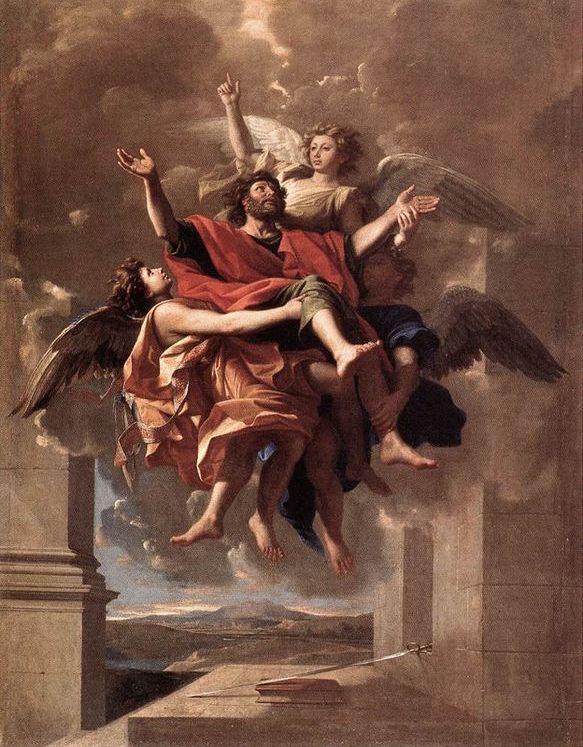
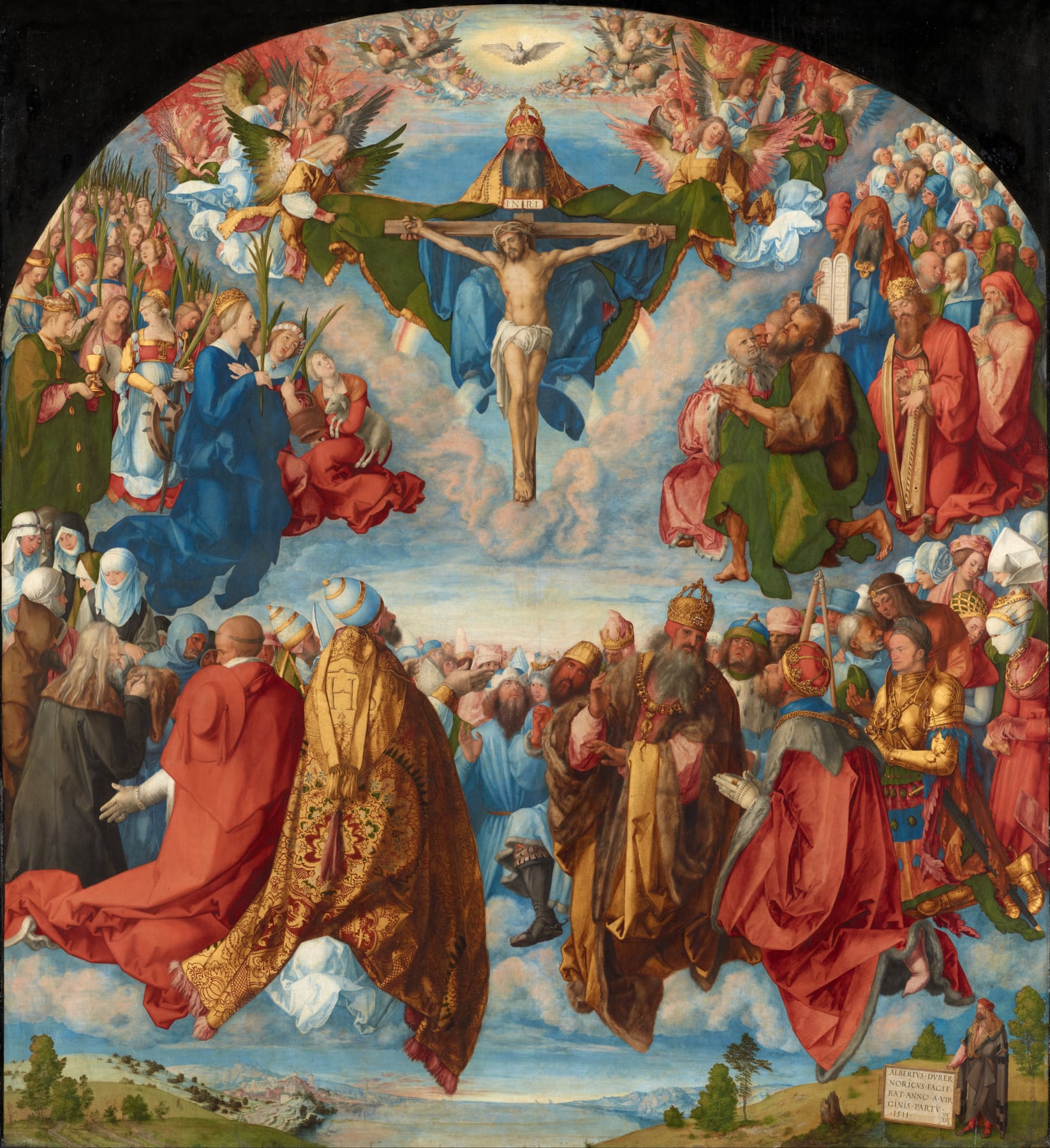
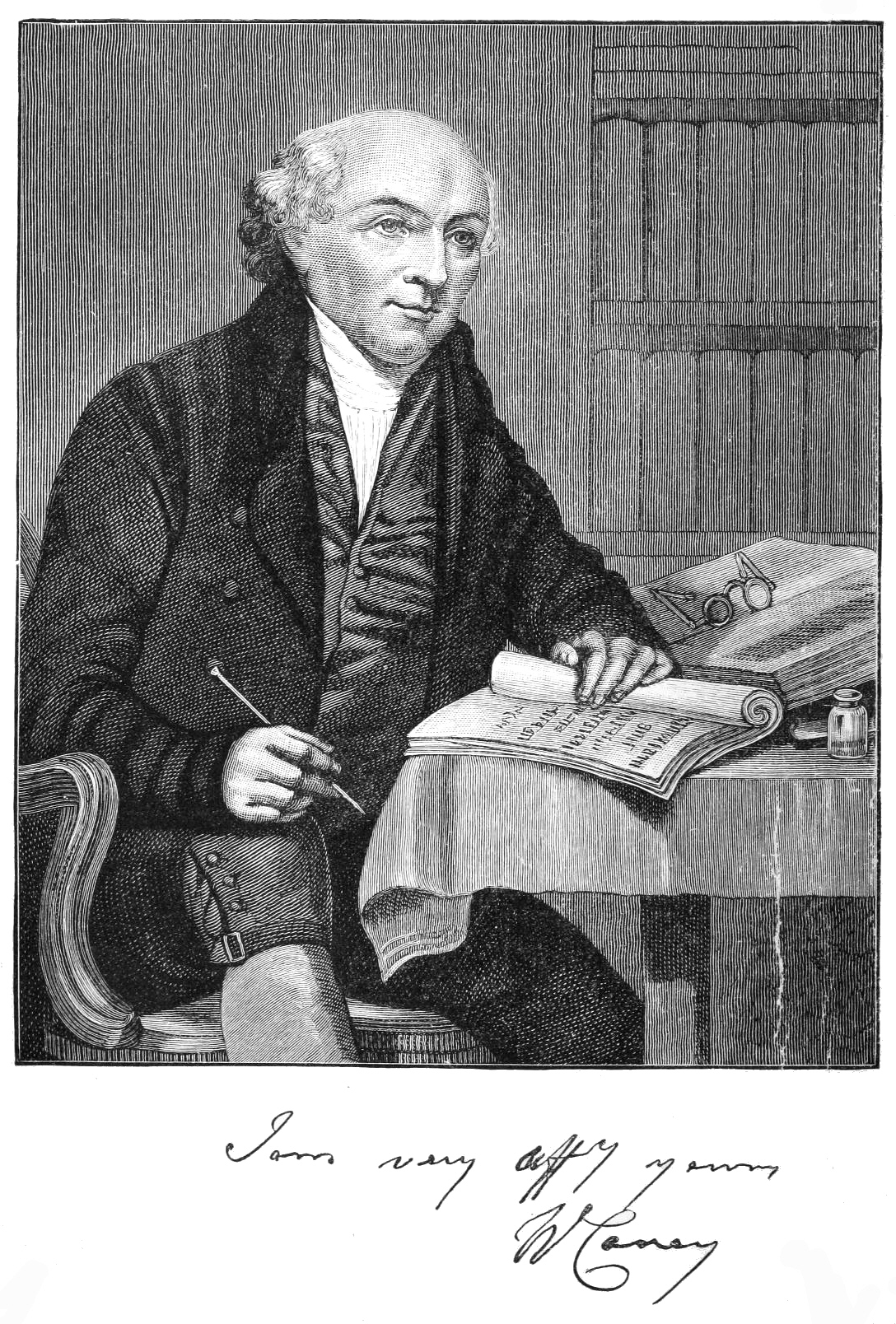
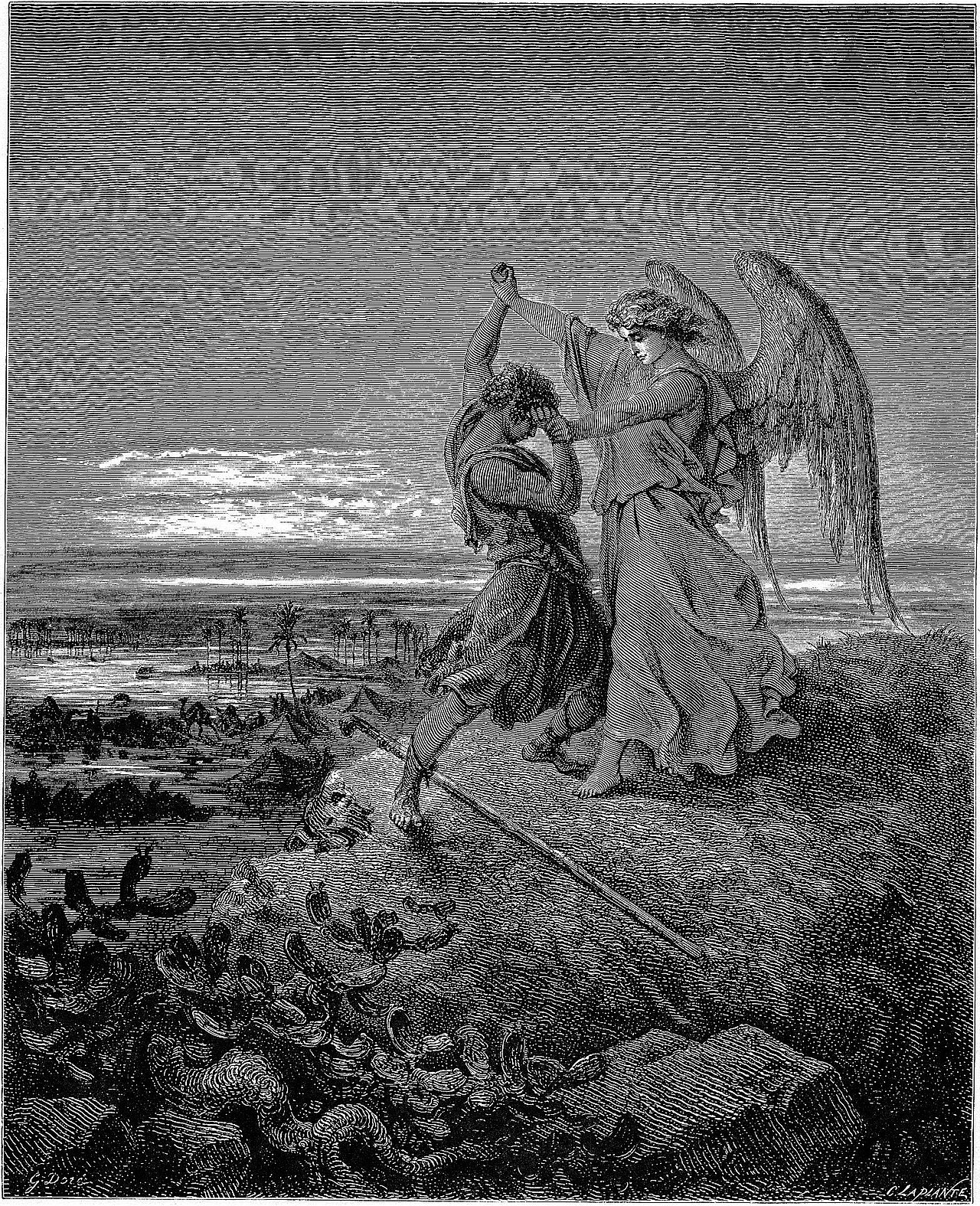

Paul's Thorn, Run with Endurance, I Can Plod, Jacob Wrestles the Angel, The Word Hypomone
Where Readers Disagree
Six readings answer three questions, each with its holders, the work that argues it and the objection raised against it.
Whether a true believer can fall away
Read the debate on Eternal Security
| Reading | Held by | Work | Objection |
|---|---|---|---|
| God preserves those He has called, so they persevere to the end | The Synod of Dort; the Westminster Assembly (Reformed) | The Canons of Dort (1619), Fifth Head, articles 3 and 8; the Westminster Confession of Faith (1646), chapter 17, in Philip Schaff, The Creeds of Christendom, volume 3 (1877) | John Wesley answered in 1751 that Scripture speaks of the holy and righteous falling from God and being lost, so the danger to the believer is real. |
| A saint may fall from God and be lost | John Wesley (Methodist) | John Wesley, Serious Thoughts upon the Perseverance of the Saints (1751), sections 3 and 4 | The Canons of Dort answered that a fall is possible “with respect to themselves” and “with respect to God, it is utterly impossible” (Fifth Head, article 8). |
Whether endurance causes final salvation or shows it
Read the study of the Word Hypomone 9 sections, 8 verses set out
| Reading | Held by | Work | Objection |
|---|---|---|---|
| Endurance is the evidence that God keeps those who belong to Christ | The Westminster Assembly; Matthew Henry (Reformed; English Presbyterian) | The Westminster Confession of Faith (1646), chapter 17, section 2; Matthew Henry, Commentary on the Whole Bible (1710), on Matthew 24:13 | Wesley held that the warnings of Scripture make continuing in faith a real condition the believer must meet. |
| Endurance to the end is a condition the believer must meet | John Wesley (Methodist) | John Wesley, Serious Thoughts upon the Perseverance of the Saints (1751) | The Westminster Confession grounds perseverance “not upon their own free-will, but upon the immutability of the decree of election” (chapter 17, section 2). |
Whether the discipline of Hebrews 12 is punishment or training
Read the study of Run with Endurance 9 sections, 10 verses set out
| Reading | Held by | Work | Objection |
|---|---|---|---|
| It is a son's training and is sent for no vengeance | John Chrysostom (Patristic) | John Chrysostom, Homilies on the Epistle to the Hebrews, homily 29, on Hebrews 12:7 | Matthew Henry answered that the Father's discipline also corrects and cures the sins that make His children unlike Him. |
| It corrects sin and is always for the believer's profit | Matthew Henry (English Presbyterian) | Matthew Henry, Commentary on the Whole Bible (1710), on Hebrews 12:9 to 10 | Chrysostom answered that Hebrews calls the hardship the training of sons, which the Father sends for their good. |
Sources
Scripture is the Berean Standard Bible.
- STEP Bible, Translators Brief lexicon of Extended Strongs for Greek (Tyndale House, Cambridge), CC BY 4.0, based on G. Abbott-Smith, A Manual Greek Lexicon of the New Testament (1922)
- Richard Chenevix Trench, Synonyms of the New Testament, seventh edition, revised and enlarged (London: Macmillan, 1871), section 53, pages 184 to 188.
- Augustine of Hippo, On the Gift of Perseverance (428 or 429), chapter 1, translated by Peter Holmes and Robert Ernest Wallis, revised by Benjamin B. Warfield, Nicene and Post-Nicene Fathers, volume 5 of the first series (1887)
- Philip Schaff, The Creeds of Christendom, volume 3 (1877; 1905 printing): the Canons of Dort (1619), Fifth Head, articles 3 and 8, pages 593 to 595; the Westminster Confession of Faith (1646), chapter 17, page 636.
- John Wesley, Serious Thoughts upon the Perseverance of the Saints (London, 1751), sections 3 and 4.
- Eustace Carey, Memoir of William Carey, D.D. (Boston: Gould, Kendall and Lincoln, 1836), pages 50, 80, 296 to 297 and 417.
- William Carey, An Enquiry into the Obligations of Christians, to Use Means for the Conversion of the Heathens (Leicester, 1792)
- A. L. Duckworth, C. Peterson, M. D. Matthews and D. R. Kelly, Grit: perseverance and passion for long-term goals, Journal of Personality and Social Psychology 92(6): 1087 to 1101 (2007)
- Credé, Tynan and Harms, Much ado about grit: a meta-analytic synthesis of the grit literature, Journal of Personality and Social Psychology 113(3): 492 to 511 (2017)
- Cyprian of Carthage, Treatise 9, On the Advantage of Patience (Ante-Nicene Fathers, volume 5)
- John Calvin, Commentaries, on Psalm 69:2 to 3.
- Matthew Henry, Commentary on the Whole Bible (1710), on Matthew 24:13, Revelation 2:2 and Hebrews 12:9 to 10.
- Robert Jamieson, A. R. Fausset and David Brown, Commentary Critical and Explanatory on the Whole Bible (1871), on Revelation 3:10.
- Adam Clarke, Commentary on the Bible (1832), on Revelation 2:10.
- John Chrysostom, Homilies on the Epistle to the Hebrews, homily 29, on Hebrews 12:7 (Nicene and Post-Nicene Fathers, first series, volume 14)
Keep Studying
Studies7
In this value6
People and groups15
Show the next 6 titles
Values3
Symbols1
Doctrines1