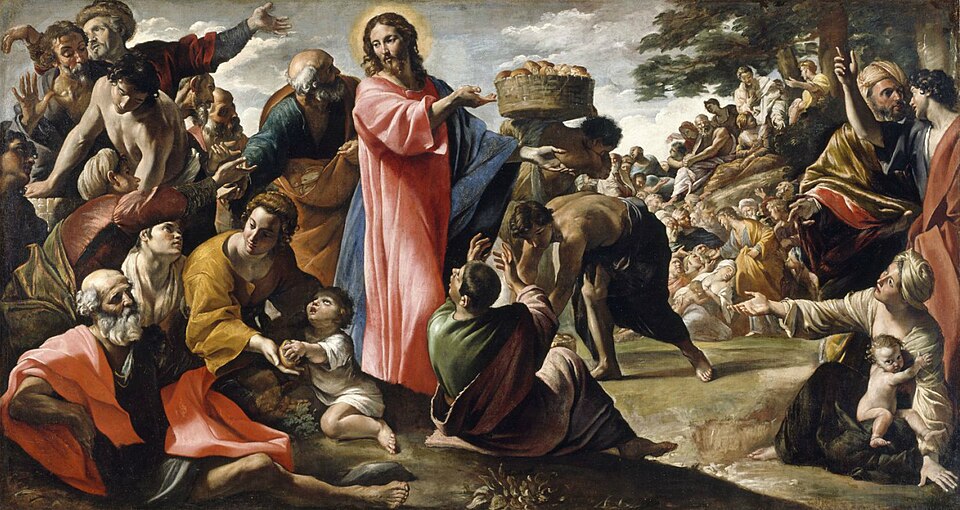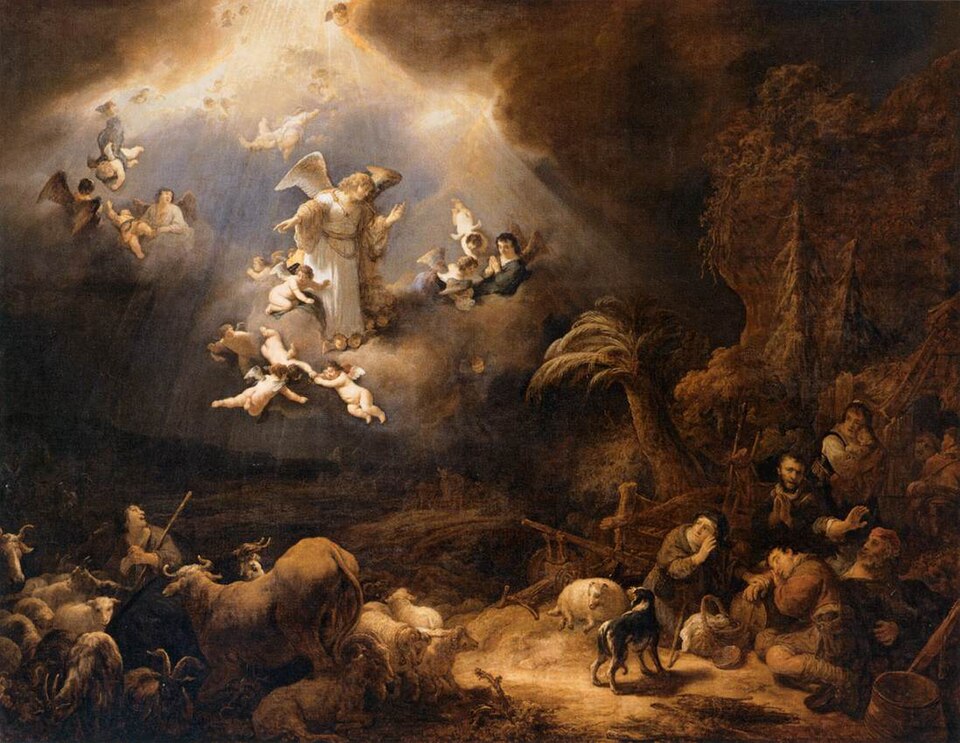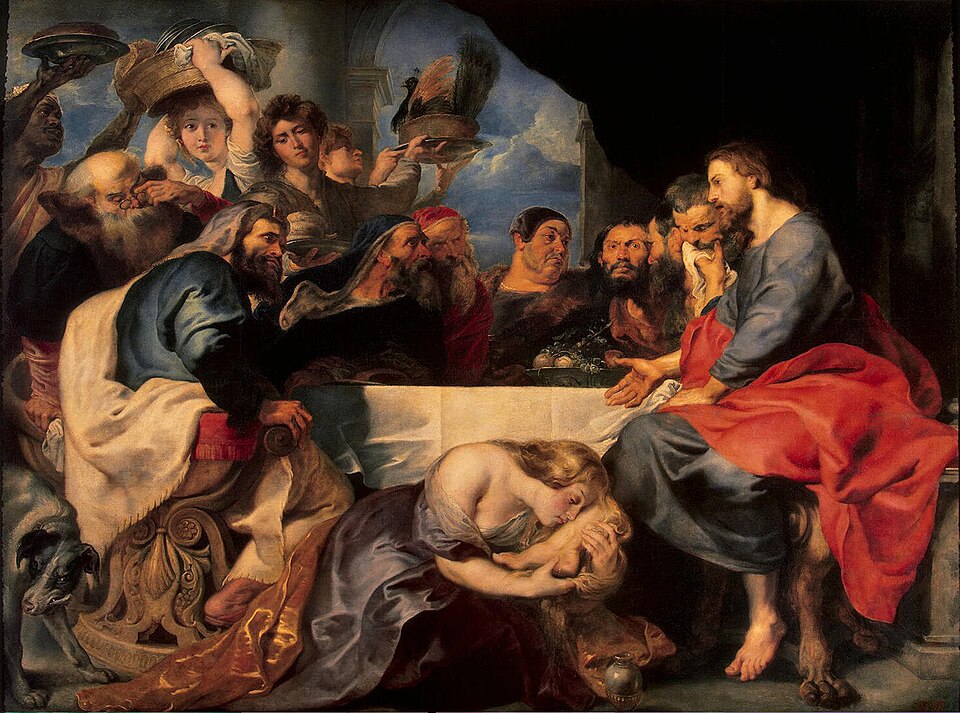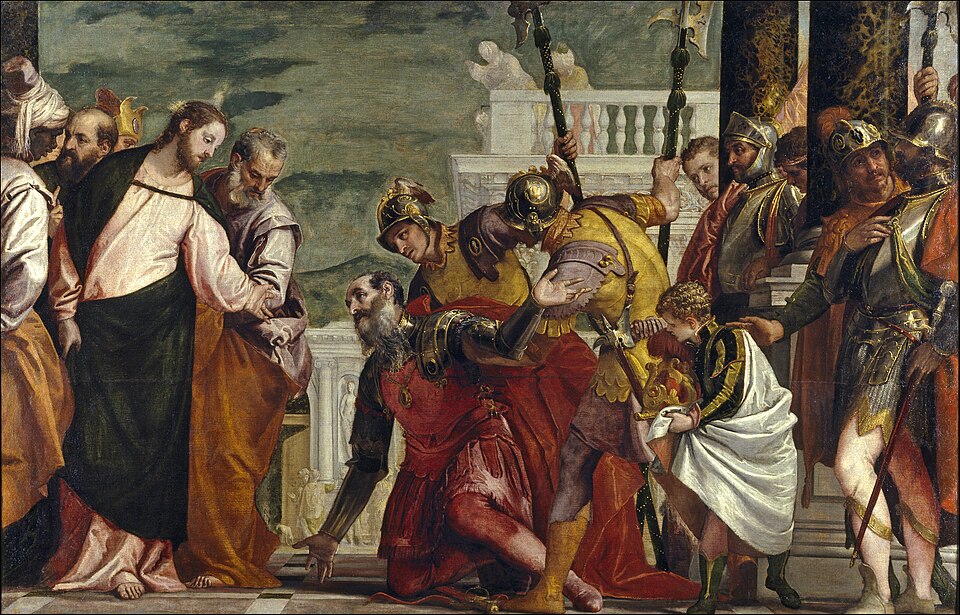
The events themselves: what happened, where the retelling has drifted from the text, and what the scene was really like.
177 studies, 8 as cards, 169 in the register
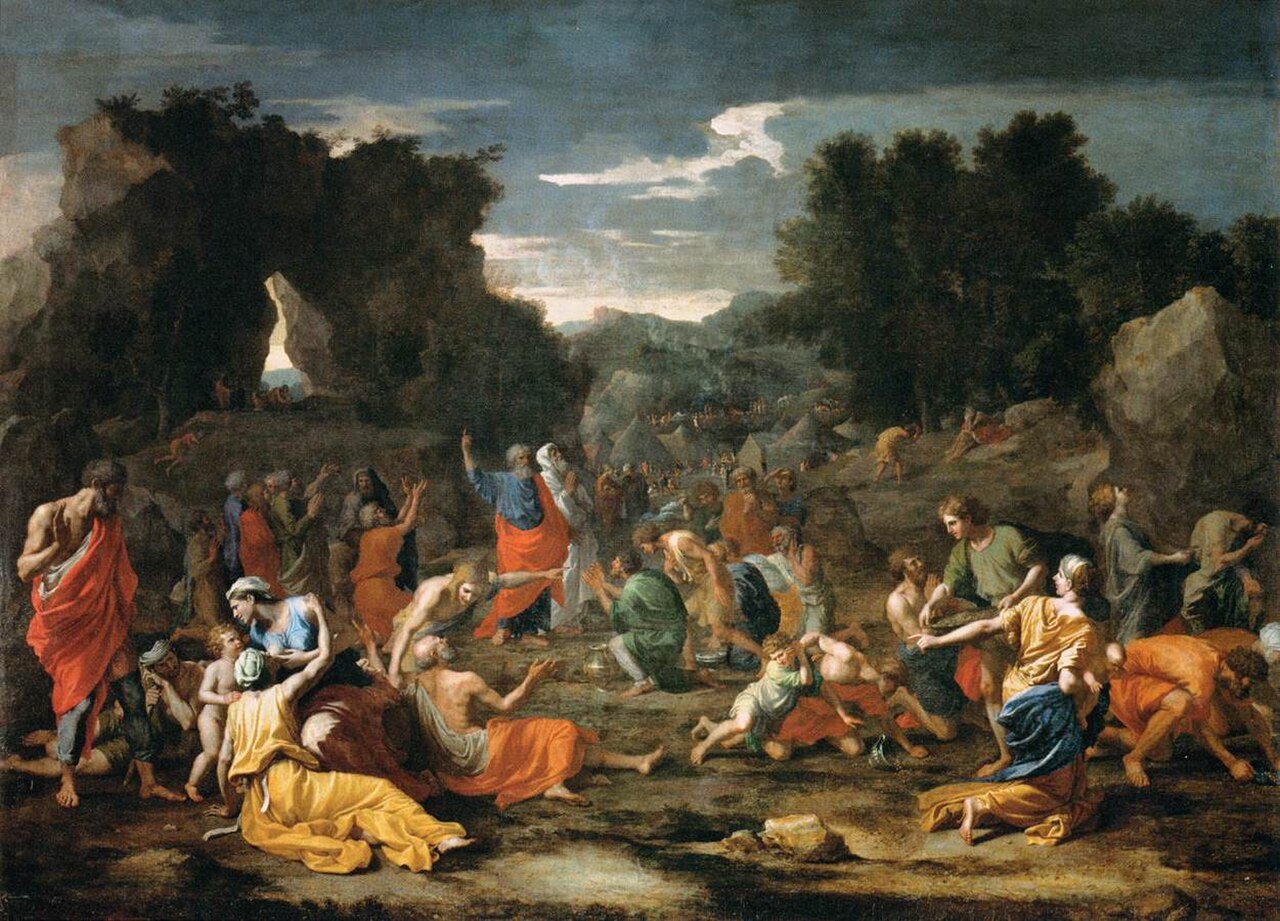 The Wilderness GenerationNumbers' wilderness cycle read the way the New Testament reads it, a standing warning to the church, not just a record of the past.
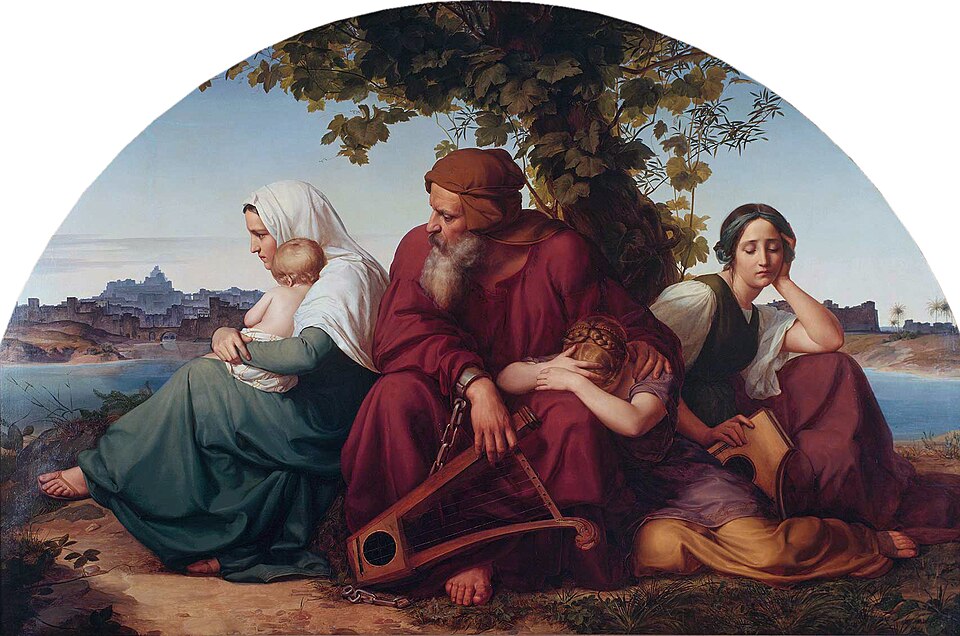 The Exile and the ReturnThree deportations, seventy years reckoned two ways, Cyrus's decree corroborated by the Cyrus Cylinder, and three returns under Zerubbabel, Ezra, and Nehemiah.
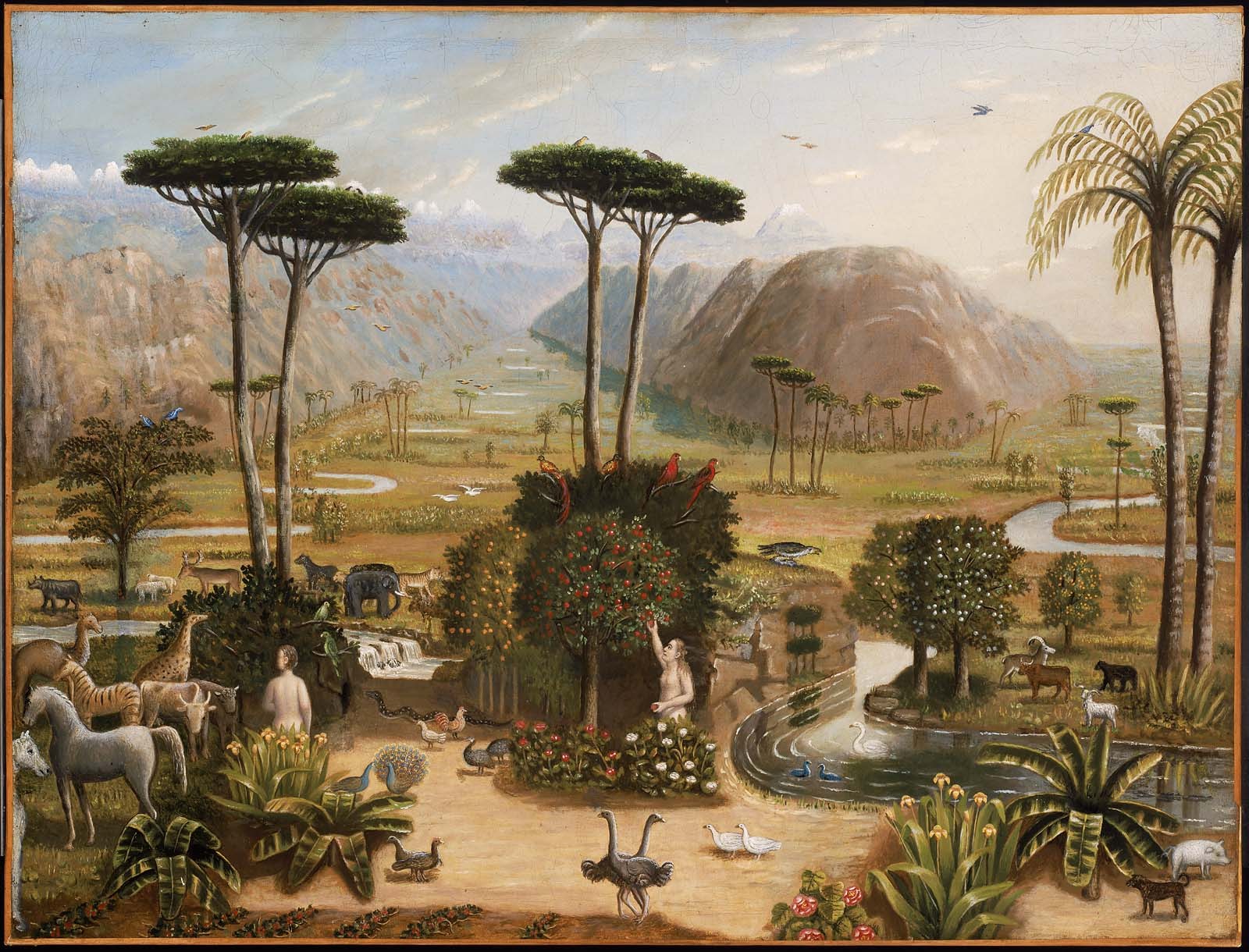
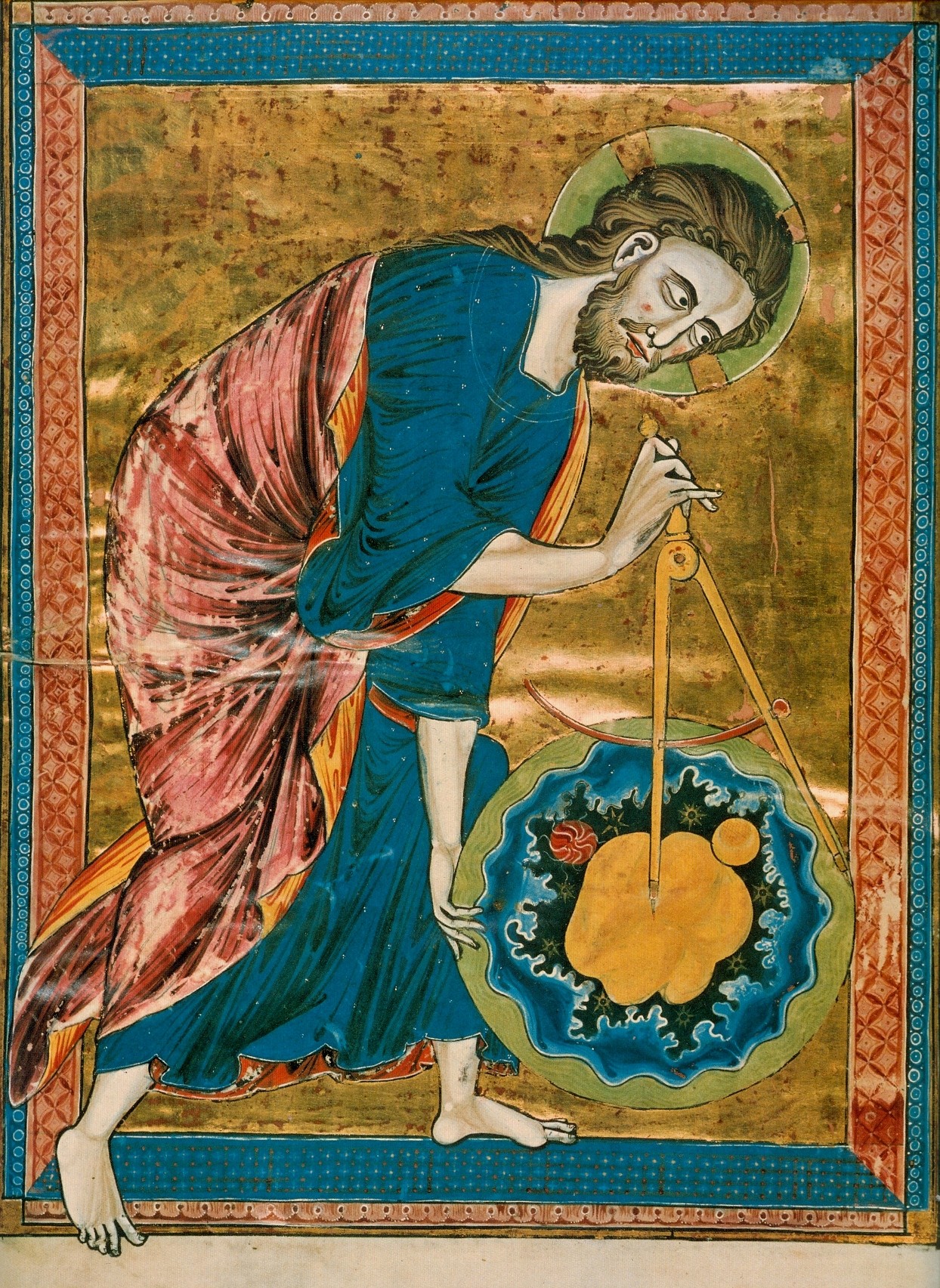
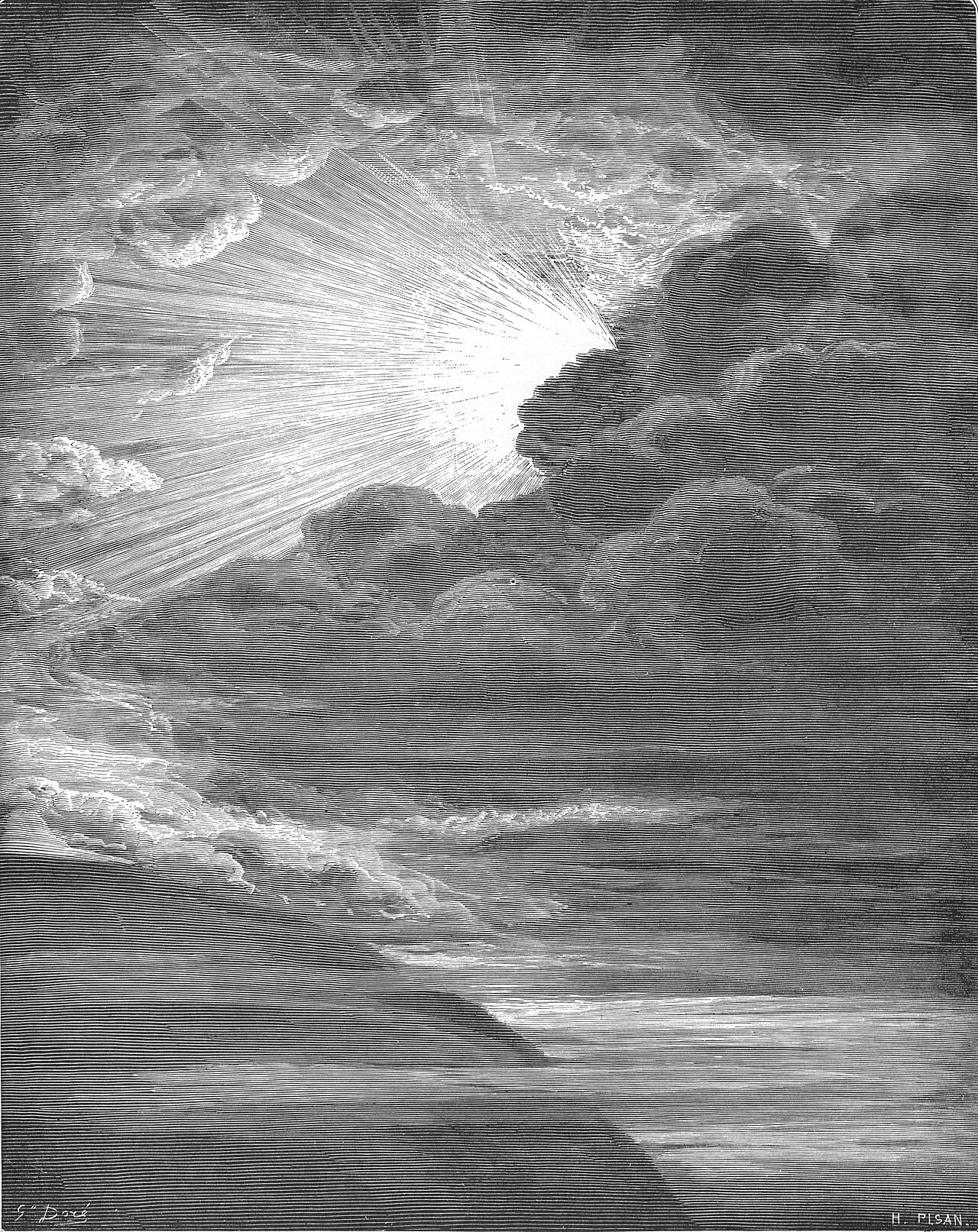 The Creation WeekSix ordinary days: God forms three realms, then fills them, and crowns the whole 'very good.'
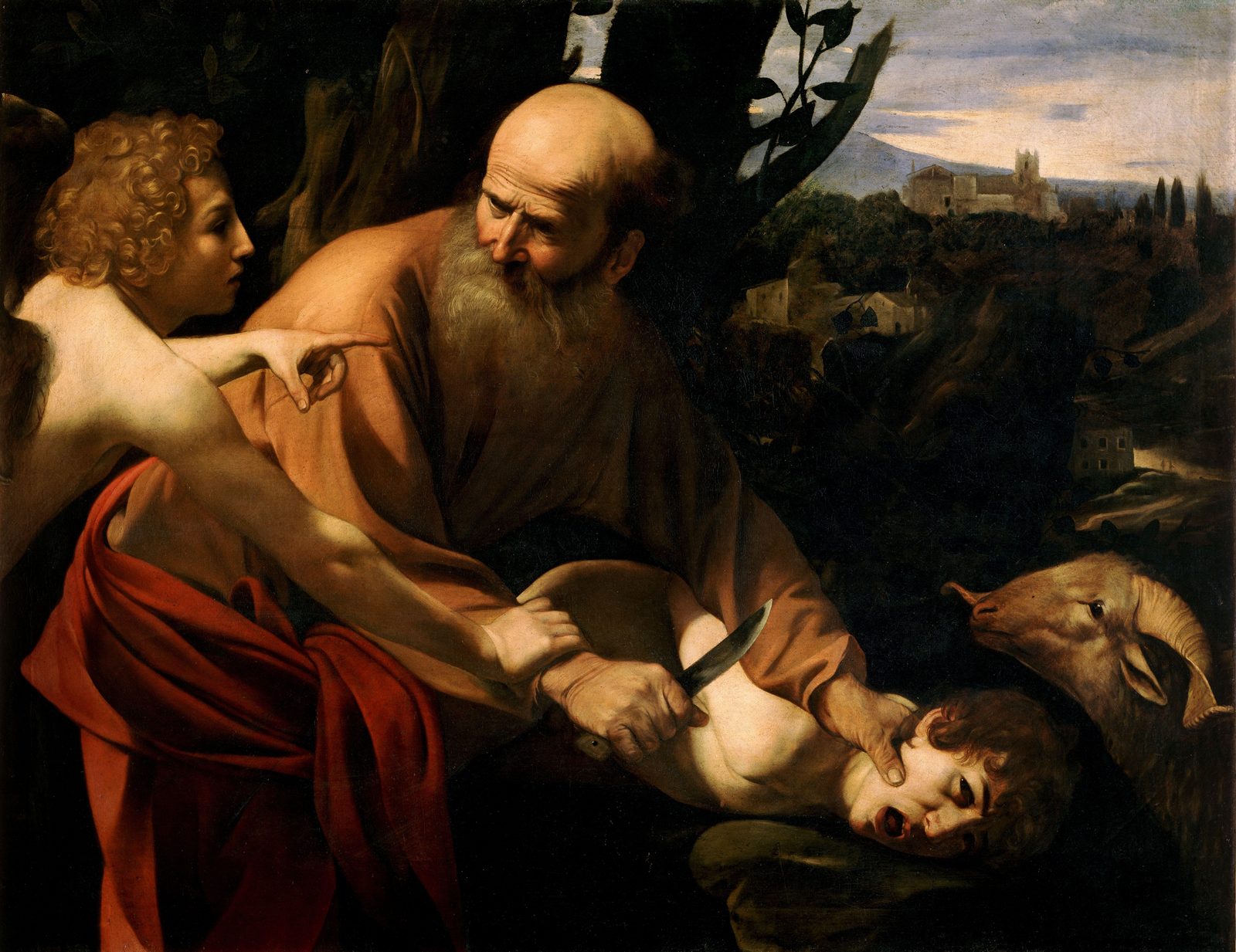
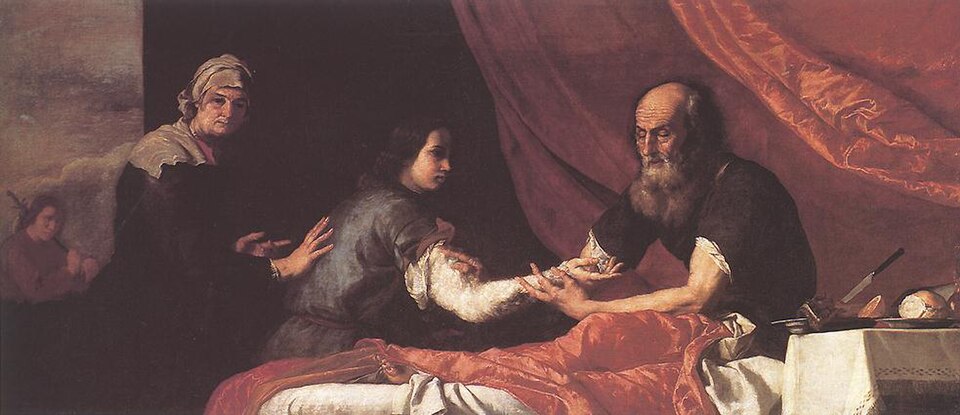
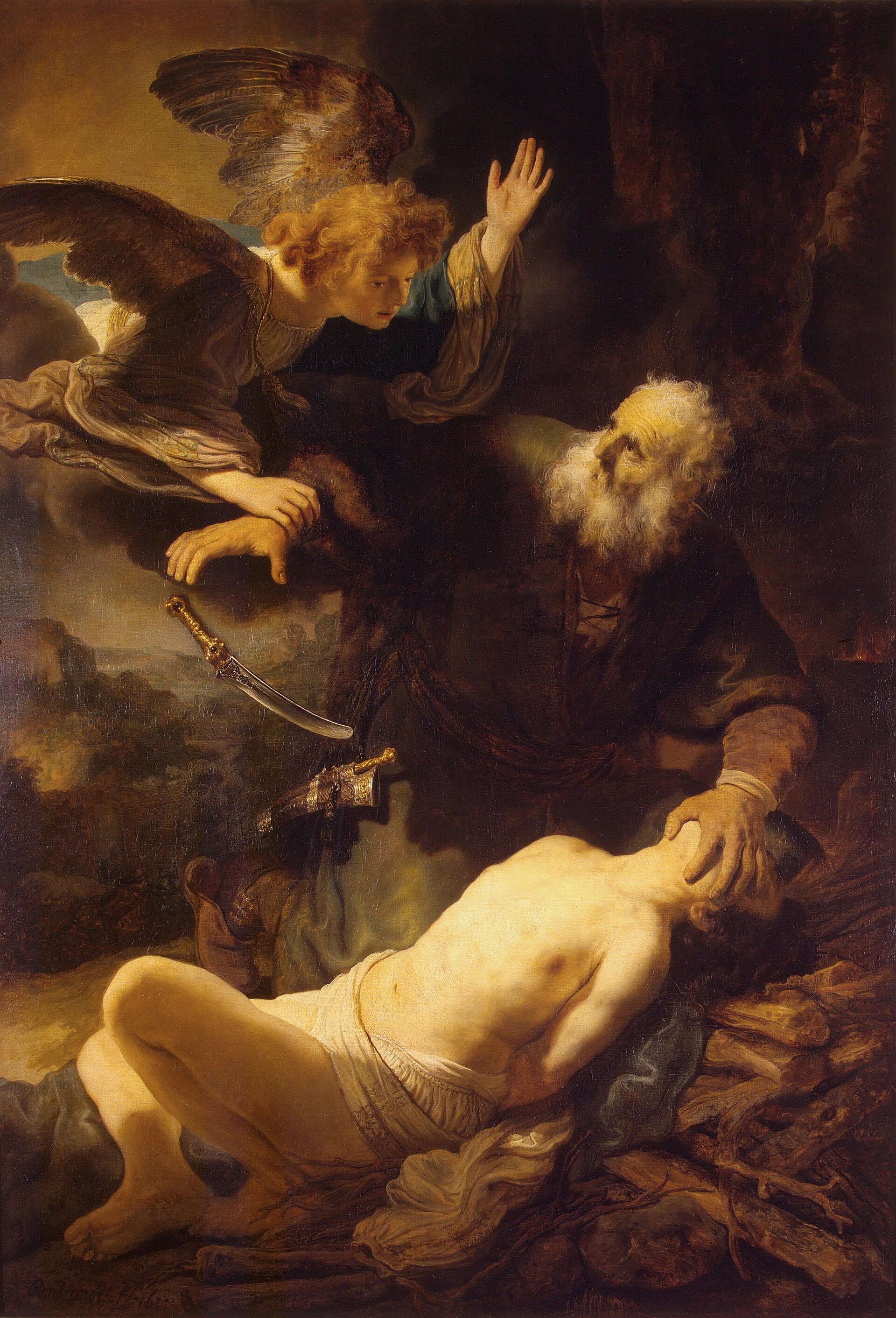 The Binding of IsaacThe strongest type in Genesis of the Father offering the Son, the beloved son, the wood, the ram, and the mountain that looks to Calvary.
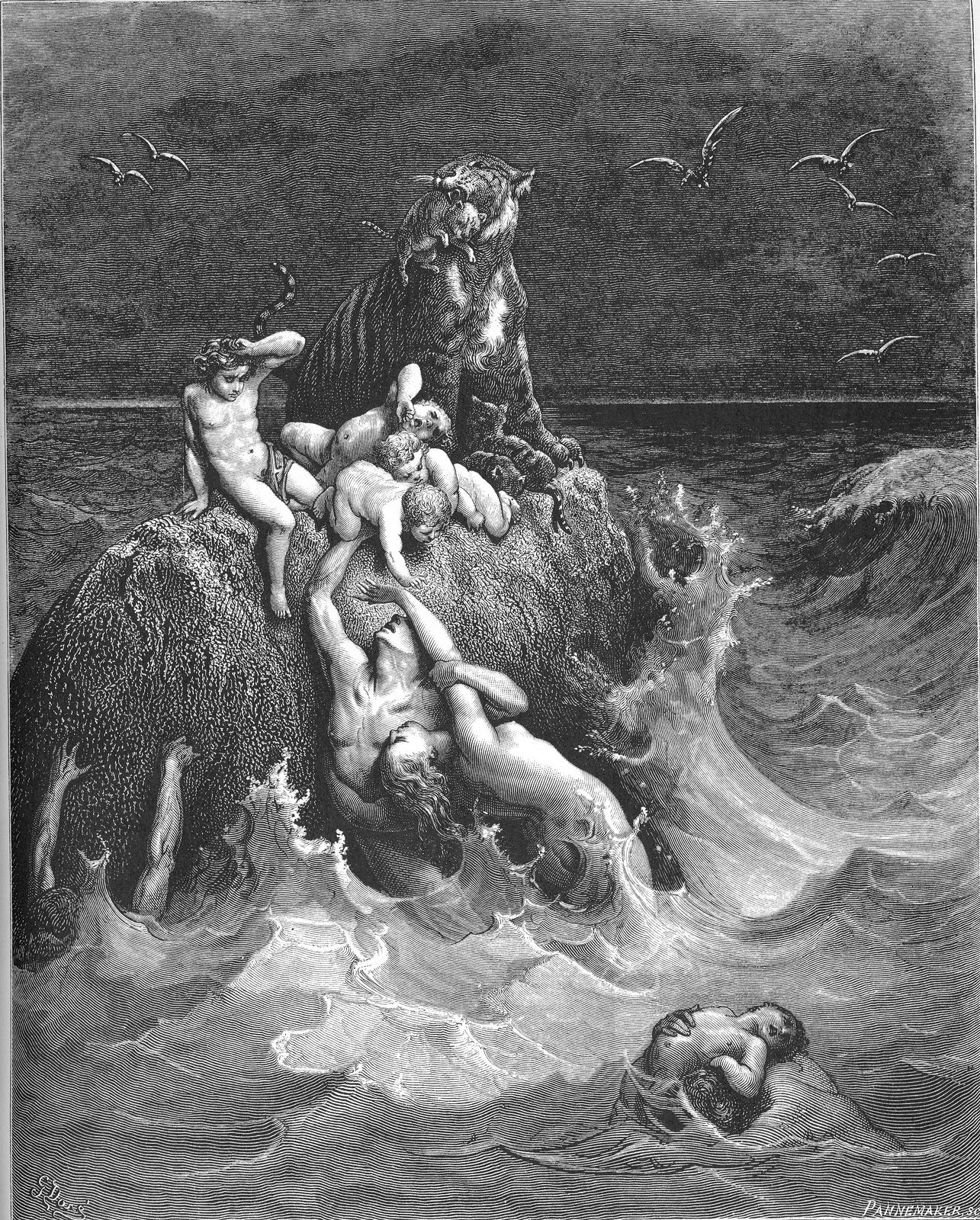 The FloodA real, global Deluge: judgment and mercy running together, pivoting on five words: 'And God remembered Noah.'
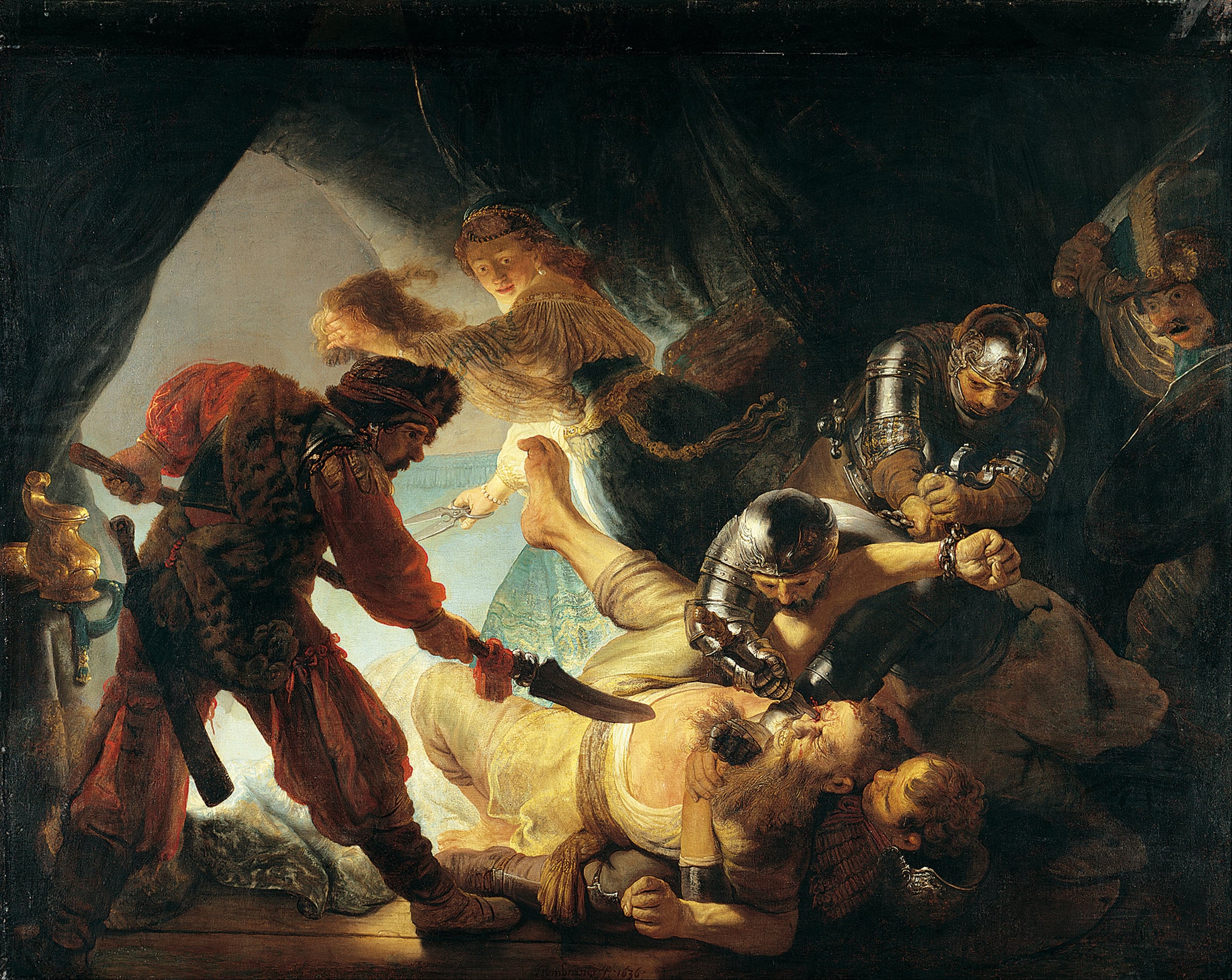 The Judges CycleJudges' six-stage formula run six times, with the 'land had rest' notice vanishing after Gideon.
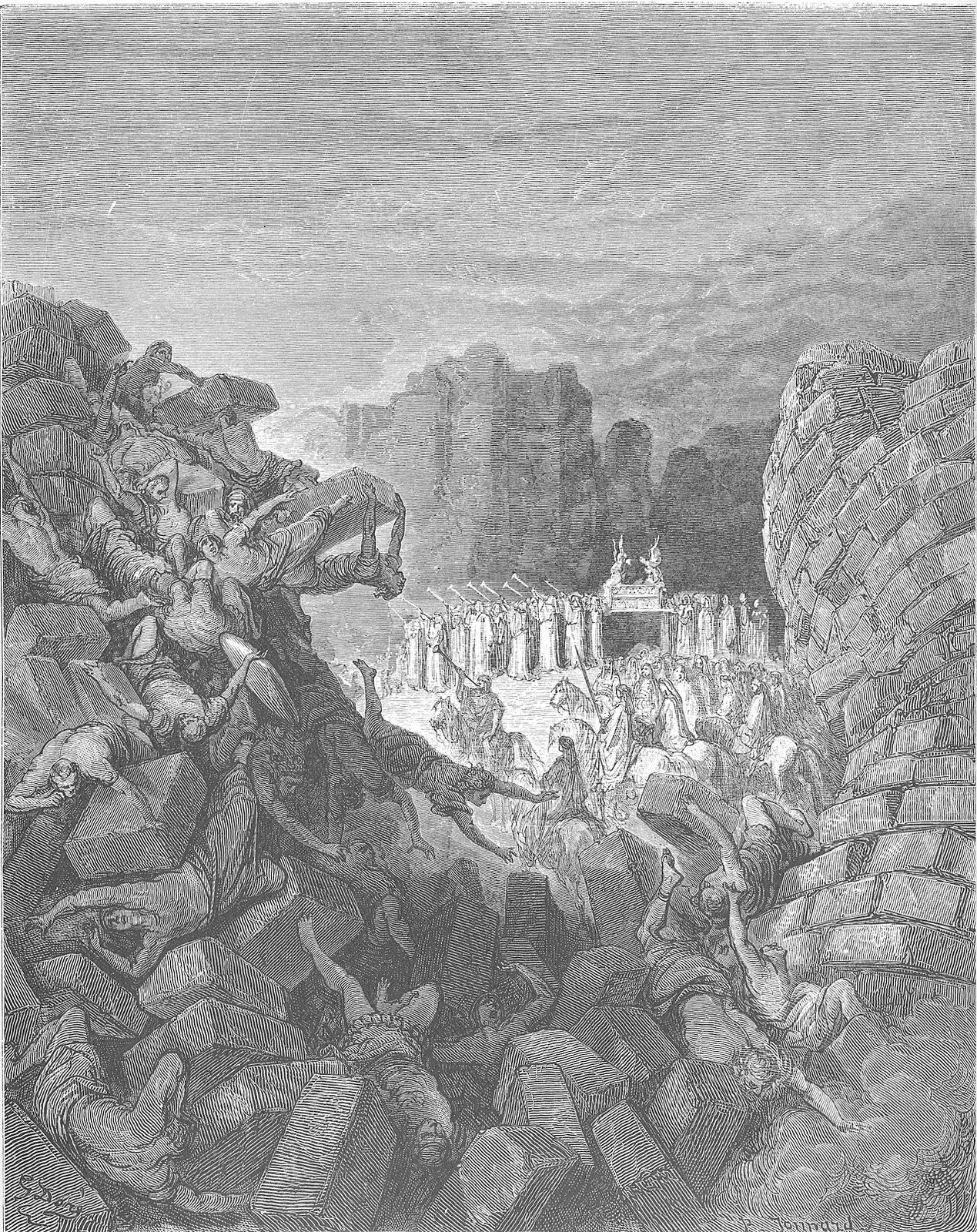 The Fall of JerichoNo siege engine, no battering ram: a city falls to a trumpet and a shout, with Rahab saved and Achan destroyed.
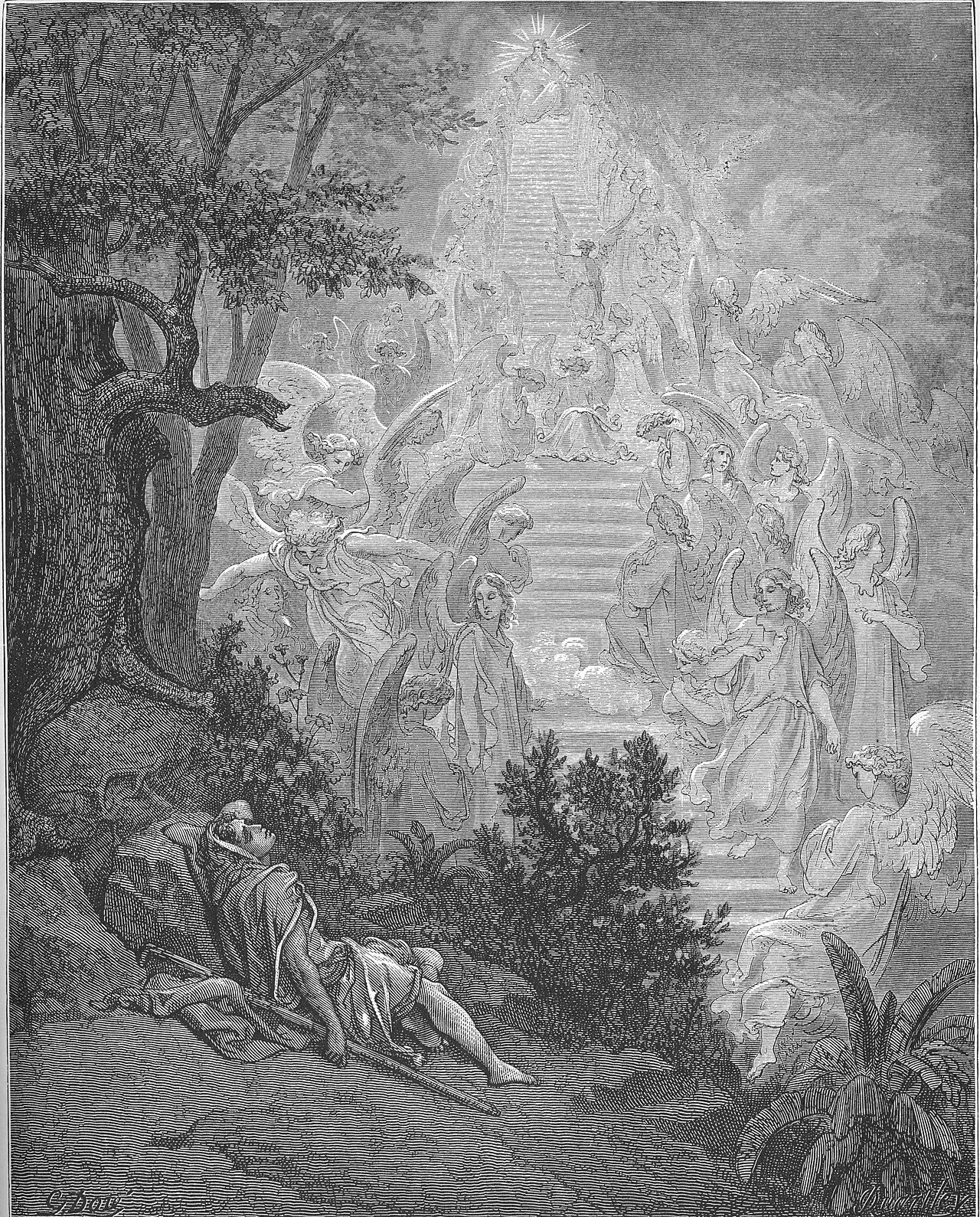 Jacob's LadderA fleeing deceiver lies down on a stone and meets God, a ladder set between heaven and earth that Jesus claims as Himself.
The register: 169 more studies of this kind
- “Great Is Truth.” The Three GuardsmenThree royal guardsmen answer what is strongest, wine, the king, or women, and the third answer swerves into Truth, winning the contest and a temple.
- Abimelech and Jotham's Fable
- Abraham and Sarah: The Twenty-Five Years
- Abraham's Three Visitors
- Ananias and Sapphira (Acts 5)This page walks Acts 5:1-11 on the six-beat iconic-story pattern, drawing the chapter's own three-hour gap as a clock and naming what the text does not say rather than filling the silence.
- Asmodeus and the Unseen WarA demon named Asmodeus kills seven bridegrooms to stop one covenant marriage, until the angel Raphael chases him to Egypt and binds him.
- Augustine's Three Answers
- Baal of Peor
- Balaam's Donkey
- Barnabas, a Good Man
- Be It Unto Me — The Annunciation, Luke 1This page walks Gabriel's visit to Mary in six passes, pairing her question with Zechariah's from one chapter earlier, then tracing what Scripture leaves unsaid and how the rest of the New Testament reads the scene.
- Cain and Abel
- Caleb and the Twelve Spies
- Calming the Storm: Mark 4:35–41This page walks the storm on the Sea of Galilee verse by verse, then lines up three psalms that credit stilling the sea to the LORD alone against what happened in that fishing boat.
- Cornelius and Peter, Acts 10This page walks Acts 10 as two visions moving toward each other, a Roman officer's angel and a fisherman's vision of a sheet, and charts the exact order of events showing the Holy Spirit falling before anyone is baptized.
- Corrie ten Boom and the Guard
- Daniel in Babylon
- Daniel in the Lions' Den: Daniel 6A seventy-year timeline shows Daniel's age by the shape of the evidence rather than by assertion, then the page corrects seven common drifts in how the story gets retold and names four questions the chapter leaves silent.
- Daniel's Open Window
- David and Bathsheba: 2 Samuel 11-12The page builds Nathan's parable as a courtroom exhibit and lays the king's own verdict against what it cost him, tracked chapter by chapter through the rest of 2 Samuel.
- David and Goliath
- David and Jonathan: 1 Samuel 18 & 20A covenant ledger lines up four things Jonathan swore against where each was paid, the last payment landing decades after his death.
- David and Mephibosheth
- David Danced Before the Ark
- Egypt's Famine Years and the Land of Pharaoh
- Ehud and the Deliverance from Moab
- Elijah on Carmel — the Still Small VoiceThe contest on Carmel where fire falls and 'the LORD, he is God,' followed by collapse at Horeb and an answer in a still small voice.
- Elisha — the Double PortionElisha asks for his master's spirit doubled at the Jordan, and performs a miracle-catalog that doubles Elijah's in scope.
- Enoch Walked With God
- Esther: For Such a Time as This