

Philippians 4 · Value 2 of 41 · Featured Study
Joy
Joy is gladness in God, which He commands of His people, gives by His Spirit and keeps through sorrow.
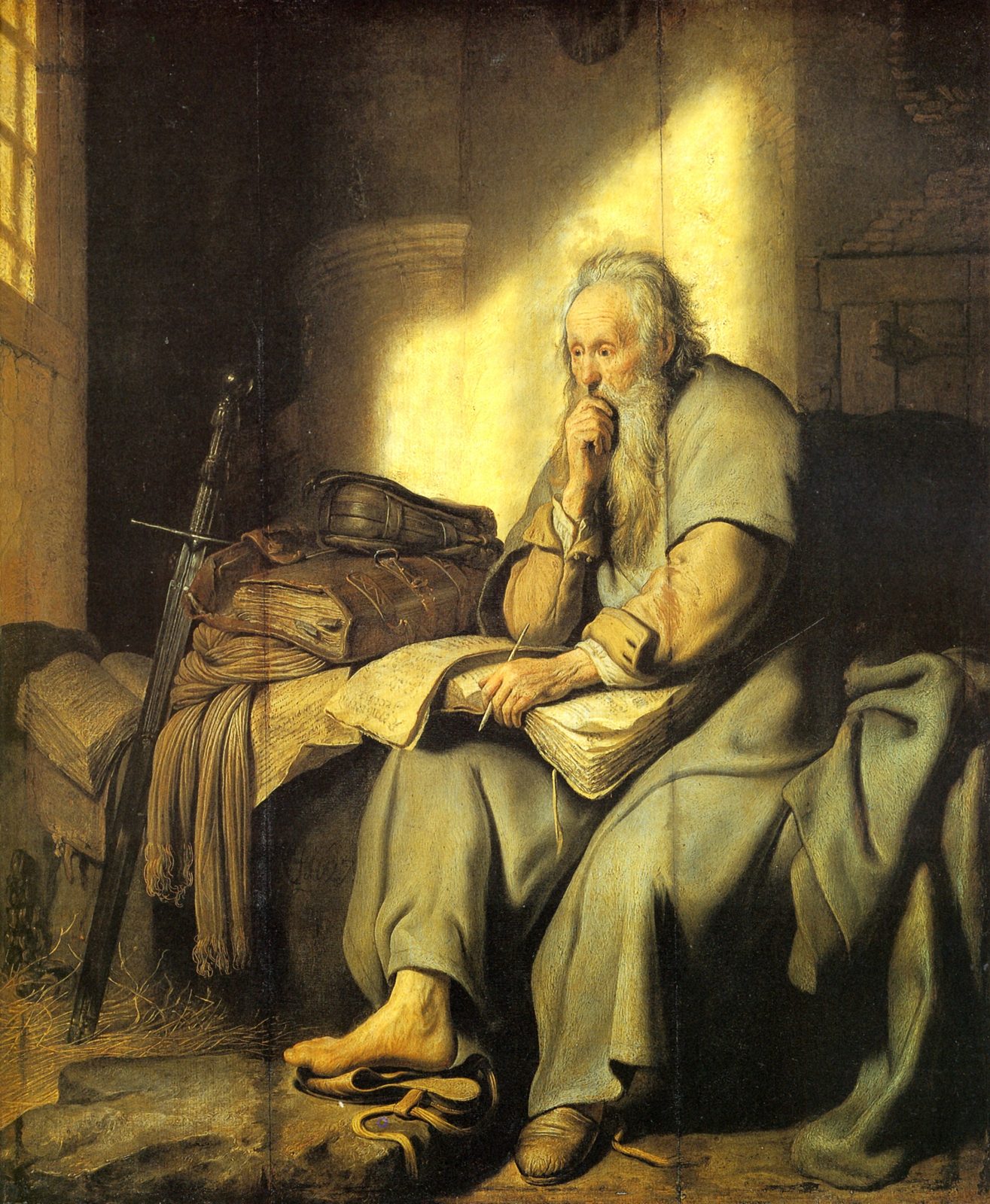
Paul wrote the command to rejoice in the Lord always while he was in chains, to a church that began with two beaten men singing hymns in a prison at midnight.
Rejoice in the Lord always. I will say it again: Rejoice!
- Anchor text
- Philippians 4:4 “Rejoice in the Lord always. I will say…”
- Its opposite
- Joyless service, despair and joy refused at another's mercy
- Hold in memory
- Philippians 4:4, Nehemiah 8:10
Summary
Joy in Scripture is gladness in God. It begins in God Himself, who rejoices over His people, and it is found in His presence. The Law commanded it at the feasts, the psalms call the whole earth to it, and Paul commanded it from chains. The Holy Spirit gives it to those who believe. Joy stands beside sorrow and outlasts it.
- God Himself rejoices over His people, as a bridegroom rejoices over his bride (Isaiah 62:5).
- Joy is found in God's presence, and the psalmist asks God to fill him with it there.
- God commands His people to rejoice at all times, in trials as well as at feasts.
- The Holy Spirit grows joy in believers as part of His fruit.
- Weeping may last through a night, and joy comes in the morning after it (Psalm 30:5).
What Joy Is
Joy is gladness in God, and four words of Hebrew and Greek carry its meaning.
What does Scripture mean by joy, and how can a command to rejoice be kept in sorrow? The answer is drawn from the text in order. It opens with four Hebrew and Greek words for joy and the key texts from the Law to Revelation. It gives the commands to rejoice, the ground of joy in God's own joy, and the joy of Jesus at His birth, in His ministry, at the cross and at the empty tomb. It names the people who rejoiced, the practice of joy and what stands against it, then four stories and five witnesses from the church's history. Eight studies take each part further, and four questions close it.
Simchah, festival joy
94 uses in the canon
The Hebrew noun simchah (Strong's H8057) means joy, and the lexicon gives its sense as gladness at a religious festival.
Gil, to rejoice
45 uses in the canon
The verb gil (H1523) means to rejoice. The lexicon gives its root sense as to spin round under a strong feeling.
Chara, joy
58 uses in the canon
The Greek noun chara (G5479) means joy, and it is the joy Jesus promised His disciples no one would take away.
Agalliao, to exult
11 uses in the canon
The verb agalliao (G21) means to exult, and Luke uses it of Mary, of Jesus in the Holy Spirit and of the jailer at Philippi.
Simchah, festival joy, Gil, to rejoice, Chara, joy, Agalliao, to exult, The Words Simchah and Chara, the study in brief
The Key Texts of Joy
Joy is commanded from the feast of Tabernacles in the Law to the marriage of the Lamb in Revelation.
Law
On the first day you are to gather the fruit of majestic trees, the branches of palm trees, and the boughs of leafy trees and of willows of the brook. And you are to rejoice before the LORD your God for seven days.
The feast of Tabernacles is a command to rejoice before the LORD for a week.
Wisdom
Make a joyful noise to the LORD, all the earth. Serve the LORD with gladness; come into His presence with joyful songs.
The whole earth is called to serve the LORD with gladness.
Prophets
Sing for joy, O Daughter of Zion; shout aloud, O Israel! Be glad and rejoice with all your heart, O Daughter of Jerusalem!
The prophet calls the Daughter of Zion to sing and to rejoice with all her heart.
Gospels
Blessed are you when people insult you, persecute you, and falsely say all kinds of evil against you because of Me. Rejoice and be glad, because great is your reward in heaven; for in the same way they persecuted the prophets before you.
Jesus tells the persecuted to rejoice because their reward in heaven is great.
Acts and Epistles
Rejoice at all times.
Paul makes the command continual, with no season left out.
Revelation
Let us rejoice and be glad and give Him the glory. For the marriage of the Lamb has come, and His bride has made herself ready.
Heaven rejoices because the marriage of the Lamb has come.
Psalm 100:1 to 2, Zephaniah 3:14, Matthew 5:11 to 12, 1 Thessalonians 5:16, Revelation 19:7
Where Scripture Commands Joy
The Law, the psalms, the prophets, Jesus and the apostles command joy, and Paul makes it the duty of every season.
The LORD commanded joy through Moses as a festival duty shared across the household and with the poor and the stranger. The psalms and the prophets extend the call to all the earth and to Zion, and Jesus grounds it in the reward of heaven.
Paul makes the command continual and places the joy in the Lord. He gave it to the church at Philippi while he was "in chains for Christ" (Philippians 1:13).
Consider it pure joy, my brothers, when you encounter trials of many kinds,James counts trials of many kinds as a reason for pure joy.
Rejoice in the Lord Always, the study in brief, Joy in Suffering, the study in brief
Joy Rests on God's Own Joy
God rejoices over His people, His presence holds joy and the Spirit bears it.
Scripture shows God rejoicing before it asks joy of His people, so the command to rejoice rests on the gift.
The LORD your God is among you; He is mighty to save. He will rejoice over you with gladness; He will quiet you with His love; He will rejoice over you with singing.”The prophet says the LORD Himself rejoices over His people with singing.
His presence holds joy, for "strength and joy fill His dwelling" (1 Chronicles 16:27). Heaven rejoices over the lost who are found: "there will be more joy in heaven over one sinner who repents than over ninety-nine righteous ones who do not need to repent" (Luke 15:7).
The Spirit bears joy as part of His fruit (Galatians 5:22), and Paul counts joy in the Holy Spirit as part of the kingdom of God (Romans 14:17). The end is joy as well, for in Matthew 25:21 the faithful servant hears, "Enter into the joy of your master!"
Joy in the Spirit, the study in brief
Jesus and Joy
The Gospels set joy at the birth of Jesus, in His own prayer, in His last teaching, at His cross and at His empty tomb.
At His birthLuke 2
An angel of the Lord stood before shepherds keeping watch over their flocks by night, and they were terrified.
But the angel said to them, “Do not be afraid! For behold, I bring you good news of great joy that will be for all the people: Today in the city of David a Savior has been born to you. He is Christ the Lord!
Luke 2:10 to 11BSB The first news of the Savior's birth is called good news of great joy for all the people.
In His own prayerLuke 10
The seventy-two came back from their mission with joy, and in that hour Jesus prayed to the Father.
At that time Jesus rejoiced in the Holy Spirit and declared, “I praise You, Father, Lord of heaven and earth, because You have hidden these things from the wise and learned, and revealed them to little children. Yes, Father, for this was well-pleasing in Your sight.
Luke 10:21BSB Jesus Himself rejoices in the Holy Spirit, and Luke uses agalliao for it.
Read the page on Jesus 33 sections, 35 verses set out
On the night before He diedJohn 15
On the night He was betrayed, Jesus told His disciples that He was going away and that their grief would turn to joy (John 16:20).
I have told you these things so that My joy may be in you and your joy may be complete.
John 15:11BSB He gives His own joy so that His disciples' joy may be complete.
At the crossHebrews 12
Hebrews sets Jesus before believers who run their own race as the One who endured the cross and sat down at God's right hand.
Let us fix our eyes on Jesus, the author and perfecter of our faith, who for the joy set before Him endured the cross, scorning its shame, and sat down at the right hand of the throne of God.
Hebrews 12:2BSB The joy set before Him is the reason Hebrews gives for His enduring the cross.
Read the study of the joy set before Him 7 sections, 12 verses set out
At the empty tombMatthew 28
At dawn on the first day of the week the women came to the tomb, and an angel told them that He had risen.
So they hurried away from the tomb in fear and great joy, and ran to tell His disciples.
Matthew 28:8BSB The first witnesses of the resurrection leave the tomb in fear and great joy.
Read the page on the empty tomb 12 sections, 10 verses set out
In His own prayer (Luke 10), On the night before He died (John 15), At the cross (Hebrews 12), At the empty tomb (Matthew 28)
John 15:11, Hebrews 12:2, Matthew 28:8
Who Rejoiced
Six people and groups in Scripture rejoiced in God, from Miriam at the sea to the apostles before the council.
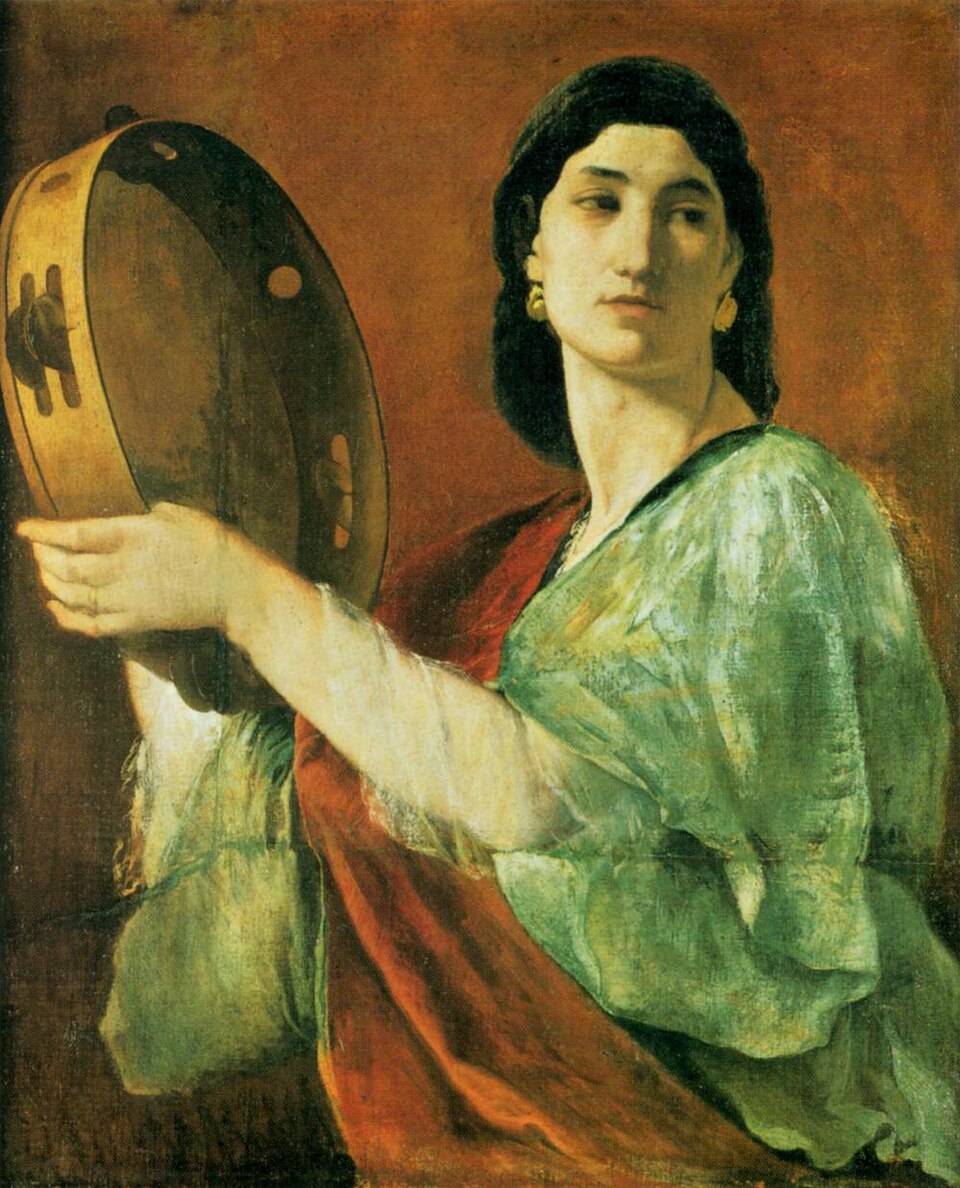
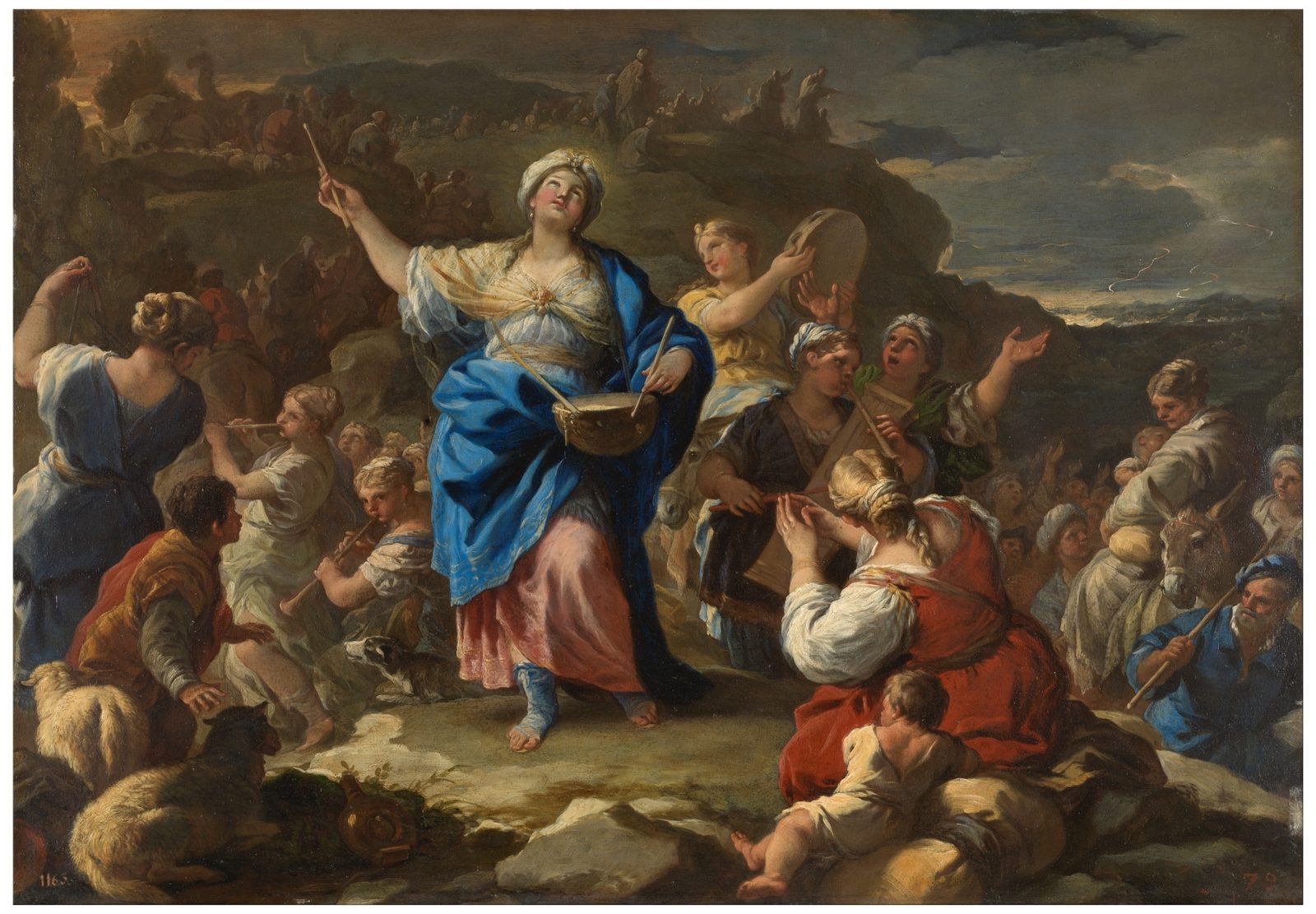
She took a tambourine and led the women in song and dancing after the crossing of the sea.
Exodus 15:20 to 21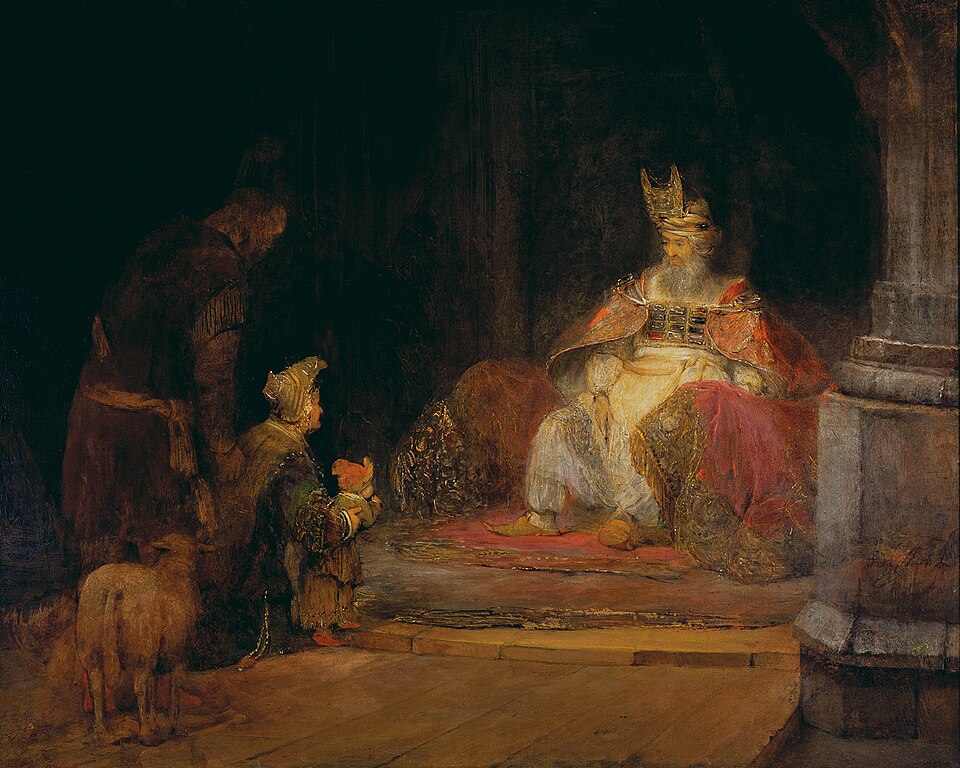
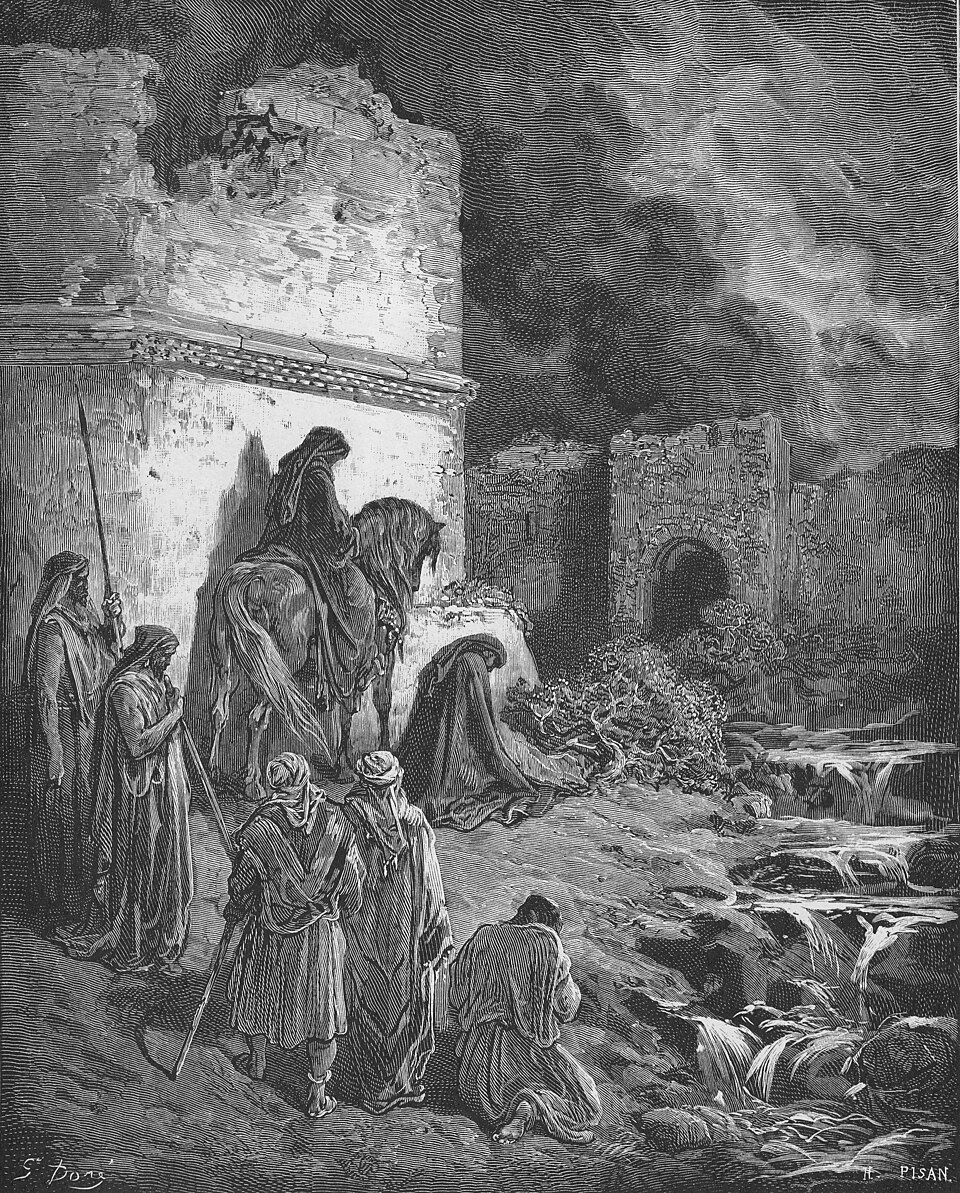
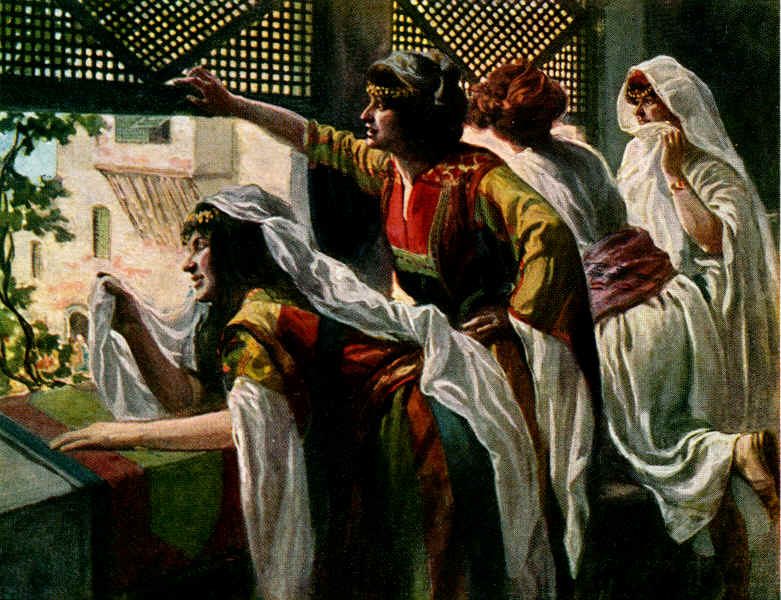
At the dedication of the rebuilt wall the women and children rejoiced, and the city's joy was heard far away.
Nehemiah 12:43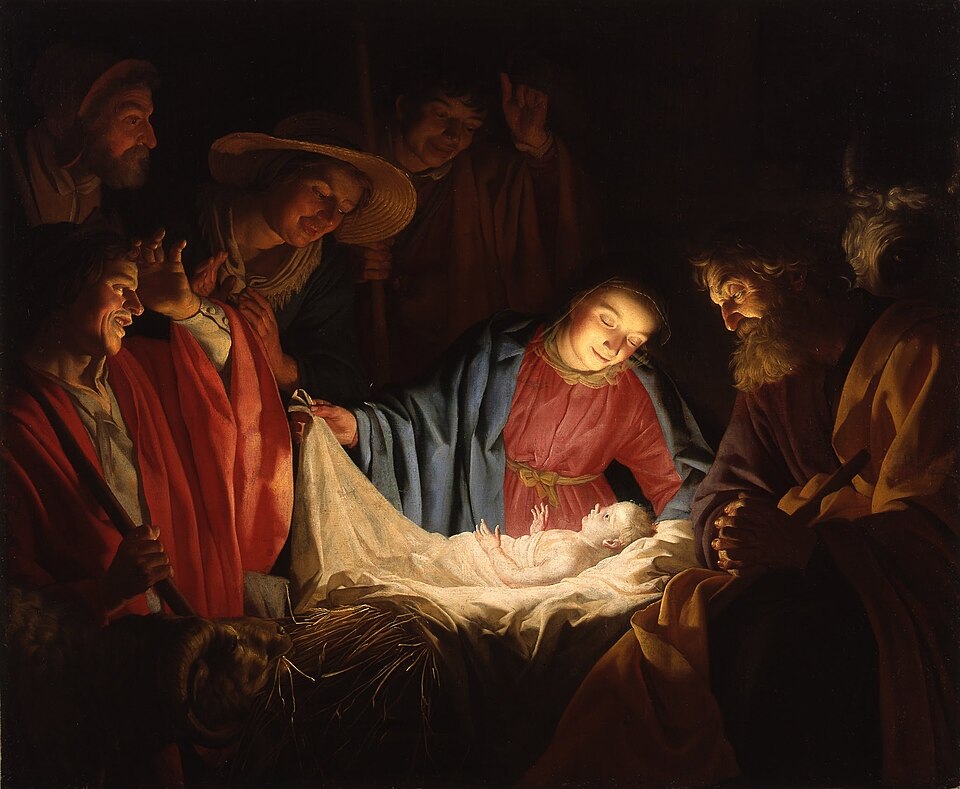

He called himself the friend of the bridegroom, whose joy was complete at the bridegroom's voice.
John 3:29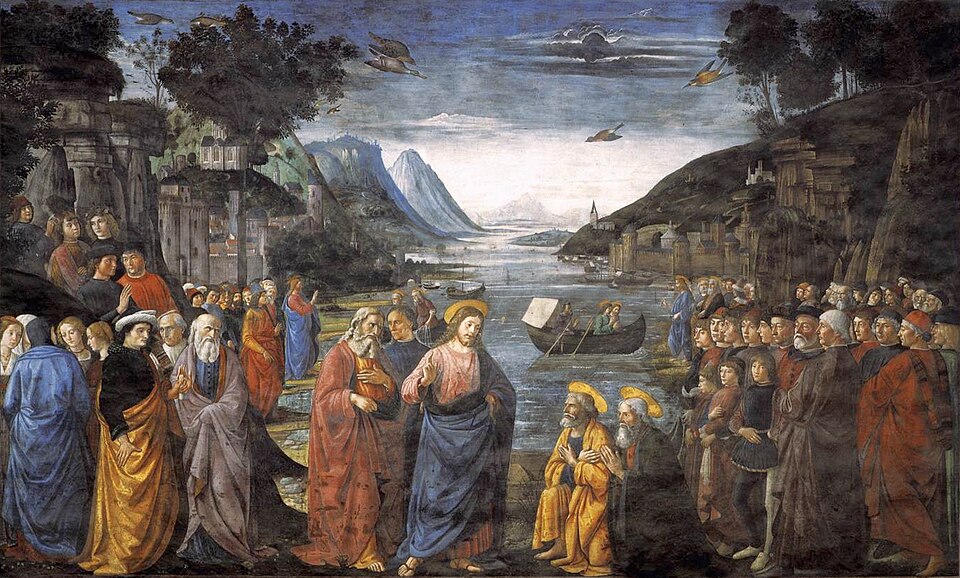
Flogged by the council, they left rejoicing that they were counted worthy to suffer for the Name.
Acts 5:41
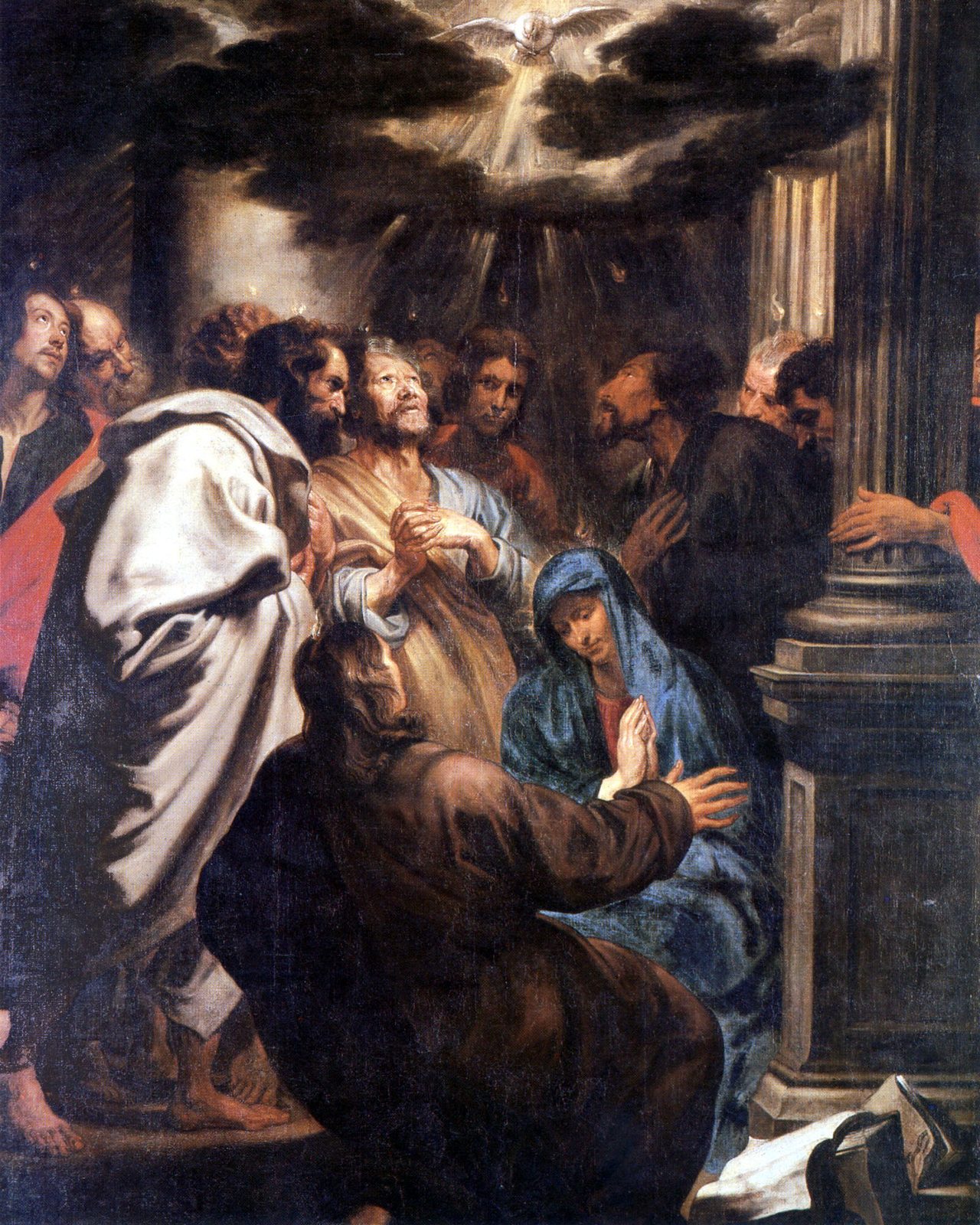
The people of Jerusalem, Mary, John the Baptist, The apostles
The Practice of Joy
Scripture names six practices of joy, each with the verse that gives it.
- 1Rejoice at the feasts with the whole householdMoses commands the household to rejoice before the LORD with the servant, the Levite, the foreigner, the fatherless and the widow.Deuteronomy 16:11
- 2SingJames tells the cheerful to sing praises.James 5:13
- 3Give cheerfullyPaul writes that God loves a cheerful giver.2 Corinthians 9:7
- 4Call the Sabbath a delightIsaiah promises delight in the LORD to those who call His holy day a delight.Isaiah 58:13 to 14
- 5Rejoice with othersPaul tells the church to rejoice with those who rejoice and to weep with those who weep.Romans 12:15
- 6Take in God's wordsJeremiah says that God's words became his joy and the delight of his heart.Jeremiah 15:16
Sing, Give cheerfully, Call the Sabbath a delight, Rejoice with others, Take in God's words
What Stands Against Joy
Scripture names joyless service, despair and joy refused at another's mercy, and it keeps weeping beside joy.
The Law names joyless service and the psalms name despair, each in the verse set beside it.
Scripture keeps weeping beside joy, and Paul calls himself "sorrowful, yet always rejoicing" (2 Corinthians 6:10).
Because you did not serve the LORD your God with joy and gladness of heart in all your abundance,Moses warns that the curses would come on a people who served the LORD without joy in their abundance.
Why are you downcast, O my soul? Why the unease within me? Put your hope in God, for I will yet praise Him for the salvation of His presence.The psalmist answers his own despair with hope in God.
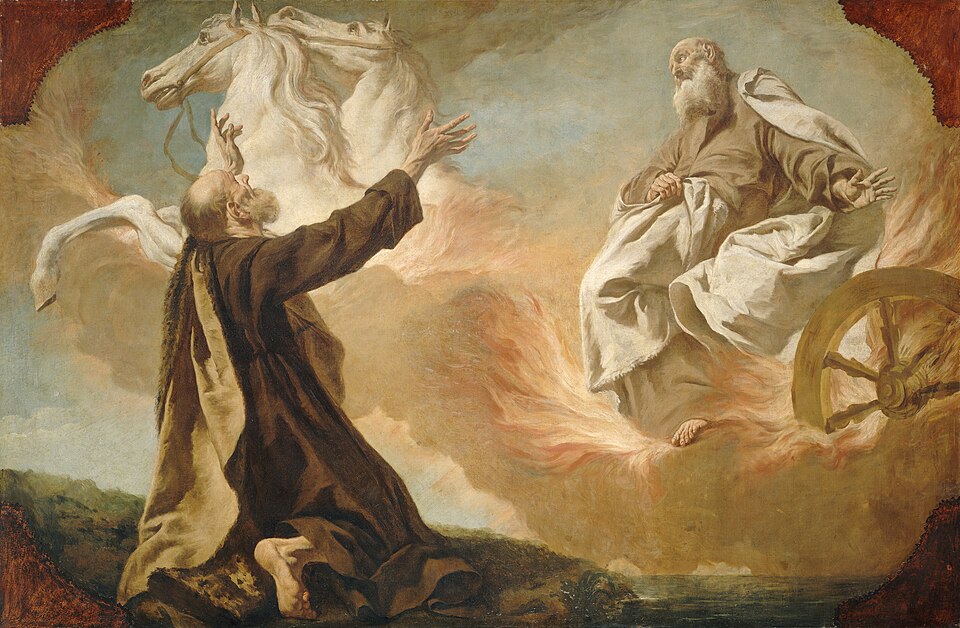
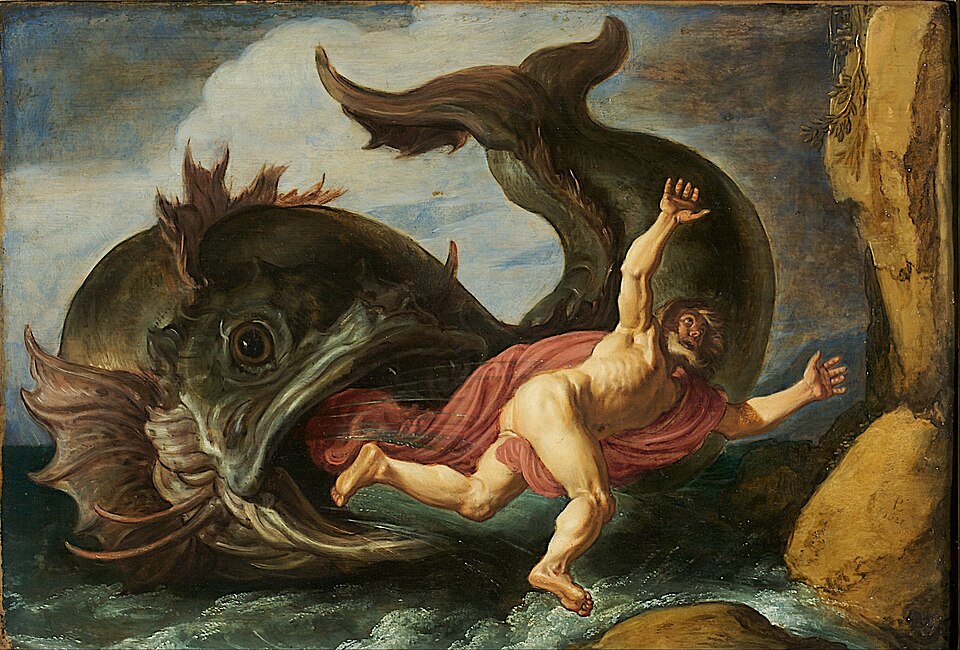
He was greatly displeased that God is gracious and relents from disaster, and he asked to die.
Jonah 4:1 to 3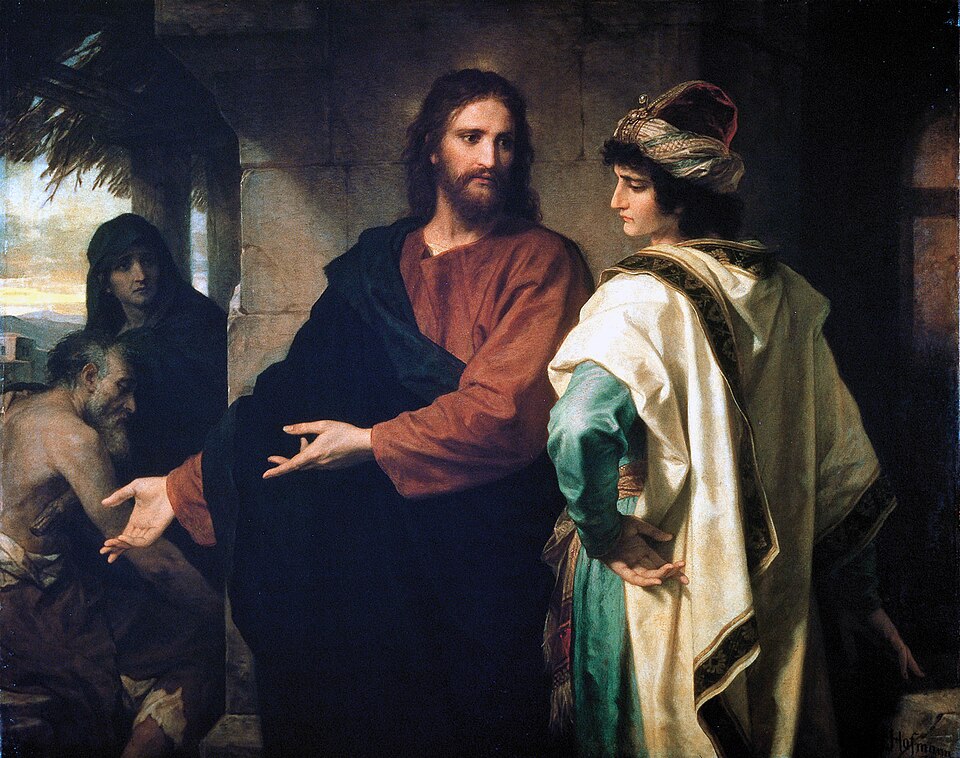
Deuteronomy 28:47, Psalm 42:5, Elijah, Jonah, The rich man
Joy in the Stories of the Bible
Four stories tell of joy at a reading of the Law, before the ark, at a feast for a lost son and in a prison at midnight.
At the Water GateNehemiah 8
Ezra read the Book of the Law to the people before the Water Gate from daybreak until noon, and the people wept as they heard it. Nehemiah sent them to eat, drink and send portions to those with nothing prepared, and they rejoiced greatly because they understood the words (Nehemiah 8:12).
Then Nehemiah told them, “Go and eat what is rich, drink what is sweet, and send out portions to those who have nothing prepared, since today is holy to our Lord. Do not grieve, for the joy of the LORD is your strength.”
Nehemiah 8:10BSB Nehemiah names the joy of the LORD as the strength of His people.
Read the study of the joy of the LORD 7 sections, 13 verses set out
David before the ark2 Samuel 6
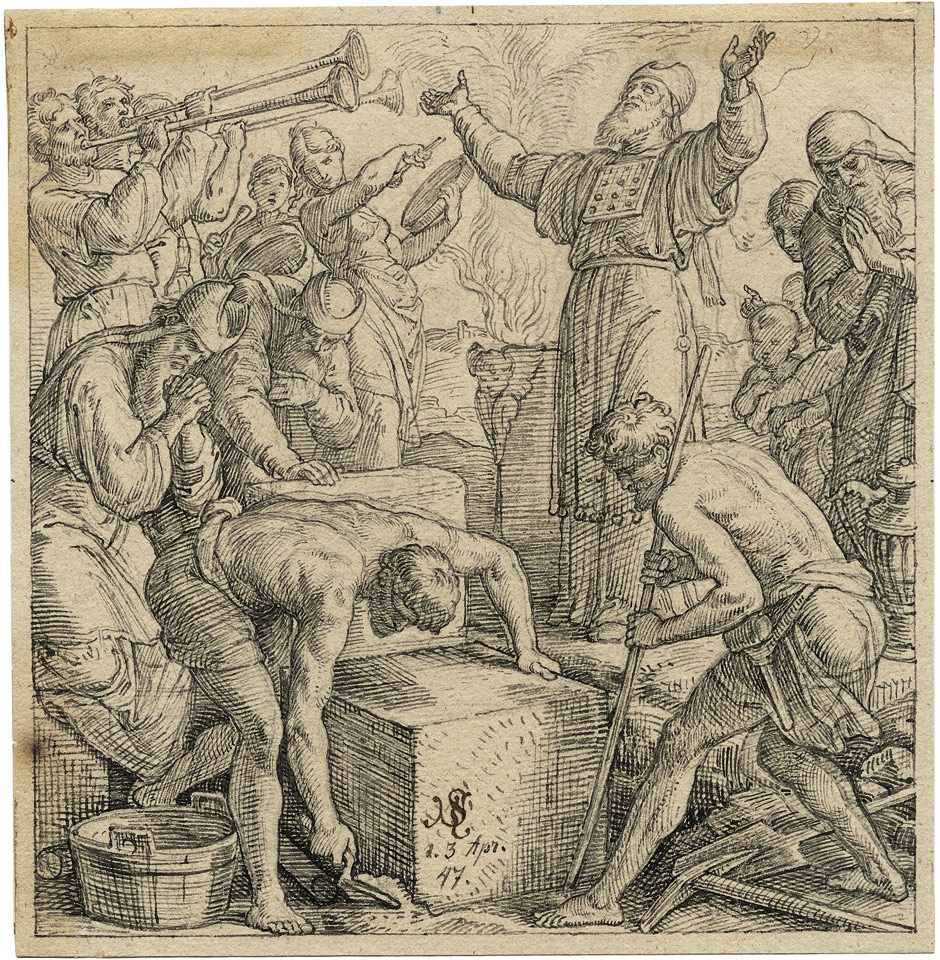
Three months after Uzzah died for taking hold of the ark, David brought it up to Jerusalem with rejoicing and danced before the LORD with all his might. Michal, Saul's daughter, despised him, and David answered that he would celebrate before the LORD who had chosen him (2 Samuel 6:21).
Read the study of David before the ark 11 sections, 9 verses set out
The feast for a lost sonLuke 15
In the parable a younger son spent his share in a far country and came home, and his father ran to him and began a feast. The older son would not go in, and his father told him, "it was fitting to celebrate and be glad, because this brother of yours was dead and is alive again" (Luke 15:32).
Paul and Silas at midnightActs 16
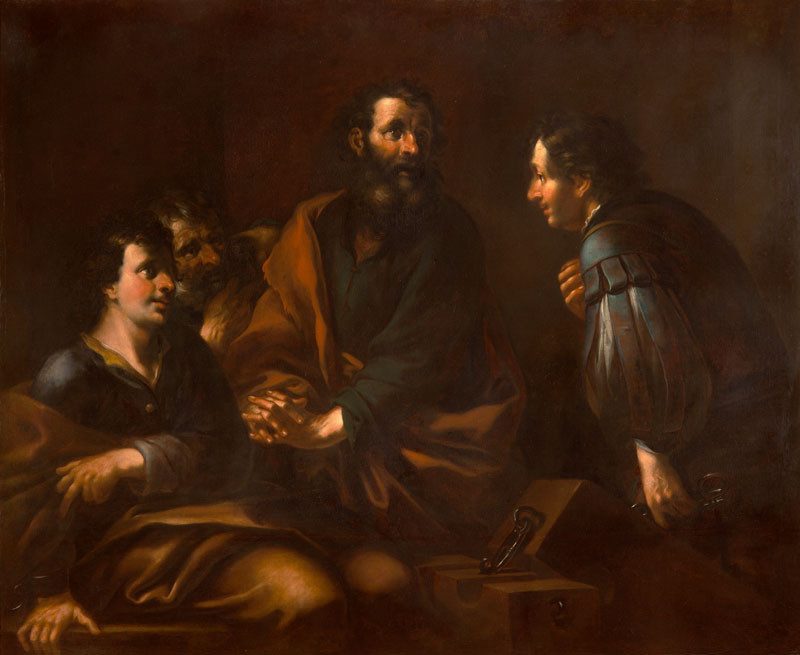
At Philippi, Paul and Silas were beaten with rods and fastened in the stocks, and about midnight they were praying and singing hymns to God (Acts 16:25). An earthquake loosed every chain, and the jailer believed and was baptized with his household.
David before the ark (2 Samuel 6), The feast for a lost son (Luke 15), Paul and Silas at midnight (Acts 16)
Joy in the Church's History
Five accounts, from Augustine to Wesley, tell of joy in a sermon, on a winter road, on a night of fire, in prison and at a meeting in London.
Augustine354 to 430
Preaching on Psalm 100, Augustine described the cry of joy he called jubilation: "One who jubilates, utters not words, but it is a certain sound of joy without words" (Expositions on the Psalms, translated by J. E. Tweed, 1888). The year of the sermon is not known.
Francis of Assisi14th century
The Little Flowers of St. Francis, a collection of the fourteenth century, tells that on a winter road Francis called it perfect joy to be beaten and driven into the snow and to bear it "with patience and joy, thinking of the sufferings of our Blessed Lord" (chapter 8, translated by Lady Georgina Fullerton, 1864).
Blaise Pascal1654
Blaise Pascal dated a page "This year of Grace 1654, Monday, November 23rd", and its lines include "Joy, joy, joy, tears of joy" (translated by C. Kegan Paul, 1885). A servant found the parchment sewn into the lining of his coat a few days after his death.
John Bunyanabout 1672
John Bunyan, held twelve years in Bedford gaol for refusing to conform, wrote in Grace Abounding to the Chief of Sinners that the verses which refreshed him there let him "laugh at destruction" (section 322).
John Wesley1738
On 24 May 1738 John Wesley went "very unwillingly to a society in Aldersgate Street" and wrote, "I felt my heart strangely warmed." He was then taught that "the transports of joy that usually attend the beginning of it" God "sometimes giveth, sometimes withholdeth" (Journal, in Percy Livingstone Parker's abridgment).
Francis of Assisi (14th century), Blaise Pascal (1654), John Bunyan (about 1672), John Wesley (1738)
Voices on Joy, by Century
Three voices, each quoted from a work in the public domain under the line that says what he teaches.
died 220 · Tertullian
On Prayer
Third century. A sad spirit is not received by the joyful Spirit of God.
The quotation1 quotation
“For a defiled spirit cannot be acknowledged by a holy Spirit, nor a sad by a joyful, nor a lettered by a free.”
Tertullian · On Prayer · on Romans 14:17Patristic
1703 to 1791 · John Wesley
Explanatory Notes upon the New Testament
Eighteenth century. Christ purchased joy for His people as well as righteousness.
The quotation1 quotation
“Our Lord has purchased joy, as well as righteousness, for us. It is the very design of the gospel that, being saved from guilt, we should be happy in the love of Christ. Prayer may be said to be the breath of our spiritual life.”
John Wesley · Explanatory Notes upon the New Testament · on 1 Thessalonians 5:16Evangelical
1762 to 1832 · Adam Clarke
Commentary on the Bible
Nineteenth century. Lasting happiness is found only in the Lord, and joy is a duty.
The quotation1 quotation
“Be continually happy; but this happiness you can find only in the Lord. Genuine happiness is spiritual; as it can only come from God, so it infallibly tends to him. The apostle repeats the exhortation, to show, not only his earnestness, but also that it was God’s will that it should be so, and that it was their duty as well as interest.”
Adam Clarke · Commentary on the Bible · on Philippians 4:4Evangelical
How Joy Has Been Taught
Chrysostom, Aquinas, the Westminster divines, Edwards, Henry and Spurgeon taught joy from the fourth century to the nineteenth.
Chrysostom found joy born of grief1 paragraph
John Chrysostom, preaching on Paul's command to rejoice, said of godly sorrow, "This joy is not contrary to that grief, but from that grief it too is born" (Homily 14 on Philippians).
Aquinas made joy an act of charity1 paragraph
Thomas Aquinas taught that joy is "an act, or effect, of charity" (Summa Theologiae, second part of the second part, question 28, English Dominican translation, 1920). He wrote that "joy is full, when there remains nothing to be desired."
The Westminster divines made enjoying God half of man's chief end1 paragraph
The Westminster Shorter Catechism of 1647 opens with the answer "Man's chief end is to glorify God, and to enjoy Him for ever."
Edwards counted holy joy a great part of true religion1 paragraph
Jonathan Edwards took 1 Peter 1:8 as the text of Religious Affections (1746), a book written to test which affections are of God. In it he wrote, "The Scriptures speaks of holy joy, as a great part of true religion."
Matthew Henry called joy in God a duty1 paragraph
Matthew Henry, commenting on Paul's command to rejoice, wrote, "Joy in God is a duty of great consequence in the Christian life; and Christians need to be again and again called to it. If good men have not a continual feast, it is their own fault" (Commentary on the Whole Bible).
Spurgeon preached joy over twenty-four years1 paragraph
Charles Spurgeon preached five sermons on joy between 1871 and 1895. Their subjects were the joy of the LORD as strength, the fruit of the Spirit, the command to rejoice evermore, David before the ark and joy as a duty. Of David before the ark he said, "He had thrown himself into the gladsome service of the Lord that day" (Metropolitan Tabernacle Pulpit, sermon 2031, 1888).
Where the Science Speaks
Studies of positive emotion and health find small and mixed links, and the largest found none once earlier health was counted.
The studies measure a feeling and its effect on the body, while Scripture commands joy as gladness in God.
Joy and the Body, the study in brief
Eight Studies of Joy
Each study takes one part of joy further, grouped by the texts, the stories, the words and the science.
The texts
5 studies
- Doctrines · 12 verses set outJoy in Suffering
What Philippians teaches about rejoicing in the Lord under trial, with the texts that teach it elsewhere in Scripture.
- Passages and psalms · 13 verses set outRejoice in the Lord Always
Paul wrote this command to the church he had founded at Philippi while he was in chains for Christ.
- Passages and psalms · 13 verses set outThe Joy of the LORD Is Your Strength
Nehemiah spoke these words at the Water Gate in Jerusalem, on a holy day after the city's wall had been rebuilt.
- Passages and psalms · 12 verses set outThe Joy Set Before Him
Hebrews 12:2 is the one verse in the Bible that speaks of a joy set before Jesus when He endured the cross.
- Doctrines · 14 verses set outJoy in the Spirit
Paul names joy second in the fruit of the Spirit in Galatians 5:22, and in Romans 14:17 he counts joy in the Holy Spirit as part of the kingdom of God.
- Doctrines · 12 verses set outJoy in Suffering
The stories
1 study
- Stories · 9 verses set outDavid Danced Before the Ark
2 Samuel 6 records the ark of God brought into the City of David on its second attempt, with King David dancing before it.
- Stories · 9 verses set outDavid Danced Before the Ark
The words
1 study
- Symbols and words · 11 verses set outThe Words Simchah and Chara
Simchah in Hebrew and chara in Greek are Scripture's chief nouns for joy, and each heads a family of words for rejoicing.
- Symbols and words · 11 verses set outThe Words Simchah and Chara
The science
1 study
- Doctrines · 9 verses set outJoy and the Body
Eight studies published from 2001 to 2019 measured positive emotion, laughter and health, and the largest found no direct link between happiness and death once earlier health was counted.
- Doctrines · 9 verses set outJoy and the Body
Rejoice in the Lord Always, The Joy of the LORD Is Your Strength, The Joy Set Before Him, Joy in the Spirit, David Danced Before the Ark, The Words Simchah and Chara, Joy and the Body
Where Readers Disagree
Each reading names its holders, the work that argues it and the objection raised against it.
Felt or willed
Read the study of Joy in the Spirit 8 sections, 14 verses set out
| Reading | Held by | Work | Objection |
|---|---|---|---|
| Joy is first a settled act of the will toward God | Thomas Aquinas; John Wesley (Thomist; Methodist) | Aquinas, Summa Theologiae II-II question 28, article 4 (1920 translation); Wesley, Journal, the Aldersgate entry | Scripture speaks of a joy that fills the heart and is felt, "inexpressible and glorious." |
| Joy is a felt affection, and its absence calls for examination | Jonathan Edwards (Reformed) | Edwards, Religious Affections (1746), part 1, section 2 | A prophet rejoices in the LORD when the fields yield no food, and a command can be kept when a feeling is absent. |
Joy in grief
Read the study of Rejoice in the Lord Always 8 sections, 13 verses set out
| Reading | Held by | Work | Objection |
|---|---|---|---|
| Joy and grief stand together at different depths | Thomas Aquinas (Thomist) | Aquinas, Summa Theologiae II-II question 28, article 2 | Chrysostom, in his homily on Paul's command to rejoice always, says that joy is engendered from the afflictions themselves. |
| Suffering itself becomes the occasion of joy | John Chrysostom; Francis of Assisi, as his fourteenth-century tellers record him (Patristic; Franciscan) | Chrysostom, Homily 10 on 1 Thessalonians; The Little Flowers, chapter 8 | Paul calls himself sorrowful and always rejoicing at once, which keeps the sorrow beside the joy. |
One fruit or many
Read the page on the Fruit of the Spirit
| Reading | Held by | Work | Objection |
|---|---|---|---|
| One fruit of the Spirit with many parts | Charles Spurgeon (Baptist) | Spurgeon, sermon 1582 (1881) | A grammatical singular can name a collection, so the singular alone does not prove one fruit. |
| Many fruits of the Spirit, twelve in the Latin text | Thomas Aquinas (Thomist) | Aquinas, Summa Theologiae I-II question 70, article 3 | The Greek text lists nine, and the twelve follow the Latin text, which adds modesty, continence and chastity. |
For the joy set before Him
Read the study of the joy set before Him 7 sections, 12 verses set out
| Reading | Held by | Work | Objection |
|---|---|---|---|
| Christ set aside a joy He could have had | John Calvin; John Chrysostom (Reformed; Patristic) | Calvin, Commentary on Hebrews (1549), translated by John Owen (1853), on Hebrews 12:2; Chrysostom, Homily 28 on Hebrews | Owen, Calvin's own translator, wrote that hardly any agree with Calvin, and the joy lies before Christ as the race lies before the believer in Hebrews 12:1. |
| The joy lay ahead as the prize | B. F. Westcott; J. A. Bengel; John Owen (Anglican; Lutheran; Reformed) | Westcott, The Epistle to the Hebrews (1892), pages 395 to 396; Bengel, Gnomon (1742); Owen's appendix to Calvin on Hebrews (1853) | The preposition anti often means in place of, and Calvin preferred that sense while he allowed the other. |
Sources
Scripture is the Berean Standard Bible.
- STEP Bible, Translators Brief lexicon of Extended Strongs for Hebrew and for Greek (Tyndale House, Cambridge), CC BY 4.0, with the Greek brief lexicon based on Abbott-Smith (1922)
- Augustine of Hippo, Expositions on the Psalms, Psalm 100 (Latin 99), sections 4 and 5, translated by J. E. Tweed, Nicene and Post-Nicene Fathers, first series, volume 8 (Buffalo: Christian Literature Publishing, 1888)
- The Little Flowers of St. Francis of Assisi, chapter 8, translated by Lady Georgina Fullerton, 1864, and revised by Dom Roger Hudleston, 1926.
- Blaise Pascal, The Thoughts of Blaise Pascal, translated by C. Kegan Paul (London: Kegan Paul, Trench and Co., 1885), Pascal's Profession of Faith and the editor's notes.
- John Bunyan, Grace Abounding to the Chief of Sinners, sections 319 to 324 (Religious Tract Society edition, 1905)
- John Wesley, The Journal of John Wesley, entry for 24 May 1738, abridged by Percy Livingstone Parker.
- Thomas Aquinas, Summa Theologiae, II-II question 28, articles 1 to 4, and I-II question 70, article 3, English Dominican translation, second edition (1920)
- The Westminster Shorter Catechism (1647), question 1.
- Jonathan Edwards, A Treatise Concerning Religious Affections (1746), part 1, section 2.
- Matthew Henry, Commentary on the Whole Bible (1710), on Philippians 4:4.
- John Chrysostom, Homily 14 on Philippians, Nicene and Post-Nicene Fathers, first series, volume 13.
- John Chrysostom, Homily 10 on 1 Thessalonians, in the same volume as Homily 14 on Philippians.
- John Chrysostom, Homily 28 on Hebrews, Nicene and Post-Nicene Fathers, first series, volume 14.
- C. H. Spurgeon, Metropolitan Tabernacle Pulpit, sermons 1027 (1871), 1582 (1881), 1900 (1886), 2031 (1888) and 2405 (published 1895)
- John Calvin, Commentary on the Epistle to the Hebrews (1549), translated by John Owen (1853), on Hebrews 12:2, with Owen's appendix.
- B. F. Westcott, The Epistle to the Hebrews, second edition (London: Macmillan, 1892), pages 395 to 396.
- J. A. Bengel, Gnomon of the New Testament (1742), on Hebrews 12:2.
- B. Liu and others, Does happiness itself directly affect mortality? The prospective UK Million Women Study, The Lancet 387(10021): 874 to 881 (2016)
- Adam Clarke, Commentary on the Bible (1832), on Philippians 4:4.
Keep Studying
Studies7
In this value8
People and groups23