

Psalm 15 · Value 20 of 41 · Featured Study
Integrity
Integrity in Scripture is a whole and blameless walk before God, in which word, deed and heart agree.
Job's wife asked him, “Do you still retain your integrity? Curse God and die!” (Job 2:9).
He who walks with integrity and practices righteousness, who speaks the truth from his heart,
- Anchor text
- Psalm 15:1 to 5 “…mountain? He who walks with integrity…”
- Its opposite
- The perverse way, the bribe, the false oath and the lie
- Hold in memory
- Psalm 15:2, Proverbs 10:9
Summary
The Hebrew words behind integrity, tom and tamim, name what is complete. God's own way is perfect, and He told Abraham to walk before Him and be blameless. Psalm 15 sets integrity in the walk, the tongue, a kept oath and honest money. Job kept it when he lost everything, Daniel when the law forbade his prayer, and Jesus asked it of His disciples in their speech.
- Integrity is wholeness and never sinlessness, since Job, whom God called blameless, later repented of his words (Job 42:6).
- God upholds the one who walks with integrity and is a shield to him.
- Integrity reaches every part of life: speech, money, promises and the hidden heart.
What Integrity Is
Four Hebrew words from one root name integrity, integrity held fast, the blameless man and the unblemished sacrifice.
Integrity names a life that holds together before God, from the first command to Abraham to the letters of the apostles. The question matters wherever a believer's private life and public word could part. This study of integrity asks what Scripture means by the word, where integrity comes from, and how God's people keep it before God and before others. It gives the words, the key texts, its ground in God, Christ and integrity, its people, practice and opposite, and its stories, history, voices and disputed questions.
Tom, integrity
23 uses in the canon
The Hebrew noun tom (H8537) stands most often in Psalms and Proverbs, where the Berean text renders it integrity: “The righteous man walks with integrity; blessed are his children after him.”
Tummah, integrity held fast
5 uses in the canon
The noun tummah (H8538) is the word of Job's own resolve: “I will maintain my integrity until I die.”
Tam, the blameless man
16 uses in the canon
The adjective tam (H8535) is rendered blameless of Job and quiet of Jacob: “Jacob was a quiet man who stayed at home.”
Tamim, without blemish
91 uses in the canon
The adjective tamim (H8549) stands most often in Leviticus and Numbers for the animal fit for sacrifice, as in the Passover law: “Your lamb must be an unblemished year-old male.”
Tom, integrity, Tummah, integrity held fast, Tam, the blameless man, Tamim, without blemish, The Words Tom and Tamim, the study in brief
The Key Texts of Integrity
The Law, 1 Kings, the Psalms, Proverbs and Titus each call God's people to a whole walk.
Law
When Abram was ninety-nine years old, the LORD appeared to him and said, “I am God Almighty. Walk before Me and be blameless.
God gives Abram the command to be blameless in the same breath as His own name, God Almighty.
Genesis 17:1BSB
Law
You must be blameless before the LORD your God.
Moses sets the command beside the ban on the diviners of Canaan, so a whole heart belongs to the LORD alone.
History
And as for you, if you walk before Me as your father David walked, with a heart of integrity and uprightness, doing all I have commanded you, and if you keep My statutes and ordinances,
God holds up David's integrity of heart as the pattern for Solomon's reign.
1 Kings 9:4BSB
Wisdom
O LORD, who may abide in Your tent? Who may dwell on Your holy mountain?
The question of who may dwell with God opens the psalm that answers it with the marks of integrity.
Psalm 15:1BSB
Wisdom
Vindicate me, O LORD! For I have walked with integrity; I have trusted in the LORD without wavering.
This is the opening plea of a psalm of vindication, and integrity is the ground on which it rests.
Psalm 26:1BSB
Wisdom
So David shepherded them with integrity of heart and guided them with skillful hands.
The verse closes a long psalm of Israel's history, so integrity is its last word on David's reign.
Psalm 78:72BSB
Wisdom
He who walks in integrity walks securely, but he who perverts his ways will be found out.
Proverbs gives this to a son as a rule of life, so integrity is taught as wisdom.
Wisdom
The integrity of the upright guides them, but the perversity of the faithless destroys them.
The line stands among the proverbs of Solomon, which set the upright beside the faithless again and again.
Epistles
In everything, show yourself to be an example by doing good works. In your teaching show integrity, dignity,
Paul writes to a young leader of the churches of Crete, so integrity belongs above all to those who teach.
Titus 2:7BSB
Deuteronomy 18:13, 1 Kings 9:4, Psalm 15:1, Psalm 26:1, Psalm 78:72, Proverbs 10:9, Proverbs 11:3, Titus 2:7
Integrity Rests on God
The God who asks for integrity first shows it Himself.
God's way is perfect, God weighs the heart, God upholds the upright, and God binds Himself by His word.
| Text | What it shows | The Berean words | For the believer |
|---|---|---|---|
| God's way is whole | |||
| Psalm 18:30 | His way | “As for God, His way is perfect; the word of the LORD is flawless.” | Believers are to imitate His wholeness. |
| Psalm 19:7 | His law | “The Law of the LORD is perfect, reviving the soul” | His law is a trustworthy guide for daily choices. |
| God weighs the heart | |||
| Job 31:6 | He weighs | “let God weigh me with honest scales, that He may know my integrity” | Motives are judged along with actions. |
| Psalm 26:2 | He tests | “Test me, O LORD, and try me; examine my heart and mind.” | Self-examination before Him is welcome. |
| God upholds the upright | |||
| Psalm 41:12 | He upholds | “In my integrity You uphold me and set me in Your presence forever.” | Steadiness is received as a gift. |
| Proverbs 2:7 | He shields | “He is a shield to those who walk with integrity” | Protection is promised on an upright road. |
| Psalm 84:11 | He gives | “He withholds no good thing from those who walk with integrity.” | Every needed good comes in its time. |
| God keeps His word under oath | |||
| Hebrews 6:17 to 18 | He swears | “He guaranteed it with an oath. Thus by two unchangeable things in which it is impossible for God to lie” | His promises can be trusted completely. |
God upholds the upright, Psalm 41:12, Proverbs 2:7, Psalm 84:11, God keeps His word under oath, Hebrews 6:17 to 18
Christ and Integrity
Jesus lived with integrity before His opponents, taught a plain yes and no, answered under oath at His trial and offered Himself without blemish.
His opponents called Him honestMatthew 22
Peter wrote of Jesus, “He committed no sin, and no deceit was found in His mouth” (1 Peter 2:22).
They sent their disciples to Him along with the Herodians. “Teacher,” they said, “we know that You are honest and that You teach the way of God in accordance with the truth. You seek favor from no one, because You pay no attention to external appearance.
Matthew 22:16BSB Men sent to trap Jesus begin by granting that He teaches the truth and seeks no one's favour.
Read the page on Jesus 33 sections, 35 verses set out
He taught a plain yes and noMatthew 5
Jesus told His disciples not to swear by heaven, by the earth, by Jerusalem or by their own heads (Matthew 5:34 to 36). Later He condemned the teachers who held an oath by the temple worthless and an oath by its gold binding (Matthew 23:16).
Simply let your ‘Yes’ be ‘Yes,’ and your ‘No,’ ‘No.’ Anything more comes from the evil one.
Matthew 5:37BSB Jesus makes every word of His disciples as binding as an oath.
He answered under oath and offered Himself without blemishMatthew 26
At His trial the high priest said, “I charge You under oath by the living God: Tell us if You are the Christ, the Son of God.” Jesus answered, “You have said it yourself” (Matthew 26:63 to 64), and He was condemned for that answer.
but with the precious blood of Christ, a lamb without blemish or spot.
1 Peter 1:19BSB Peter makes the blood of Christ the price of the believer's ransom, so integrity's story runs through the cross.
Read the study of the Lamb 11 sections, 19 verses set out
He taught a plain yes and no (Matthew 5), He answered under oath and offered Himself without blemish (Matthew 26)
Who Held It
Noah, David, the temple paymasters, Hananiah and Paul each kept faith where it was tested.
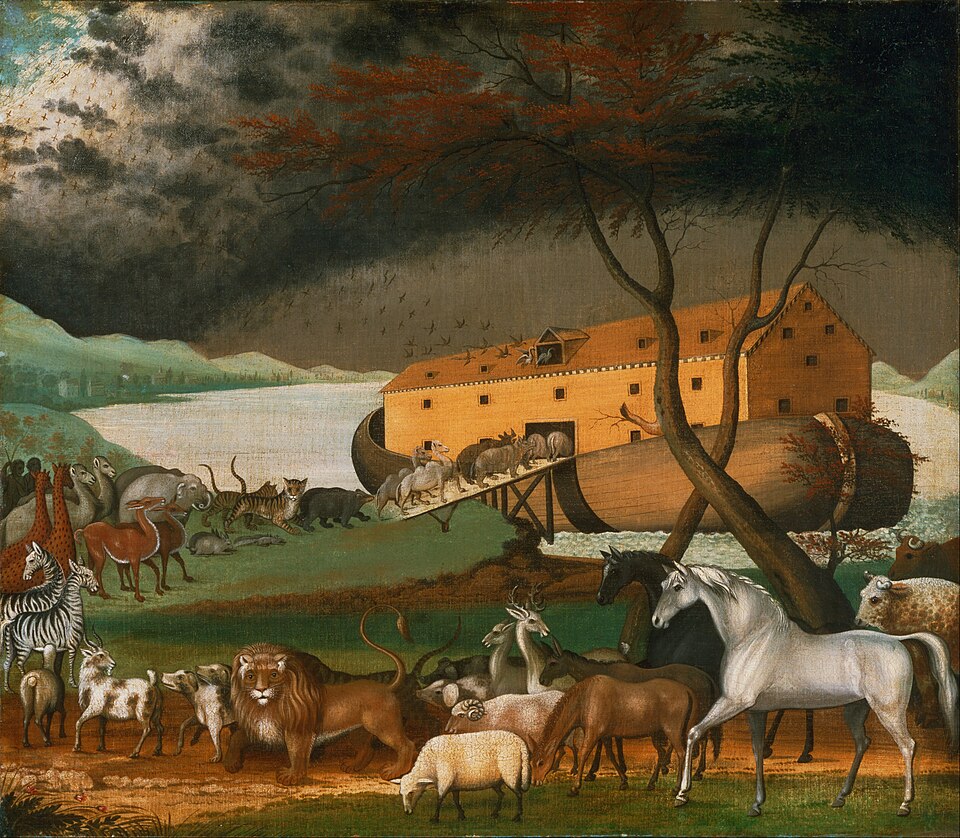
Scripture calls him “a righteous man, blameless in his generation” who “walked with God.”
Genesis 6:9
In the cave at En-gedi he spared King Saul and said, “May I never lift my hand against him, since he is the LORD’s anointed.”
1 Samuel 24:6The temple paymasters
In the reign of Joash no accounting was required from the men who paid the workmen, “because they acted with integrity.”
2 Kings 12:15Hananiah
Nehemiah put him in charge of Jerusalem with Hanani, “because he was a faithful man who feared God more than most.”
Nehemiah 7:2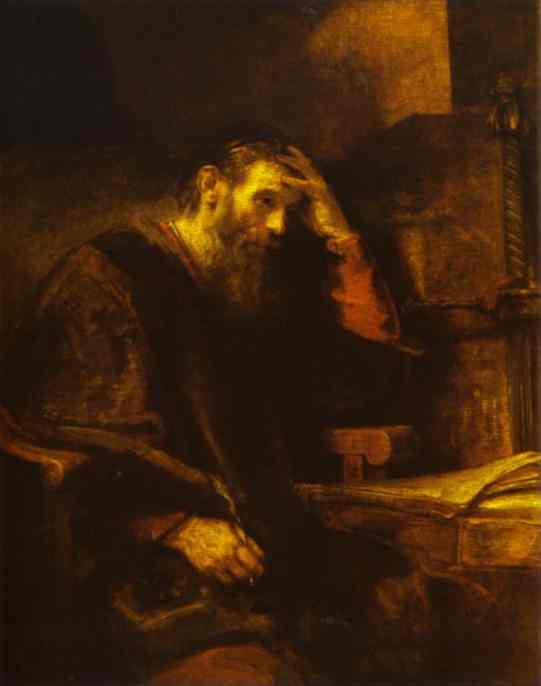
Before the governor Felix he said, “I strive always to maintain a clear conscience before God and man.”
Acts 24:16
The temple paymasters, Hananiah, Paul
The Practice of Integrity
Scripture names seven practices of integrity, each in the words of the verse that gives it.
- 1Keep the tongue clean“Keep your tongue from evil and your lips from deceitful speech.”Psalm 34:13
- 2Keep your word when it costs“he must not break his word; he must do everything he has promised.”Numbers 30:2
- 3Lend without interest and refuse the bribe“who lends his money without interest and refuses a bribe against the innocent.”Psalm 15:5
- 4Use honest weights“Dishonest scales are an abomination to the LORD, but an accurate weight is His delight.”Proverbs 11:1
- 5Say yes and mean it“Simply let your “Yes” be yes, and your “No,” no, so that you will not fall under judgment.”James 5:12
- 6Keep the same habits under pressure“three times a day he got down on his knees, prayed, and gave thanks to his God, just as he had done before.”Daniel 6:10
- 7Walk with integrity at home“I will walk in my house with integrity of heart.”Psalm 101:2
Keep your word when it costs, Lend without interest and refuse the bribe, Use honest weights, Say yes and mean it, Keep the same habits under pressure, Walk with integrity at home
What Stands Against Integrity
The law forbids the bribe and the false oath, and the church at Jerusalem met the lie of Ananias.
The law warns, “Do not accept a bribe, for a bribe blinds those who see and twists the words of the righteous” (Exodus 23:8). It forbids the false oath: “You must not swear falsely by My name and so profane the name of your God” (Leviticus 19:12).
Did it not belong to you before it was sold? And after it was sold, was it not at your disposal? How could you conceive such a deed in your heart? You have not lied to men, but to God!”Peter shows that Ananias's lie about the price of his land was told to God, so a divided word is a sin against God before it wrongs the church.
Integrity in the Stories of the Bible
Five stories tell of a refusal in Egypt, a judge who took nothing, a prophet who refused a fortune, a man tested and a man spied on.
Joseph refuses his master's wifeGenesis 39
Joseph was a slave in the house of Potiphar, "an officer of Pharaoh and captain of the guard" (Genesis 39:1), and his master's wife tried to take him to bed. He refused her. When she accused him falsely, his master had him thrown into the prison "where the king's prisoners were confined" (Genesis 39:20).
No one in this house is greater than I am. He has withheld nothing from me except you, because you are his wife. So how could I do such a great evil and sin against God?”
Genesis 39:9BSB Joseph names his refusal as loyalty to God before it is loyalty to his master.
Read the story of Joseph and Potiphar's Wife 11 sections, 7 verses set out
Samuel's farewell1 Samuel 12
When Israel had its first king, Samuel stood before the people at his farewell and called them to witness against him. The people answered, "You have not wronged us or oppressed us" (1 Samuel 12:4).
Here I am. Bear witness against me before the LORD and before His anointed: Whose ox or donkey have I taken? Whom have I cheated or oppressed? From whose hand have I accepted a bribe and closed my eyes? Tell me, and I will restore it to you.”
1 Samuel 12:3BSB Samuel calls the people and the LORD's anointed to witness against him, and no one can.
Read the page on Samuel 14 sections, 26 verses set out
Elisha refuses Naaman's gift2 Kings 5
Naaman, the commander of the army of Aram, came to Elisha and was healed of leprosy. His servant Gehazi ran after Naaman and took silver and clothing. When Elisha asked where he had been, Gehazi answered, "Your servant did not go anywhere" (2 Kings 5:25), and the leprosy of Naaman came upon him (2 Kings 5:27).
But Elisha replied, “As surely as the LORD lives, before whom I stand, I will not accept it.” And although Naaman urged him to accept it, he refused.
2 Kings 5:16BSB Elisha swears by the living LORD that he will take nothing for a healing God has given.
Job keeps his integrityJob 1 to 2
God called Job blameless and upright before any trial began (Job 1:8). Job lost his children, his flocks and then his health. At the end of his defence he swore an oath of clearance and set his signature to it (Job 31:35).
Then the LORD said to Satan, “Have you considered My servant Job? For there is no one on earth like him, a man who is blameless and upright, who fears God and shuns evil. He still retains his integrity, even though you incited Me against him to ruin him without cause.”
Job 2:3BSB God's own verdict after the first losses names what Satan's attack failed to take.
Read the story of Job's Integrity 8 sections, 6 verses set out
Daniel under DariusDaniel 6
King Darius planned to set Daniel over the whole kingdom, and his rivals turned against him. When the king signed a decree against prayer to any god but himself, Daniel went on praying toward Jerusalem and was thrown to the lions. In the morning he told the king that he had been found innocent in God's sight (Daniel 6:22).
Thus the administrators and satraps sought a charge against Daniel concerning the kingdom, but they could find no charge or corruption, because he was trustworthy, and no negligence or corruption was found in him.
Daniel 6:4BSB Daniel's enemies find nothing against him, and the text gives the reason in his trustworthiness.
Read the story of Daniel's Open Window 7 sections, 8 verses set out
Samuel's farewell (1 Samuel 12), Elisha refuses Naaman's gift (2 Kings 5), Job keeps his integrity (Job 1 to 2), Daniel under Darius (Daniel 6)
2 Kings 5:16, Job 2:3, Daniel 6:4
Integrity in the Church's History
Four accounts tell of a bishop who would not swear by Caesar, a book against lying, a refused oath of succession and a confession on lawful oaths.
Polycarp before the proconsul2nd century
The Martyrdom of Polycarp records that the proconsul of Asia pressed the old bishop of Smyrna, "Swear, and I will set you at liberty, reproach Christ". Polycarp answered, "Eighty and six years have I served Him, and He never did me any injury: how then can I blaspheme my King and my Saviour?"
Read the story of Polycarp 8 sections, 3 verses set out
Augustine on lyingabout 395
Augustine's treatise On Lying, translated by H. Browne in 1887, places the lie in a double heart. He wrote that one who says a false thing he believes to be true "is not rightly said to lie; because he has not a double heart when he utters it, neither does he wish to deceive, but is deceived".
Read the debate on Truth-Telling and Deception 12 sections, 13 verses set out
Thomas More refuses the oath1534 to 1535
Gilbert Huddleston's article in the Catholic Encyclopedia of 1912 reports that the Act of Succession of March 1534 required an oath. More was summoned to Lambeth on 14 April to take it, refused, and was committed to custody. He was "executed at Tower Hill, 6 July, 1535".
The Westminster Confession on oaths17th century
Chapter 22 of the Westminster Confession, "Of Lawful Oaths and Vows", says that an oath is to be taken "in the plain and common sense of the words, without equivocation or mental reservation". It adds that an oath "is not to be violated, although made to heretics or infidels".
Read the study of A Costly Oath Kept 7 sections, 8 verses set out
Augustine on lying (about 395), Thomas More refuses the oath (1534 to 1535), The Westminster Confession on oaths (17th century)
Voices on Integrity, by Century
Two quotations, from the eighteenth century and the nineteenth, each under the line it teaches.
1662 to 1714 · Matthew Henry
Commentary on the Whole Bible
An eighteenth-century reading: a conscience that witnesses to integrity is a joy in the day of trouble.
The quotation1 quotation
Read the page on Matthew Henry
“If our consciences witness to our integrity, and that, however we may have been cheated into a snare, we have not knowingly and wittingly sinned against God, it will be our rejoicing in the day of evil. He pleads with God as Abraham had done, ch. xviii. Wilt thou slay a righteous nation?”
Matthew Henry · Commentary on the Whole Bible · on Genesis 20:6Puritan
1834 to 1892 · Charles Spurgeon
The Treasury of David, Vol. 2
A nineteenth-century reading: the believer's integrity is upheld by God's hand and would fall without it.
The quotation1 quotation
Read the page on Charles Spurgeon
“And as for me, despite them all and in the sight of them all, thou upholdest me in mine integrity; thy power enables me to rise above the reach of slander by living in purity and righteousness. Our innocence and consistency are the result of the divine upholding. We are like those glasses without feet, which can only be upright while they are held in the hand; we fall, and spill, and spoil all, if left to ourselves. The Lord should be praised every day if we are preserved from gross sin.”
Charles Spurgeon · The Treasury of David, Vol. 2 · on Psalm 41:12
How Integrity Has Been Taught
Chrysostom and Ambrose in the fourth century taught the weight of an oath and the limit of a rash vow.
Chrysostom taught that an oath wounds the one who swears it.1 paragraph
In his fifteenth Homily on the Statues, translated by W. R. W. Stephens in 1889, John Chrysostom urged the people of Antioch to give up swearing. He wrote, "The sword is not so piercing as the nature of an oath! The sabre is not so destructive as the stroke of an oath!"
Ambrose taught that a rash vow is better broken than kept.1 paragraph
In On the Duties of the Clergy (book 3, chapter 12), Ambrose of Milan wrote of Judges 11, "The vow taken by Jephtha is condemned". He added, "Never shall I be led to believe that the leader Jephtha made his vow otherwise than without thought".
The Studies of Integrity
Each study takes one part of integrity into more depth.
The texts
1 study
- Passages and psalms · 7 verses set outWho May Dwell on Your Holy Mountain?
Psalm 15 puts a question to the LORD in its first verse and answers it in the four verses that follow.
- Passages and psalms · 7 verses set outWho May Dwell on Your Holy Mountain?
The stories
2 studies
- Stories · 8 verses set outDaniel's Open Window
Daniel served Darius the Mede as one of three administrators over 120 satraps, and the officials beside him plotted his fall.
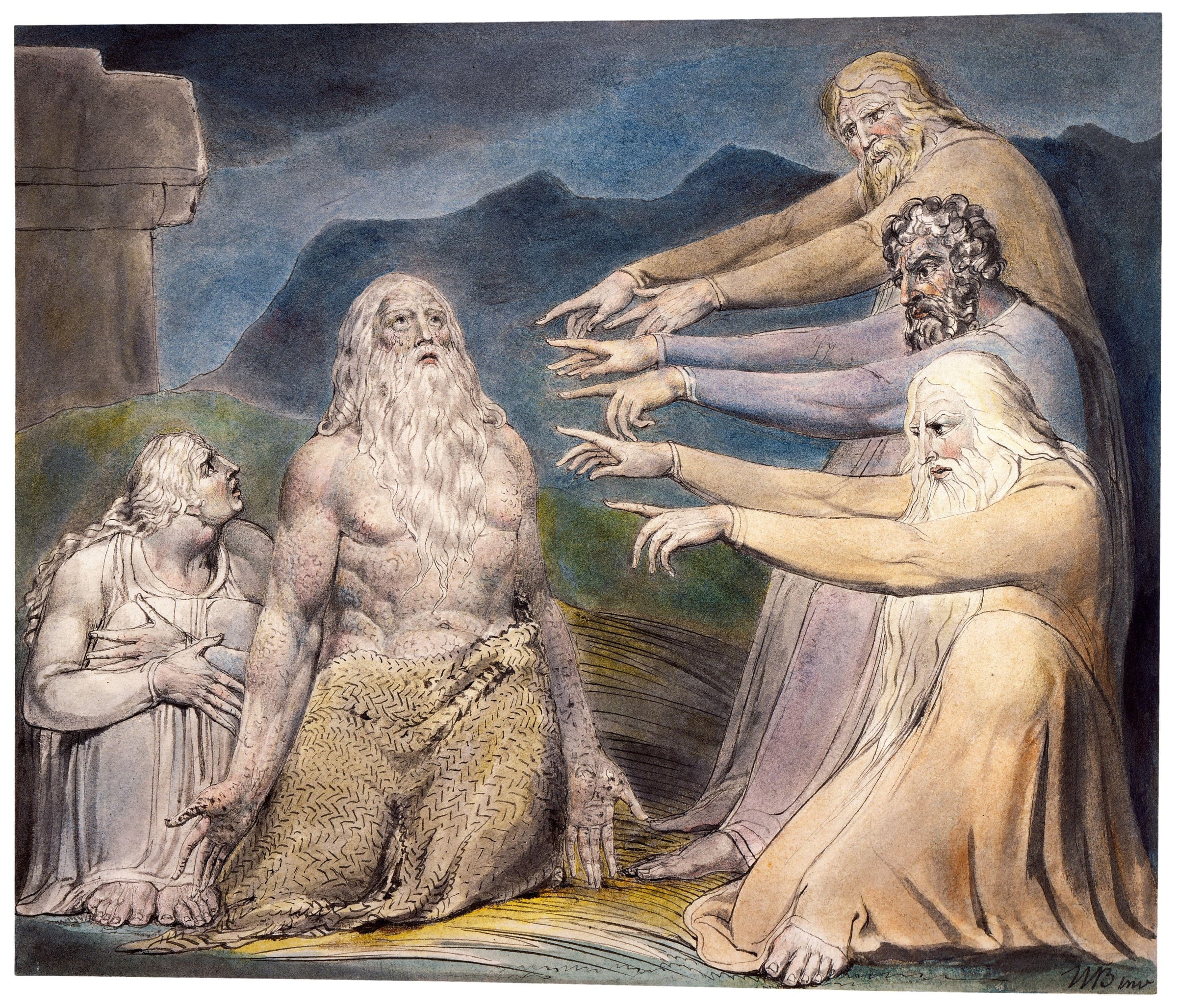
- Stories · 6 verses set outJob's Integrity
Job held to his integrity through the loss of his children, his wealth and his health, and he defended it against his friends with oaths before God.
- Stories · 8 verses set outDaniel's Open Window
The words
1 study
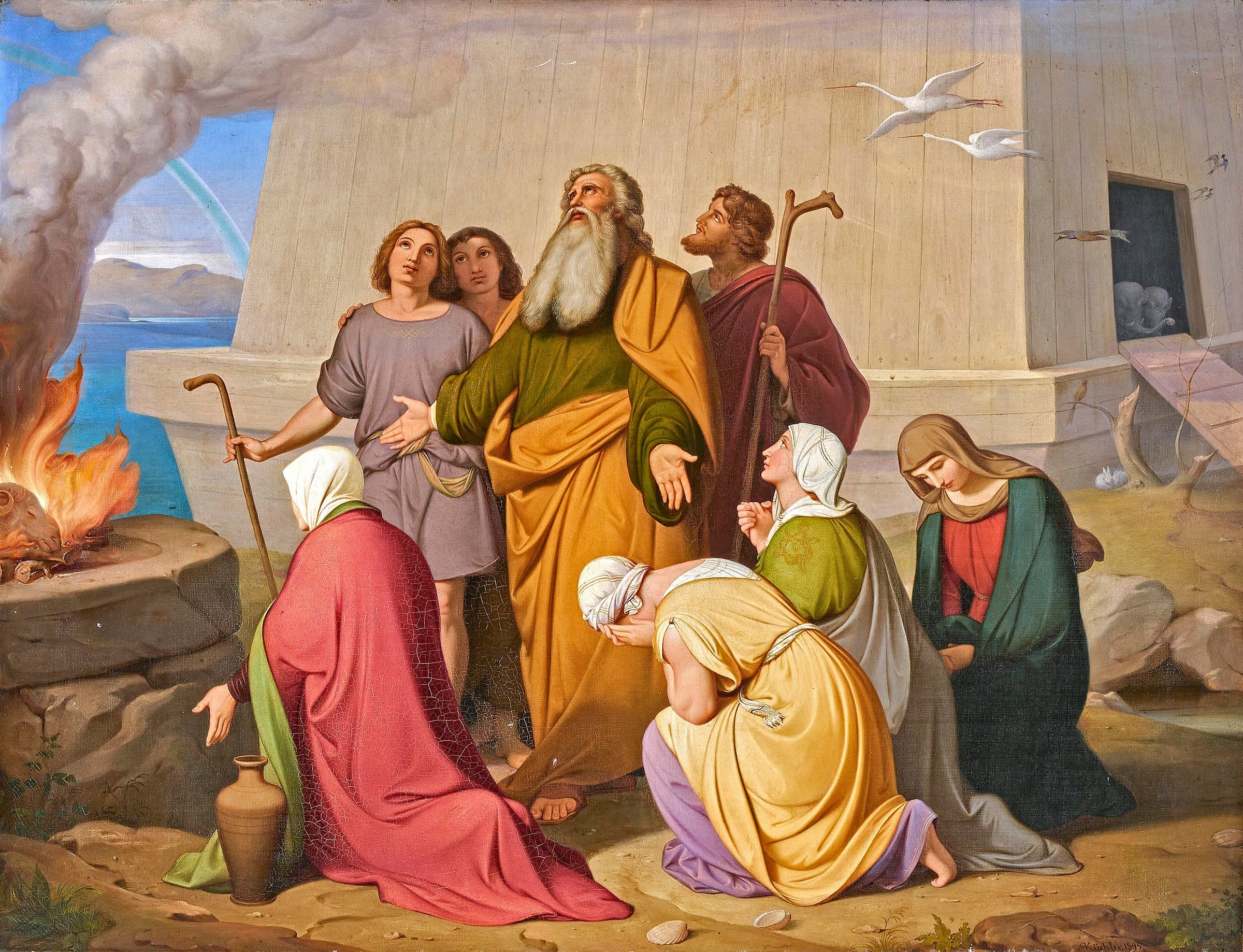
- Symbols and words · 9 verses set outThe Words Tom and Tamim
Tom and tamim describe Noah, Abram, Job and David, and tamim also every unblemished animal brought to the altar.
- Symbols and words · 9 verses set outThe Words Tom and Tamim
The practice
1 study
- Doctrines · 8 verses set outA Costly Oath Kept
Scripture records oaths kept at a cost and oaths broken, from Israel's treaty with Gibeon to the teaching of Jesus on plain speech.
- Doctrines · 8 verses set outA Costly Oath Kept
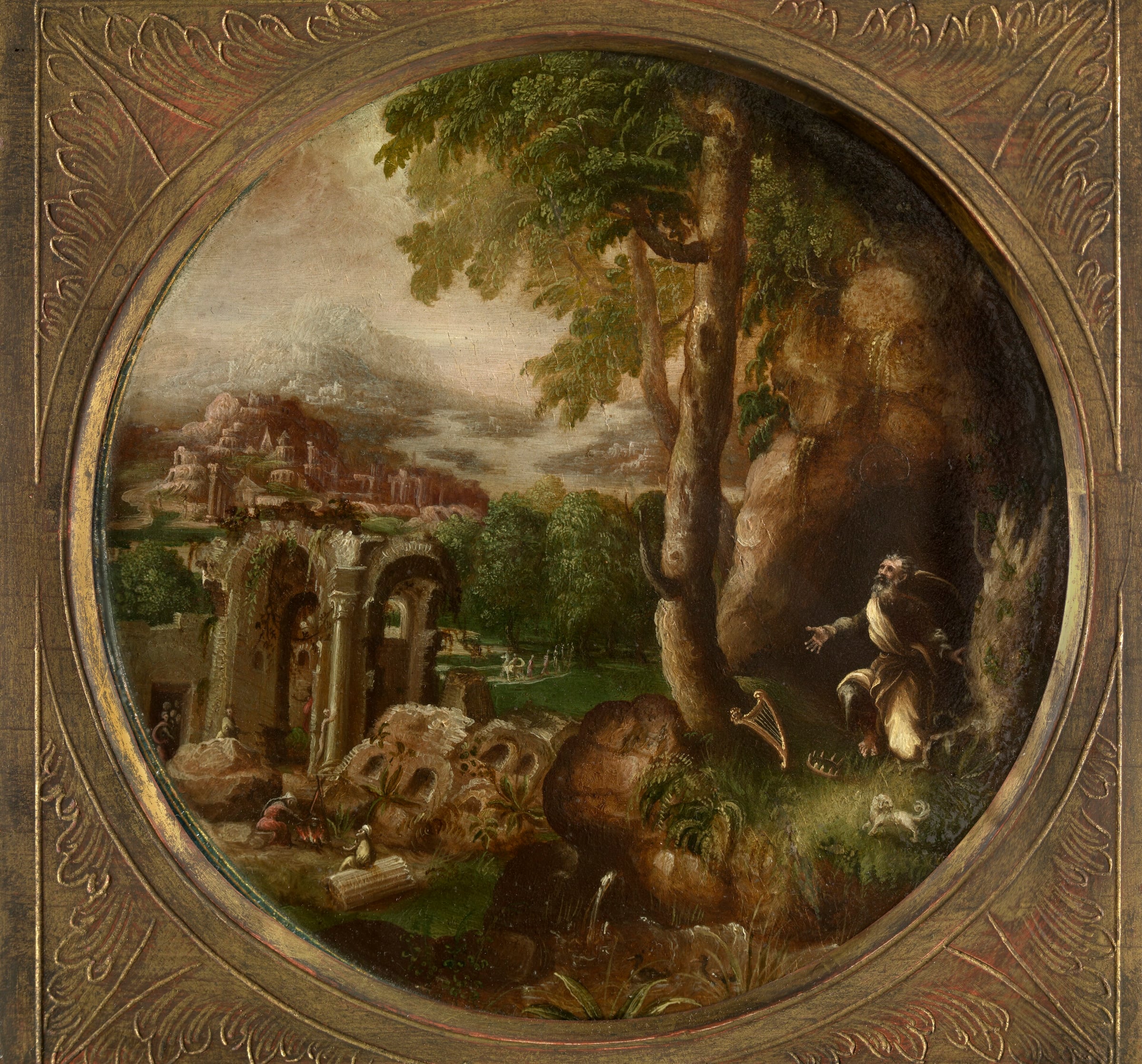
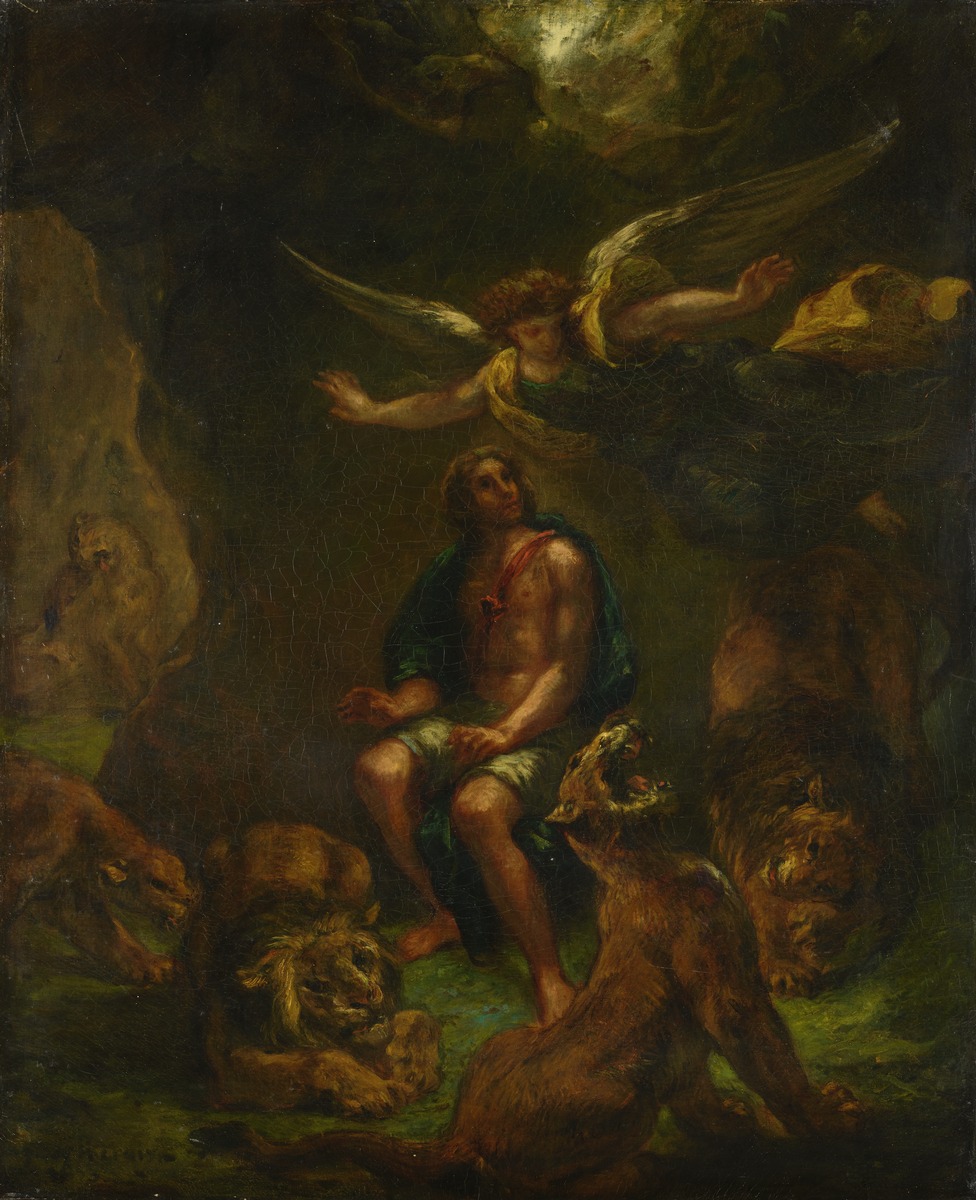
Daniel's Open Window, Job's Integrity, The Words Tom and Tamim, A Costly Oath Kept
Where Readers Disagree
Five readings answer three questions, each with its holders, the work that argues it and the objection raised against it.
May a Christian swear an oath
| Reading | Held by | Work | Objection |
|---|---|---|---|
| A lawful oath is warranted in matters of weight | The Westminster Assembly (Reformed confession) | The Westminster Confession, chapter 22, section 2 | James forbids swearing "by any other oath" (James 5:12). |
| The disciple swears no oath | John Chrysostom (Greek patristic preaching) | Chrysostom, Homilies on the Statues, homily 15, translated by W. R. W. Stephens (1889) | In Matthew 23:16 to 22 Jesus attacks oaths by the temple, its gold, the altar and the gift as evasions, so the ban may aim at such formulas. |
Was Jephthah bound by his vow
Read the debate on Jephthah's Vow 12 sections, 16 verses set out
| Reading | Held by | Work | Objection |
|---|---|---|---|
| The vow should have been broken, since an oath cannot oblige to sin | Ambrose of Milan; the Westminster Assembly (Latin patristic writing; Reformed confession) | Ambrose, On the Duties of the Clergy, book 3, chapter 12; the Westminster Confession, chapter 22, section 4 | Ecclesiastes 5:4 to 5 says a vow made to God must be paid, and Jephthah said he could not take his word back (Judges 11:35). |
Did Job keep his integrity in his speeches
Read the story of Job's Integrity 8 sections, 6 verses set out
| Reading | Held by | Work | Objection |
|---|---|---|---|
| Yes, God's verdict says he spoke rightly | Gregory the Great (Latin patristic writing) | Gregory, Morals on the Book of Job, book 18, on Job 27:5; Job 42:7 | The LORD asked Job, "Would you condemn Me to justify yourself?" (Job 40:8), and Job retracted his words (Job 42:6). |
| He kept his innocence and went too far in his words | Matthew Henry (English Nonconformist commentary) | Henry, Commentary on the Whole Bible (1710), on Job 27:2 | God told Eliphaz that he and his friends had not spoken accurately about Him, "as My servant Job has" (Job 42:7). |
Sources
Scripture is the Berean Standard Bible.
- STEP Bible, Translators Brief lexicon of Extended Strongs for Hebrew (Tyndale House, Cambridge), CC BY 4.0.
- The Martyrdom of Polycarp, chapter 9, Ante-Nicene Fathers, volume 1.
- Augustine of Hippo, On Lying, translated by H. Browne, Nicene and Post-Nicene Fathers, first series, volume 3 (1887)
- Gilbert Huddleston, St. Thomas More, The Catholic Encyclopedia, volume 14 (New York: Robert Appleton, 1912)
- The Westminster Confession of Faith, chapter 22, Of Lawful Oaths and Vows, sections 2 and 4.
- John Chrysostom, Homilies on the Statues, homily 15, translated by W. R. W. Stephens, Nicene and Post-Nicene Fathers, first series, volume 9 (1889)
- Ambrose of Milan, On the Duties of the Clergy, book 3, chapter 12, translated by H. de Romestin and others, Nicene and Post-Nicene Fathers, second series, volume 10.
- Augustine of Hippo, Exposition on Psalm 15, on verse 2 (Nicene and Post-Nicene Fathers, first series, volume 8)
- Matthew Henry, Commentary on the Whole Bible (1710), on Genesis 20:6 and Job 27:2.
- Charles Spurgeon, The Treasury of David, volume 1 (1869) on Psalm 25:21 and volume 2 (1870) on Psalm 41:12.
- Gregory the Great, Morals on the Book of Job, book 18, on Job 27:5.
Keep Studying
Studies10
In this value5
People and groups23
Show the next 6 titles
Show the next 6 titles
Doctrines1
Values2