
Study
The featured studies
The studies in Women of Scripture, sorted by the kind of thing each one teaches.
Summary
Women of Scripture holds 22 of the site's 1112 featured studies, in 2 of the ten kinds.
- 1 study asks what one passage says, line by line.
- 21 studies ask who one person or one people was, and what part they take in the story.
The studies by kind
Passages and psalms
These studies take a chapter, a song or a single teaching and read it line by line. Each stays inside one passage and follows its own movement.
1 studies, 0 as cards, 1 in the register
The register: 1 studies of this kind
People and groups
Lives told from first mention to last, and the nations, families and parties around Israel and the church. The full roster of names stands on the people hub; these are the studies built around one life or one people.
21 studies, 7 as cards, 14 in the register
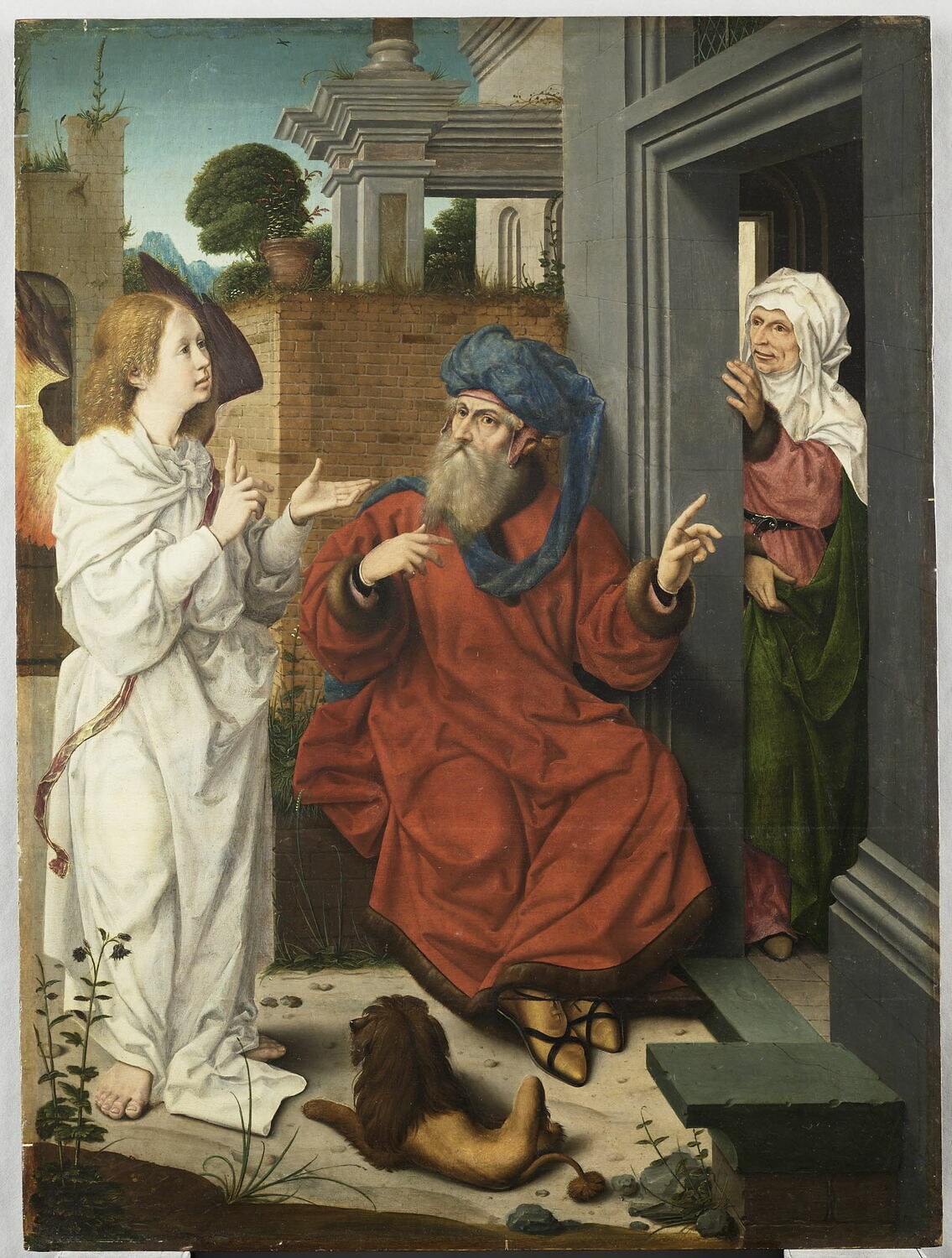 Sarah: Mother of NationsThe wife who laughed at the promise, was twice passed off as a sister, and is the only woman whose age at death Scripture records.
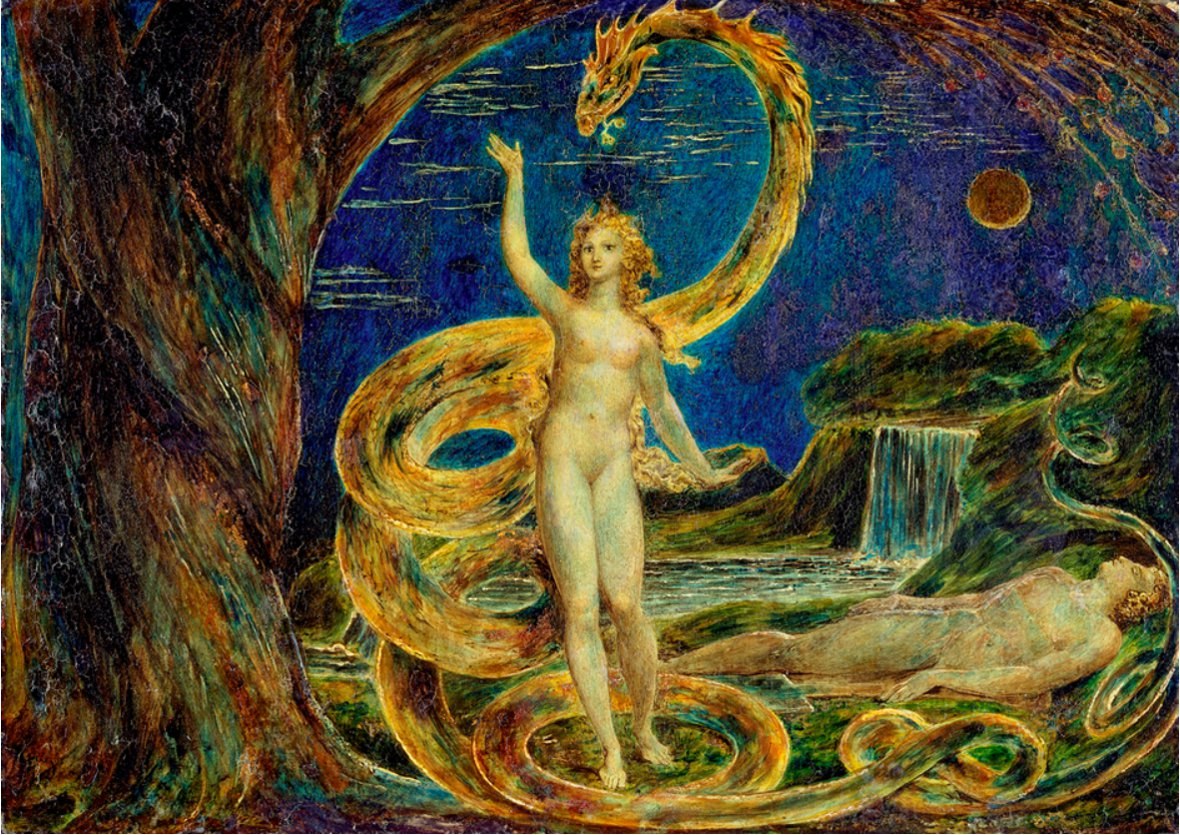 Eve: The Mother of All LivingThe first woman, the first promise of a seed that would bruise the serpent, and the first funeral, read forward from Genesis 3 rather than backward from the Fall.
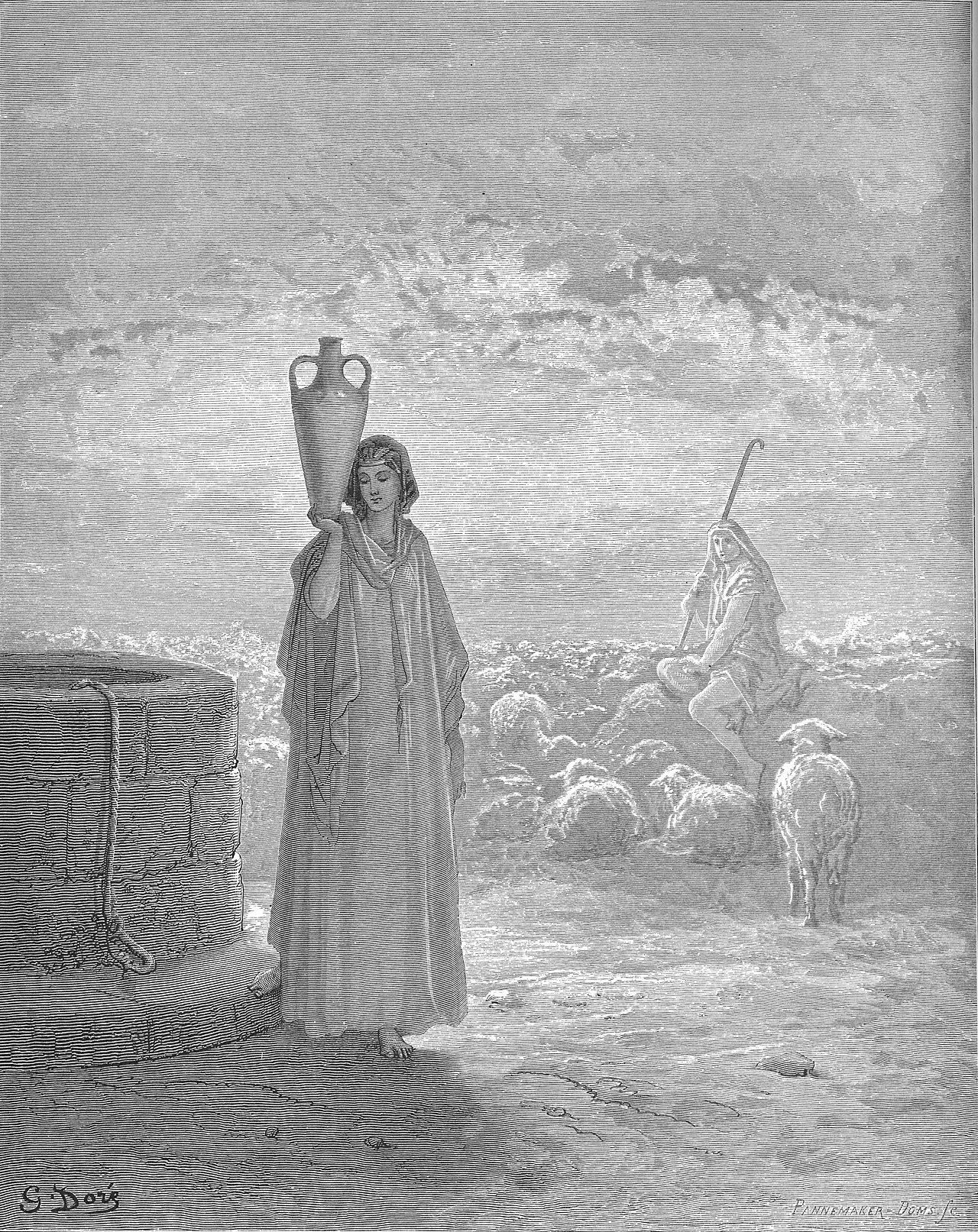 Rachel and LeahTwo sisters married to one man, the tribes that came from each, and the weeping mother Jeremiah and Matthew both call by Rachel's name.
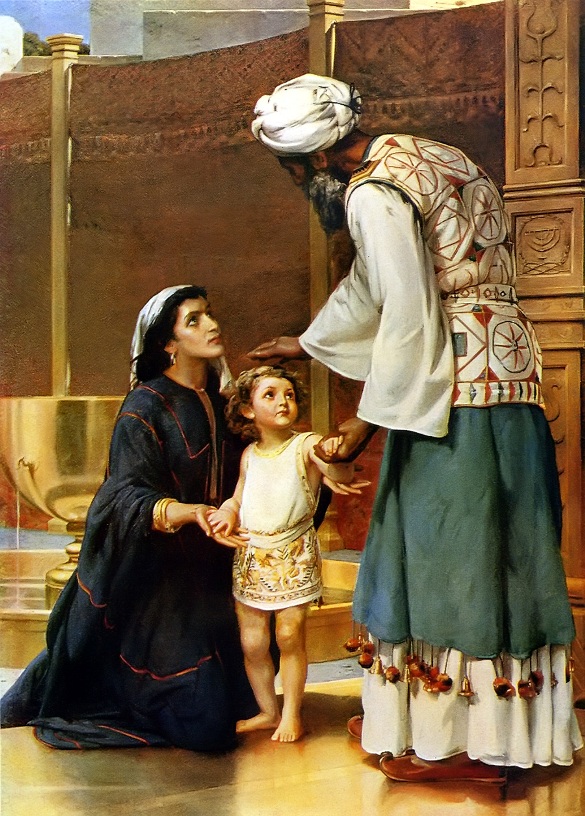 Hannah: 1 Samuel 1:1–2:21A barren woman's vow at Shiloh, the prayer Eli mistook for drink, and the song Mary later takes up almost line for line.
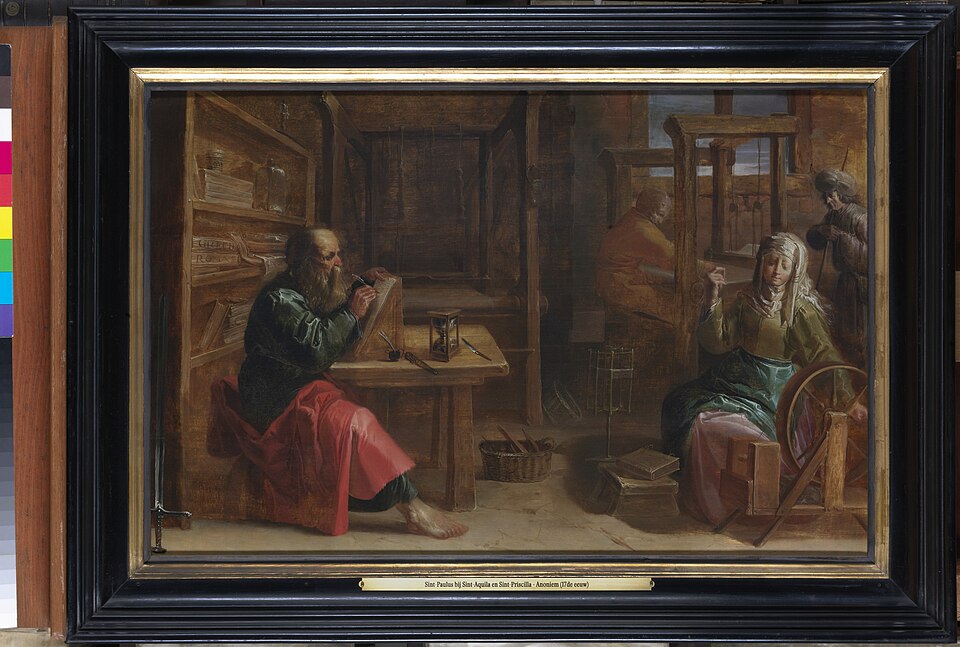 Priscilla: She Explained the Way More AccuratelyThe tentmaker who, with Aquila, took the eloquent Apollos aside and taught him the way of God more accurately, and who is named first in four of their six mentions.
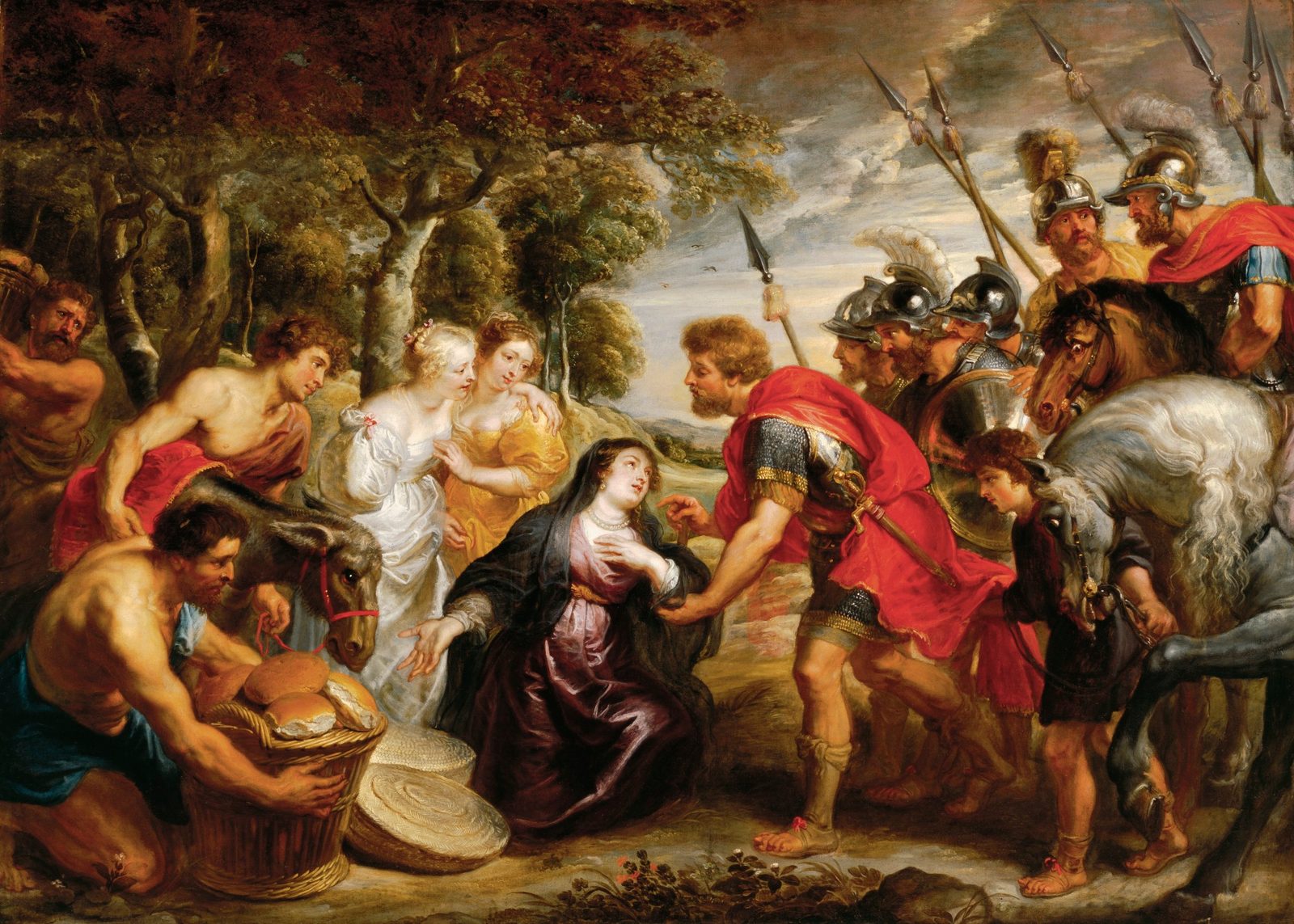 AbigailThe woman who rode out to meet David with two hundred loaves and talked him out of a massacre, then buried a husband and married a king.
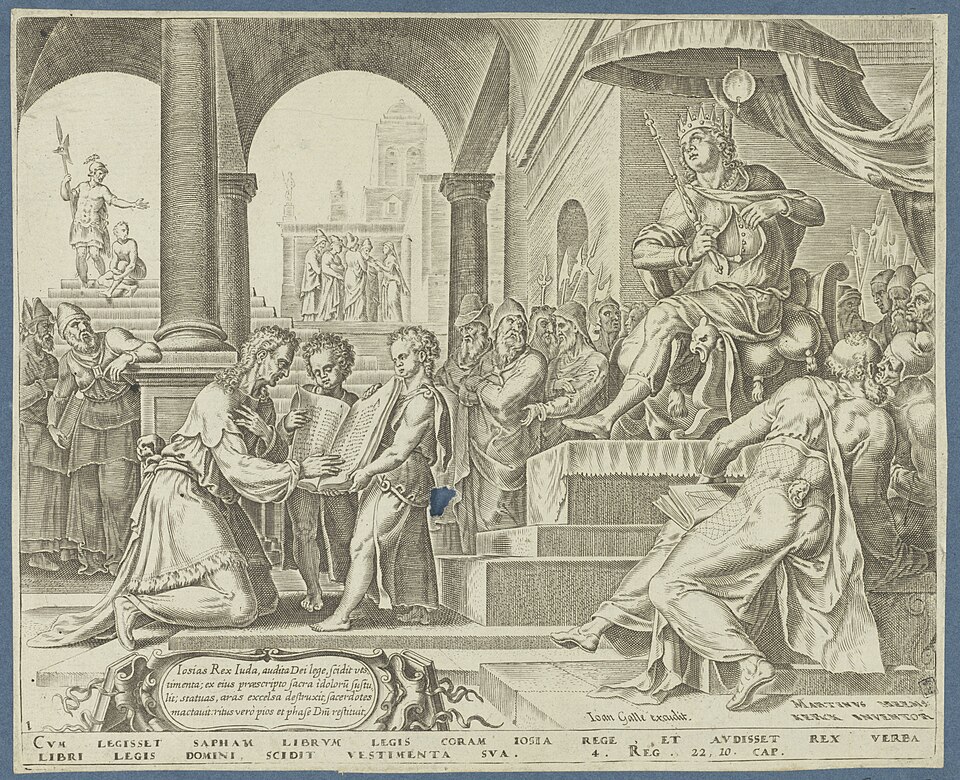 Huldah, the Prophetess Who Authenticated ScriptureThe prophetess the king's own high priest went to when the lost book was found, and what her verdict settled about the text before Josiah acted on it.
The register: 14 more studies of this kind
- Deborah and Jael
- Dinah at Shechem
- Hagar
- Lydia: Acts 16:11–15, 40Lydia was a wealthy trader in purple cloth from Thyatira, already a worshipper of God, whom Paul met at a riverside prayer meeting outside Philippi.
- Mary Magdalene: the Witness at the TombMary Magdalene was delivered from seven demons, helped fund Jesus's ministry, stayed at the cross when most fled, and was the first person to see Him risen.
- Mary of NazarethA teenage girl in Nazareth says yes to an angel, sings the longest speech given to any woman in the New Testament, and stands at a cross thirty years later, given by her dying son into another man's care.
- Miriam, the Prophetess
- Phoebe: Servant, Patron, Letter-CarrierPhoebe appears in exactly two verses, and three Greek words carry nearly all of the interpretive freight: diakonos, servant, the same word Paul uses of himself and of Christ; prostatis, patron, naming her among the earliest church's material supporters; and the letter she is widely believed to have carried to Rome.
- Rebekah
- Rizpah: 2 Samuel 21:1-14A three-year famine, read as judgment for Saul's broken oath to the Gibeonites, ends with seven of Saul's male descendants handed over and hanged.
- Ruth
- Shiphrah and Puah, the Hebrew Midwives
- The Proverbs 31 Woman: Proverbs 31:10-31Proverbs 31:10-31 is an acrostic poem, one verse per Hebrew letter, describing a woman of eshet chayil, the same word used of warriors and valor.
- The Women Who Followed: Luke 8:1-3 and the Passion WitnessesLuke 8:1-3 names Mary Magdalene, Joanna the wife of Herod's steward, Susanna, and many others as women who traveled with Jesus and funded His ministry from their own means.
Keep studying
On this page
People and groups1
The text itself3
The roster is the site’s own build manifest, so no study can be missing from it. A study leads its kind when it carries a line of its own and more of the other studies link to it; a register row with no line of its own borrows the first sentence of the study’s own summary. The pictures are public domain: engravings by Gustave Doré from Doré’s English Bible(1866), and paintings held at Wikimedia Commons. Each is named in full on the study’s own page.