
Study
The featured studies
The studies in How We Got the Bible, sorted by the kind of thing each one teaches.
Summary
How We Got the Bible holds 24 of the site's 1112 featured studies, in 4 of the ten kinds.
- 20 studies ask what a whole book of the Bible says from end to end.
- 1 study asks what one passage says, line by line.
- 1 study asks why Christians read the same texts differently.
- 2 studies ask what one word or picture carries wherever Scripture uses it.
The studies by kind
Books of the Bible
One study for each book, with the studies of how the Bible came to us and how its writers wrote. This is the place to begin a book from end to end.
20 studies, 8 as cards, 12 in the register
 How We Got the BibleJosephus's twenty-two books, the three tests of canonicity, the Muratorian Fragment, and Athanasius's 367 letter, the first list of exactly today's twenty-seven.
 The Sects of Second Temple JudaismPharisees, Sadducees, Essenes, and Zealots: four answers to faithfulness under Rome, and where each one collided with Jesus.
 The Bible and SlaveryThe historical frame, what the Law actually protects, Paul's letter to a slave-owner, and the objection presented at full strength, unsoftened, no triumphalism.
 The Bible and the Ancient Near EastHammurabi, Gilgamesh, Enuma Elish and the Hittite treaty form set honestly beside Genesis, Exodus and Deuteronomy, what does a parallel actually prove?
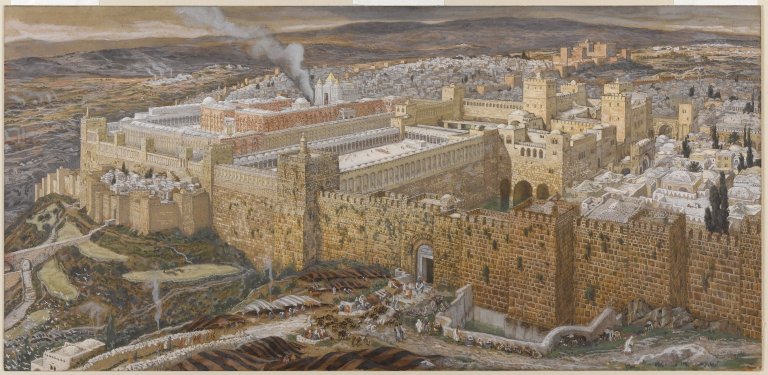 The Intertestamental PeriodThe 400 years between Malachi and Matthew, Alexander, Antiochus, the Maccabees, and Rome, setting the stage the New Testament opens on.
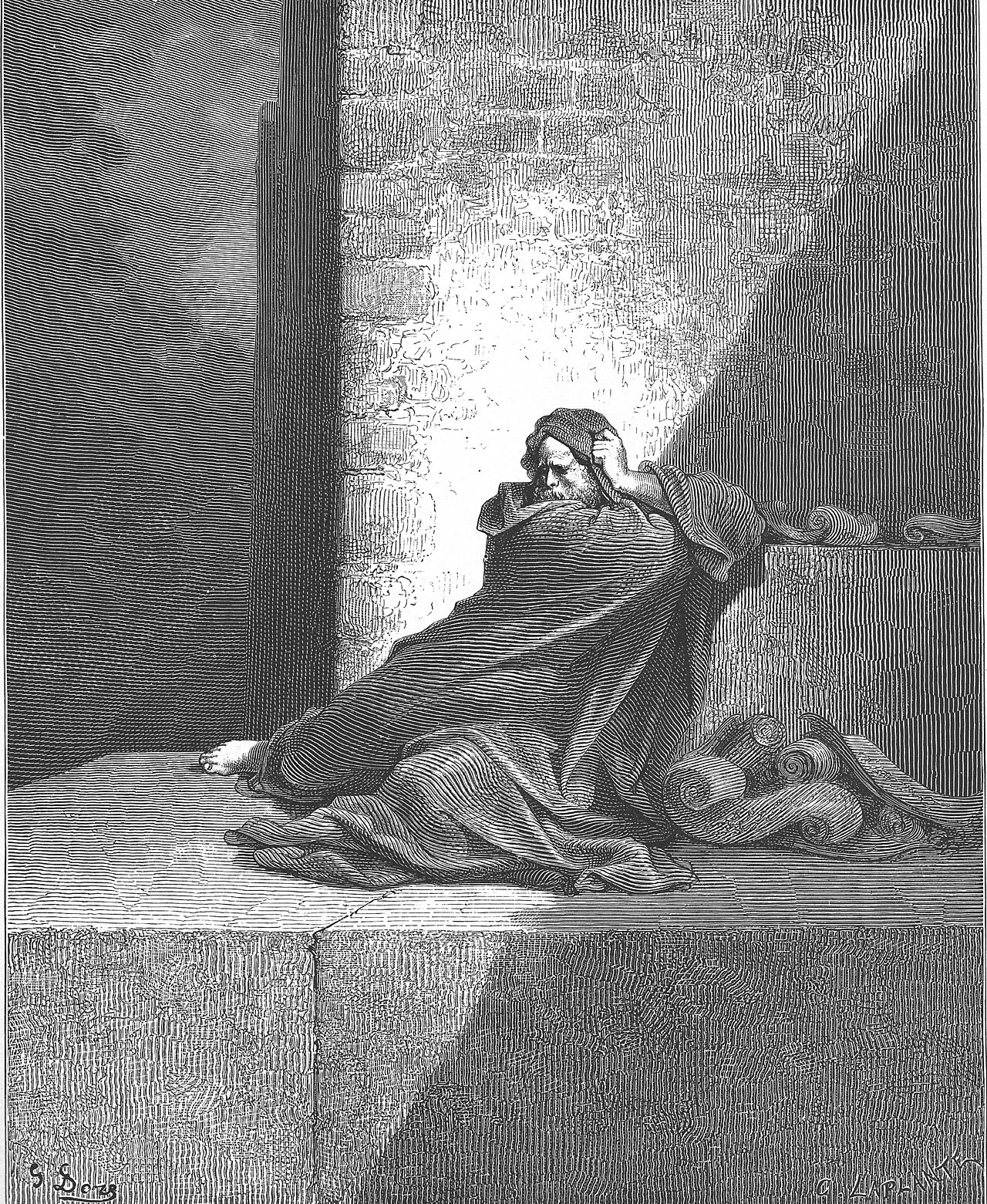 The TanakhThe same thirty-nine books, walked as three chambers — Torah, Nevi'im, Ketuvim — and what that arrangement was built to emphasize.
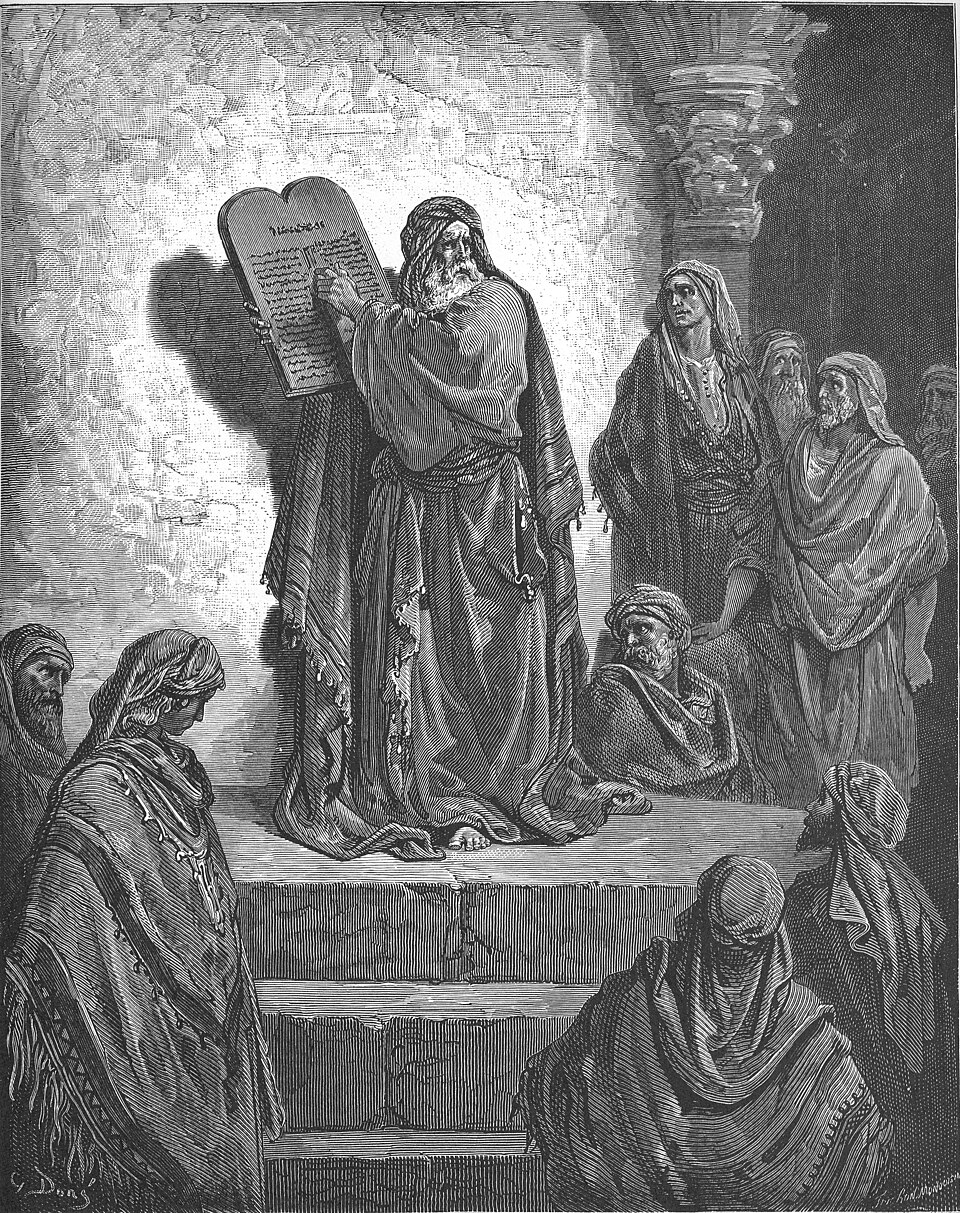 How to Study the BibleObservation, interpretation, application: genre-aware reading rules, word studies, cross-references, and the house hermeneutic behind every MannaFest page.
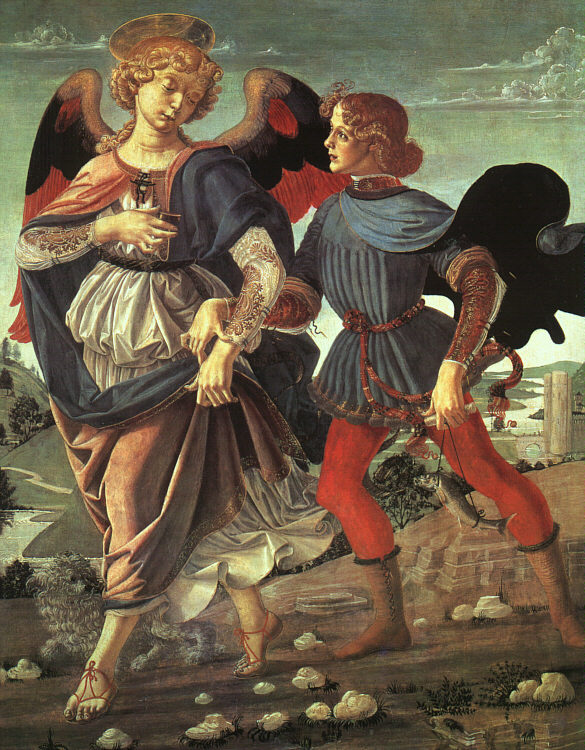 The ApocryphaThe fourteen-to-fifteen books that ride between the testaments — labeled study resources, never part of the 66.
The register: 12 more studies of this kind
- 1 Enoch: The Book Jude Quotes1 Enoch is a five-book Jewish library that Jude quotes by name and Jesus appears to draw on when he answers the Sadducees on marriage and the resurrection.
- How Prophecy WorksBiblical prophecy is forth-telling before it is foretelling: a message spoken for God about the present, inside which specific predictions sit.
- Paul and the PoetsThree occasions, four pagan lines: Epimenides quoted twice (Mars Hill and Crete), Aratus at Athens, Menander in Corinth, and what Paul's method licenses.
- The Ending of Mark — 16:9–20The oldest manuscripts stop at Mark 16:8, mid-sentence, the evidence for and against the longer ending, laid out openly.
- The Hebrew Calendar
- The Jewish Day and the Watches of the NightThe Jewish day ran from evening to evening, not midnight to midnight.
- The Maccabean RevoltThis page tracks four centuries between Malachi and Matthew through two timelines, a desecrated altar, a family's revolt, and the fast that became Hanukkah.
- The Prophetic Word Made SureNear the end of his life, Peter grounds the gospel he preached in what he actually saw: the Transfiguration on the holy mountain.
- Weights, Measures, and Money in Scripture
- Who Decided the Canon?This page walks the timeline of how the biblical canon actually formed, from the counted Hebrew books through Jerome's line, the Reformers, Trent, Jerusalem, and Ethiopia, and shows what the four living lists share and where they differ.
- Who Wrote the Pastorals? — 1–2 Timothy & Titus1–2 Timothy and Titus's contested authorship, laid out as a claim-evidence-counter ledger, the traditional and critical cases both at full strength.
- Wisdom Before ChristThis page maps the wisdom stream across five stations, from Proverbs through two between-Testament study resources into the New Testament, then names what that stream shows about Christ's arrival.
Passages and psalms
These studies take a chapter, a song or a single teaching and read it line by line. Each stays inside one passage and follows its own movement.
1 study
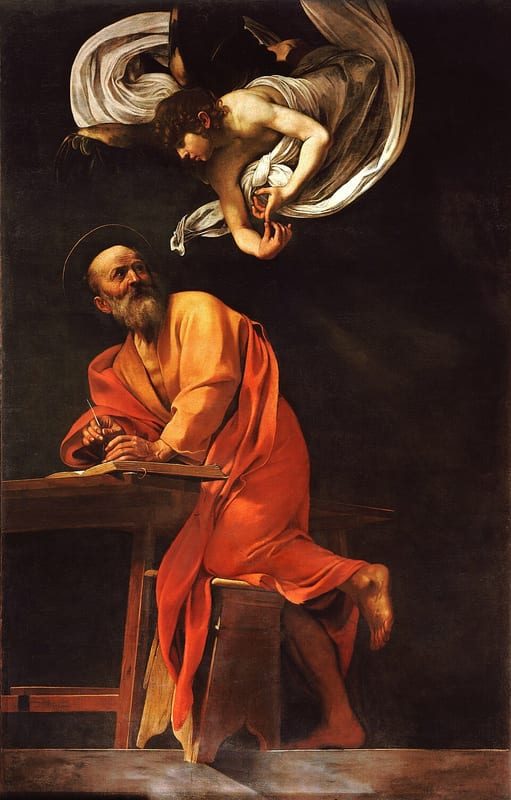
Questions Christians answer differently. Each study sets out the texts both sides read, the positions with their holders, and where this site's tradition lands.
1 study
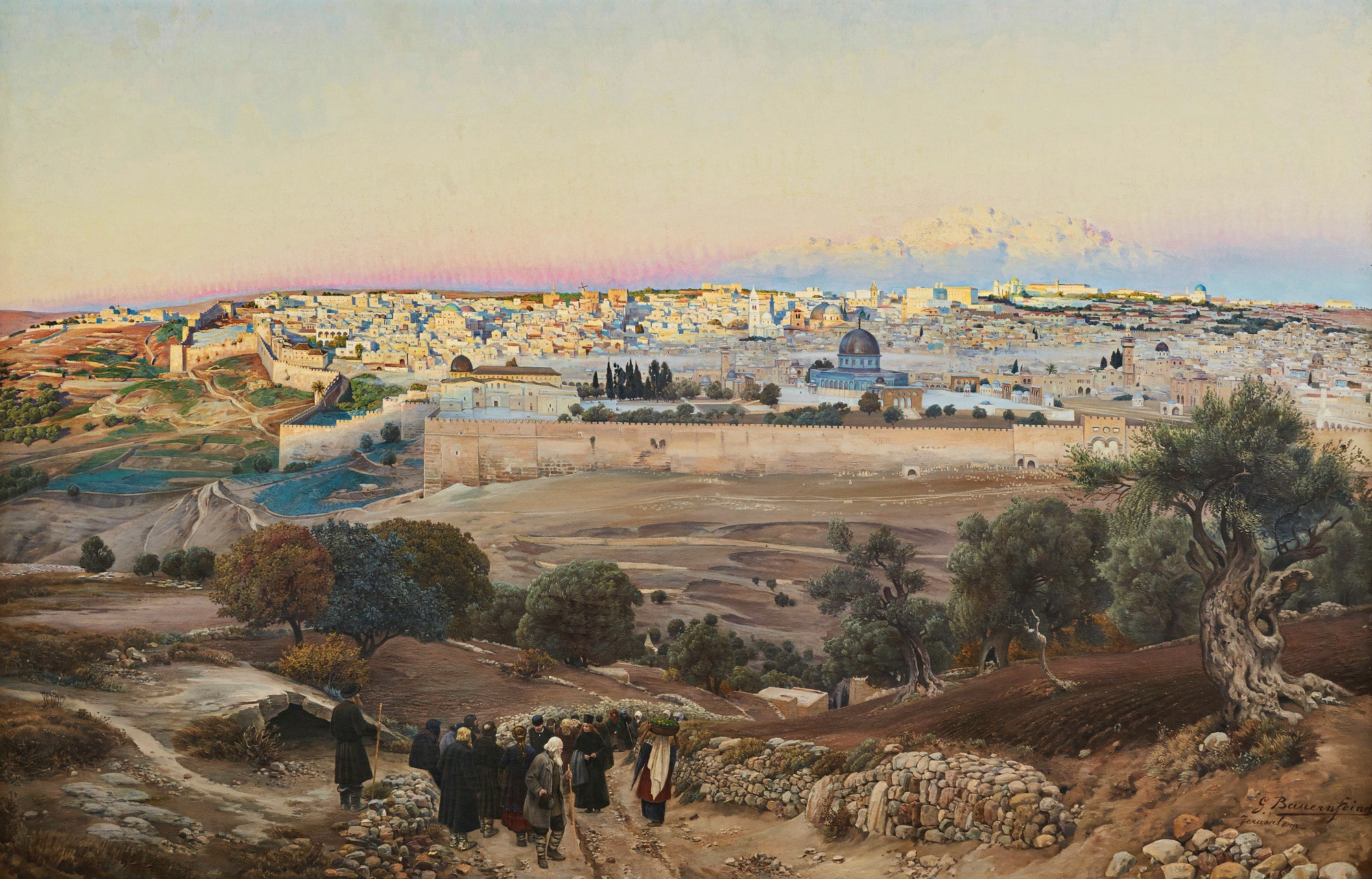
Symbols and words
A picture or a word traced across the canon, from its first mention to the place it comes to rest.
2 studies, 0 as cards, 2 in the register
The register: 2 studies of this kind
- How Greek WorksThis page walks six features of New Testament Greek: why it is koine and not classical, how verb aspect works, what the article does at John 1:1, how word order carries emphasis, how compound words are built, and the alphabet's letters and numbers.
- How Hebrew WorksThis page walks the twenty-two Hebrew letters one at a time, with an honest grade on how well each sign's origin is actually known, then covers the missing vowels, three-letter word roots, single words with many English meanings, and the letters' double life as numbers.
Keep studying
On this page
People and groups1
The text itself3
The roster is the site’s own build manifest, so no study can be missing from it. A study leads its kind when it carries a line of its own and more of the other studies link to it; a register row with no line of its own borrows the first sentence of the study’s own summary. The pictures are public domain: engravings by Gustave Doré from Doré’s English Bible(1866), and paintings held at Wikimedia Commons. Each is named in full on the study’s own page.