
Study
The featured studies
The studies in The Tent, the Priest & the Sacrifice, sorted by the kind of thing each one teaches.
Summary
The Tent, the Priest & the Sacrifice holds 24 of the site's 1112 featured studies, in 4 of the ten kinds.
- 1 study asks who one person or one people was, and what part they take in the story.
- 5 studies ask where a place stood and what happened on that ground.
- 17 studies ask what Scripture teaches on a subject, from its first text to its fullest.
- 1 study asks why Christians read the same texts differently.
The studies by kind
People and groups
Lives told from first mention to last, and the nations, families and parties around Israel and the church. The full roster of names stands on the people hub; these are the studies built around one life or one people.
1 studies, 0 as cards, 1 in the register
The register: 1 studies of this kind
The ground a story stands on: what was built there, what was found there, and what Scripture makes of the name afterwards.
5 studies, 2 as cards, 3 in the register
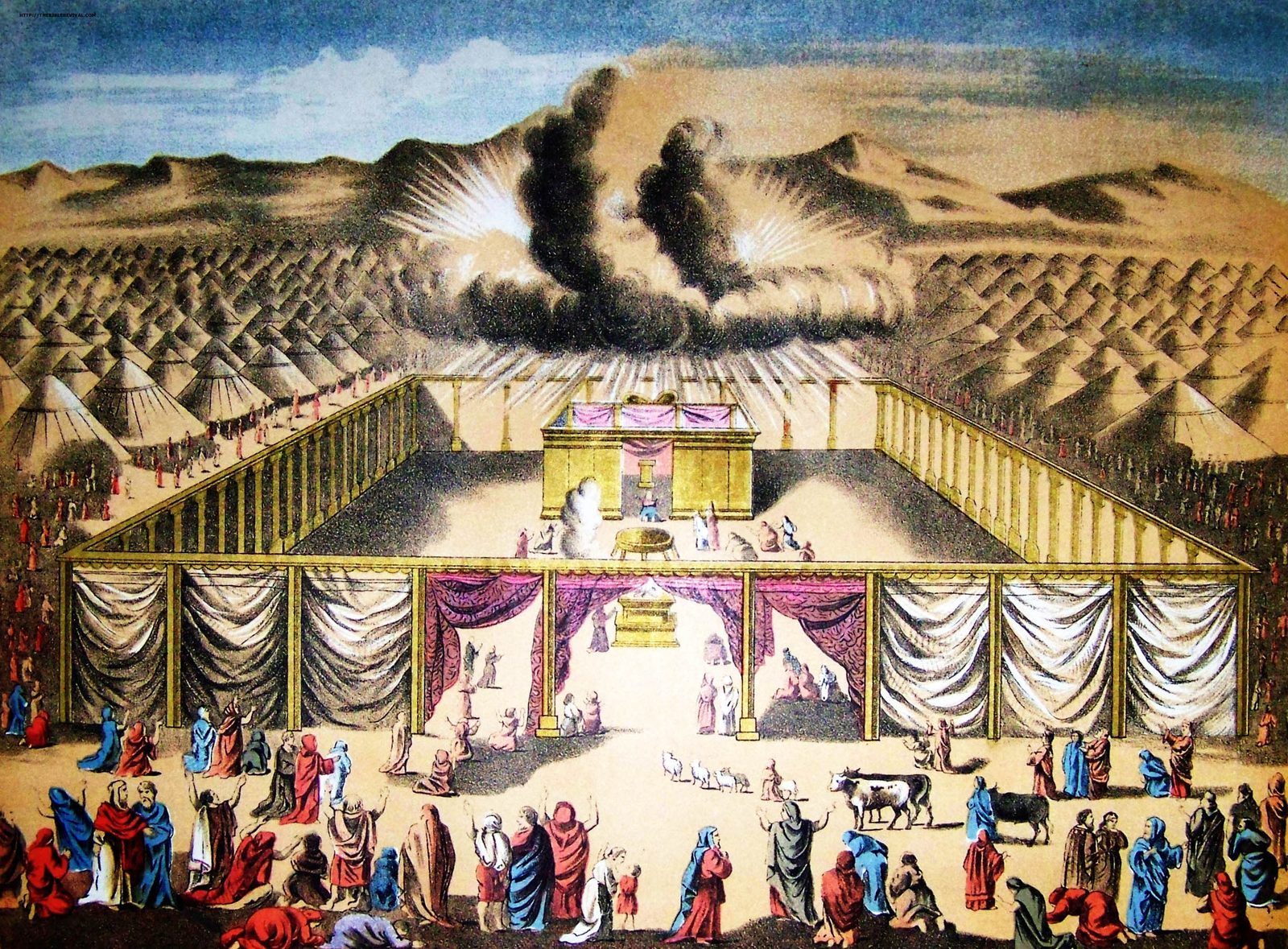 The TabernacleA floor plan of the gospel. Eight furniture pieces, three concentric zones, one veil torn the moment Christ died. Among the most architecturally complete typological structures in Scripture.
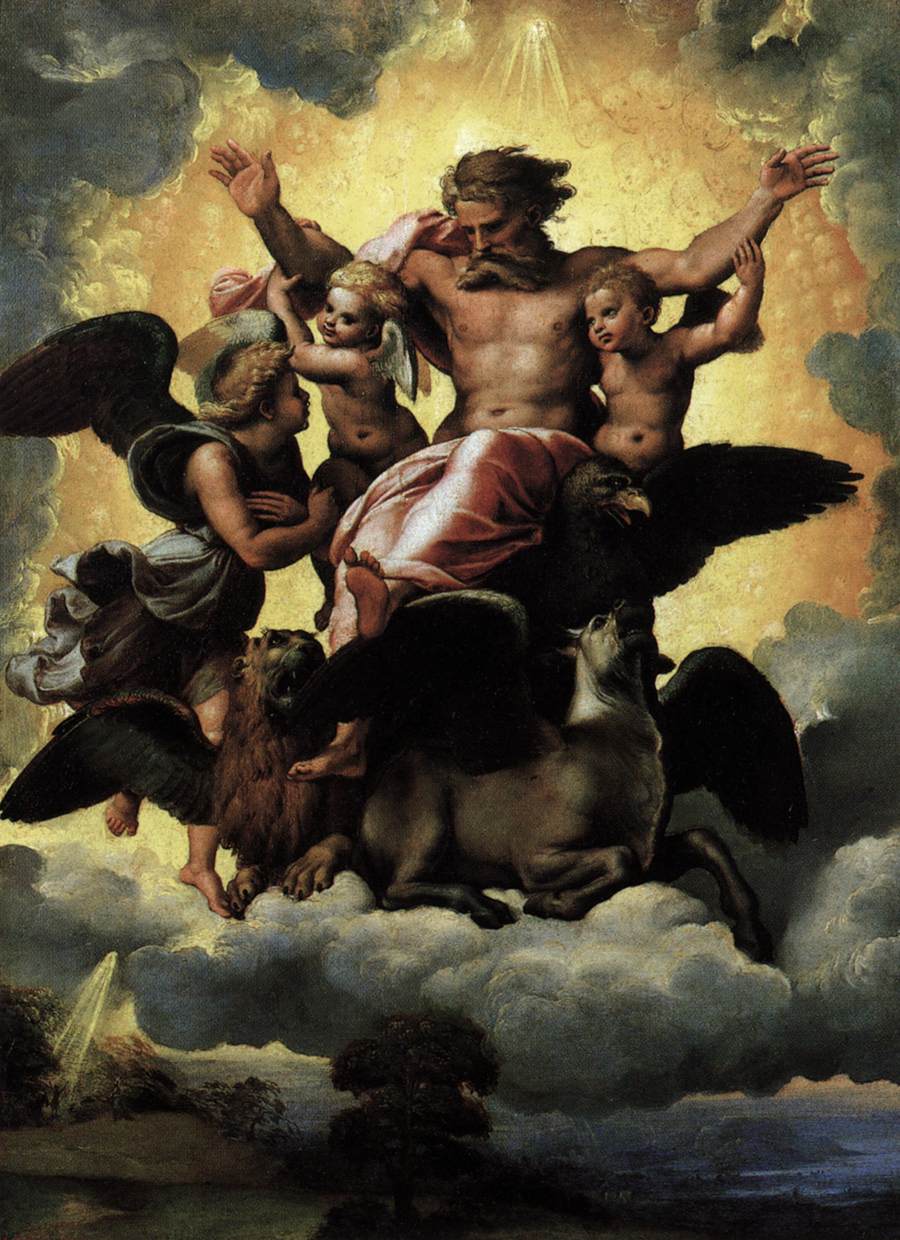 Ezekiel's Temple, Ezekiel 40–48The measured temple of Ezekiel 40–48 drawn from its own cubits, the glory returning by the east gate, and a river that heals a dead sea.
The register: 3 more studies of this kind
What Scripture teaches on a subject, from its first text to its fullest. The traditions that formed the teaching are named.
17 studies, 8 as cards, 9 in the register
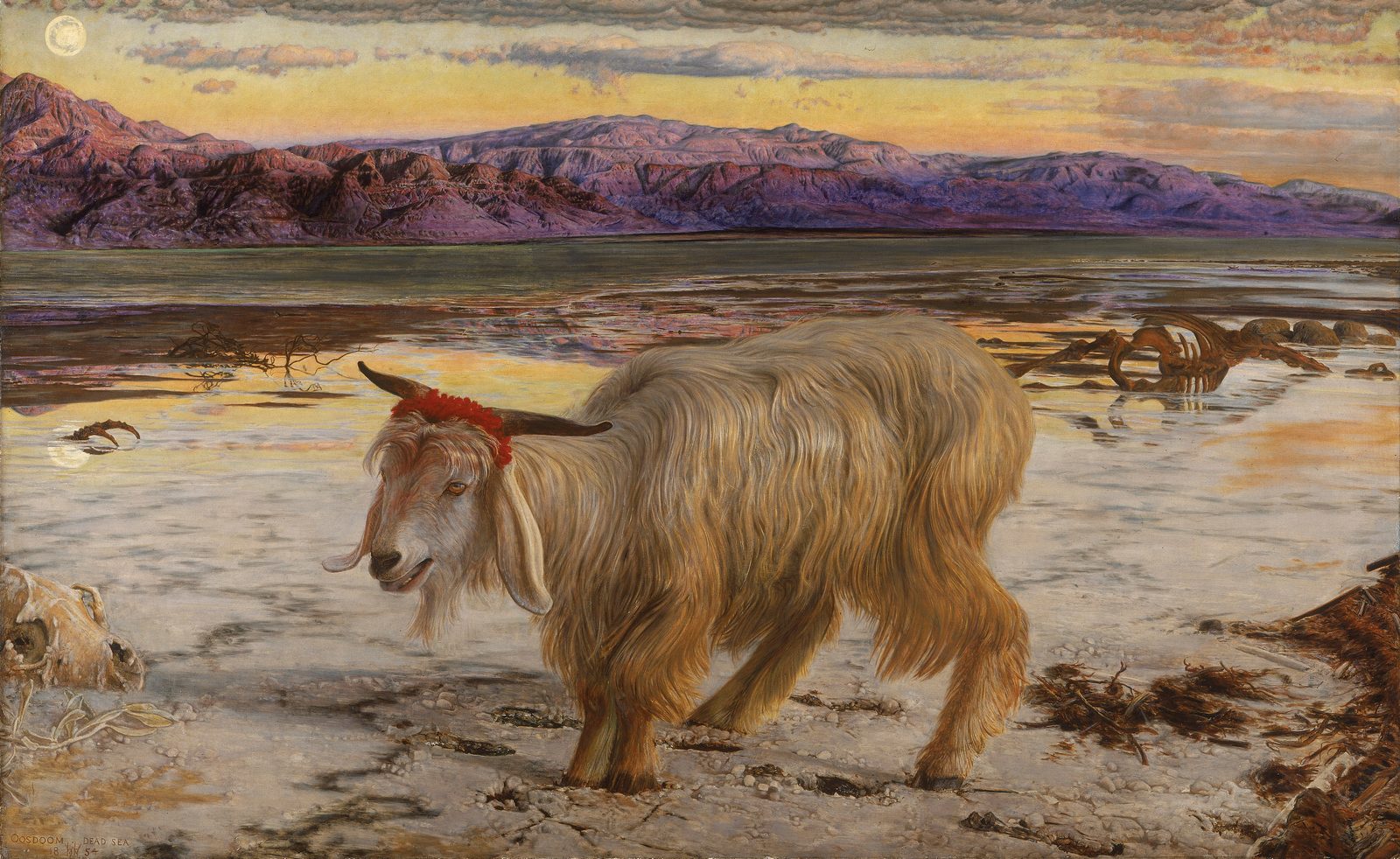 The Day of AtonementLeviticus 16, walked in the chapter's own order — one man, one day a year, within the veil; two goats that are one offering; and the letter to the Hebrews reading the whole day as a shadow of Christ.
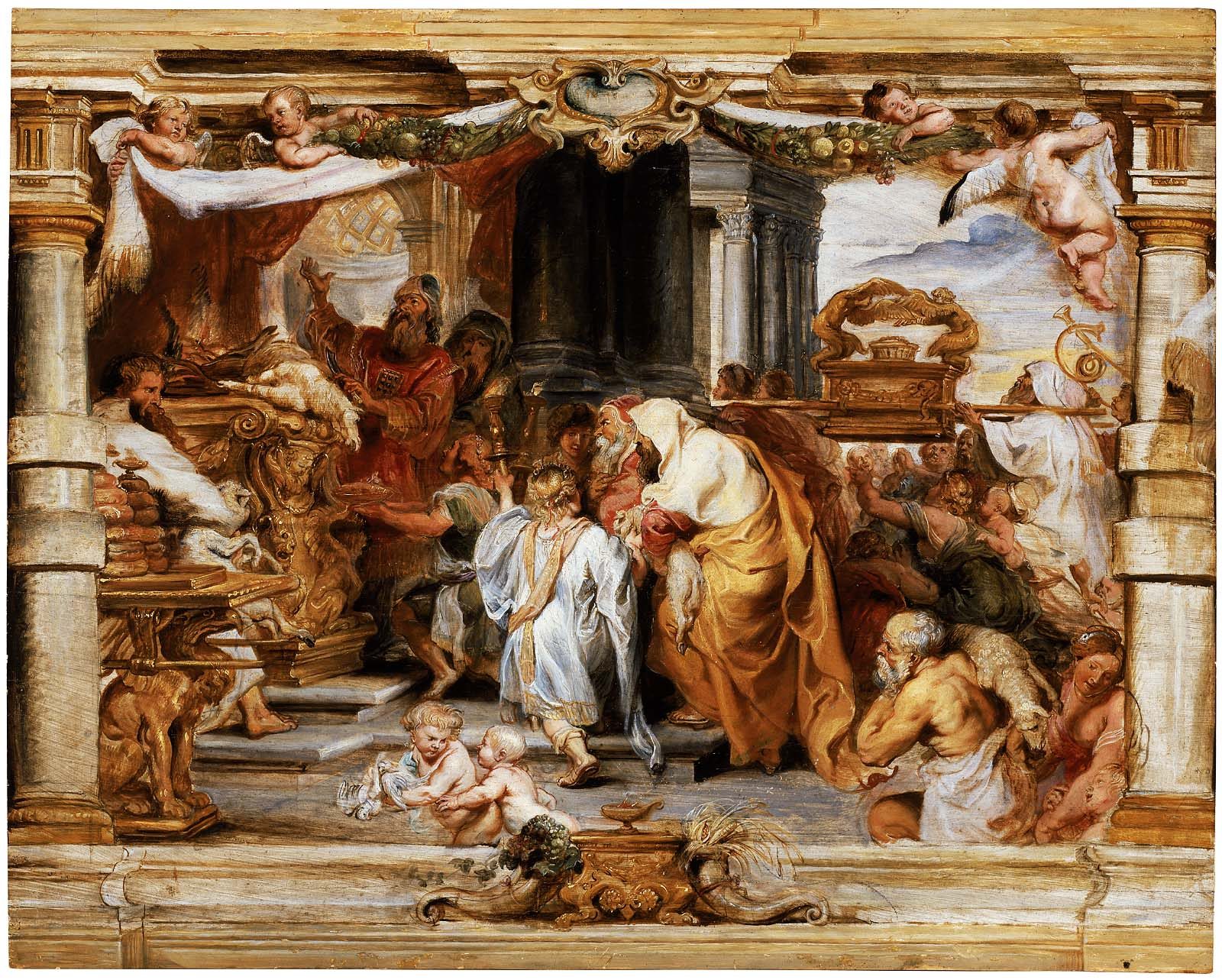 The Sacrificial SystemThe five offerings of Leviticus 1–7 — burnt, grain, peace, sin, guilt — laid out as the structured system they are, and Hebrews 7–10 as the canon's own commentary on all of them.
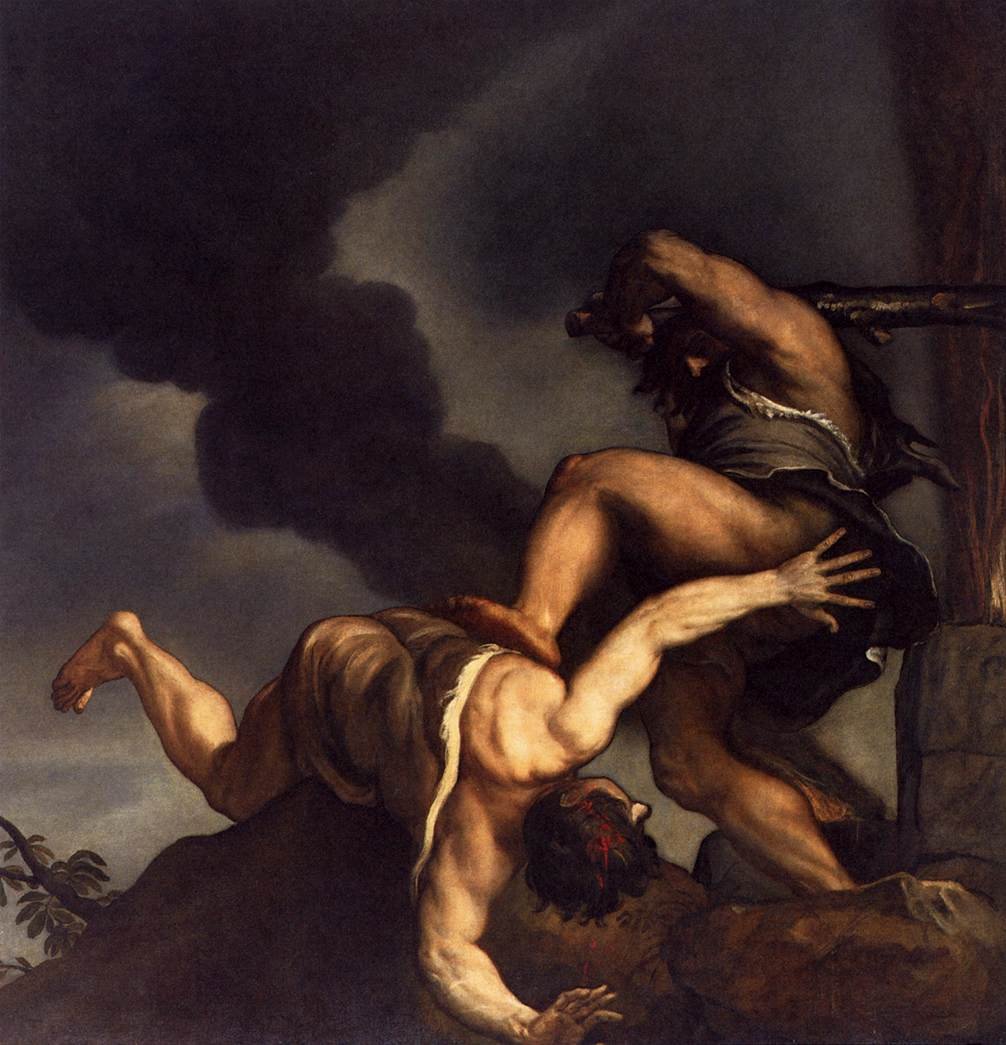 The BloodLeviticus 17:11's ruling traced through the doorposts, Sinai, the Day of Atonement, the cup of the new covenant, and the blood of the Lamb in Revelation.
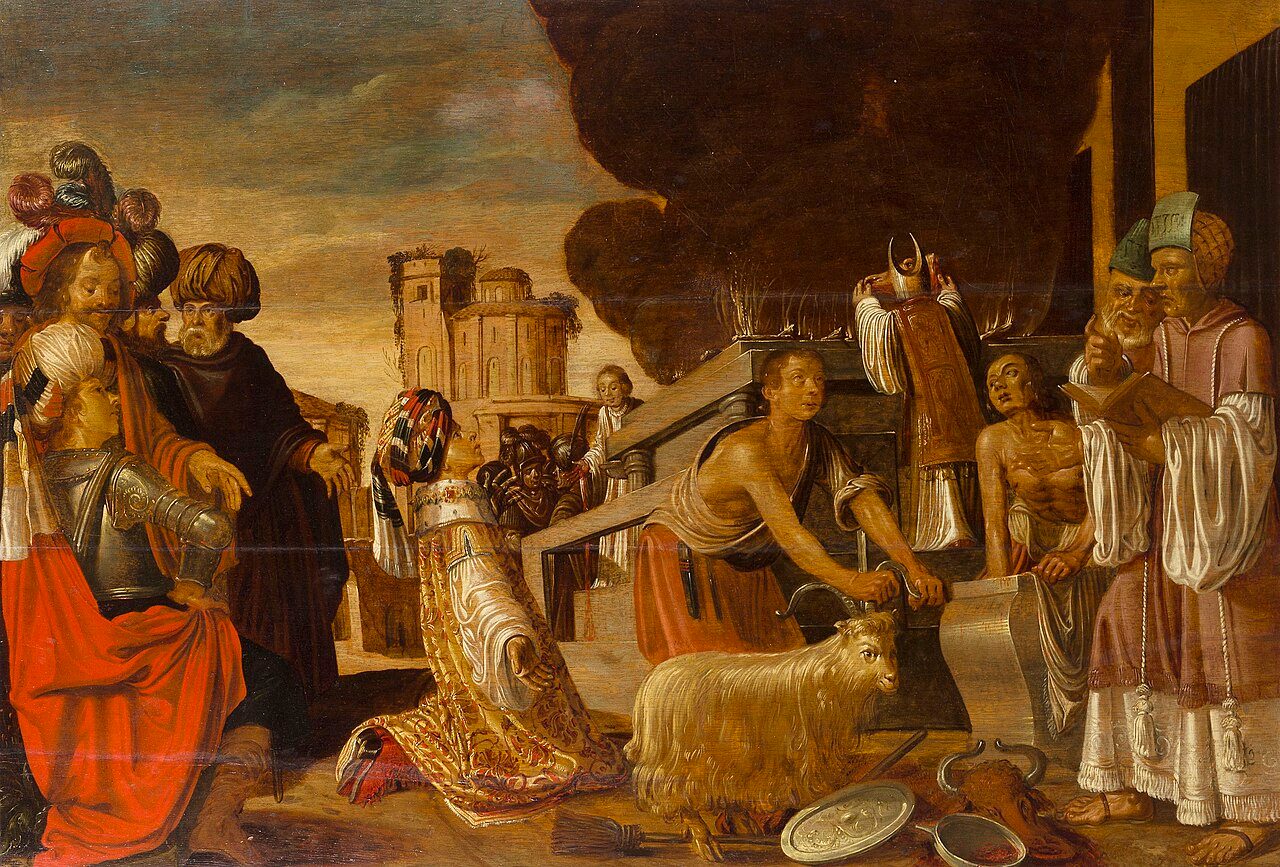 The High-Priestly LineOne family carried Israel's altar for a thousand years — until a priest arrived who needed no genealogy and would never die.
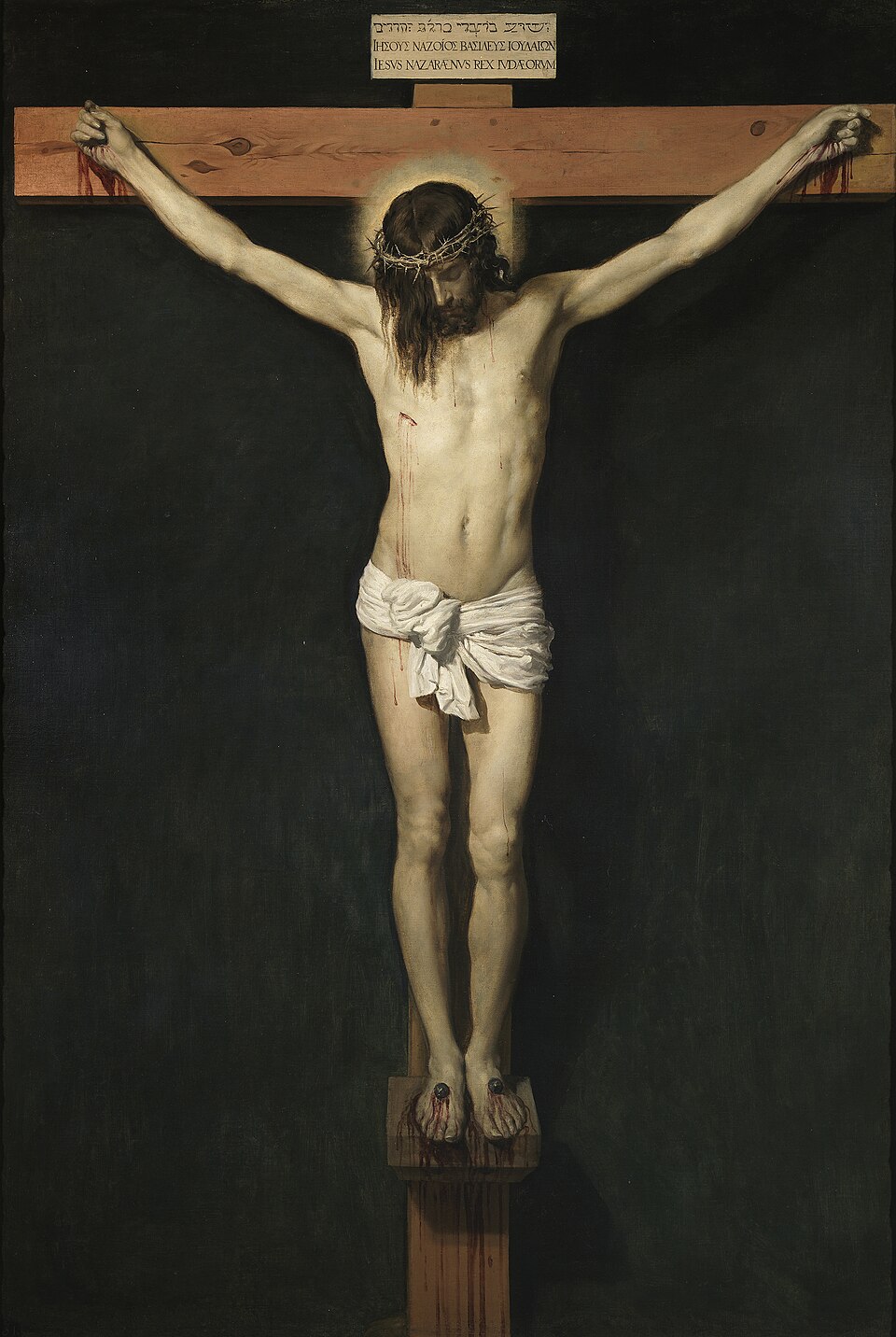 Once for All — the Finished SacrificeHebrews' argument as repetition against finality: a countable, endless repetition set against a single, final act.
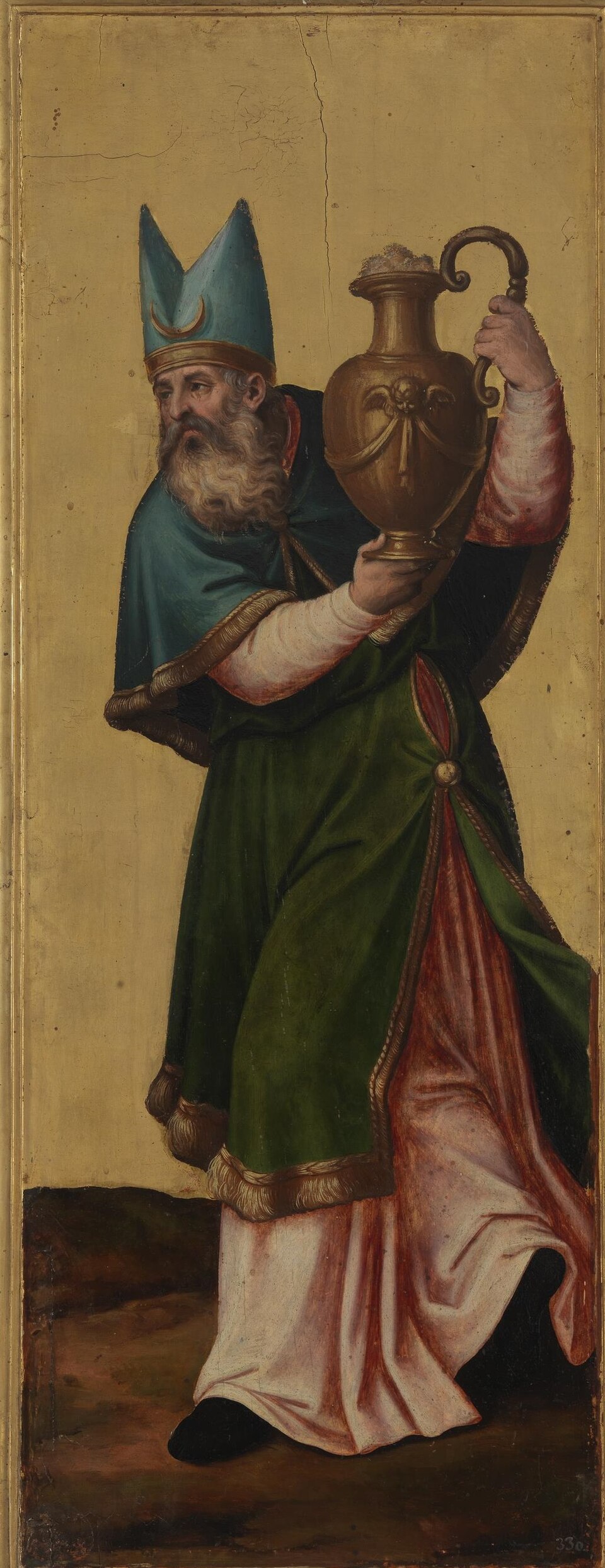 A Royal Priesthood — 1 Peter 2:4-101 Peter's living-stones catena: three Old Testament stone texts in six verses, and Sinai's own charter, 'a kingdom of priests,' lifted onto the church.
- The Glory Departed — Ezekiel 8–11Ezekiel carried further in past worse abominations while the glory of God departs the temple station by station out the east gate.
- The Ransom — Mark 10:45One sentence carries the whole Gospel of Mark: the Son of man came not to be served but to serve, and to give his life a ransom for many.
The register: 9 more studies of this kind
Questions Christians answer differently. Each study sets out the texts both sides read, the positions with their holders, and where this site's tradition lands.
1 studies, 0 as cards, 1 in the register
The register: 1 studies of this kind
Keep studying
On this page
People and groups1
The text itself3
The roster is the site’s own build manifest, so no study can be missing from it. A study leads its kind when it carries a line of its own and more of the other studies link to it; a register row with no line of its own borrows the first sentence of the study’s own summary. The pictures are public domain: engravings by Gustave Doré from Doré’s English Bible(1866), and paintings held at Wikimedia Commons. Each is named in full on the study’s own page.