
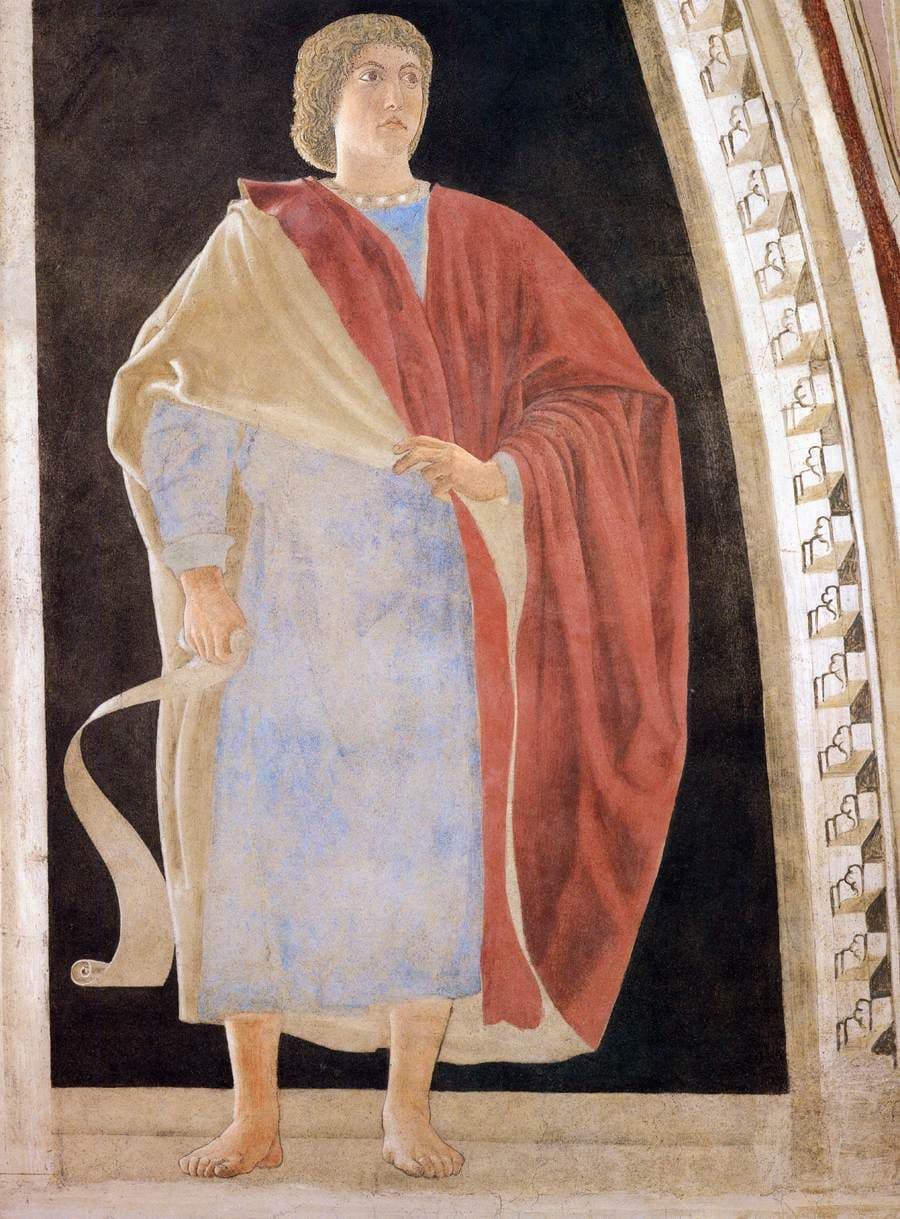
Jeremiah 35 · Story · Obedience
The Rechabites
Jeremiah set wine before the Rechabites in the temple, and they refused it because their forefather Jonadab had commanded them never to drink it.
A clan that had kept a dead man's word for generations was brought into the house of the LORD to shame a city that would not keep the word of the living God.
Then Jeremiah said to the house of the Rechabites: “This is what the LORD of Hosts, the God of Israel, says: ‘Because you have obeyed the command of your forefather Jonadab and have kept all his commandments and have done all that he charged you to do,
- Where
- Jerusalem
- Who
- Jeremiah, Jehoiakim, Jehu
Summary
Jeremiah 35 is an acted lesson from the reign of Jehoiakim. The Rechabites, a family that lived in tents and drank no wine by the command of their forefather, had come into Jerusalem for refuge from Nebuchadnezzar's armies. After the test of the wine the LORD pronounced disaster on Judah (Jeremiah 35:17) and promised the house of Jonadab a lasting place before Him (Jeremiah 35:19).
- Chronicles names the father of the house of Rechab among the Kenites (1 Chronicles 2:55).
- Jehonadab son of Rechab rode with Jehu in his purge of the house of Ahab and the worshippers of Baal (2 Kings 10:15 to 23).
- Jonadab's rule had four parts: no wine, no houses, no sowing and no vineyards, with a life in tents (Jeremiah 35:6 to 7).
A Family in Tents
Their forefather's rule kept the family in tents, apart from the settled life of the land.
The story of the Rechabites belongs to obedience, the value Scripture asks of God's people. God pointed to this one family to show the whole nation what keeping a command looks like. Their story asks every reader whether a word from God is kept as faithfully as people keep the customs of their families.
This study asks what the LORD meant to teach Judah by the Rechabites and their refusal of wine. It tells the account of Jeremiah 35 in its order and places Jonadab beside Jehu in the book of Kings. It then weighs what the LORD commended in the family and what He promised them.
Albert Barnes took the Jonadab of Jeremiah 35 to be the Jehonadab of the book of Kings, "who lived in Jehu's reign" and was "a zealous adherent of Yahweh". He dated the prophecy to "the interval between the battle of Carchemish and the appearance of Nebuchadnezzar at Jerusalem".
The Story in Ten Events
Two books of Scripture carry the family's story, Kings and Jeremiah.
Ten events run from Jehonadab's zeal under Jehu to the promise made to his house in Jeremiah's day.
- Jehonadab son of Rechab rides with Jehu“see my zeal for the LORD”2 Kings 10:16
- Jehonadab goes with Jehu into the temple of Baal“Jehu and Jehonadab son of Rechab entered”2 Kings 10:23
- The word comes to Jeremiah under Jehoiakim“in the days of Jehoiakim son of Josiah”Jeremiah 35:1
- The LORD sends Jeremiah to the Rechabites“offer them a drink of wine”Jeremiah 35:2
- Jeremiah sets wine before them in a temple chamber“pitchers full of wine and some cups”Jeremiah 35:5
- The Rechabites refuse the wine“We do not drink wine”Jeremiah 35:6
- They explain why they are living in the city“So we have remained in Jerusalem”Jeremiah 35:11
- The LORD rebukes Judah for not listening“you have not obeyed Me!”Jeremiah 35:14
- The LORD pronounces disaster on Judah“all the disaster I have pronounced”Jeremiah 35:17
- The LORD promises Jonadab a lasting line“never fail to have a man”Jeremiah 35:19
A timeline of ten events in 2 Kings 10 and Jeremiah 35, each with words of the Berean text and its verse.
They explain why they are living in the city, The LORD rebukes Judah for not listening, The LORD pronounces disaster on Judah, The LORD promises Jonadab a lasting line
The Test of the Wine
Their answer reaches every household of the family and every part of the rule.
And we have obeyed the voice of our forefather Jonadab son of Rechab in all he commanded us. So we have not drunk wine all our lives—neither we nor our wives nor our sons and daughters. Nor have we built houses in which to live, and we have not owned any vineyards or fields or crops. But we have lived in tents and have obeyed and done exactly as our forefather Jonadab commanded us.The card stands here because it gives the family's own account of their keeping, in their own words.
Matthew Henry drew out how far the obedience reached in each household.
“They had in their respective generations all of them obeyed the voice of Jonadab their father, had done according to all that he commanded them. They drank no wine, though they dwelt in a country where was plenty of it; their wives and children drank no wine, for those that are temperate themselves should take care that all under their charge should be so too.”
Matthew Henry · Commentary on the Whole Bible · on Jeremiah 35:8 to 10Puritan
Spoken to Again and Again
The LORD's charge to Judah stands at the centre of the chapter.
The lesson is put to Judah as a question: "Will you not accept discipline and obey My words?" (Jeremiah 35:13).
Again and again I have sent you all My servants the prophets, proclaiming: ‘Turn now, each of you, from your wicked ways, and correct your actions. Do not go after other gods to serve them. Live in the land that I have given to you and your fathers.’ But you have not inclined your ear or listened to Me. Yes, the sons of Jonadab son of Rechab carried out the command their forefather gave them, but these people have not listened to Me.These verses give the lesson of the chapter in the LORD's own voice, so the reader hears the charge as Judah heard it.
Matthew Henry pressed the difference between the two fathers.
“Jonadab was long since dead, and was ignorant of them, and could neither take cognizance of their disobedience to his orders nor give correction for it; but God lives for ever, to see how his laws are observed, and is in a readiness to revenge all disobedience.”
Matthew Henry · Commentary on the Whole Bible · on Jeremiah 35:15Puritan
The Name Taken Up Again
A temperance society of the nineteenth century bore the family's name.
The Independent Order of Rechabites was a friendly society founded in Salford in 1835. The catalogue of its papers at Senate House Library states that the Order was part of the temperance movement.
Where Readers Differ on Jeremiah 35
Readers have asked what the LORD commended in the Rechabites and what He promised them.
What the LORD commendedJamieson, Fausset and Brown
The LORD praises the keeping of the command (Jeremiah 35:14; Jeremiah 35:18) and lays the rule of tents and no wine on no one else. Jamieson, Fausset and Brown limited the rule to this life. They wrote that "Jonadab's injunction only affected matters of the present life". They added that the rule did not bind the family's consciences, since the family judged it lawful to go into Jerusalem during the invasion.
What would weaken this reading is a text that sets the Rechabites' way of life as a rule for Israel.
What the promise of Jeremiah 35:19 meansAlbert Barnes; Jamieson, Fausset and Brown
Albert Barnes read the promise as fulfilled in history. He wrote that "Travelers bear witness to the existence of a large tribe who represent themselves as the descendants of the Rechabites". He also held that it was "literally fulfilled" in their being joined to the tribe of Levi.
Jamieson, Fausset and Brown gave two readings, "There shall always be left representatives of the clan to worship Me" or that "before Me" means "simple existence, for all things in existence are in God's sight".
Barnes names none of the travelers whose reports he cites, so his reading of the promise as fulfilled in a living tribe rests on witnesses a reader cannot check.
A Father's Word and God's
The account ends with a promise to the family and a warning to the nation.
Jeremiah 35 asks what kind of hearing God's people give Him. The example it holds up comes from a Kenite family and turns on a command about food and dwelling. The account asks the reader to measure his own keeping of God's word by the faithfulness people show to lesser words.
Honor your father and mother, so that your days may be long in the land that the LORD your God is giving you.The fifth commandment joins honour for father and mother to long days in the land, and Jonadab's rule promised his sons the same long life (Jeremiah 35:7).
Sources
Scripture is the Berean Standard Bible.
- Albert Barnes, Notes, Explanatory and Practical, on the Old Testament, on Jeremiah 35:2 and Jeremiah 35:19.
- Matthew Henry, Commentary on the Whole Bible (1710), on Jeremiah 35:8 to 10 and Jeremiah 35:15.
- Robert Jamieson, A. R. Fausset and David Brown, Commentary Critical and Explanatory on the Whole Bible (1871), on Jeremiah 35:6 and Jeremiah 35:19.
- Independent Order of Rechabites, the catalogue of its records at Senate House Library, University of London, reference GB 0096 MS1158 (AIM25)