

Colossians 3 · Value 26 of 41 · Featured Study
Diligence
Diligence in Scripture is earnest and steady effort, given to the work God assigns and done for the Lord.
Proverbs tells the slacker, “Walk in the manner of the ant, O slacker; observe its ways and become wise” (Proverbs 6:6).
Whatever you do, work at it with your whole being, for the Lord and not for men,
- Anchor text
- Colossians 3:23 to 24 “Whatever you do, work at it with…”
- Its opposite
- Sloth, idleness and the slacker's excuses
- Hold in memory
- Colossians 3:23, Proverbs 10:4
Summary
Scripture asks for diligence in the daily work of the hands and in the life of faith alike. The wisdom books praise the hand that keeps at its work, and the apostles ask the same earnestness of believers until the end. Jesus kept to the end of the work His Father gave Him. The one who works for the Lord is repaid by Him, and diligence is measured by that service.
- Diligence is a matter of the heart as well as the hands, and Scripture asks it for the Lord's sake.
- Proverbs calls the diligent charuts, and the Greek spoude names the earnest effort the apostles ask of faith.
- Proverbs sets the diligent against the slacker, whose sleep and excuses end in want.
- Scripture also sets diligence against haste and against the anxious toil that forgets that God gives sleep to His beloved.
What Diligence Is
Two Hebrew words and one Greek word name the diligent, the slacker and the earnest effort of faith.
Scripture asks diligence of farmers and builders, of servants and apostles, and of every believer who waits for what God has promised. This study of diligence asks what Scripture means by the word, on what ground the call to work rests, and how a believer is to practice it. The answer comes from the Hebrew and Greek words and from God's own work and the work of Christ. It comes also from the people and stories of Scripture and the church, and from the teachers who have read these texts, with the questions on which readers still disagree.
Charuts, diligent
19 uses in the canon
The Hebrew charuts (H2742) properly means incised or sharp, and in Proverbs it names the diligent. A proverb gives the diligent rule over others: “The hand of the diligent will rule, but laziness ends in forced labor.”
Atsel, the slacker
14 uses in the canon
The Hebrew atsel (H6102), which the Berean text renders slacker, stands only in Proverbs. One proverb sets him beside the diligent: “The slacker craves yet has nothing, but the soul of the diligent is fully satisfied.”
Spoude, diligence
12 uses in the canon
The Greek spoude (G4710) is the noun Hebrews uses when it asks diligence of every believer: “We want each of you to show this same diligence to the very end.”
Charuts, diligent, Atsel, the slacker, Spoude, diligence, The Words Charuts and Spoude, the study in brief
The Key Texts of Diligence
The Law, the wisdom books and the letters each call God's people to work with care.
Law
Six days you shall labor and do all your work,
This is the Law's own command to work, given at Sinai.
Exodus 20:9BSB
Wisdom
Idle hands make one poor, but diligent hands bring wealth.
Proverbs states the value here in its shortest form.
Wisdom
Do you see a man skilled in his work? He will be stationed in the presence of kings; he will not stand before obscure men.
The proverb ties skill in work to honor, so diligence asks for care as well as effort.
Wisdom
Whatever you find to do with your hands, do it with all your might, for in Sheol, where you are going, there is no work or planning or knowledge or wisdom.
The Teacher calls for full strength in every task because the grave ends all work.
Epistles
Do not let your zeal subside; keep your spiritual fervor, serving the Lord.
Paul places diligence among the marks of sincere love in the church.
Romans 12:11BSB
Epistles
For this very reason, make every effort to add to your faith virtue; and to virtue, knowledge;
Peter carries diligence from daily work into the growth of faith.
2 Peter 1:5BSB
Proverbs 10:4, Proverbs 22:29, Ecclesiastes 9:10, Romans 12:11, 2 Peter 1:5
Diligence Rests on God's Own Work
Scripture shows God at work first and then gives work to the people He made.
The fourth commandment grounds the week of labor in the week of creation, for “in six days the LORD made the heavens and the earth” (Exodus 20:11).
And by the seventh day God had finished the work He had been doing; so on that day He rested from all His work.The commandment's ground in Exodus 20:11 points back to this verse.
Then the LORD God took the man and placed him in the Garden of Eden to cultivate and keep it.The verse stands before the account of the fall in Genesis 3.
After the fall the LORD said to Adam, “cursed is the ground because of you; through toil you will eat of it all the days of your life” (Genesis 3:17).
Paul closes his chapter on the resurrection by telling the church at Corinth that “your labor in the Lord is not in vain” (1 Corinthians 15:58).
Genesis 2:2, Genesis 2:15, 2 paragraphs, Work and Vocation, the study in brief
Christ and Diligence
Nazareth knew Jesus by His trade, His accusers heard Him appeal to His Father's example, and on the cross He called His work accomplished.
He worked as a carpenterMark 6
Jesus came to His hometown with His disciples and taught in the synagogue on the Sabbath. Many who heard Him were astonished and asked, “Where did this man get these ideas?” (Mark 6:2).
Isn’t this the carpenter, the son of Mary and the brother of James, Joses, Judas, and Simon? Aren’t His sisters here with us as well?” And they took offense at Him.
Mark 6:3BSB The verse shows that the people of His hometown knew Jesus first as a working man.
Read the page on Jesus 33 sections, 35 verses set out
He joined His work to His Father'sJohn 5
At Bethesda in Jerusalem, Jesus told a man who had long been unable to walk, “Get up, pick up your mat, and walk” (John 5:8). Because He was doing these things on the Sabbath, the Jews began to persecute Him (John 5:16).
But Jesus answered them, “To this very day My Father is at His work, and I too am working.”
John 5:17BSB Jesus answers the charge by setting His own work beside His Father's unbroken work.
He finished the work He was givenJohn 17 and 19
On the night before He died, Jesus lifted up His eyes to heaven and prayed to His Father (John 17:1). On the cross, when He had received the sour wine, He said, “It is finished” (John 19:30).
I have glorified You on earth by accomplishing the work You gave Me to do.
John 17:4BSB The prayer shows that Jesus judged His own life by a task brought to its finish.
Read the story of the Crucifixion 12 sections, 12 verses set out
He joined His work to His Father's (John 5), He finished the work He was given (John 17 and 19)
Who Showed Diligence
Four people of the Bible are remembered for work done with care and kept up to the end.
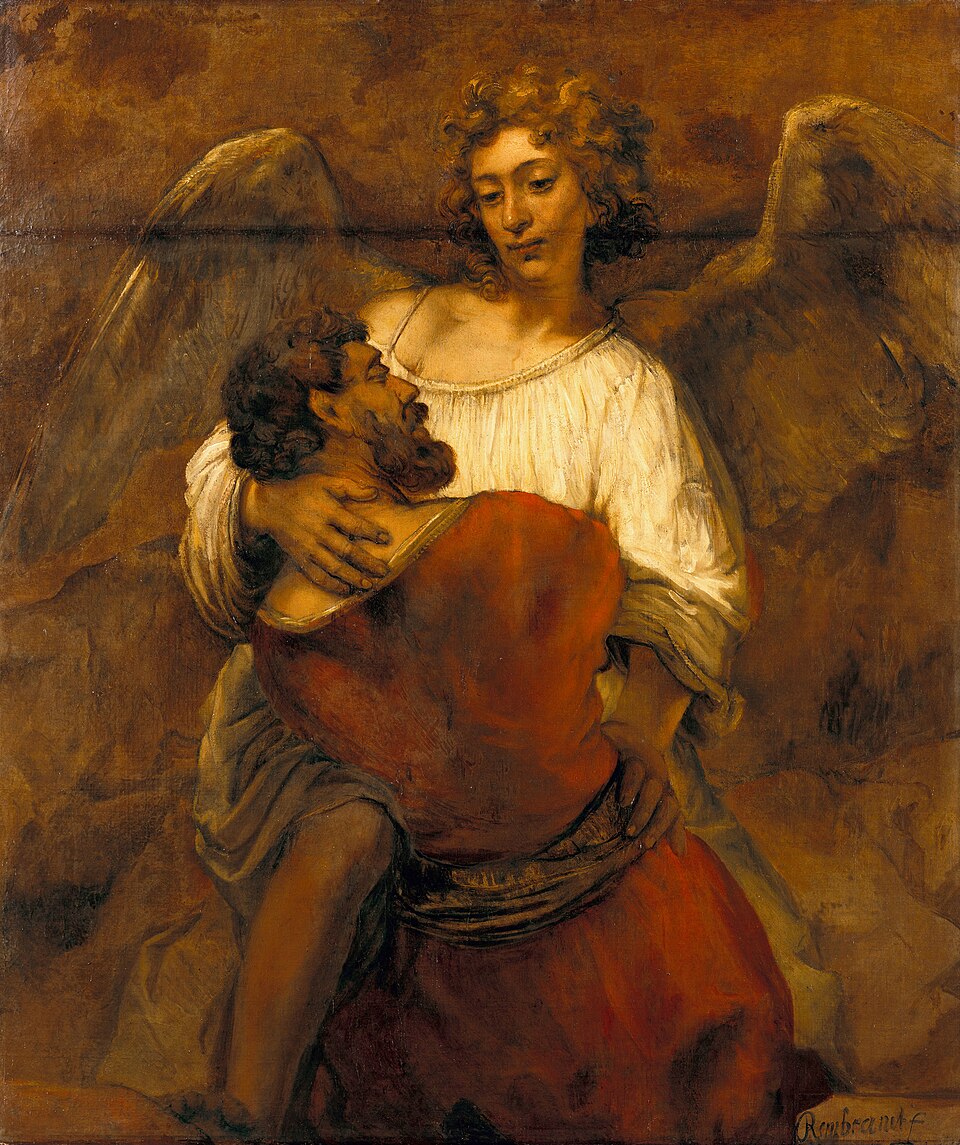
After twenty years with Laban's flocks he said, “the heat consumed me by day and the frost by night, and sleep fled from my eyes.”
Genesis 31:40 to 41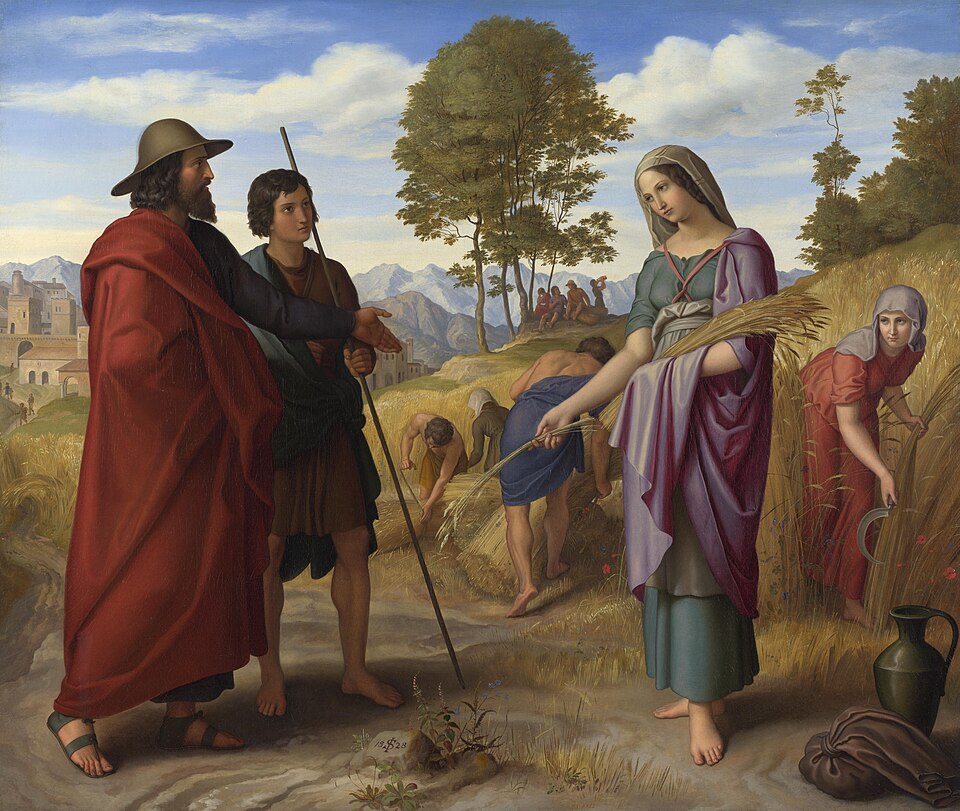
The foreman of Boaz's harvesters said that she “has continued from morning until now, except that she rested a short time in the shelter.”
Ruth 2:6 to 7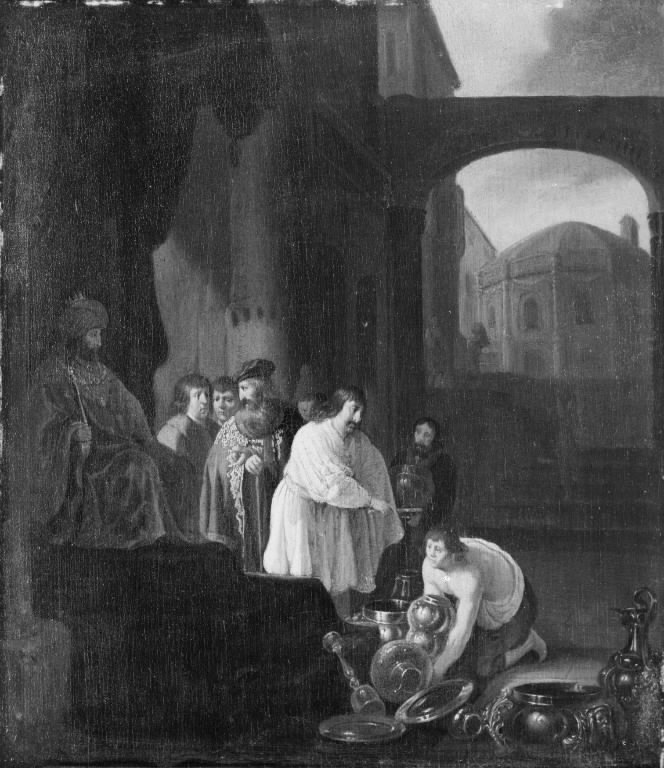
“He was diligent in every work that he began in the service of the house of God, and in the law and the commandments, in order to seek his God.”
2 Chronicles 31:21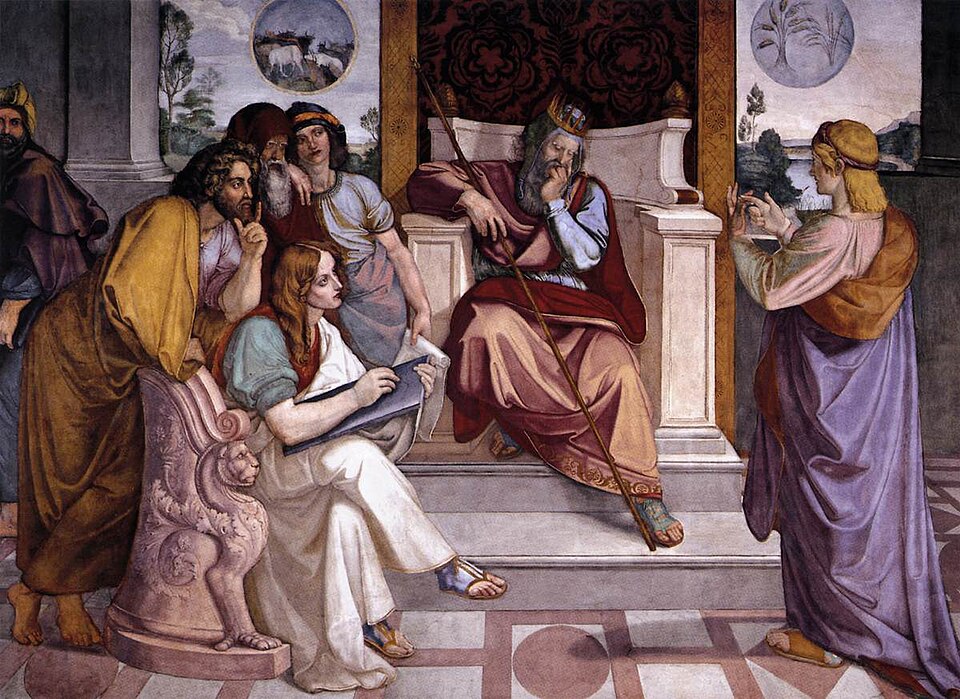
His Egyptian master “put him in charge of his household and entrusted him with everything he owned.”
Genesis 39:4
Hezekiah, Joseph
The Practice of Diligence
Scripture names six practices of diligence, each in the words of the verse that gives it.
- 1Know the state of your work“Be sure to know the state of your flocks, and pay close attention to your herds;”Proverbs 27:23
- 2Work with your own hands“and to aspire to live quietly, to attend to your own matters, and to work with your own hands, as we instructed you.”1 Thessalonians 4:11
- 3Earn your own living“We command and urge such people by our Lord Jesus Christ to begin working quietly to earn their own living.”2 Thessalonians 3:12
- 4Work so you can share“He who has been stealing must steal no longer, but must work, doing good with his own hands, that he may have something to share with the one in need.”Ephesians 4:28
- 5Provide for your household“If anyone does not provide for his own, and especially his own household, he has denied the faith and is worse than an unbeliever.”1 Timothy 5:8
- 6Do not grow weary“But as for you, brothers, do not grow weary in well-doing.”2 Thessalonians 3:13
Work with your own hands, Earn your own living, Work so you can share, Provide for your household, Do not grow weary
What Stands Against Diligence
Proverbs and the apostles describe the slacker, the idle and the sluggish, and a psalm and a proverb warn the anxious and the hasty.
Proverbs asks, “How long will you lie there, O slacker? When will you get up from your sleep?” (Proverbs 6:9). Paul heard that some in the church at Thessalonica were “leading undisciplined lives and accomplishing nothing but being busybodies” (2 Thessalonians 3:11).
Hebrews turns the warning toward faith. Its readers are to keep their diligence so that they “will not be sluggish” but will imitate those who inherit the promises (Hebrews 6:12).
The plans of the diligent bring plenty, as surely as haste leads to poverty.The proverb names a second enemy of diligence beside sloth.
In vain you rise early and stay up late, toiling for bread to eat— for He gives sleep to His beloved.The psalm warns the anxious worker that effort without trust in God comes to nothing.
Proverbs 21:5, Psalm 127:2, The Sluggard in Proverbs, the study in brief
Diligence in the Stories of the Bible
Three stories tell of builders who worked under threat, servants given talents, and an apostle who made tents.
Nehemiah's buildersNehemiah 4 and 6
Sanballat, Tobiah and their allies heard that the walls of Jerusalem were being repaired, and they “conspired to come and fight against Jerusalem” (Nehemiah 4:8). From then on, Nehemiah writes, “half of my servants did the work while the other half held spears, shields, bows, and armor” (Nehemiah 4:16). The work went on “from the break of dawn until the stars came out” (Nehemiah 4:21), and “the wall was completed in fifty-two days” (Nehemiah 6:15).
So we rebuilt the wall until all of it was joined together up to half its height, for the people had a mind to work.
Nehemiah 4:6BSB Nehemiah gives the people's will to work as the reason the wall rose.
The parable of the talentsMatthew 25
Jesus told of a man going on a journey who entrusted his servants with his possessions, “each according to his own ability” (Matthew 25:15). The servant given five talents gained five more and heard, “Well done, good and faithful servant!” (Matthew 25:21). The servant given one talent was afraid and hid it in the ground (Matthew 25:25).
‘You wicked, lazy servant!’ replied his master. ‘You knew that I reap where I have not sown and gather where I have not scattered seed.
Matthew 25:26BSB The verse ties the parable to diligence, since the master's charge is laziness.
Paul at CorinthActs 18
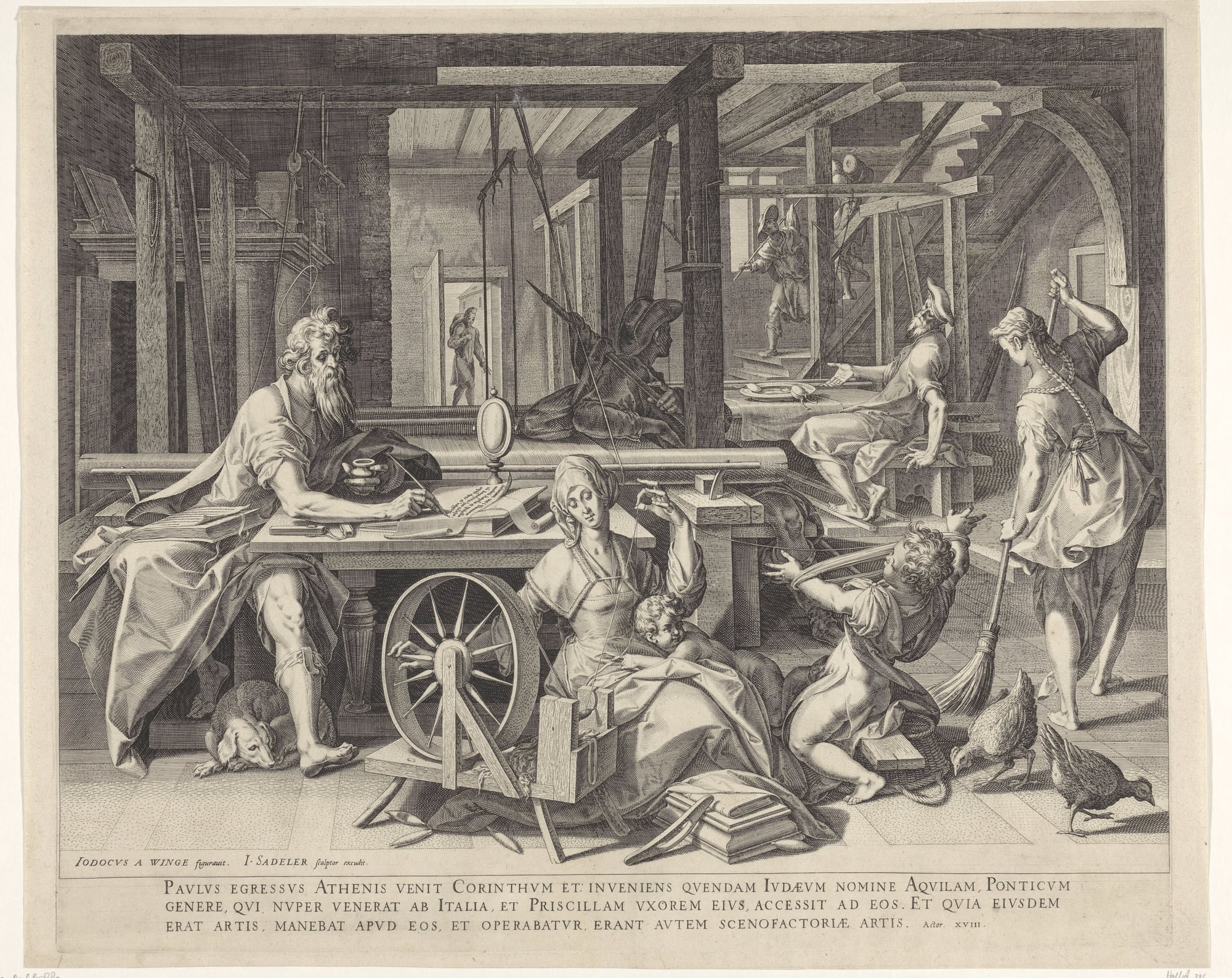
Paul left Athens for Corinth and found Aquila and his wife Priscilla, who had come from Italy “because Claudius had ordered all the Jews to leave Rome” (Acts 18:2). He reasoned in the synagogue every Sabbath, and when Silas and Timothy came down from Macedonia, he “devoted himself fully to the word” (Acts 18:5).
and he stayed and worked with them because they were tentmakers by trade, just as he was.
Acts 18:3BSB The verse joins Paul's preaching at Corinth to his daily work.
Read the story of Paul the Tentmaker 9 sections, 12 verses set out
The parable of the talents (Matthew 25), Paul at Corinth (Acts 18)
Diligence in the Church's History
Three accounts tell of a monastic rule that set hours for labor, a cook who prayed at his work, and a scholar who traced modern business to the Puritan calling.
The Rule of Benedictthe sixth century
Benedict of Nursia was born about 480 and died at Monte Cassino in 543, where his Rule was most probably written (Hugh Ford, The Catholic Encyclopedia, 1907). Its chapter on daily manual labor, in Leonard Doyle's translation of 1948, opens, “Idleness is the enemy of the soul.” It sets fixed hours for work and for sacred reading, and it says that monks “live by the labor of their hands, as did our Fathers and the Apostles”.
Brother Lawrencethe seventeenth century
Brother Lawrence was cook to a community in Paris, and the conversations recorded from him tell how he came to his kitchen work. He had a great aversion to it, but “having accustomed himself to do everything there for the love of God and asking for His grace to do his work well, he had found everything easy”. He is reported as saying, “The time of business does not with me differ from the time of prayer.”
Max Weber's articles1904 and 1905
Max Weber published Die protestantische Ethik und der Geist des Kapitalismus as two articles in 1904 and 1905. He argued that the Puritan ethic of the calling helped form the spirit of modern capitalism, and in Talcott Parsons's translation of 1930 he wrote, “The Puritan wanted to work in a calling.”
Read the study of the Protestant Work Ethic 7 sections, 2 verses set out
Brother Lawrence (the seventeenth century), Max Weber's articles (1904 and 1905)
Voices on Diligence, by Century
Three quotations from the twelfth century to the nineteenth, each under the line it teaches.
died 1107 · Theophylact of Ohrid
Commentary on Ephesians
A twelfth-century reading: work from the soul is work done with all strength and readiness.
The quotation1 quotation
“For it is possible to serve in simplicity of heart and sincerely, but not with all one's strength, fulfilling only some particular task; therefore he now adds: ‘from the soul,’ that is, with all strength and readiness; even ‘with zeal,’ that is, with complete devotion …”
Theophylact of Ohrid · Commentary on Ephesians · on Ephesians 6:7Patristic
1662 to 1714 · Matthew Henry
Commentary on the Whole Bible
An eighteenth-century reading: the servant whom an earthly master neglects is rewarded by Christ.
The quotation1 quotation
“Though his master on earth should neglect or abuse him, instead of rewarding him, he shall certainly be rewarded by the Lord Christ, whether he be bond or free, whether he be a poor bond-servant or a freeman or master. Christ regards not these differences of men at present; nor will he in the great and final judgment.”
Matthew Henry · Commentary on the Whole Bible · on Ephesians 6:8Puritan
1816 to 1900 · J.C. Ryle
Expository Thoughts on the Gospels: Matthew
A nineteenth-century reading: diligence is the keynote of the parable of the talents, as vigilance is of the ten virgins.
The quotation1 quotation
“The parable of the talents which we have now read is near akin to that of the ten virgins. Both direct our minds to the same important event: the second advent of Jesus Christ. Both bring before us the same persons: the members of the professing church of Christ. The virgins and the servants are one and the same people—but the same people regarded from a different point, and viewed on different sides. The practical lesson of each parable is the main point of difference: vigilance is the keynote of the first parable, diligence that of the second.”
J.C. Ryle · Expository Thoughts on the Gospels: Matthew · on Matthew 25:14 to 30Reformed Evangelical
How Diligence Has Been Taught
Chrysostom in the fifth century, Bonaventure in the thirteenth and Richard Baxter in the seventeenth taught why Christians work and for whom.
Chrysostom taught that Paul's trade shames those who live in idleness.1 paragraph
John Chrysostom preached on Acts 18:3 in his Homilies on the Acts of the Apostles (homily 39, Nicene and Post-Nicene Fathers, first series, volume 11, 1889). He told his hearers not to smile at Paul's occupation, and he drew the lesson: “And wrought, though he preached. Let us be ashamed, who though we have no preaching to occupy us, live in idleness.”
Bonaventure taught that the six days of labor command the imitation of God.1 paragraph
In the fourth of his Collationes de Decem Praeceptis Bonaventure read Exodus 20:9 as a call to be like God: “He commands imitation of himself, when he says: Six days you shall labor.”
Richard Baxter taught that labor is a duty for all who are able, and that gain is to be sought for God.1 paragraph
Richard Baxter's A Christian Directory (part 1, chapter 10, “Directions about our Labour and Callings”) holds labor “necessary (as a duty) to all that are able to perform it”. On gain he wrote that “you may labour to be rich for God, though not for the flesh and sin”.
Where the Science Speaks
Two reviews tie the trait psychologists call conscientiousness to health and long life.
Bogg and Roberts (2004) reviewed 194 studies and found traits of conscientiousness linked with fewer risky health behaviors and with more beneficial ones. Kern and Friedman (2008) pooled 20 samples and found conscientiousness related to longer life, with a small effect (r = .11) that was strongest for the persistent, industrious and organized.
Conscientiousness is narrower than diligence in Scripture and measures no work done for the Lord. Both reviews report correlations, and neither shows that the trait causes long life.
The Studies of Diligence
Each study takes one part of diligence into more depth.
The texts
3 studies
- Passages and psalms · 13 verses set outSix Days You Shall Labor
Exodus 34:21 sets six days of labor beside a seventh of rest, and Deuteronomy 5:12 to 15 extends that rest to the servants of the house.
- Passages and psalms · 11 verses set outThe Sluggard in Proverbs
Proverbs gathers its warnings against laziness around one figure, the slacker, and sets him against the ant and the diligent.
- Passages and psalms · 2 verses set outDoing the Will of God from Your Heart
Paul asks Christian slaves to serve their earthly masters as they would serve Christ, and he sets their masters under the same Lord.
- Passages and psalms · 13 verses set outSix Days You Shall Labor
The stories
1 study
- Stories · 12 verses set outPaul the Tentmaker
Acts and Paul's letters tell of an apostle who worked with his hands in the cities where he founded churches.
- Stories · 12 verses set outPaul the Tentmaker
The words
1 study
- Symbols and words · 10 verses set outThe Words Charuts and Spoude
The Hebrew charuts and the Greek spoude stand behind the diligent of Proverbs and the diligence of the letters in the Berean text.
- Symbols and words · 10 verses set outThe Words Charuts and Spoude
The practice
2 studies
- Doctrines · 2 verses set outThe Protestant Work Ethic
Max Weber published his essay on the Protestant ethic in two articles of 1904 and 1905, and historians and economists have tested it ever since.
- Doctrines · 34 verses set outWork and Vocation
Work in Scripture from God's six days and the garden of Eden to the law of the Sabbath and the letters of Paul, with the Reformers' teaching on calling.
- Doctrines · 2 verses set outThe Protestant Work Ethic
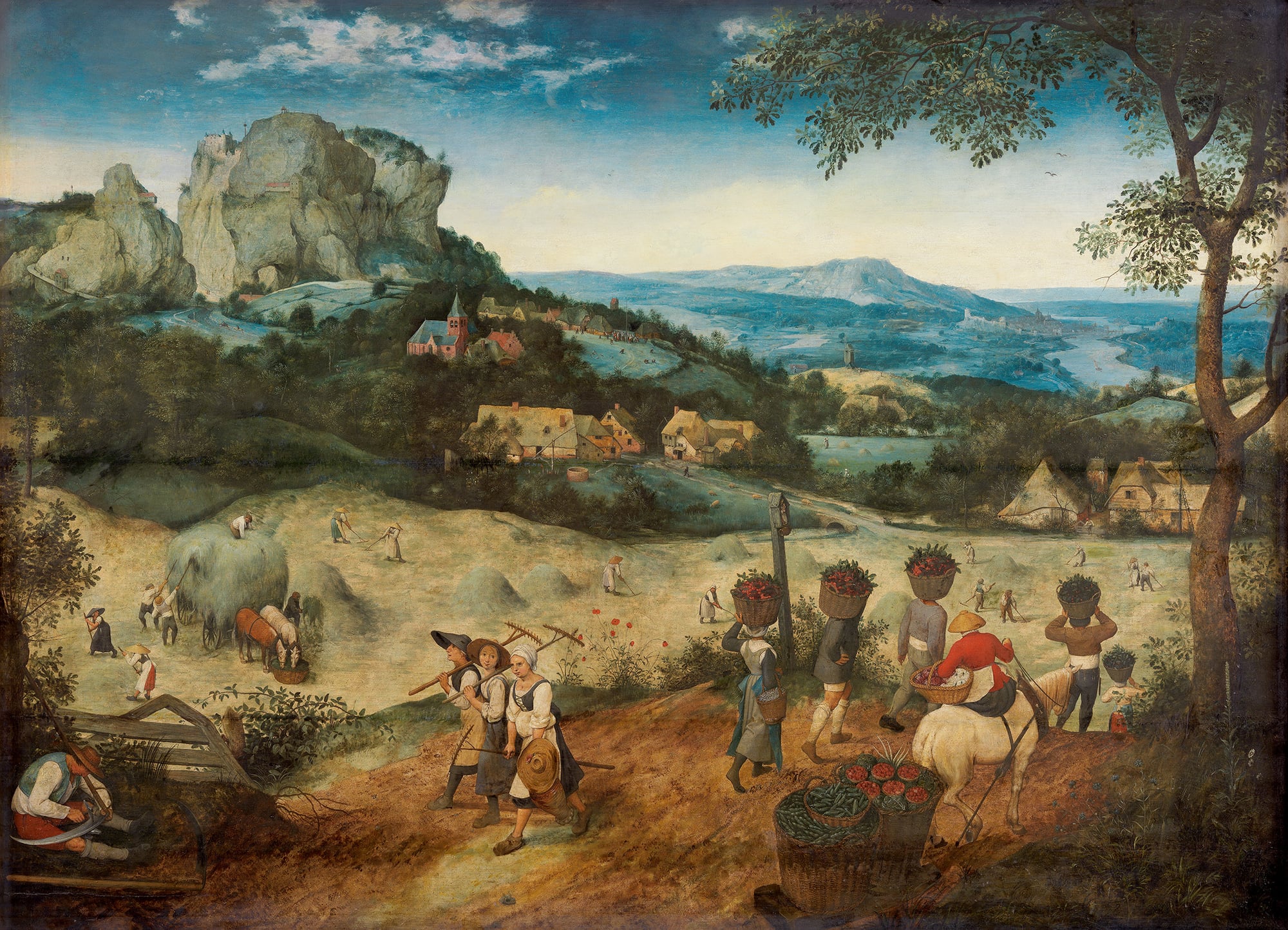
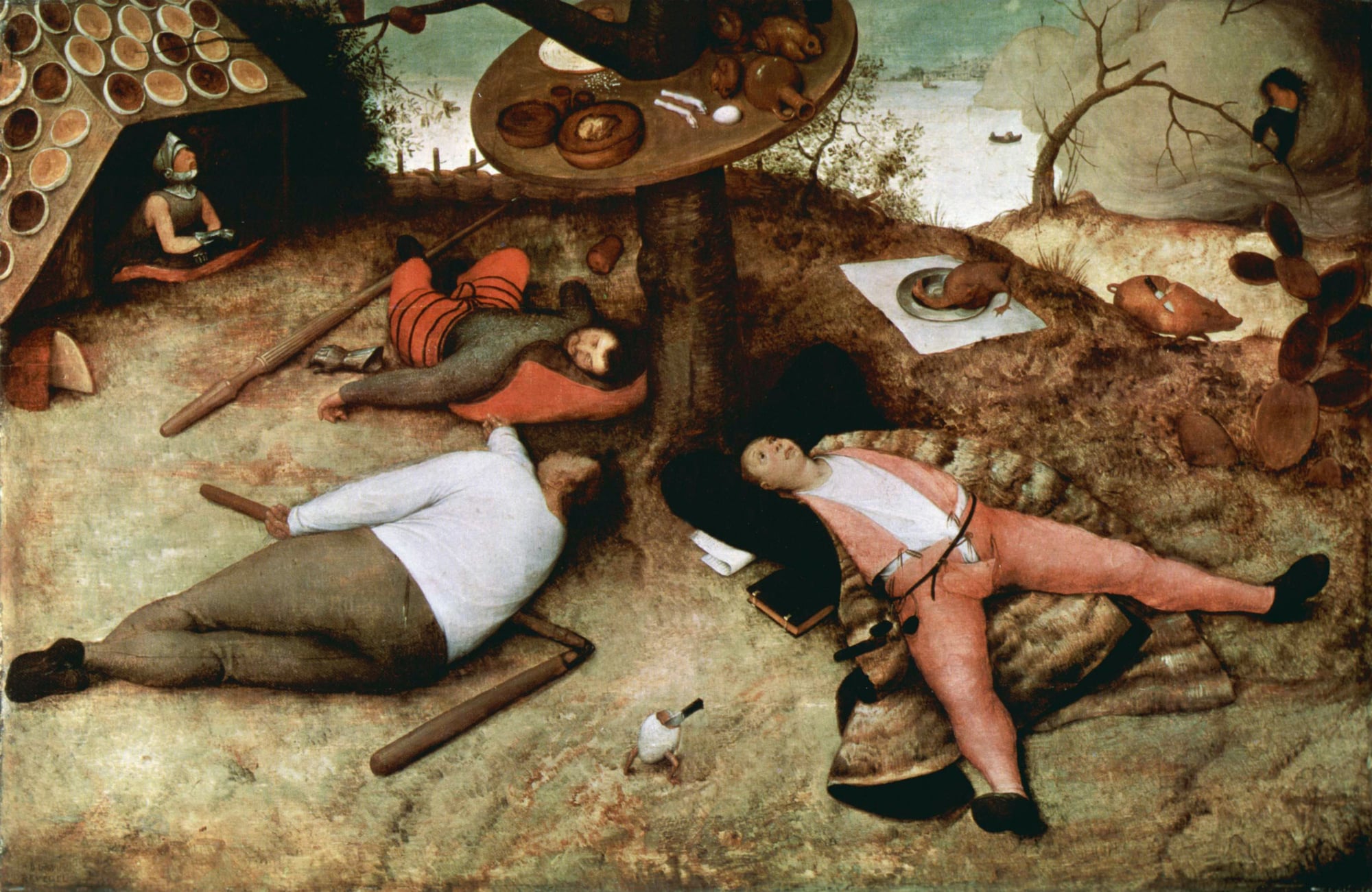
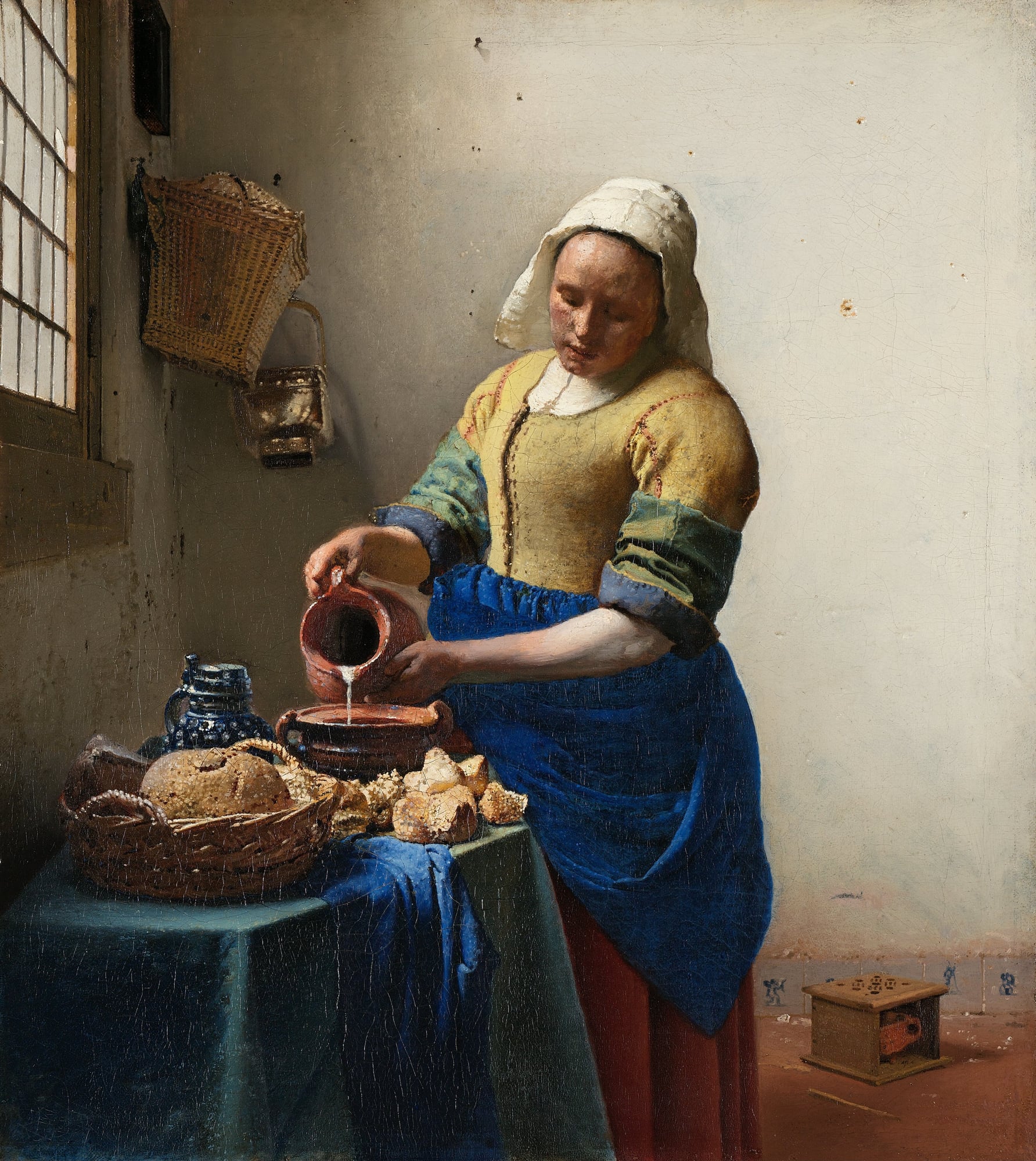
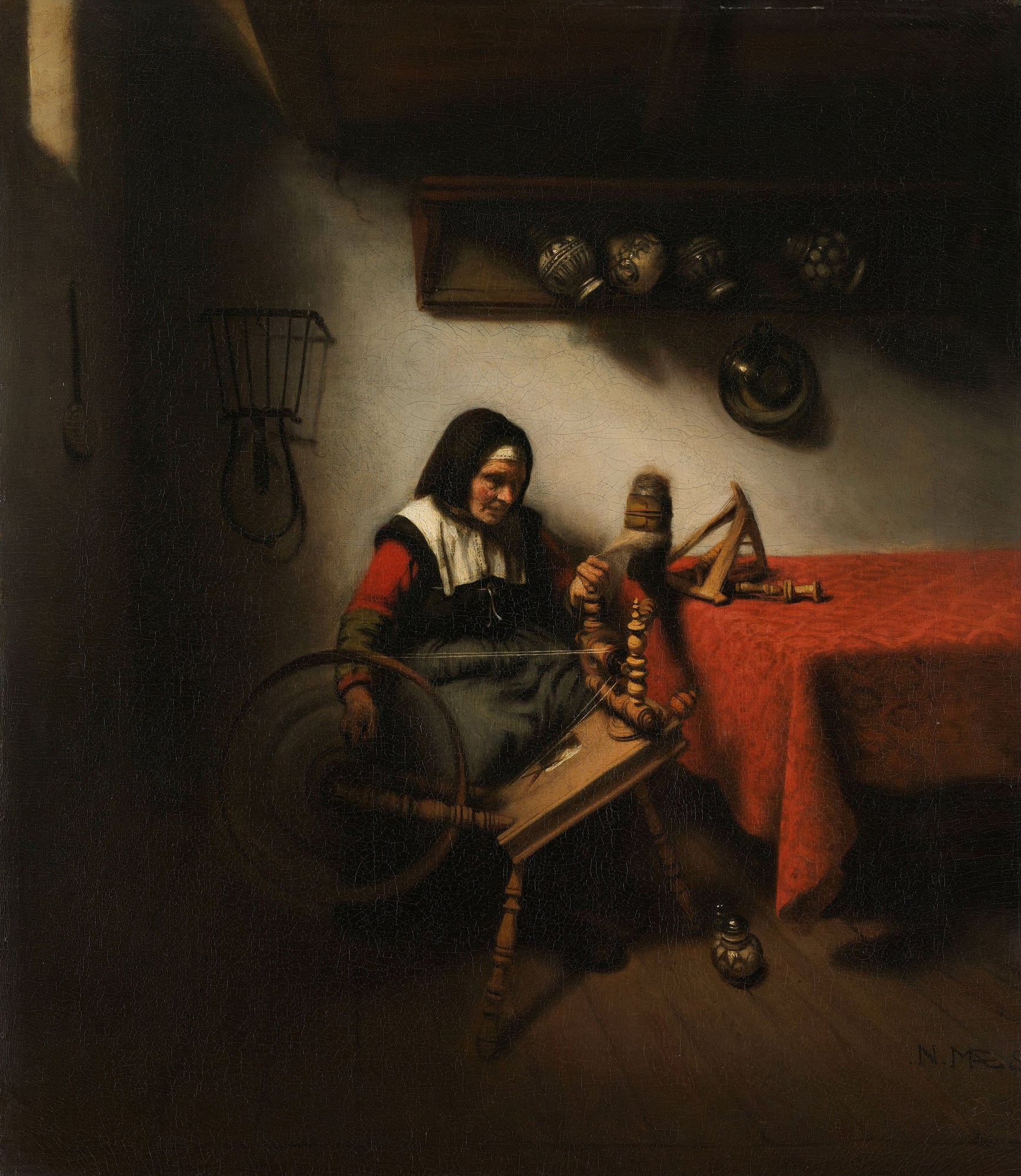
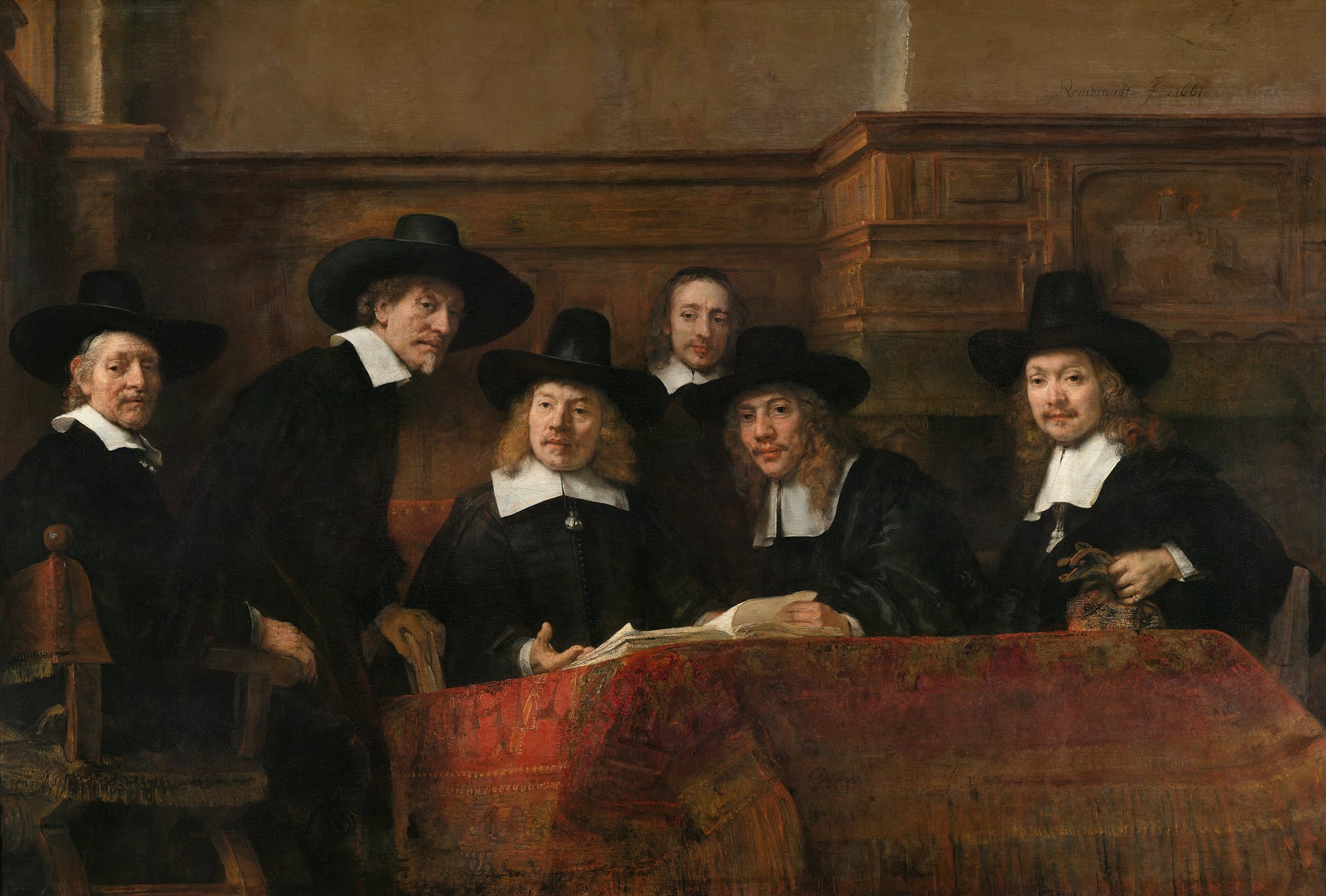
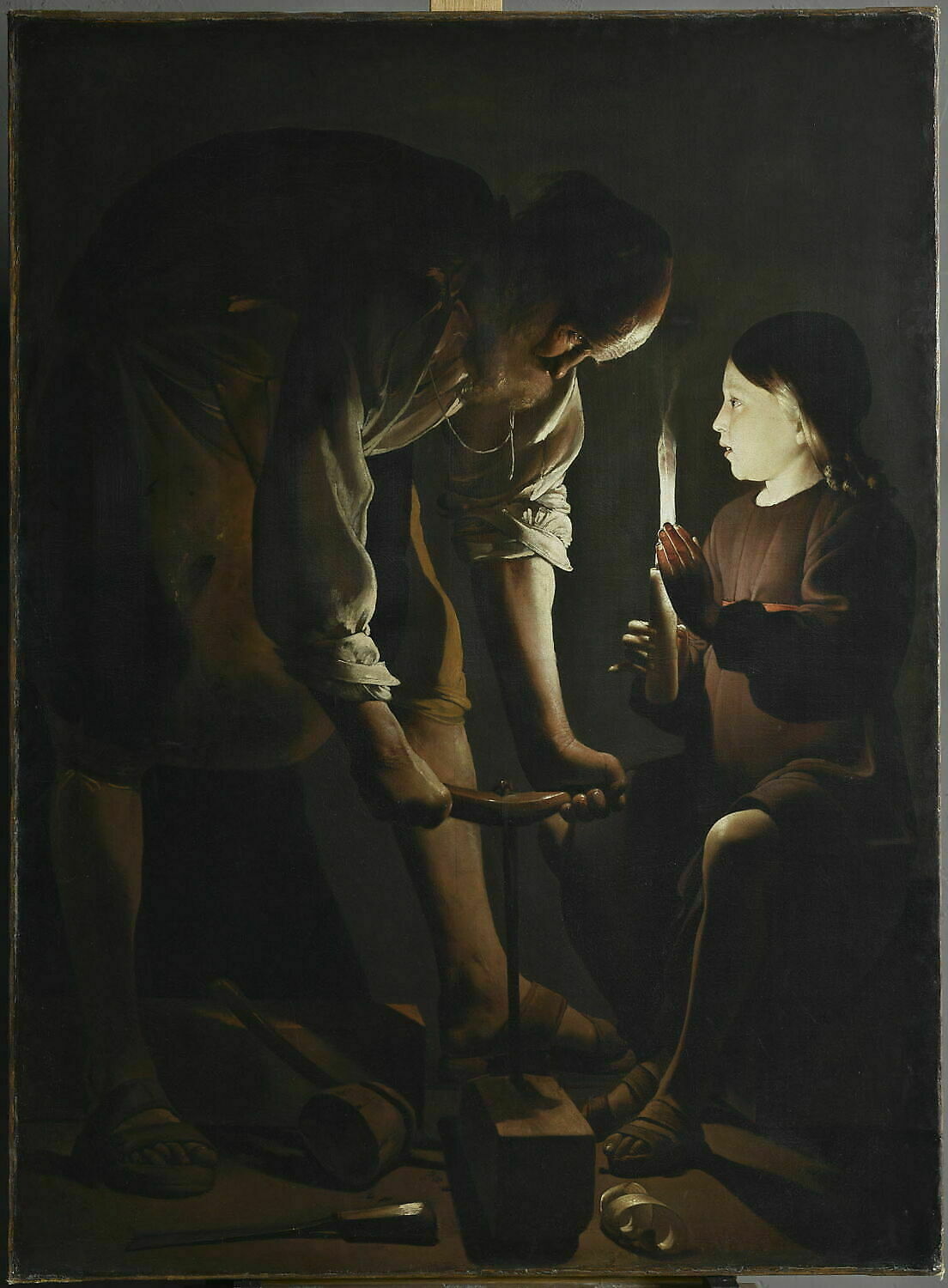
The Sluggard in Proverbs, Doing the Will of God from Your Heart, Paul the Tentmaker, The Words Charuts and Spoude, The Protestant Work Ethic, Work and Vocation
Where Readers Disagree
Seven readings answer three questions, each with its holders, the work that argues it and the objection raised against it.
Whether a Protestant ethic helped make the spirit of capitalism
Read the study of the Protestant Work Ethic 7 sections, 2 verses set out
| Reading | Held by | Work | Objection |
|---|---|---|---|
| The Puritan calling helped build the modern economic order | Max Weber (German sociology of religion) | Weber, Die protestantische Ethik und der Geist des Kapitalismus (1904 and 1905), translated by Talcott Parsons (1930), chapter 5 | R. H. Tawney answered in the preface of 1937 to Religion and the Rise of Capitalism that Weber “exaggerated its stability and consistency”. |
| True in part, and overstated | R. H. Tawney (English economic history) | Tawney, Religion and the Rise of Capitalism (1926), preface of 1937 | Weber had already disclaimed the view that capitalism is a creation of the Reformation, so the charge meets a narrower thesis than it supposes. |
| The advantage came through Bible reading and literacy | Sascha O. Becker and Ludger Woessmann (Economic history) | Becker and Woessmann, Was Weber Wrong? A Human Capital Theory of Protestant Economic History, Quarterly Journal of Economics 124 (2009) | The study measures Prussian counties of the late nineteenth century, long after the Puritan writers on the calling whom Weber read. |
True in part, and overstated, The advantage came through Bible reading and literacy
Why Paul worked at a trade
Read the story of Paul the Tentmaker 9 sections, 12 verses set out
| Reading | Held by | Work | Objection |
|---|---|---|---|
| To keep the gospel from becoming a burden | Matthew Henry; John Chrysostom (English Presbyterian; Patristic) | Henry, Commentary on the Whole Bible (1710), on Acts 18:3; Chrysostom, Homilies on the Acts of the Apostles, homily 39 | At Corinth Paul also took support, for “the brothers who came from Macedonia supplied my needs” (2 Corinthians 11:9). |
| Because he had no other means of living | Albert Barnes (American Presbyterian commentary) | Barnes, Notes, Explanatory and Practical, on Acts 18:3 | Paul says that he gave up a right he held: “Not that we lack this right, but we wanted to offer ourselves as an example for you to imitate” (2 Thessalonians 3:9). |
Whether work belongs to creation or to the curse
Read the study of Work and Vocation 12 sections, 34 verses set out
| Reading | Held by | Work | Objection |
|---|---|---|---|
| God's own six days set the pattern for human labor | Bonaventure (Franciscan) | Bonaventure, Collationes de Decem Praeceptis, collation 4 | The sentence of Genesis 3:17 says that the man will eat of the ground through toil all the days of his life. |
| Labor in this life still carries the sentence of Genesis 3 | Matthew Henry (English Presbyterian) | Henry, Commentary on the Whole Bible (1710), on Acts 18:3 | Genesis 2:15 gives the man work in the garden before the fall, so work came before the sentence. |
Sources
Scripture is the Berean Standard Bible.
- STEP Bible, Translators Brief lexicon of Extended Strongs for Hebrew and for Greek (Tyndale House, Cambridge), CC BY 4.0, with the Greek brief lexicon based on Abbott-Smith (1922)
- Hugh Ford, St. Benedict of Nursia, The Catholic Encyclopedia, volume 2 (New York: Robert Appleton, 1907)
- The Rule of Saint Benedict, chapter 48, On the Daily Manual Labor, translated by Leonard J. Doyle (Collegeville: The Liturgical Press, 1948)
- Brother Lawrence, The Practice of the Presence of God, the Conversations (Project Gutenberg edition of 2002)
- Max Weber, The Protestant Ethic and the Spirit of Capitalism, translated by Talcott Parsons (London: George Allen and Unwin; New York: Scribner, 1930), chapters 3 and 5.
- R. H. Tawney, Religion and the Rise of Capitalism (New York: Harcourt, Brace, 1926), Preface to the 1937 edition, in the Mentor printing of 1947.
- Sascha O. Becker and Ludger Woessmann, Was Weber Wrong? A Human Capital Theory of Protestant Economic History, Quarterly Journal of Economics 124 (2): 531 to 596 (2009)
- John Chrysostom, Homilies on the Acts of the Apostles, homily 39, Nicene and Post-Nicene Fathers, first series, volume 11 (Buffalo: Christian Literature Publishing, 1889)
- Bonaventure, Collationes de Decem Praeceptis, collation 4, in an English translation.
- Richard Baxter, A Christian Directory, part 1, chapter 10, part 1, title 1, directions 1 and 9 (London: George Virtue, 1846)
- Theophylact of Ohrid, Commentary on Ephesians, on Ephesians 6:7, in an English translation.
- Matthew Henry, Commentary on the Whole Bible (1710), on Ephesians 6:8 and Acts 18:3.
- Albert Barnes, Notes, Explanatory and Practical, on Acts 18:3.
- J. C. Ryle, Expository Thoughts on the Gospels: Matthew (1856), on Matthew 25:14 to 30.
- T. Bogg and B. W. Roberts, Conscientiousness and health-related behaviors: a meta-analysis of the leading behavioral contributors to mortality, Psychological Bulletin 130 (6): 887 to 919 (2004)
- M. L. Kern and H. S. Friedman, Do conscientious individuals live longer? A quantitative review, Health Psychology 27 (5): 505 to 512 (2008)
Keep Studying
Studies2
In this value7
People and groups15