
Study
The featured studies
The studies in The Unseen Realm, sorted by the kind of thing each one teaches.
Summary
The Unseen Realm holds 21 of the site's 1112 featured studies, in 3 of the ten kinds.
- 2 studies ask who one person or one people was, and what part they take in the story.
- 18 studies ask what Scripture teaches on a subject, from its first text to its fullest.
- 1 study asks why Christians read the same texts differently.
The studies by kind
People and groups
Lives told from first mention to last, and the nations, families and parties around Israel and the church. The full roster of names stands on the people hub; these are the studies built around one life or one people.
2 studies, 0 as cards, 2 in the register
The register: 2 studies of this kind
What Scripture teaches on a subject, from its first text to its fullest. The traditions that formed the teaching are named.
18 studies, 8 as cards, 10 in the register
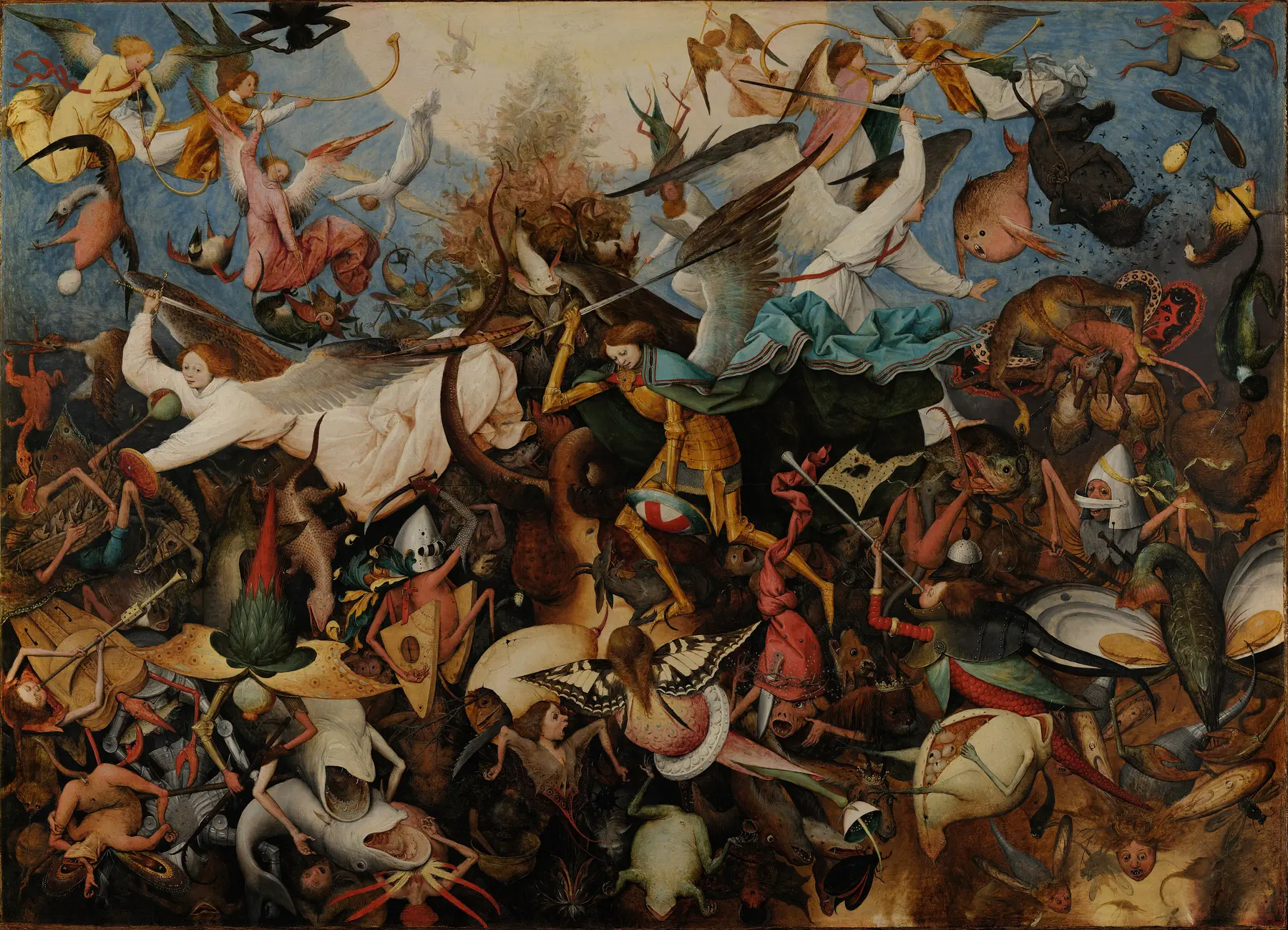 The Watchers and the NephilimThe sons of God are the fallen Watchers, and their union with women produced the Nephilim, the plain sense of the idiom.
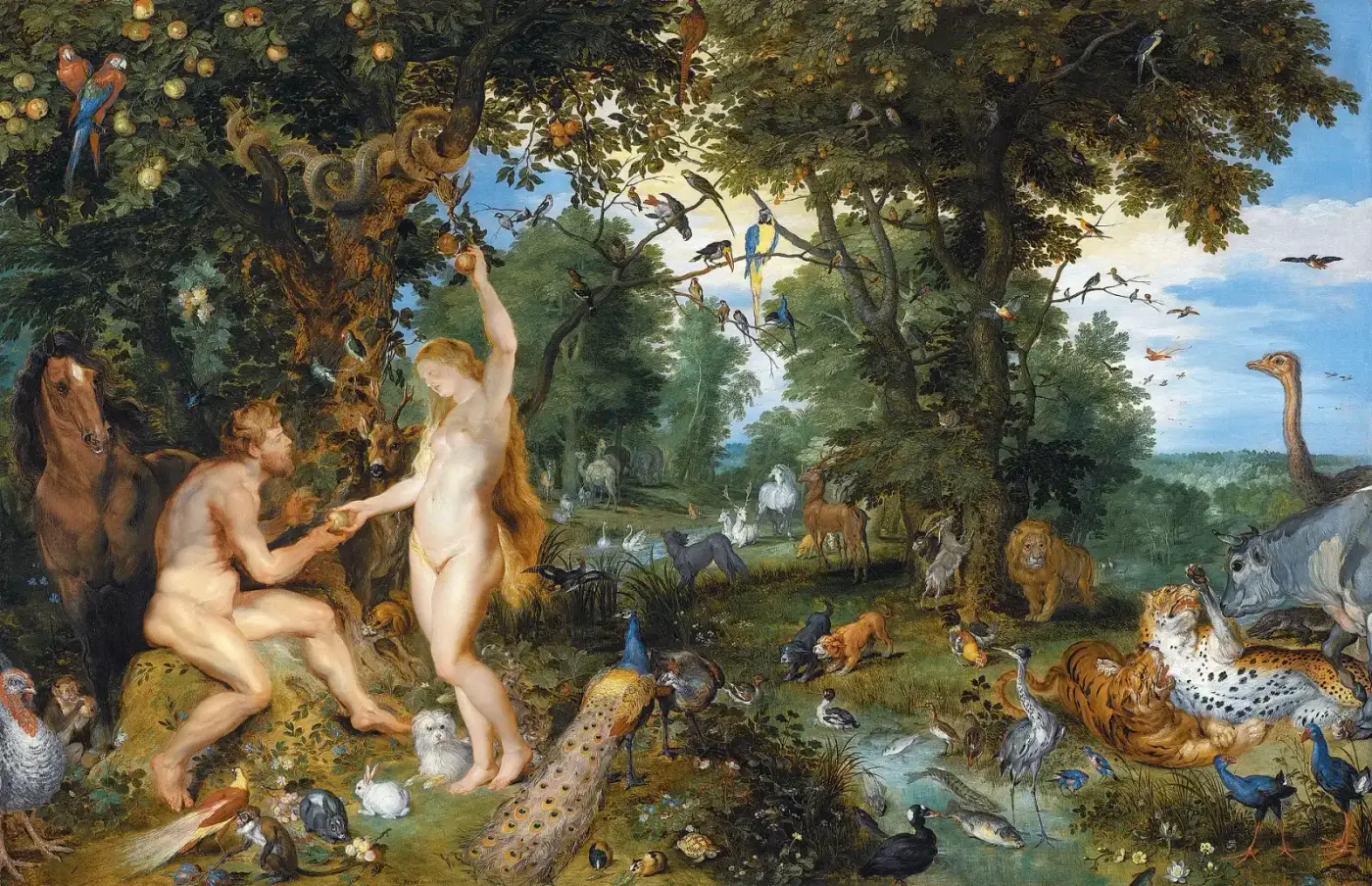 The Fall & the ProtoevangeliumOne command, one transgression, and the whole creation fractures, yet before the sentence is spoken, God promises a Deliverer.
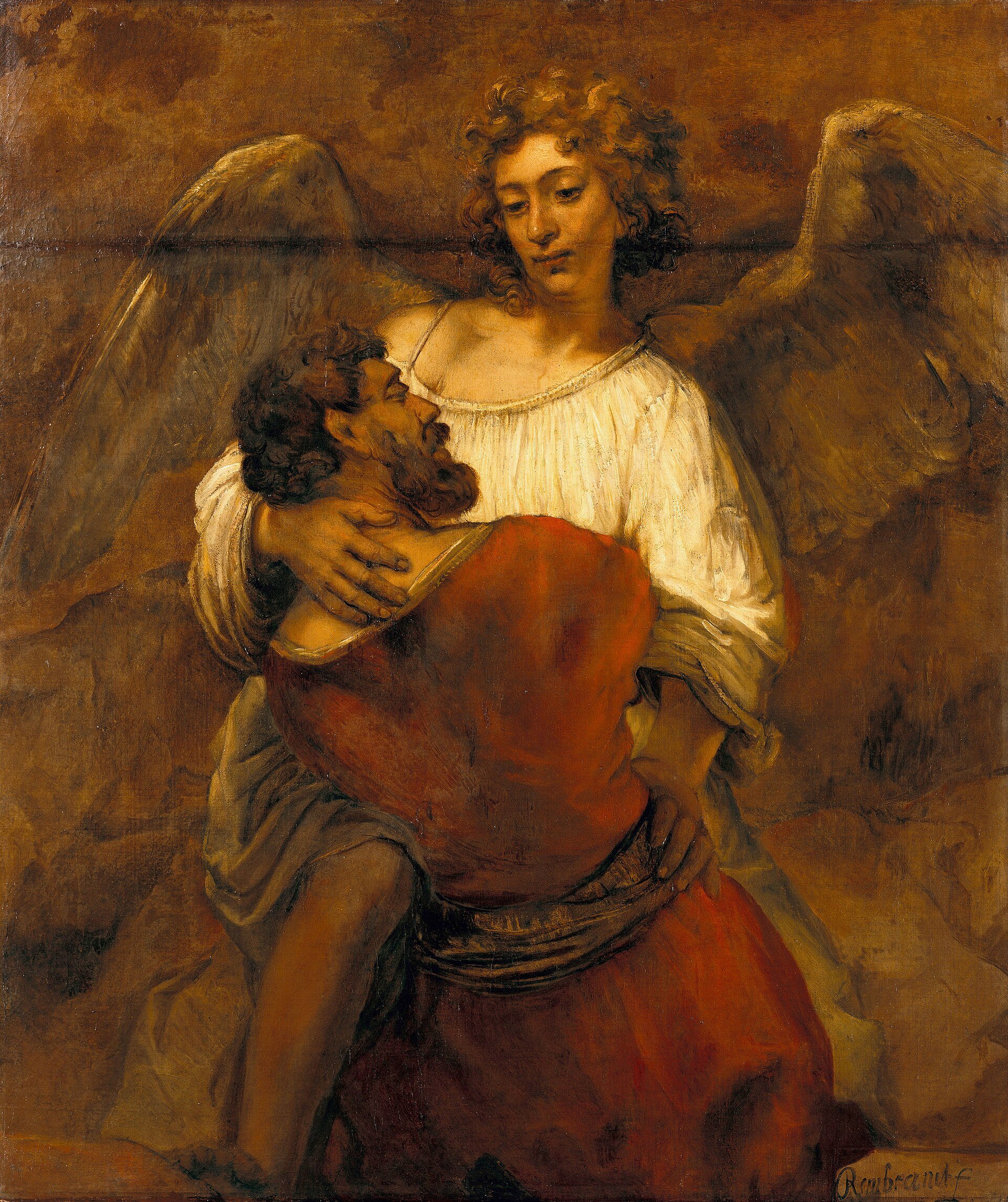 The Angel of YHWHEvery appearance of the malʾak YHWH — one figure identified with God and distinguished from him — and the five readings of who he is, each given its strongest voice.
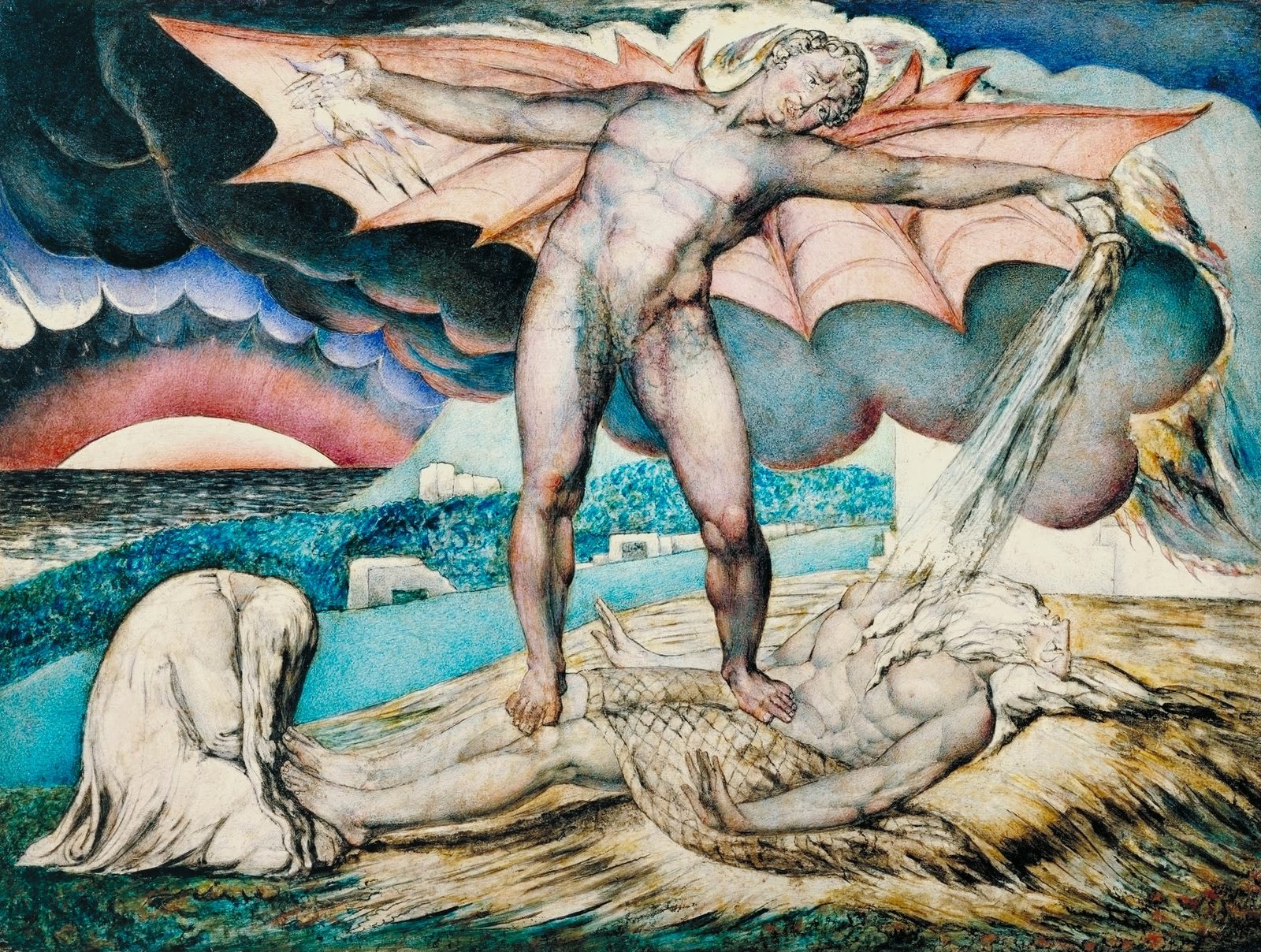 SatanThe adversary of Scripture — serpent in a garden, dragon in a lake of fire, and a real fallen being whose defeat was sealed at the cross.
 Satan Across the TestamentsThe enemy arrives first as a function — the accuser — and only later wears a name; trace the unveiling from Job's courtroom to Revelation's dragon.
 The Divine CouncilPsalm 82, Deuteronomy 32, 1 Kings 22, Job 1 — the scenes where Scripture shows God enthroned over a heavenly assembly, and the Dead Sea Scroll variant that binds them together.
 AngelologyThe heavenly host — cherubim, seraphim, archangels, and armies — by class, office, and appearance.
 The Nephilim and the GiantsFour words in Genesis 6 open two family trees — and a line of giants that Israel would meet at Hebron and finally bury at Gath.
The register: 10 more studies of this kind
- DemonologyWhat Scripture actually says about the unseen adversary — named, bounded, and already defeated.
- HeavenA house of many storeys — the three heavens, the throne room, the true tabernacle, and the new earth where God comes down to dwell.
- Spiritual WarfareA defeated enemy, reclaimed ground, and a soldier told to stand — the war behind the war, walked room by room.
- Territorial SpiritsOne disputed word in the Song of Moses opens onto Daniel's princes, Paul's principalities, and the map behind the nations.
- The Armor of GodRoman legionary equipment surveyed by Paul as Christian discipline (Eph 6:10–18). Six pieces of armor and a seventh element — prayer — that is posture, not armor. Every piece carries an OT echo.
- The forbidden arts
- The Holy One of Israel — Isaiah 6Isaiah 6's throne-room vision in five beats, seen, heard, undone, cleansed, sent, and the title-refrain that runs the whole book.
- The Names of SatanScripture rarely gives the adversary a plain name — it gives him titles, and each one is a claim about what he does.
- The Origin of EvilTwo taunt-songs, two named kings, and the fall the church has heard behind them — Isaiah 14 facing Ezekiel 28.
- The Throne RoomOne seat of God, shown to four seers across eight centuries — four sustained visions of the same room.
Questions Christians answer differently. Each study sets out the texts both sides read, the positions with their holders, and where this site's tradition lands.
1 studies, 0 as cards, 1 in the register
The register: 1 studies of this kind
Keep studying
On this page
People and groups1
The text itself3
The roster is the site’s own build manifest, so no study can be missing from it. A study leads its kind when it carries a line of its own and more of the other studies link to it; a register row with no line of its own borrows the first sentence of the study’s own summary. The pictures are public domain: engravings by Gustave Doré from Doré’s English Bible(1866), and paintings held at Wikimedia Commons. Each is named in full on the study’s own page.