
Study
The featured studies
The studies in The World of the Bible, sorted by the kind of thing each one teaches.
Summary
The World of the Bible holds 24 of the site's 1112 featured studies, in 5 of the ten kinds.
- 1 study asks what a whole book of the Bible says from end to end.
- 13 studies ask who one person or one people was, and what part they take in the story.
- 3 studies ask where a place stood and what happened on that ground.
- 6 studies ask what Scripture teaches on a subject, from its first text to its fullest.
- 1 study asks why Christians read the same texts differently.
The studies by kind
Show the groups
- Books of the Bible1 studies, 0 as cards, 1 in the register
- People and groups13 studies, 2 as cards, 11 in the register
- Places3 studies, 0 as cards, 3 in the register
- Doctrines6 studies, 0 as cards, 6 in the register
- Debates1 studies, 0 as cards, 1 in the register
Books of the Bible
One study for each book, with the studies of how the Bible came to us and how its writers wrote. This is the place to begin a book from end to end.
1 studies, 0 as cards, 1 in the register
People and groups
Lives told from first mention to last, and the nations, families and parties around Israel and the church. The full roster of names stands on the people hub; these are the studies built around one life or one people.
13 studies, 2 as cards, 11 in the register
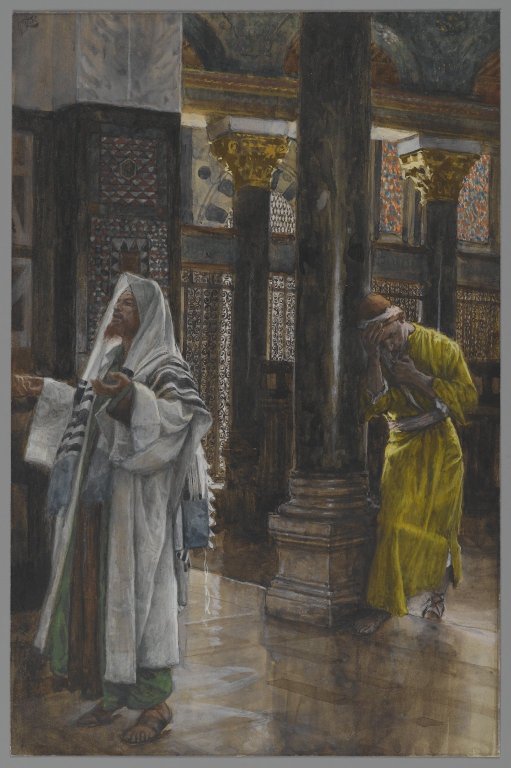 The PhariseesA lay movement built on keeping the law in the home, the party Paul was trained in, and what they and Jesus actually disagreed about.
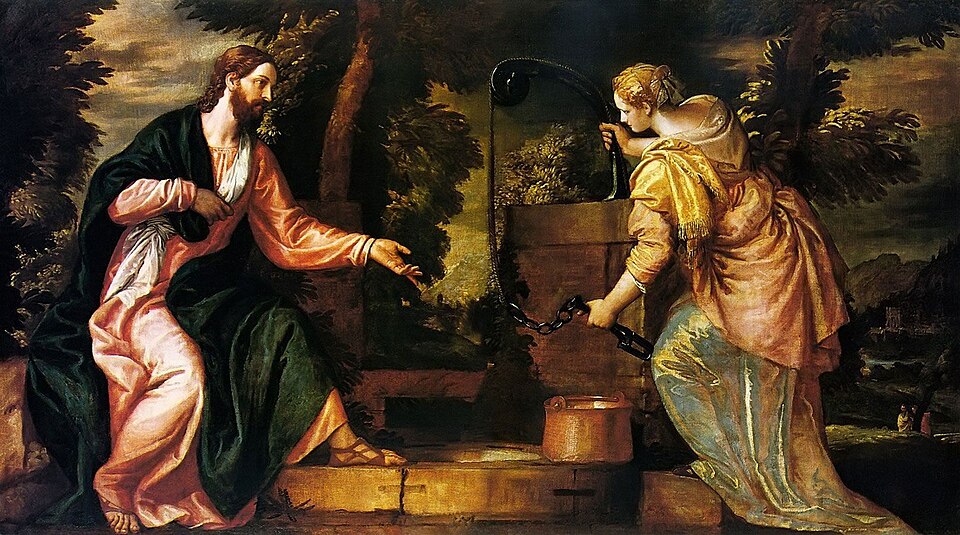 The SamaritansWho they were, what happened at Shechem, why the woman at the well raised the mountain, and what the parable would have cost its first hearers.
The register: 11 more studies of this kind
- Amalek and the Standing War
- AssyriaAssyria rose from Nineveh into the most feared war machine of its age, ruling by deportation.
- GreeceDaniel 8 pictures Greece as a he-goat that crosses the world without touching the ground and names it outright as the king of Greece, then shows its great horn broken and four horns rising in its place, exactly what happened when Alexander the Great died and his empire split among his four generals.
- Moab and Ammon
- PersiaPersia rose under Cyrus, who took Babylon the night a hand wrote judgment on Belshazzar's wall, and in his first year issued a decree letting captive Judah return home and rebuild its temple.
- Pharaoh
- RomeDaniel's vision names a fourth kingdom, strong as iron, that the majority reading across church history identifies as Rome.
- Scribes and the SanhedrinThe scribes were the recognized legal experts of Jesus' day, a profession tracing to Ezra; the Sanhedrin was the nation's court, drawn from chief priests, elders and scribes together.
- The EssenesThe Essenes were a Jewish school Josephus places beside the Pharisees and Sadducees, marked by shared property, strict purity rules, and their own calendar.
- The House Churches
- The SadduceesThe Sadducees were the priestly aristocracy of Second Temple Judaism, centered on the Temple and its politics.
The ground a story stands on: what was built there, what was found there, and what Scripture makes of the name afterwards.
3 studies, 0 as cards, 3 in the register
The register: 3 studies of this kind
What Scripture teaches on a subject, from its first text to its fullest. The traditions that formed the teaching are named.
6 studies, 0 as cards, 6 in the register
Questions Christians answer differently. Each study sets out the texts both sides read, the positions with their holders, and where this site's tradition lands.
1 studies, 0 as cards, 1 in the register
Keep studying
On this page
People and groups1
The text itself3
The roster is the site’s own build manifest, so no study can be missing from it. A study leads its kind when it carries a line of its own and more of the other studies link to it; a register row with no line of its own borrows the first sentence of the study’s own summary. The pictures are public domain: engravings by Gustave Doré from Doré’s English Bible(1866), and paintings held at Wikimedia Commons. Each is named in full on the study’s own page.