
Study
The featured studies
The studies in God, His Name and His Presence, sorted by the kind of thing each one teaches.
Summary
God, His Name and His Presence holds 23 of the site's 1112 featured studies, in 3 of the ten kinds.
- 1 study asks where a place stood and what happened on that ground.
- 21 studies ask what Scripture teaches on a subject, from its first text to its fullest.
- 1 study asks why Christians read the same texts differently.
The studies by kind
The ground a story stands on: what was built there, what was found there, and what Scripture makes of the name afterwards.
1 studies, 0 as cards, 1 in the register
The register: 1 studies of this kind
What Scripture teaches on a subject, from its first text to its fullest. The traditions that formed the teaching are named.
21 studies, 8 as cards, 13 in the register
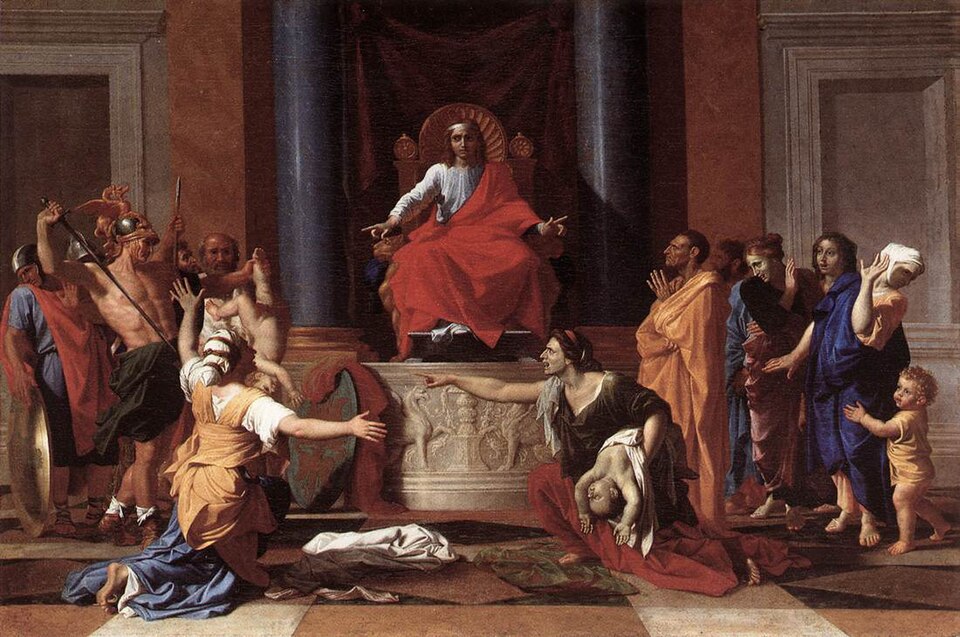 The Fear of the LORD — the Beginning of WisdomSix books say the same sentence: the fear of the LORD is the beginning of wisdom, and the passages that command trembling promise the friendship of God.
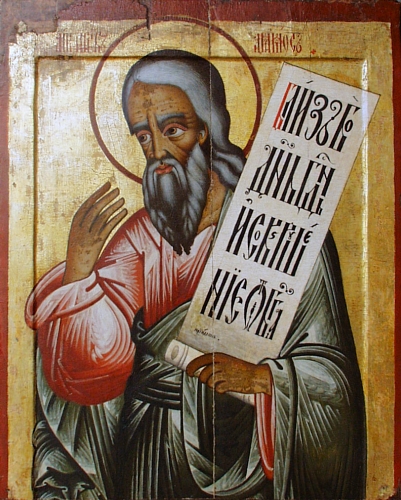 Justice and Righteousness: Mishpat and TsedaqahMishpat and tsedaqah traced from Deuteronomy's case law through Amos, Isaiah, and Micah to Jesus naming them the weightier matters of the law, with Amos 5:24's reception history held honestly.
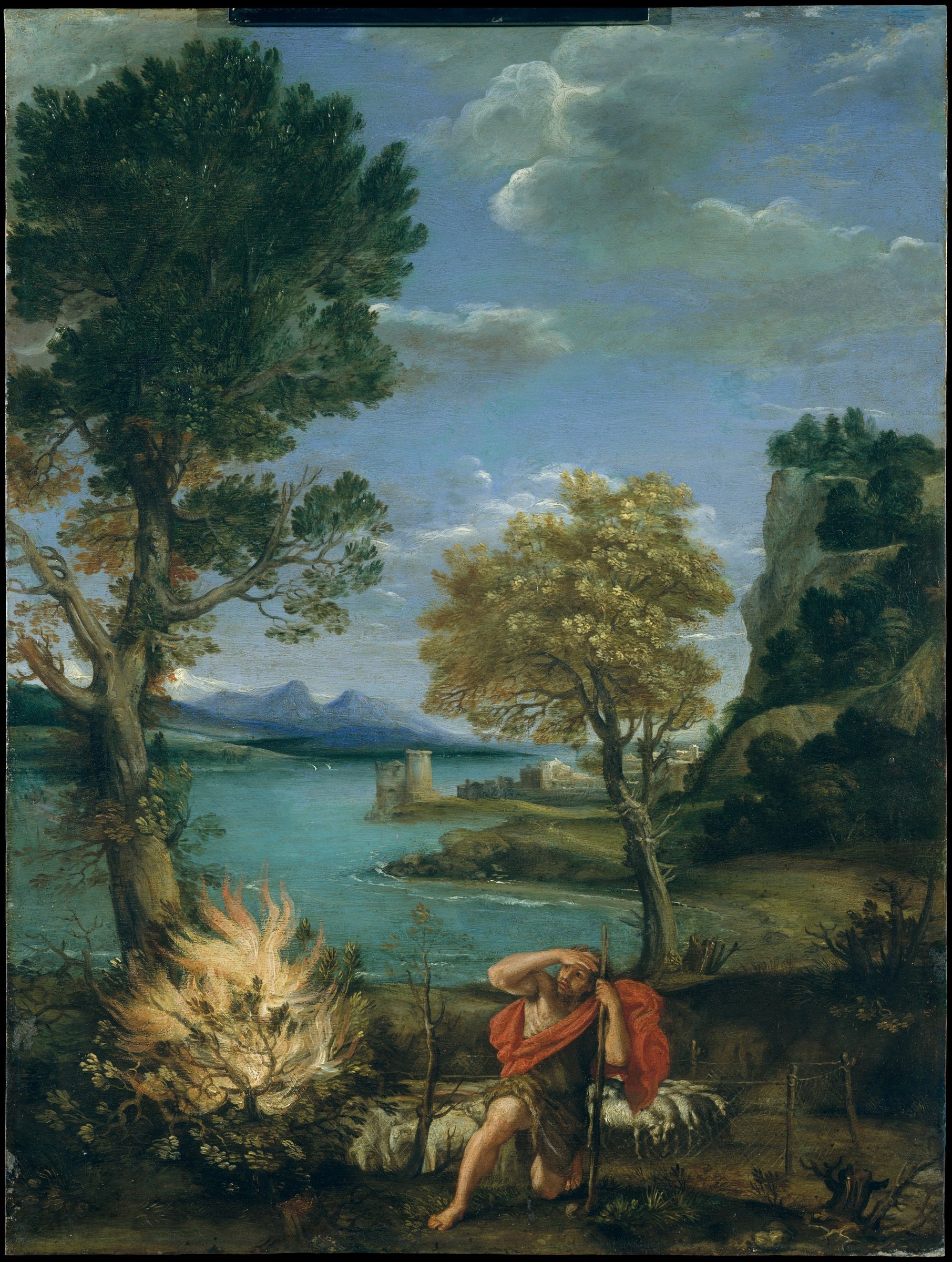 The Burning Bush: the Name RevealedA bush that burns and is not consumed, the Name I AM THAT I AM, and five objections from a man who did not want to go.
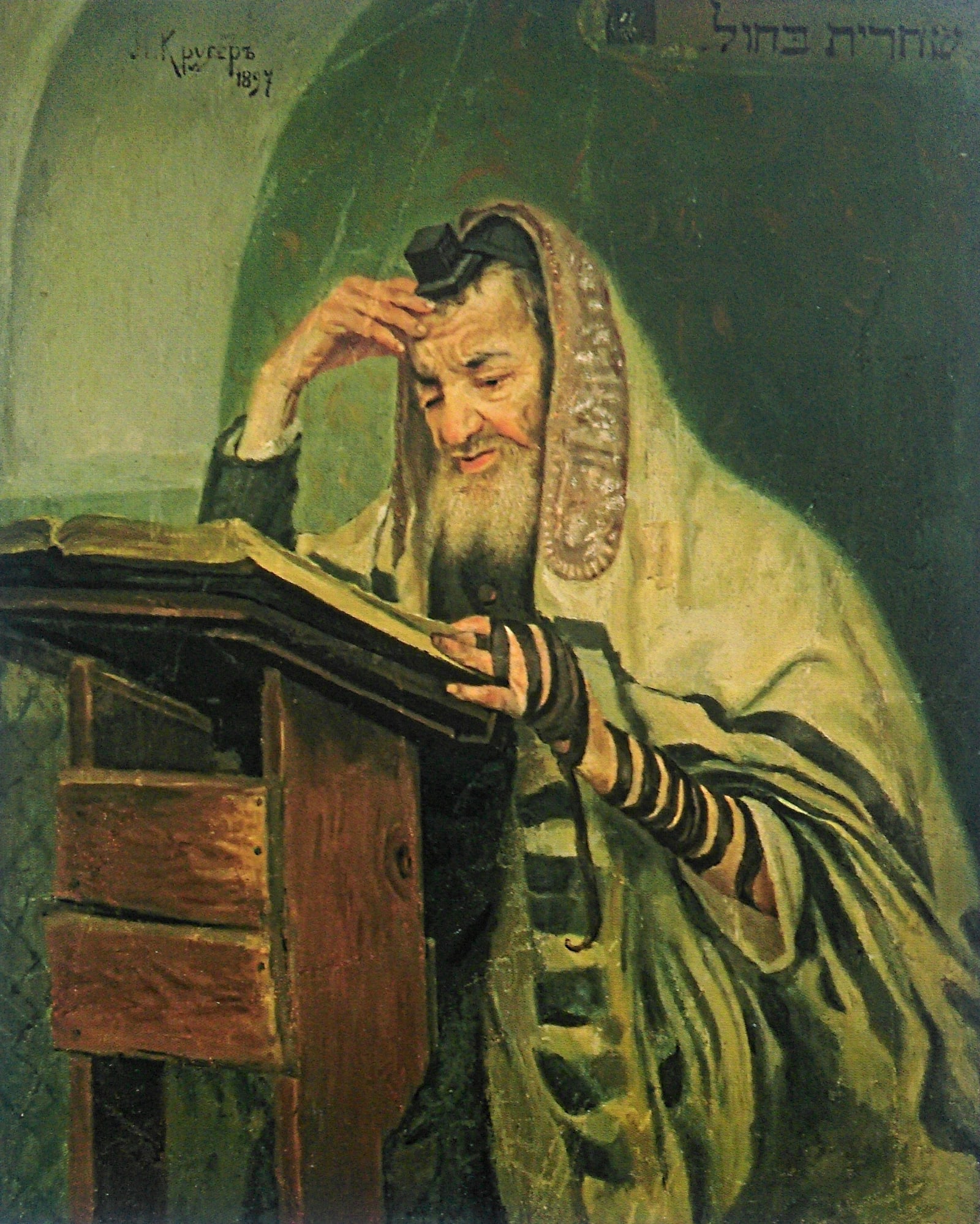 The ShemaIsrael's daily confession, word by word, and the moment Jesus names it the first and great commandment.
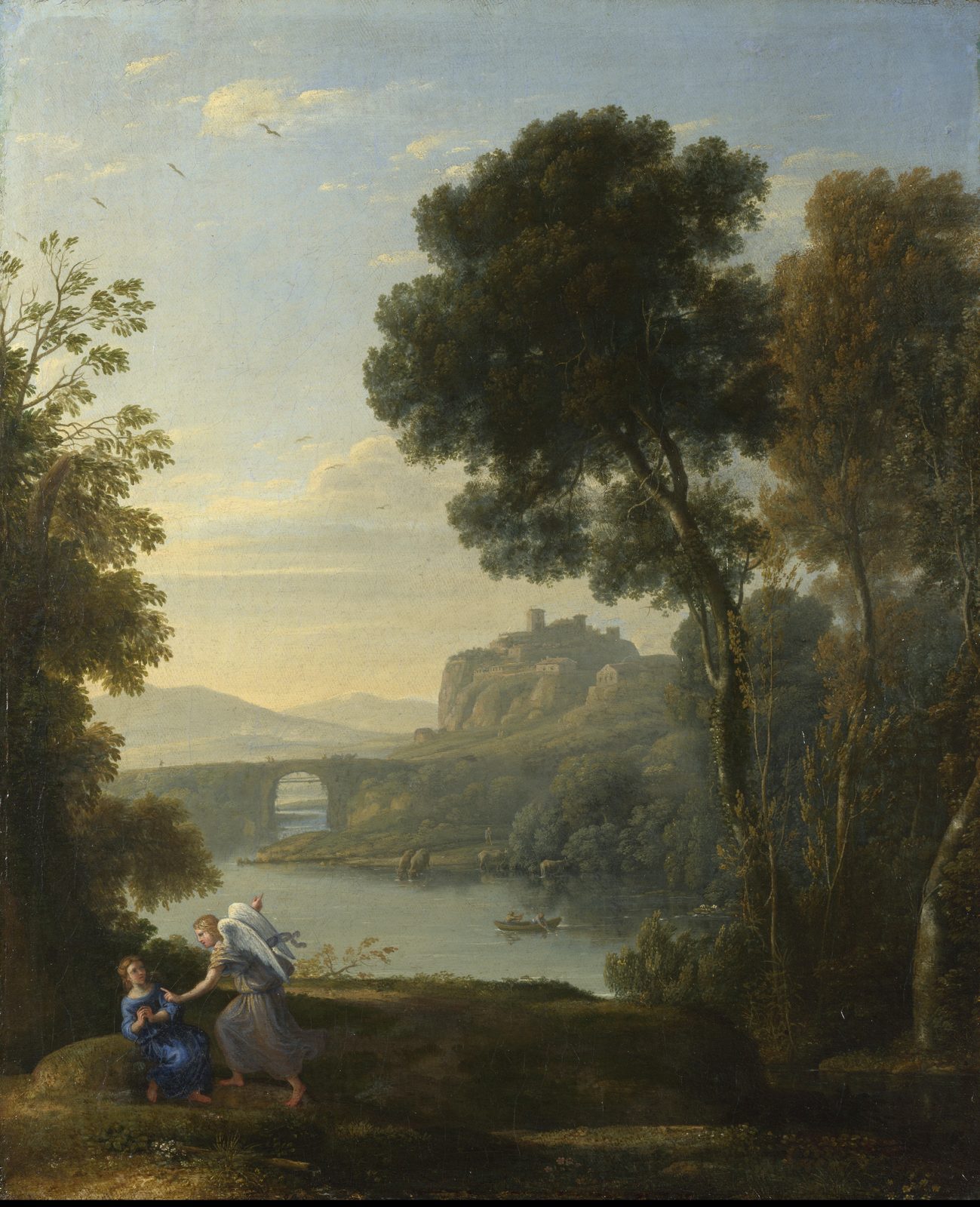 Names of GodGod reveals himself by name. Each name given in a specific historical moment, in response to a specific situation. Twenty-eight names along a revelation timeline — from Elohim at creation to YHWH-Shammah at the restored city — closing with Jesus' "I AM."
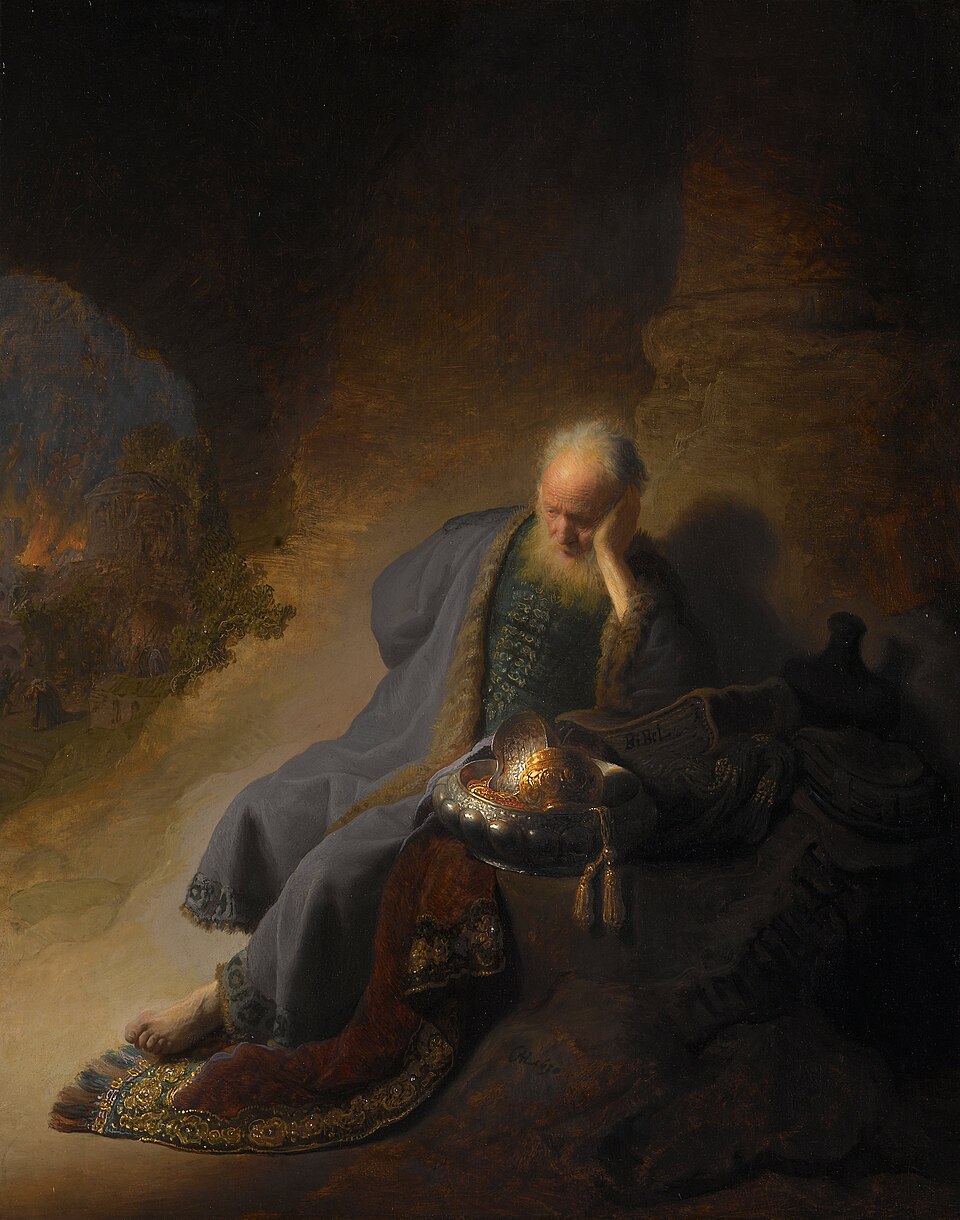 Great Is Thy Faithfulness: Lamentations 3:22–24Three mercy-words packed into two verses at Lamentations' exact center, because of the LORD's mercies we are not consumed, new every morning.
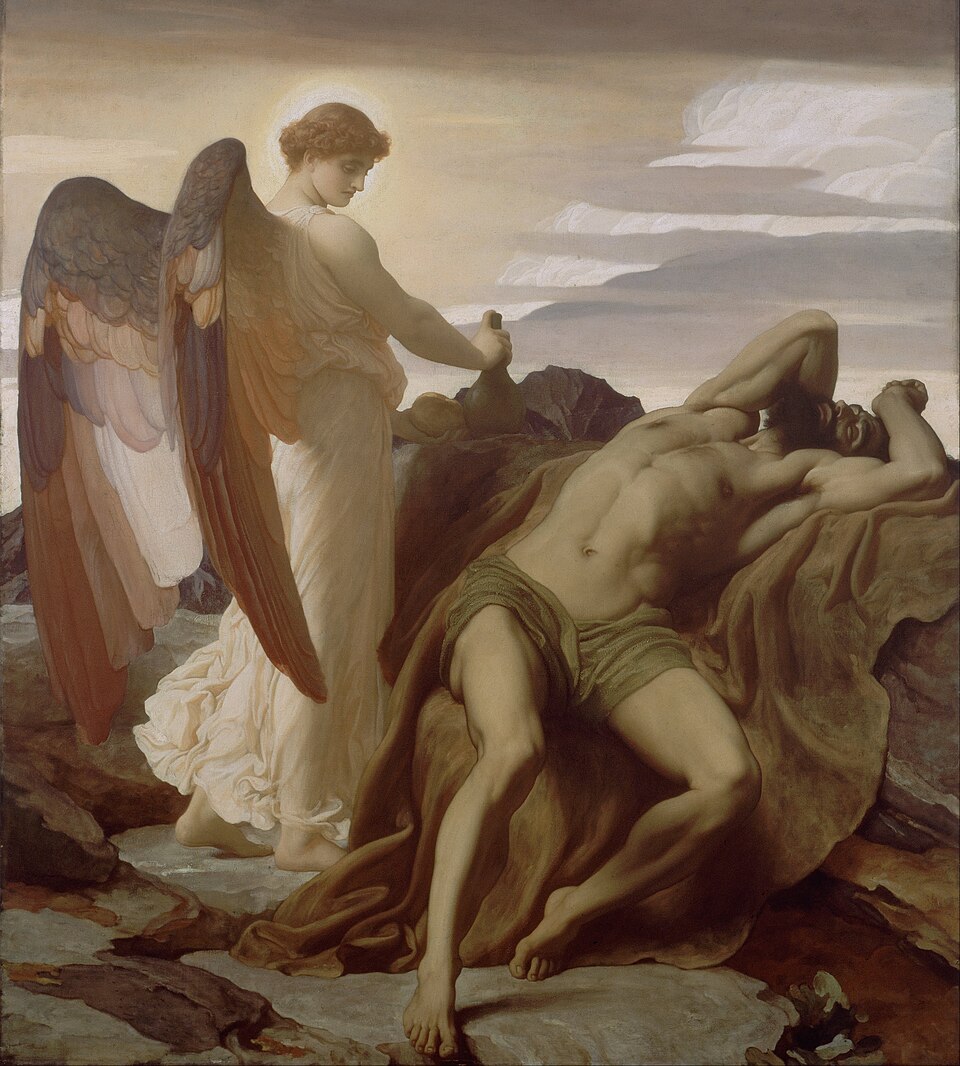 Hearing GodSamuel's night call, Elijah's still small voice, the sheep who know the Shepherd's voice, the scripture spine, and the tests Scripture gives for what is heard.
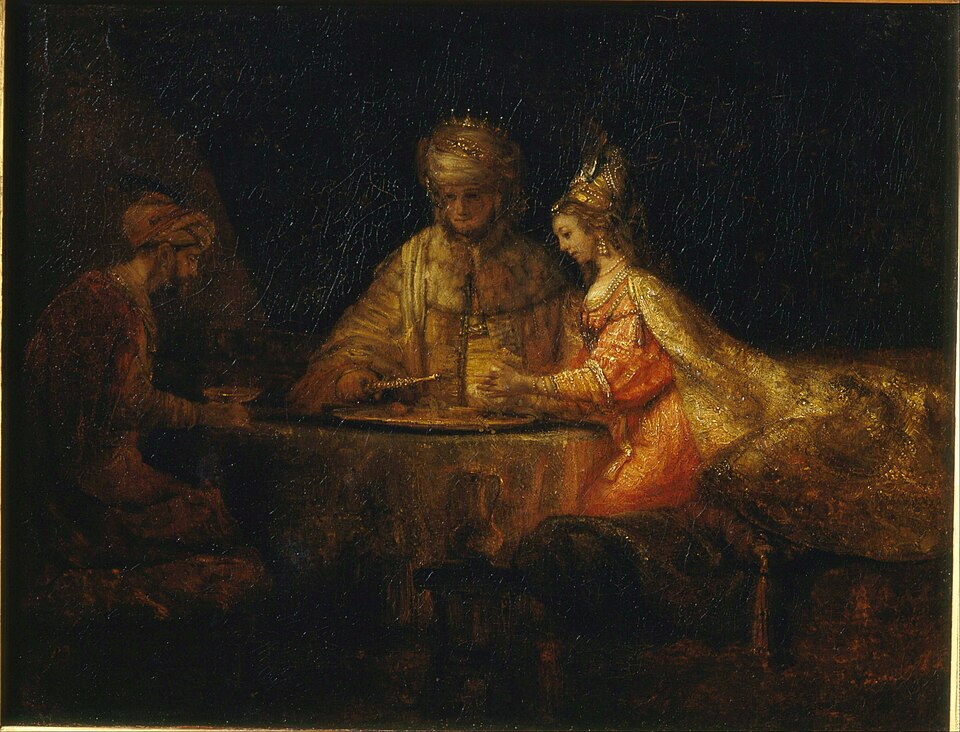 Providence Hidden: the God Who Is Never Named — EstherEsther never names God, yet a chain of load-bearing 'coincidences' runs the book, the paradigm case of hidden providence, traced to Joseph, Daniel, and Acts 4.
The register: 13 more studies of this kind
- God Dwelling with His People, from Eden to the New Jerusalem
- Hesed, the LORD's Loving Devotion
- Redemption
- The early and the latter rain
- The God Who Sings — Zephaniah 3:17Zephaniah 3:17: the one verse where God sings, set beside the bridegroom's joy, the three joys of Luke 15, and the joy set before Him.
- The Hardening of the Heart
- The Name of the LORD Given at the Bush
- The Patience and the Wrath of God
- The Potter and the Clay — Jeremiah 18–19One trade visited twice: the marred vessel made again on the wheel, and the fired bottle smashed where it could not be mended.
- The Sanctity of Human Life
- The Three Pilgrim Feasts
- The TrinityThis page builds the doctrine step by step from Scripture, from the Old Testament's hints to the historic councils that gave it its vocabulary, then names the readings the church weighed and set aside and why every human analogy for it breaks down.
- When God relents, and the gracious and compassionate formula
Questions Christians answer differently. Each study sets out the texts both sides read, the positions with their holders, and where this site's tradition lands.
1 studies, 0 as cards, 1 in the register
The register: 1 studies of this kind
Keep studying
On this page
People and groups1
The text itself3
The roster is the site’s own build manifest, so no study can be missing from it. A study leads its kind when it carries a line of its own and more of the other studies link to it; a register row with no line of its own borrows the first sentence of the study’s own summary. The pictures are public domain: engravings by Gustave Doré from Doré’s English Bible(1866), and paintings held at Wikimedia Commons. Each is named in full on the study’s own page.