

1 Peter 1 · Value 21 of 41 · Featured Study
Holiness and Purity
Every call to holiness in the Bible rests on the holiness of the LORD.
Peter gave the scattered churches a command first given to Israel (1 Peter 1:16).
But just as He who called you is holy, so be holy in all you do,
- Anchor text
- 1 Peter 1:13 to 16 “Therefore prepare your minds for…”
- Its opposite
- Defilement, and the holy treated as common
- Hold in memory
- 1 Peter 1:15, 2 Corinthians 7:1
Summary
God alone is holy in Himself, and Scripture calls Him the Holy One. He set Israel apart as a holy nation and called it to be holy as He is holy. Holiness in Scripture is first what God gives and then what His people live. Purity is the cleanness that holiness asks for, and Jesus promised that the pure in heart will see God.
- The LORD is the One who sanctifies His people, as He says in Leviticus 20:8.
- Christ makes His people holy by His one sacrifice, and the Spirit sanctifies them.
- Holiness is lived in the body and the mind and in care for the poor and the neighbour.
What Holiness Is
Four Hebrew and Greek words name what is holy and what is clean.
Holiness runs through Scripture from the law of Moses to the song around God's throne. God sets apart a nation, a priesthood, a sanctuary and a day as His own, and He asks His people to be like Him. This study of holiness asks what Scripture means by the word, where holiness comes from, and how God's people are made holy and kept pure. It gives the Hebrew and Greek words, the key texts, the ground of holiness in God, and the work of Christ that makes His people holy.
Qadosh, holy
The Hebrew adjective qadosh (H6918) is used of God above all, and as a noun it can name Him. Isaiah calls Him the One “whose name is Holy.”
Tahor, pure
The Hebrew adjective tahor (H2889) means pure, in a physical, ceremonial or moral sense. The ark was to be overlaid “with pure gold both inside and out.”
Hagios, holy
The Greek adjective hagios (G40) names God, His Spirit and His people, the saints. Peter calls the church “a chosen people, a royal priesthood, a holy nation.”
Katharos, clean
The Greek adjective katharos (G2513) means clean, literally or figuratively. Jesus told His disciples, “You are already clean because of the word I have spoken to you.”
Qadosh, holy, Tahor, pure, Hagios, holy, Katharos, clean, The Words Qadosh and Hagios, the study in brief
The Key Texts of Holiness
The Law, the psalms, the Gospels and the letters each name holiness as God's call on His people.
Law
And unto Me you shall be a kingdom of priests and a holy nation.’ These are the words that you are to speak to the Israelites.”
God gives Israel the name holy nation as He prepares to make His covenant with them at Sinai.
Exodus 19:6BSB
Law
“Speak to the whole congregation of Israel and tell them: Be holy because I, the LORD your God, am holy.
The chapter that opens with this command goes on to the gleanings, the neighbour and the poor.
Wisdom
Exalt the LORD our God, and worship at His footstool; He is holy!
The psalm returns to God's holiness as its refrain and makes it the reason for worship.
Psalm 99:5BSB
Gospels
Blessed are the pure in heart, for they will see God.
The one beatitude that names purity stands in the Sermon on the Mount, sixth of its blessings.
Matthew 5:8BSB
Epistles
Therefore I urge you, brothers, on account of God’s mercy, to offer your bodies as living sacrifices, holy and pleasing to God, which is your spiritual service of worship.
Paul opens the last part of Romans, on the life of believers, with this appeal.
Romans 12:1BSB
Epistles
Therefore, beloved, since we have these promises, let us cleanse ourselves from everything that defiles body and spirit, perfecting holiness in the fear of God.
Paul draws this charge from the promises of God he has just quoted from the prophets (2 Corinthians 6:16 to 18).
Epistles
Now may the God of peace Himself sanctify you completely, and may your entire spirit, soul, and body be kept blameless at the coming of our Lord Jesus Christ.
Paul's prayer places the work of making holy in the hands of God Himself.
Epistles
Pursue peace with everyone, as well as holiness, without which no one will see the Lord.
The verse follows the letter's teaching that the Father disciplines His children so that they share His holiness (Hebrews 12:10).
Leviticus 19:2, Psalm 99:5, Matthew 5:8, Romans 12:1, 2 Corinthians 7:1, 1 Thessalonians 5:23, Hebrews 12:14
Holiness Rests on the Holy God
The law, the prophets and the letters name the LORD as holy and as the One who sanctifies.
Habakkuk said to God, “Your eyes are too pure to look upon evil, and You cannot tolerate wrongdoing” (Habakkuk 1:13).
Holiness begins in God and is given to His people and asked of them.
| Text | The Berean words |
|---|---|
| Leviticus 20:8 | “And you shall keep My statutes and practice them. I am the LORD who sanctifies you.” |
| John 17:19 | “For them I sanctify Myself, so that they too may be sanctified by the truth.” |
| 1 Corinthians 6:11 | “But you were washed, you were sanctified, you were justified, in the name of the Lord Jesus Christ and by the Spirit of our God.” |
| 1 Thessalonians 4:7 | “For God has not called us to impurity, but to holiness.” |
| Revelation 4:8 | “Holy, Holy, Holy, is the Lord God Almighty, who was and is and is to come!” |
Isaiah's name for God, the Holy One of Israel, is the subject of its own study.
A table of five texts in canon order, each with its Berean words, from the God who makes holy to the song of His holiness., a paragraph
Christ and Holiness
Jesus was named the Holy One of God, guarded His Father's house, prayed for His people's holiness, made them holy by His death and was declared the Son of God when He rose.
He was named the Holy One of GodJohn 6
Many disciples left Jesus after His teaching on the bread of life, and He asked the Twelve whether they wanted to leave too (John 6:67).
We believe and know that You are the Holy One of God.”
John 6:69BSB Peter gives Jesus the title of holiness as the confession of the Twelve.
Read the page on Jesus 33 sections, 35 verses set out
He guarded His Father's houseJohn 2
At the Passover Jesus found men selling cattle, sheep and doves in the temple courts. He “made a whip out of cords and drove all from the temple courts” (John 2:15).
To those selling doves He said, “Get these out of here! How dare you turn My Father’s house into a marketplace!”
John 2:16BSB Jesus guards the holiness of the temple as His Father's house.
He prayed that His people be made holyJohn 17
On the night before He died Jesus prayed for the disciples the Father had given Him, that the Father would keep them from the evil one.
Sanctify them by the truth; Your word is truth.
John 17:17BSB Jesus names the Father's word as the truth by which His people are made holy.
He made His people holy by His deathHebrews 10
Hebrews sets the one sacrifice of Jesus against the sacrifices every priest offered “again and again” (Hebrews 10:11).
And by that will, we have been sanctified through the sacrifice of the body of Jesus Christ once for all.
Hebrews 10:10BSB The writer gives the offering of Jesus' body as the means of a holiness made once for all.
Read the story of the Crucifixion 12 sections, 12 verses set out
He was declared the Son of God when He roseRomans 1
Paul opens his letter to the Romans with the gospel God promised beforehand through His prophets.
and who through the Spirit of holiness was declared with power to be the Son of God by His resurrection from the dead: Jesus Christ our Lord.
Romans 1:4BSB Paul joins the Spirit of holiness to the resurrection that declared Jesus the Son of God.
Read the story of the Empty Tomb 12 sections, 10 verses set out
He guarded His Father's house (John 2), He prayed that His people be made holy (John 17), He made His people holy by His death (Hebrews 10), He was declared the Son of God when He rose (Romans 1)
John 17:17, Hebrews 10:10, Romans 1:4
Who Met the Holy God
Three people of the Bible answered God's holiness with a refusal, a prayer and a confession.
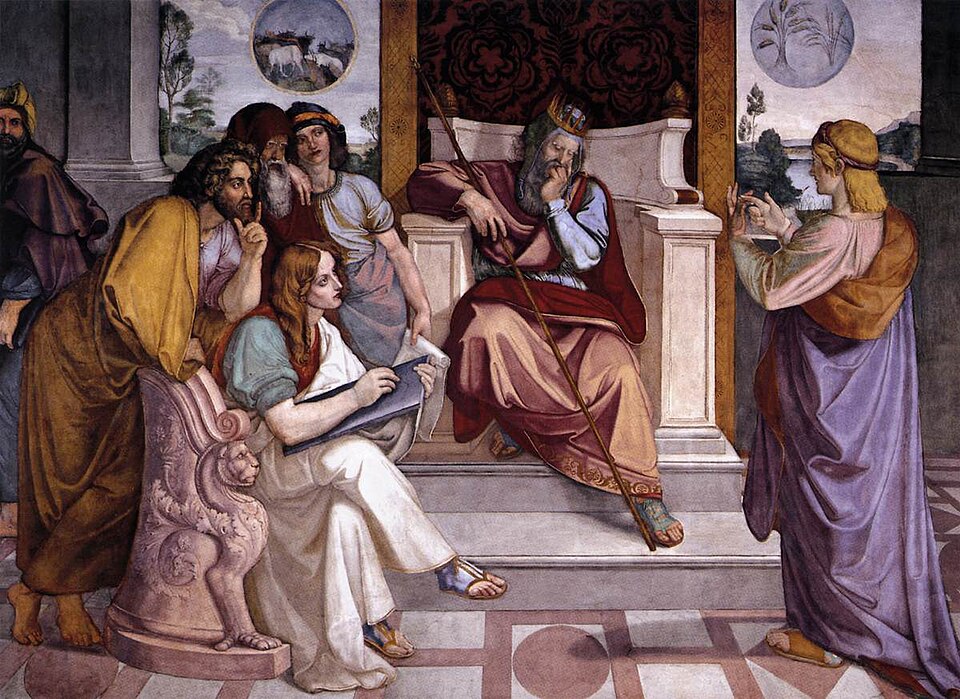
He refused his master's wife and asked, “So how could I do such a great evil and sin against God?”
Genesis 39:9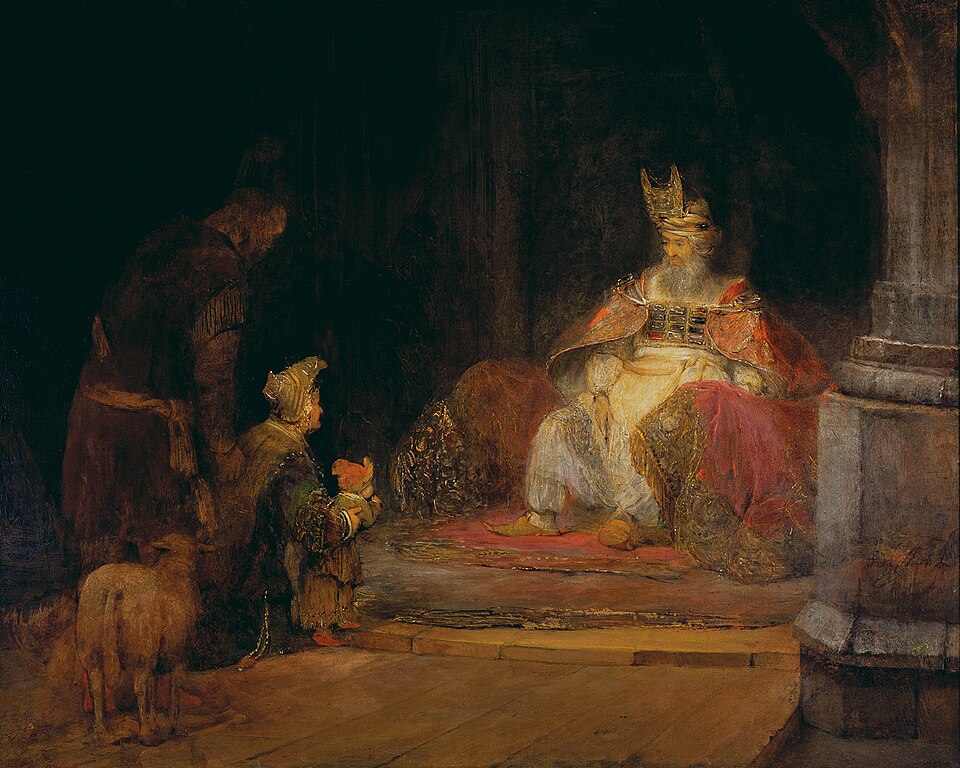
When God answered her prayer for a son, she prayed, “There is no one holy like the LORD.”
1 Samuel 2:2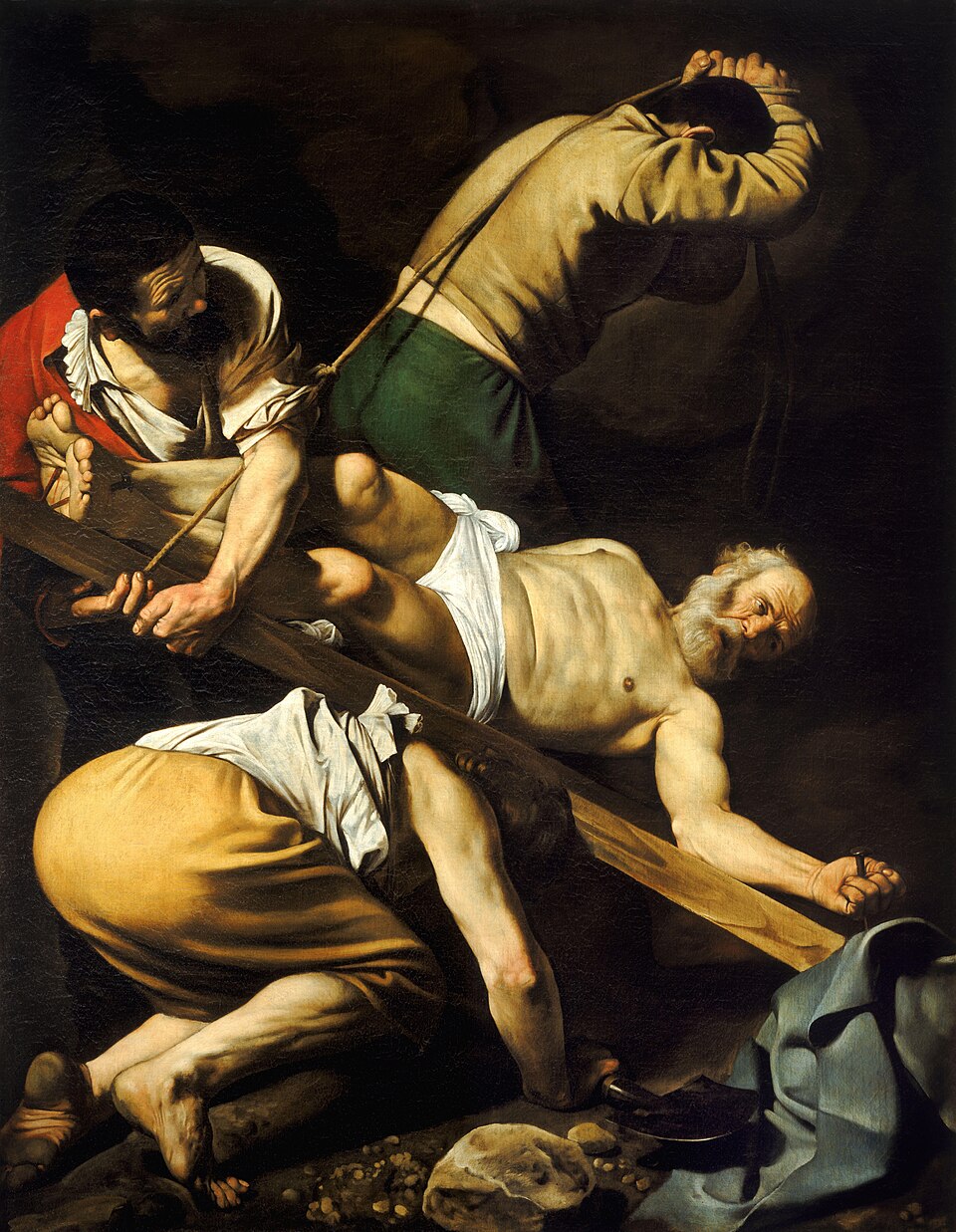
The Practice of Holiness
Scripture names eight practices of holiness, each in the words of the verse that gives it.
- 1Consecrate yourself“Consecrate yourselves, therefore, and be holy, because I am the LORD your God.”Leviticus 20:7
- 2Leave the gleanings“Leave them for the poor and the foreigner. I am the LORD your God.”Leviticus 19:10
- 3Love your neighbour“love your neighbor as yourself. I am the LORD.”Leviticus 19:18
- 4Glorify God with the body“You are not your own; you were bought at a price. Therefore glorify God with your body.”1 Corinthians 6:20
- 5Renew the mind“be transformed by the renewing of your mind.”Romans 12:2
- 6Confess and be cleansed“If we confess our sins, He is faithful and just to forgive us our sins and to cleanse us from all unrighteousness.”1 John 1:9
- 7Care and keep unstained“to care for orphans and widows in their distress, and to keep oneself from being polluted by the world.”James 1:27
- 8Learn to do right“Learn to do right; seek justice and correct the oppressor.”Isaiah 1:17
Leave the gleanings, Love your neighbour, Glorify God with the body, Renew the mind, Confess and be cleansed, Care and keep unstained, Learn to do right
The command of Leviticus 19:2 that frames the first three practices is the subject of its own study.
What Stands Against Holiness
A prophet's charge against the priests, a warning of Peter and the lie of Ananias show what defiles.
Ezekiel charged Jerusalem's priests that “They make no distinction between the holy and the common” (Ezekiel 22:26).
As obedient children, do not conform to the passions of your former ignorance.Peter sets the passions of the old life against the holiness of the One who called.
Did it not belong to you before it was sold? And after it was sold, was it not at your disposal? How could you conceive such a deed in your heart? You have not lied to men, but to God!”The verse comes from the story of Ananias and Sapphira in the first days of the church in Jerusalem.
1 Peter 1:14, Acts 5:4
Holiness in the Stories of the Bible
Five stories show God's holiness at a bush, an altar, the ark, the temple and the king's table.
The bush that was not consumedExodus 3
At Horeb, the mountain of God, Moses saw a bush “ablaze with fire, but it was not consumed” (Exodus 3:2).
“Do not come any closer,” God said. “Take off your sandals, for the place where you are standing is holy ground.”
Exodus 3:5BSB The presence of God makes the ground holy.
Read the study of the Burning Bush 11 sections, 18 verses set out
Nadab and AbihuLeviticus 10
Aaron's sons Nadab and Abihu “offered unauthorized fire before the LORD” (Leviticus 10:1), and fire from the LORD consumed them.
Then Moses said to Aaron, “This is what the LORD meant when He said: ‘To those who come near Me I will show My holiness, and in the sight of all the people I will reveal My glory.’” But Aaron remained silent.
Leviticus 10:3BSB Moses gives the LORD's own reason, and Aaron answers with silence.
Read the story of Nadab and Abihu 10 sections, 14 verses set out
Uzzah and the ark2 Samuel 6
David brought the ark toward Jerusalem on a new cart, and at the threshing floor of Nacon the oxen stumbled (2 Samuel 6:3 to 6).
And the anger of the LORD burned against Uzzah, and God struck him down on the spot for his irreverence, and he died there beside the ark of God.
2 Samuel 6:7BSB The text gives one reason for Uzzah's death, his irreverence.
Isaiah in the templeIsaiah 6
In the year King Uzziah died, Isaiah saw the Lord “seated on a throne, high and exalted” (Isaiah 6:1) and confessed that he was a man of unclean lips.
And with it he touched my mouth and said: “Now that this has touched your lips, your iniquity is removed and your sin is atoned for.”
Isaiah 6:7BSB The cleansing comes before the call of Isaiah 6:8.
Read the study of Isaiah in the Temple 8 sections, 8 verses set out
Daniel and the king's foodDaniel 1
Nebuchadnezzar had young men of Judah trained for his palace on food from the royal table (Daniel 1:3 to 5).
But Daniel made up his mind that he would not defile himself with the king’s food or wine. So he asked the chief official for permission not to defile himself.
Daniel 1:8BSB This request is the first deed the book of Daniel records of him.
Nadab and Abihu (Leviticus 10), Uzzah and the ark (2 Samuel 6), Isaiah in the temple (Isaiah 6), Daniel and the king's food (Daniel 1)
2 Samuel 6:7, Isaiah 6:7, Daniel 1:8
Holiness in the Church's History
Four accounts tell of Owen's book of 1656, Palmer's of 1843, the Keswick meetings and Ryle's cautions.
John Owen on mortification1656
The editor of John Owen's Of the Mortification of Sin in Believers writes that “It was published in 1656”, when Owen was Dean of Christ Church. Owen grounded the work in Romans 8:13 and urged readers to “be killing sin or it will be killing you”. He called mortification done in one's own strength “the soul and substance of all false religion in the world”.
Phoebe Palmer1843
Phoebe Palmer published The Way of Holiness, with Notes by the Way in New York in 1843. Its narrative asks whether there is a shorter way to holiness. Palmer found her answer in the altar that sanctifies the gift laid on it, reading Exodus 29:37 with Matthew 23:19 and Hebrews 13:10.
The Keswick meetingsfrom 1875
The New Schaff-Herzog Encyclopedia reports that a week's meeting has been held each year at Keswick since 1875, chiefly “for the promotion of practical holiness”. It traces the meetings to Broadlands and Oxford in 1874 and Brighton in 1875, where Canon Harford-Battersby, vicar of St. John's, Keswick, suggested one in his town.
J. C. Ryle's cautions19th century
J. C. Ryle gathered twenty papers in Holiness: Its Nature, Hindrances, Difficulties, and Roots. His first caution asked whether it is wise to say “that the holiness of converted people is by faith only, and not at all by personal exertion”. He closed by urging his readers “to follow after peace as well as holiness”.
Phoebe Palmer (1843), The Keswick meetings (from 1875), J. C. Ryle's cautions (19th century)
Voices on Holiness, by Century
Four quotations from the third century to the nineteenth, each under the line it teaches.
died 215 · Clement of Alexandria
The Stromata Book 3
A third-century reading: Peter's command to be holy in all conduct is the command of Leviticus.
The quotation1 quotation
“And Peter in his epistle says the same: ‘So that your faith and hope may be in God, because you have purified your souls in obedience to the truth,’ ‘as obedient children, not behaving after the fashion of the lusts in which in your ignorance you formerly indulged; but as he who has called you is holy, so also must you be holy in all your conduct; as it is written, Be ye holy for I am holy.’”
Clement of Alexandria · The Stromata Book 3 · on 1 Peter 1:14Patristic
1662 to 1714 · Matthew Henry
Commentary on the Whole Bible
An eighteenth-century reading: God requires holiness in the heart and purity in the body.
The quotation1 quotation
“It is the will of God in general that we should be holy, because he that called us is holy, and because we are chosen unto salvation through the sanctification of the Spirit; and not only does God require holiness in the heart, but also purity in our bodies, and that we should cleanse ourselves from all filthiness both of flesh and spirit, 2 Cor. vii.”
Matthew Henry · Commentary on the Whole Bible · on 1 Thessalonians 4:3Puritan
1834 to 1892 · Charles Spurgeon
The Metropolitan Tabernacle Pulpit, Sermon No. 434: “Threefold Sanctification” (lightly modernized text, CCEL edition)
A nineteenth-century reading: holiness is the plan on which God builds His living temple.
The quotation1 quotation
“My Brethren, I beg you to notice and carefully consider the value which God sets upon real holiness, since the Three Persons are represented as co-working to produce a Church without ‘spot, or wrinkle, or any such thing.’ Those men who despise holiness of heart are in direct conflict with God. Holiness is the architectural plan upon which God builds up His living temple. We read in Scripture of the ‘beauties of holiness.’ Nothing is beautiful before God but that which is holy.”
Charles Spurgeon · The Metropolitan Tabernacle Pulpit, Sermon No. 434: “Threefold Sanctification” (lightly modernized text, CCEL edition) · on 1 Peter 1:2
1802 to 1910 · Jamieson, Fausset & Brown
Commentary Critical and Explanatory on the Whole Bible
A nineteenth-century reading: glory is holiness shining outward, and holiness is glory within.
The quotation1 quotation
“Holiness and glory are inseparable. ‘Cleansing’ is the necessary preliminary to both. Holiness is glory internal; glory is holiness shining forth outwardly.”
Jamieson, Fausset & Brown · Commentary Critical and Explanatory on the Whole Bible · on Ephesians 5:27Reformed
Charles Spurgeon, Jamieson, Fausset & Brown
How Holiness Has Been Taught
Two teachers set out what holiness asks beyond abstaining, one in a homily and one in a tract.
Chrysostom taught that keeping away from the unclean is only the start of holiness.1 paragraph
In his thirteenth homily on 2 Corinthians, John Chrysostom said that holiness asks more than keeping from the unclean thing, and he named what more it asks, “earnestness, heedfulness, piety.”
Wesley taught that Christian perfection is love.1 paragraph
John Wesley's A Plain Account of Christian Perfection survives in a text its editor dates to a last revision in 1777. It answers the question of what Christian perfection is with “The loving God with all our heart, mind, soul, and strength.” He wrote that Christians “are not free from ignorance, no, nor from mistake”.
The Studies of Holiness
Each study takes one part of holiness into more depth.
The texts
3 studies
- Passages and psalms · 10 verses set outBe Holy, Because I Am Holy
Leviticus gives Israel the command five times, in chapters 11, 19 and 20, and Peter quotes it to the churches of Asia Minor.
- Passages and psalms · 3 verses set outBlessed Are the Pure in Heart
The sixth beatitude of the Sermon on the Mount stands between the blessing on the merciful and the blessing on the peacemakers.
- Doctrines · 27 verses set outThe Holiness Code
Ten chapters of Leviticus order Israel's worship, family life, dealings with neighbors, priesthood, calendar and land.
- Passages and psalms · 10 verses set outBe Holy, Because I Am Holy
The stories
1 study
- Stories · 8 verses set outIsaiah in the Temple
In the year King Uzziah died, Isaiah saw the Lord on a throne in the temple and offered himself as God's messenger.
- Stories · 8 verses set outIsaiah in the Temple
The words
1 study
- Symbols and words · 8 verses set outThe Words Qadosh and Hagios
Qadosh and hagios are the Bible's words for holy, and tahor and katharos its words for pure.
- Symbols and words · 8 verses set outThe Words Qadosh and Hagios
The practice
1 study
- Doctrines · 1 verse set outHoliness and Legalism
Mark 7, Matthew 23, Galatians, Colossians, Romans and Titus judge rules people add to God's command and the use of grace as a license to sin.
- Doctrines · 1 verse set outHoliness and Legalism
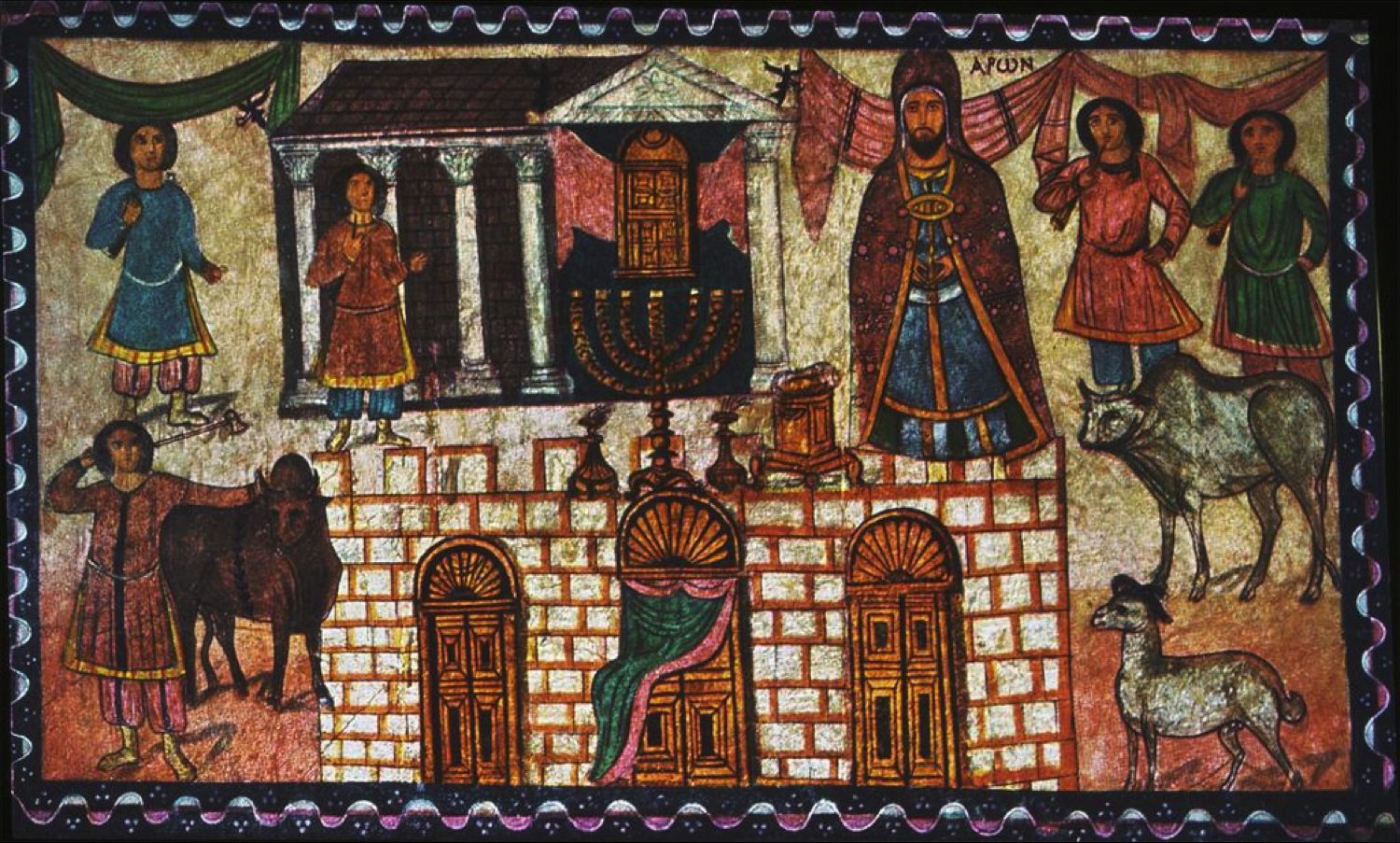
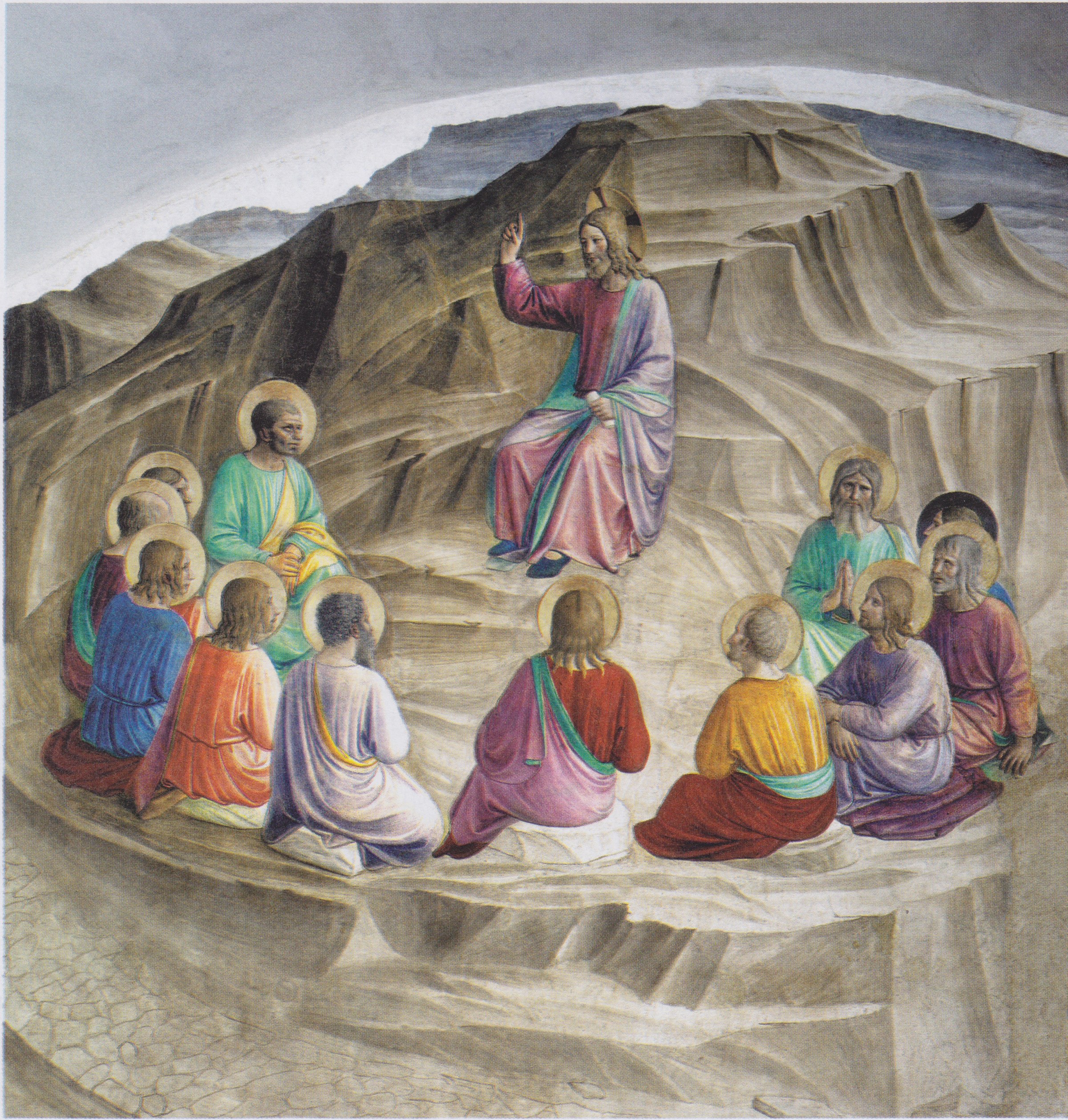
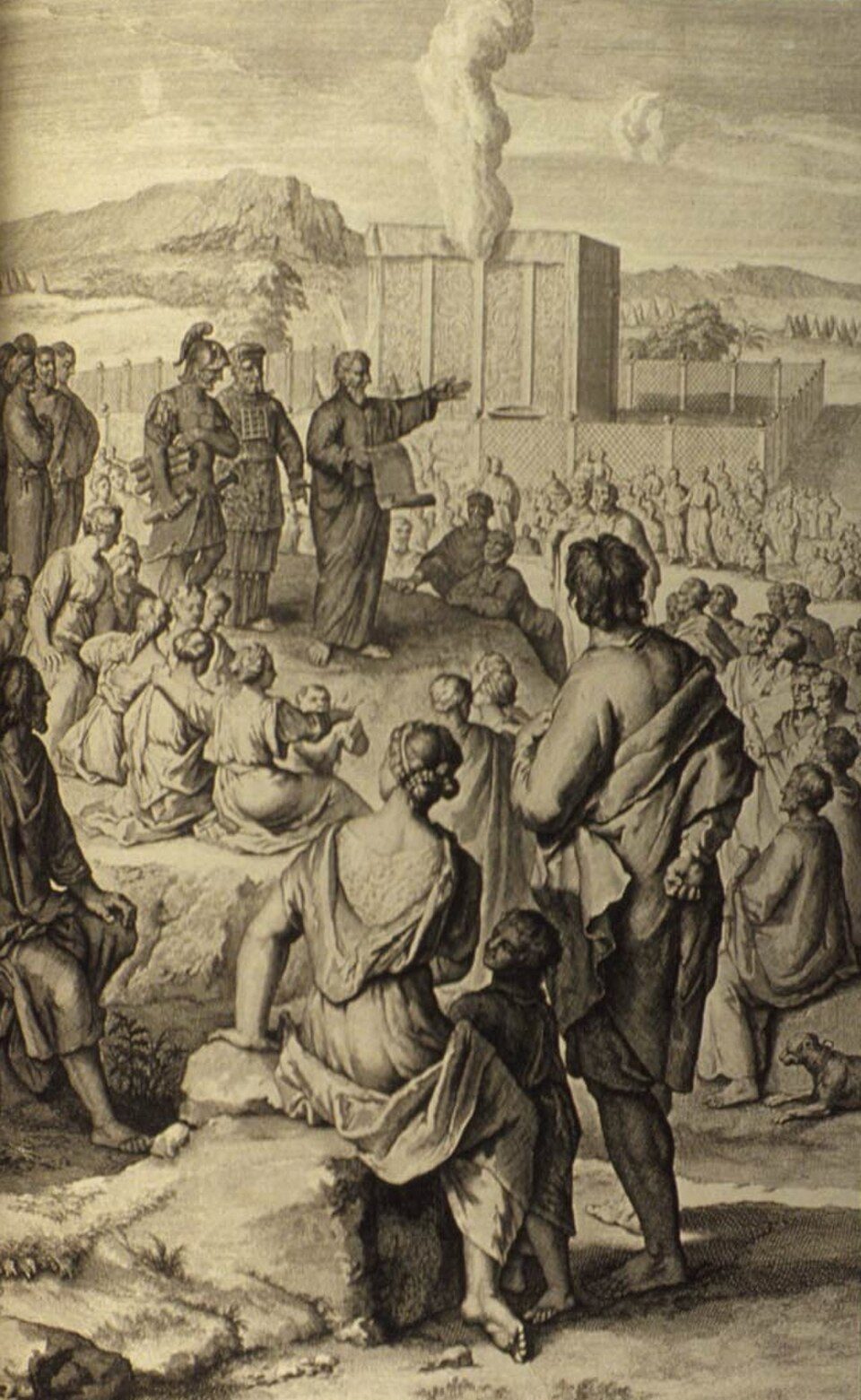
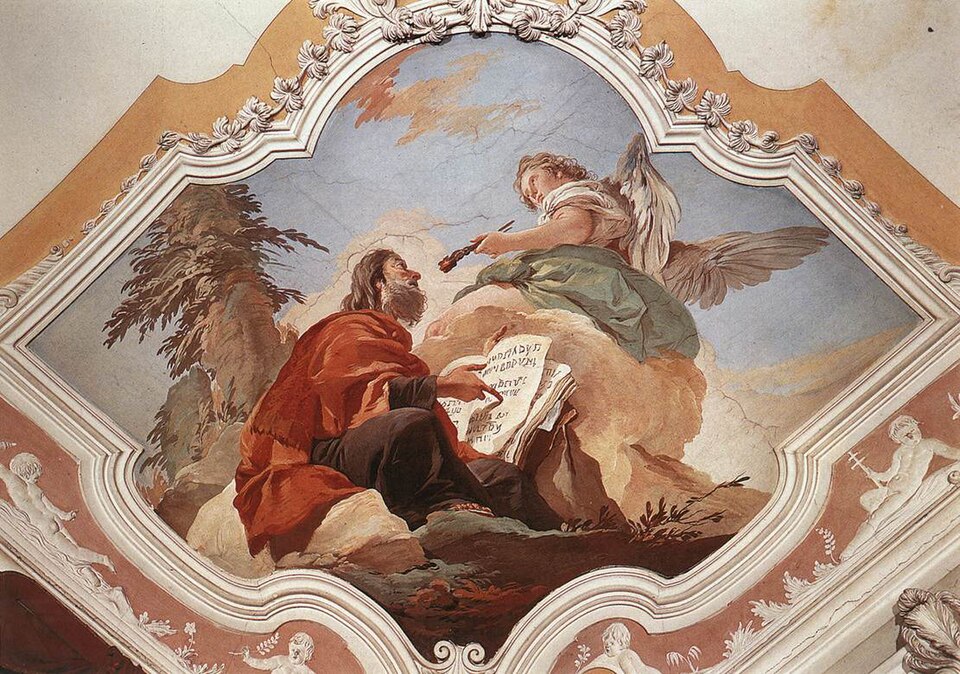
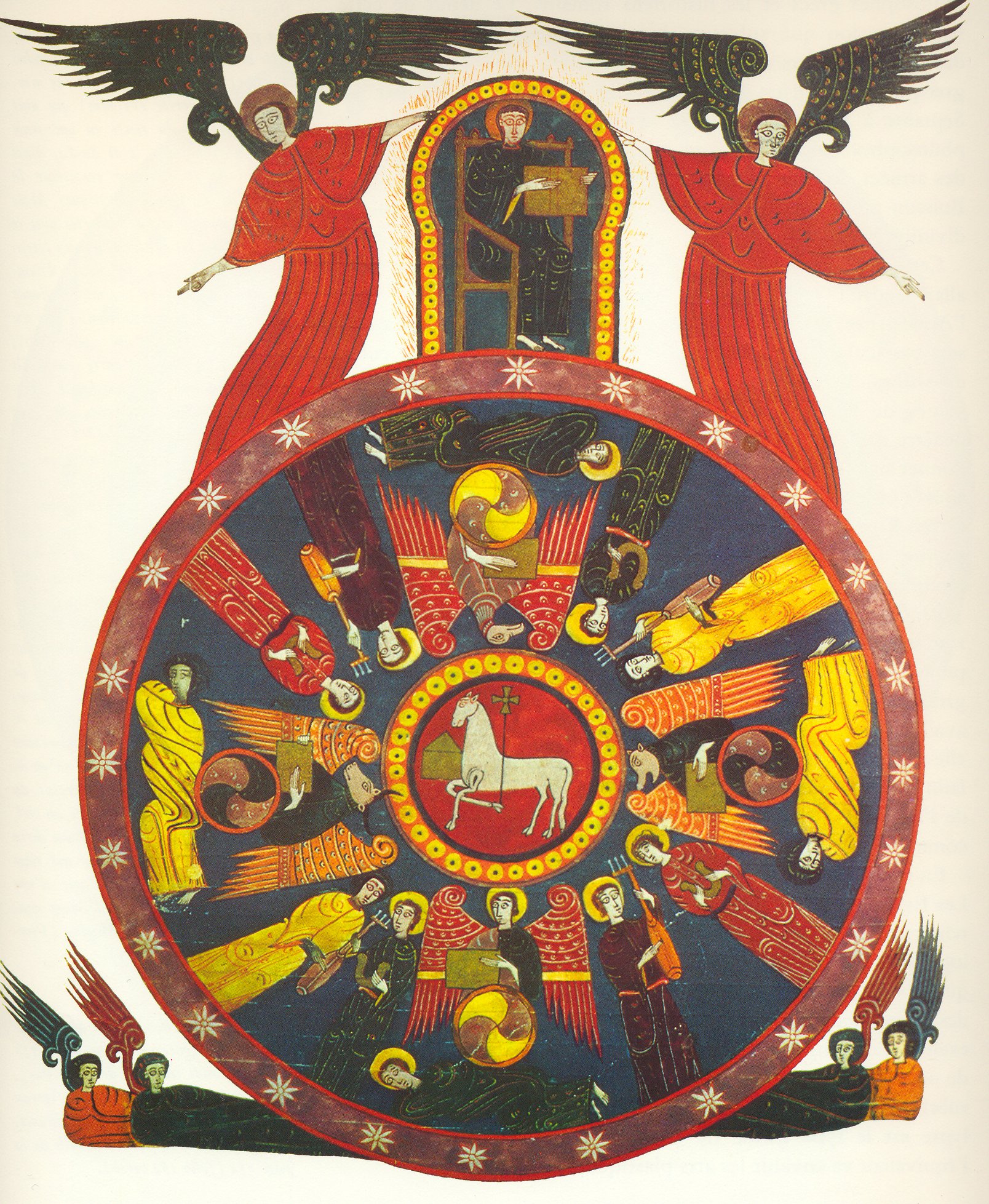
Blessed Are the Pure in Heart, The Holiness Code, Isaiah in the Temple, The Words Qadosh and Hagios, Holiness and Legalism
Where Readers Disagree
Six readings answer three questions, each with its holders, the work that argues it and the objection raised against it.
Readers also ask where the pursuit of holiness turns into legalism. The study of Holiness and Legalism takes up that question.
Whether holiness is God's chief attribute
Read the word study of Qadosh and Hagios 8 sections, 8 verses set out
| Reading | Held by | Work | Objection |
|---|---|---|---|
| Holiness is the sum of His perfections | John Wesley; Charles Spurgeon; Jamieson, Fausset and Brown, reporting Bengel (Methodist; Baptist; Scottish Presbyterian commentary) | Wesley, Explanatory Notes upon the New Testament (1755), on Revelation 4:8; Spurgeon, Sermon 434, Threefold Sanctification (1862); Jamieson, Fausset and Brown, Commentary (1871), on Job 4:21 | Scripture never calls God holiness in the abstract, while John writes that “God is love” (1 John 4:8). |
| Love is His reigning attribute | John Wesley (Methodist) | Wesley, Explanatory Notes upon the New Testament (1755), on 1 John 4:8 | No other quality of God is cried in a triple repetition, as His holiness is in Isaiah 6:3 and Revelation 4:8. |
What the holiness of Hebrews 12:14 is
Read the study of Blessed Are the Pure in Heart 7 sections, 3 verses set out
| Reading | Held by | Work | Objection |
|---|---|---|---|
| The holiness of Christ credited to the believer | Charles Spurgeon, reporting certain antinomians of his day (Antinomian, known here through an opponent's report) | Spurgeon, Sermon 2902, Holiness Demanded (1904), reporting their reading | Spurgeon answered that the holiness of the verse “can be followed like peace”, so it is a holiness the believer pursues. |
| A holiness pursued in life | Charles Spurgeon; Adam Clarke; J. C. Ryle (Baptist; Methodist; Anglican) | Spurgeon, Sermon 2902, Holiness Demanded (1904); Clarke, Commentary, on 1 Peter 1:17; Ryle, Holiness, the chapter on Hebrews 12:14 | If the sight of the Lord waits on a holiness attained, the single offering by which Christ has perfected His people for all time is emptied (Hebrews 10:14). |
Whether a believer can be wholly sanctified in this life
Read the study of Sanctification
| Reading | Held by | Work | Objection |
|---|---|---|---|
| Yes, as love filling the heart | John Wesley; Phoebe Palmer (Methodist; Holiness movement) | Wesley, A Plain Account of Christian Perfection (text revised to 1777); Palmer, The Way of Holiness (1843) | John writes, “If we say we have no sin, we deceive ourselves, and the truth is not in us” (1 John 1:8). |
| No, holiness grows and is unfinished here | John Owen; J. C. Ryle (English Puritan; Anglican) | Owen, Of the Mortification of Sin in Believers (1656); Ryle, Holiness, introduction | Paul prays that God will sanctify the believers completely (1 Thessalonians 5:23), which asks for a completeness in this life. |
Holiness and Legalism, the study in brief
Sources
Scripture is the Berean Standard Bible.
- STEP Bible, Translators Brief lexicon of Extended Strongs for Hebrew and for Greek (Tyndale House, Cambridge), CC BY 4.0, with the Greek brief lexicon based on Abbott-Smith (1922)
- John Owen, Of the Mortification of Sin in Believers (1656), with the editor's prefatory note, print basis The Banner of Truth Trust, Edinburgh, 1967.
- John Wesley, A Plain Account of Christian Perfection, last revised 1777, in The Works of John Wesley, ed. Thomas Jackson (1872), volume 11.
- Phoebe Palmer, The Way of Holiness, with Notes by the Way (New York: Piercy and Reed, 1843)
- Keswick Convention, The New Schaff-Herzog Encyclopedia of Religious Knowledge, volume 6.
- J. C. Ryle, Holiness: Its Nature, Hindrances, Difficulties, and Roots, introduction (London: James Clarke, 1952 printing)
- John Chrysostom, Homilies on 2 Corinthians, homily 13, on 2 Corinthians 7:1 (Nicene and Post-Nicene Fathers, first series, volume 12)
- Clement of Alexandria, The Stromata, book 3 (Ante-Nicene Fathers, volume 2)
- Matthew Henry, Commentary on the Whole Bible (1710), on 1 Thessalonians 4:3.
- Charles Spurgeon, The Metropolitan Tabernacle Pulpit, Sermon 434, Threefold Sanctification (1862), on 1 Peter 1:2.
- Charles Spurgeon, The Metropolitan Tabernacle Pulpit, Sermon 2902, Holiness Demanded (1904), on Hebrews 12:14.
- Robert Jamieson, A. R. Fausset and David Brown, Commentary Critical and Explanatory on the Whole Bible (1871), on Ephesians 5:27 and Job 4:21.
- John Wesley, Explanatory Notes upon the New Testament (1755), on Revelation 4:8 and 1 John 4:8.
- Adam Clarke, Commentary on the Bible, on 1 Peter 1:17.
Keep Studying
Studies4
In this value6
People and groups24
Show the next 6 titles
Places1