
Study
The featured studies
The studies in Who Jesus Is, sorted by the kind of thing each one teaches.
Summary
Who Jesus Is holds 20 of the site's 1112 featured studies, in 3 of the ten kinds.
- 2 studies ask what one passage says, line by line.
- 1 study asks who one person or one people was, and what part they take in the story.
- 17 studies ask what Scripture teaches on a subject, from its first text to its fullest.
The studies by kind
Passages and psalms
These studies take a chapter, a song or a single teaching and read it line by line. Each stays inside one passage and follows its own movement.
2 studies
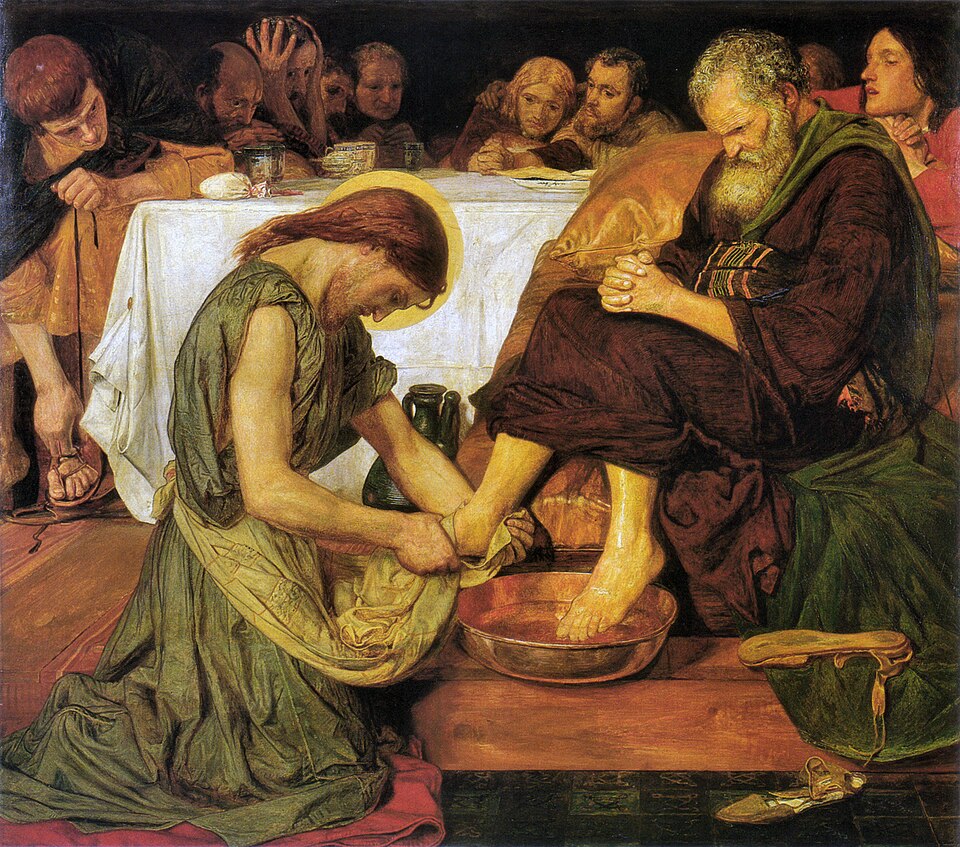 The Mind of Christ — Philippians 2:5–11The hymn's own V-shape: descent to the death of the cross, then exaltation to the name above every name, and the mind Paul commands the church to share.
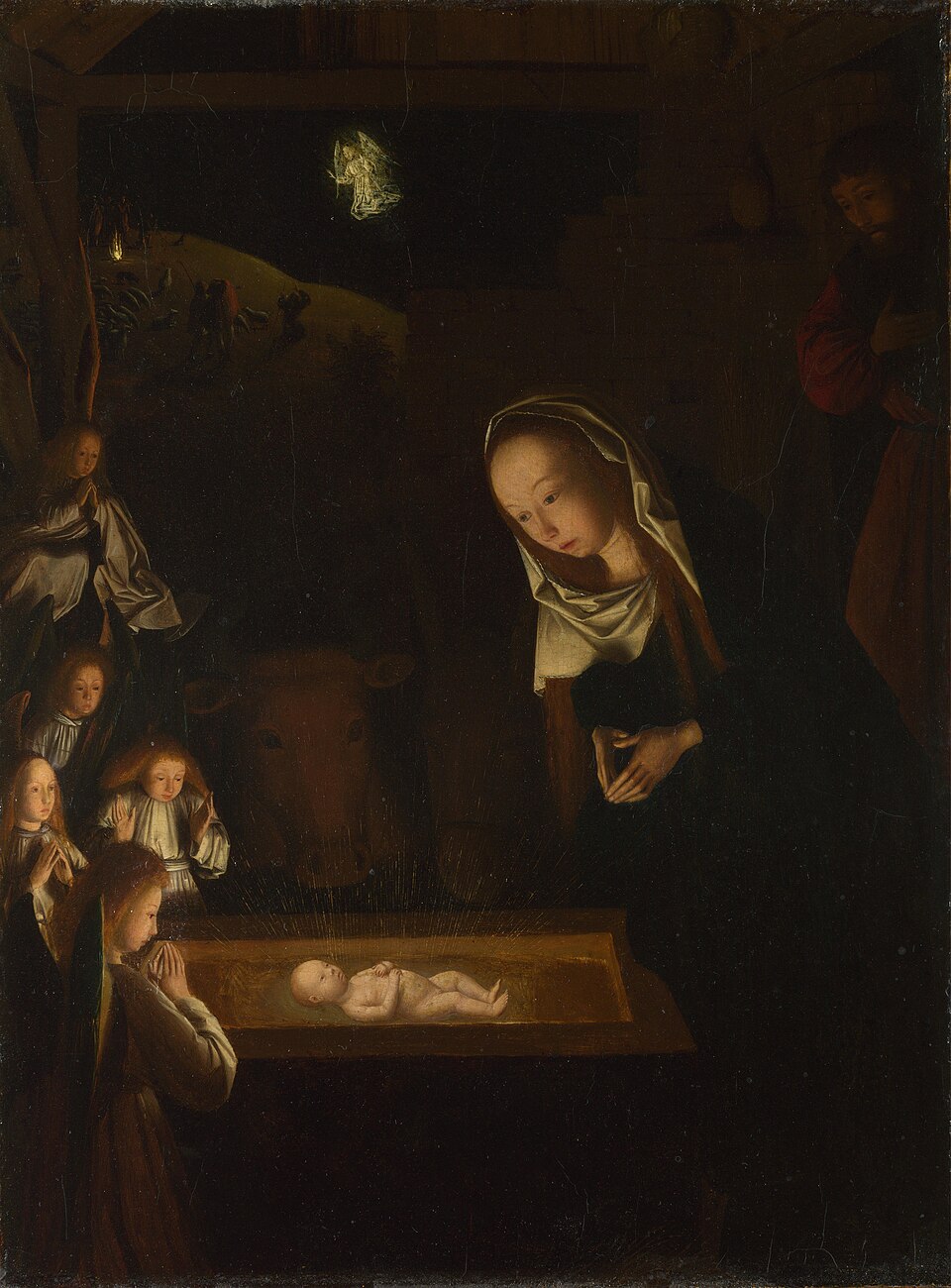 The Prologue, the Word Made Flesh, John 1:1–18Eighteen verses that state the whole Gospel in advance, ending in the scandal: the Word became flesh and tabernacled among us.
People and groups
Lives told from first mention to last, and the nations, families and parties around Israel and the church. The full roster of names stands on the people hub; these are the studies built around one life or one people.
1 studies, 0 as cards, 1 in the register
The register: 1 studies of this kind
What Scripture teaches on a subject, from its first text to its fullest. The traditions that formed the teaching are named.
17 studies, 8 as cards, 9 in the register
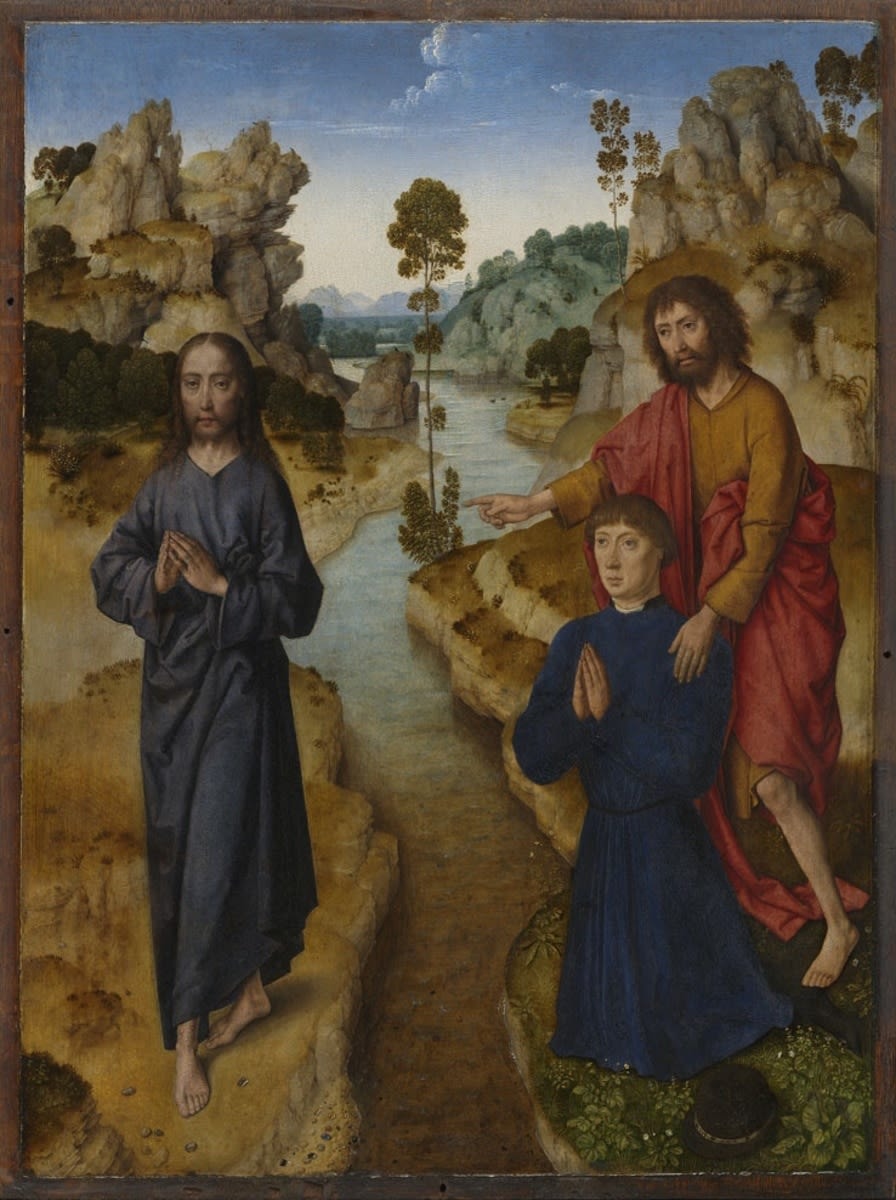 The LambRevelation announces the Lion of Judah, then shows a Lamb standing as though slain.
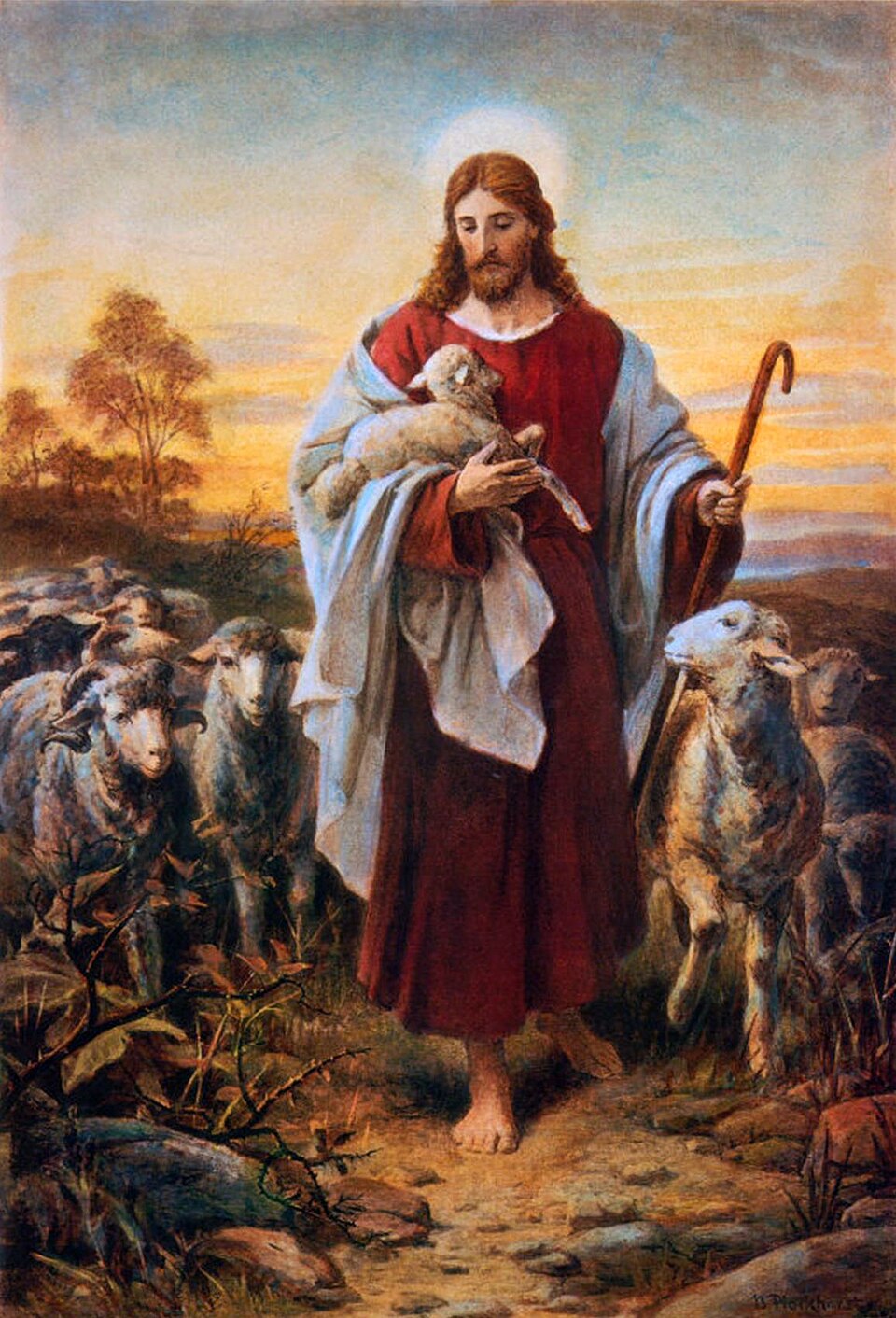 The Seven 'I AM' Sayings: JohnSeven times Jesus completes the sentence 'I am', bread, light, door, shepherd, resurrection, way, vine, each standing on an Old Testament picture.
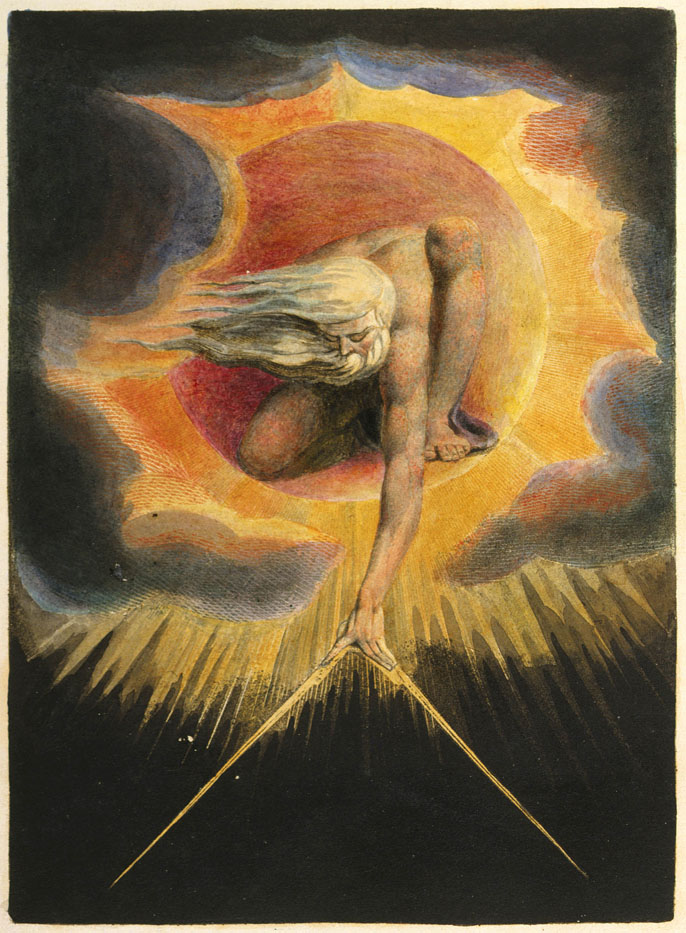 The Son of Man — Daniel 7:13–14The night vision behind the title Jesus used of Himself more than any other, a human figure brought on the clouds to the Ancient of Days.
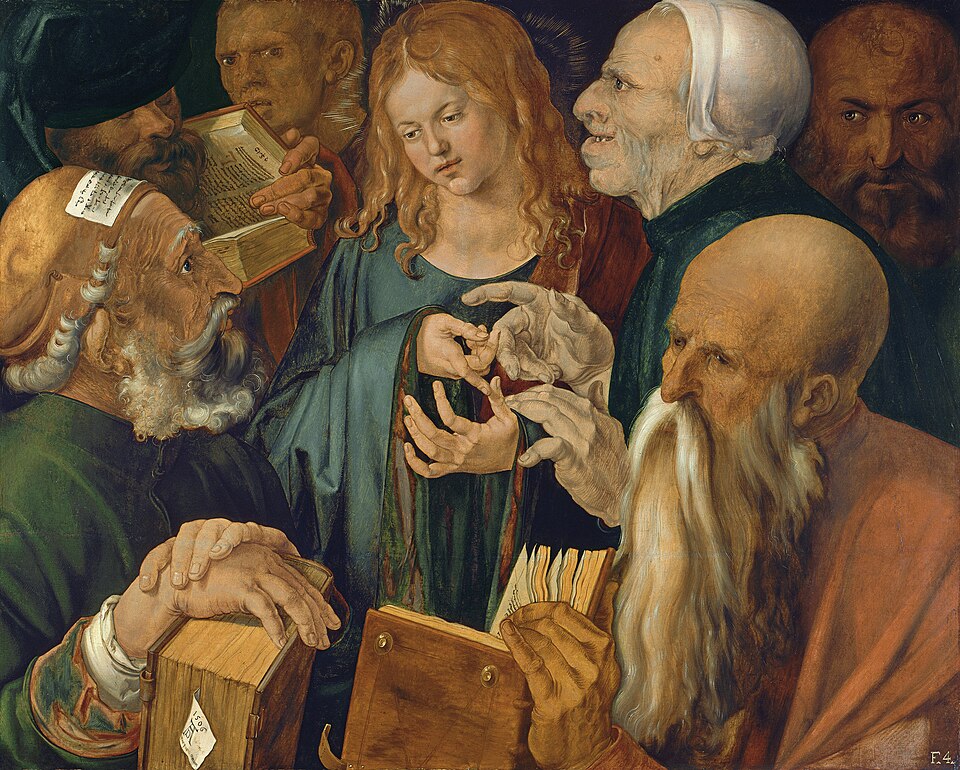 Christ Our Wisdom: Proverbs 8 and the Wisdom of GodLady Wisdom's self-portrait in Proverbs 8 taken up by the New Testament for Christ, and the Greek verb in verse 22 that started church history's largest doctrinal fight.
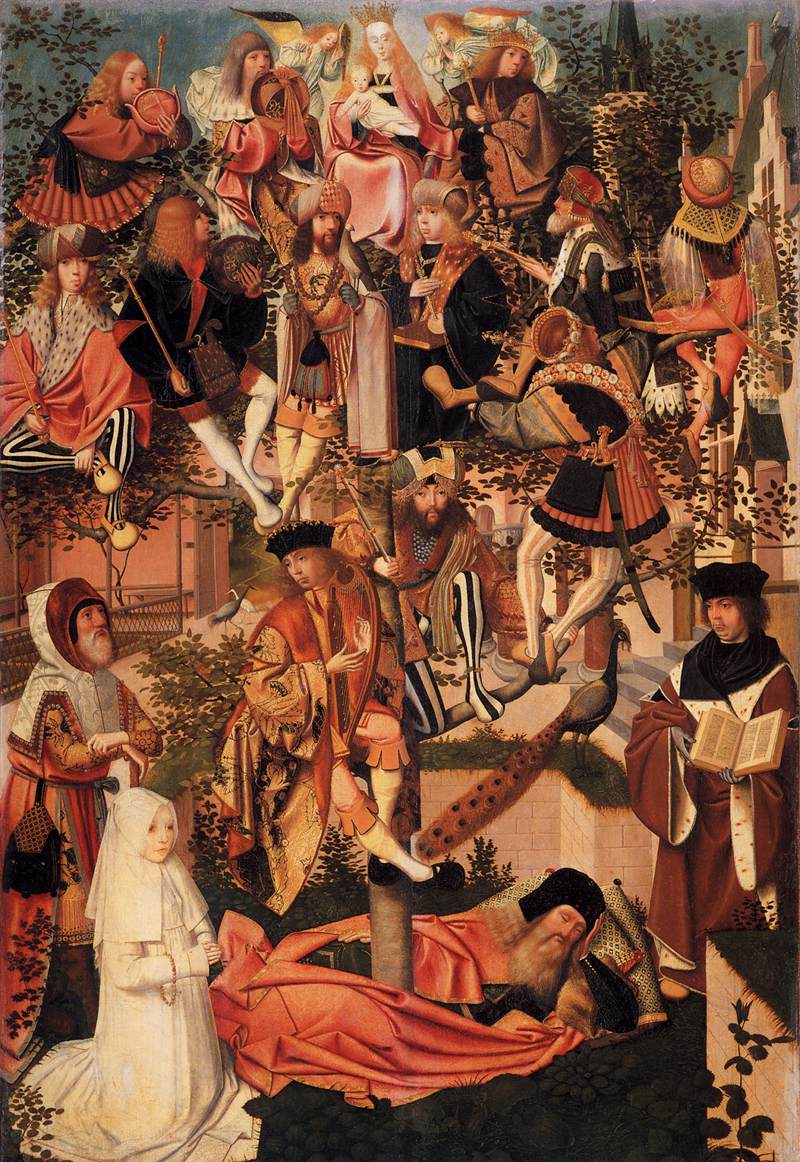 The Branch and the King — the Four Plantings of TsemachTsemach planted four times in the Old Testament, King, Servant, Man, and Branch of the LORD, converging on the crowned priest-king Zechariah stages as a living parable.
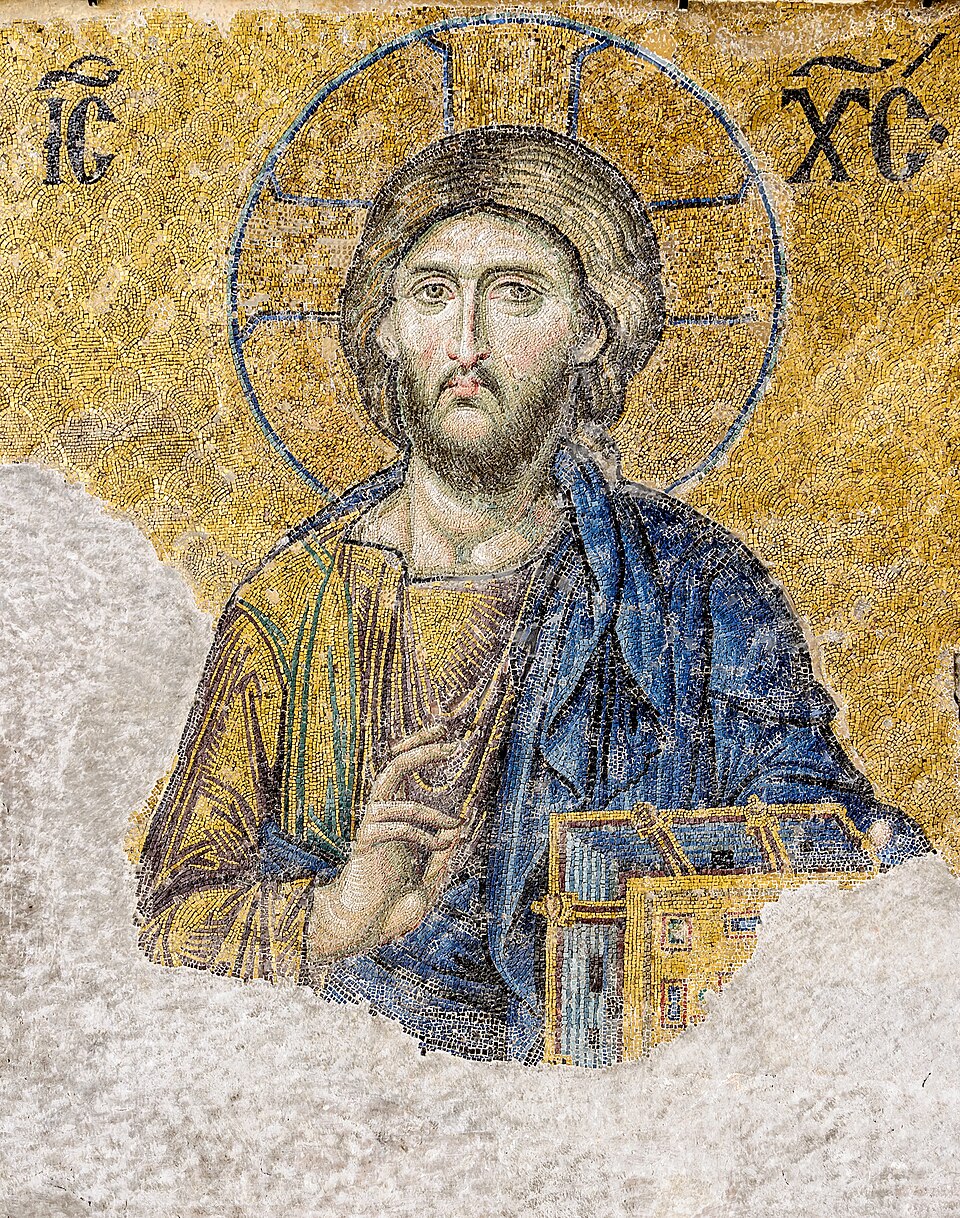 The Supremacy of Christ — Colossians 1:15-20Six verses, eight times Paul says ALL, Christ as agent, sustainer, head, and fulness of everything that exists.
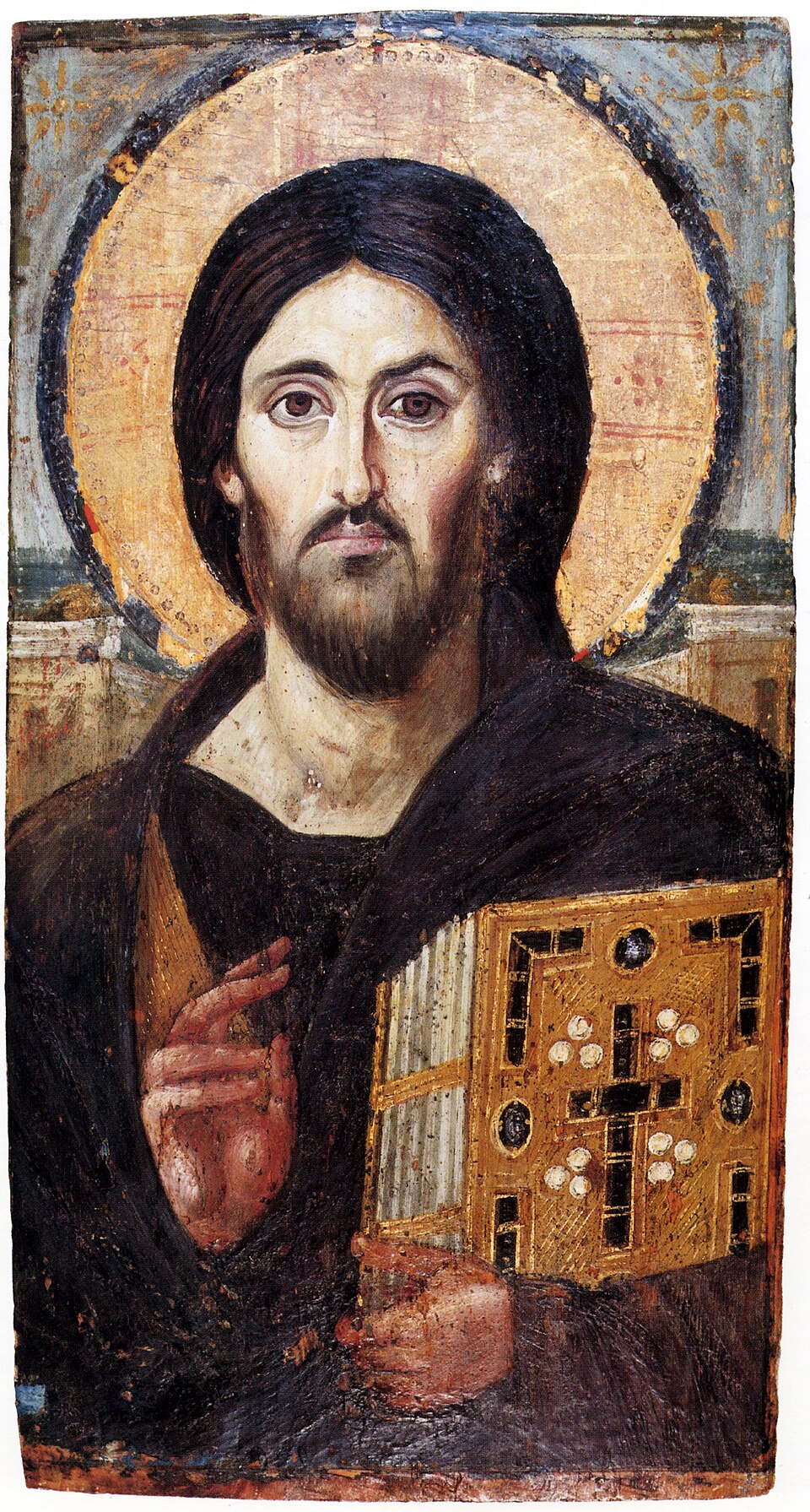 Jesus: Titles & RolesNo single title carries him. Scripture names Jesus by a constellation of titles — Christ, Son of Man, Lamb of God, Logos, High Priest, King of Kings — and each one is a door. This hub gathers every title page on the site and anchors the rest to the verses that confer them.
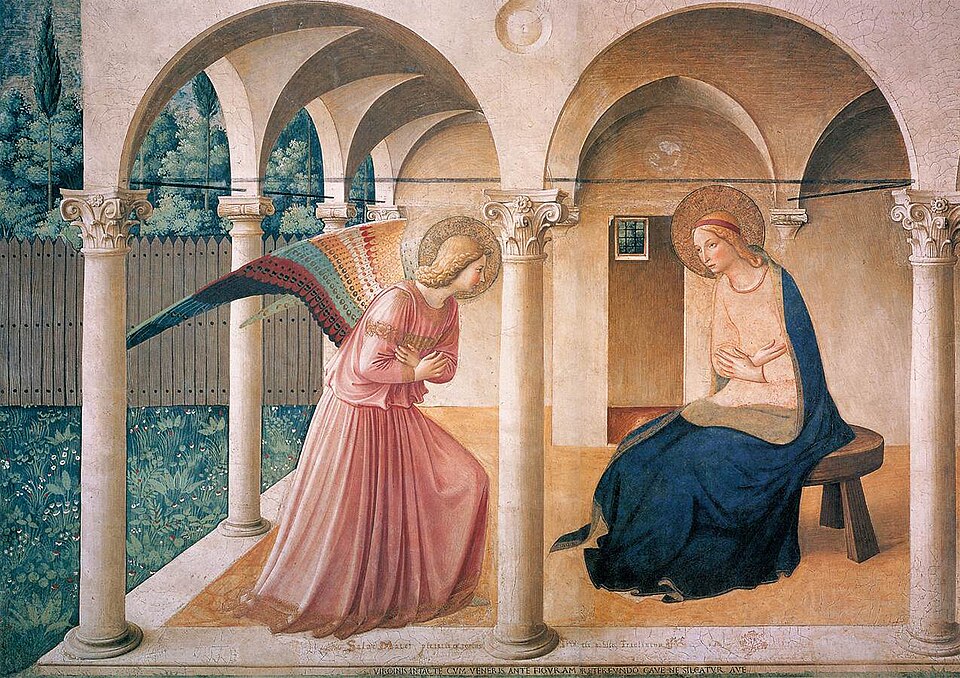 The Mystery of Godliness — 1 Timothy 3:161 Timothy 3:16's six-line hymn: one of Christianity's earliest datable creeds, read beside its two sibling Christ-hymns in Philippians 2 and Colossians 1.
The register: 9 more studies of this kind
- Immanuel
- Jesus on HimselfThis page walks the seven I AM sayings one by one, then the bare before Abraham was, I am claim, the Son of Man title's Daniel 7 background, the trial testimony that convicted Him of blasphemy, and how the crowds who heard Him reacted.
- Prophet, Priest and King: The Threefold Office of Christ
- Tell No OneJesus silences demons, the healed, and His own disciples, while everyone in Mark keeps asking who He is, until the secret breaks open under oath.
- The Deity of Christ
- The Humanity of ChristJesus was fully God and fully man.
- The Incarnation
- The prophet like Moses
- The Virgin BirthTwo Gospel writers who were not copying each other say the same impossible thing about how Jesus was born: one telling it through Joseph, one through Mary.
Keep studying
On this page
People and groups1
The text itself3
The roster is the site’s own build manifest, so no study can be missing from it. A study leads its kind when it carries a line of its own and more of the other studies link to it; a register row with no line of its own borrows the first sentence of the study’s own summary. The pictures are public domain: engravings by Gustave Doré from Doré’s English Bible(1866), and paintings held at Wikimedia Commons. Each is named in full on the study’s own page.