
Study
The featured studies
The studies in Poetry & Wisdom, sorted by the kind of thing each one teaches.
Summary
Poetry & Wisdom holds 24 of the site's 1112 featured studies, in 3 of the ten kinds.
- 7 studies ask what a whole book of the Bible says from end to end.
- 16 studies ask what one passage says, line by line.
- 1 study asks why Christians read the same texts differently.
The studies by kind
Books of the Bible
One study for each book, with the studies of how the Bible came to us and how its writers wrote. This is the place to begin a book from end to end.
7 studies
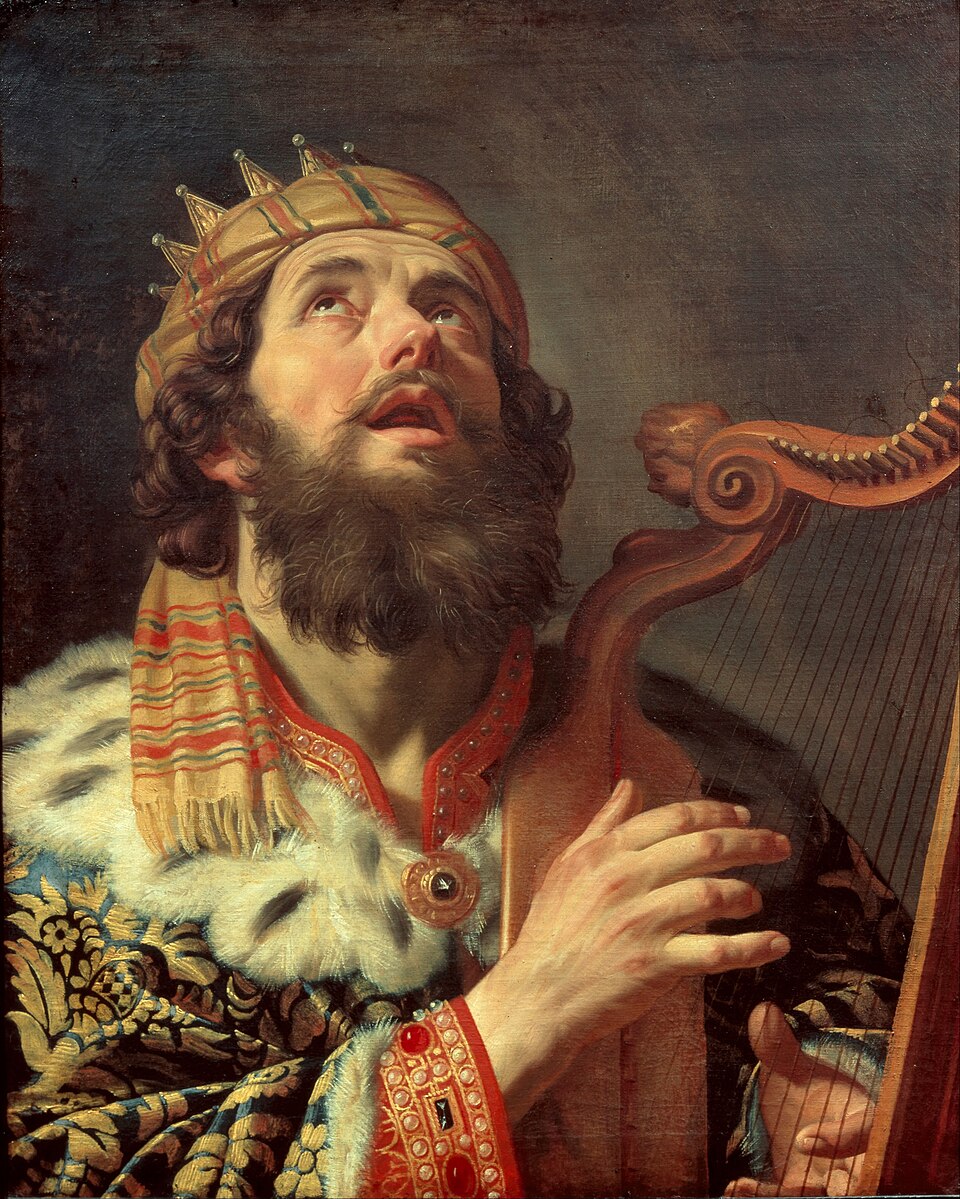 The PsalmsIsrael's prayer book: the five books, the two ways, the genres of the heart, and every road running to the King on Zion who is Christ.
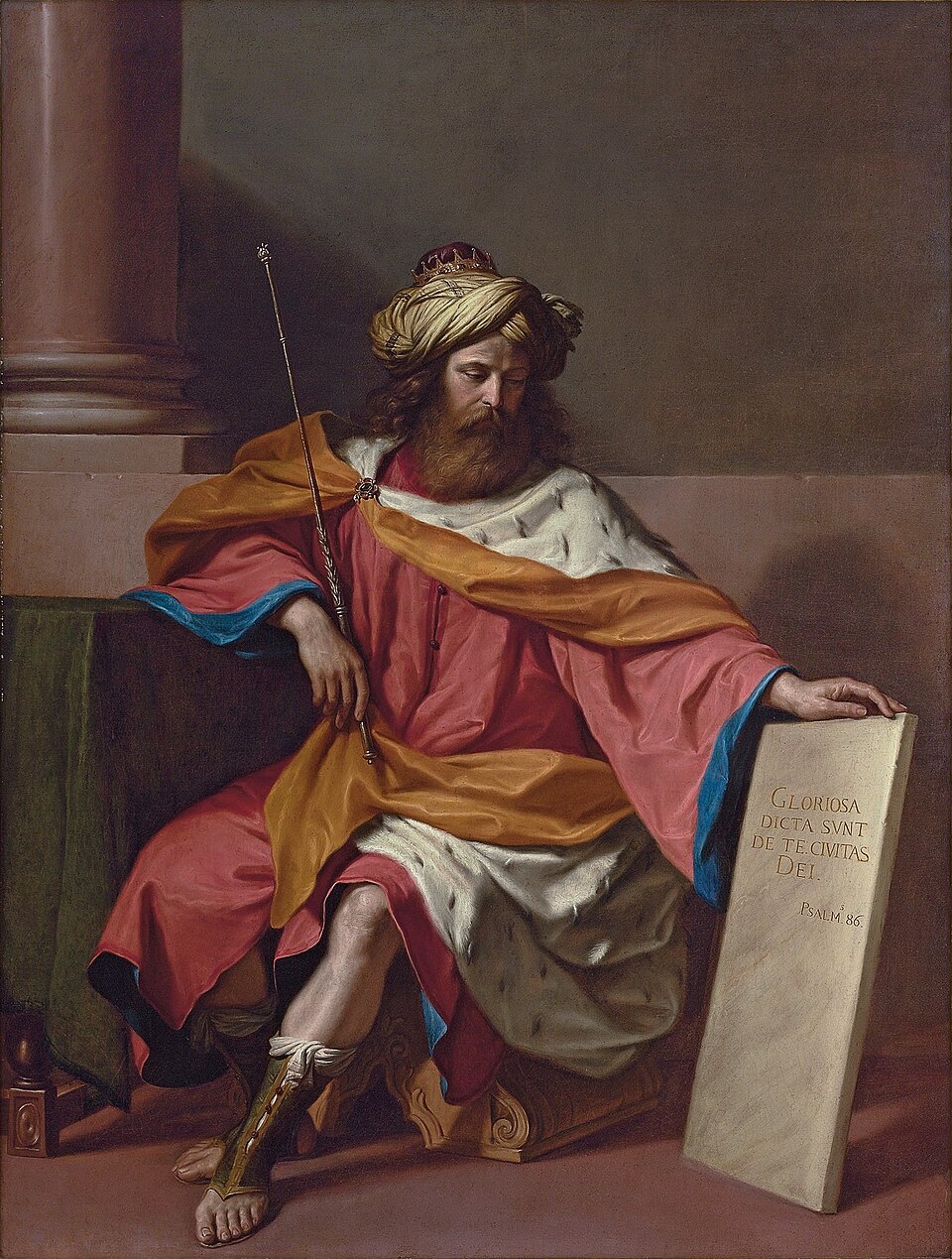
 Proverbs: the Study GuideSkill for living in the fear of the LORD, the six collections, the keystone that frames the book, and the genre key that keeps a proverb from being read as a promise.
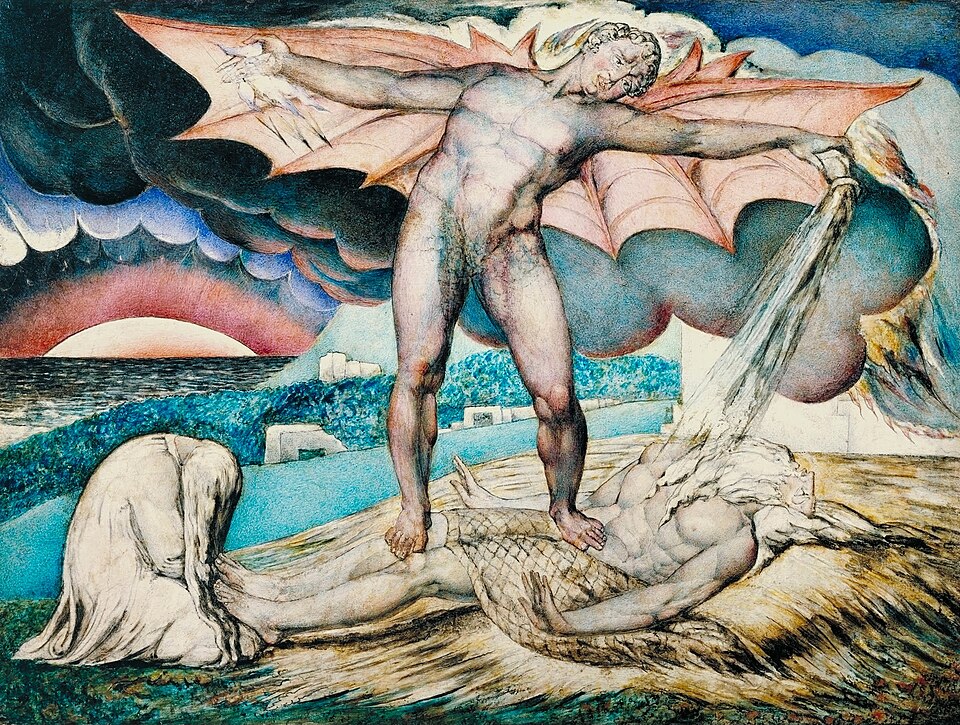 Job: the Study GuideGod does not unseal the file on why the righteous suffer; He unveils Himself, the wager, the collapsing dialogue, the whirlwind.
 Wisdom and the PoetsFive Hebrew voices in verse — Job, Psalms, Proverbs, Ecclesiastes, and the Song — and how their poetry, built on paired lines, meets every season of a life.
 The Question of Suffering — Job 1–42Job never learns why he suffered: the whirlwind unveils the One who ordained it, not the reason he asked for.
 Ecclesiastes: the Study GuideEvery avenue of meaning under the sun run through the sieve of death, and what does not filter through: the gift, and the fear of God.
 Song of Solomon: the Study GuideThe Bible's one book of pure love poetry, the six-movement garden path, its two refrains, and the church's two-thousand-year argument.
Passages and psalms
These studies take a chapter, a song or a single teaching and read it line by line. Each stays inside one passage and follows its own movement.
16 studies, 8 as cards, 8 in the register
 The Lord Is My Shepherd — Psalm 23Six verses walked as a road through five terrains, and the shepherd-thread that runs from Psalm 23 to the Good Shepherd of John 10.
- The Penitential PsalmsSeven psalms read together as one set since at least the sixth century, each walking the same road from trouble owned to confession made to pardon received.
 The Tongue — Death and Life in ProverbsProverbs' speech-ethics kept as a ledger: the healing tongue and the burning tongue, with James 3 as the New Testament terminus.
- David's Life in the Psalms: the thirteen historical titlesThirteen psalms whose titles name an event in David's life, each set beside the chapter in Samuel that tells it, in the order he lived them.
- The Acrostic PsalmsNine psalms walk the Hebrew alphabet from aleph to taw, and every one but Psalm 119 has a gap, a doubling or a line standing outside the scheme.
- The Imprecatory PsalmsPsalms 35, 69, 109 and 137 ask God to act against an enemy. The four with their occasions, the readings the church has given them, and the apostles' own use of two of them.
- The Shepherd's Life — Psalm 23Psalm 23 is built out of a working trade. What a shepherd in Judah did with a rod, a staff, a fold and a water source, verse by verse.
 The Two Ways — Psalm 1The gate of the Psalter: a tree planted by streams of water set against chaff the wind drives away.
The register: 8 more studies of this kind
- Hebel: the word the Berean text renders futility
- Praying the Hard Psalms — the Imprecatory ProblemThe cursing psalms put on the table unedited, every defence given its full strength and its limits, and the church's own record of misuse.
- The Hallel: Psalms 113 to 118Psalms 113 to 118, the six sung at Passover and the pilgrim feasts, and the hymn Jesus sang with his disciples before Gethsemane.
- The Lament Form in the Psalter
- The Retribution Teaching and Its Limits
- The Songs of Ascents: Psalms 120 to 134Fifteen short psalms carried up the road to Jerusalem, a stair that climbs five times from distress through trust to blessing.
- The Two Gates — Psalms 1 and 2Psalms 1 and 2 are one gate in two leaves.
- Vanity Under the Sun — EcclesiastesOne Hebrew word, hevel, widening from wisdom to pleasure to a life's whole labor, and what escapes the verdict.
Questions Christians answer differently. Each study sets out the texts both sides read, the positions with their holders, and where this site's tradition lands.
1 study
Keep studying
On this page
People and groups1
The text itself3
The roster is the site’s own build manifest, so no study can be missing from it. A study leads its kind when it carries a line of its own and more of the other studies link to it; a register row with no line of its own borrows the first sentence of the study’s own summary. The pictures are public domain: engravings by Gustave Doré from Doré’s English Bible(1866), and paintings held at Wikimedia Commons. Each is named in full on the study’s own page.