

James 5 · Value 8 of 41 · Featured Study
Patience
Patience in Scripture is the slowness to anger God shows to sinners and the steady endurance He asks of His people under wrong, suffering and delay.
Abraham was seventy-five years old when he left Haran and a hundred when Isaac was born, and Hebrews says that he obtained the promise “after waiting patiently”.
Wait patiently for the LORD; be strong and courageous. Wait patiently for the LORD!
- Anchor text
- James 5:7 to 11 “…Brothers, as an example of patience…”
- Its opposite
- Anger, haste and grumbling
- Hold in memory
- Psalm 27:14, Colossians 3:12 to 13, 2 Peter 3:9
Summary
Scripture asks for patience in two directions. Toward God, patience is waiting for Him to keep His word in His own time without acting before He does. Toward people, it is long bearing with those who provoke or wrong us, as God bears with sinners. Scripture shows it in people who waited years for a promise and in people who bore wrong without paying it back. Jesus taught it in His parables and showed it when He endured the cross.
- God names Himself slow to anger and abounding in loving devotion, and in the same sentence He says that He will punish the guilty (Exodus 34:6 to 7).
- God holds back His judgment so that sinners may repent, because He does not want anyone to perish (2 Peter 3:9).
- God's people wait for Him to act in His own time and do not run ahead of Him.
- Patience toward people means bearing with one another and forgiving, as the Lord forgave (Colossians 3:12 to 13).
- Patience is a fruit the Holy Spirit grows in believers, the fourth in Paul's list of nine (Galatians 5:22 to 23).
What Patience Is
Four words of Hebrew and Greek carry what Scripture means by patience.
What is patience in the Bible, where does it begin, and how do God's people learn it when a promise is slow or a neighbor hard to bear? The answer is drawn from the text in order. It opens with the four Hebrew and Greek words and seven key texts from the Law to Revelation. It gives the commands to be patient, its ground in God, and the patience Jesus taught and showed. It names the people who waited, the practice and the haste and anger that stand against it, then the stories of the Bible and the church and the voices that taught it. Ten studies take each part further, and three questions close it.
Erek appayim, slow to anger
13 uses in the canon
The Hebrew phrase erek appayim joins arek (Strong's H750), long, to aph (H639), the nose, so that it means long of nostrils, the slow breath of one who holds back anger. Ten of its uses speak of God and three, in Proverbs, of a person.
Qavah, to wait for
49 uses in the canon
The Hebrew verb qavah (H6960) means to wait for and to expect, and its first use gathers the waters in Genesis 1:9.
Makrothymia, patience
14 uses in the canon
The Greek noun makrothymia (G3115) means forbearance, the long temper that bears with others. Its verb makrothymeo (G3114) is the word James uses three times in his command to wait for the Lord's coming.
Hypomone, endurance
32 uses in the canon
The Greek noun hypomone (G5281) means endurance and constancy under trial, and the Berean text renders it perseverance.
Erek appayim, slow to anger, Qavah, to wait for, Makrothymia, patience, Hypomone, endurance, The Words Erek Appayim and Makrothymia, the study in brief
Seven Key Texts of Patience
God shows patience and asks it of His people in key texts from Numbers to Revelation, each set out in full.
Law
‘The LORD is slow to anger and abounding in loving devotion, forgiving iniquity and transgression. Yet He will by no means leave the guilty unpunished; He will visit the iniquity of the fathers upon their children to the third and fourth generation.’
The name proclaimed at Sinai is pleaded back to God after the people refused to enter the land.
Wisdom
He who is slow to anger is better than a warrior, and he who controls his temper is greater than one who captures a city.
It is the plainest praise of the slow temper in the wisdom books.
Prophets
But those who wait upon the LORD will renew their strength; they will mount up with wings like eagles; they will run and not grow weary, they will walk and not faint.
It answers the complaint of Isaiah 40:27 from a people who thought God had forgotten them.
Isaiah 40:31BSB
Acts and Epistles
Or do you disregard the riches of His kindness, tolerance, and patience, not realizing that God’s kindness leads you to repentance?
It shows that God's delay of judgment is an invitation to turn back to Him.
Romans 2:4BSB
Acts and Epistles
But the fruit of the Spirit is love, joy, peace, patience, kindness, goodness, faithfulness,
It shows that patience is grown by the Spirit before it is practiced by the believer.
Acts and Epistles
Allow perseverance to finish its work, so that you may be mature and complete, not lacking anything.
It shows that endurance has a goal beyond getting through the trial.
James 1:4BSB
Revelation
Here is a call for the perseverance of the saints who keep the commandments of God and the faith of Jesus.
It shows patience still asked of God's people at the end of the canon.
Proverbs 16:32, Isaiah 40:31, Romans 2:4, Galatians 5:22, James 1:4, Revelation 14:12
Where Scripture Commands Patience
The Old Testament commands God's people to wait for the LORD, and the letters command patience with one another as well.
The psalms and the prophets tell God's people again and again to wait for Him, and the Teacher of Ecclesiastes adds that “a patient spirit is better than a proud one” (Ecclesiastes 7:8).
The letters of the New Testament turn the command toward people as well. James gives both commands in one paragraph. He tells the brothers to be patient until the Lord's coming, and then he says, “Do not complain about one another, brothers, so that you will not be judged” (James 5:9).
Therefore, as the elect of God, holy and beloved, clothe yourselves with hearts of compassion, kindness, humility, gentleness, and patience. Bear with one another and forgive any complaint you may have against someone else. Forgive as the Lord forgave you.Paul names patience among the clothes of God's chosen people and joins it to forgiveness.
And we urge you, brothers, to admonish the unruly, encourage the fainthearted, help the weak, and be patient with everyone.Paul extends patience to everyone, the unruly and the weak included.
The Farmer Waits for the Rain, the study in brief, Colossians 3:12 to 13, 1 Thessalonians 5:14
Patience Begins in God
God is slow to anger, and His patience gives sinners time to repent.
The psalms sing this name back to God (Psalm 86:15), and the prayer of Nehemiah 9 pleads it for a people who had refused to listen (Nehemiah 9:17).
The New Testament says why God waits. Peter writes that God waited patiently while the ark was being built (1 Peter 3:20), and he tells his readers that “our Lord’s patience brings salvation” (2 Peter 3:15).
God's patience also has an end. Paul warns that a hard and unrepentant heart is “storing up wrath against yourself for the day of wrath” (Romans 2:5), and Nahum sets slow to anger beside great in power (Nahum 1:3).
Then the LORD passed in front of Moses and called out: “The LORD, the LORD God, is compassionate and gracious, slow to anger, abounding in loving devotion and faithfulness, maintaining loving devotion to a thousand generations, forgiving iniquity, transgression, and sin. Yet He will by no means leave the guilty unpunished; He will visit the iniquity of the fathers on their children and grandchildren to the third and fourth generations.”The LORD proclaims His own name at Sinai, and His patience stands in it beside His justice from the first.
What if God, intending to show His wrath and make His power known, bore with great patience the vessels of His wrath, prepared for destruction? What if He did this to make the riches of His glory known to the vessels of His mercy, whom He prepared in advance for glory—Paul answers the objection that God is unjust by pointing to how long He has held back His judgment.
Exodus 34:6 to 7, Romans 9:22 to 23, The Patience and the Wrath of God, the study in brief
Jesus and Patience
Jesus taught patience in His parables, bore with an unbelieving generation and endured the cross, and Paul names Him the example of God's patience.
In the parable of the sower, the seed on good soil stands for those who hear the word, cling to it, “and by persevering produce a crop” (Luke 8:15). In the parable of the unforgiving servant, a servant begged his master, “Have patience with me,” and was forgiven his debt. He then went out and choked a fellow servant who begged him in the same words (Matthew 18:26 to 29).
He asked an unbelieving generation, “How long must I put up with you?” and then said, “Bring the boy here to Me” (Matthew 17:17). He told His disciples, “By your patient endurance you will gain your souls” (Luke 21:19).
Let us fix our eyes on Jesus, the author and perfecter of our faith, who for the joy set before Him endured the cross, scorning its shame, and sat down at the right hand of the throne of God. Consider Him who endured such hostility from sinners, so that you will not grow weary and lose heart.Hebrews makes the Lord's own endurance the pattern for believers who are tempted to give up.
But for this very reason I was shown mercy, so that in me, the worst of sinners, Christ Jesus might display His perfect patience as an example to those who would believe in Him for eternal life.Paul offers his own conversion as the proof of how far the Lord's patience reaches.
Paul prays that the Lord will direct the hearts of the Thessalonians “into God’s love and Christ’s perseverance” (2 Thessalonians 3:5). John calls himself a partner “in the tribulation and kingdom and perseverance that are in Jesus” (Revelation 1:9).
Hebrews 12:2 to 3, 1 Timothy 1:16, a paragraph, The Crucifixion, the study in brief
Who Waited
Six people of Scripture waited for God or for His promise, from Noah and David to Simeon, Anna and Paul.
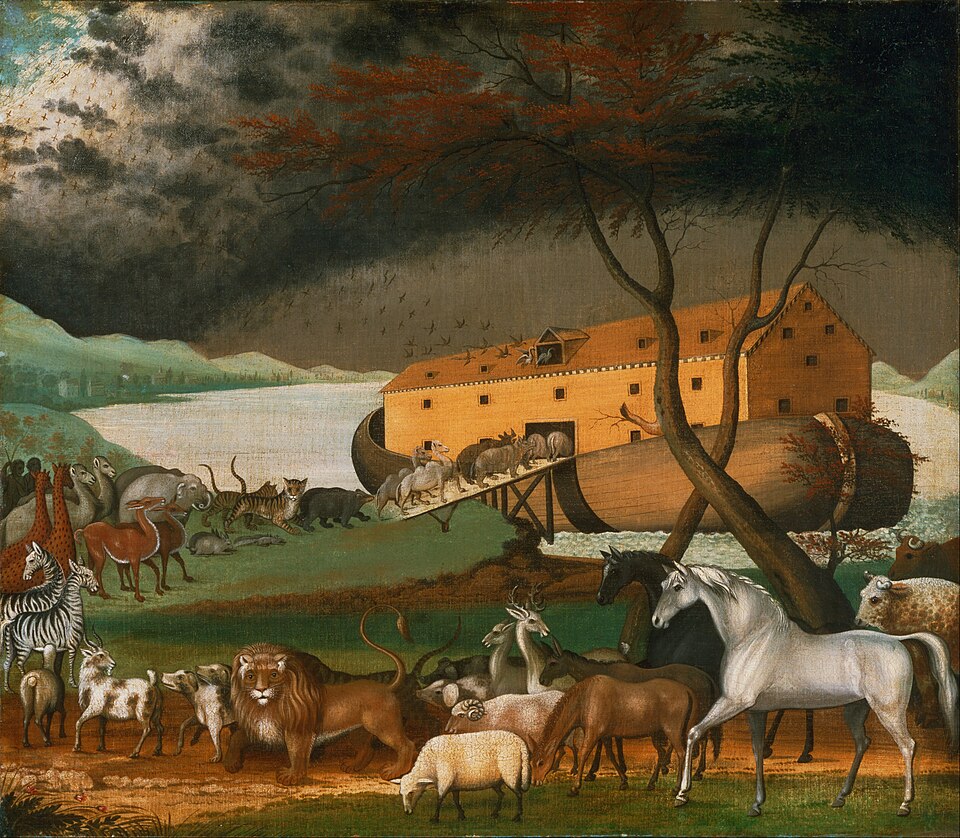
He waited seven days and then seven more before he sent out the dove a last time, until he knew the waters had receded.
Genesis 8:10 to 12
He waited patiently for the LORD, who lifted him from the pit and put a new song in his mouth.
Psalm 40:1 to 3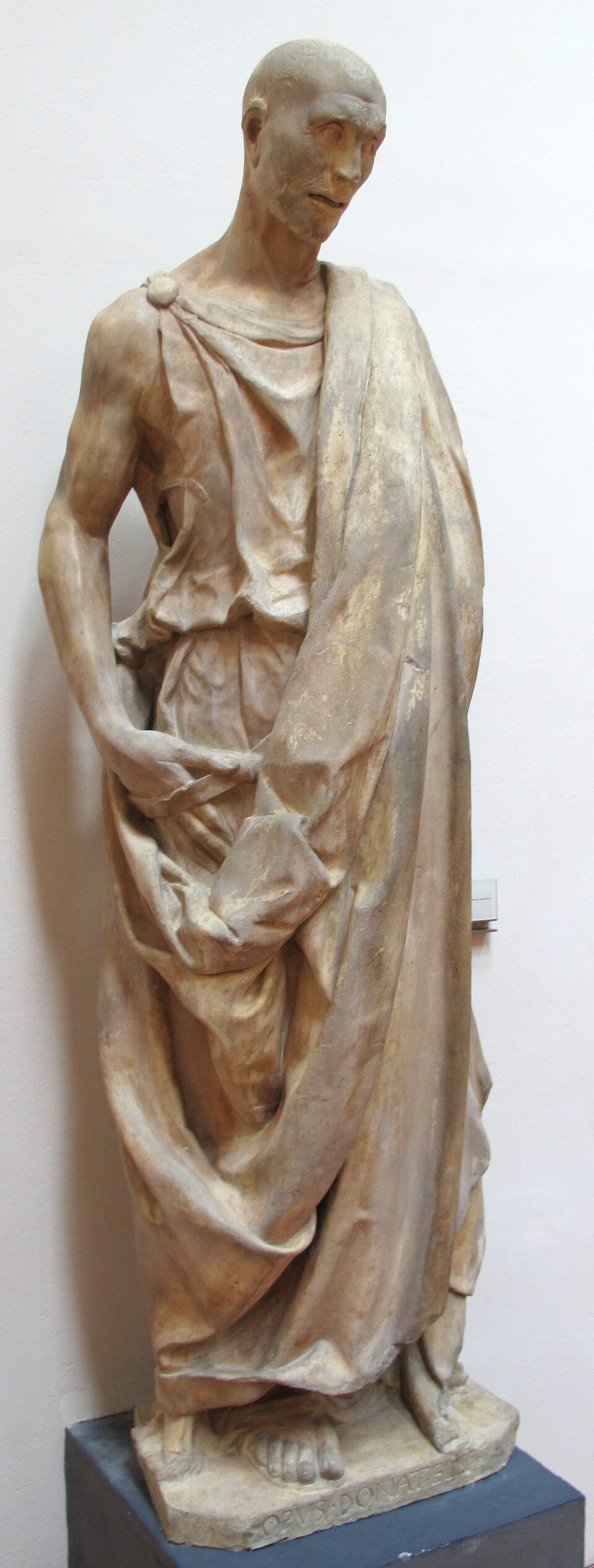
The LORD told him to wait for the vision even though it lingers, because it will surely come.
Habakkuk 2:3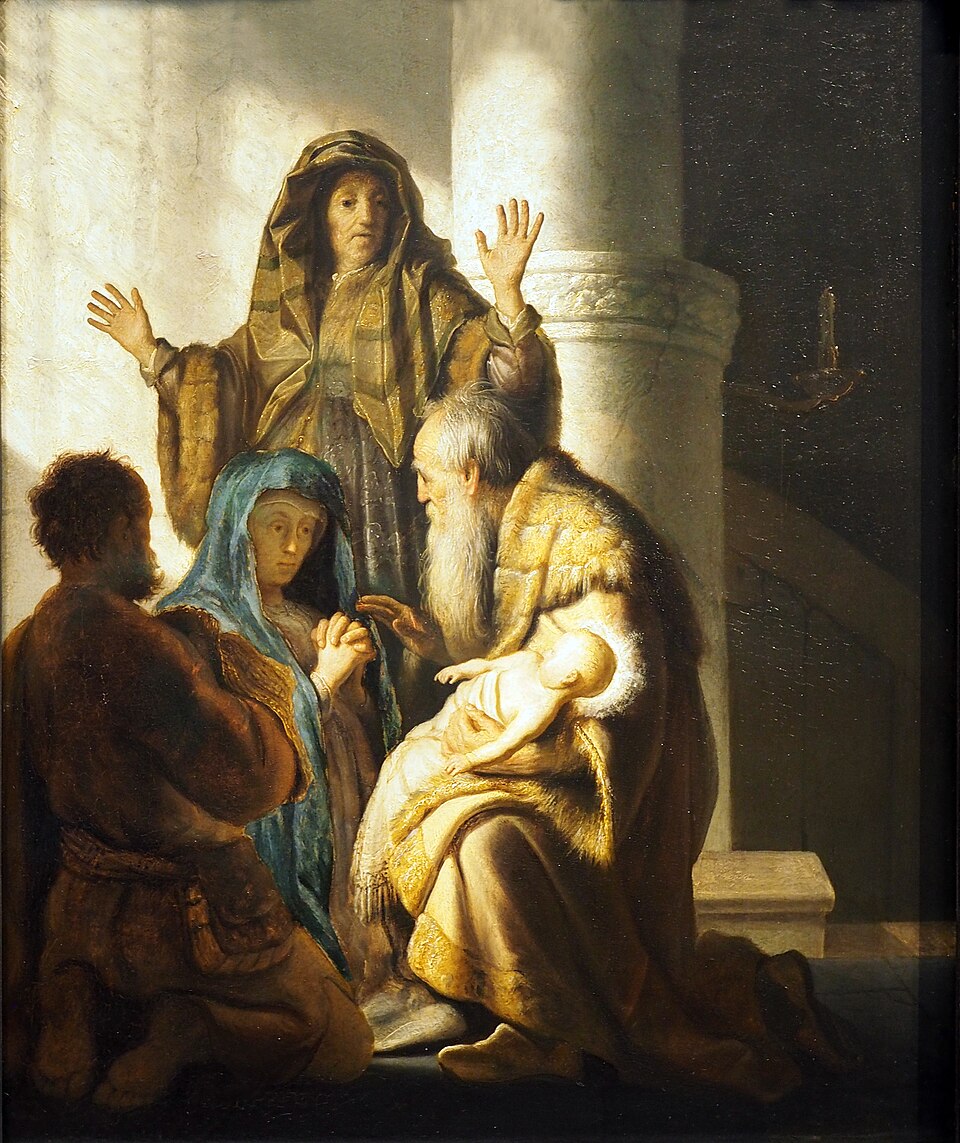
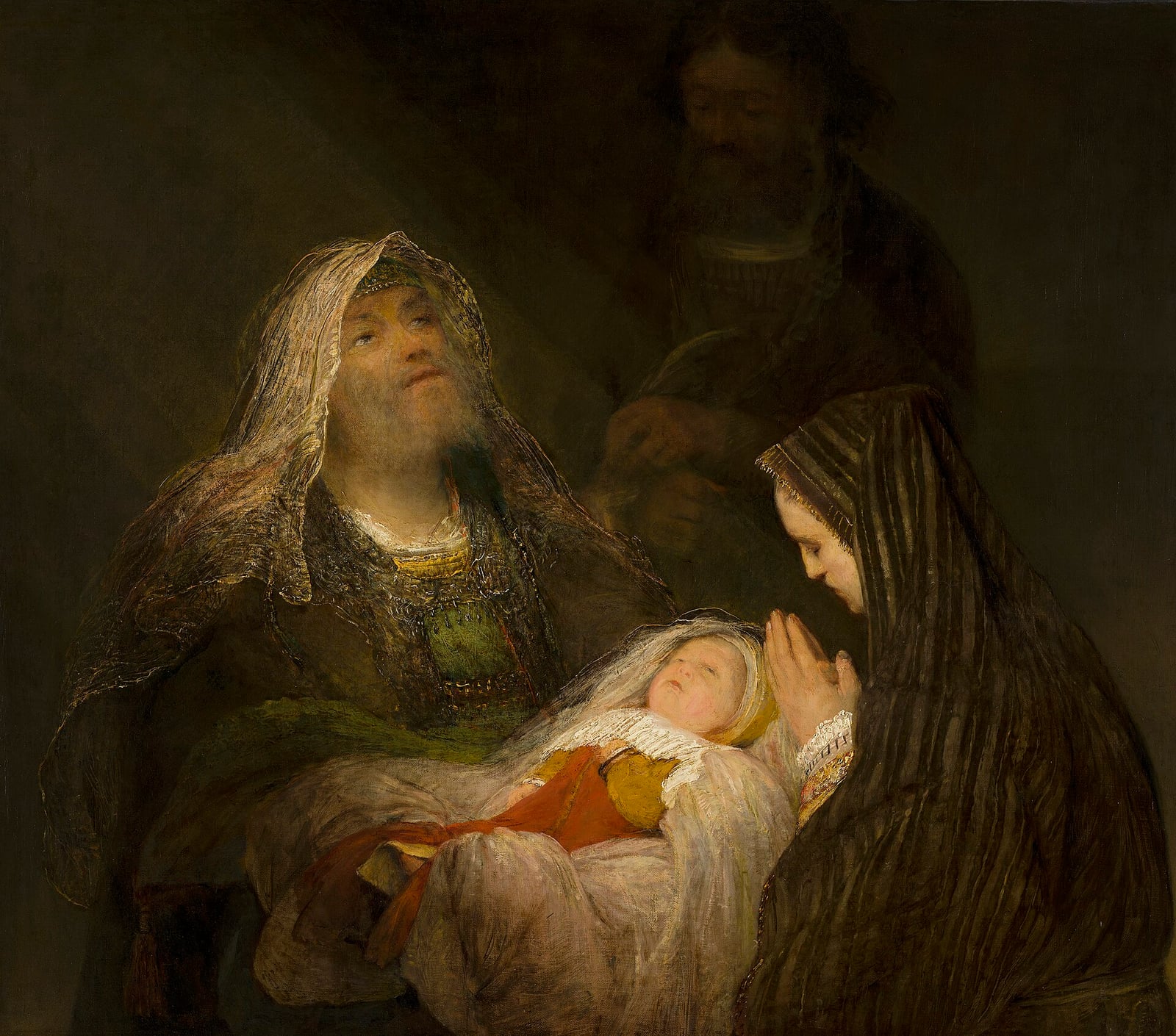
He took the child in his arms and blessed God, who had kept His word that he would see His salvation.
Luke 2:28 to 30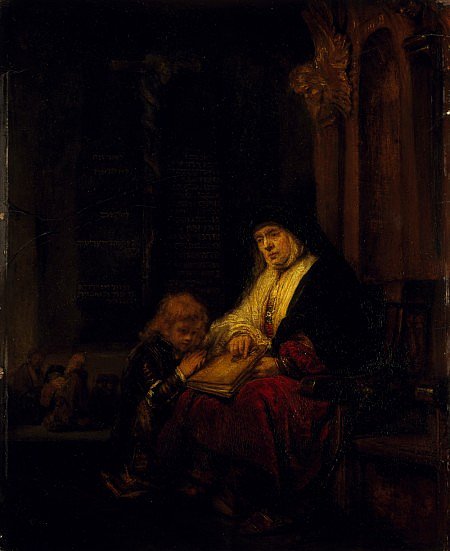
She worshiped in the temple night and day and spoke of the child to all who were waiting for the redemption of Jerusalem.
Luke 2:37 to 38
He reminded Timothy that he had observed Paul's faith, patience, love and perseverance.
2 Timothy 3:10
Habakkuk, Simeon, Anna, Paul
The Practice of Patience
Scripture names seven habits that form a patient life, each with the verse that gives it.
- 1Be still before the LORDThe psalm tells the righteous to wait for the LORD in stillness and to stop fretting when evil men prosper.Psalm 37:7 to 8
- 2Pray while you waitPaul joins patience in affliction to joy in hope and to persistent prayer.Romans 12:12
- 3Hope for what is not yet seenPaul says that hope for what is not yet seen is what makes the waiting patient.Romans 8:25
- 4Take endurance from the ScripturesPaul says that what was written in the past was written so that its encouragement would give hope.Romans 15:4
- 5Bear with one another in lovePaul sets patience between gentleness and the bearing with one another that keeps a church at peace.Ephesians 4:1 to 2
- 6Be slow to speak and slow to angerJames tells believers to listen first, because man's anger does not bring about the righteousness God desires.James 1:19 to 20
- 7Ask God for strength to endurePaul prays that God's power will strengthen the Colossians to endure with patience and with joy.Colossians 1:11
Pray while you wait, Hope for what is not yet seen, Take endurance from the Scriptures, Bear with one another in love, Be slow to speak and slow to anger, Ask God for strength to endure
Haste, Anger and Grumbling
Scripture sets the quick temper, haste that acts before God, and grumbling that tests Him against patience.
Proverbs sets the patient man against the quick-tempered one, and its Hebrew sets long of nostrils against short of spirit (Proverbs 14:29).
Saul waited seven days at Gilgal for Samuel to come and offer the sacrifice. When Samuel did not come and the troops began to desert, Saul offered the burnt offering himself, and Samuel arrived just as he finished. Samuel told him that he had acted foolishly and that his kingdom would not endure (1 Samuel 13:8 to 14).
A hot-tempered man stirs up strife, but he who is slow to anger calms dispute.It shows what impatience does to others, since the hot temper starts the quarrel the patient man ends.
Do not be quickly provoked in your spirit, for anger settles in the lap of a fool.It sets the quick temper in the fool, so impatience is folly as well as sin.
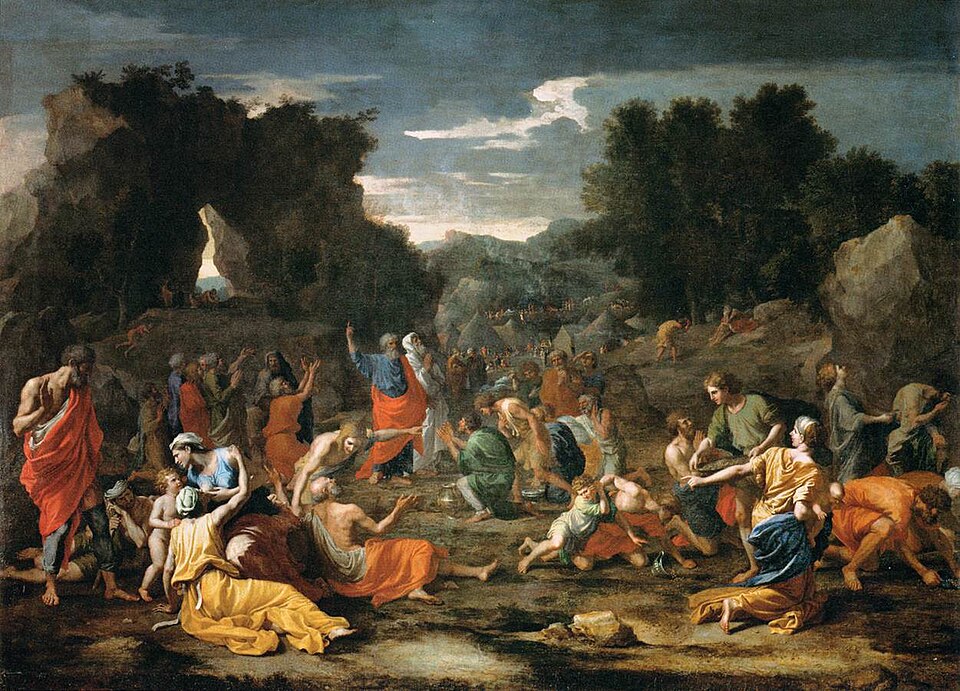
The people grew impatient on the road around Edom and spoke against God and against Moses.
Numbers 21:4 to 5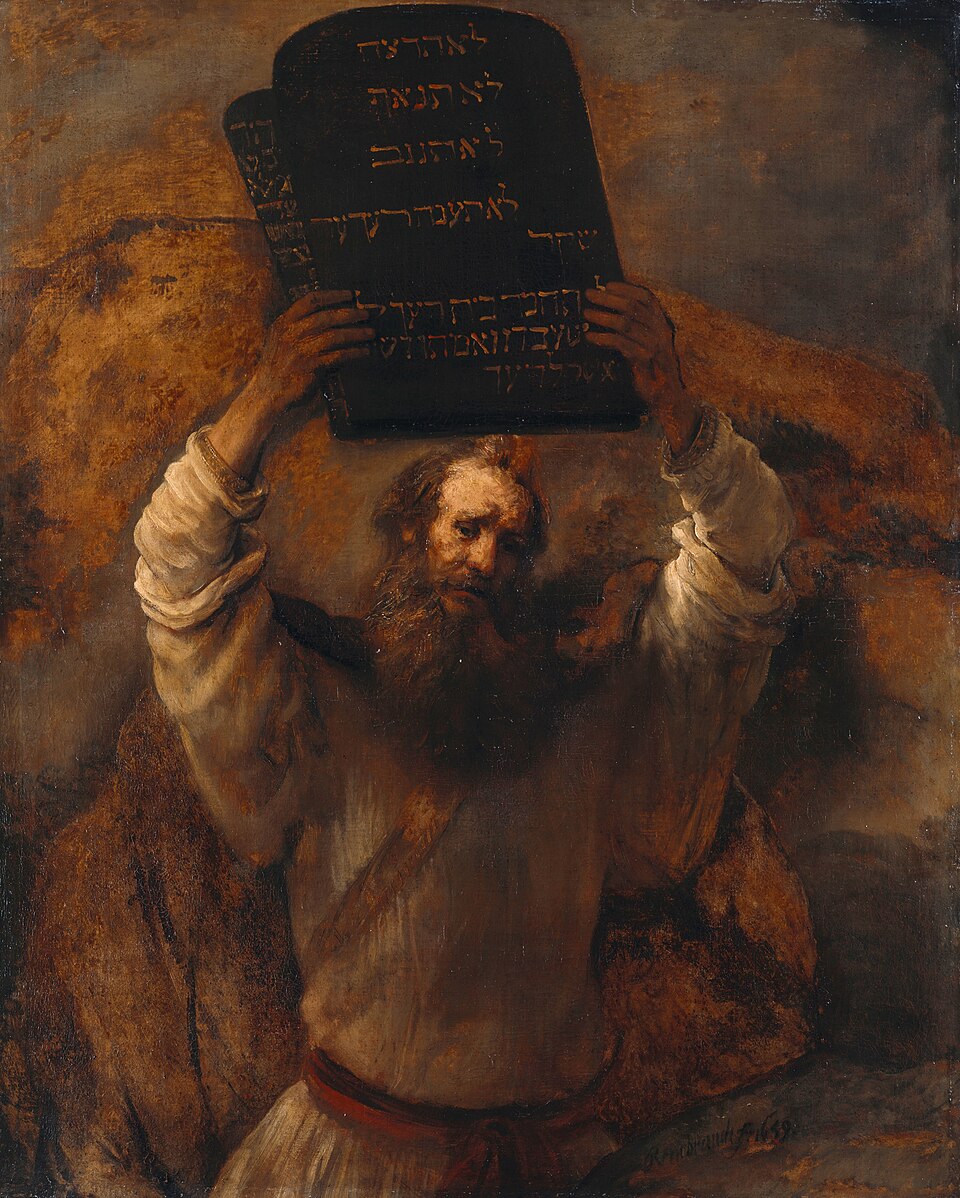
He called the people rebels and struck the rock twice, and the LORD barred him from leading them into the land.
Numbers 20:10 to 12
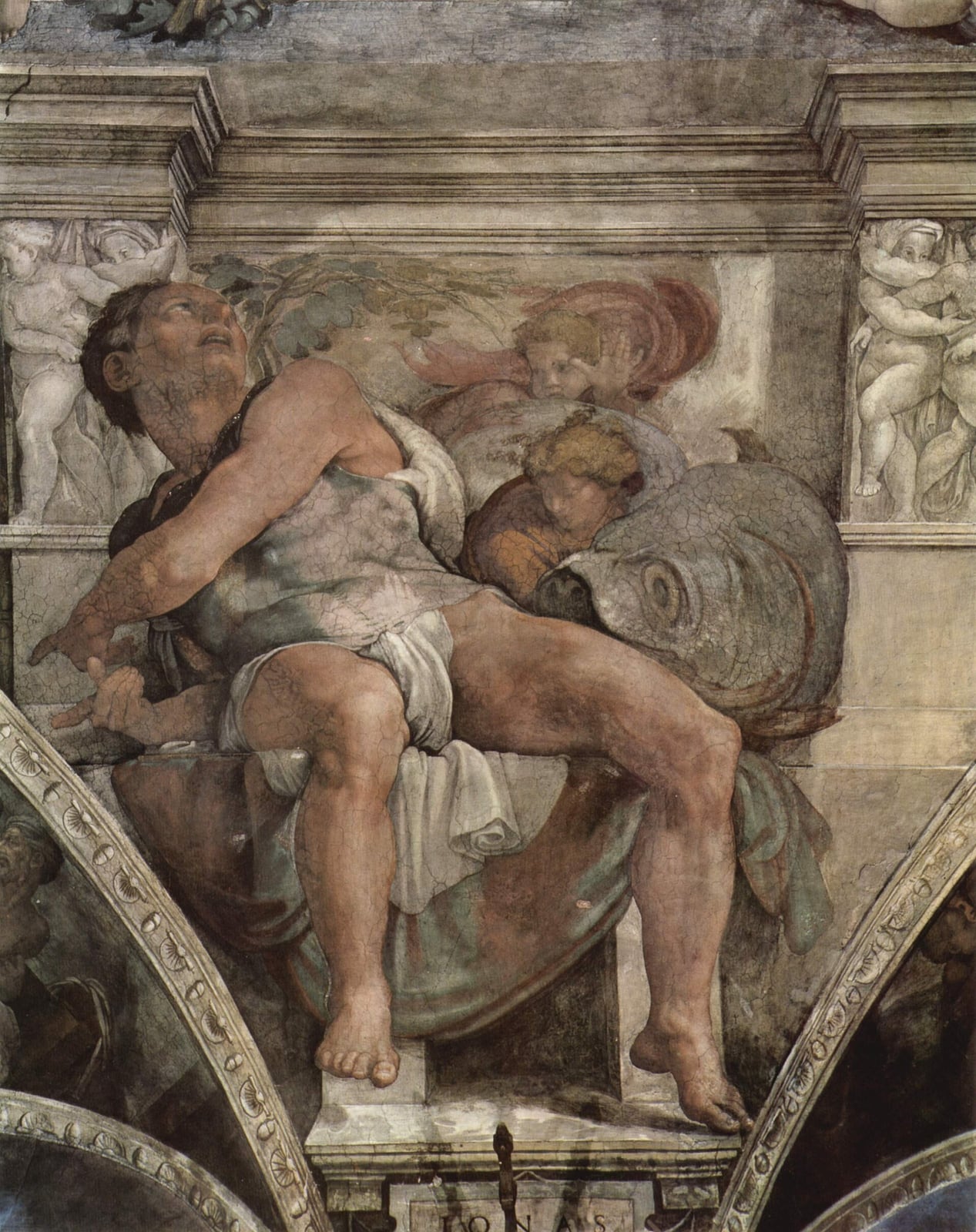
He was angry enough to die when God spared Nineveh, and God asked whether He should not care for the great city.
Jonah 4:9 to 11
Proverbs 15:18, Ecclesiastes 7:9, The wilderness generation, Moses at Meribah, Jonah
Patience in the Stories of the Bible
Five stories show patience in loss, in a long wait for a son, in slavery, under taunts and in a father's watch.
The Patience of JobJob 1 to 3 and 42
Job lost his flocks, his servants and his ten children in one day, and he worshiped (Job 1:20 to 22). After seven silent days with his friends he cursed the day of his birth (Job 3:1), yet the LORD later said that Job had spoken about Him accurately (Job 42:7). James names Job's perseverance (James 5:11), which older English versions render the patience of Job.
Read the study of Job 10 sections, 11 verses set out
Abraham and SarahGenesis 15 to 21
The LORD promised Abram an heir from his own body, and Abram believed Him (Genesis 15:4 to 6). After ten years in Canaan, Sarai gave him her maidservant Hagar (Genesis 16:3). When the promise came again, Abraham laughed first (Genesis 17:17) and then Sarah (Genesis 18:12), and the LORD asked whether anything was too difficult for Him (Genesis 18:14). Sarah bore Isaac at the very time God had promised (Genesis 21:2).
Read the study of the twenty-five years 9 sections, 15 verses set out
Joseph in EgyptGenesis 37 to 41
Joseph was seventeen when he tended the flock with his brothers (Genesis 37:2) and thirty when he entered the service of Pharaoh (Genesis 41:46). A psalm says that his feet were bruised with shackles “until his prediction came true and the word of the LORD proved him right” (Psalm 105:19).
Read the page on Joseph 13 sections, 18 verses set out
Hannah prays for a son1 Samuel 1
The LORD had closed Hannah's womb, and her rival taunted her year after year (1 Samuel 1:6 to 7). In her bitter distress she prayed and vowed her son to the LORD, and in the course of time she bore Samuel (1 Samuel 1:10 to 20).
The father of the lost sonLuke 15
Jesus told the parable of the lost son when the Pharisees and scribes grumbled that He welcomed sinners (Luke 15:1 to 2). In it the father saw his son far off, was filled with compassion and ran to him (Luke 15:20).
Abraham and Sarah (Genesis 15 to 21), Joseph in Egypt (Genesis 37 to 41), Hannah prays for a son (1 Samuel 1), The father of the lost son (Luke 15)
Patience in the Church's History
Three accounts tell of a mother who waited nine years for her son and of two missionaries who waited years for a first convert.
Monica4th century
Augustine wrote in his Confessions that his mother Monica "wept to you on my behalf more than mothers are wont to weep the bodily death of their children" (3.11.19), and that "nearly nine years passed in which I wallowed in the slime of that deep pit" (3.11.20). A bishop told her at last, "it is not possible that the son of these tears should perish" (3.12.21, translated by J. G. Pilkington, 1887). Every word of hers on record is her son's report.
William Carey1793
William Carey landed at Calcutta on 11 November 1793. His biographer George Smith records that he preached daily in Bengali for seven years without a convert, and that on 28 December 1800 Carey "led Krishna and his own son Felix down into the water of baptism" (The Life of William Carey, 1885). Carey wrote of himself to his nephew, "I can plod. I can persevere in any definite pursuit."
Adoniram Judson1819
Adoniram Judson's son records that on June 27, 1819, "about six years after his arrival in Rangoon," Judson baptized the first Burman convert, Moung Nau (Adoniram Judson, D.D.: His Life and Labours, 1883). Judson wrote these lines in pencil inside a book he used for his Burman dictionary: "We sow on Burmah's barren plain, / We reap on Zion's hill."
William Carey (1793), Adoniram Judson (1819)
Voices on Patience, by Century
Eight quotations from the second century to the nineteenth, each under the line it teaches.
died 108 · Ignatius of Antioch
Epistle of Ignatius to the Ephesians
A second-century bishop told the church to fear the patience of God, lest it despise His goodness.
The quotation1 quotation
“The last times are come upon us. Let us therefore be of a reverent spirit, and fear the long-suffering of God, lest we despise the riches of His goodness and forbearance. For let us either fear the wrath to come, or let us love the present joy in the life that now is; and let our present and true joy be only this, to be found in Christ Jesus, that we may truly live.”
Ignatius of Antioch · Epistle of Ignatius to the Ephesians · on Romans 2:4Patristic
died 384 · Ambrosiaster
COMMENTARY ON PAUL'S EPISTLES
A fourth-century commentator wrote that patience waits daily for the kingdom of God and does not doubt because it delays.
The quotation1 quotation
“Patience is greatly approved of by God, for by daily waiting it desires the coming of the kingdom of God and does not doubt just because it delays.”
Ambrosiaster · Commentary on Paul's Epistles · on Romans 8:25Patristic
died 614 · Andreas of Caesarea
CATENA
A seventh-century commentator taught that trials produce patience because patience brings a person to perfection.
The quotation1 quotation
“Why do trials produce patience? It is because patience brings those who experience it to perfection.”
Andreas of Caesarea · CATENA · on James 1:4Patristic
died 735 · Bede
Commentary on the Catholic Epistles
An eighth-century monk wrote that the Lord waits patiently so that more might be saved.
The quotation1 quotation
“And consider that the patience of our Lord is for salvation. Do not think that the Lord delays his promise, but understand that he is patiently waiting for this reason, that more might be saved.”
Bede · Commentary on the Catholic Epistles · on 2 Peter 3:15Patristic
died 1107 · Theophylact of Ohrid
Commentary on Romans
A commentator at the turn of the twelfth century taught that patience means struggle and labor while a Christian awaits what is unseen.
The quotation1 quotation
“Therefore, one must not seek everything here: we ‘wait with patience’ for the future. When you hear of patience, understand by it the idea of struggles and strenuous labors. For a Christian must endure, awaiting that which is unseen but expected through faith.”
Theophylact of Ohrid · Commentary on Romans · on Romans 8:25Patristic
1509 to 1564 · John Calvin
Commentaries
A sixteenth-century Reformer read the doubled verb of Psalm 40:1 as a long wait that proved the psalmist's faith.
The quotation1 quotation
“He tells us, not merely that he had waited, but by the repetition of the same expression, he shows that he had been a long time in anxious suspense. In proportion then as his trial was prolonged, the evidence and proof of his faith in enduring the delay with calmness and equanimity of mind was so much the more apparent.”
John Calvin · Commentaries · on Psalm 40:1Reformed
1662 to 1714 · Matthew Henry
Commentary on the Whole Bible
An eighteenth-century commentator taught that while deliverance is deferred, God's people wait for Him by faith and seek Him by prayer.
The quotation1 quotation
“But he is in a particular manner good to those that wait for him, to the soul that seeks him. Note, While trouble is prolonged, and deliverance is deferred, we must patiently wait for God and his gracious returns to us. While we wait for him by faith, we must seek him by prayer: our souls must seek him, else we do not seek so as to find.”
Matthew Henry · Commentary on the Whole Bible · on Lamentations 3:25Puritan
1834 to 1892 · Charles Spurgeon
The Treasury of David, Vol. 2
A nineteenth-century preacher called patient waiting on God a special mark of Jesus through His agony, His trials and the cross.
The quotation1 quotation
“I waited patiently for the Lord. Patient waiting upon God was a special characteristic of our Lord Jesus. Impatience never lingered in his heart, much less escaped his lips. All through his agony in the garden, his trial of cruel mockings before Herod and Pilate, and his passion on the tree, he waited in omnipotence of patience. No glance of wrath, no word of murmuring, no deed of vengeance came from God's patient Lamb; he waited and waited on; was patient, and patient to perfection, far excelling all others who have according to their measure glorified God in the fires.”
Charles Spurgeon · The Treasury of David, Vol. 2 · on Psalm 40:1
Andreas of Caesarea, Bede, Theophylact of Ohrid, John Calvin, Matthew Henry, Charles Spurgeon
How Patience Has Been Taught
Tertullian, Cyprian and Thomas a Kempis taught patience from the third century to the fifteenth.
Tertullian confessed his own impatience and made God the first example of patience1 paragraph
Tertullian of Carthage began his treatise Of Patience with a confession. "So I, most miserable, ever sick with the heats of impatience, must of necessity sigh after, and invoke, and persistently plead for, that health of patience which I possess not" (chapter 1, translated by S. Thelwall, 1885). He then made God the first example, "who scatters equally over just and unjust the bloom of this light" (chapter 2).
Cyprian said that patience begins in God and sent his treatise to keep peace among bishops1 paragraph
Cyprian, bishop of Carthage, wrote, "For we have this virtue in common with God. From Him patience begins" (On the Advantage of Patience, chapter 3, translated by R. E. Wallis, 1886). He sent the treatise to the bishop Jubaianus during a dispute over the baptism of those who returned from heretical groups. In his letter to Jubaianus he wrote, "Charity of spirit, the honour of our college, the bond of faith, and priestly concord, are maintained by us with patience and gentleness" (Epistle 72).
Thomas a Kempis measured patience by what it will bear1 paragraph
Thomas a Kempis wrote of the patience that suffers wrong from anyone (The Imitation of Christ, book 3, chapter 19, translated by William Benham). "He is not truly patient who will only suffer as far as seemeth right to himself and from whom he pleaseth."
Where the Science Speaks
Psychologists have measured how long children wait for a reward and what that predicts, and the link is smaller than first reported.
Kidd, Palmeri and Aslin (2013) found that 28 children waited longer when the adult had kept an earlier promise. A test in 23 laboratories with 2,141 people found no reliable support for the idea that self-control is used up as it is exercised (Hagger and others, 2016). These studies measure one part of patience, the wait for a larger good.
Patience and the Impulse, the study in brief
Ten Studies of Patience
Each study takes one part of patience further, grouped by the texts, the stories, the words, the practice and the science.
The texts
4 studies
- Passages and psalms · 15 verses set outWaiting on the Lord
Isaiah promises that those who wait upon the LORD will renew their strength, and Psalm 27 closes by calling the reader to wait for Him with courage.
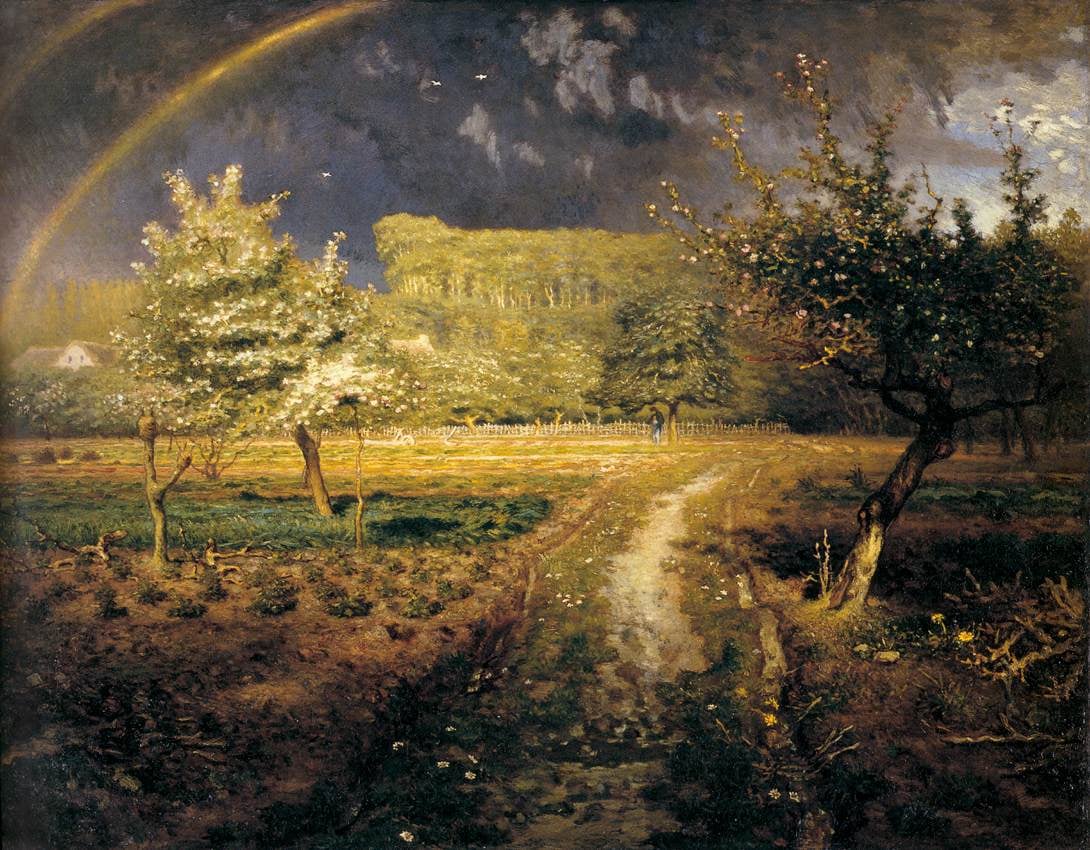
- Passages and psalms · 12 verses set outThe Farmer Waits for the Rain
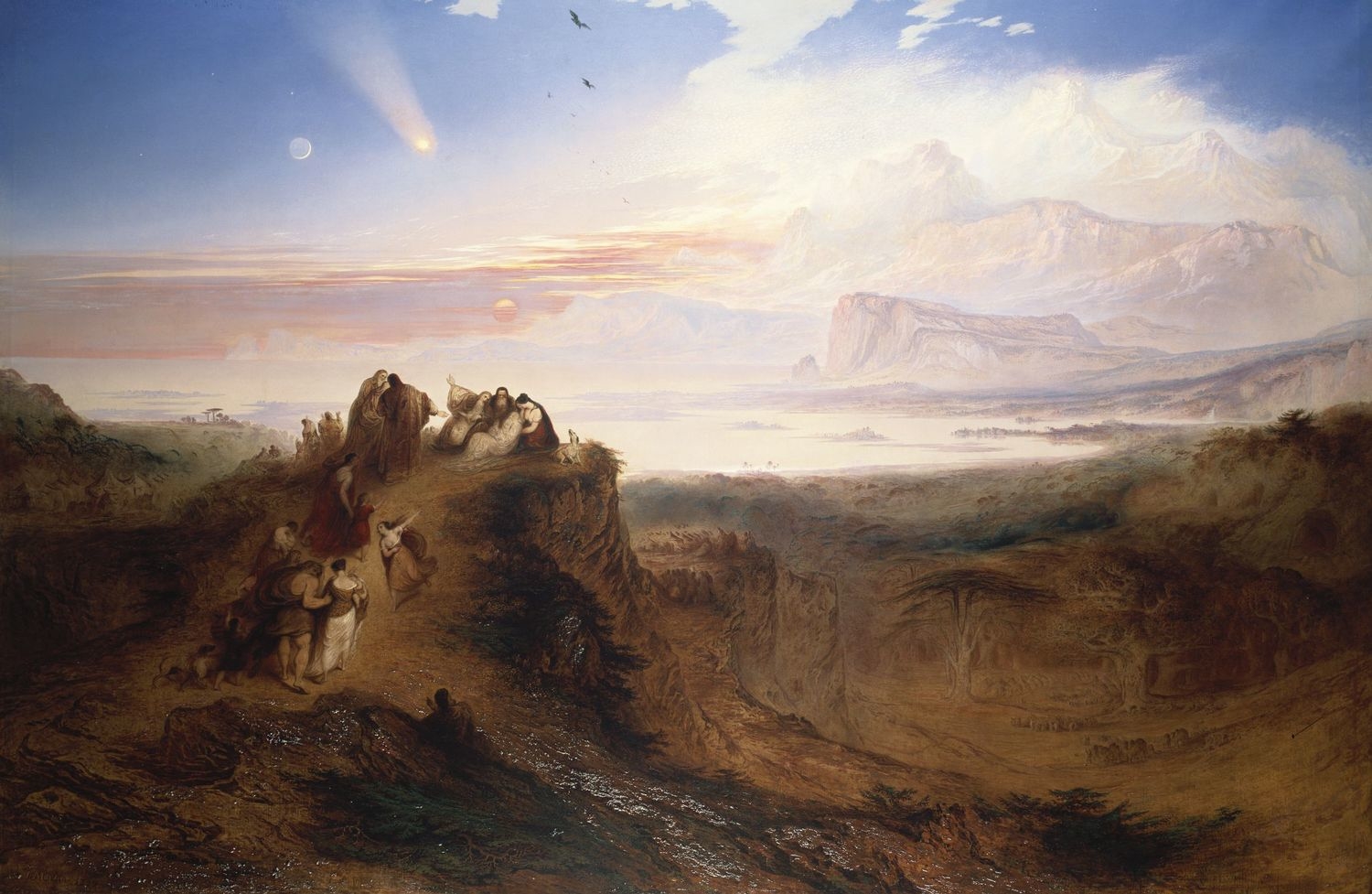
James tells suffering believers to be patient until the Lord comes, as a farmer waits for the fall and spring rains.
- Doctrines · 10 verses set outThe Patience and the Wrath of God
Nahum 1:3 repeats over Nineveh the words the LORD spoke of Himself to Moses at Sinai.
- Doctrines · 14 verses set outThe Vision That Waits for Its Appointed Time
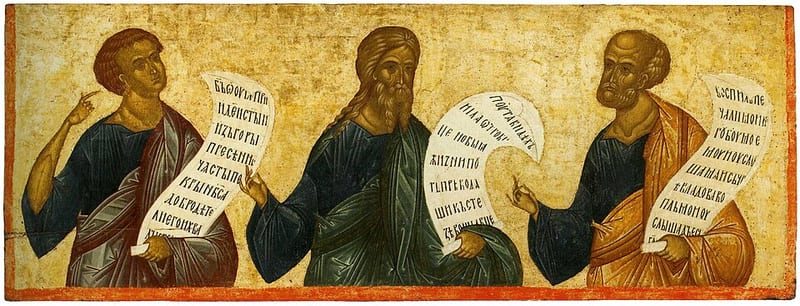
Habakkuk was told to write a vision on tablets and to wait for its appointed time.
- Passages and psalms · 15 verses set outWaiting on the Lord
The stories
2 studies
- Stories · 11 verses set outThe Patience of Job
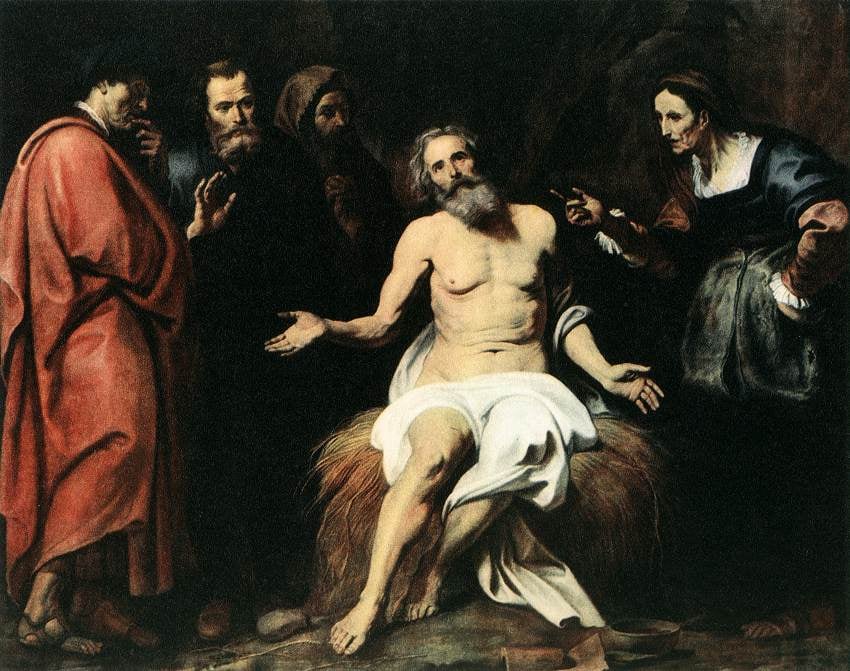
Job 1 to 2 and 42 record the trial and the restoration of Job of Uz, whom James 5:11 holds up to believers for his perseverance.
- Stories · 15 verses set outAbraham and Sarah: The Twenty-Five Years
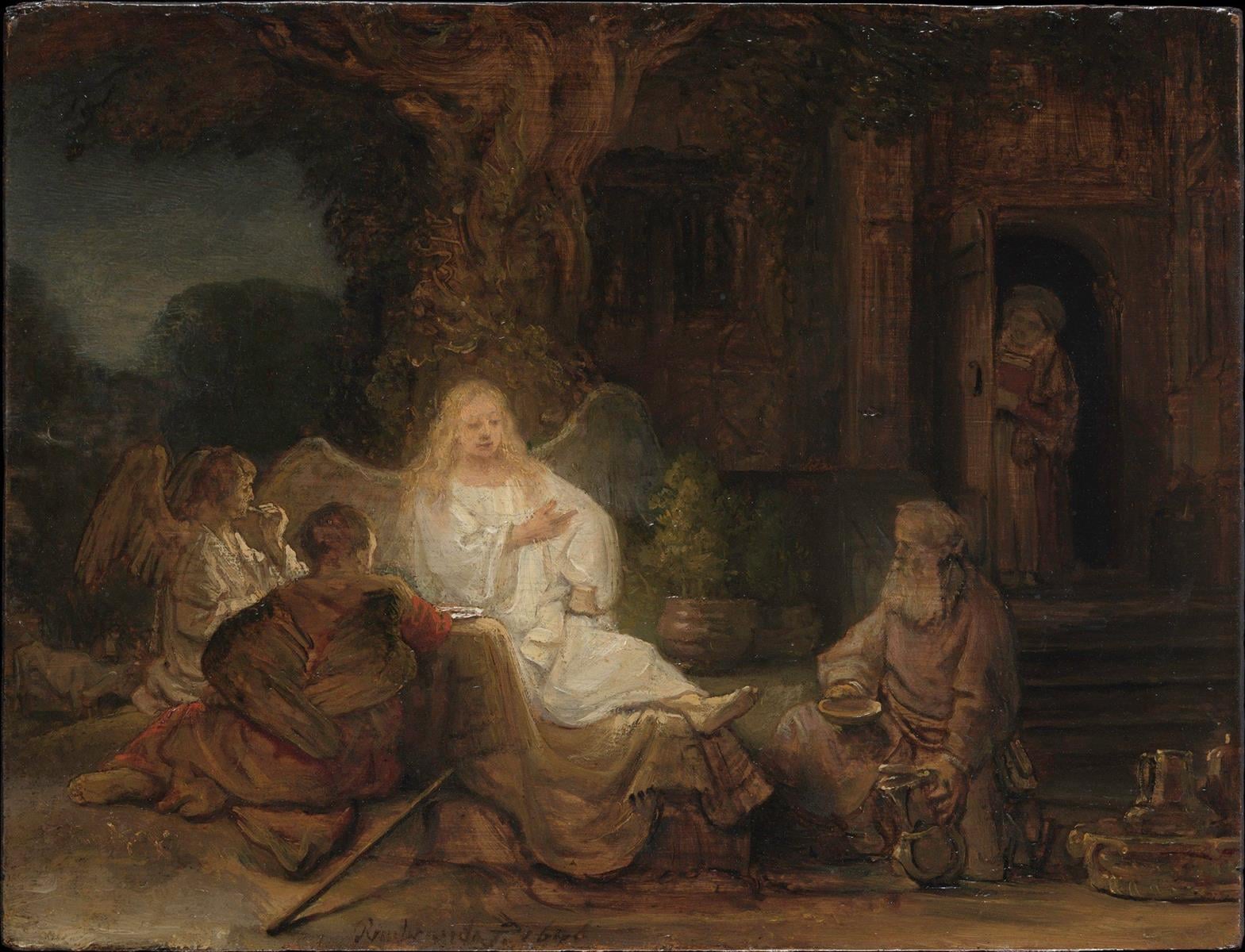
Genesis 12 to 21 follows Abraham and Sarah from the LORD's promise at Haran to the birth of their son Isaac in their old age.
- Stories · 11 verses set outThe Patience of Job
The words
1 study
- Symbols and words · 9 verses set outThe Words Erek Appayim and Makrothymia
Erek appayim, slow to anger, stands in 13 Old Testament verses, and makrothymia with its verb stands 24 times in the New.
- Symbols and words · 9 verses set outThe Words Erek Appayim and Makrothymia
The practice
2 studies
- Doctrines · 11 verses set outSuffering as a Christian
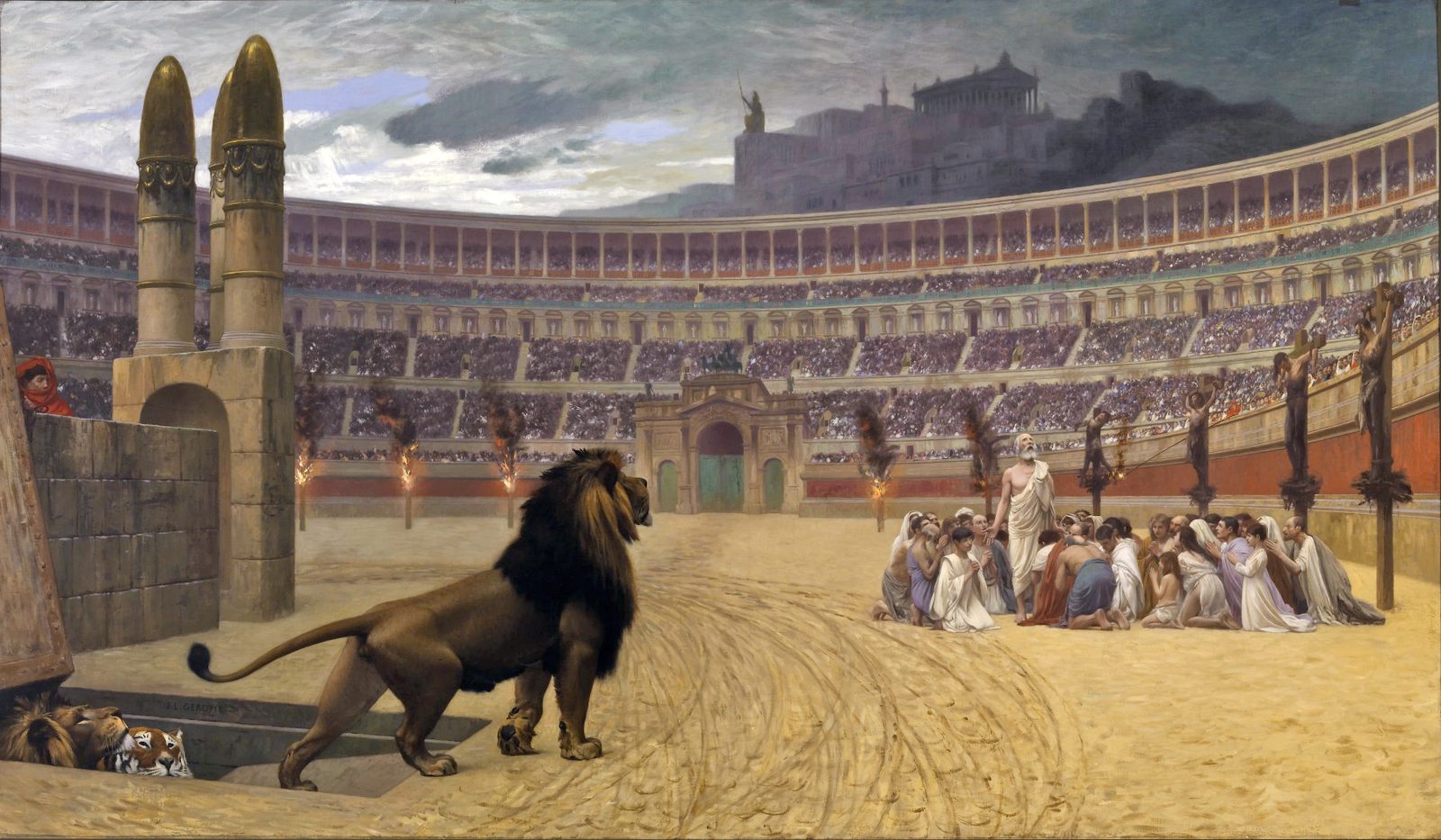
The name Christian in Acts and 1 Peter, and what the churches of Asia Minor faced from Nero to Pliny.
- Subjects · 12 verses, 1 studyAnger
The fire Scripture treats as real in God and dangerous in us.
- Doctrines · 11 verses set outSuffering as a Christian
The science
1 study
- Doctrines · 7 verses set outPatience and the Impulse
Six studies published from 1989 to 2018 measured how children and adults wait for a reward and hold back an impulse, and what that predicts in later life.
- Doctrines · 7 verses set outPatience and the Impulse

The Farmer Waits for the Rain, The Patience and the Wrath of God, The Vision That Waits for Its Appointed Time, The Patience of Job, Abraham and Sarah: The Twenty-Five Years, The Words Erek Appayim and Makrothymia, Suffering as a Christian, Anger and 1 more
Where Readers Disagree
Six readings answer three questions, each with its holders, the work that argues it and the objection raised against it.
Readers disagree on three questions. They ask what kind of patience Job showed and whether God's patience is a mercy that waits for repentance or a restraint before judgment. They also ask whether patience and endurance are one virtue or two.
| Reading | Held by | Work | Objection |
|---|---|---|---|
| Job's patience was his resignation in the first two chapters | Tertullian; Adam Clarke (Patristic; Methodist) | Tertullian, Of Patience (translated by S. Thelwall, 1885), chapter 14; Clarke, Commentary on the Bible (1832), on Job 1:22 | The book goes on to a long complaint, and James praises Job's perseverance through the whole of it. |
| Job's patience failed, and his repentance made it good | Matthew Henry (Reformed (Puritan)) | Commentary on the Whole Bible (1710), on Job 42 | James 5:11 praises Job's perseverance and says nothing of a failure. |
| God's patience is a mercy that gives sinners time to repent | Cyril of Alexandria (Patristic) | Cyril of Alexandria, in the catena on James 5:7 | Romans 9:22 sets God's great patience before His wrath on vessels prepared for destruction, so His patience also goes before a judgment that comes. |
| God's patience holds back judgment for a time and is never ignorance of sin | Pachomius (Patristic (Egyptian monastic)) | The Book of Our Father Horsiesios, chapter 3 | 2 Peter 3:9 and 2 Peter 3:15 give God's patience the aim of repentance and salvation. |
| Patience and endurance are two virtues with two objects | John Chrysostom; Jamieson, Fausset and Brown (Patristic; Reformed) | Chrysostom, in the catena on James 5:8; Jamieson, Fausset and Brown, Commentary (1871), on Hebrews 6:12 | James uses both families of words in one paragraph for one waiting church (James 5:7 to 11). |
| Patience and endurance are one virtue | Tertullian; Cyprian (Patristic) | Tertullian, Of Patience (translated by S. Thelwall, 1885); Cyprian, On the Advantage of Patience (translated by R. E. Wallis, 1886) | Colossians 1:11 and 2 Timothy 3:10 list endurance and patience as two things side by side. |
Job's patience failed, and his repentance made it good, God's patience is a mercy that gives sinners time to repent, God's patience holds back judgment for a time and is never ignorance of sin, Patience and endurance are two virtues with two objects, Patience and endurance are one virtue
Sources
Scripture is the Berean Standard Bible.
- The Holy Bible, American Standard Version (1901), James 5:11.
- STEP Bible, Translators Brief lexicon of Extended Strongs for Hebrew and for Greek (Tyndale House, Cambridge), CC BY 4.0, with the Greek brief lexicon based on Abbott-Smith (1922)
- Tertullian, Of Patience, translated by S. Thelwall, Ante-Nicene Fathers, volume 3 (1885), chapters 1, 2 and 14.
- Cyprian, On the Advantage of Patience, chapter 3, and Epistle 72, to Jubaianus, translated by R. E. Wallis, Ante-Nicene Fathers, volume 5 (1886)
- Augustine of Hippo, Confessions 3.11 to 3.12, translated by J. G. Pilkington, in the first series of the Nicene and Post-Nicene Fathers, volume 1 (1887)
- Thomas a Kempis, The Imitation of Christ, translated by William Benham, book 3, chapter 19.
- George Smith, The Life of William Carey, D.D., Shoemaker and Missionary (London: John Murray, 1885), chapter 3 and the chapter on the first convert.
- Edward Judson, Adoniram Judson, D.D.: His Life and Labours (London: Hodder and Stoughton, 1883), the chapter for 1813 to 1819.
- W. Mischel, Y. Shoda and M. L. Rodriguez, Delay of gratification in children, Science 244(4907): 933 to 938 (1989)
- T. W. Watts, G. J. Duncan and H. Quan, Revisiting the Marshmallow Test: A Conceptual Replication Investigating Links Between Early Delay of Gratification and Later Outcomes, Psychological Science 29(7): 1159 to 1177 (2018)
- C. Kidd, H. Palmeri and R. N. Aslin, Rational snacking: young children's decision-making on the marshmallow task is moderated by beliefs about environmental reliability, Cognition 126(1): 109 to 114 (2013)
- M. S. Hagger and others, A Multilab Preregistered Replication of the Ego-Depletion Effect, Perspectives on Psychological Science 11(4): 546 to 573 (2016)
- Adam Clarke, Commentary on the Bible (1832), on Job 1:22.
- Matthew Henry, Commentary on the Whole Bible (1710), on Job 42.
- Cyril of Alexandria, in the catena on James 5:7.
- Pachomius, in The Book of Our Father Horsiesios, chapter 3, on 2 Peter 3:9.
- John Chrysostom, in the catena on James 5:8.
- Jamieson, Fausset and Brown, Commentary Critical and Explanatory on the Whole Bible (1871), on Hebrews 6:12.
Keep Studying
Studies11
In this value9
People and groups17
Places1
Symbols1
Values8