
Study
The featured studies
The studies in Salvation & the Christian Life, sorted by the kind of thing each one teaches.
Summary
Salvation & the Christian Life holds 85 of the site's 1112 featured studies, in 5 of the ten kinds.
- 1 study asks what one passage says, line by line.
- 1 study asks who one person or one people was, and what part they take in the story.
- 5 studies ask where a place stood and what happened on that ground.
- 73 studies ask what Scripture teaches on a subject, from its first text to its fullest.
- 5 studies ask why Christians read the same texts differently.
The studies by kind
Show the groups
- Passages and psalms1 studies, 0 as cards, 1 in the register
- People and groups1 studies, 0 as cards, 1 in the register
- Places5 studies, 2 as cards, 3 in the register
- Doctrines73 studies, 8 as cards, 65 in the register
- Debates5 studies, 3 as cards, 2 in the register
Passages and psalms
These studies take a chapter, a song or a single teaching and read it line by line. Each stays inside one passage and follows its own movement.
1 studies, 0 as cards, 1 in the register
The register: 1 studies of this kind
People and groups
Lives told from first mention to last, and the nations, families and parties around Israel and the church. The full roster of names stands on the people hub; these are the studies built around one life or one people.
1 studies, 0 as cards, 1 in the register
The register: 1 studies of this kind
The ground a story stands on: what was built there, what was found there, and what Scripture makes of the name afterwards.
5 studies, 2 as cards, 3 in the register
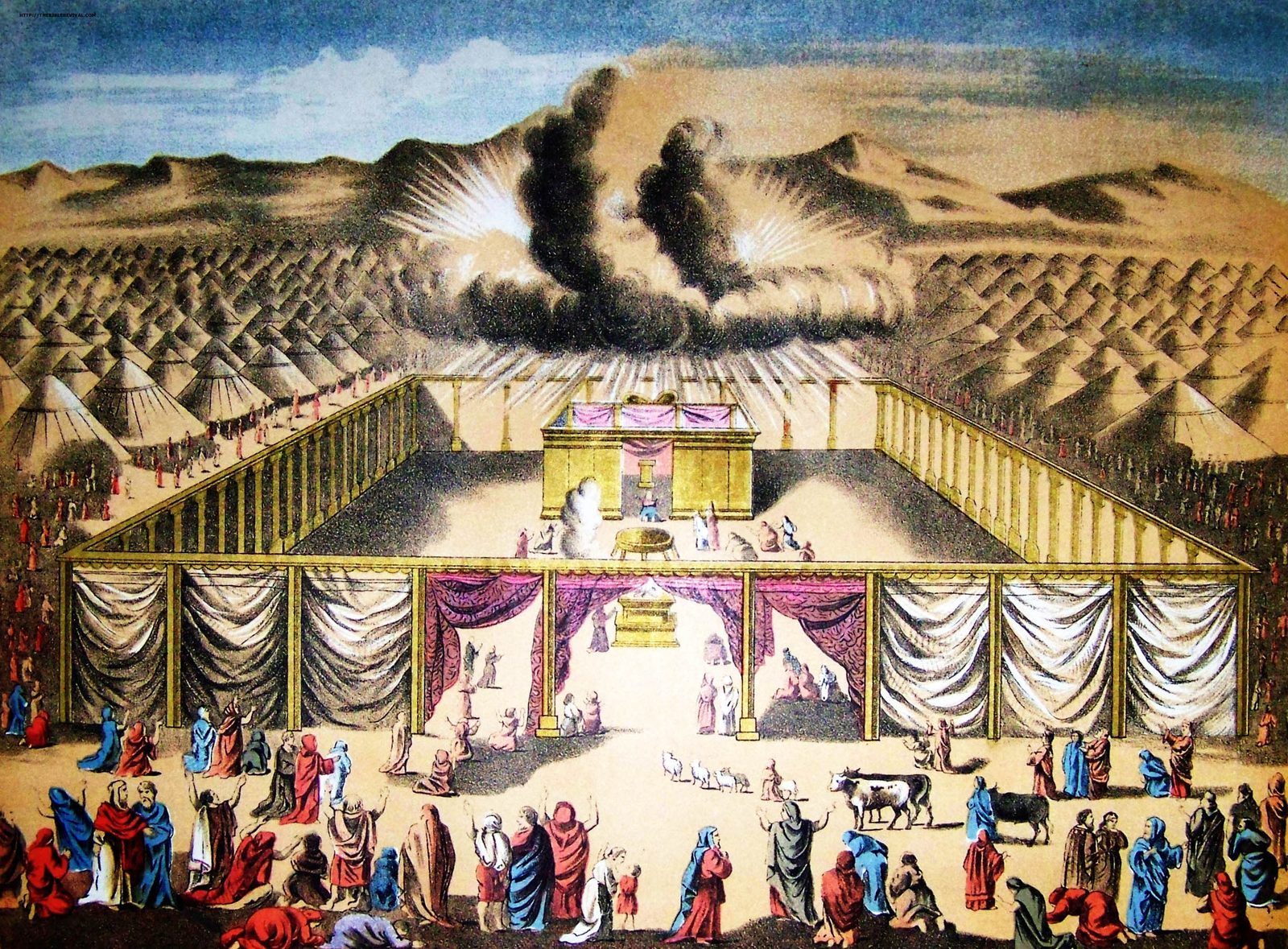 The TabernacleA floor plan of the gospel. Eight furniture pieces, three concentric zones, one veil torn the moment Christ died. Among the most architecturally complete typological structures in Scripture.
 Ezekiel's Temple, Ezekiel 40–48The measured temple of Ezekiel 40–48 drawn from its own cubits, the glory returning by the east gate, and a river that heals a dead sea.
The register: 3 more studies of this kind
What Scripture teaches on a subject, from its first text to its fullest. The traditions that formed the teaching are named.
73 studies, 8 as cards, 65 in the register
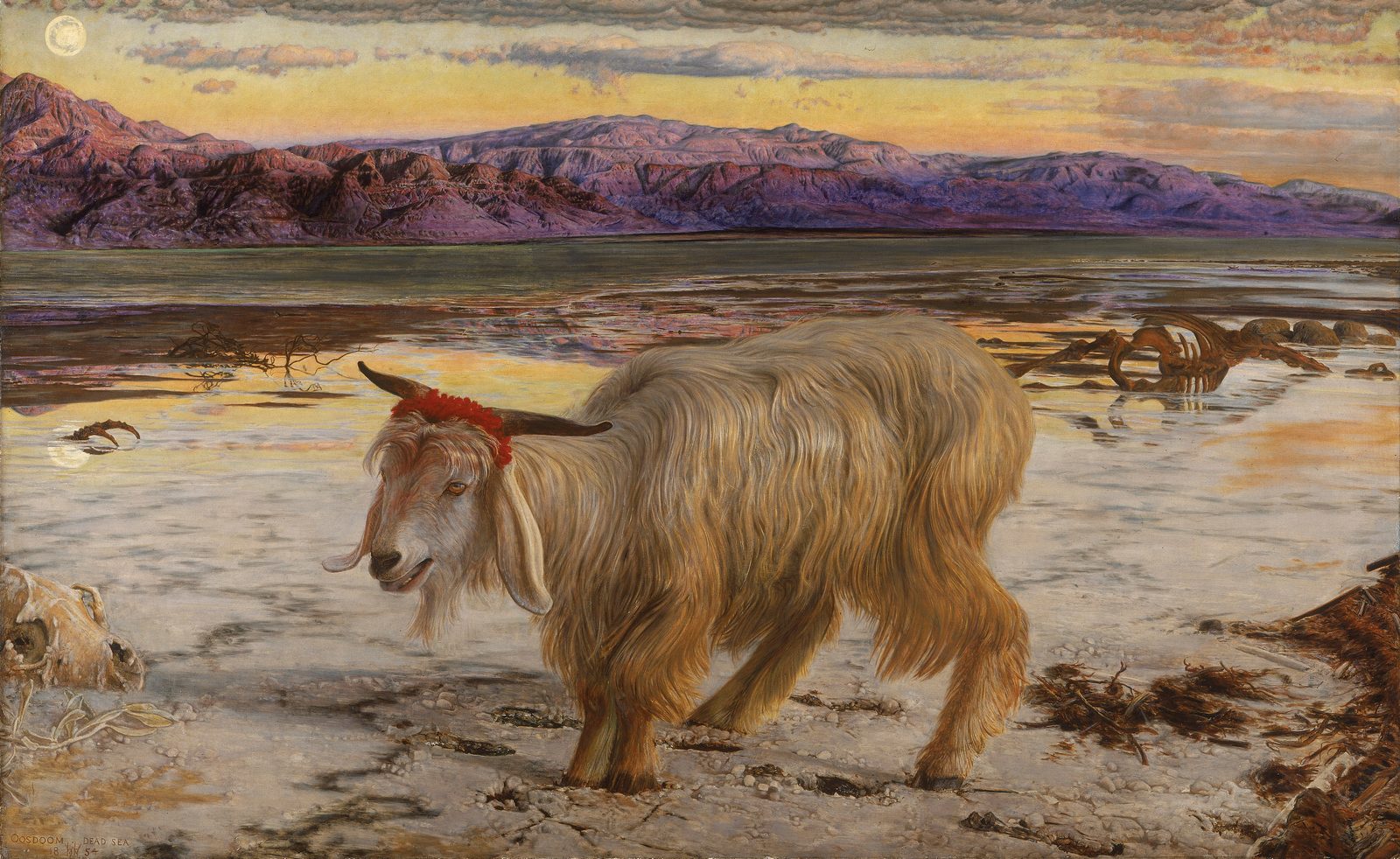 The Day of AtonementLeviticus 16, walked in the chapter's own order — one man, one day a year, within the veil; two goats that are one offering; and the letter to the Hebrews reading the whole day as a shadow of Christ.
 Justification by Faith: the Verdict of the CrossHow Romans says a guilty person is declared right with God, and what faith does.
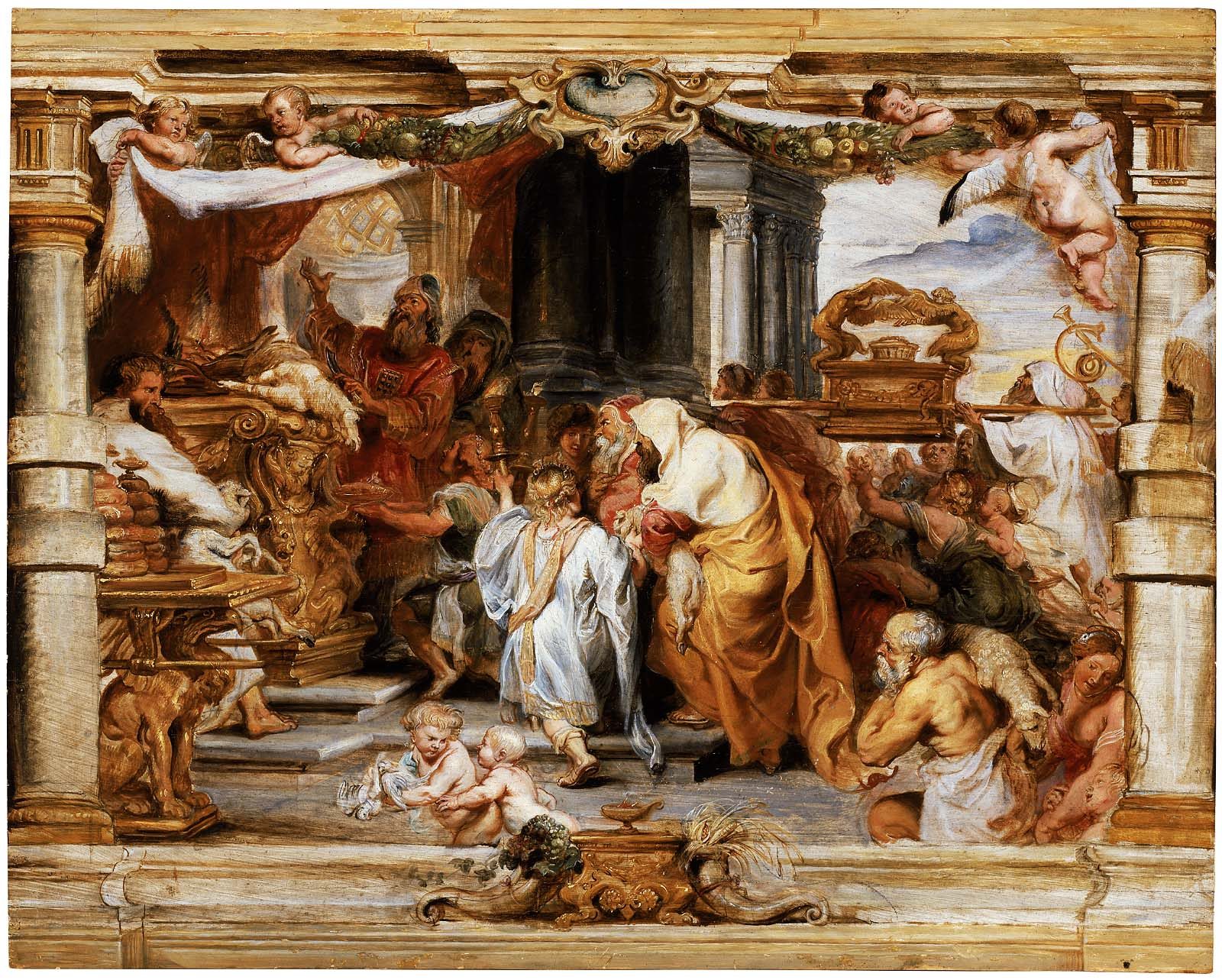 The Sacrificial SystemThe five offerings of Leviticus 1–7 — burnt, grain, peace, sin, guilt — laid out as the structured system they are, and Hebrews 7–10 as the canon's own commentary on all of them.
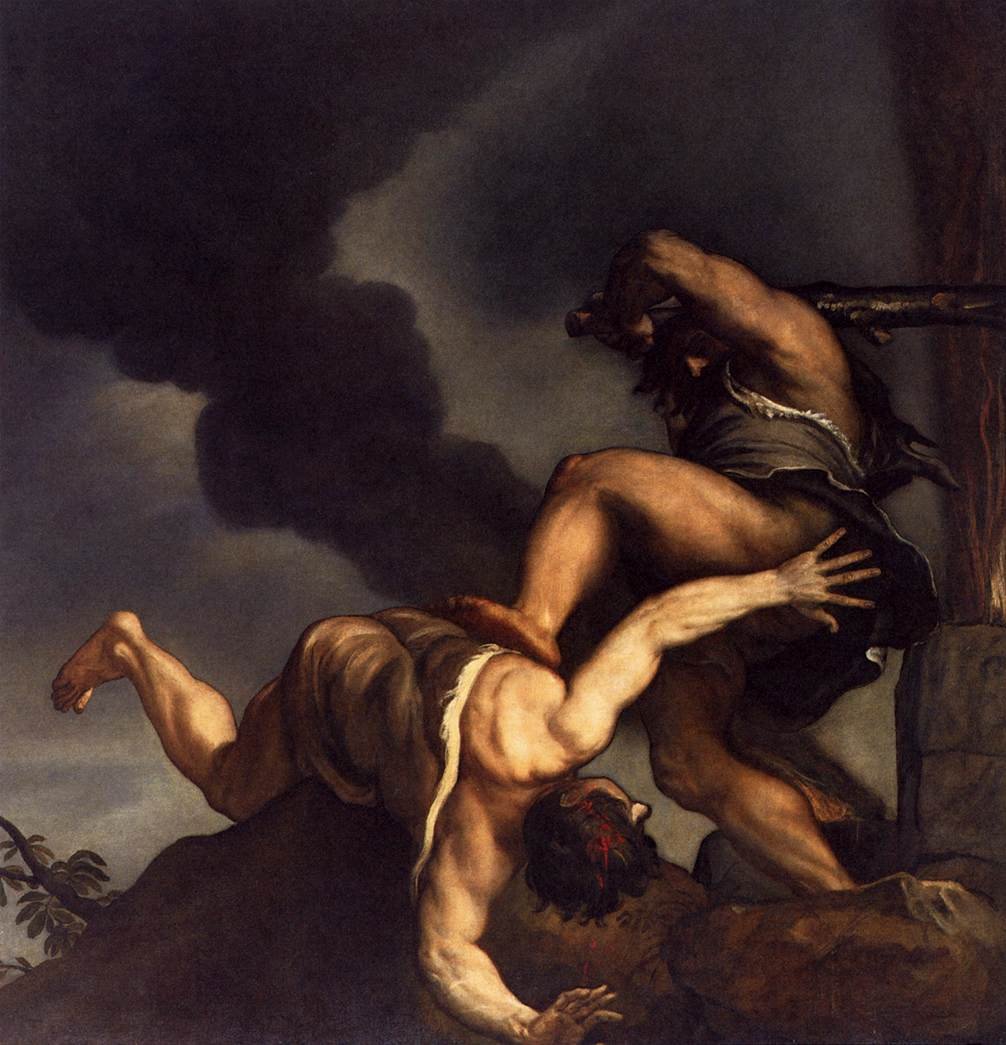 The BloodLeviticus 17:11's ruling traced through the doorposts, Sinai, the Day of Atonement, the cup of the new covenant, and the blood of the Lamb in Revelation.
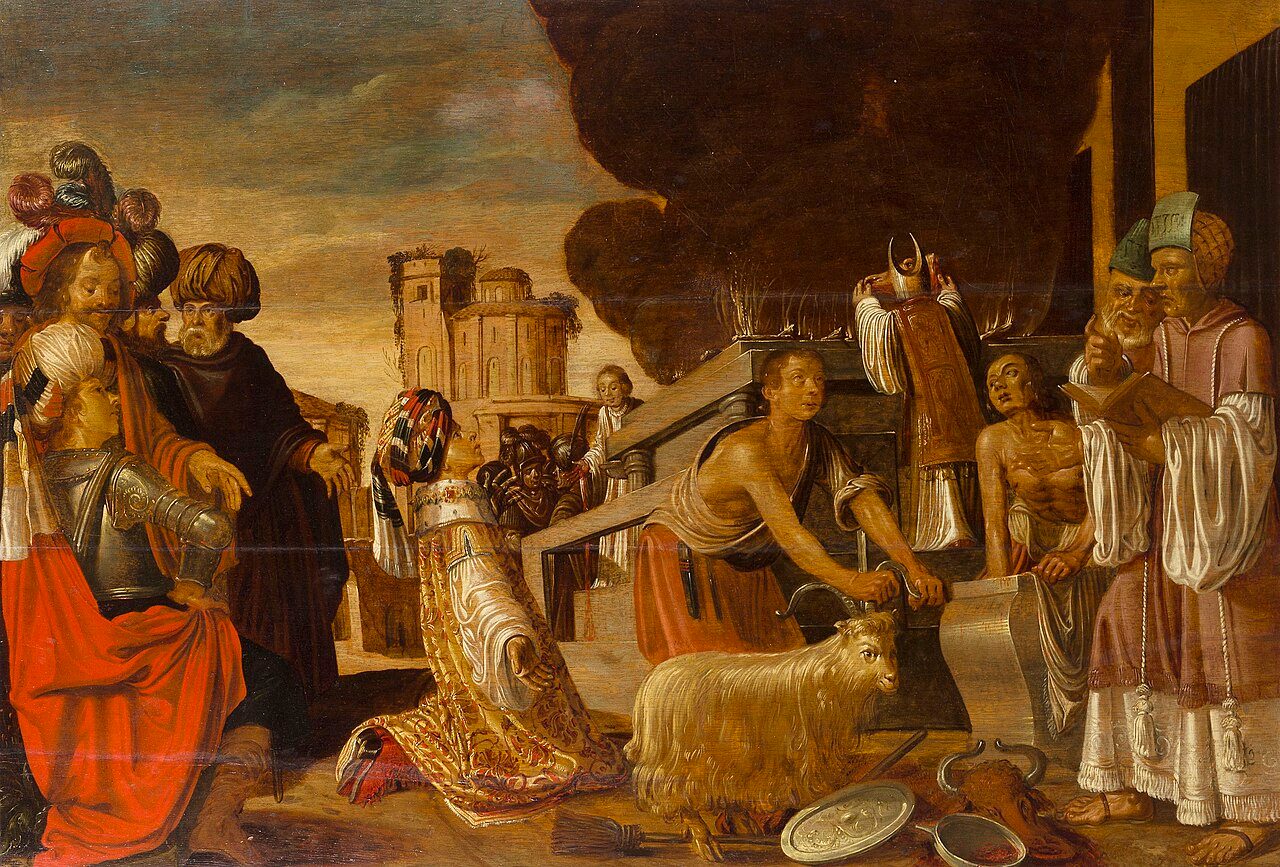 The High-Priestly LineOne family carried Israel's altar for a thousand years — until a priest arrived who needed no genealogy and would never die.
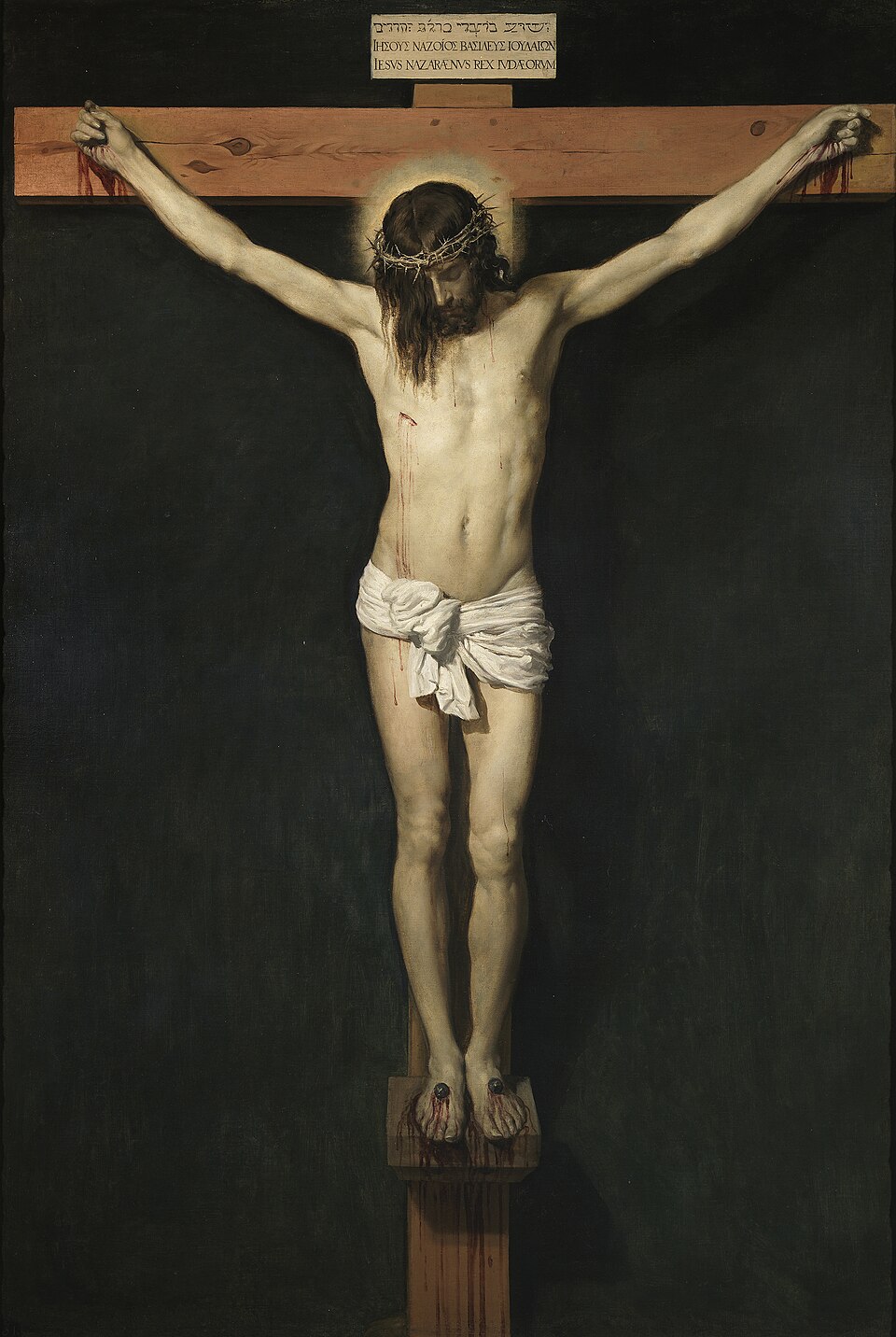 Once for All — the Finished SacrificeHebrews' argument as repetition against finality: a countable, endless repetition set against a single, final act.
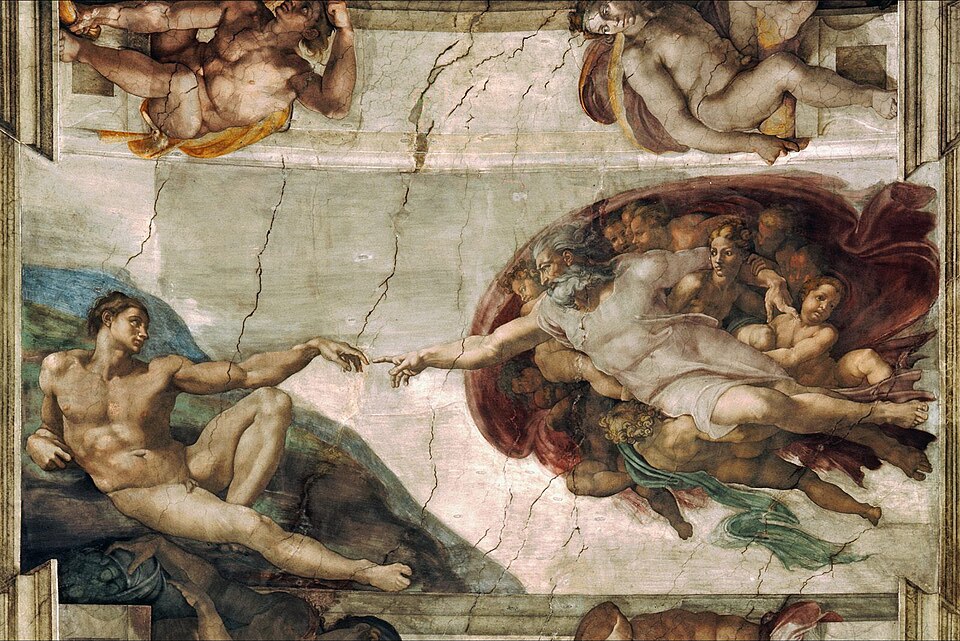 The Two Adams — One Man, One Act, One Result — Romans 5:12–21Romans 5's mirrored ledger: one man, one act, one result, twice over, with grace super-abounding over the ruin.
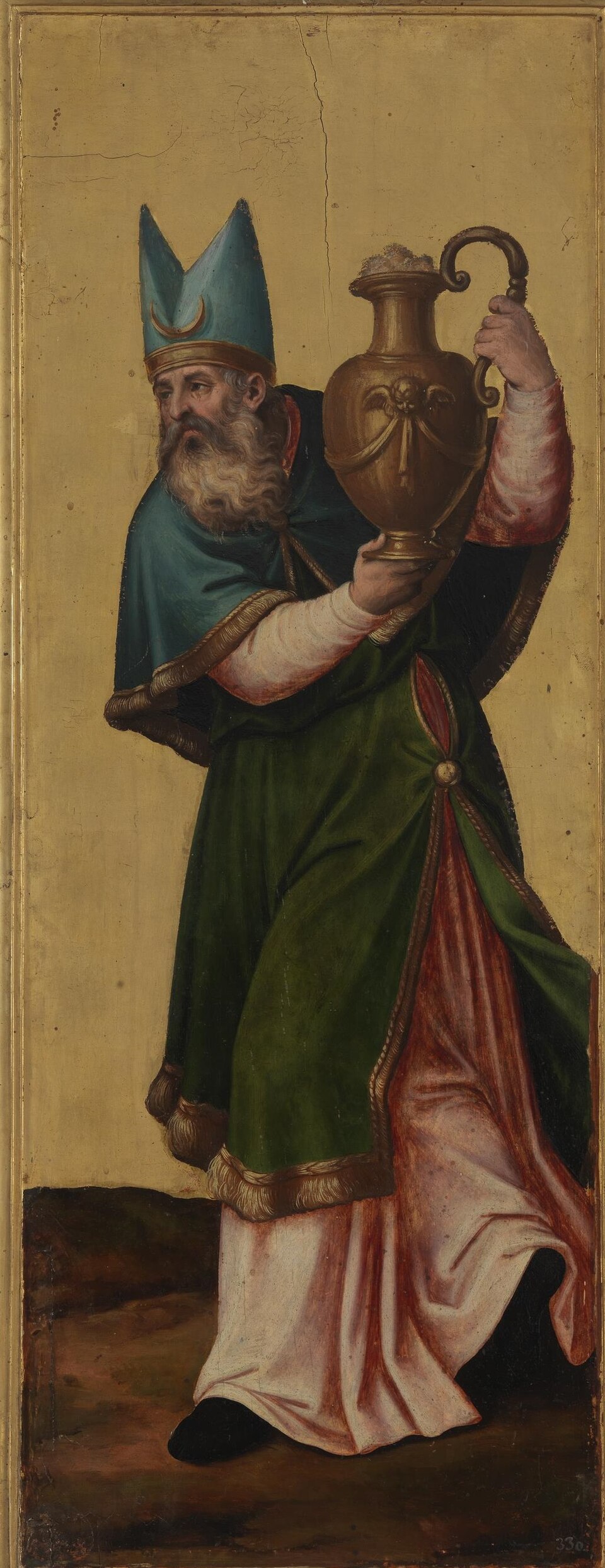 A Royal Priesthood — 1 Peter 2:4-101 Peter's living-stones catena: three Old Testament stone texts in six verses, and Sinai's own charter, 'a kingdom of priests,' lifted onto the church.
The register: 65 more studies of this kind
- Bearing One Another's BurdensGalatians closes its argument for freedom with the family duties of the free: restore the overtaken brother gently, and bear one another's burdens, which fulfils the law of Christ.
- Born AgainScripture never describes salvation as repair work.
- Clean and Unclean
- Cut Off from Among His People
- Food Offered to IdolsCorinth asked whether a believer may eat meat that had been offered to an idol, and Paul answers across chapters 8, 9 and 10.
- Hagar and Sarah: the AllegoryPaul reads the story of Abraham's two sons as an allegory of two covenants: Sinai, which bears children unto bondage, and the Jerusalem above, which is free and is our mother.
- In Christ: the Positional-Truth Thread of EphesiansTen 'in Christ' clauses stacked in Ephesians' own order, blessed, chosen, redeemed, sealed, seated in the heavenlies, building to the mystery of the one new man.
- Jesus on SalvationThis page follows four scenes where Jesus defines salvation in His own words: Nicodemus at night, Zacchaeus in the tree, the three lost things of Luke 15, and the narrow door, then closes on what He says salvation saves a person from and for.
- Made HolyHoliness in the New Testament is a fact about you, a process happening to you, and a command aimed at you: all three, in the same letters, often on the same page.
- Marriage and the Household
- Molech and Topheth
- Money, Law and Power
- No Condemnation, the Arc of Romans 8Romans 8 read as one span bolted at both ends by a negative, from 'no condemnation' to 'no separation,' climbing to the golden chain.
- No Other GospelGalatians is the one Pauline church letter with no opening thanksgiving: Paul goes straight from greeting to alarm, because the churches he planted were trading the gospel of grace for a different gospel which is not another.
- Not My People becomes My People
- Partakers of the Divine Nature
- Predestination and ElectionThe texts first as data: the golden chain, Jacob and Esau, the whosoever texts, then the Reformed and Wesleyan readings at full strength, with MannaFest's flag planted honestly.
- Put Off, Put OnEphesians 4:20-32 and Colossians 3:1-17 describe holiness as changing clothes: put off the old man, be renewed, put on the new.
- Put That on Mine Account: ImputationThe reckoning-word across the canon: Abraham believed, David blessed, the exchange of 2 Corinthians 5:21, and a sentence of business Greek in Philemon that says it all.
- Ready to Give an AnswerPeter tells suffering believers to sanctify Christ as Lord in their hearts, and always be ready to give a reasoned defense for the hope they hold, but never apart from gentleness, respect, and a clear conscience.
- ReconciliationGod was in Christ reconciling the world unto himself, enemies made friends, the two made one new man, all things whether upon the earth or in the heavens.
- Saved by Grace Through Faith
- Shepherd the FlockIn 1 Peter 5:1-4 Peter, calling himself a fellow-elder rather than an apostle, charges church elders to shepherd God's flock willingly and without profit, never lording authority over the people in their charge, but leading by example until the chief Shepherd appears.
- Suffering as a Christian
- The Appointed Times Read as a Calendar of Prophecy
- The blood rule after the cross
- The Burnt Offering
- The Christian Year
- The city gate as the court
- The Death Penalty in the Law of Moses
Questions Christians answer differently. Each study sets out the texts both sides read, the positions with their holders, and where this site's tradition lands.
5 studies, 3 as cards, 2 in the register
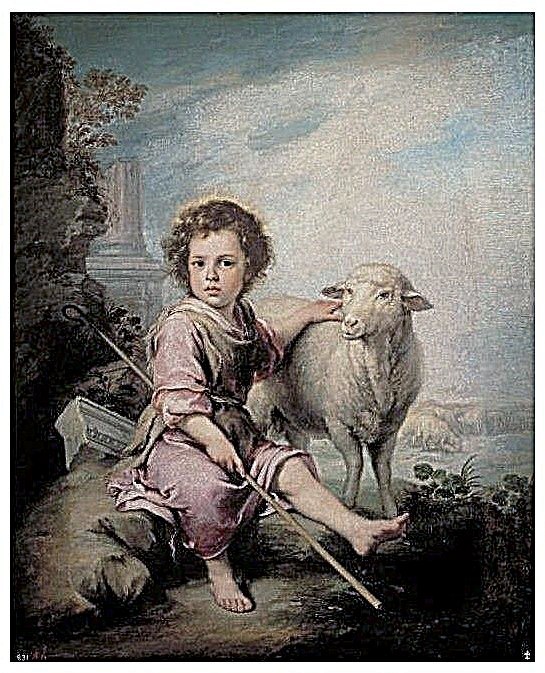 Eternal Security, and the Five Warnings of HebrewsJohn 10:28 and the five warnings of Hebrews set side by side, with the readings named and the cost of each stated plainly.
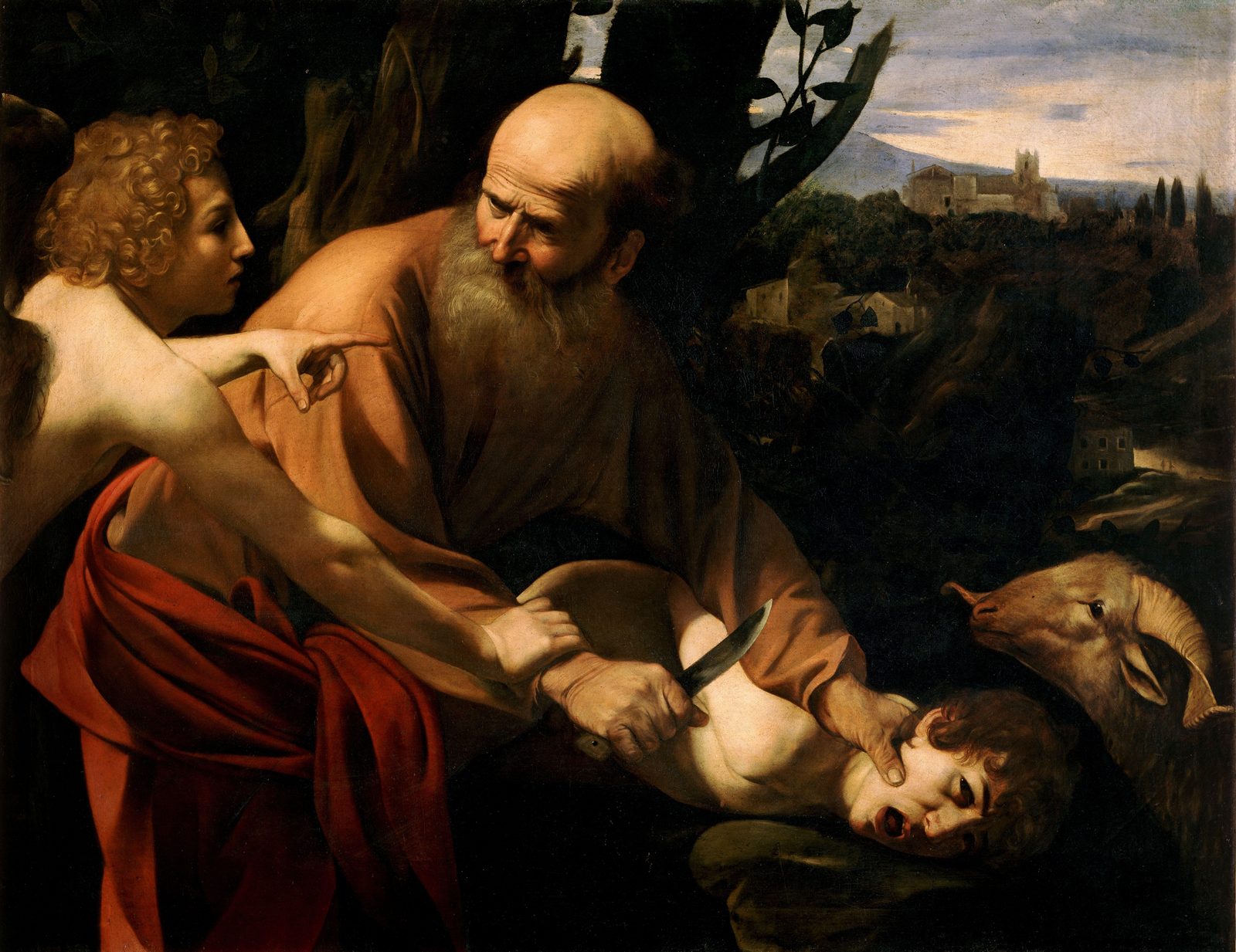 Faith and WorksJames 2:14-26 beside Romans 3:28-4:5: the same Abraham, two moments, harmonized.
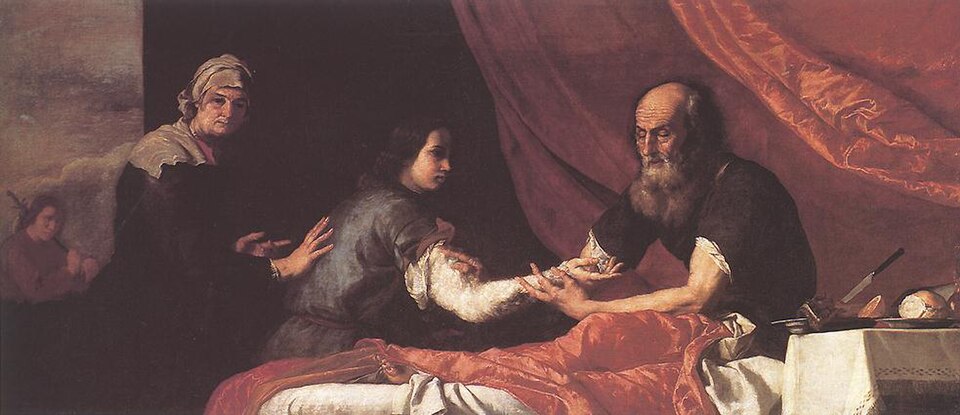 Jacob Have I Loved: the Election ThreadGen 25:23 → Obadiah → Malachi 1 → Romans 9: one election thread across two millennia of text, with the hard question of 'hated' held honestly.
The register: 2 more studies of this kind
Keep studying
On this page
People and groups1
The text itself3
The roster is the site’s own build manifest, so no study can be missing from it. A study leads its kind when it carries a line of its own and more of the other studies link to it; a register row with no line of its own borrows the first sentence of the study’s own summary. The pictures are public domain: engravings by Gustave Doré from Doré’s English Bible(1866), and paintings held at Wikimedia Commons. Each is named in full on the study’s own page.