

Ephesians 4 · Value 9 of 41 · Featured Study
Kindness
Kindness in Scripture is the goodwill that acts for another's good, which God shows first and commands of His people.
Of the 241 verses in which the Hebrew word chesed stands, 127 are in the Psalms.
- Anchor text
- Ephesians 4:32 “Be kind and tenderhearted to one…”
- Its opposite
- Harshness, malice and cruelty
Summary
The Old Testament names kindness chiefly with the Hebrew chesed, a loyal kindness kept within a bond, and the New Testament with the Greek chrestotes, a goodness of heart that does good. The Bible tells it in deeds done for strangers, for the poor, for a friend's lame son and for enemies. God's people owe it beyond their friends, to the needy, the foreigner and the one who wrongs them, because the LORD has been kind to them. Its opposite is cruelty and malice.
- At Sinai the LORD proclaimed Himself abounding in loving devotion, the Berean rendering of chesed (Exodus 34:6).
- Paul writes that "God’s kindness leads you to repentance" (Romans 2:4).
- Kindness is part of the fruit the Holy Spirit grows in believers (Galatians 5:22).
- Believers are told to clothe themselves with compassion, kindness, humility, gentleness and patience (Colossians 3:12).
What Kindness Is
Four words of Hebrew and Greek carry what Scripture means by kindness.
Kindness is one of the values Scripture asks of every believer, and Paul names it in the fruit of the Spirit. Where does kindness come from, and to whom is it owed? The answer runs through the Hebrew and Greek words for kindness, the texts that command it, its ground in God's own kindness and its fullest showing in Christ. It continues through the people and the stories that show it, the cruelty that stands against it, lives from the church's history, the voices that taught it and what the research has measured. Six studies take each part further, and three questions on which readers disagree close it.
Chesed, loyal kindness
247 uses in the canon
The Hebrew noun chesed (Strong's H2617) is glossed kindness, and its Berean renderings run from loving devotion to kindness and mercy, as in "His loving devotion endures forever".
Chrestotes, kindness
10 uses in the canon
The Greek noun chrestotes (G5544) means goodness of heart, kindness, as in "the fruit of the Spirit is love, joy, peace, patience, kindness".
Chrestos, kind
7 uses in the canon
The adjective chrestos (G5543) is the word Jesus uses when He calls God kind, and the word under easy in "For My yoke is easy and My burden is light".
Philanthropia, love for mankind
2 uses in the canon
The noun philanthropia (G5363) means love for mankind, and Paul writes it of God our Savior in Titus 3:4.
Chesed, loyal kindness, Chrestotes, kindness, Chrestos, kind, Philanthropia, love for mankind, The Words Chesed and Chrestotes, the study in brief
The Key Texts, from Genesis to the Letters
In these texts a servant asks God for kindness, the wise name its gain, the prophets put it before sacrifice and beside justice, and Paul asks it of the Lord's servant.
Law
“O LORD, God of my master Abraham,” he prayed, “please grant me success today, and show kindness to my master Abraham.
Abraham's servant asks the God of his master to show kindness to Abraham.
Wisdom
A kind man benefits himself, but a cruel man brings trouble on himself.
The proverb sets the kind man's gain beside the cruel man's trouble.
Prophets
For I desire mercy, not sacrifice, and the knowledge of God rather than burnt offerings.
The LORD puts mercy above sacrifice.
Hosea 6:6BSB
Prophets
He has shown you, O man, what is good. And what does the LORD require of you but to act justly, to love mercy, and to walk humbly with your God?
The prophet names loving mercy among the three things the LORD requires.
Micah 6:8BSB
Acts and Epistles
And a servant of the Lord must not be quarrelsome, but must be kind to everyone, able to teach, and forbearing.
Paul asks the servant of the Lord to be kind to everyone.
Proverbs 11:17, Hosea 6:6, Micah 6:8, 2 Timothy 2:24
Where Scripture Commands Kindness
The wise, the prophets and the apostles command kindness, and each widens the circle it reaches.
The father of Proverbs tells his son, "Never let loving devotion or faithfulness leave you" (Proverbs 3:3), and the wise add that "whoever is kind to the needy honors Him" (Proverbs 14:31). The prophets press it on a whole people.
The apostles give the command to the churches. Peter asks all his readers to be "sympathetic, love as brothers, be tenderhearted and humble" (1 Peter 3:8).
“This is what the LORD of Hosts says: ‘Administer true justice. Show loving devotion and compassion to one another. Do not oppress the widow or the fatherless, the foreigner or the poor. And do not plot evil in your hearts against one another.’The prophet's word after the exile ties kindness to the care of those who have no one to protect them.
Therefore, as the elect of God, holy and beloved, clothe yourselves with hearts of compassion, kindness, humility, gentleness, and patience.Paul tells God's people to put on kindness as they would put on clothes.
Zechariah 7:9 to 10, Colossians 3:12, Be Kind to One Another, the study in brief
Kindness Rests on God's Own Kindness
God names Himself abounding in loving devotion and speaks of His everlasting kindness.
The Psalms give the LORD's own name, "The LORD is compassionate and gracious, slow to anger, abounding in loving devotion" (Psalm 103:8), and Joel and Jonah give it again.
The LORD speaks of His own "everlasting kindness" toward Israel (Isaiah 54:8).
Because of the loving devotion of the LORD we are not consumed, for His mercies never fail.Jeremiah's lament rests the survival of the people on the LORD's loving devotion.
When God relents, and the gracious and compassionate formula, the study in brief, Lamentations 3:22, The Kindness of God Leads to Repentance, the study in brief
Jesus and Kindness
Jesus taught that the Father is kind to the ungrateful, and Paul says that God's kindness appeared in Christ.
Jesus carries the command past friends to enemies and gives the Father as its pattern: "Be merciful, just as your Father is merciful" (Luke 6:36).
But love your enemies, do good to them, and lend to them, expecting nothing in return. Then your reward will be great, and you will be sons of the Most High; for He is kind to the ungrateful and wicked.Jesus gives the reason for kindness to enemies in what the Most High is like.
His parable of the Samaritan who stopped for a man left half dead on the road is taught whole on The Good Samaritan.
Paul calls the coming of Christ the appearing of God's kindness. "But when the kindness of God our Savior and His love for mankind appeared, He saved us" (Titus 3:4 to 5). Peter tells believers that they have "tasted that the Lord is good" (1 Peter 2:3).
in order that in the coming ages He might display the surpassing riches of His grace, demonstrated by His kindness to us in Christ Jesus.Paul looks ahead to a showing of God's kindness in Christ Jesus that has no end.
the study in brief, a paragraph, the study in brief, Ephesians 2:7
Who Showed Kindness
Nine people and groups in Scripture showed kindness, from Pharaoh's daughter to Onesiphorus.
Pharaoh's daughter
She opened the basket and saw the boy crying, "So she had compassion on him."
Exodus 2:6He promised to provide for the brothers who had sold him, "So Joseph reassured his brothers and spoke kindly to them."
Genesis 50:21The Kenites
Saul spared them and said, "you showed kindness to all the Israelites when they came up out of Egypt."
1 Samuel 15:6David blessed them "because you showed this kindness to Saul your lord when you buried him."
2 Samuel 2:5Barzillai
At eighty years old, "he had provided for the king while he stayed in Mahanaim."
2 Samuel 19:32Ebed-melech
The Cushite told Jeremiah, "Put these worn-out rags and clothes under your arms to pad the ropes."
Jeremiah 38:12Julius the centurion
On the voyage to Rome, "Julius treated Paul with consideration, allowing him to visit his friends and receive their care."
Acts 27:3Paul wrote that he "has often refreshed me and was unashamed of my chains."
2 Timothy 1:16
The Kenites, The men of Jabesh-gilead, Barzillai, Ebed-melech, Dorcas, Julius the centurion, Onesiphorus
The Practice of Kindness
Scripture names eight practices of kindness, each with the verse that gives it.
- 1Put off bitterness and malice“Get rid of all bitterness, rage and anger, outcry and slander, along with every form of malice.”Ephesians 4:31
- 2Speak to build up“Let no unwholesome talk come out of your mouths, but only what is helpful for building up the one in need and bringing grace to those who listen.”Ephesians 4:29
- 3Feed the enemy“If your enemy is hungry, give him food to eat, and if he is thirsty, give him water to drink.”Proverbs 25:21
- 4Give to those who cannot repay“But when you host a banquet, invite the poor, the crippled, the lame, and the blind, and you will be blessed.”Luke 14:13 to 14
- 5Do the works of mercy“I was naked and you clothed Me, I was sick and you looked after Me, I was in prison and you visited Me.”Matthew 25:35 to 36
- 6Care for orphans and widows“Pure and undefiled religion before our God and Father is this: to care for orphans and widows in their distress”James 1:27
- 7Do good to everyone“Therefore, as we have opportunity, let us do good to everyone, and especially to the family of faith.”Galatians 6:10
- 8Show consideration to everyone“to malign no one, and to be peaceable and gentle, showing full consideration to everyone.”Titus 3:2
Speak to build up, Feed the enemy, Give to those who cannot repay, Do the works of mercy, Care for orphans and widows, Do good to everyone, Show consideration to everyone
What Stands Against Kindness
Cruelty, hatred and mercy refused stand against kindness in the proverbs, in Paul's letters and in the stories of Israel.
Paul describes life before the kindness of God appeared as "being hated and hating one another" (Titus 3:3). Scripture also tells of kindness refused and of kindness repaid with insult.
A righteous man regards the life of his animal, but the tender mercies of the wicked are only cruelty.
The proverb finds cruelty even in the mercies of the wicked.
Shouldn’t you have had mercy on your fellow servant, just as I had on you?’
The master asks the servant he forgave why he showed no mercy to his fellow servant.
They are senseless, faithless, heartless, merciless.
Paul ends his list of a world given over to its sin with men without mercy.
Romans 1:31BSB
For men will be lovers of themselves, lovers of money, boastful, arrogant, abusive, disobedient to their parents, ungrateful, unholy, unloving, unforgiving, slanderous, without self-control, brutal, without love of good,
Paul names the ungrateful and the brutal among the men of the last days.
Matthew 18:33, Romans 1:31, 2 Timothy 3:2 to 3
He refused bread and water to David's men and asked, "Who is David? Who is this son of Jesse?"
1 Samuel 25:10 to 11Hanun
He took David's envoys, "shaved off half of each man’s beard, cut off their garments at the hips, and sent them away."
2 Samuel 10:4
Proverbs 12:10, Matthew 18:33, Romans 1:31, 2 Timothy 3:2 to 3, Nabal, Hanun
Kindness in the Stories of the Bible
Five stories tell of kindness at a king's table, on the road from Moab, in Jericho, in Samaria and on Malta.
David and Mephibosheth2 Samuel 9
David asked whether anyone was left of Saul's house, and Ziba named Jonathan's son, lame in both feet. David told him, "Do not be afraid", and promised, "for surely I will show you kindness for the sake of your father Jonathan" (2 Samuel 9:7). He gave back the land of Saul and a place at the king's table.
Read the study of David and Mephibosheth 10 sections, 14 verses set out
Ruth and NaomiRuth 1 to 2
Widowed in Moab, Naomi told her daughters-in-law to go home, and Ruth would not leave her: "your people will be my people, and your God will be my God" (Ruth 1:16). In Bethlehem Ruth gleaned in the field of Boaz, and Naomi blessed the LORD, "who has not withdrawn His kindness from the living or the dead" (Ruth 2:20).
Read the study of Ruth's kindness to Naomi 9 sections, 11 verses set out
Rahab and the spiesJoshua 2 and 6
Rahab hid two Israelite spies in Jericho and asked them to "show kindness to my family, because I showed kindness to you" (Joshua 2:12). When the city fell, "Joshua spared Rahab the prostitute, with her father’s household and all who belonged to her" (Joshua 6:25).
Read the page on Rahab and the scarlet cord 8 sections, 9 verses set out
Elisha feeds the army of Aram2 Kings 6
The king of Aram sent an army to Dothan to capture Elisha, and the LORD struck the soldiers blind. Elisha led them into Samaria and told the king of Israel, "Set food and water before them, that they may eat and drink and then return to their master" (2 Kings 6:22). After the feast "the Aramean raiders did not come into the land of Israel again" (2 Kings 6:23).
The islanders of MaltaActs 28
Luke writes of the shipwreck on the voyage to Rome, "The islanders showed us extraordinary kindness. They kindled a fire and welcomed all of us because it was raining and cold" (Acts 28:2). Publius, the chief official of the island, then took them in for three days.
Read the page on hospitality in Israel and the early church 11 sections, 10 verses set out
Ruth and Naomi (Ruth 1 to 2), Rahab and the spies (Joshua 2 and 6), Elisha feeds the army of Aram (2 Kings 6), The islanders of Malta (Acts 28)
Kindness in the Church's History
Five accounts, from the fourth century to the nineteenth, tell of kindness at a city gate, in a famine, in an Indian town, in a prison and in a leper settlement.
Martin of Tours4th century
Sulpicius Severus tells of a hard winter when Martin met "at the gate of the city of Amiens a poor man destitute of clothing" whom others passed by. Martin cut his cloak in two and gave the man half, and Sulpicius adds that Christ appeared to him that night wearing it (Life of St. Martin, chapter 3).
Ephrem the Syrian4th century
Sozomen writes that in a famine at Edessa Ephrem "rebuked the rich for permitting the poor to die around them". With their alms he fitted up about three hundred beds in the public porches and tended the sick, "whether they were foreigners or natives of the surrounding country" (Ecclesiastical History 3.16).
John Woolman1763
In 1763, in a time of war, the Quaker John Woolman went from Philadelphia to Wehaloosing, an Indian town on the Susquehanna. He wrote in his Journal, "Love was the first Motion, and thence a Concern arose to spend some Time with the Indians".
Elizabeth Fry1813
In February 1813 Elizabeth Fry visited the women prisoners of Newgate, nearly three hundred women and their children crowded into four rooms. She wrote that she and her companions spent hours "attending to their outward necessities" and prayed with them, "the poor people on their knees around us".
Father Damien1890
The Belgian priest Damien served the leper settlement on Molokai and died of the disease. Answering a charge against him in an open letter of 25 February 1890, Robert Louis Stevenson printed his own diary of a visit there, which judged Damien "superbly generous in the least thing as well as in the greatest".
Ephrem the Syrian (4th century), John Woolman (1763), Elizabeth Fry (1813), Father Damien (1890)
Voices on Kindness, by Century
Five quotations from the second century to the eighteenth, each from a work in the public domain and each under the line it teaches.
died 165 · Justin Martyr
Dialogue with Trypho, Chapter XCVI
In the second century, a defender of the faith recalled that Christ taught His people to be kind and merciful as their Father is.
The quotation1 quotation
“For He taught us to pray for our enemies also, saying, 'Love your enemies; be kind and merciful, as your heavenly Father is.'”
Justin Martyr · Dialogue with Trypho, Chapter XCVI · on Luke 6:35Patristic
died 258 · Cyprian
Treatise XII. Three Books of Testimonies Against the Jews.
In the third century, a bishop of Carthage taught that God is patient so that sinners may repent and be reformed.
The quotation1 quotation
“That God is patient for this end, that we may repent of our sin, and be reformed. In Solomon, in Ecclesiasticus: ‘Say not, I have sinned, and what sorrow hath happened to me? For the Highest is a patient repayer.’ Also Paul to the Romans: ‘Or despisest thou the riches of His goodness, and forbearance, and patience, not knowing that the goodness of God leadeth thee to repentance? But, according to thy hardness and impenitent heart, thou treasurest up to thyself wrath in the day of wrath and of revelation of the just judgment of God, who will render to every man according to his deeds.’”
Cyprian · Treatise XII. Three Books of Testimonies Against the Jews. · on Romans 2:4Patristic
died 420 · Jerome
Commentary on Ephesians 5:1
In the fourth century, Paul's command was read as a call to be gentle and approachable toward others.
The quotation1 quotation
“Paul wants us to be gentle, approachable people, people who have left anger, bitterness, wrath and slander behind. If we are merciful and serene, taking the initiative in reaching out to others, our very approachability will overcome the shyness and fear of those for whom we reach out.”
Jerome · Commentary on Ephesians 5:1 · on Ephesians 4:32Patristic
died 444 · Cyril of Alexandria
Catena Aurea by Aquinas
In the fifth century, a bishop of the church in Egypt wrote that mercy makes people like God.
The quotation1 quotation
“Great then is the praise of mercy. For this virtue makes us like unto God, and imprints upon our souls certain signs as it were of a heavenly nature. Hence it follows, Be ye then merciful, as your heavenly Father also is merciful.”
Cyril of Alexandria · Catena Aurea by Aquinas · on Luke 6:36Patristic
1662 to 1714 · Matthew Henry
Commentary on the Whole Bible
In the eighteenth century, a Puritan commentator wrote that the great can do much good to those beneath them with a kind look and a friendly word.
The quotation1 quotation
“Those that are great, and in high places, know not how much good they may do to their inferiors with a kind look or by speaking friendly to them; and so small an expense, one would think, they should not grudge, when it shall be put upon the score of their charity.”
Matthew Henry · Commentary on the Whole Bible · on Ruth 2:13Puritan
Jerome, Cyril of Alexandria, Matthew Henry
How Kindness Has Been Taught
Chrysostom, Bede, Aquinas and Drummond taught kindness from the fourth century to the nineteenth.
Chrysostom asked for good works beside the putting off of evil1 paragraph
John Chrysostom preached on the close of Ephesians 4 in his Homily 16 on Ephesians, translated by Gross Alexander in 1889. He told his hearers, "If we are to attain to the kingdom of Heaven, it is not enough to abandon wickedness, but there must be abundant practice of that which is good also."
Bede read God's kindness to the ungrateful as both common mercy and saving grace1 paragraph
Bede, in his commentary On the Gospel of Luke, named two ways God shows it. The first is "by his manifold mercy, by which he even saves animals, granting temporal goods", and the second "by the singular grace of heavenly gifts".
Aquinas counted benignity among the fruits of the Spirit1 paragraph
Thomas Aquinas set out the fruits of the Spirit in the Summa Theologiae (first part of the second part, question 70, article 3, English Dominican translation, 1920). He wrote that "to this belongs “benignity,” for the benign are those in whom the salutary flame [bonus ignis] of love has enkindled the desire to be kind to their neighbor."
Drummond called kindness love in action1 paragraph
Henry Drummond, in his address on 1 Corinthians 13, The Greatest Thing in the World, wrote: "Kindness. Love active. Have you ever noticed how much of Christ's life was spent in doing kind things". He added that "what God has put in our power is the happiness of those about us, and that is largely to be secured by our being kind to them."
Where the Science Speaks
Two meta-analyses and a systematic review weigh what kindness does for the one who shows it.
Studies that follow volunteers for years find lower death rates among them, but a systematic review found that experimental studies did not confirm the cohort findings on health (Jenkinson and others, 2013).
Kindness and the Body, the study in brief
Six Studies of Kindness
Each study takes one part of kindness further, grouped by the texts, the stories, the words and the science.
The texts
2 studies
- Passages and psalms · 11 verses set outBe Kind to One Another
Ephesians 4:31 to 32 and Colossians 3:12 to 14 are two commands of Paul, to the churches of Ephesus and Colossae, on the conduct of believers toward one another.
- Passages and psalms · 10 verses set outThe Kindness of God Leads to Repentance
Romans 2:4 and Titus 3:4 to 7 are two statements by Paul about God's kindness, in his letter to the church in Rome and his letter to Titus, whom he had left in Crete.
- Passages and psalms · 11 verses set outBe Kind to One Another
The stories
2 studies
- Stories · 14 verses set outDavid and Mephibosheth
King David sought out Mephibosheth, the lame son of Jonathan, gave him Saul's land and seated him at the king's table.
- Stories · 11 verses set outRuth's Kindness to Naomi
Ruth the Moabite left her own land to stay with her widowed mother-in-law Naomi and gleaned in Bethlehem to feed them both.
- Stories · 14 verses set outDavid and Mephibosheth
The words
1 study
- Symbols and words · 4 verses set outThe Words Chesed and Chrestotes
Chesed in Hebrew and chrestotes in Greek are Scripture's chief words for kindness.
- Symbols and words · 4 verses set outThe Words Chesed and Chrestotes
The science
1 study
- Doctrines · 6 verses set outKindness and the Body
Thirteen studies published from 2003 to 2020 measured what kind acts, giving and volunteering do for the well-being, the health and the death rate of the people who do them.
- Doctrines · 6 verses set outKindness and the Body
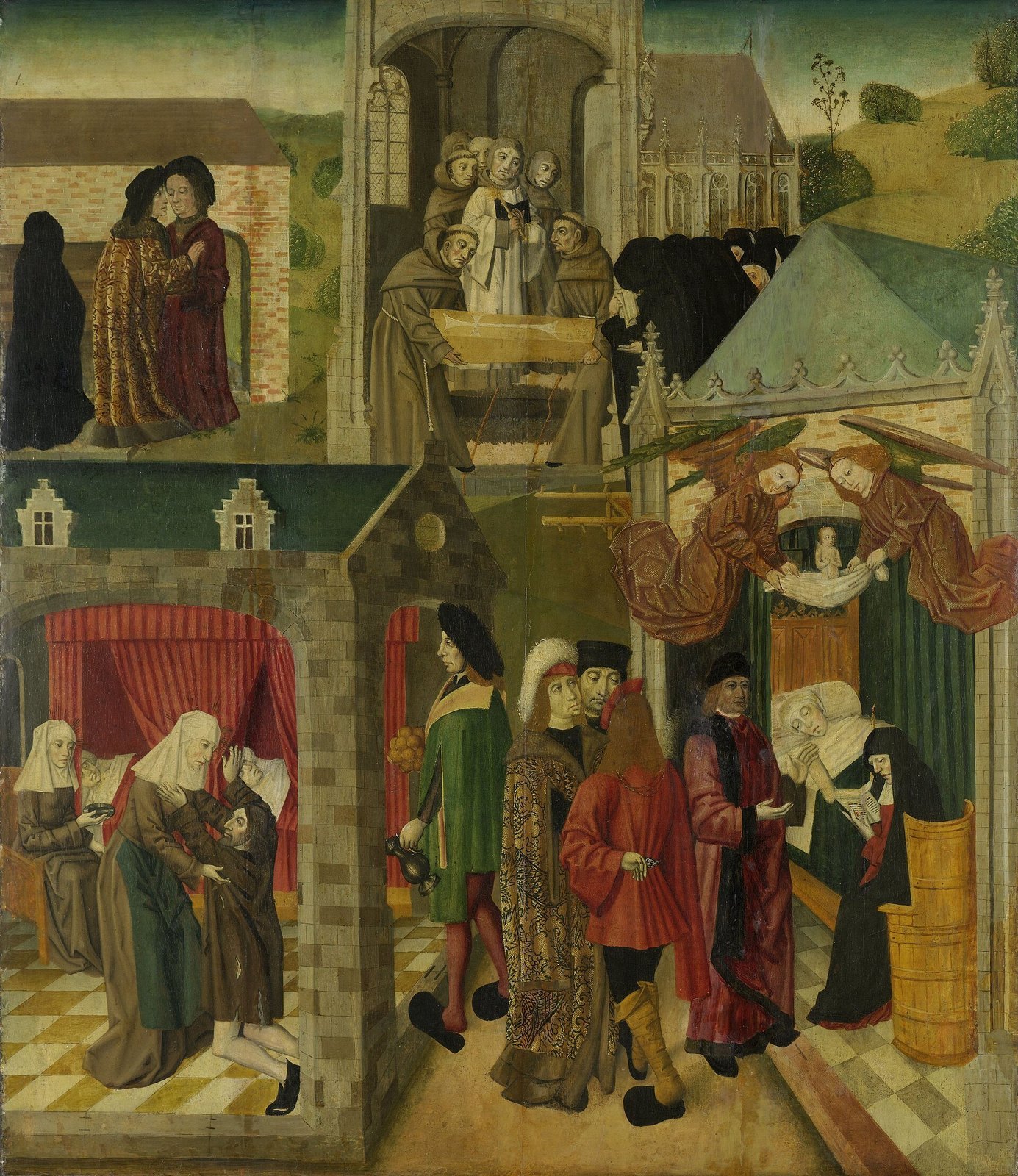
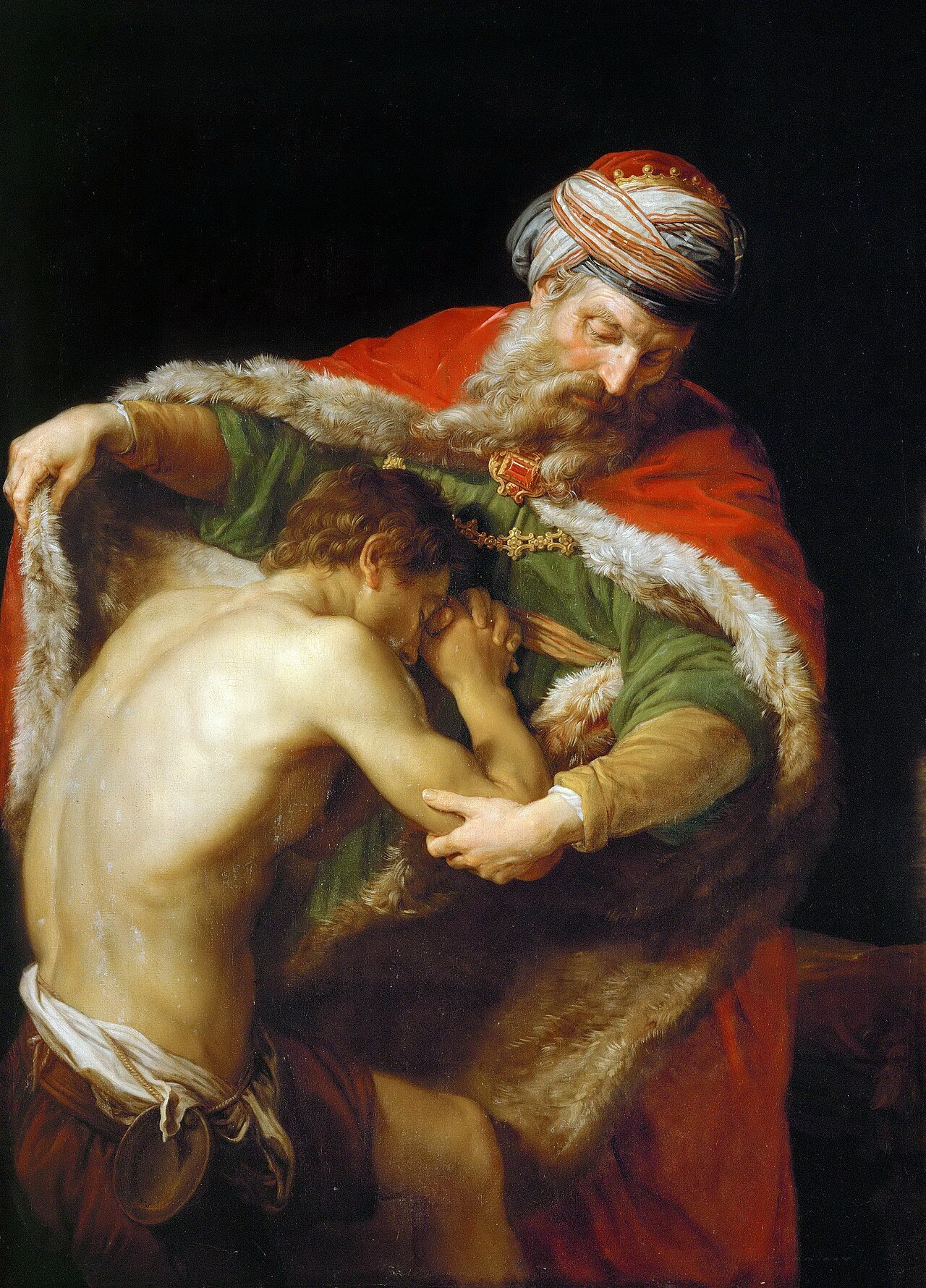
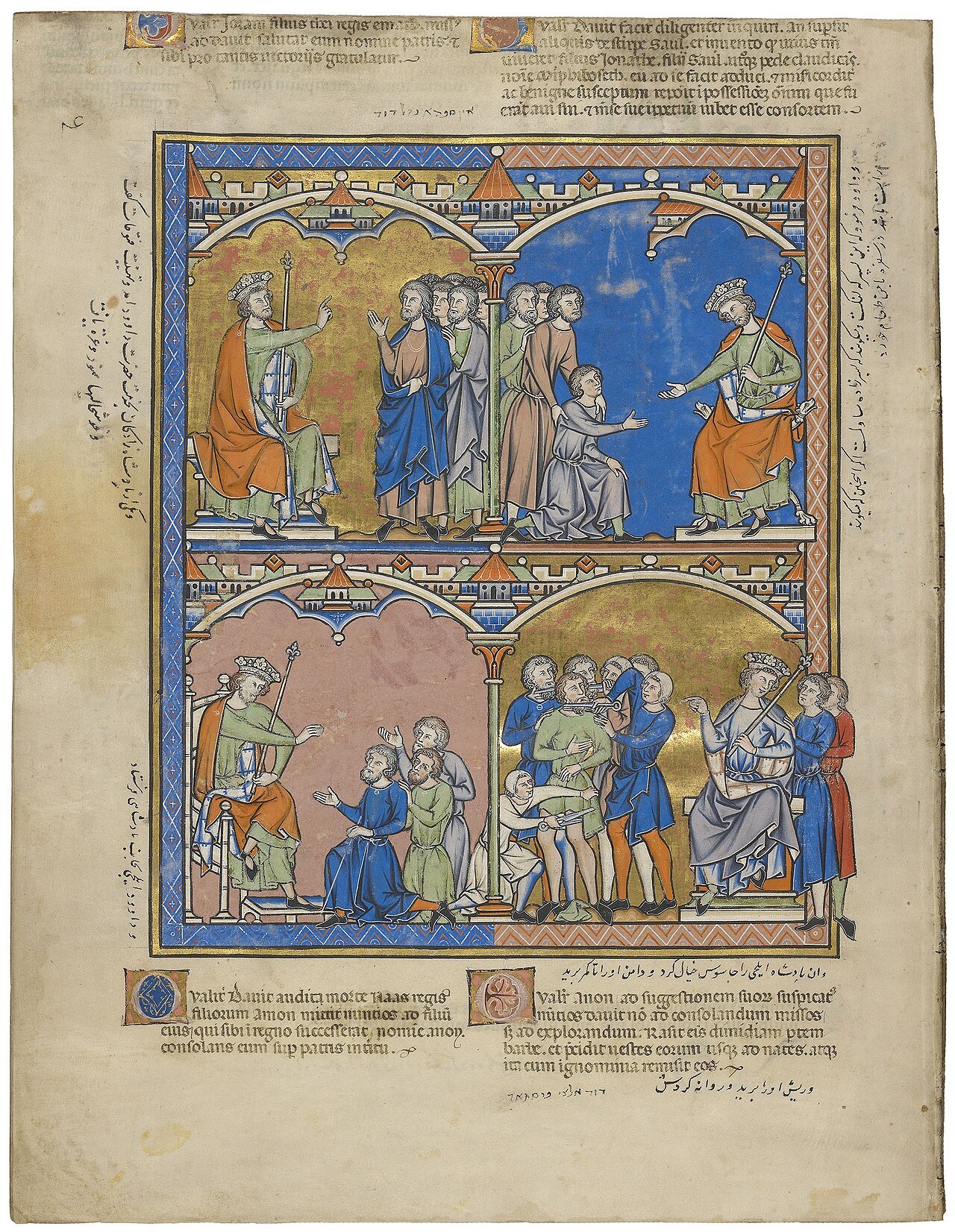

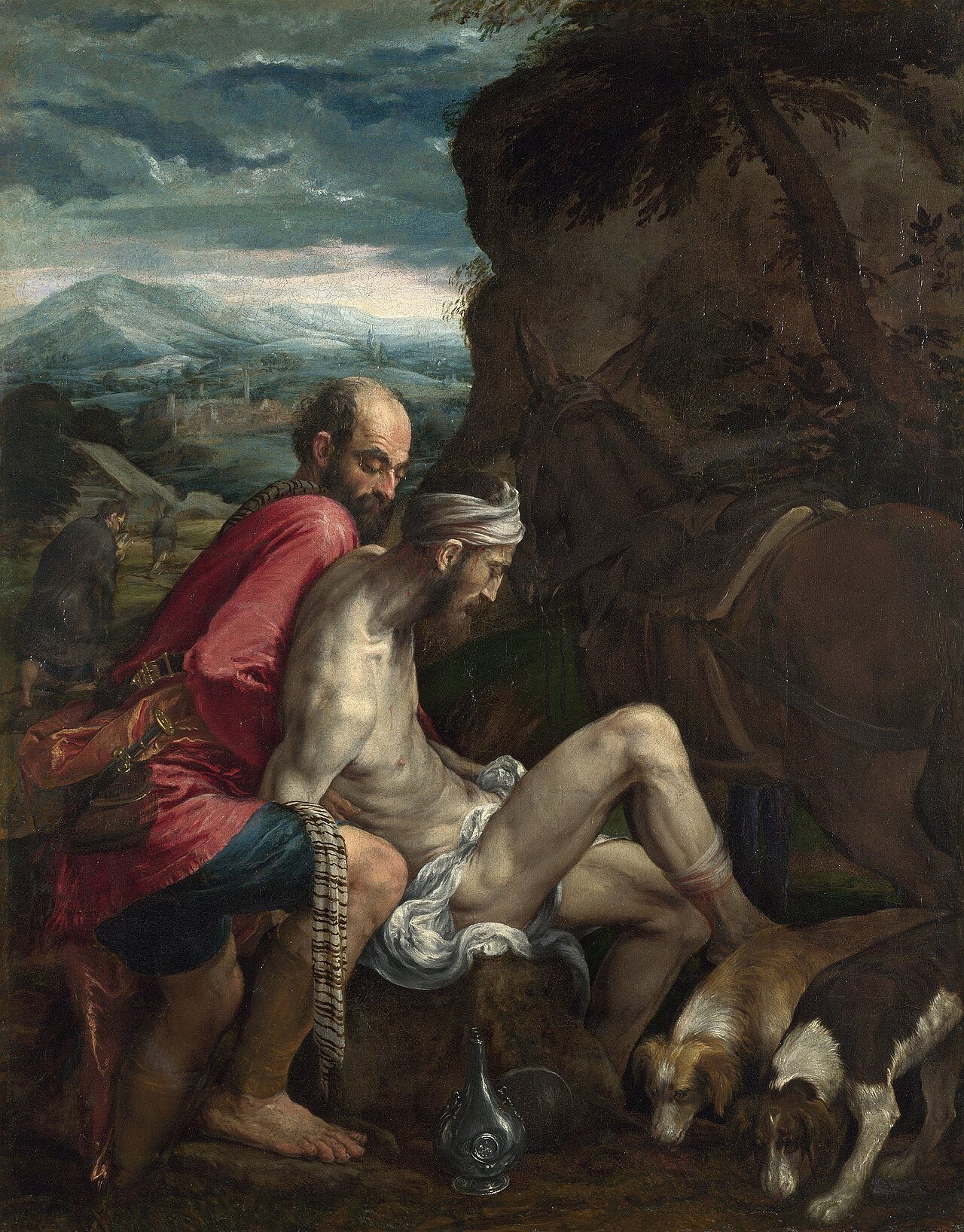
The Kindness of God Leads to Repentance, David and Mephibosheth, Ruth's Kindness to Naomi, The Words Chesed and Chrestotes, Kindness and the Body
Where Readers Disagree
Each reading names its holders, the work that argues it and the objection raised against it.
Whom God's kindness leads to repentance (Romans 2:4)
Read the study of The Kindness of God Leads to Repentance 8 sections, 10 verses set out
| Reading | Held by | Work | Objection |
|---|---|---|---|
| The Jewish hearer first | Matthew Henry (Puritan) | Henry, Commentary on the Whole Bible (1710), on Romans 2:4 | The next verse warns anyone whose "hard and unrepentant heart" stores up wrath (Romans 2:5). |
| Every sinner, by God's design | John Wesley; Adam Clarke (Methodist) | Wesley, Explanatory Notes upon the New Testament (1755), on Romans 2:4; Clarke, Commentary on the Bible (1832), on Romans 2:4 | The same verse finds the kindness disregarded, so the leading does not end in repentance in every life. |
Why David showed kindness to Mephibosheth (2 Samuel 9)
Read the page on David and Jonathan
| Reading | Held by | Work | Objection |
|---|---|---|---|
| The oath kept to Jonathan | John Gill (Baptist) | Gill, Exposition of the Old Testament, on 2 Samuel 9:3 | A king who kept the last heir of Saul's line at his own table also kept him under his eye. |
| Kindness to an heir a king might have cut off | John Wesley (Methodist) | Wesley, Explanatory Notes upon the Old Testament (1765), on 2 Samuel 9:1 | The king spared Mephibosheth "because of the oath before the LORD between David and Jonathan son of Saul" (2 Samuel 21:7). |
Who told David the truth (2 Samuel 16 and 19)
Read the study of David and Mephibosheth 10 sections, 14 verses set out
| Reading | Held by | Work | Objection |
|---|---|---|---|
| Mephibosheth was loyal, and Ziba slandered him | Matthew Henry; Adam Clarke (Puritan; Methodist) | Henry, Commentary on the Whole Bible (1710), on 2 Samuel 19:27; Clarke, Commentary on the Bible (1832), on 2 Samuel 19:29 | David answered both claims with "you and Ziba are to divide the land" (2 Samuel 19:29). |
Sources
Scripture is the Berean Standard Bible.
- STEP Bible, Translators Brief lexicon of Extended Strongs for Hebrew and for Greek (Tyndale House, Cambridge), CC BY 4.0, with the Greek brief lexicon based on Abbott-Smith (1922)
- Sulpicius Severus, Life of St. Martin, chapter 3, in the English of Alexander Roberts (1894)
- Sozomen, Ecclesiastical History 3.16, Chester D. Hartranft's translation of 1890.
- John Woolman, The Journal of John Woolman, the entries of the sixth month of 1763, edited by Ernest Rhys.
- Memoir of the Life of Elizabeth Fry, with Extracts from her Journal and Letters, edited by two of her daughters, volume 1 (London: Charles Gilpin, 1847), pages 204 to 206.
- Robert Louis Stevenson, Father Damien: An Open Letter to the Reverend Dr. Hyde of Honolulu, dated Sydney, 25 February 1890 (Chatto and Windus edition, 1914)
- John Chrysostom, Homily 16 on Ephesians, translated by Gross Alexander, Nicene and Post-Nicene Fathers, first series, volume 13 (1889)
- Thomas Aquinas, Summa Theologiae, I-II question 70, article 3, English Dominican translation, second edition (1920)
- John Gill, Exposition of the Old Testament (1748 to 1763), on 2 Samuel 9:3.
- Bede, On the Gospel of Luke, on Luke 6:35.
- John Wesley, Explanatory Notes upon the Old Testament (1765), on 2 Samuel 9:1.
- Henry Drummond, The Greatest Thing in the World.
- Matthew Henry, Commentary on the Whole Bible (1710), on Romans 2:4.
- John Wesley, Explanatory Notes upon the New Testament (1755), on Romans 2:4.
- Adam Clarke, Commentary on the Bible (1832), on Romans 2:4.
- Matthew Henry, Commentary on the Whole Bible (1710), on 2 Samuel 19:27.
- Adam Clarke, Commentary on the Bible (1832), on 2 Samuel 19:29.
- O. S. Curry, L. A. Rowland, C. J. Van Lissa, S. Zlotowitz, J. McAlaney and H. Whitehouse, Happy to help? A systematic review and meta-analysis of the effects of performing acts of kindness on the well-being of the actor, Journal of Experimental Social Psychology 76: 320 to 329 (2018)
- B. P. H. Hui, J. C. K. Ng, E. Berzaghi, L. A. Cunningham-Amos and A. Kogan, Rewards of kindness? A meta-analysis of the link between prosociality and well-being, Psychological Bulletin 146(12): 1084 to 1116 (2020)
- C. E. Jenkinson and others, Is volunteering a public health intervention?, BMC Public Health 13: 773 (2013)
- L. B. Aknin, E. W. Dunn, J. Proulx, I. Lok and M. I. Norton, Does spending money on others promote happiness?: A registered replication report, Journal of Personality and Social Psychology 119(2): e15 to e26 (2020)
Keep Studying
In this value6
People and groups23
Show the next 6 titles
Show the next 6 titles
Places1
Doctrines5