
The Evidence Room
Every claim shows its work
Including the parts that argue against it. This wing is a case file, not a sales pitch: it tells you what an object says, what scholars conclude, and where the two are not the same thing.
- 13Questions answered in full
- 8Rooms
- 56Sourced arguments in the catalog
- 809Works in the sources registry
Start with your question
Each of these is a full page: the question taken seriously, the evidence walked in order, every serious objection stated the way the people who hold it state it, and an honest account of what survives.
If there's no God, is anything really wrong?
Almost nobody can actually live as though cruelty is merely unpopular — and a real right and wrong is far easier to explain if goodness is rooted in someone's character than if it is only something our species happens to feel.
5 objections answered
Did Jesus really rise from the dead?
There is a short list of facts about the weeks after the crucifixion that nearly every historian grants — including historians who conclude no resurrection happened — and the argument is about which explanation of that list is least strained.
9 objections answered
Hasn't the Bible been copied and changed so many times we can't know what it said?
We do not have the originals, and the copies do differ — but the differences are almost entirely spelling, word order, and obvious slips, and the handful that matter are printed openly in every scholarly edition, which is the reason we can say anything about them at all.
5 objections answered
How do we know God exists?
Nobody has a proof, and the Bible never offers one — what there is instead is a set of features of the world that are easier to explain if a mind is behind it than if nothing is, and this page prints the best answers to every one of them.
6 objections answered
If God is good, why is there so much suffering?
There are real answers to the logical version of this question, and they are widely accepted even by philosophers who are not believers — and none of them explains any particular child's cancer, which the Bible itself declines to explain.
5 objections answered
Isn't faith just believing things without evidence?
Not in the Bible's own vocabulary — the Hebrew and Greek words behind faith mean trust based on a track record, the same thing you mean when you say you have faith in a friend, and the New Testament repeatedly stakes itself on claims that could have been checked and could have failed.
5 objections answered
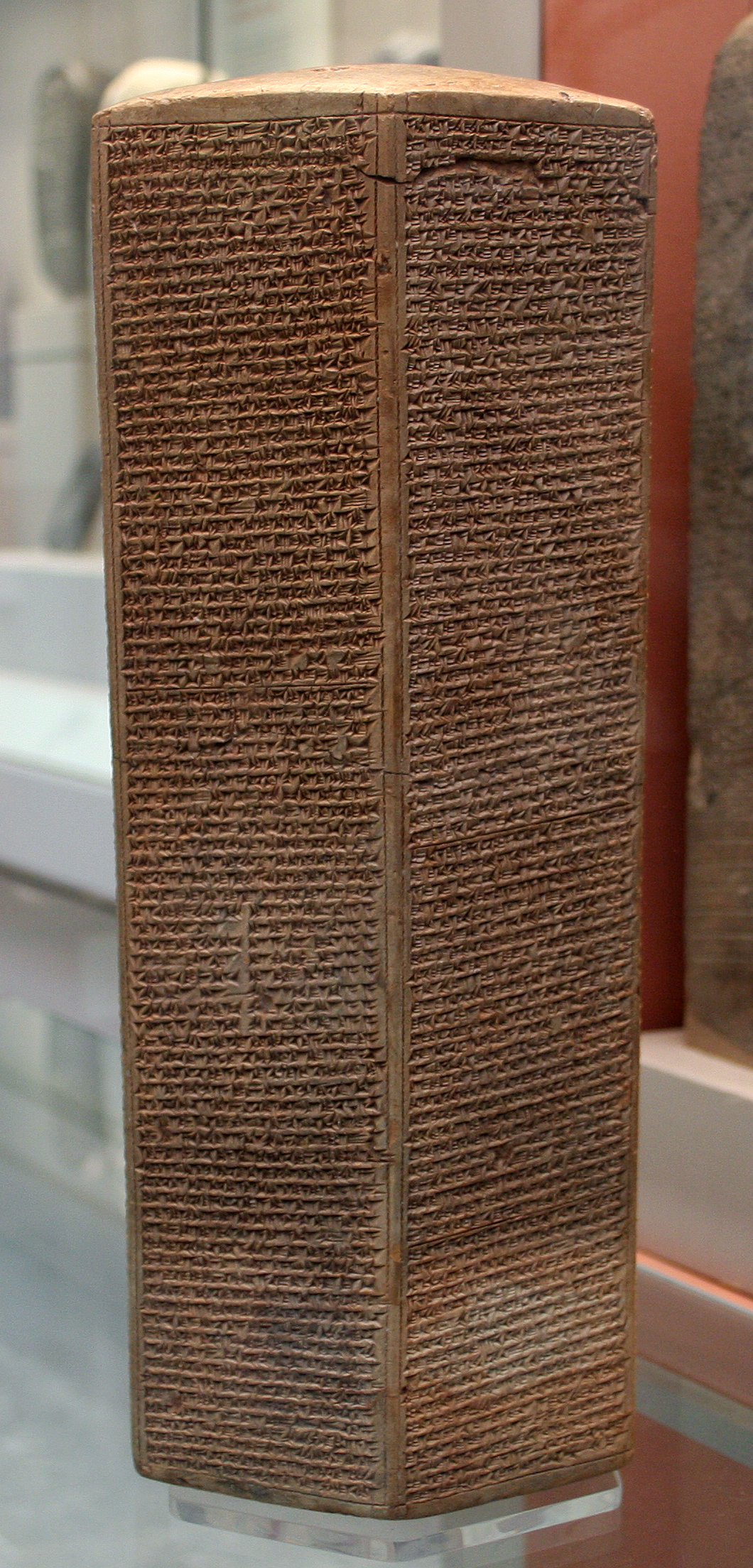
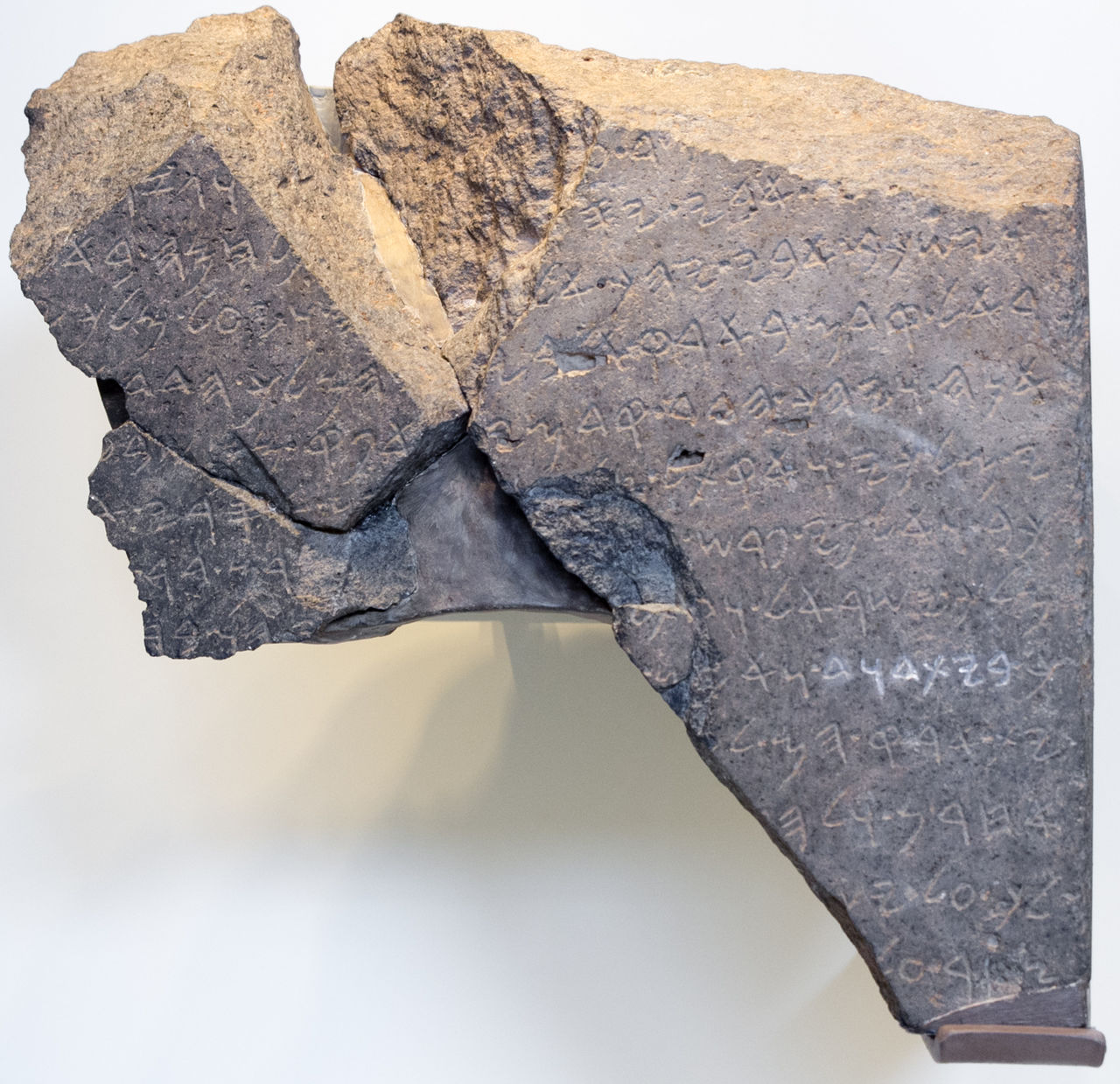
Does archaeology actually back up the Bible?
It depends entirely on what you mean by back up — there are three different sizes of evidence here, and only the smallest of them does what most people are hoping for.
5 objections answered
How old is the earth, and does it matter?
MannaFest reads Genesis 1 as six ordinary days and reckons the earth's age in thousands of years from Scripture's own genealogies — and this page prints the other Christian readings at full strength, shows our own approved voices disagreeing, and states the hardest unsolved problem in the young-earth case in the young-earth section.
5 objections answered
Does life look designed, or does it just look that way?
Living things look engineered, and everyone on every side of this argument agrees they look that way — the whole fight is over whether an unguided process can produce that appearance, and this page prints the best case for each answer at the same length.
4 objections answered
Did the prophets really predict the future?
Some prophecies are far weaker than apologetics websites admit — this page leads with the worst one and prints the verse that embarrasses it — and a small number survive every honest objection, which is why they need no inflated numbers.
4 objections answered
Doesn't the Bible contradict itself?
Most of the famous cases are differences rather than contradictions, and the standard tools for reading ancient documents dissolve them honestly — but a few genuinely remain open, and this page names them instead of smoothing them.
5 objections answered
Who decided what goes in the Bible?
No council invented the list — the story is churches across the Roman world converging over three centuries on books they were already reading, and the paperwork survives so you can watch it happen.
4 objections answered
What about God commanding the killing of the Canaanites?
This is the hardest thing in the Bible, several of the standard responses have real evidence behind them, and none of them makes the texts comfortable — a page that leaves you at ease here has not been honest with you.
4 objections answered
Or walk the rooms
The Dig Table
Archaeology
People have been digging in the Bible's countries for two hundred years. Here is what they found — and what each find does not prove.
1 question
The Copy Room
How the text reached us
Nobody has the page Paul wrote on. Here is what we do have, how much of it there is, and how the copies compare.
1 question
The Long Range
Fulfilled prophecy
Some of the Bible's boldest claims are about the future. Centuries later, we can go and look — and say plainly when the match is partial.
1 question
The Drawing Board
Where everything came from
This is the room where Christians disagree with each other the most, so you will hear more than one voice in here.
3 questions
The Empty Tomb File
The resurrection
Almost every historian agrees on a short list of facts about what happened after Jesus died. They disagree about what explains them.
1 question
The Standard
Right and wrong
If there is no God, is anything really wrong? The oldest argument, taken seriously in both directions.
1 question
The Reading Room
The Bible itself
Who decided what goes in it, does it contradict itself, and what is faith actually supposed to be?
4 questions
The Hard Room
Suffering
The objection no argument dissolves. Taken at full weight, with no bow tied on it.
1 question
The catalog
Every sourced argument
The browsable file — archaeology, prophecy, manuscripts, history, science, philosophy — each entry with its verses and its sources.
The sources registry
Every work this site cites, with its provenance. Go read them — that is the point.
Archaeology and the Bible
The object-by-object study, with what each find does and does not show.
How we got the Bible
From the writing to the copying to the canon to your shelf.
The prophecy ledger
Every prophecy the site tracks, with its text and its fulfillment claim.
The ending of Mark
A famous textual question, shown rather than hidden.