
Study
The featured studies
The studies in Covenants, Feasts & Family Lines, sorted by the kind of thing each one teaches.
Summary
Covenants, Feasts & Family Lines holds 70 of the site's 1112 featured studies, in 4 of the ten kinds.
- 2 studies ask what one passage says, line by line.
- 33 studies ask who one person or one people was, and what part they take in the story.
- 34 studies ask what Scripture teaches on a subject, from its first text to its fullest.
- 1 study asks why Christians read the same texts differently.
The studies by kind
Passages and psalms
These studies take a chapter, a song or a single teaching and read it line by line. Each stays inside one passage and follows its own movement.
2 studies, 1 as cards, 1 in the register
The register: 1 more studies of this kind
People and groups
Lives told from first mention to last, and the nations, families and parties around Israel and the church. The full roster of names stands on the people hub; these are the studies built around one life or one people.
33 studies, 8 as cards, 25 in the register
 The Twelve TribesThe promise narrows to one wrestling man, then opens into twelve tribes whose names are cut into the gates of heaven.
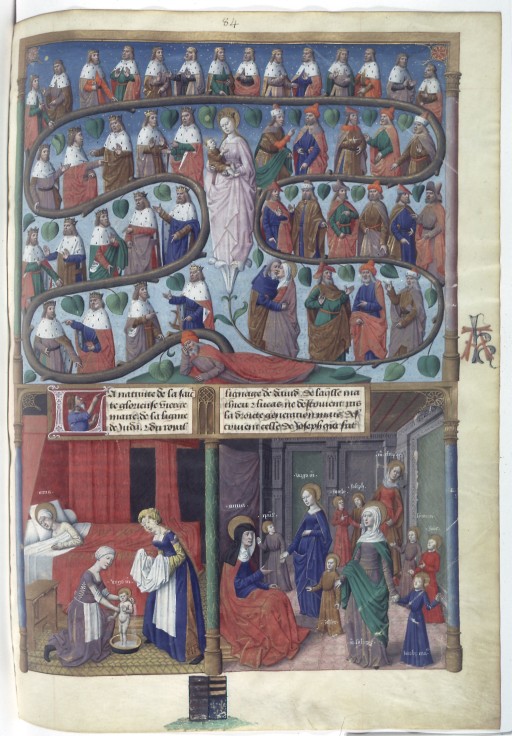 The Genealogy of Jesus: Matthew's 3×14Fourteen, fourteen, fourteen: Matthew's stated design, the four women written into the royal line, and the Jeconiah hinge Luke's genealogy resolves.
 Sarah: Mother of NationsThe wife who laughed at the promise, was twice passed off as a sister, and is the only woman whose age at death Scripture records.
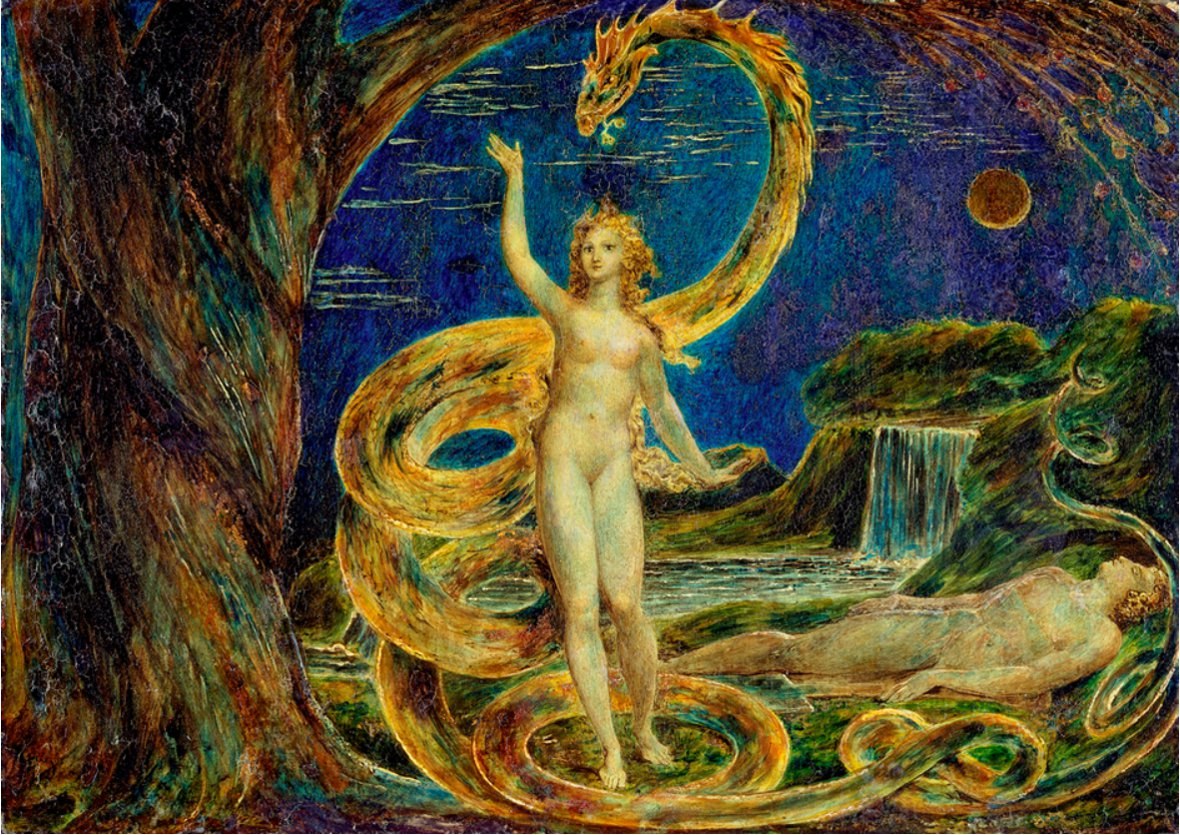 Eve: The Mother of All LivingThe first woman, the first promise of a seed that would bruise the serpent, and the first funeral, read forward from Genesis 3 rather than backward from the Fall.
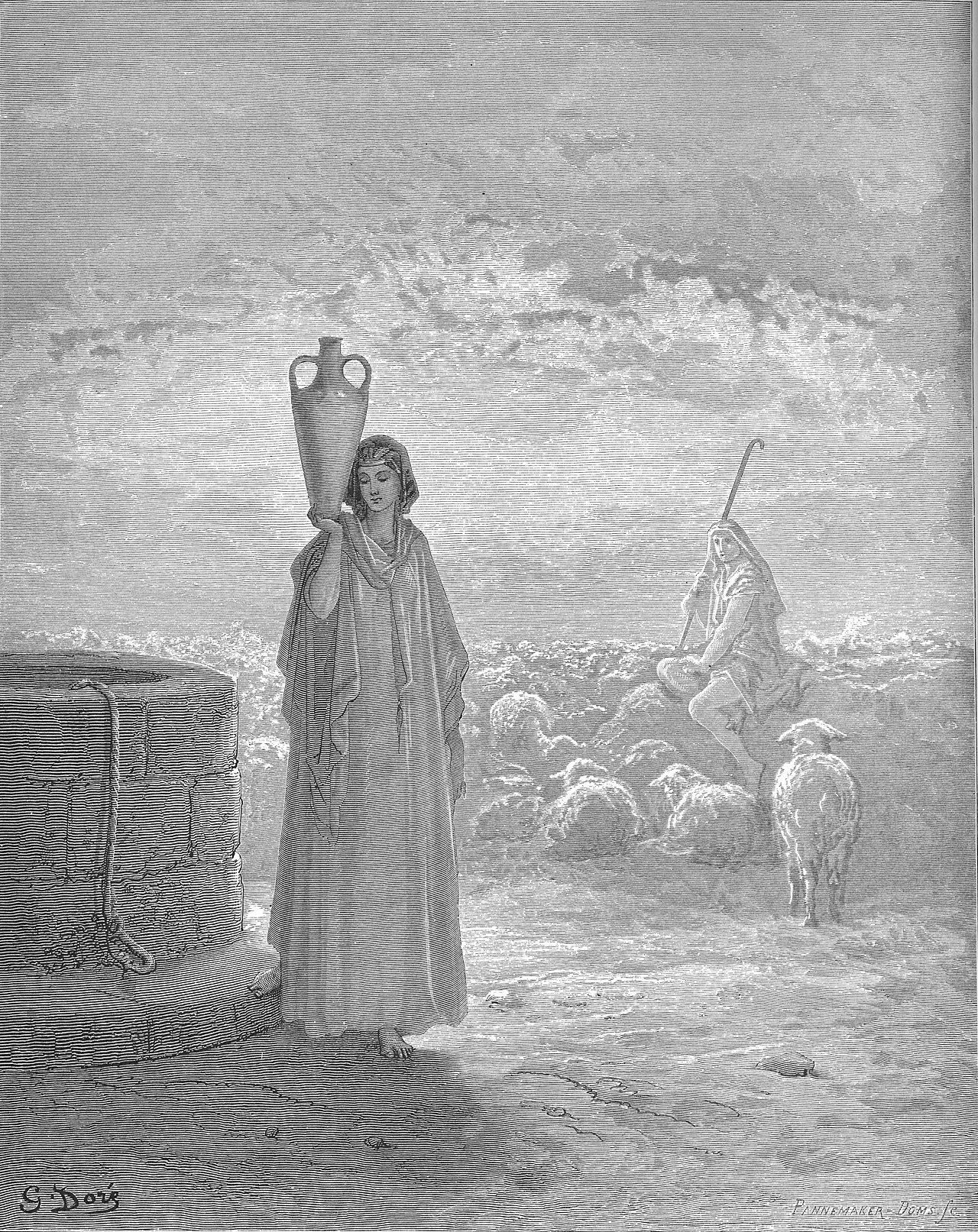 Rachel and LeahTwo sisters married to one man, the tribes that came from each, and the weeping mother Jeremiah and Matthew both call by Rachel's name.
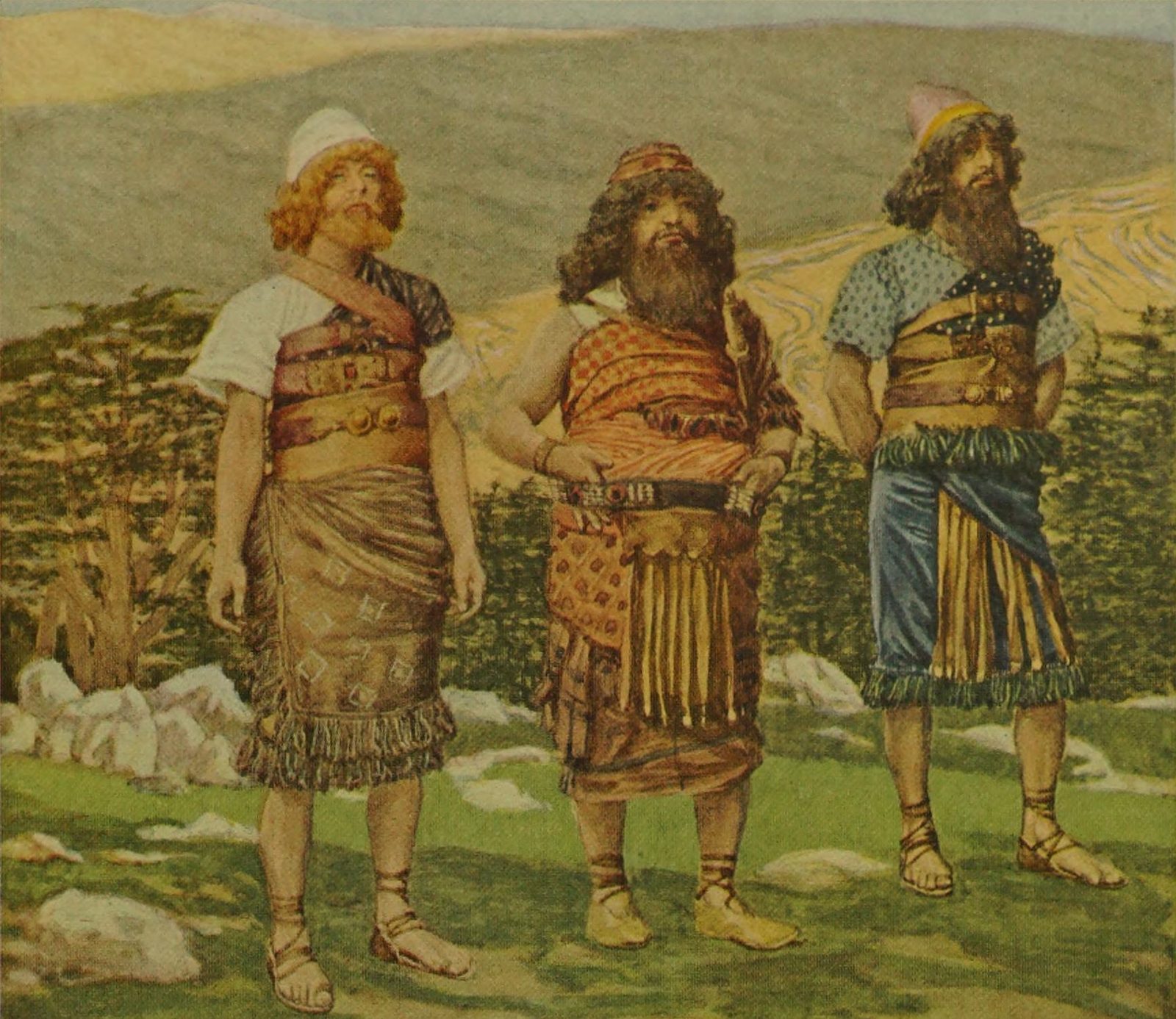 The Table of NationsSeventy nations descend from three sons of Noah — a genealogy that is really a map of the whole post-Flood world, and the doorway that narrows to one chosen line.
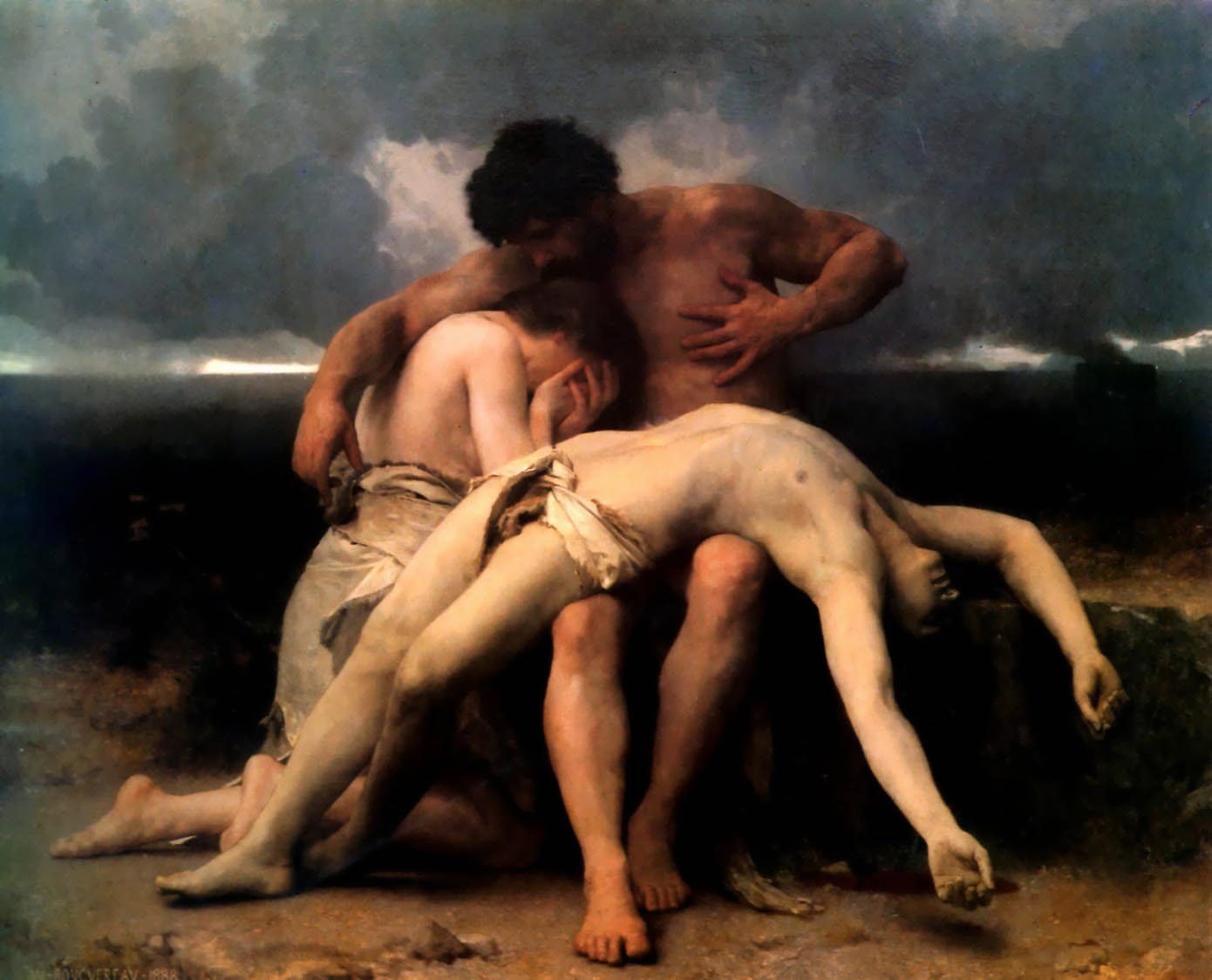 Adam to NoahTen generations, sixteen centuries, and one man who did not die — the register of Genesis 5, read honestly.
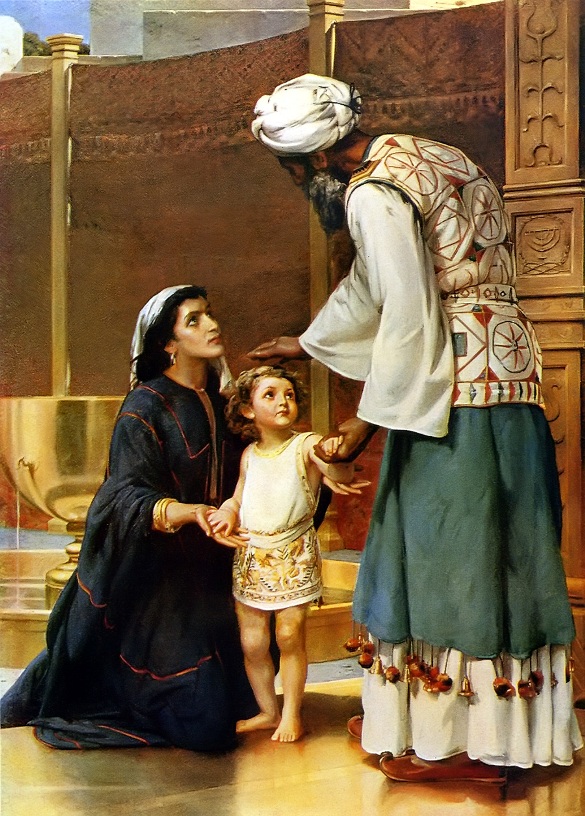 Hannah: 1 Samuel 1:1–2:21A barren woman's vow at Shiloh, the prayer Eli mistook for drink, and the song Mary later takes up almost line for line.
The register: 25 more studies of this kind
- AbigailThe woman who rode out to meet David with two hundred loaves and talked him out of a massacre, then buried a husband and married a king.
- Abraham
- Adam
- Deborah and Jael
- Dinah at Shechem
- Hagar
- Huldah, the Prophetess Who Authenticated ScriptureThe prophetess the king's own high priest went to when the lost book was found, and what her verdict settled about the text before Josiah acted on it.
- Isaac
- Jacob
- Lydia: Acts 16:11–15, 40Lydia was a wealthy trader in purple cloth from Thyatira, already a worshipper of God, whom Paul met at a riverside prayer meeting outside Philippi.
- Mary Magdalene: the Witness at the TombMary Magdalene was delivered from seven demons, helped fund Jesus's ministry, stayed at the cross when most fled, and was the first person to see Him risen.
- Mary of NazarethA teenage girl in Nazareth says yes to an angel, sings the longest speech given to any woman in the New Testament, and stands at a cross thirty years later, given by her dying son into another man's care.
- Miriam, the Prophetess
- Noah
- Phoebe: Servant, Patron, Letter-CarrierPhoebe appears in exactly two verses, and three Greek words carry nearly all of the interpretive freight: diakonos, servant, the same word Paul uses of himself and of Christ; prostatis, patron, naming her among the earliest church's material supporters; and the letter she is widely believed to have carried to Rome.
- Priscilla: She Explained the Way More AccuratelyThe tentmaker who, with Aquila, took the eloquent Apollos aside and taught him the way of God more accurately, and who is named first in four of their six mentions.
- Rebekah
- Rizpah: 2 Samuel 21:1-14A three-year famine, read as judgment for Saul's broken oath to the Gibeonites, ends with seven of Saul's male descendants handed over and hanged.
- Ruth
- Shiphrah and Puah, the Hebrew Midwives
- The Genealogies
- The Genealogies of ChristTwo genealogies, two different fathers for Joseph, two different sons of David. Behind the apparent contradiction is some of the most elegant theological architecture in scripture.
- The Proverbs 31 Woman: Proverbs 31:10-31Proverbs 31:10-31 is an acrostic poem, one verse per Hebrew letter, describing a woman of eshet chayil, the same word used of warriors and valor.
- The Twelve, the four lists set against each otherThe four New Testament lists set side by side, the honest name variants, and a compact profile for each of the Twelve.
- The Women Who Followed: Luke 8:1-3 and the Passion WitnessesLuke 8:1-3 names Mary Magdalene, Joanna the wife of Herod's steward, Susanna, and many others as women who traveled with Jesus and funded His ministry from their own means.
What Scripture teaches on a subject, from its first text to its fullest. The traditions that formed the teaching are named.
34 studies, 8 as cards, 26 in the register
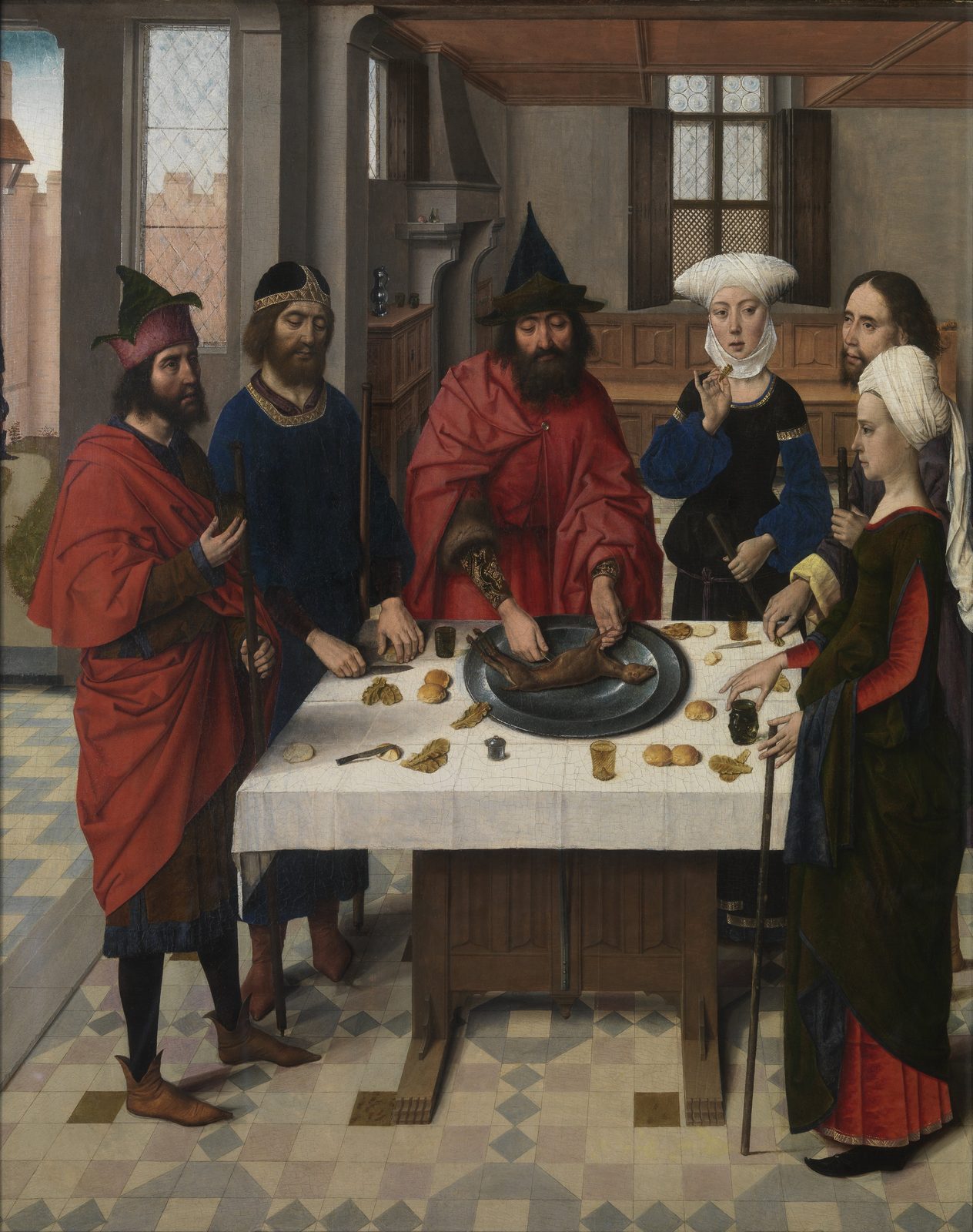 PassoverThe night a lamb's blood turned judgment aside — and the Lamb it was always drawing toward.
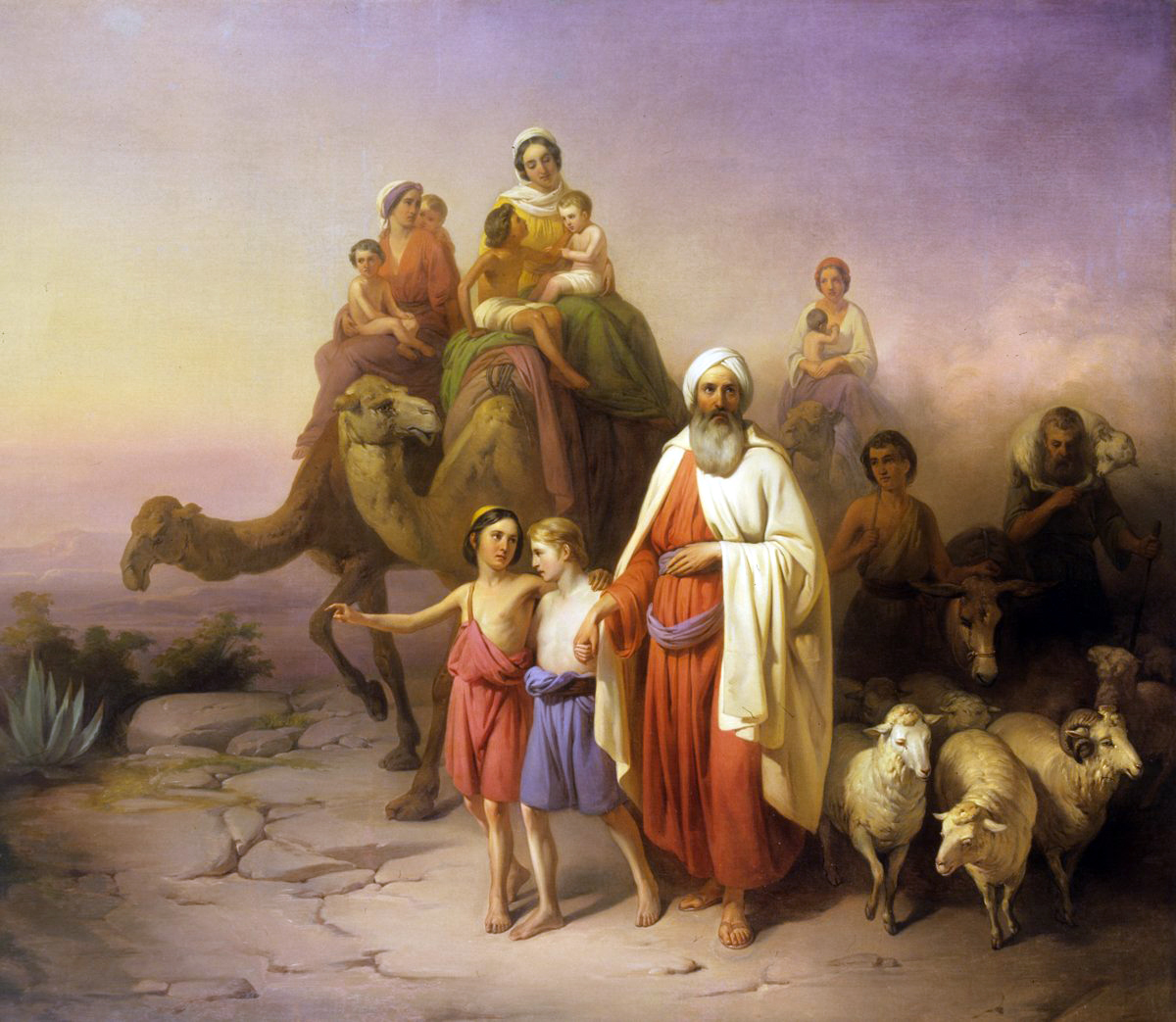 The Abrahamic CovenantGod binds Himself by oath to Abraham, land, seed, and blessing to all nations, sealed in a faith counted for righteousness.
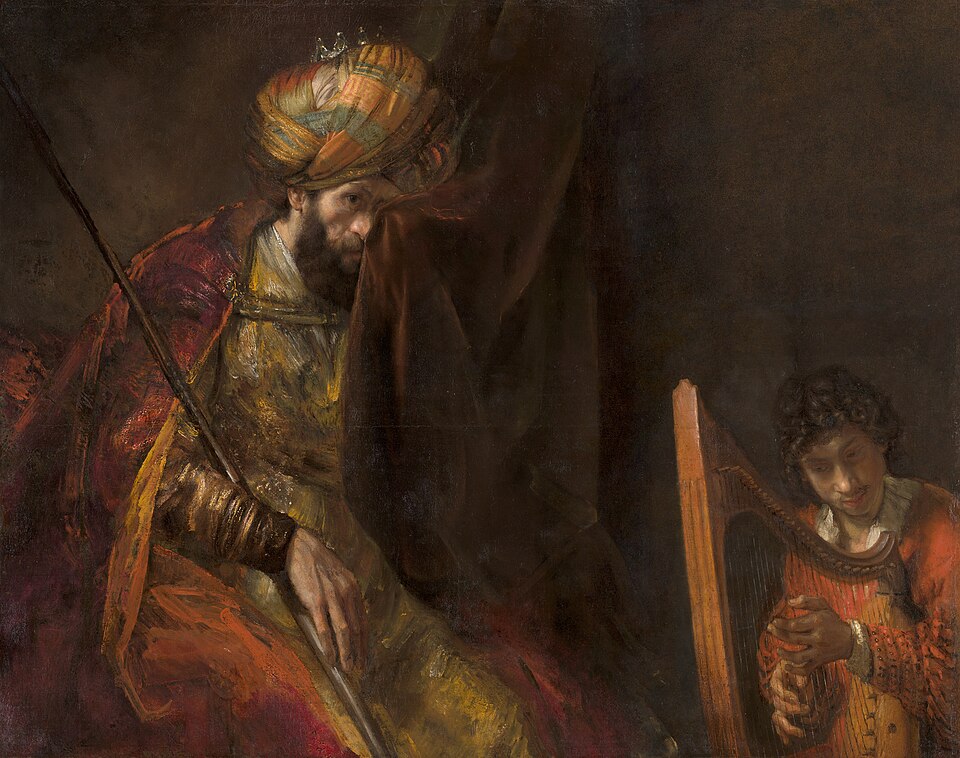 The Davidic Covenant — 2 Samuel 7David wants to build God a house; God promises to build David one instead, a throne established for ever, quoted directly of Jesus in Luke, Acts, and Hebrews.
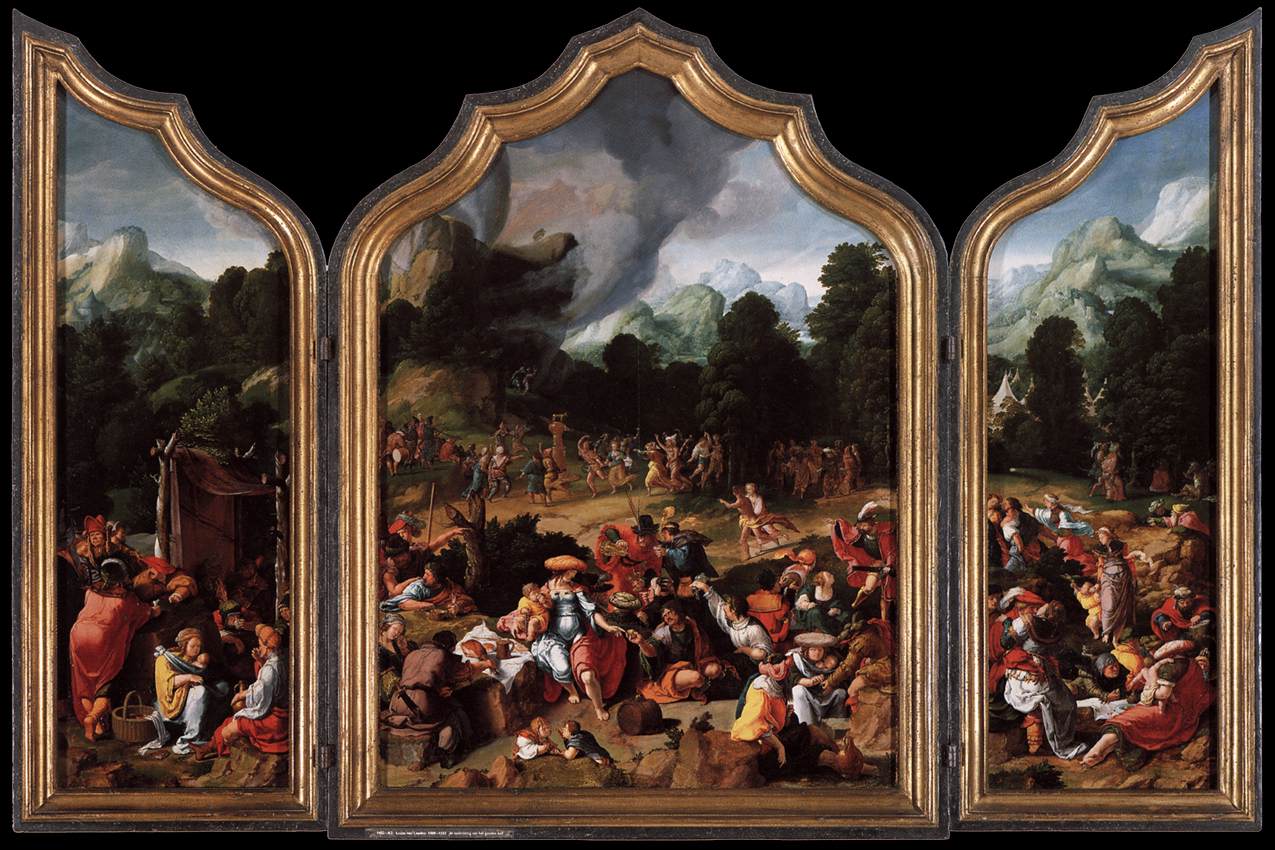 The Golden Calf: Covenant Made, Broken, RemadeApostasy at the foot of the mountain, the tablets shattered, Moses' four appeals in the breach, and the Name proclaimed in 34:6–7.
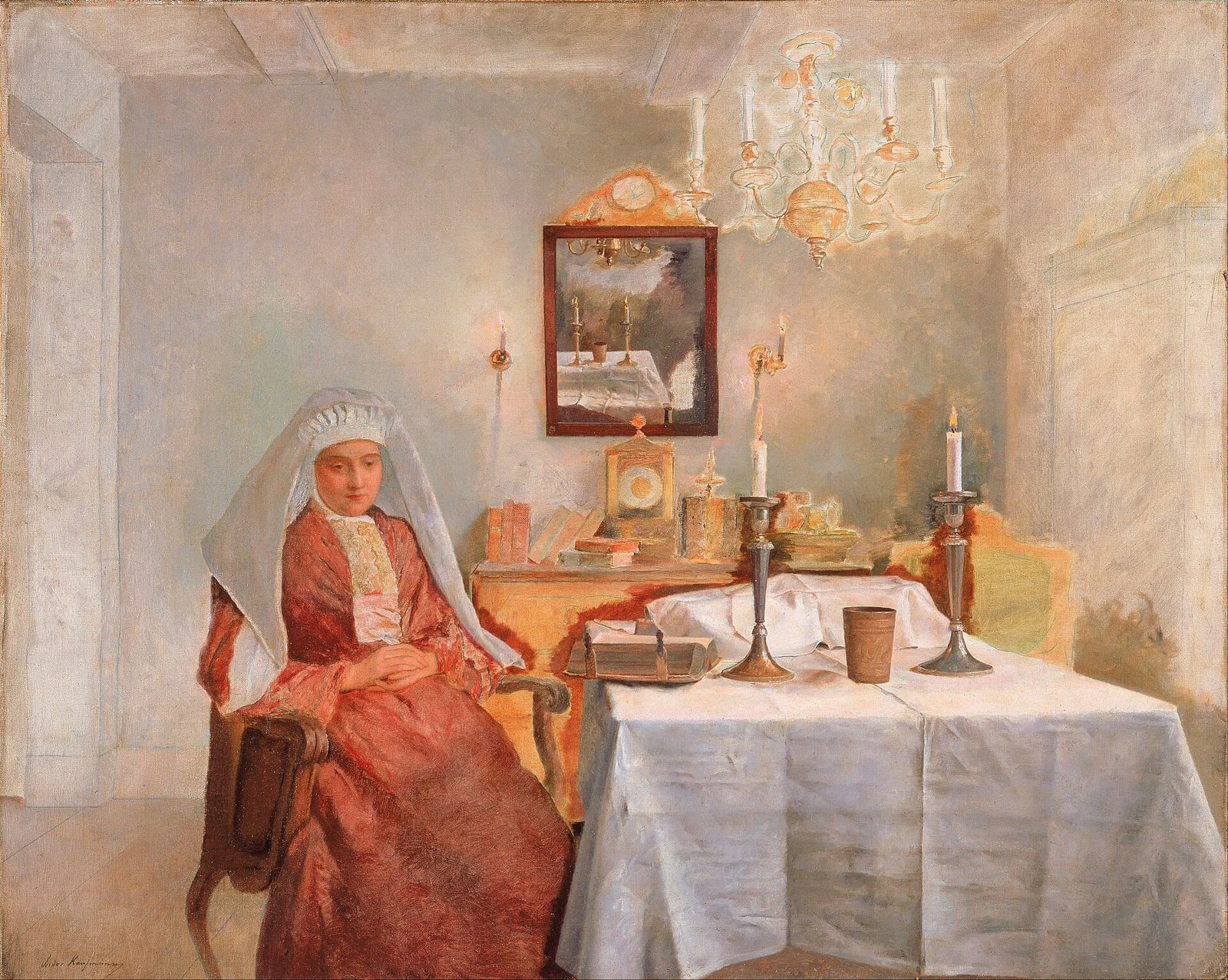 The Hebrew FeastsSeven appointed times on one Hebrew year — a spring cluster the site reads as fulfilled, a fall cluster it reads as awaited.
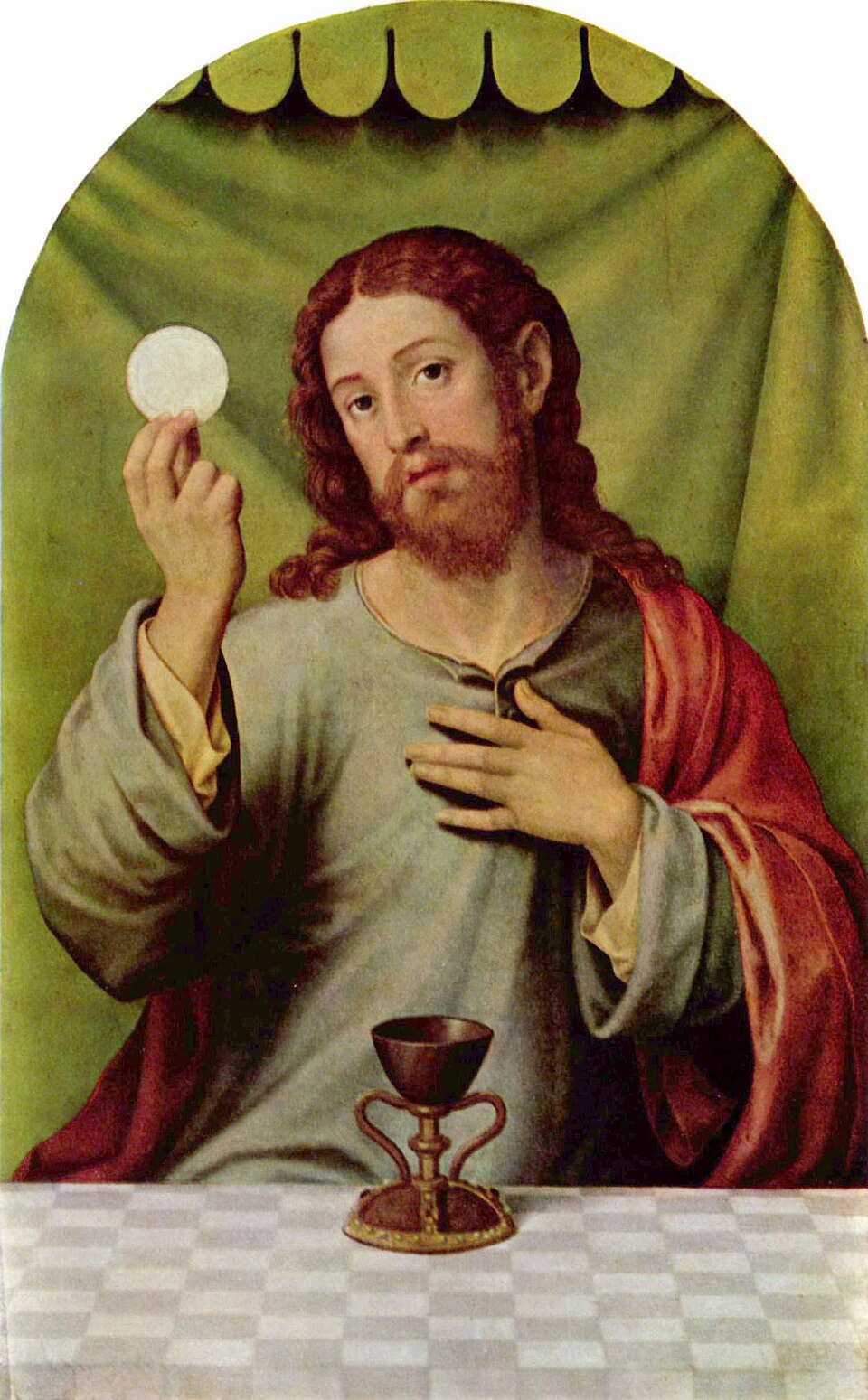 The New Covenant — Jeremiah 31:31–34Jeremiah’s four promises over a burning Jerusalem, quoted at length in Hebrews.
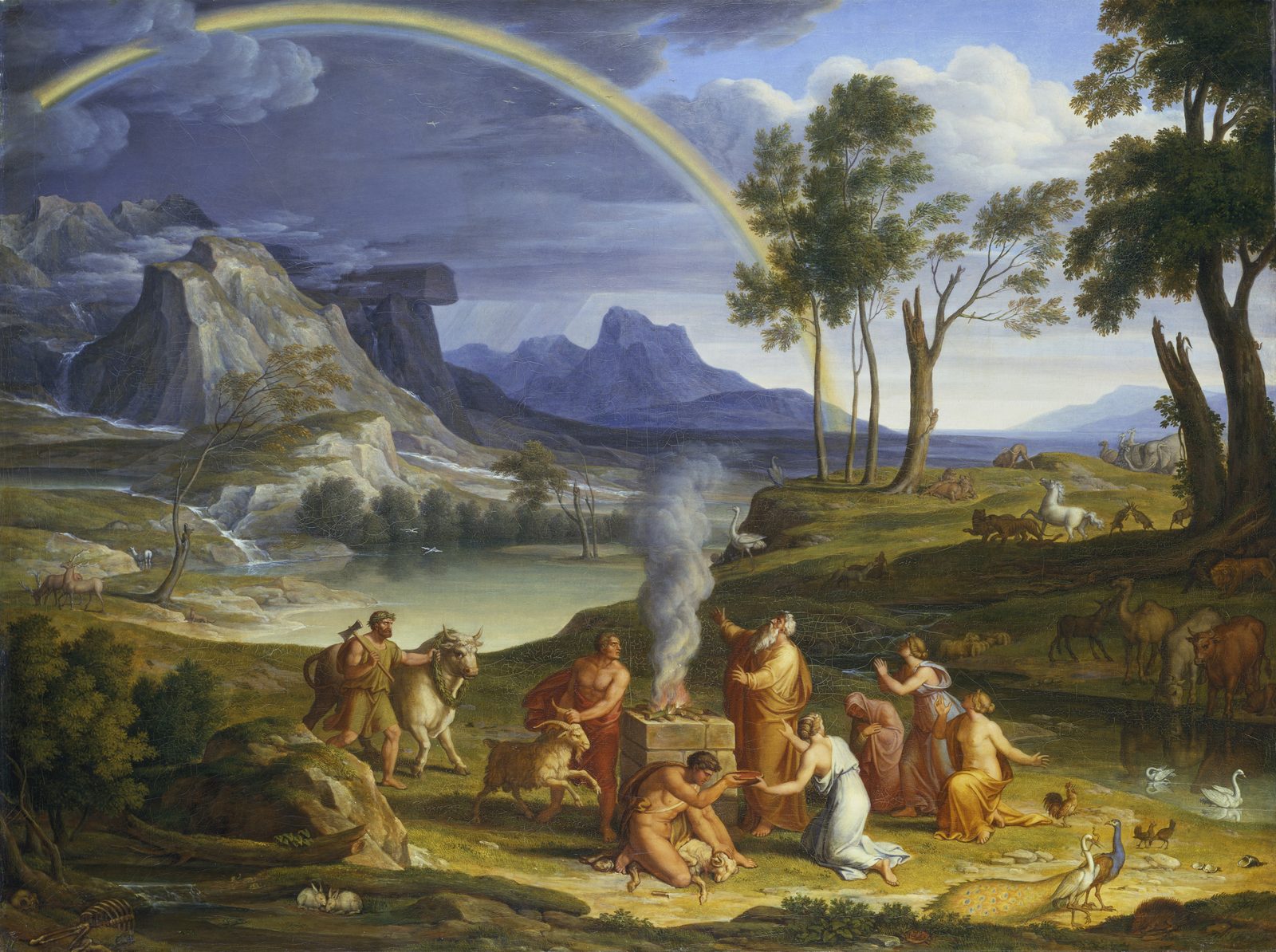 The CovenantsSix covenants in succession, cumulative rather than replacing. Adamic, Noahic, Abrahamic, Mosaic, Davidic, New. Each narrowing the line of promise while widening the scope of fulfillment.
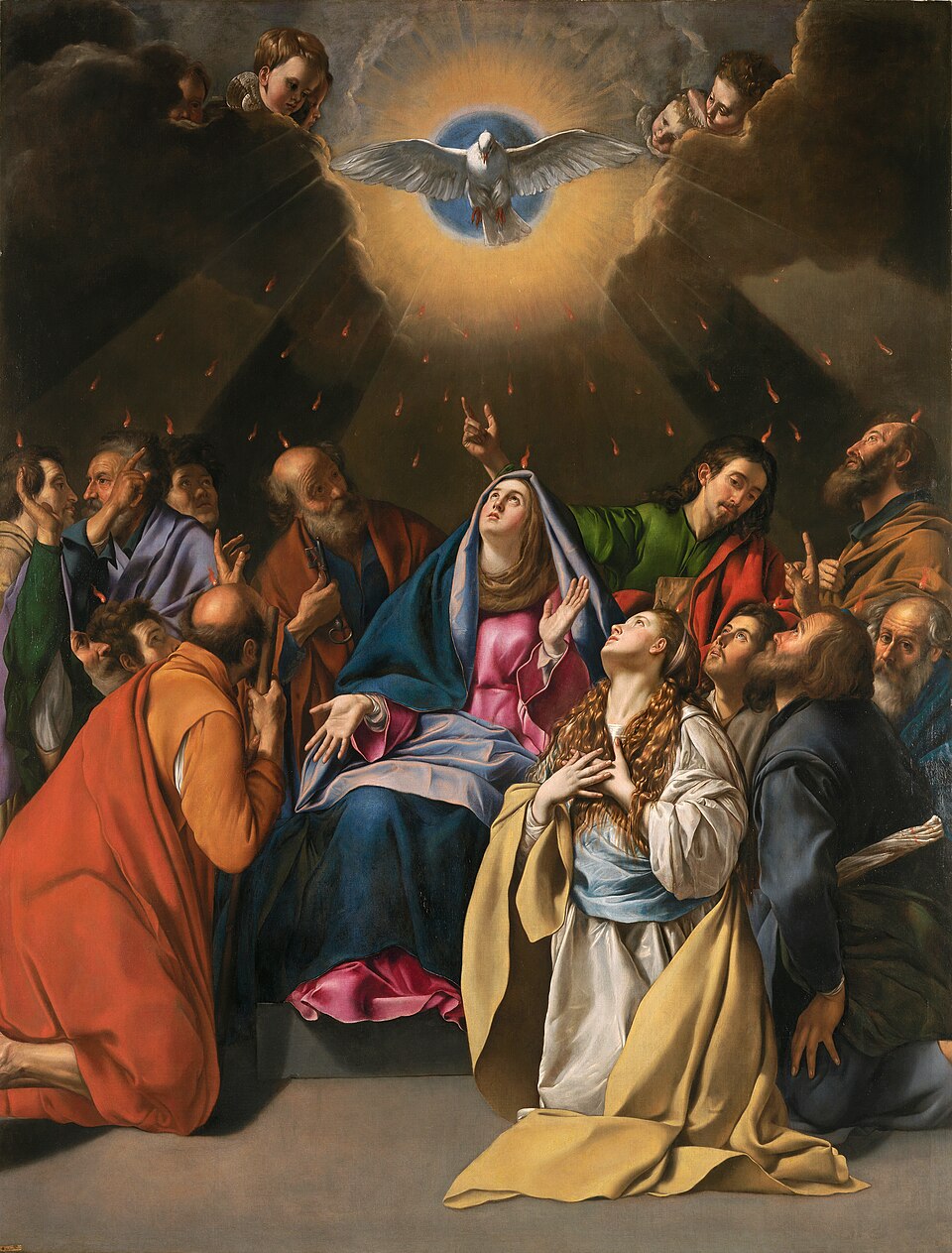 PentecostThe fiftieth day, read twice — the Law given in fire at Sinai, the Spirit given in fire in Jerusalem.
The register: 26 more studies of this kind
- Abraham's Intercession for Sodom
- Gerizim and Ebal: the blessing and the curse
- God and the Nations, from Abraham to the New Jerusalem
- Israel and the Olive Tree: Romans 9–11One tree, one root, branches broken off and grafted in, Paul's answer in Romans 9–11 to whether God's word to Israel has failed.
- Providence
- Purim, the Feast of EstherPurim is the feast Esther's own closing chapter founds, not Moses: Haman's lot decides a massacre date, the month turns from sorrow to gladness, and Mordecai's letter commands the two days kept ever since.
- The Birthright
- The Call of Abraham
- The Covenant of Phinehas
- The Edenic Covenant
- The Fall FeastsThree appointed times in a single autumn month — a trumpet-blast, a day of atonement, a week in booths — read as the shape of the year's close.
- The Feast of Tabernacles
- The Feast of Trumpets
- The Feast of Unleavened Bread
- The Image of God
- The Jeconiah Blood CurseGod swore no descendant of Jeconiah would ever reign — yet Matthew runs Messiah's line straight through him; the virgin birth is how both stay true.
- The Land Covenant
- The Mosaic Covenant
- The Noahic Covenant
- The Remnant — she'erithElijah's seven thousand, Isaiah's sign-son, Zephaniah's refuge-takers, Ezra's escaped, to Paul's remnant according to the election of grace.
- The Seventy Who Went Down and the Seventy-Five of Acts
- The Silver Cup and Joseph's Claim to Divine
- The Treaty Form of Deuteronomy
- The Two Lines of Cain and Seth
- The Younger Set Before the Elder
- Why God Is Not Finished With IsraelPaul asks it straight out (has God thrown away His own people?) answers it in two words, and then spends three chapters showing why the answer had to be no.
Questions Christians answer differently. Each study sets out the texts both sides read, the positions with their holders, and where this site's tradition lands.
1 study
Keep studying
On this page
People and groups1
The text itself3
The roster is the site’s own build manifest, so no study can be missing from it. A study leads its kind when it carries a line of its own and more of the other studies link to it; a register row with no line of its own borrows the first sentence of the study’s own summary. The pictures are public domain: engravings by Gustave Doré from Doré’s English Bible(1866), and paintings held at Wikimedia Commons. Each is named in full on the study’s own page.