

Romans 5 · Value 5 of 41 · Featured Study
Hope
Hope is a sure expectation resting on God, an anchor for the soul.
John Bunyan took comfort in Bedford jail from the verse that says our faith and hope are in God.
And hope does not disappoint us, because God has poured out His love into our hearts through the Holy Spirit, whom He has given us.
- Anchor text
- Romans 5:1 to 5 “…And we rejoice in the hope of the…”
- Its opposite
- Despair, which gives up on God's mercy
- Hold in memory
- Romans 5:5, Lamentations 3:22 to 23
Summary
In Scripture, hope looks forward to what God has promised. The prophets hold it out to Israel in ruin and exile, and the apostles to churches under persecution. Paul writes in Romans 5 that suffering produces perseverance, perseverance character and character hope. Scripture names despair as hope's opposite and shows hope holding in exile, in prison and at the grave.
- Hope waits for what is not yet seen, and so it waits with patience.
- Hebrews calls God's promise and His oath two unchangeable things, so hope rests on God's own word.
- Abraham hoped against all hope, believing God's promise when his body was as good as dead.
- Scripture keeps grief beside hope and refuses only grief without hope.
What Hope Is
Four words of Hebrew and Greek carry what Scripture means by hope.
Hope is one of the three graces that Paul says remain, with faith and love (1 Corinthians 13:13). The psalms, the prophets and the apostles all speak of it. They speak to Israel in exile and to churches under persecution. The question hope raises for every reader is how a person can wait with confidence for what cannot yet be seen, and on what that confidence rests. This study gives the words Scripture uses for hope, its key texts, where it is commanded and why, what Jesus gives it, the people who hoped, its practice and its opposite.
Tiqvah, a cord and a hope
34 uses in the canon
The Hebrew noun tiqvah (Strong's H8615) is literally a cord and figuratively an expectation. It names Rahab's scarlet cord and the hope of Jeremiah 29:11.
Qavah, to wait for
49 uses in the canon
The verb qavah (H6960) means to bind together and so to wait for or expect. Among its uses is the waiting of Isaiah 40:31.
Elpis, hope
52 uses in the canon
The Greek noun elpis (G1680) means an expectation or a confidence. Paul uses it three times in Romans 5:2 to 5.
Elpizo, to hope
31 uses in the canon
The verb elpizo (G1679) means to expect or to confide in. Paul uses it twice in Romans 8:24 to 25.
Tiqvah, a cord and a hope, Qavah, to wait for, Elpis, hope, Elpizo, to hope, The Words Tiqvah and Elpis, the study in brief
The Key Texts of Hope
Hope runs through every part of the canon, from Jacob's dying words to the One who makes all things new.
Law
I await Your salvation, O LORD.
Jacob's line of waiting stands inside his blessing of Dan.
History
Then Shecaniah son of Jehiel, an Elamite, said to Ezra: “We have been unfaithful to our God by marrying foreign women from the people of the land, yet in spite of this, there is hope for Israel.
The word comes at the people's confession, before any reform has been made.
Ezra 10:2BSB
Wisdom
Why are you downcast, O my soul? Why the unease within me? Put your hope in God, for I will yet praise Him for the salvation of His presence.
The refrain stands three times across Psalms 42 and 43.
Psalm 42:5BSB
Wisdom
O Israel, put your hope in the LORD, for with the LORD is loving devotion, and with Him is redemption in abundance.
The psalm moves from a cry out of the depths to a call to the whole nation.
Psalm 130:7BSB
Prophets
Return to your stronghold, O prisoners of hope; even today I declare that I will restore to you double.
The prophet gives the exiles a name that holds both their chains and their hope.
Acts and Epistles
We have this hope as an anchor for the soul, firm and secure. It enters the inner sanctuary behind the curtain,
Hebrews takes its picture of hope from the sea and then from the temple curtain.
Hebrews 6:19BSB
Acts and Epistles
Blessed be the God and Father of our Lord Jesus Christ! By His great mercy He has given us new birth into a living hope through the resurrection of Jesus Christ from the dead,
Peter opens his letter to believers scattered through five provinces with this blessing.
1 Peter 1:3BSB
Revelation
And the One seated on the throne said, “Behold, I make all things new.” Then He said, “Write this down, for these words are faithful and true.”
The last vision of the canon sets the new creation as the end of all waiting.
Ezra 10:2, Psalm 42:5, Psalm 130:7, Zechariah 9:12, Hebrews 6:19, 1 Peter 1:3, Revelation 21:5
Where Scripture Commands Hope
One psalm and three letters give the command.
Psalm 131 is a short song of a quieted soul, and it ends with a word to the whole nation: "O Israel, put your hope in the LORD, both now and forevermore" (Psalm 131:3).
Paul writes, "Be joyful in hope, patient in affliction, persistent in prayer" (Romans 12:12). Hebrews and 1 Peter give the command again, each in its own setting.
Hope is commanded because God is trustworthy, so a reader is told to look at Him before looking at the outcome.
Let us hold resolutely to the hope we profess, for He who promised is faithful.The writer sets the command beside a call not to neglect meeting together.
But in your hearts sanctify Christ as Lord. Always be prepared to give a defense to everyone who asks you the reason for the hope that is in you. But respond with gentleness and respect,Peter sets the defense of hope among his words to Christians who suffer for doing good.
Hebrews 10:23, 1 Peter 3:15, Hope That Does Not Disappoint, the study in brief
Hope Rests on God Himself
Prophets, psalms and apostles call God their hope and tie hope to His word and to the resurrection.
Jeremiah prays to Him as "O Hope of Israel, its Savior in times of distress" (Jeremiah 14:8). The psalmist says, "For You are my hope, O Lord GOD, my confidence from my youth" (Psalm 71:5). Paul calls Him "the God of hope" (Romans 15:13) and opens a letter by naming "Christ Jesus our hope" (1 Timothy 1:1).
Hope rests on God's word, which cannot fail. Paul speaks of "the hope of eternal life, which God, who cannot lie, promised before time began" (Titus 1:2).
Blessed is he whose help is the God of Jacob, whose hope is in the LORD his God,The psalm sets the ground of hope in the person of God and in nothing beneath Him.
To this end we labor and strive, because we have set our hope on the living God, who is the Savior of everyone, and especially of those who believe.Paul names the reason he keeps working through hardship.
Psalm 146:5, 1 Timothy 4:10, The Anchor of the Soul, the study in brief
Jesus and Hope
Matthew names Jesus as the One in whom the nations hope, and the apostles rest hope on His resurrection.
The servant the nations hope inMatthew 12
Large crowds followed Jesus, and He healed them all and warned them not to make Him known. Matthew reads this as the fulfilment of Isaiah's words about the servant God has chosen.
In His name the nations will put their hope.”
Matthew 12:21BSB Matthew ends the quotation with the nations putting their hope in His name.
Read the page on Jesus 33 sections, 35 verses set out
The resurrection and the lifeJohn 11
Lazarus had been four days in the tomb when Martha went out to meet Jesus. She told Him she knew her brother would rise again at the last day.
Jesus said to her, “I am the resurrection and the life. Whoever believes in Me will live, even though he dies.
John 11:25BSB Jesus names Himself as the ground of the hope Martha already held.
Raised as the firstfruits1 Corinthians 15
Paul writes that if our hope in Christ is for this life alone, we are to be pitied more than all men. He goes on at once to say that Christ has indeed been raised from the dead (1 Corinthians 15:19 to 20).
Christ in youColossians 1
Paul calls the word he was sent to proclaim a mystery hidden for ages and generations and now revealed to God's saints.
To them God has chosen to make known among the Gentiles the glorious riches of this mystery, which is Christ in you, the hope of glory.
Colossians 1:27BSB Paul names Christ Himself, living in His people, as their hope of glory.
The resurrection and the life (John 11), Raised as the firstfruits (1 Corinthians 15), Christ in you (Colossians 1)
Who Hoped
Four of the people in Scripture who hoped in God stand here, from Joseph in Egypt to Paul in chains.
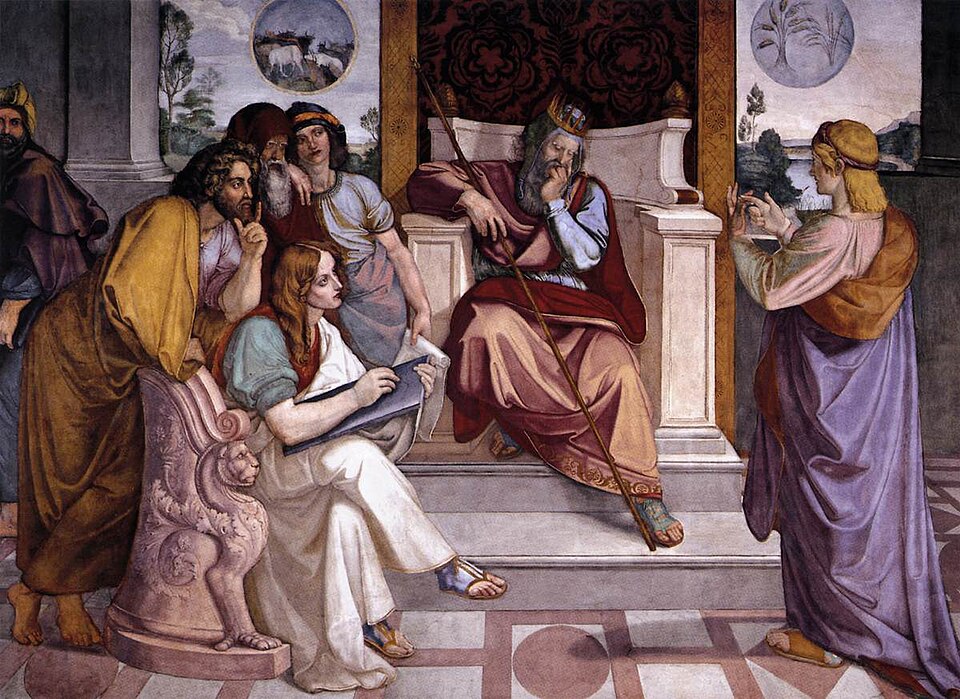
Dying in Egypt, he made his brothers swear to carry his bones up to the land God promised.
Genesis 50:24 to 25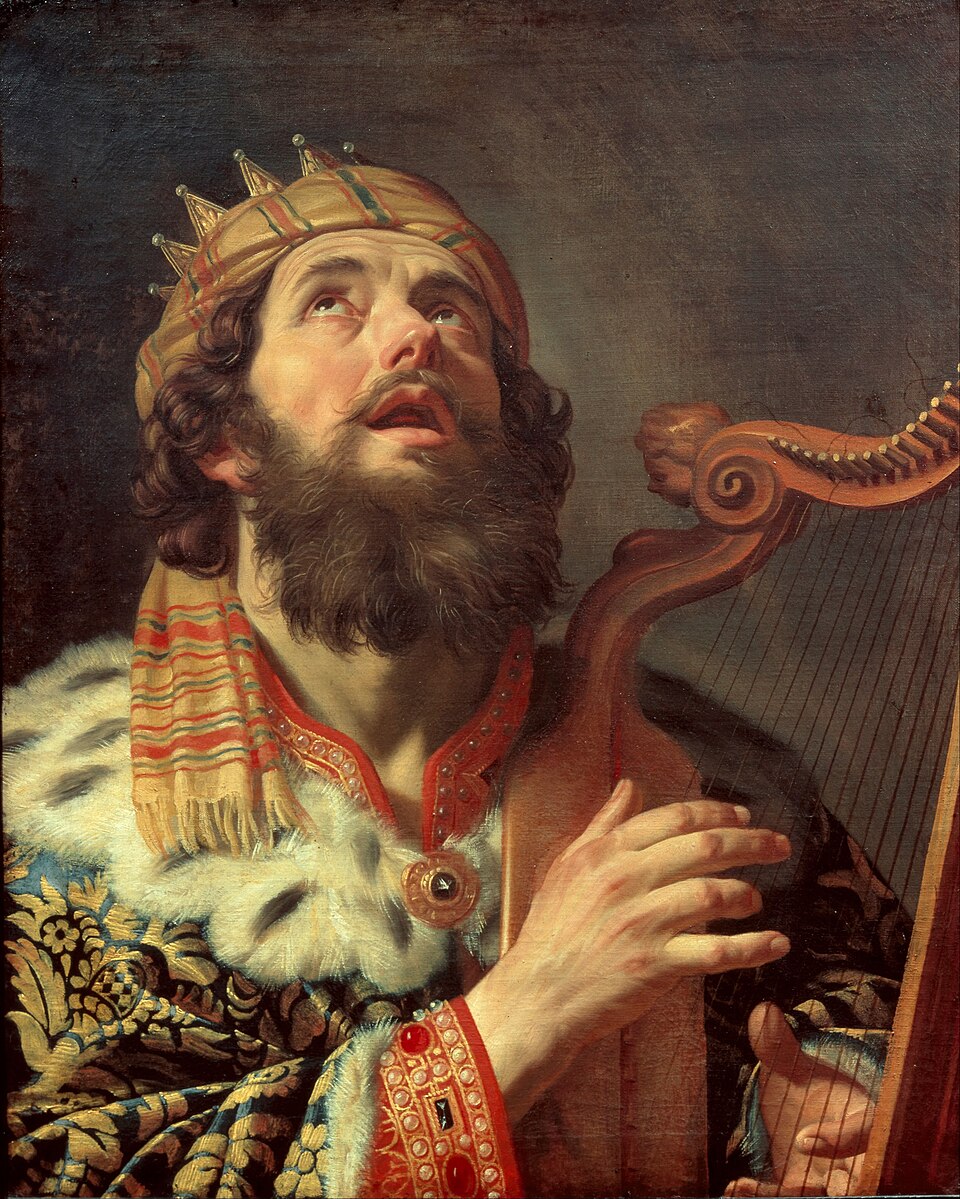
The patriarchs of Hebrews 11
They died without receiving what was promised, and they welcomed it from afar.
Hebrews 11:13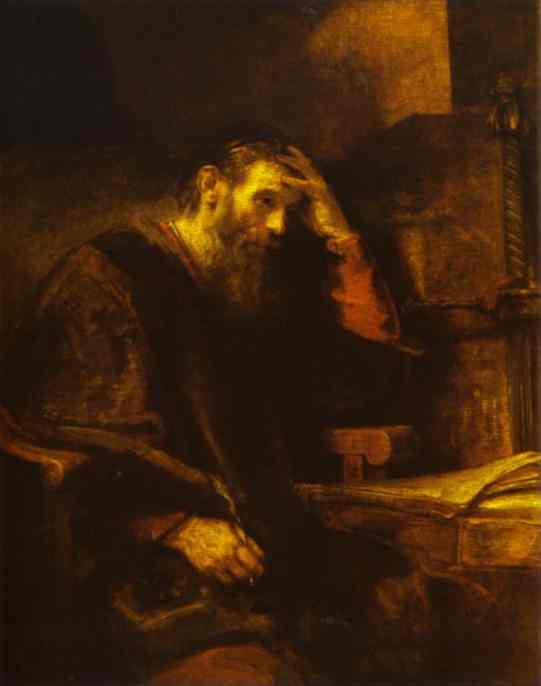
The patriarchs of Hebrews 11, Paul
The Practice of Hope
Scripture names eight practices of hope, each with the verse that gives it.
- 1Wait quietlyThe poet of Lamentations says it is good to wait quietly for the salvation of the LORD.Lamentations 3:26
- 2Keep at it to the endHebrews asks each believer to show diligence to the very end, so that hope is made sure.Hebrews 6:11
- 3Look and waitMicah resolves to watch for the LORD and to wait for the God of his salvation.Micah 7:7
- 4Read the ScripturesPaul writes that the Scriptures were written so that through endurance and encouragement we might have hope.Romans 15:4
- 5Wear hope as a helmetPaul tells believers who belong to the day to put on the hope of salvation as a helmet.1 Thessalonians 5:8
- 6Set your hope on Christ's comingPeter tells believers to set their hope fully on the grace to be given when Christ is revealed.1 Peter 1:13
- 7Purify yourselfJohn writes that everyone who has this hope in Christ purifies himself, as Christ is pure.1 John 3:3
- 8Grieve with hopePaul tells the bereaved to grieve as people who hope, because Jesus died and rose again.1 Thessalonians 4:13
Keep at it to the end, Look and wait, Read the Scriptures, Wear hope as a helmet, Set your hope on Christ's coming, Purify yourself, Grieve with hope
What Stands Against Hope
Scripture names despair, which gives up on God, and keeps the words of those who reached it.
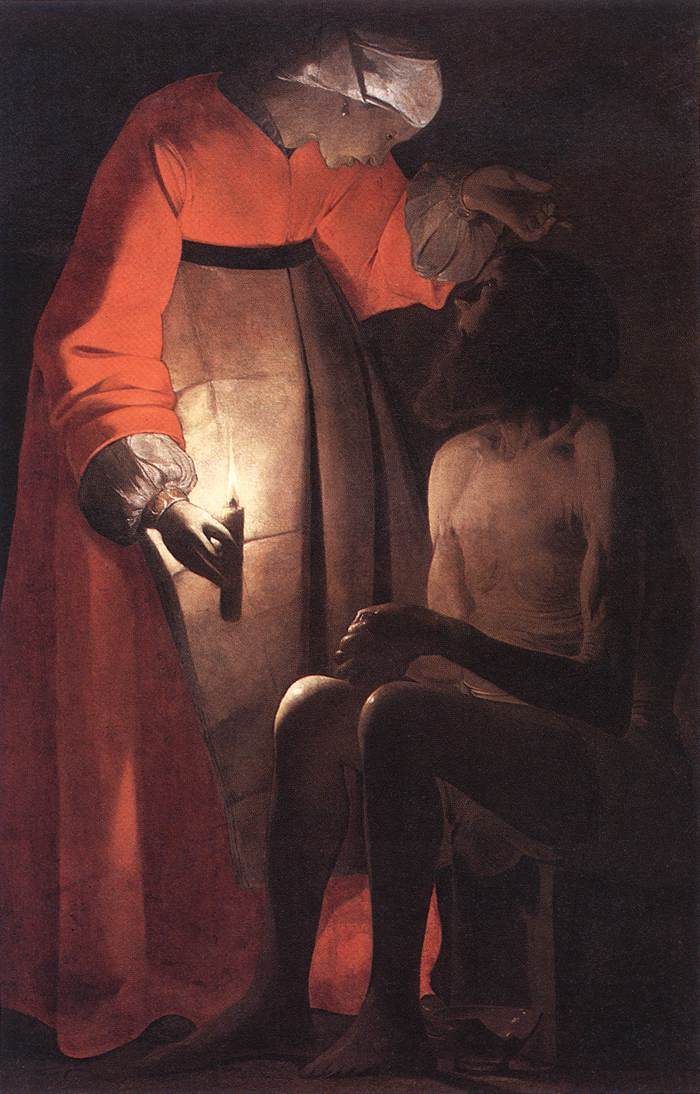
Even the faithful in Scripture reached the end of hope. Job says, "My days are swifter than a weaver's shuttle; they come to an end without hope" (Job 7:6).
Proverbs says, "Hope deferred makes the heart sick, but desire fulfilled is a tree of life" (Proverbs 13:12). Paul describes the Gentiles before Christ as "without hope and without God in the world" (Ephesians 2:12), so in Scripture hopelessness is first the condition of life apart from God before it is a mood.
You have removed my beloved and my friend; darkness is my closest companion.
One psalm ends in darkness, and Scripture keeps it as a prayer.
Psalm 88:18BSB
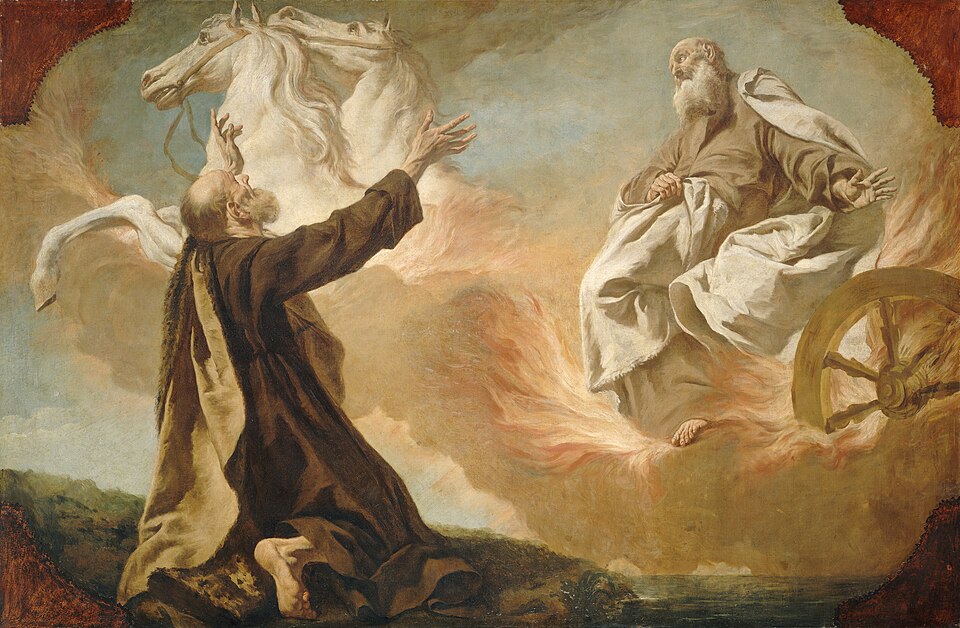
Under a broom tree he told the LORD he had had enough and asked Him to take his life.
1 Kings 19:4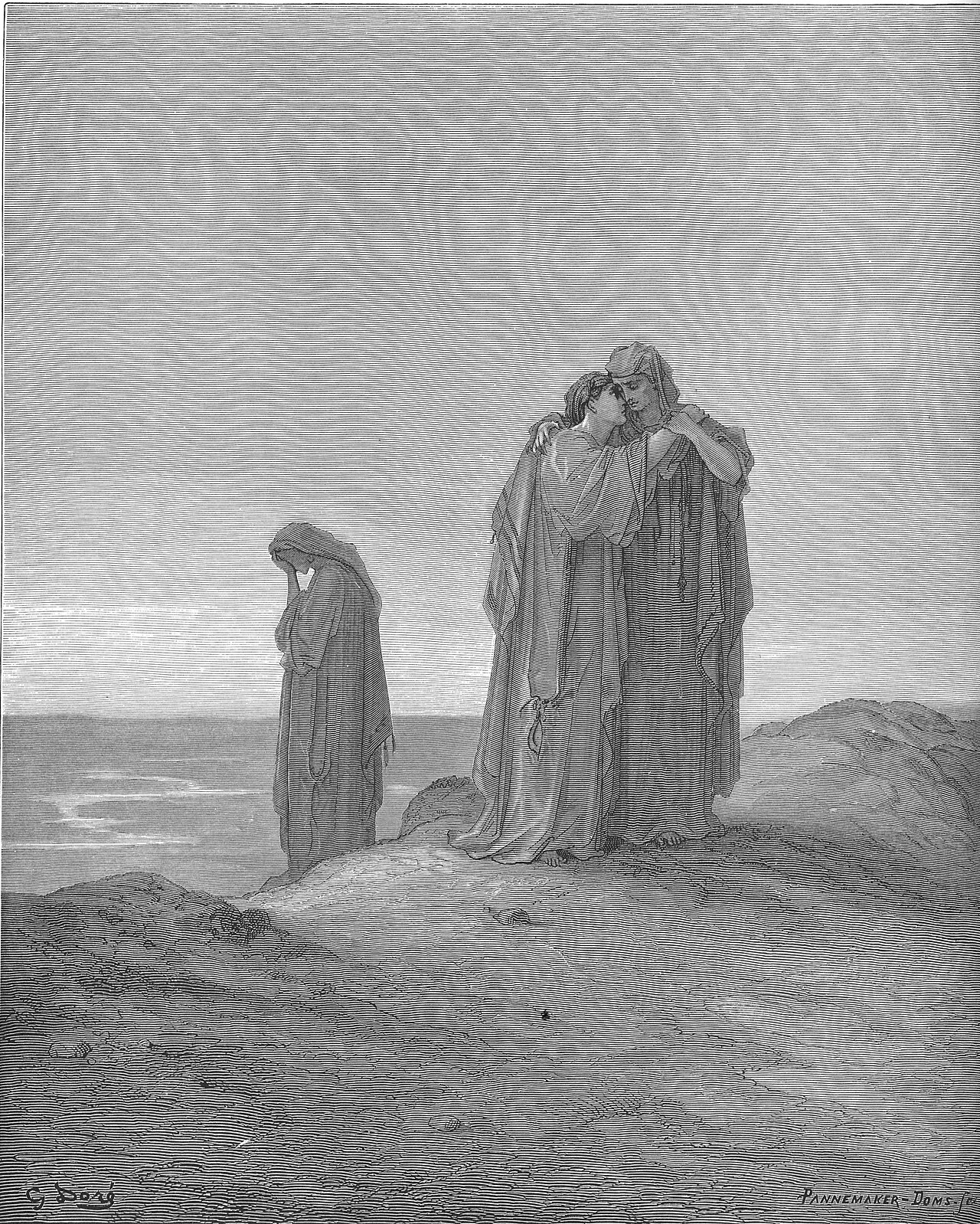
Back in Bethlehem after the deaths of her husband and sons, she asked to be called Mara, bitter.
Ruth 1:20 to 21
Psalm 88:18, Elijah, Naomi
Hope in the Stories of the Bible
Five stories tell of hope under the stars, in a besieged city, in the ruins of Jerusalem, in the temple courts and on a road at evening.
Abraham under the starsGenesis 15
Abram had no child, and God took him outside, told him to count the stars and promised him offspring as many as they. Abram believed the LORD (Genesis 15:5 to 6). Years later, at about a hundred years old, with Sarah long past bearing, he still held to the promise.
Against all hope, Abraham in hope believed and so became the father of many nations, just as he had been told, “So shall your offspring be.”
Romans 4:18BSB Paul reads the Genesis story as the pattern of faith written for later believers too.
Read the study of Hope Against Hope 7 sections, 7 verses set out
Jeremiah buys a fieldJeremiah 32
While the Babylonian army besieged Jerusalem, Jeremiah was held in the courtyard of the guard. His cousin Hanamel came to him and asked him to buy the family field at Anathoth, in land the enemy already held. Jeremiah weighed out seventeen shekels of silver, signed and sealed the deed before witnesses, and had the deeds put in a clay jar to preserve them for a long time.
For this is what the LORD of Hosts, the God of Israel, says: Houses, fields, and vineyards will again be bought in this land.”
Jeremiah 32:15BSB The verse gives God's own reason for the purchase.
Hope in the ruinsLamentations 3
The third chapter of Lamentations is the voice of a man who has seen affliction. He says God has walled him in, weighed him down with chains and shut out his prayer, and at verse 18 he says that his hope from the LORD has perished.
Remember my affliction and wandering, the wormwood and the gall. Surely my soul remembers and is humbled within me.
Lamentations 3:19 to 20BSB These two verses are the last of the poet's complaint before the turn.
Simeon and AnnaLuke 2
Simeon, a righteous and devout man in Jerusalem, "was waiting for the consolation of Israel" (Luke 2:25), and the Holy Spirit had told him he would not die before seeing the Lord's Christ. When Mary and Joseph brought the child Jesus into the temple, Simeon took Him in his arms and blessed God.
Coming forward at that moment, she gave thanks to God and spoke about the Child to all who were waiting for the redemption of Jerusalem.
Luke 2:38BSB Luke sets Anna, a prophetess, beside Simeon as a second witness.
The road to EmmausLuke 24
On the third day after the crucifixion two disciples walked from Jerusalem to Emmaus, and a stranger joined them. They told Him about Jesus and said, "But we were hoping He was the One who would redeem Israel" (Luke 24:21). Their hope was spoken in the past tense.
Then their eyes were opened and they recognized Jesus—and He disappeared from their sight. They asked each other, “Were not our hearts burning within us as He spoke with us on the road and opened the Scriptures to us?”
Luke 24:31 to 32BSB Their burning hearts answer the past-tense hope of verse 21.
Jeremiah buys a field (Jeremiah 32), Hope in the ruins (Lamentations 3), Simeon and Anna (Luke 2), The road to Emmaus (Luke 24)
Lamentations 3:19 to 20, Luke 2:38, Luke 24:31 to 32
Hope in the Church's History
Three accounts, from the martyrs of Lyons to a London hymn writer, tell of hope at the stake, in prison and in a song.
The martyrs of Lyons and Vienne2nd century
The churches of Vienne and Lyons in Gaul wrote to the churches of Asia and Phrygia about a persecution in the seventeenth year of the emperor they call Antoninus Verus. They wrote that "the joy of martyrdom, and the hope of the promises, and love for Christ" held up those who stood firm (Eusebius, Church History, book 5, chapter 1, translated by A. C. McGiffert, 1890).
The persecutors burned the bodies of the martyrs and swept the ashes into the Rhone, saying they did it "that they may have no hope of a resurrection". The letter records the words to show what the martyrs hoped for.
John Bunyanabout 1672
He was held in Bedford jail for holding unlawful meetings and refusing to conform to the national church.
Facing the thought that he might be hanged, he resolved, "I will leap off the ladder even blindfold into eternity, sink or swim, come heaven, come hell, Lord Jesus, if Thou wilt catch me, do; if not, I will venture for Thy name" (section 337). Section 319 says he had then lain in prison twelve years.
Read the study of Hope in the Cell 10 sections, 8 verses set out
Edward Mote1834
Edward Mote, born in London in 1797, who became a Baptist minister and served his last twenty-six years as pastor at Horsham, wrote the hymn that begins "My hope is built on nothing less / than Jesus' blood and righteousness", dated 1834 and printed in his Hymns of Praise in 1836 (John Julian, Dictionary of Hymnology, as Hymnary.org reproduces it).
John Bunyan (about 1672), Edward Mote (1834)
Voices on Hope, by Century
Three voices, each quoted from a work in the public domain under the line that says what he teaches.
died 397 · Ambrose of Milan
THE PRAYER OF JOB AND DAVID 4:3.12-13
Fourth century. Hope strengthens the troubled with the expectation of what is to come.
The quotation1 quotation
“Troubled by the hazardous turnings of this world, David says, ‘Why are you sad, O soul, why do you trouble me? Hope in God, for I will give praise to him, the salvation of my countenance and my God.’ Therefore, when we are distressed and apprehensive, let hope strengthen us with the expectation of things that are to come. Look to each phrase individually. ‘Hope, for I will give praise,’ he says; not ‘I give praise,’ but ‘I will give praise.’”
Ambrose of Milan · The Prayer of Job and David 4:3.12-13 · on Psalm 42:5Patristic
1662 to 1714 · Matthew Henry
Commentary on the Whole Bible
Eighteenth century. Faith looks to the promise, and hope looks to the thing promised.
The quotation1 quotation
“It is acknowledged that one of the principal graces of a Christian is hope ( 1 Cor. xiii. 13 ), which necessarily implies a good thing to come, which is the object of that hope. Faith respects the promise, hope the thing promised.”
Matthew Henry · Commentary on the Whole Bible · on Romans 8:24 to 25Puritan
1834 to 1892 · Charles Spurgeon
The Treasury of David, Vol. 7
Nineteenth century. The one who hopes in the LORD has the right to call others to hope in Him.
The quotation1 quotation
“Let Israel hope in the Lord. Or, ‘Hope thou, Israel, in Jehovah.’ Jehovah is Israel's God; therefore, let Israel hope in him. What one Israelite does he wishes all Israel to do. That man has a just right to exhort others who is himself setting the example. Israel of old waited upon Jehovah and wrestled all the night long, and at last he went his way succoured by the Hope of Israel: the like shall happen to all his seed. God has great things in store for his people, they ought to have large expectations.”
Charles Spurgeon · The Treasury of David, Vol. 7 · on Psalm 130:7
How Hope Has Been Taught
Augustine in the fifth century and Aquinas in the thirteenth taught what hope looks for and what stands against it.
Augustine set hope between faith and love1 paragraph
Augustine wrote his handbook on faith, hope and love so that a reader could keep it in hand. He distinguished hope from faith: "But hope has for its object only what is good, only what is future, and only what affects the man who entertains the hope" (Enchiridion, chapter 8, translated by J. F. Shaw, 1887). He taught that everything that pertains to hope is embraced in the Lord's Prayer (chapter 114).
Aquinas counted hope a theological virtue and named its two enemies1 paragraph
Thomas Aquinas taught that hope is a theological virtue, counted with faith and charity in 1 Corinthians 13 (Summa Theologiae, second part of the second part, question 17, article 5, English Dominican translation, 1920). He set two sins against it, despair and presumption. In his words, "through despair, a man despises the Divine mercy, on which hope relies", and "through presumption, he despises the Divine justice, which punishes the sinner" (question 21, article 1). He judged despair the more dangerous to us, because "when hope is given up, men rush headlong into sin" (question 20, article 3).
Where the Science Speaks
Psychologists have measured hope and have followed its loss as a warning sign of suicide.
The studies came long after the Scriptures and stand beside them as witnesses to how much hope matters to a person.
Hope and Despair in the Mind, the study in brief
The Studies of Hope
Each study takes one part of hope further, in groups for the texts, the stories, the words, the practice and the science.
The texts
4 studies
- Passages and psalms · 9 verses set outHope That Does Not Disappoint
The five verses open the fifth chapter of Paul's letter to the church at Rome and follow his account of Abraham's faith.
- Passages and psalms · 13 verses set outA Living Hope
Peter's first letter opens with a blessing of God that names three gifts and then turns to the trials of its readers.
- Passages and psalms · 7 verses set outHope Against Hope
Paul wrote these four verses near the end of Romans 4, in his letter to the church at Rome.
- Passages and psalms · 13 verses set outThe Anchor of the Soul
The passage ends the sixth chapter of Hebrews, after a warning against falling away, and leads into the letter's teaching on the priesthood of Jesus.
- Passages and psalms · 9 verses set outHope That Does Not Disappoint
The stories
1 study
- Stories · 8 verses set outHope in the Cell
The apostle Paul under guard at Rome and John Bunyan in Bedford jail each wrote about hope while held.
- Stories · 8 verses set outHope in the Cell
The words
1 study
- Symbols and words · 7 verses set outThe Words Tiqvah and Elpis
Tiqvah in Hebrew and elpis in Greek are the Bible's chief nouns for hope, and four verbs stand beside them in the Old Testament and the New.
- Symbols and words · 7 verses set outThe Words Tiqvah and Elpis
The practice
1 study
- Subjects · 12 versesGrief
Sorrow carried honestly before God, given its time and its words in the laments.
- Subjects · 12 versesGrief
The science
1 study
- Doctrines · 5 verses set outHope and Despair in the Mind
Four studies tested how hope and its loss bear on the mind, from hospital patients to fifty years of animal research.
- Doctrines · 5 verses set outHope and Despair in the Mind
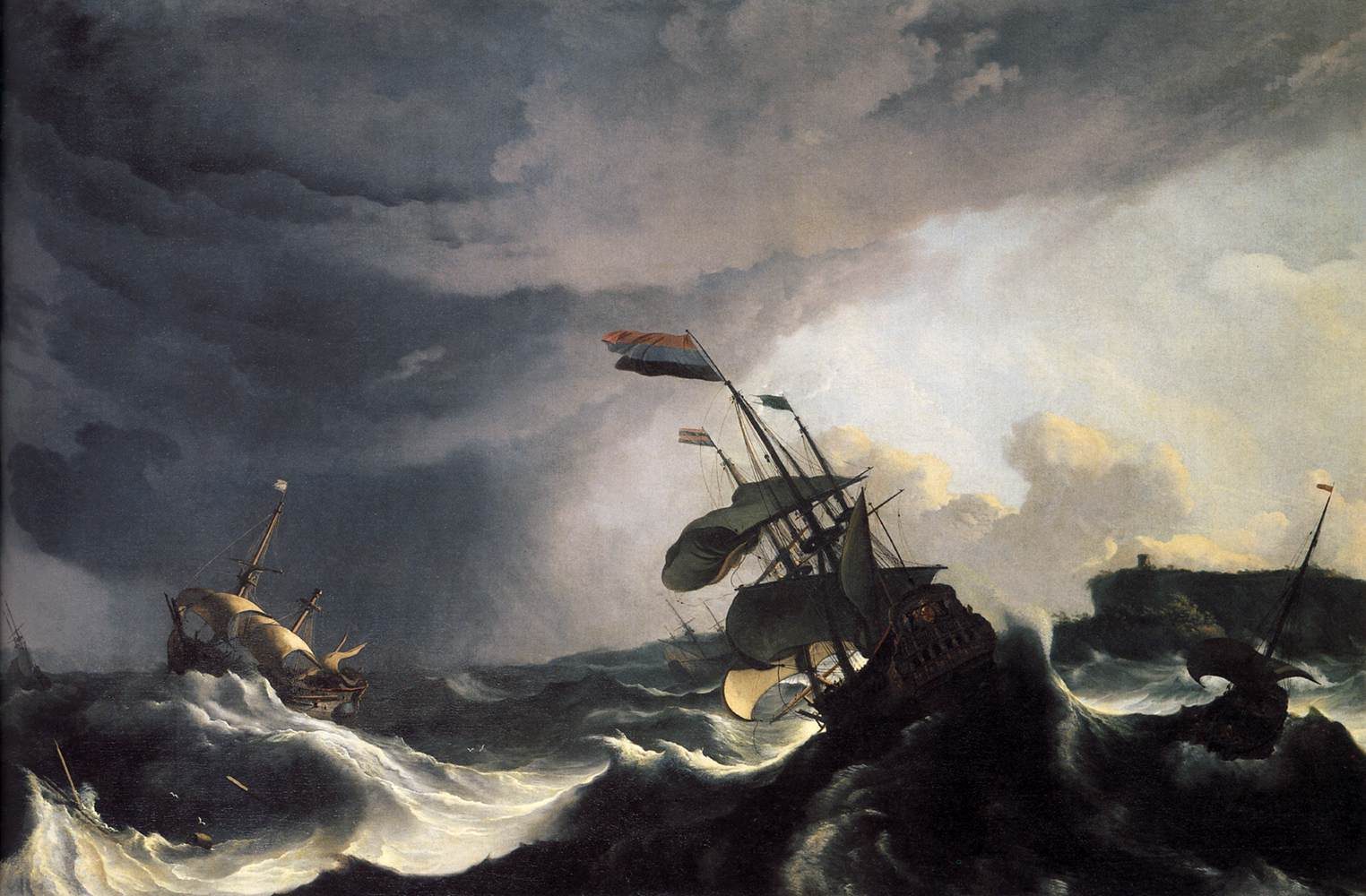
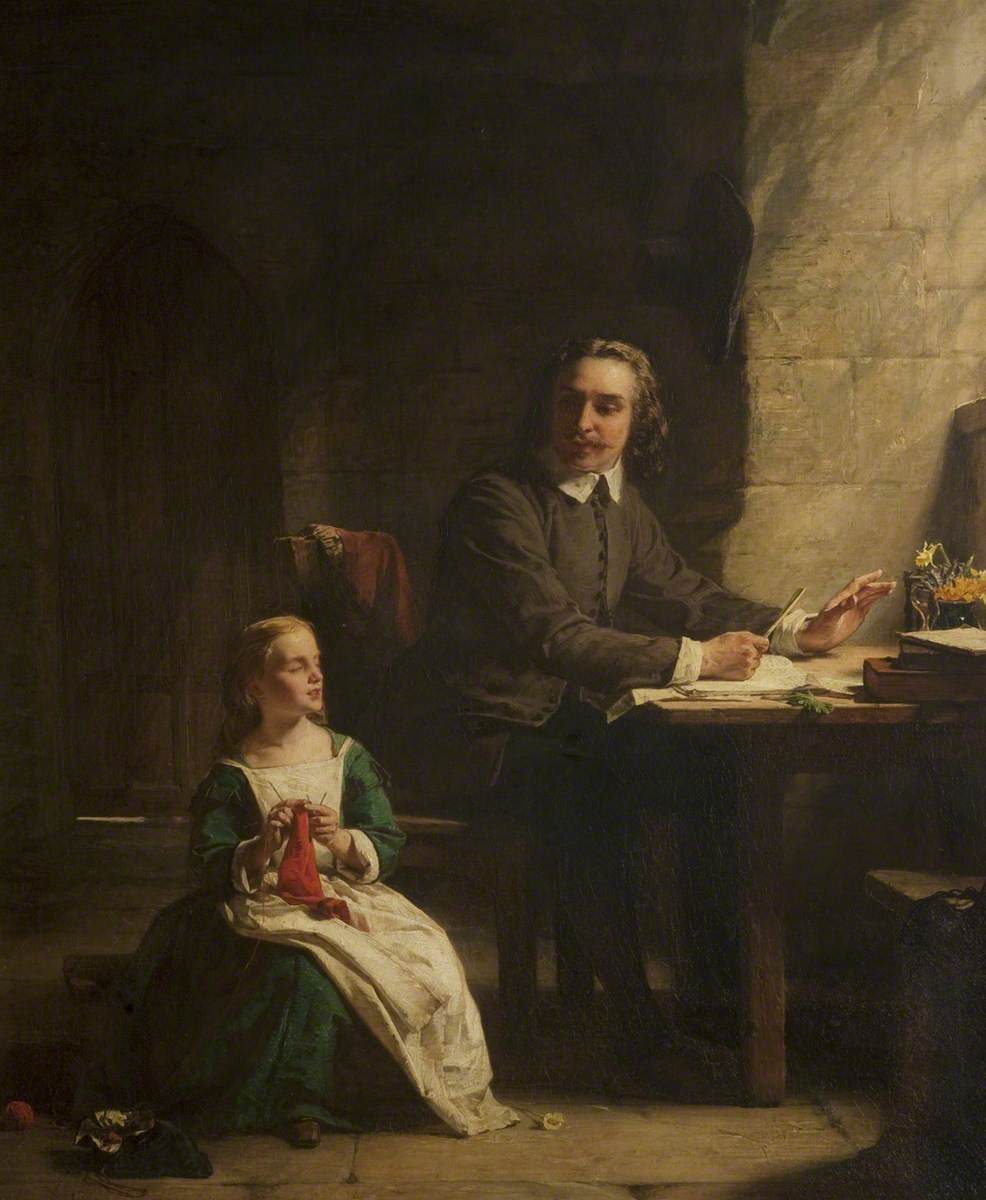
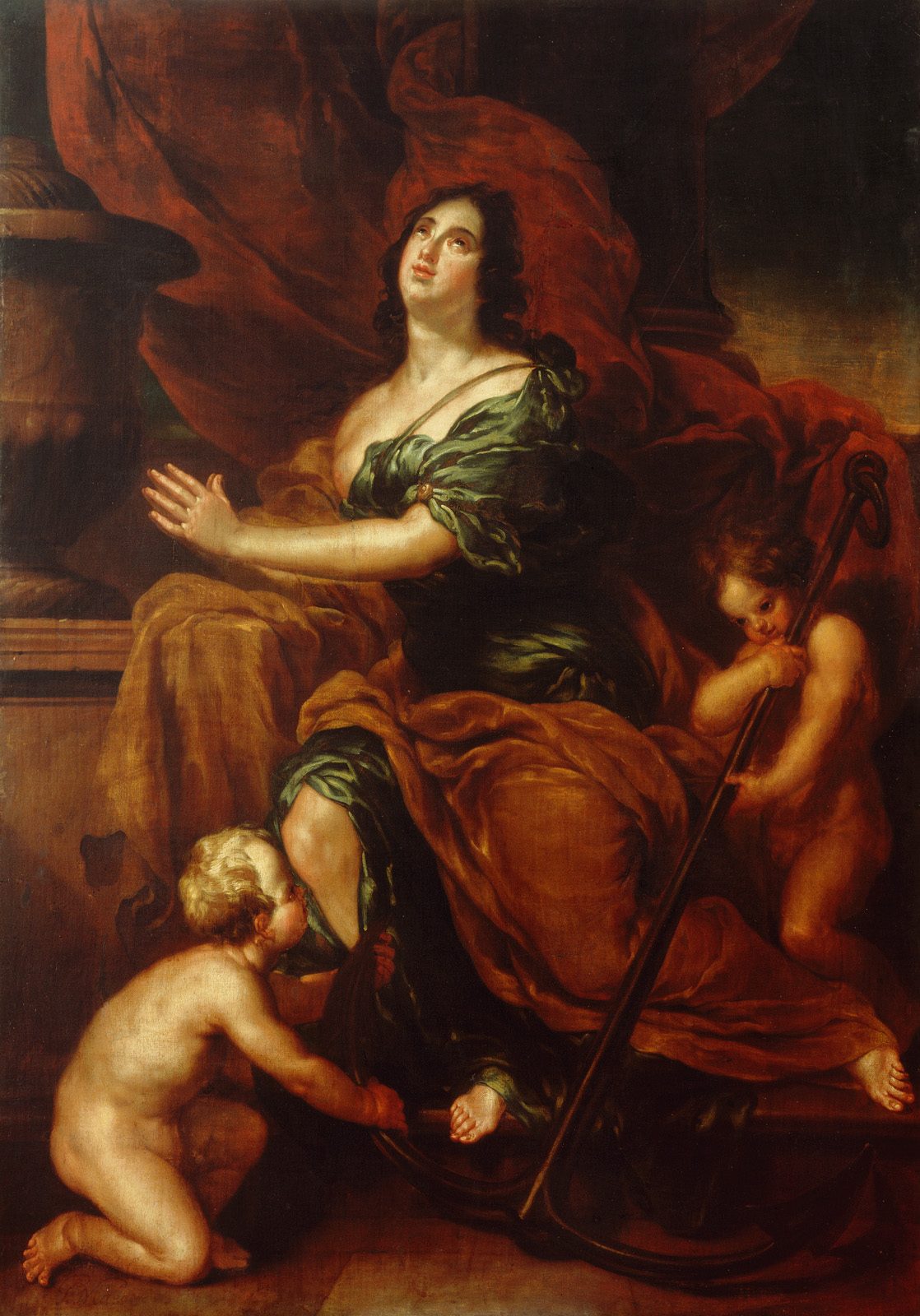
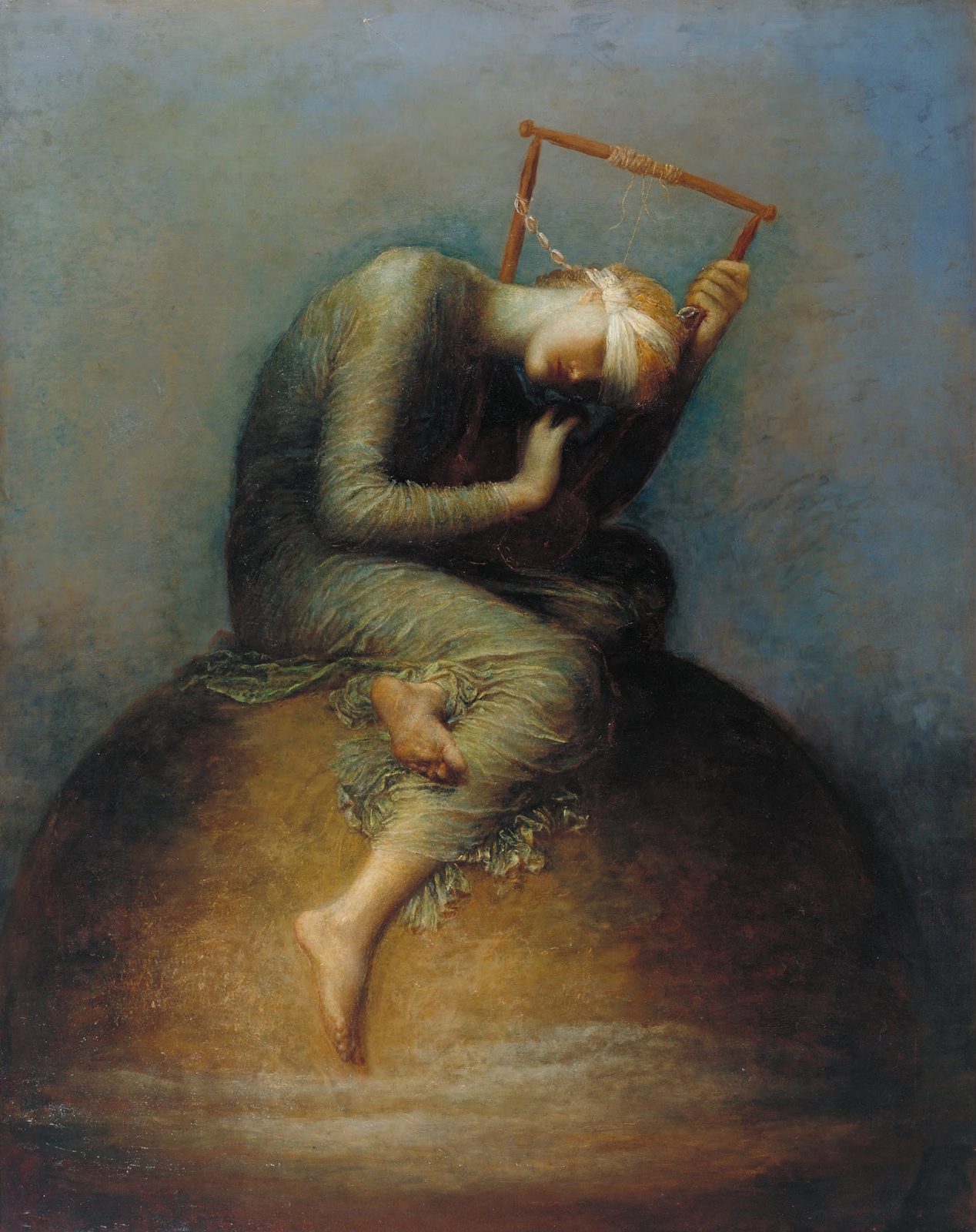
A Living Hope, Hope Against Hope, The Anchor of the Soul, Hope in the Cell, The Words Tiqvah and Elpis, Grief, Hope and Despair in the Mind
Where Readers Disagree
Each reading names its holders, the work that argues it and the objection raised against it.
What hope is
Read the study of Hope That Does Not Disappoint 7 sections, 9 verses set out
| Reading | Held by | Work | Objection |
|---|---|---|---|
| A certain expectation, as sure as its ground | Matthew Henry; Albert Barnes (Puritan; Presbyterian) | Henry, Commentary on the Whole Bible (1710), on Romans 5:2; Barnes, Notes on the New Testament, on Romans 5:5 | Romans 8:24 to 25 keeps hope on what is not yet seen, so hope waits for what it does not yet hold. |
| A good still future and hard to obtain, reached by leaning on God's help | Augustine of Hippo; Thomas Aquinas (Patristic; Thomist) | Augustine, Enchiridion, chapter 8 (Shaw, 1887); Aquinas, Summa Theologiae II-II question 17, article 1 (1920 translation) | Hebrews 6:18 to 19 calls the hope firm and secure because God has bound His promise with an oath. |
Against all hope, in hope
Read the study of Hope Against Hope 7 sections, 7 verses set out
| Reading | Held by | Work | Objection |
|---|---|---|---|
| The second hope is the hope that comes from God | John Chrysostom; Theodoret of Cyrus (Greek patristic commentary) | John Chrysostom, Homily 8 on Romans, on Romans 4:18; Theodoret of Cyrus, Interpretation of the Letter to the Romans, on Romans 4:18 | Paul uses one noun for both and marks the contrast only with the prepositions against and in, so the verse may contrast two grounds of one hope. |
| The second hope names the thing promised | Albert Barnes (Presbyterian) | Albert Barnes, Notes on the New Testament, on Romans 4:18 | The next verse speaks of Abraham's own faith, which did not weaken (Romans 4:19), so the passage describes the state of the man as much as the thing promised. |
The anchor of the soul
Read the study of The Anchor of the Soul 8 sections, 13 verses set out
| Reading | Held by | Work | Objection |
|---|---|---|---|
| A ship's anchor | Albert Barnes (American Presbyterian commentary) | Albert Barnes, Notes, Explanatory and Practical, on the Old and New Testaments, on Hebrews 6:19 | Verse 19 carries the anchor into the inner sanctuary behind the curtain, so the picture ends in the sanctuary. |
| Fixed in the heavenly sanctuary | John Wesley (Methodist) | John Wesley, Explanatory Notes upon the New Testament, on Hebrews 6:19 | Hebrews 6:19 opens with a sailor's picture, the anchor, before it turns to the curtain. |
Sources
Scripture is the Berean Standard Bible.
- STEP Bible, Translators lexicon of Extended Strongs for Hebrew and for Greek (Tyndale House, Cambridge), CC BY 4.0, with the Greek lexicon based on Abbott-Smith (1922)
- STEP Bible word index (TAHOT and TAGNT), Tyndale House, CC BY 4.0, the Hebrew and Greek words of each verse with Strong's numbers and glosses.
- Eusebius, Church History, book 5, chapter 1, translated by Arthur Cushman McGiffert, Nicene and Post-Nicene Fathers, second series, volume 1 (Buffalo: Christian Literature Publishing, 1890)
- John Bunyan, Grace Abounding to the Chief of Sinners, sections 319, 321, 327 and 337 (Religious Tract Society edition, 1905)
- John Bunyan, The Pilgrim's Progress from this world to that which is to come (1678), first part, Doubting Castle.
- Edward Mote, "My hope is built on nothing less" (1834), with John Julian's Dictionary of Hymnology entry on Mote, as reproduced by Hymnary.org.
- Augustine of Hippo, The Enchiridion on Faith, Hope and Love, chapters 8 and 114, translated by J. F. Shaw, Nicene and Post-Nicene Fathers, first series, volume 3 (Buffalo: Christian Literature Publishing, 1887)
- Thomas Aquinas, Summa Theologiae, II-II question 17, article 5; question 20, article 3; question 21, article 1, English Dominican translation, second edition (1920)
- Matthew Henry, Commentary on the Whole Bible (1710), on Romans 5:2, Hebrews 6:19, Romans 8:24, 1 Thessalonians 4:13 and 1 Peter 3:15.
- Ambrose of Milan, The Prayer of Job and David, book 4, on Psalm 42:5 (397)
- Charles H. Spurgeon, The Treasury of David, volume 7 (1885), on Psalm 130:7.
- Albert Barnes, Notes, Explanatory and Practical, on the New Testament, on Romans 5:5.
- C. R. Snyder and others, The will and the ways: development and validation of an individual-differences measure of hope, Journal of Personality and Social Psychology 60(4): 570 to 585 (1991)
- A. T. Beck, R. A. Steer, M. Kovacs and B. Garrison, Hopelessness and eventual suicide: a 10-year prospective study of patients hospitalized with suicidal ideation, American Journal of Psychiatry 142(5): 559 to 563 (1985)
- J. D. Ribeiro, X. Huang, K. R. Fox and J. C. Franklin, Depression and hopelessness as risk factors for suicide ideation, attempts and death: meta-analysis of longitudinal studies, British Journal of Psychiatry 212(5): 279 to 286 (2018)
Keep Studying
In this value7
People and groups18
Show the next 6 titles
Doctrines5
Subjects1