
Study
The featured studies
The studies in Prophecy & the Last Things, sorted by the kind of thing each one teaches.
Summary
Prophecy & the Last Things holds 35 of the site's 1112 featured studies, in 4 of the ten kinds.
- 2 studies ask what a whole book of the Bible says from end to end.
- 2 studies ask where a place stood and what happened on that ground.
- 28 studies ask what Scripture teaches on a subject, from its first text to its fullest.
- 3 studies ask why Christians read the same texts differently.
The studies by kind
Books of the Bible
One study for each book, with the studies of how the Bible came to us and how its writers wrote. This is the place to begin a book from end to end.
2 studies
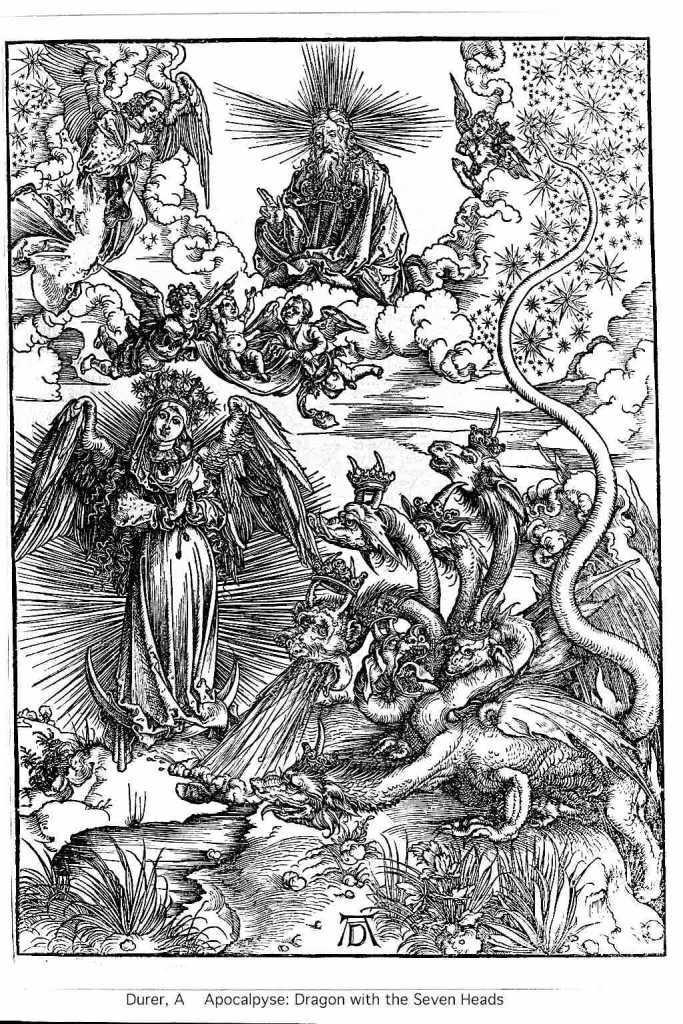
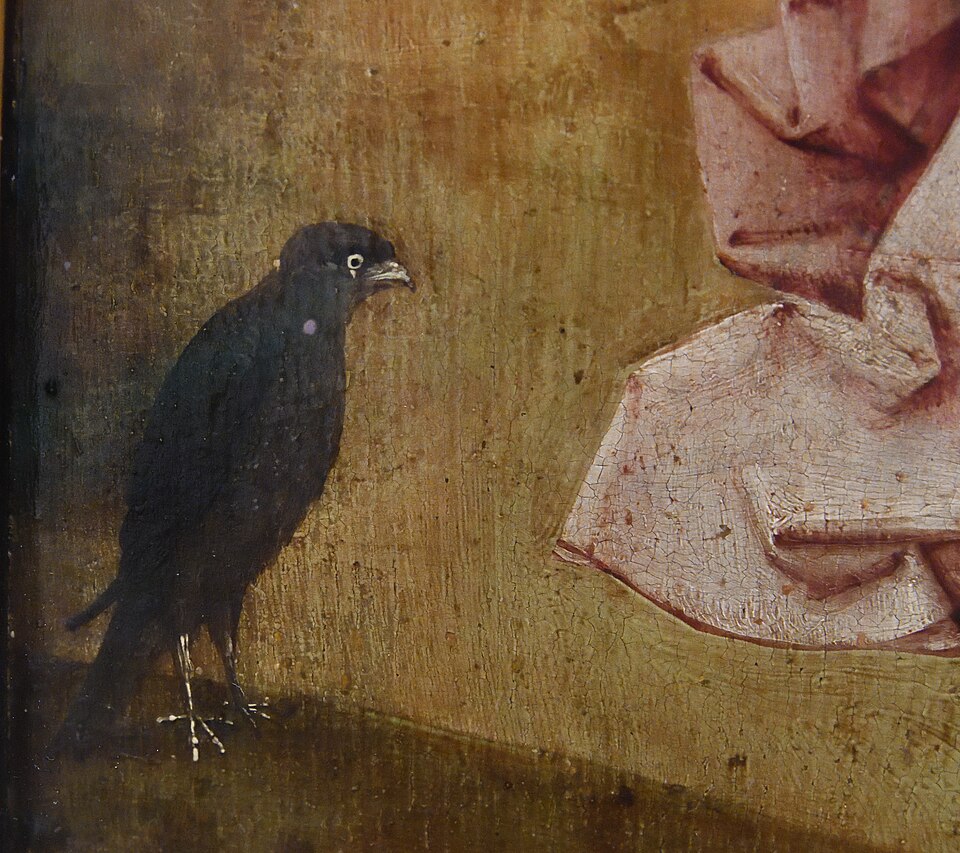
The ground a story stands on: what was built there, what was found there, and what Scripture makes of the name afterwards.
2 studies
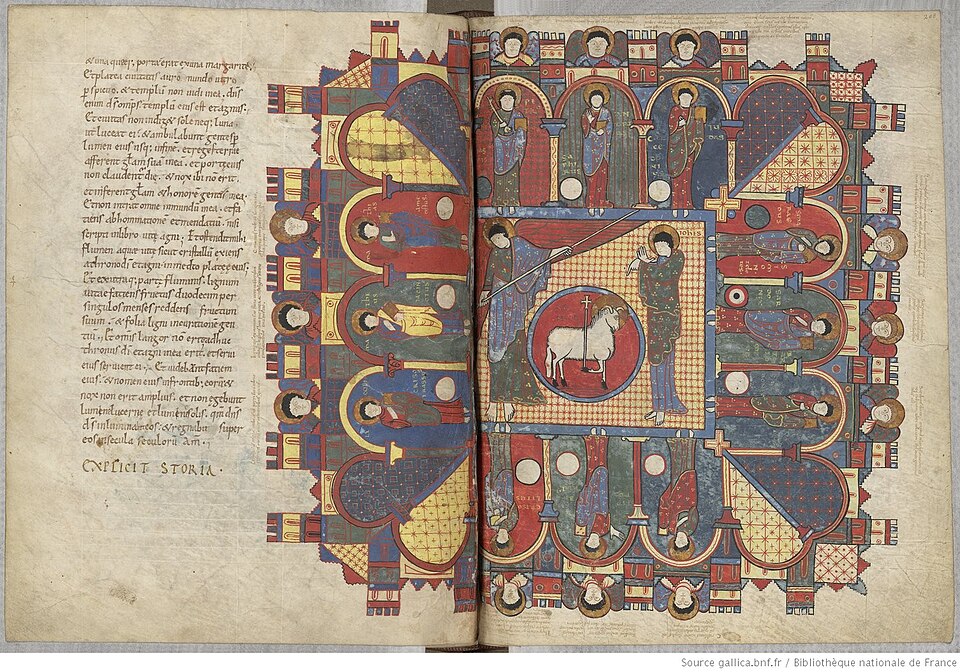 The New JerusalemScripture's last vision is a city measured with a golden reed — a cube of gold where Eden is restored and God dwells with men.
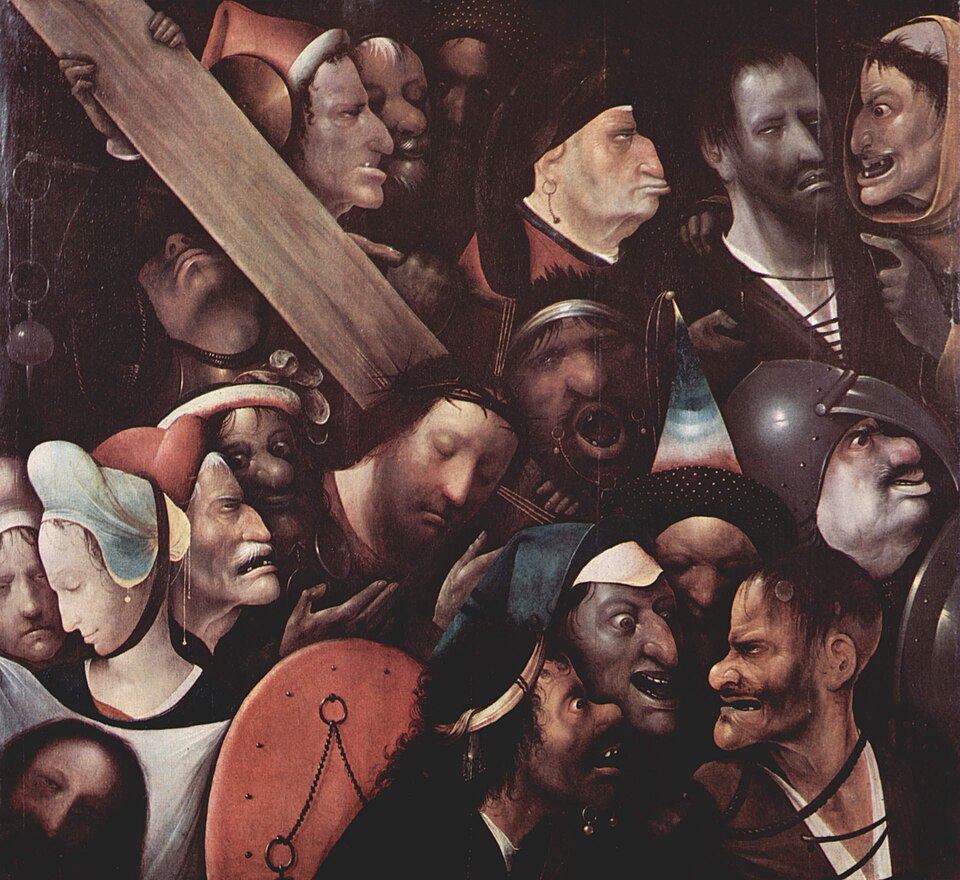 The Seven Churches of RevelationAsia Minor, late 1st century. Seven cities along a clockwise postal route — Ephesus to Laodicea — each receiving a letter from the risen Christ. Praises, rebukes, promises. A Matt-13 parallel reading discoverable for those who want it.
What Scripture teaches on a subject, from its first text to its fullest. The traditions that formed the teaching are named.
28 studies, 8 as cards, 20 in the register
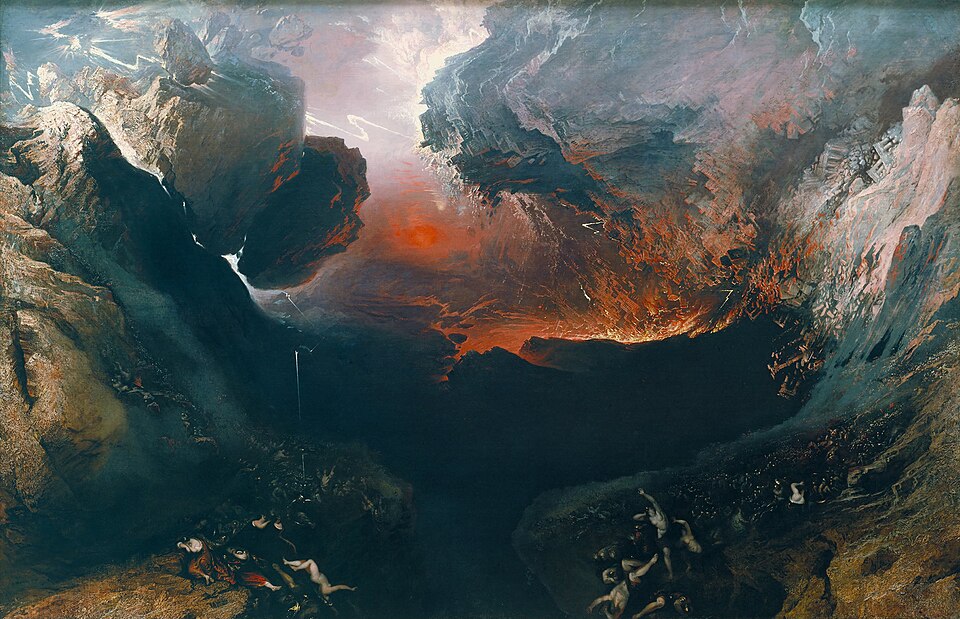 The Day of the LORD — yom YHWHYom YHWH: the spine of the Twelve, from Joel's locusts to Malachi's Elijah, into Pentecost, the thief in the night, and the elements dissolved: near and far on one telescoping line.
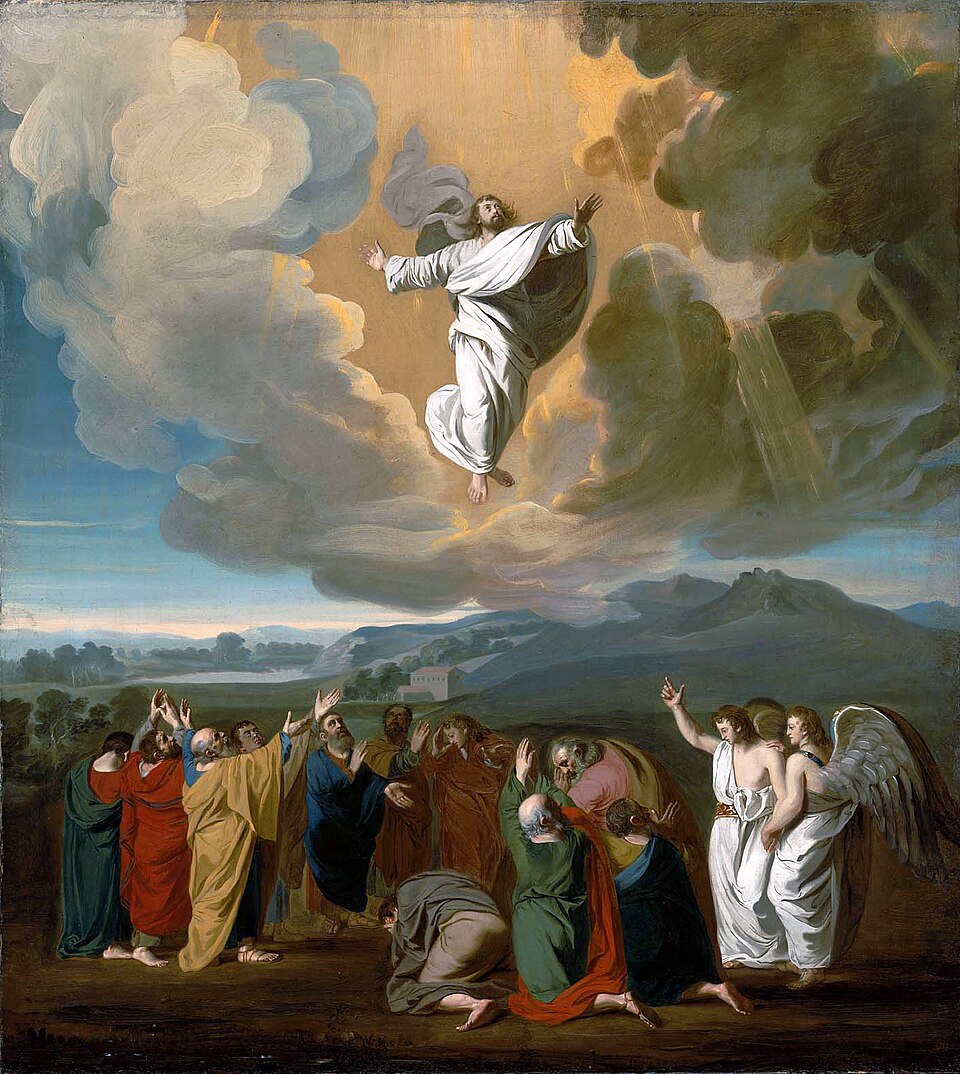 The Rapture — the Blessed Hope and the Four TimingsThe promise that Christ returns for His church, and the views on when.
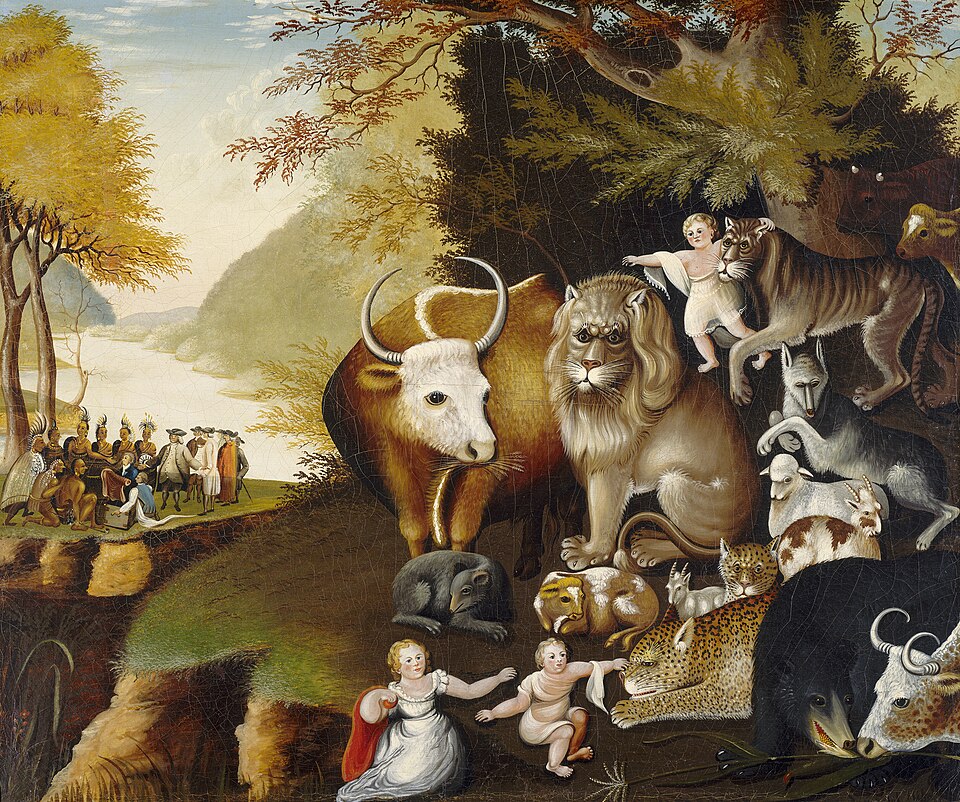 New Heavens and New Earth. Isaiah 65–66Isaiah's promise set as facing pages against Revelation's vision, with the honest panel on what ceases in each and what does not.
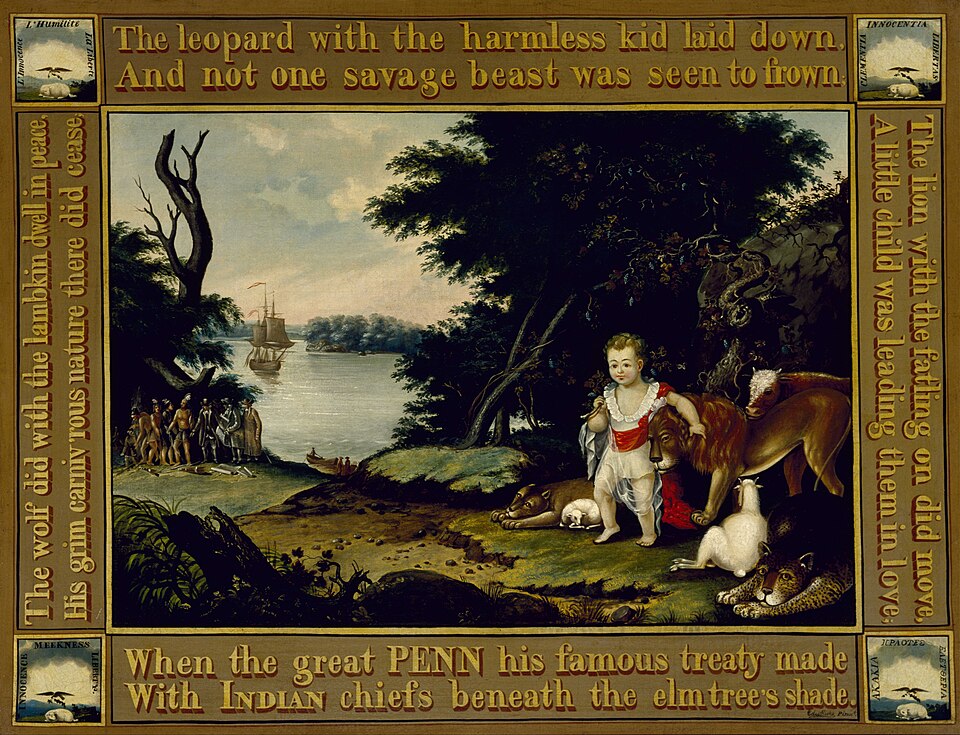 The Millennium — Revelation 20Revelation 20 laid out as data first, six mentions, two resurrections, a binding and a loosing, then three readings side by side.
 Antichrist, the Word and the FigureAntichristos appears only in John's letters: many already, one still to come, while the figure itself walks the rest of Scripture as the man of sin, the little horn, the coming prince, and the beast.
 The Statue and the Stone — Daniel 2 and 7One dream told twice: the metals of Nebuchadnezzar's image set against the beasts of Daniel's night vision, the same four kingdoms both ways.
 Afterlife VocabularySheol, Hades, Gehenna, Tartarus, the Abyss, and Paradise — six words English hid inside one, disambiguated and sourced.
 The Lake of Fire and the Second DeathRevelation drives every condemned power into one basin — and names what it empties into twice, so it cannot be missed.
The register: 20 more studies of this kind
- ArmageddonMegiddo's real military history grounds the name, and Zechariah's older prophecy shows the same gathering-against-Jerusalem pattern centuries earlier.
- Babylon the GreatFour historic identity readings for Babylon are named along with who holds each, and the fall of the commercial city is itemized cargo by cargo down to its final, hardest line.
- Gog and MagogEzekiel 38-39's northern coalition is dragged by hooks against Israel and destroyed by God alone, and this page names Gog honestly rather than asserting an identification, then follows the aftermath and Revelation 20:8's reuse of the same names.
- The 144,000This page walks Revelation's sealing scene section by section: the pause in judgment, the register's three oddities, who the 144,000 are, and their reappearance on Mount Zion, giving both classic readings their own case.
- The Abomination of DesolationThis page traces Daniel's phrase through its attested first fulfillment under Antiochus, then lays out where it lands last: A.D. 70, a still-future man of sin, or both as type and antitype.
- The Beast and the False ProphetA composite chart shows how Daniel's four empires fuse into the sea beast of Revelation 13, and the healed wound is read as the one thing the kingdom of darkness has never been able to counterfeit on its own.
- The Great TribulationThis page traces the great tribulation from Jesus's own words in Matthew 24 back to Daniel and Jeremiah, then lays out the seven-year framework and the multitude Revelation shows coming out the other side.
- The Great White ThroneThis page walks through Revelation 20:11-15 verse by verse: the fleeing universe, the books opened, death and hades emptied, and the one name that changes the verdict.
- The Judgment Seat of ChristThe page walks the bema through three passages: 2 Corinthians 5, the builder's test of 1 Corinthians 3, and Romans 14's warning against judging a brother.
- The Mark of the Beast and 666This page sticks to what Revelation 13:16-18 actually says about the mark and the number 666, explains how ancient gematria worked, and names the Nero reading and the church's historic caution against guessing: without joining the parlor game of matching it to current events.
- The Marriage Supper of the LambThis page walks Revelation 19:6-9's wedding scene after Babylon's fall: the four Alleluias, the fine linen granted to the bride, and the ancient betrothal pattern behind it.
- The Millennial KingdomSix sections work through the kingdom in order: the King's reign, the feast the nations keep, the changed but not erased curse, and the one rebellion that closes the age.
- The Restrainer — 2 Thessalonians 2:6-72 Thessalonians 2:6-7's katechon crux: a neuter force becomes a masculine person one verse later, four identifications presented at full strength, and the pastoral point that stands regardless.
- The Seals, Trumpets and BowlsThis page traces the three sevens from the scroll only the Lamb can open through the seventh bowl's 'it is done,' and lays out the telescoping and recapitulation readings side by side with their historic holders.
- The Second ComingThis page gathers the New Testament's return-of-Christ passages: the rider on the white horse, His feet on the Mount of Olives, every eye seeing Him, and the day's justice for the troubled and the troublers.
- The Third TempleThree texts, Daniel 9:27, 2 Thessalonians 2:4, and Revelation 11:1-2, are shown to each require a functioning temple, and three readings of the temple of God, literal, the church, and the historicist papacy reading, are given with their holders and no verdict.
- The Times of the GentilesLuke 21:24's Gentile dominion is traced against Daniel's statue on a clock running from Nebuchadnezzar to the stone cut without hands, with six commentators from Eusebius to Matthew Henry on what until means.
- The Two ResurrectionsThis page traces the two-resurrections pattern from Daniel 12:2 through John 5:28-29 to Revelation 20, and quotes both the premillennial and Augustinian readings of the thousand years at full strength.
- The Two WitnessesThis page walks Revelation 11:3-13 through the two witnesses' ministry, the Zechariah imagery behind their two olive trees, the centuries-old debate over who they are, and their death and rising.
- The Woman and the DragonRevelation 12 tells one story in three scenes: a woman about to give birth, a dragon waiting to devour her child, and a war that moves from heaven to earth when the dragon fails.
Questions Christians answer differently. Each study sets out the texts both sides read, the positions with their holders, and where this site's tradition lands.
3 studies, 2 as cards, 1 in the register
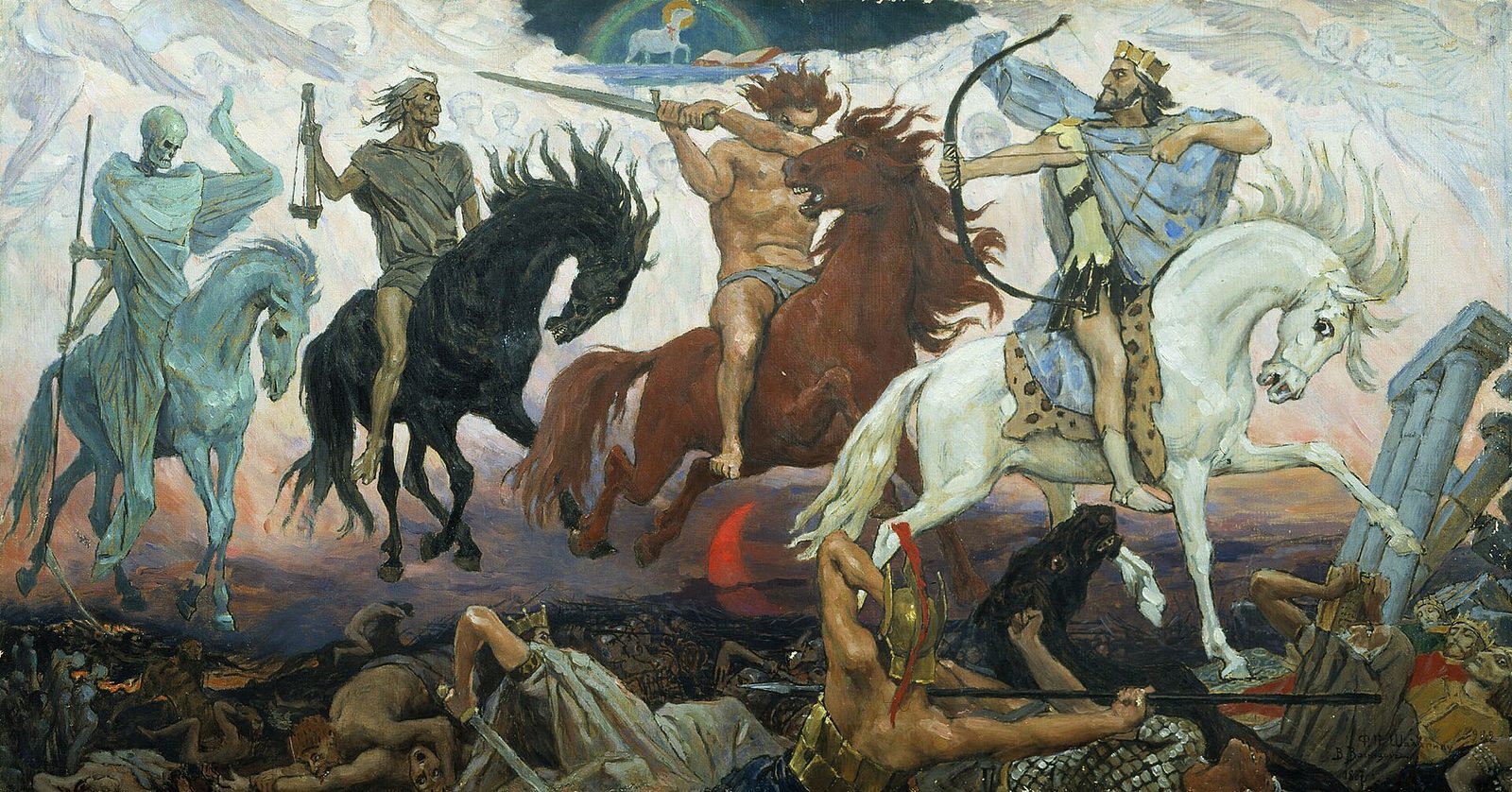 The Four Schools of RevelationFuturist, preterist, historicist, idealist: four lenses over the same book, tested against the beast, the millennium and Babylon.
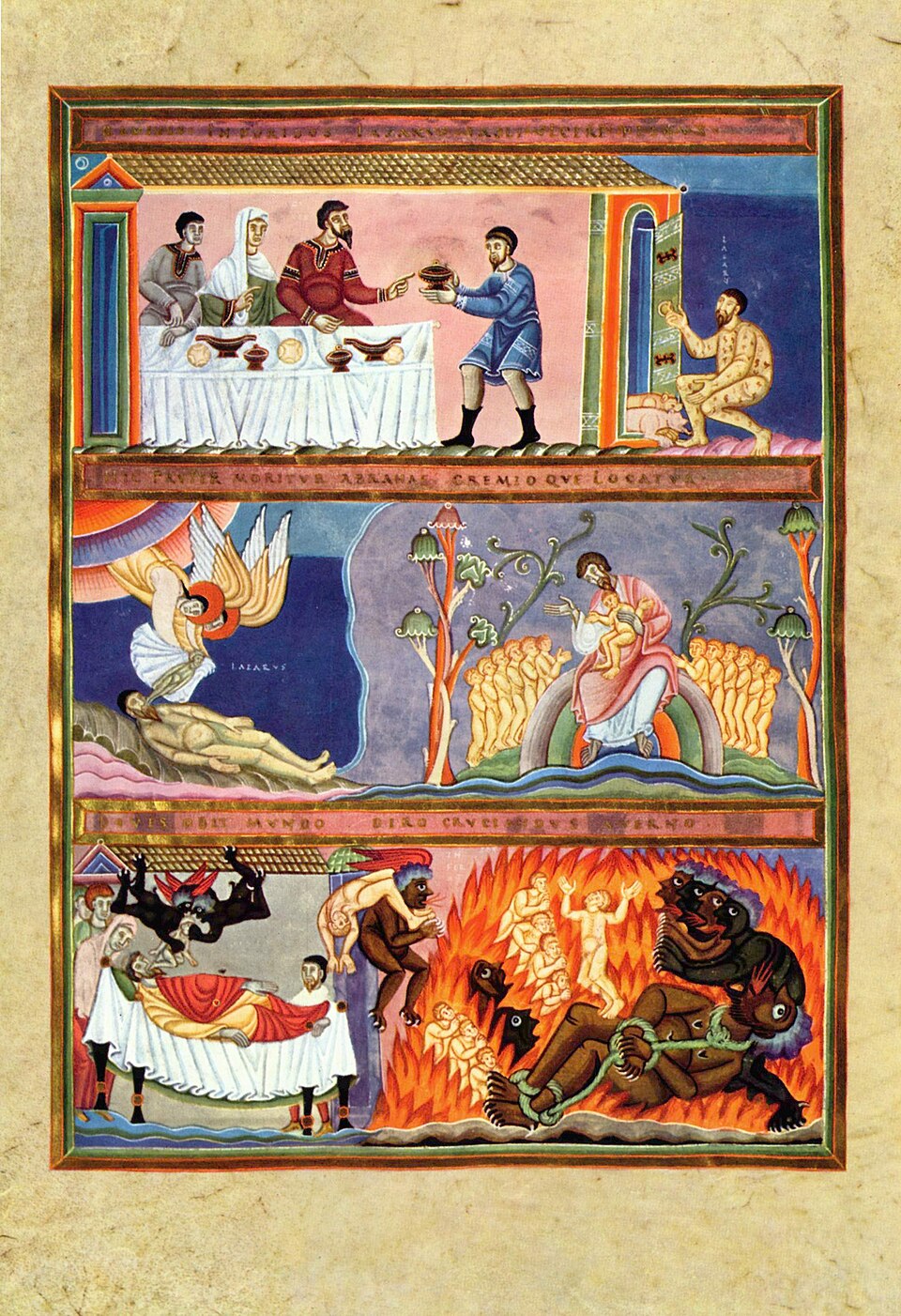 The Intermediate StateBetween death and resurrection, Scripture says the Christian dead are both with Christ and asleep — set the passages side by side and see how they resolve.
The register: 1 more studies of this kind
Keep studying
On this page
People and groups1
The text itself3
The roster is the site’s own build manifest, so no study can be missing from it. A study leads its kind when it carries a line of its own and more of the other studies link to it; a register row with no line of its own borrows the first sentence of the study’s own summary. The pictures are public domain: engravings by Gustave Doré from Doré’s English Bible(1866), and paintings held at Wikimedia Commons. Each is named in full on the study’s own page.