

1 Samuel 15 · Value 22 of 41 · Featured Study
Obedience
Obedience in Scripture is hearing the voice of God and doing what He says.
Adam listened to his wife's voice and Abraham listened to God's, and Genesis uses one Hebrew verb for both.
But Samuel declared: “Does the LORD delight in burnt offerings and sacrifices as much as in obedience to His voice? Behold, obedience is better than sacrifice, and attentiveness is better than the fat of rams.
- Anchor text
- 1 Samuel 15:22 to 23 “…sacrifices as much as in…”
- Its opposite
- Disobedience, and sacrifice offered in place of obeying
- Hold in memory
- 1 Samuel 15:22
Summary
Obedience runs through Scripture from the first command in Eden to the letters of the apostles. The prophets charged Israel again and again with refusing to listen to the LORD. Jesus obeyed His Father throughout His life and in His death, and His apostles called the nations to the obedience that faith produces.
- God gave His law to a people He had first set free from slavery.
- A partial obedience counts in God's sight as disobedience.
- Obedience to God sets the limit of every obedience owed to rulers.
What Obedience Is
Two words carry the value through Scripture, the Hebrew verb shama and the Greek noun hypakoe.
What does Scripture mean by obedience, and why does God ask it of His people? This study of obedience answers from the text. It gives the Hebrew and Greek words, the key texts and the ground of obedience in the God who redeemed Israel. It shows how Christ obeyed the Father and taught His disciples to obey, the people who obeyed, the practice and the opposite. It then gives the stories, the church's martyrs, the voices of the centuries and four questions on which readers disagree.
Shama, to hear and to obey
1159 uses in the canon
Shama (H8085) is the verb of Moses' call to Israel, where hearing and doing stand side by side: “Hear, O Israel, and be careful to observe them.”
Hypakoe, obedience
14 uses in the canon
Hypakoe (G5218) is the noun Paul uses for the obedience of Christ: “so also through the obedience of the one man the many will be made righteous.”
Shama, to hear and to obey, Hypakoe, obedience, The Words Shama and Hypakoe, the study in brief
The Key Texts of Obedience
Texts from Joshua to 1 Peter set the keeping of God's word at the centre of a faithful life.
History
So the people said to Joshua, “We will serve the LORD our God and obey His voice.”
It stands here as the vow a whole people made when Joshua renewed the covenant in the land.
Joshua 24:24BSB
Wisdom
I delight to do Your will, O my God; Your law is within my heart.”
It stands here because Hebrews 10 reads the psalm as the words of Christ, who came to do God's will.
Psalm 40:8BSB
Wisdom
When all has been heard, the conclusion of the matter is this: Fear God and keep His commandments, because this is the whole duty of man.
It stands here as wisdom's last word, the verdict the book reaches after weighing all of life.
Prophets
If you are willing and obedient, you will eat the best of the land.
It stands here as the prophets' offer of mercy to a rebellious nation on the condition of obedience.
Isaiah 1:19BSB
Gospels
But He replied, “Blessed rather are those who hear the word of God and obey it.”
It stands here because Jesus set obedience above even the honour of being His mother.
Luke 11:28BSB
Epistles
As obedient children, do not conform to the passions of your former ignorance.
It stands here because the Greek names believers children of obedience, a family marked by it.
1 Peter 1:14BSB
Psalm 40:8, Ecclesiastes 12:13, Isaiah 1:19, Luke 11:28, 1 Peter 1:14
Obedience Answers the God Who Redeemed
Exodus, Deuteronomy, the prophets and the letters ground the duty in the covenant.
The Ten Commandments open with a deliverance before they give a single command. Their first words are “I am the LORD your God, who brought you out of the land of Egypt, out of the house of slavery” (Exodus 20:2).
Hear, O Israel: The LORD our God, the LORD is One. And you shall love the LORD your God with all your heart and with all your soul and with all your strength. These words I am commanding you today are to be upon your hearts.Moses sets love for the one LORD before the words Israel is to keep, so obedience grows out of love.
The covenant texts call God's people to obey, and the prophets and apostles promise the heart and the Spirit that make obedience possible.
| Text | The Berean words |
|---|---|
| The covenant at Sinai and its renewals | |
| Exodus 19:5 | “Now if you will indeed obey My voice and keep My covenant, you will be My treasured possession out of all the nations” |
| Exodus 24:7 | “All that the LORD has spoken we will do, and we will be obedient.” |
| Deuteronomy 28:1 | “Now if you faithfully obey the voice of the LORD your God and are careful to follow all His commandments I am giving you today” |
| Jeremiah 7:23 | “Obey Me, and I will be your God, and you will be My people.” |
| The new covenant | |
| Jeremiah 31:33 | “I will put My law in their minds and inscribe it on their hearts.” |
| Ezekiel 36:27 | “And I will put My Spirit within you and cause you to walk in My statutes and to carefully observe My ordinances.” |
| Romans 6:16 | “whether you are slaves to sin leading to death, or to obedience leading to righteousness” |
| 1 Peter 1:22 | “Since you have purified your souls by obedience to the truth so that you have a genuine love for your brothers” |
Jeremiah 31:33, Ezekiel 36:27, Romans 6:16, 1 Peter 1:22
The Ten Commandments, the study in brief, Deuteronomy 6:4 to 6, The Shema, the study in brief, Eight texts from Exodus 19:5 to 1 Peter 1:22, each in its Berean words.
Christ and Obedience
Texts from the Gospels and the letters follow the Son's obedience from His coming to His death.
He came to do the will of the FatherJohn 6
At the well in Samaria Jesus told His disciples, “My food is to do the will of Him who sent Me and to finish His work” (John 4:34).
For I have come down from heaven, not to do My own will, but to do the will of Him who sent Me.
John 6:38BSB The verse stands here as Jesus' own account of why He came.
Read the page on Jesus 33 sections, 35 verses set out
He taught that love keeps His commandmentsJohn 14 and 15
If you keep My commandments, you will remain in My love, just as I have kept My Father’s commandments and remain in His love.
John 15:10BSB Jesus names His own keeping of the Father's commandments as the pattern His disciples follow.
Read the study of If You Love Me 9 sections, 6 verses set out
He prayed for the Father's will in the gardenMatthew 26
Going a little farther, He fell facedown and prayed, “My Father, if it is possible, let this cup pass from Me. Yet not as I will, but as You will.”
Matthew 26:39BSB The prayer stands here as the point where the Son's will met the cup and yielded to the Father's.
He became obedient to death on a crossPhilippians 2
Paul sets Christ's obedience at the low point of His humbling, after He took the nature of a servant and was found in appearance as a man.
And being found in appearance as a man, He humbled Himself and became obedient to death—even death on a cross.
Philippians 2:8BSB Paul measures the obedience of Christ by how far it went, to the death of the cross.
He learned obedience from what He sufferedHebrews 5
Hebrews says that during the days of His earthly life Jesus “offered up prayers and petitions with loud cries and tears to the One who could save Him from death” (Hebrews 5:7). Having been made perfect, “He became the source of eternal salvation to all who obey Him” (Hebrews 5:9).
Although He was a Son, He learned obedience from what He suffered.
Hebrews 5:8BSB Hebrews joins the Son's rank to a learning that came through suffering.
He taught that love keeps His commandments (John 14 and 15), He prayed for the Father's will in the garden (Matthew 26), He became obedient to death on a cross (Philippians 2), He learned obedience from what He suffered (Hebrews 5)
Matthew 26:39, Philippians 2:8, Hebrews 5:8
Who Obeyed
Noah, Samuel, Mary and the apostles obeyed God in building the ark, at a night call, at an angel's message and before a council of rulers.
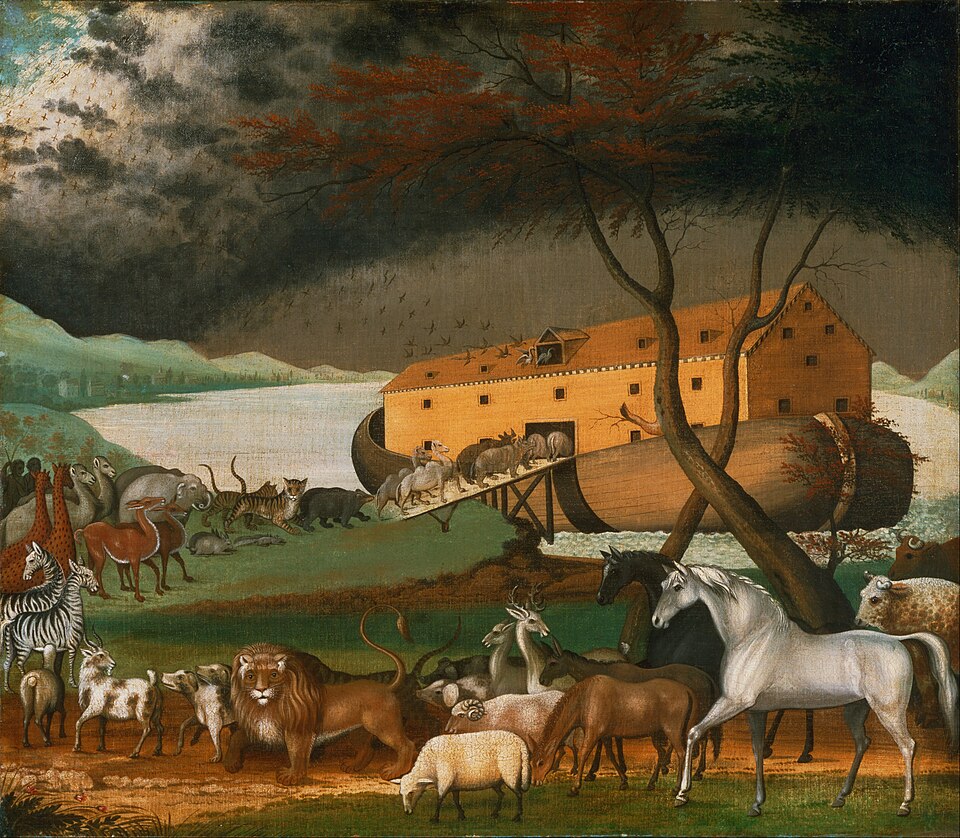
He built the ark as God told him: “So Noah did everything precisely as God had commanded him.”
Genesis 6:22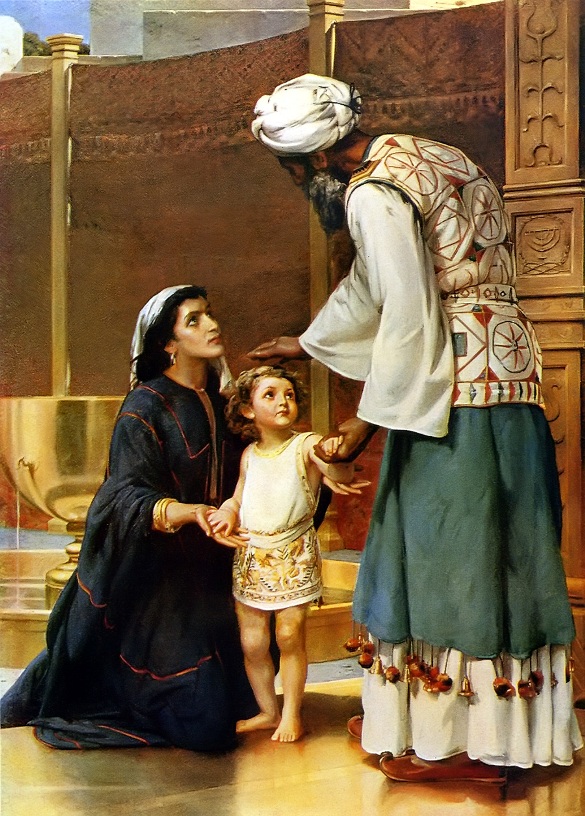
As a boy he answered God's call in the night, “Speak, for Your servant is listening.”
1 Samuel 3:10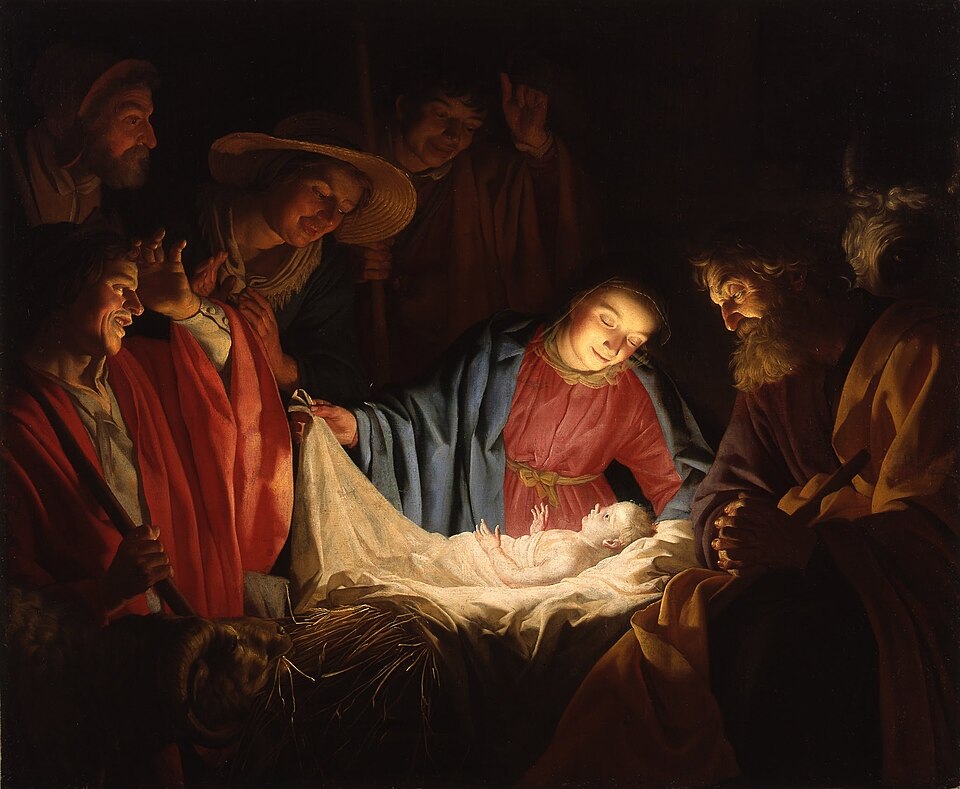
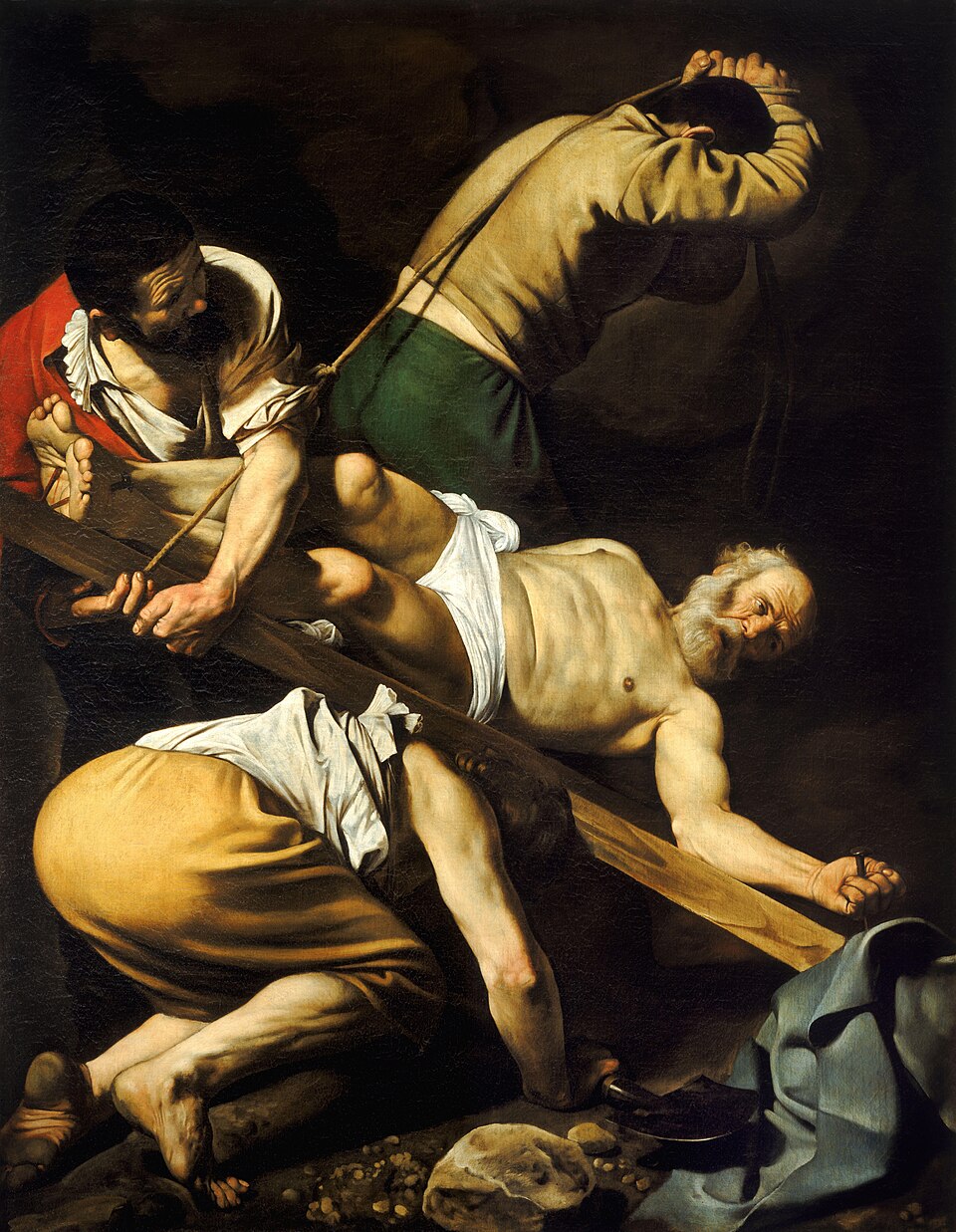
Ordered by the council to stop teaching in Jesus' name, they replied, “We must obey God rather than men.”
Acts 5:29
Mary, Peter and the apostles
The Practice of Obedience
Scripture names seven practices of obedience, each in the words of the verse that gives it.
- 1Do what you hear“Be doers of the word, and not hearers only. Otherwise, you are deceiving yourselves.”James 1:22
- 2Build on His words“Therefore everyone who hears these words of Mine and acts on them is like a wise man who built his house on the rock.”Matthew 7:24
- 3Teach them at home“And you shall teach them diligently to your children and speak of them when you sit at home and when you walk along the road”Deuteronomy 6:7
- 4Bring every thought to Christ“we take captive every thought to make it obedient to Christ.”2 Corinthians 10:5
- 5Obey parents in the Lord“Children, obey your parents in the Lord, for this is right.”Ephesians 6:1
- 6Follow faithful leaders“Obey your leaders and submit to them, for they watch over your souls as those who must give an account.”Hebrews 13:17
- 7Count His commands no burden“For this is the love of God, that we keep His commandments. And His commandments are not burdensome,”1 John 5:3
Build on His words, Teach them at home, Bring every thought to Christ, Obey parents in the Lord, Follow faithful leaders, Count His commands no burden
What Stands Against Obedience
Scripture names a refusal to listen, pretended obedience and a confession of Christ that leaves His words undone.
A psalm warns that “Those who hate the LORD would feign obedience” (Psalm 81:15). The prayer of Nehemiah 9 confesses that “they and our fathers became arrogant and stiff-necked and did not obey Your commandments” (Nehemiah 9:16).
Yet they did not listen or incline their ear, but they followed the stubborn inclinations of their own evil hearts. They went backward and not forward.It stands here because the prophet traces Israel's disobedience to a refusal to listen.
Why do you call Me ‘Lord, Lord,’ but not do what I say?Jesus' question stands here because it exposes a confession of Christ that does no obeying.
Jeremiah 7:24, Luke 6:46
Obedience in the Stories of the Bible
Four stories tell of a father on a mountain, a king who kept the spoil, a prophet who ran and a family that refused wine.
Abraham on Mount MoriahGenesis 22
Years after he “obeyed and went, without knowing where he was going” (Hebrews 11:8), God told Abraham, “Take your son, your only son Isaac, whom you love, and go to the land of Moriah” (Genesis 22:2). He bound Isaac on the altar, and the angel of the LORD stopped his hand.
“Do not lay a hand on the boy or do anything to him,” said the angel, “for now I know that you fear God, since you have not withheld your only son from me.”
Genesis 22:12BSB The angel's words show what Abraham's obedience proved about him.
Read the story of the binding of Isaac 11 sections, 11 verses set out
Saul spares the best of Amalek1 Samuel 15
God sent King Saul to devote Amalek to destruction. Saul and his troops “spared Agag, along with the best of the sheep and cattle” (1 Samuel 15:9), and Saul told Samuel they were kept to sacrifice to the LORD. Samuel answered that the LORD had rejected him as king.
Then Saul said to Samuel, “I have sinned; I have transgressed the LORD’s commandment and your instructions, because I feared the people and obeyed their voice.
1 Samuel 15:24BSB Saul's own confession names the voice he chose over God's.
Read the study of Obedience Is Better Than Sacrifice 8 sections, 8 verses set out
Jonah runs from the LORDJonah 1 to 4
God told Jonah to go and preach against Nineveh, and Jonah “got up to flee to Tarshish, away from the presence of the LORD” (Jonah 1:3). A storm and a great fish brought him back.
This time Jonah got up and went to Nineveh, in accordance with the word of the LORD. Now Nineveh was an exceedingly great city, requiring a three-day journey.
Jonah 3:3BSB This verse shows the obedience Jonah refused at the first call.
Read the story of Jonah 7 sections, 5 verses set out
The Rechabites refuse the wineJeremiah 35
Jonadab son of Rechab had charged his descendants to drink no wine, build no houses and live in tents (Jeremiah 35:6 to 7). When Jeremiah offered them wine in the temple, they kept the charge.
The words of Jonadab son of Rechab have been carried out. He commanded his sons not to drink wine, and they have not drunk it to this very day because they have obeyed the command of their forefather. But I have spoken to you again and again, and you have not obeyed Me!
Jeremiah 35:14BSB Here the LORD sets a family's loyalty to a forefather against Judah's deafness to His own word.
Read the story of the Rechabites 7 sections, 3 verses set out
Saul spares the best of Amalek (1 Samuel 15), Jonah runs from the LORD (Jonah 1 to 4), The Rechabites refuse the wine (Jeremiah 35)
Jonah 3:3, Jeremiah 35:14
Obedience in the Church's History
Three accounts tell of a bishop who would not swear by Caesar, a teacher who would not obey the gods and a young mother who would not deny Christ for her father.
Polycarp of Smyrnathe second century
The church of Smyrna's letter on the Martyrdom of Polycarp (chapters 9 and 10, translated by Roberts and Donaldson, 1885) tells how the proconsul pressed the old bishop to swear by the fortune of Caesar and to reproach Christ. He answered, “Eighty and six years have I served Him, and He never did me any injury: how then can I blaspheme my King and my Saviour?” He also told the proconsul that Christians honour “the powers and authorities which are ordained of God”.
Justin and his companionsthe second century
The Martyrdom of Justin (chapters 1 and 4, translated by Marcus Dods, 1885) tells how Rusticus, the prefect of Rome, ordered Justin, “Obey the gods at once, and submit to the kings.” Justin answered, “To obey the commandments of our Saviour Jesus Christ is worthy neither of blame nor of condemnation.” Threatened with death, his companions said, “Do what you will, for we are Christians, and do not sacrifice to idols.”
Perpetua of Carthagethe third century
In the Passion of Perpetua and Felicitas (chapter 1, translated by R. E. Wallis, 1885), Perpetua tells in her own words how her father pressed her to deny the faith. She pointed to a pitcher and asked whether it could be called by any other name. Then she said, “Neither can I call myself anything else than what I am, a Christian.” She was kept in prison with her infant son.
Justin and his companions (the second century), Perpetua of Carthage (the third century)
Voices on Obedience, by Century
Five quotations from the third century to the sixteenth, each under the line it teaches.
died 253 · Origen of Alexandria
ON FIRST PRINCIPLES 3.5.6
A third-century reading: Christ's obedience to death teaches that salvation comes through obedience.
The quotation1 quotation
“He ‘was made obedient even to death.’ His obedience teaches us that we too cannot obtain salvation except through obedience. By this means he has reconstituted the laws of ruling and being ruled, so much so that he ‘has put all his enemies under his feet.’”
Origen of Alexandria · On First Principles 3.5.6 · on Philippians 2:8Patristic
died 379 · Basil of Caesarea
Catena Aurea by Aquinas
A fourth-century reading: some obey from fear, some for reward, and children obey for love.
The quotation1 quotation
“There are three different distinct kinds of obedience. For either from fear of punishment we avoid evil and are servilely disposed; or looking to the gain of a reward we perform what is commanded, like to mercenaries; or we obey the law for the sake of good itself and our love to Him who gave it, and so savour of the mind of children.”
Basil of Caesarea · Catena Aurea by Aquinas · on Luke 15:19Patristic
died 397 · Ambrose of Milan
On the Decease of His Brother Satyrus, Book 2, Section 97
A fourth-century reading: Abraham felt a father's love and still did not shrink from submission.
The quotation1 quotation
“The father's hand stretched out the knife over his son, and the father's heart struck the blow that the sentence might not fail of being carried out; he feared lest the stroke should miss, lest his right hand should fail. He felt the movings of fatherly affection, but did not shrink from the work of submission, and hastened his obedience, even when he heard the voice from heaven.”
Ambrose of Milan · On the Decease of His Brother Satyrus, Book 2, Section 97 · on Genesis 22:10Patristic
died 435 · John Cassian
CONFERENCE 2.3.1
A fifth-century reading: Saul thought his sacrifices would please God more than obeying.
The quotation1 quotation
“Finally, because he never had this eye of discretion, he who by God's judgment first deserved to rule over the people of Israel was cast out of his kingdom like something dark out of a healthy body. Having been deceived by the darkness and error of this light, he decided that his own sacrifices were more acceptable to God than obedience to Samuel's command, and in the very act by which he had hoped that he would propitiate the divine majesty he committed sin instead.”
John Cassian · CONFERENCE 2.3.1 · on 1 Samuel 15:19 to 21Patristic
1509 to 1564 · John Calvin
Commentaries
A sixteenth-century reading: grace draws a willing homage, unlike the obedience forced from an unbeliever.
The quotation1 quotation
“There is an implied contrast drawn between the voluntary homage which they yield, as attracted by the sweet influences of grace, and that slavish obedience which is wrung reluctantly from the unbeliever. The Hebrew word here used for to lie, signifies to yield such a submission as is constrained, and not free or cordial, as Psalm 18:45.”
John Calvin · Commentaries · on Psalm 66:3Reformed
Ambrose of Milan, John Cassian, John Calvin
How Obedience Has Been Taught
Thomas Aquinas taught in the thirteenth century why obedience outranks sacrifice and where obedience to men must stop.
Aquinas taught that obedience is preferred to sacrifice because it gives up the will.1 paragraph
In the Summa Theologiae (second part of the second part, question 104, article 3, English Dominican translation, 1920), Aquinas cited Gregory the Great. Gregory held that “obedience is rightly preferred to sacrifices, because by sacrifices another's body is slain whereas by obedience we slay our own will”. In the same article he held that “obedience deserves praise because it proceeds from charity”.
Aquinas taught that God is to be obeyed in all things and men within limits.1 paragraph
In articles 4 and 5 of the same question, Aquinas held that all wills “are bound to obey the divine command”, and that “superiors are not to be obeyed in all things”, citing Acts 5:29. In article 6 he answered that “faith in Christ does not excuse the faithful from the obligation of obeying secular princes.”
The Studies of Obedience
Each study takes one part of obedience into more depth.
The texts
2 studies
- Passages and psalms · 6 verses set outIf You Love Me, You Will Keep My Commandments
Jesus spoke John 14:15 to 24 to the eleven at supper on the night He was betrayed.
- Passages and psalms · 8 verses set outObedience Is Better Than Sacrifice
Samuel told King Saul that the LORD had rejected him as king because he kept back what God had told him to destroy.
- Passages and psalms · 6 verses set outIf You Love Me, You Will Keep My Commandments
The stories
2 studies
- Stories · 5 verses set outJonah, the Man Who Ran
The book of Jonah follows one prophet from his flight at sea to his anger at the sparing of Nineveh.
- Stories · 3 verses set outThe Rechabites
Jeremiah set wine before the Rechabites in the temple, and they refused it because their forefather Jonadab had commanded them never to drink it.
- Stories · 5 verses set outJonah, the Man Who Ran
The words
1 study
- Symbols and words · 9 verses set outThe Words Shama and Hypakoe
The Hebrew shama means to hear and to obey, and the Greek hypakoe is built on the verb to hear.
- Symbols and words · 9 verses set outThe Words Shama and Hypakoe
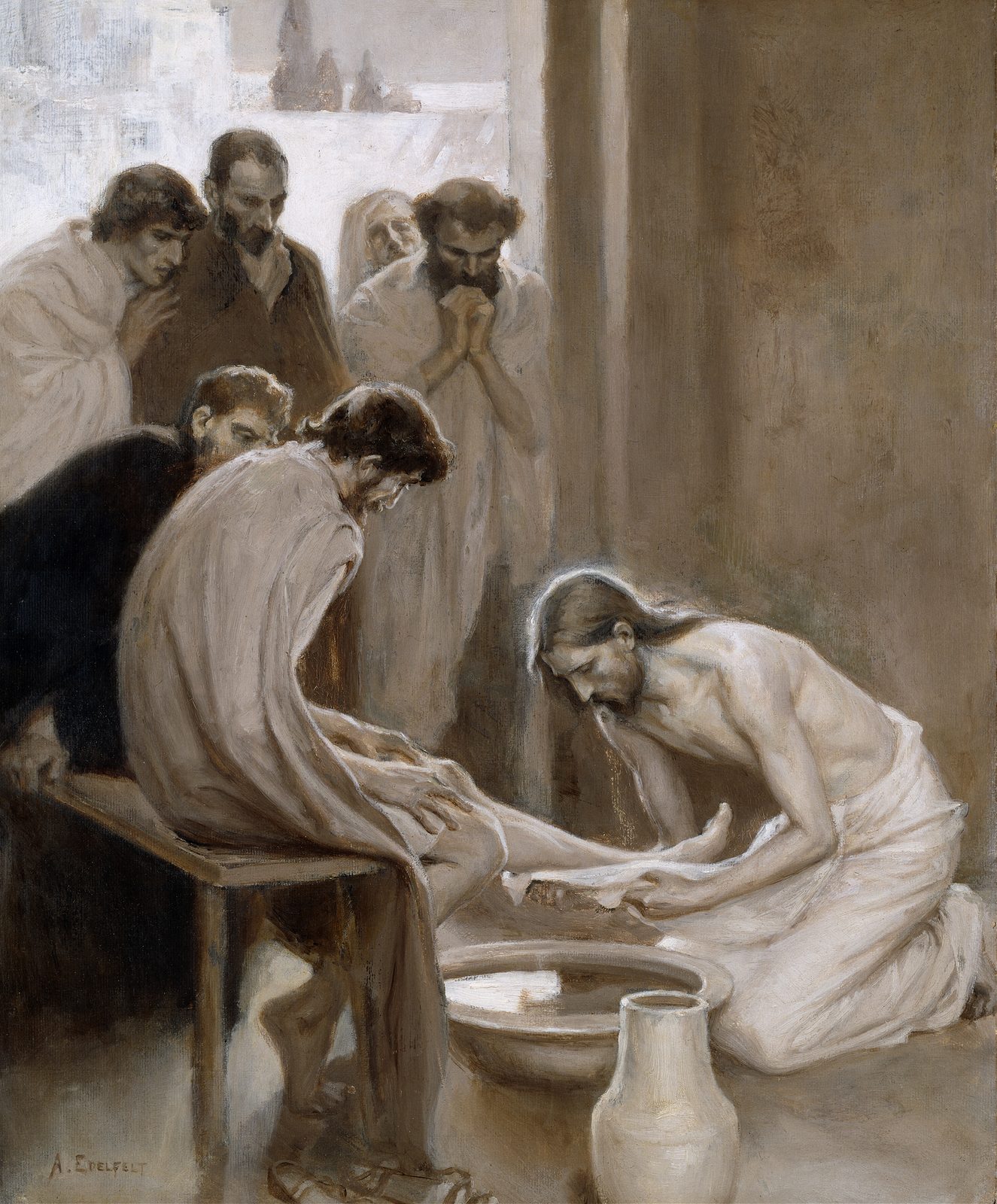
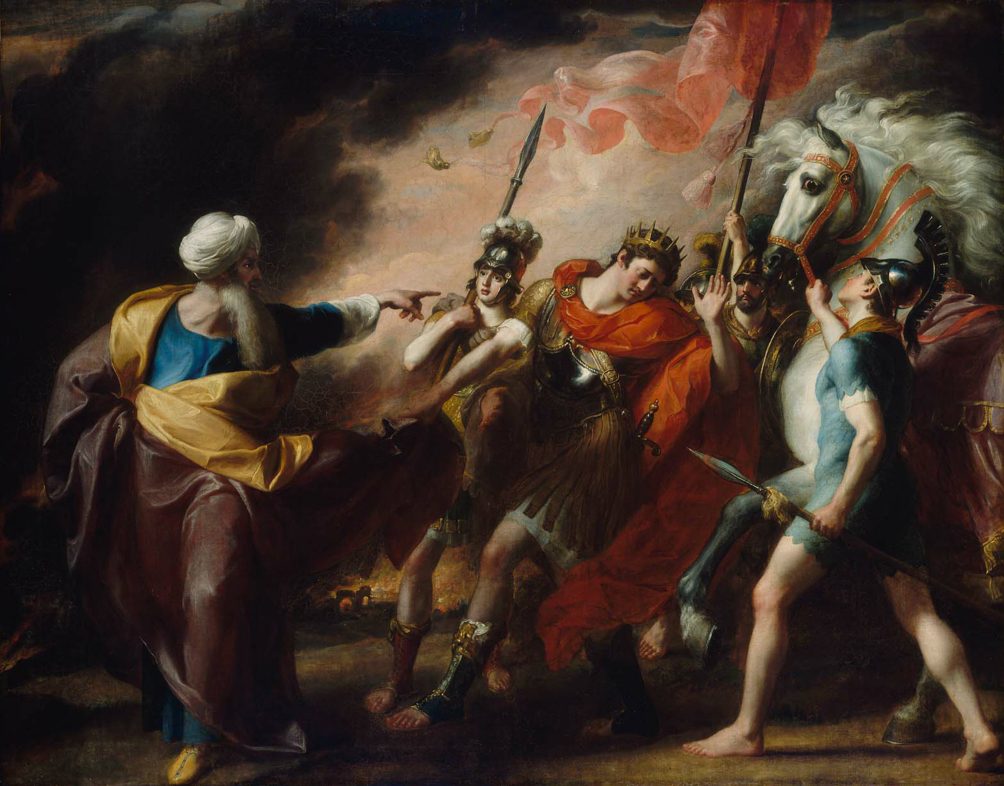
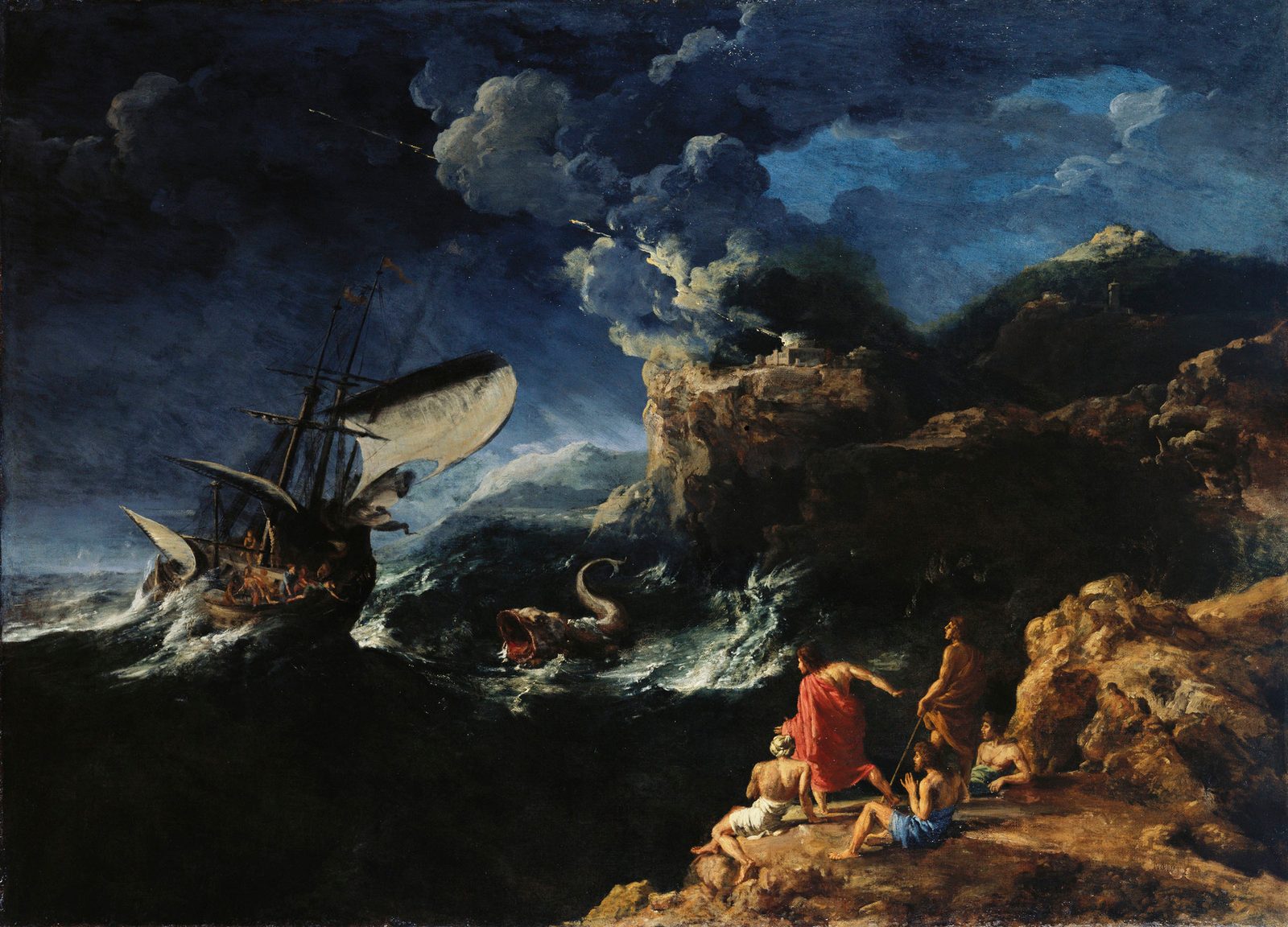
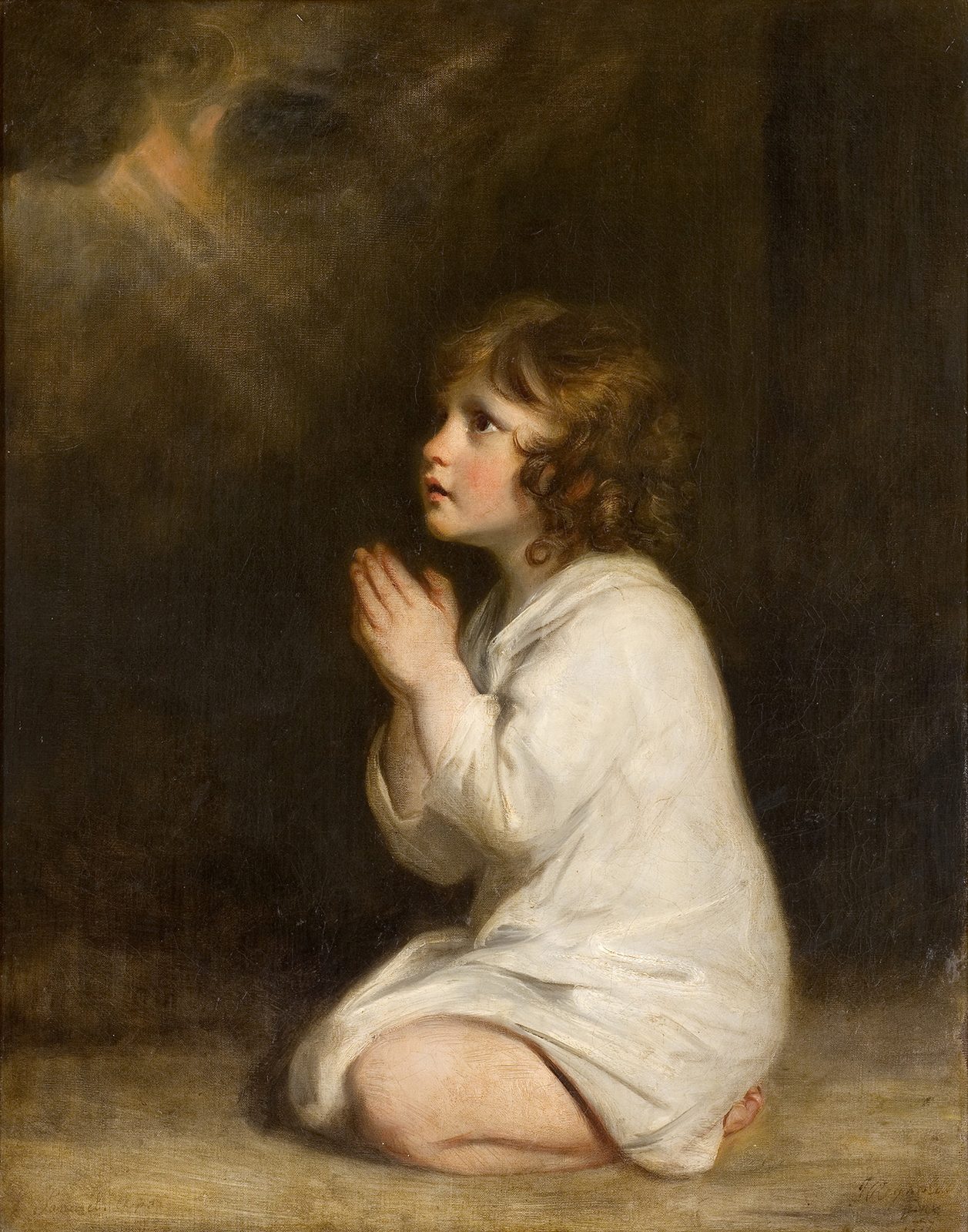
Obedience Is Better Than Sacrifice, Jonah, the Man Who Ran, The Rechabites, The Words Shama and Hypakoe
Where Readers Disagree
Eight readings answer four questions, each with its holders, the work that argues it and the objection raised against it.
What the obedience of faith is
| Reading | Held by | Work | Objection |
|---|---|---|---|
| The obedience that consists in believing God's message | Jamieson, Fausset and Brown (Scottish Presbyterian commentary) | Jamieson, Fausset and Brown, Commentary Critical and Explanatory (1871), on Romans 1:5 | Paul's call goes out to the nations as a whole way of life, which reaches past one act of believing. |
| Obedience to the faith, the Christian profession | Matthew Henry (English Presbyterian) | Henry, Commentary on the Whole Bible (1710), on Romans 1:5 | The Berean text reads the obedience that comes from faith, which makes faith the source of the obedience. |
Whether obedience adds to justification
Read the debate on Faith and Works 10 sections, 16 verses set out
| Reading | Held by | Work | Objection |
|---|---|---|---|
| Works show the truth of a faith that alone justifies | John Gill (Particular Baptist) | Gill, Exposition of the New Testament (1746 to 1748), on James 2:21 | James writes that a man is justified by his deeds and not by faith alone (James 2:24). |
| The justified increase in justice by keeping the commandments | The Council of Trent (Roman Catholic) | The Council of Trent, sixth session (1547), chapter 10, translated by J. Waterworth (1848) | Paul writes that if Abraham was justified by works, he had something to boast about (Romans 4:2). |
How the Son learned obedience
Read the study of the Humanity of Christ
| Reading | Held by | Work | Objection |
|---|---|---|---|
| He already obeyed, and the verse speaks of His life in the flesh | John Chrysostom (Patristic) | Chrysostom, Homilies on Hebrews, homily 8 | Hebrews says that He learned obedience, which names something new to Him. |
| Obedience belongs to the form of a servant He took for our sake | Gregory of Nazianzus (Patristic) | Gregory of Nazianzus, Theological Oration 4 (Oration 30), section 6 | The verse names the Son Himself as the one who learned, although He was a Son (Hebrews 5:8). |
Whether Christ's obedience in His life is reckoned to believers
| Reading | Held by | Work | Objection |
|---|---|---|---|
| It is, with His satisfaction on the cross | The Westminster Assembly (Reformed) | The Westminster Confession of Faith, chapter 11, section 1 (the text ratified in 1690) | Piscator answered that if Christ's active obedience were imputed, man would be free from obedience as well as from the curse. |
| Only His suffering and death are reckoned | Johannes Piscator (Reformed) | The New Schaff-Herzog Encyclopedia of Religious Knowledge, volume 9, article Piscator, Johannes | The Westminster divines read the righteousness reckoned to believers as Christ's whole obedience, His life and His death together. |
Sources
Scripture is the Berean Standard Bible.
- STEP Bible, Translators Brief lexicon of Extended Strongs for Hebrew and for Greek (Tyndale House, Cambridge), CC BY 4.0, with the Strong's definitions (1890) the rows carry.
- The Martyrdom of Polycarp, chapters 9 and 10, translated by Alexander Roberts and James Donaldson, Ante-Nicene Fathers, volume 1 (Buffalo: Christian Literature Publishing, 1885)
- The Passion of the Holy Martyrs Perpetua and Felicitas, chapter 1, translated by R. E. Wallis, Ante-Nicene Fathers, volume 3 (Buffalo: Christian Literature Publishing, 1885)
- Thomas Aquinas, Summa Theologiae, II-II question 104, articles 3 to 6, English Dominican translation, second edition (1920)
- The Council of Trent, sixth session (13 January 1547), chapter 10, translated by J. Waterworth (London: Dolman, 1848)
- The Westminster Confession of Faith, chapter 11, section 1, in the text ratified by the Scottish Parliament, Confession of Faith Ratification Act 1690.
- The New Schaff-Herzog Encyclopedia of Religious Knowledge, volume 9, article Piscator, Johannes.
- Robert Jamieson, A. R. Fausset and David Brown, Commentary Critical and Explanatory on the Whole Bible (1871), on Romans 1:5.
- Matthew Henry, Commentary on the Whole Bible (1710), on Romans 1:5.
- The Martyrdom of Justin, chapters 1 and 4, translated by Marcus Dods, Ante-Nicene Fathers, volume 1, 1885.
- John Gill, Exposition of the New Testament (1746 to 1748), on James 2:21.
- John Chrysostom, Homilies on Hebrews, homily 8, on Hebrews 5:8 (Nicene and Post-Nicene Fathers, first series, volume 14)
- Gregory of Nazianzus, Theological Oration 4 (Oration 30), section 6, on Hebrews 5:7 to 8.
- Origen of Alexandria, On First Principles 3.5.6, on Philippians 2:8.
- Basil of Caesarea on Luke 15:19, in Thomas Aquinas, Catena Aurea, English translation (Oxford, 1841)
- Ambrose of Milan, On the Decease of His Brother Satyrus, book 2, section 97, on Genesis 22:10.
- John Cassian, Conferences, conference 2, chapter 3, on 1 Samuel 15:19 to 21.
- John Calvin, Commentary on the Psalms, on Psalm 66:3.
Keep Studying
Studies8
In this value5
People and groups25