The events themselves: what happened, where the retelling has drifted from the text, and what the scene was really like.
2 studies
Study
The studies in Christ Hidden in the Old Testament, sorted by the kind of thing each one teaches.
Summary
Christ Hidden in the Old Testament holds 24 of the site's 1112 featured studies, in 5 of the ten kinds.
These studies take a chapter, a song or a single teaching and read it line by line. Each stays inside one passage and follows its own movement.
3 studies, 0 as cards, 3 in the register
The events themselves: what happened, where the retelling has drifted from the text, and what the scene was really like.
2 studies
Lives told from first mention to last, and the nations, families and parties around Israel and the church. The full roster of names stands on the people hub; these are the studies built around one life or one people.
2 studies
What Scripture teaches on a subject, from its first text to its fullest. The traditions that formed the teaching are named.
16 studies, 8 as cards, 8 in the register
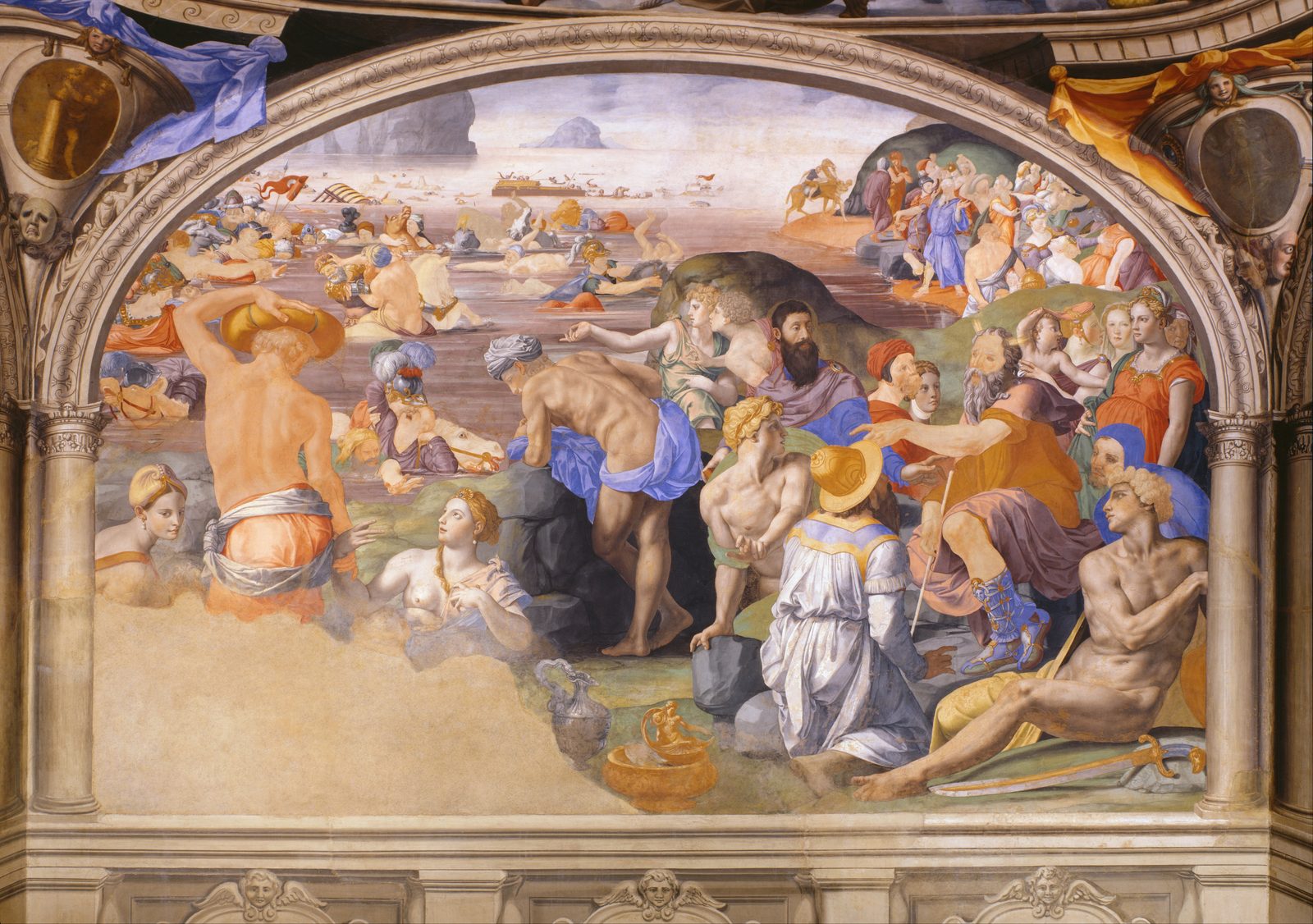 The Exodus, Redemption's Master-TypePlagues, Passover, sea, and song: the deliverance from Egypt as the pattern every later rescue in Scripture is measured by.
 Messianic ProphecyThe full catalog as a receipt ledger — the Old Testament text, the New Testament usage, and the witness, side by side, with every count rendered live from the data and every contested reading shown with both columns.
 The Seventy Weeks — Daniel 9:24–27Seventy sevens decreed on Daniel's people, and the five ways the church has read the count, each given at full strength.
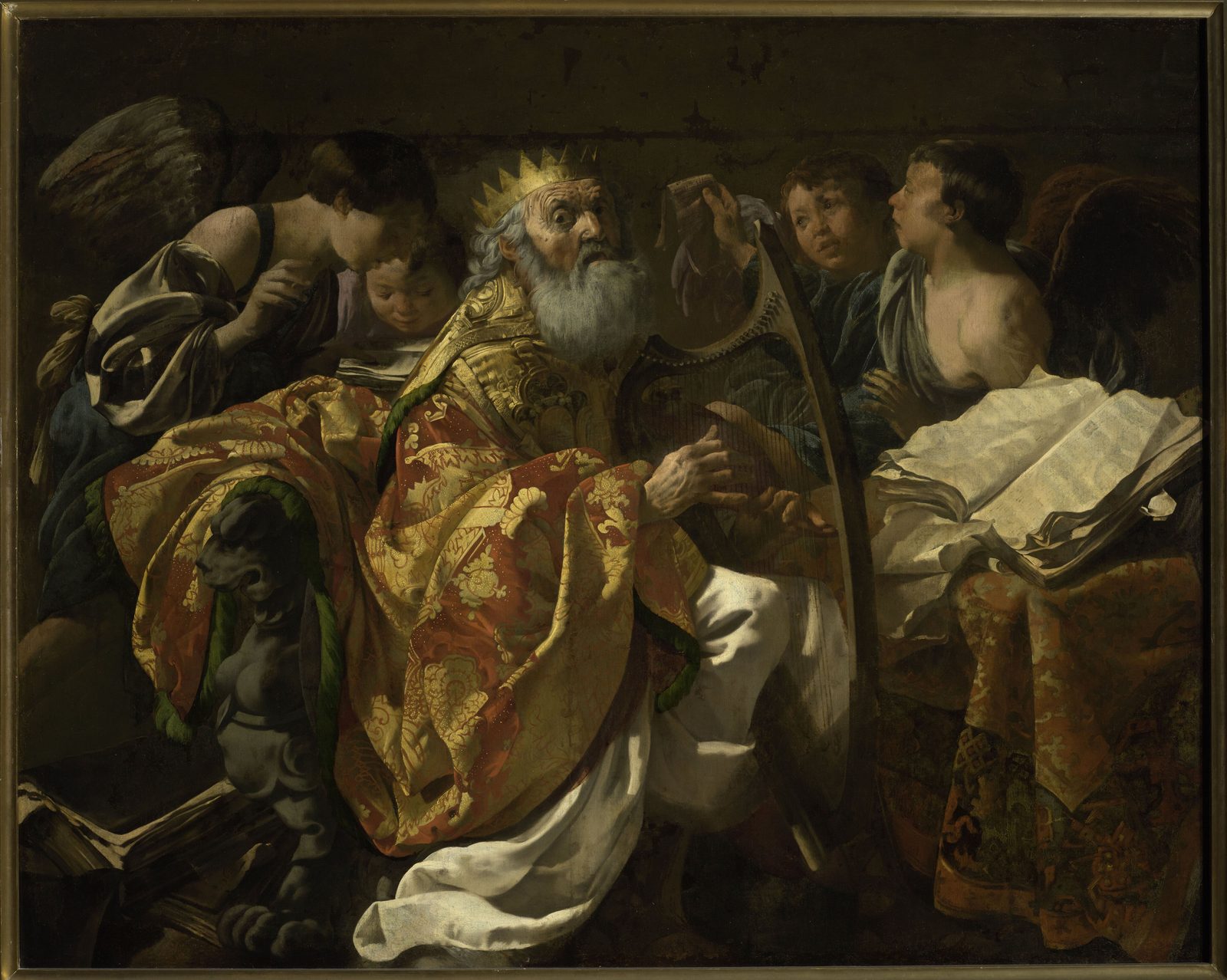 The Messianic PsalmsSix psalms previewing the life of Christ — from begotten Son (Ps 2) to crucified silence (Ps 22) to the Priest-King at God's right hand (Ps 110). Tri-fold taxonomy: Fulfilled in First Coming · Awaiting Second · Progressively Fulfilled.
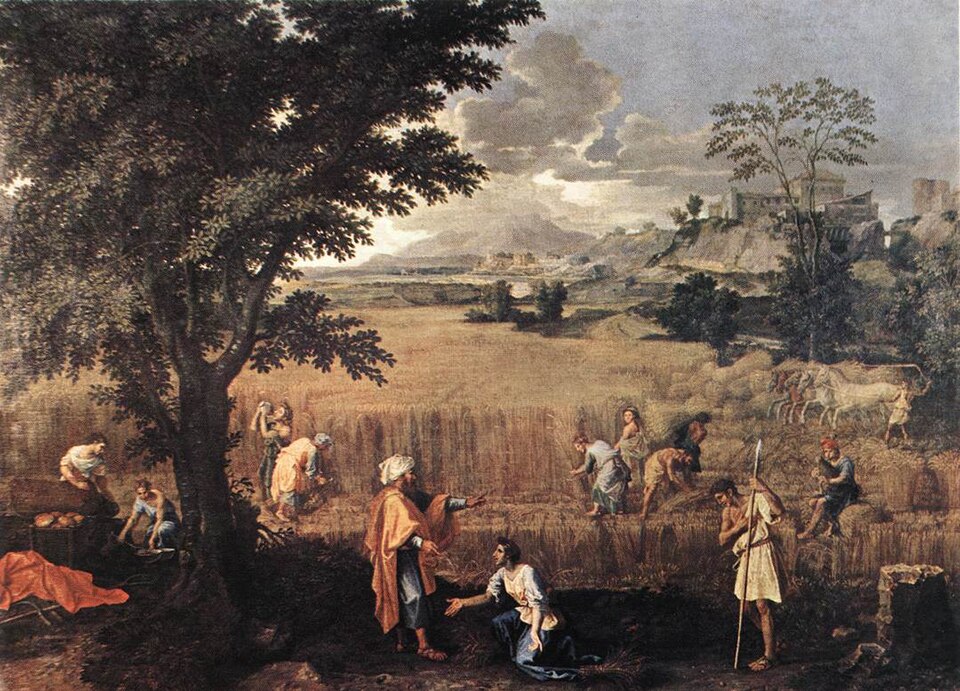 The Kinsman-Redeemer: Boaz and the Shadow of Christ (Ruth 2–4)Near, willing, and able: the law's threefold qualification for a redeemer, met by Boaz and fulfilled in Christ.
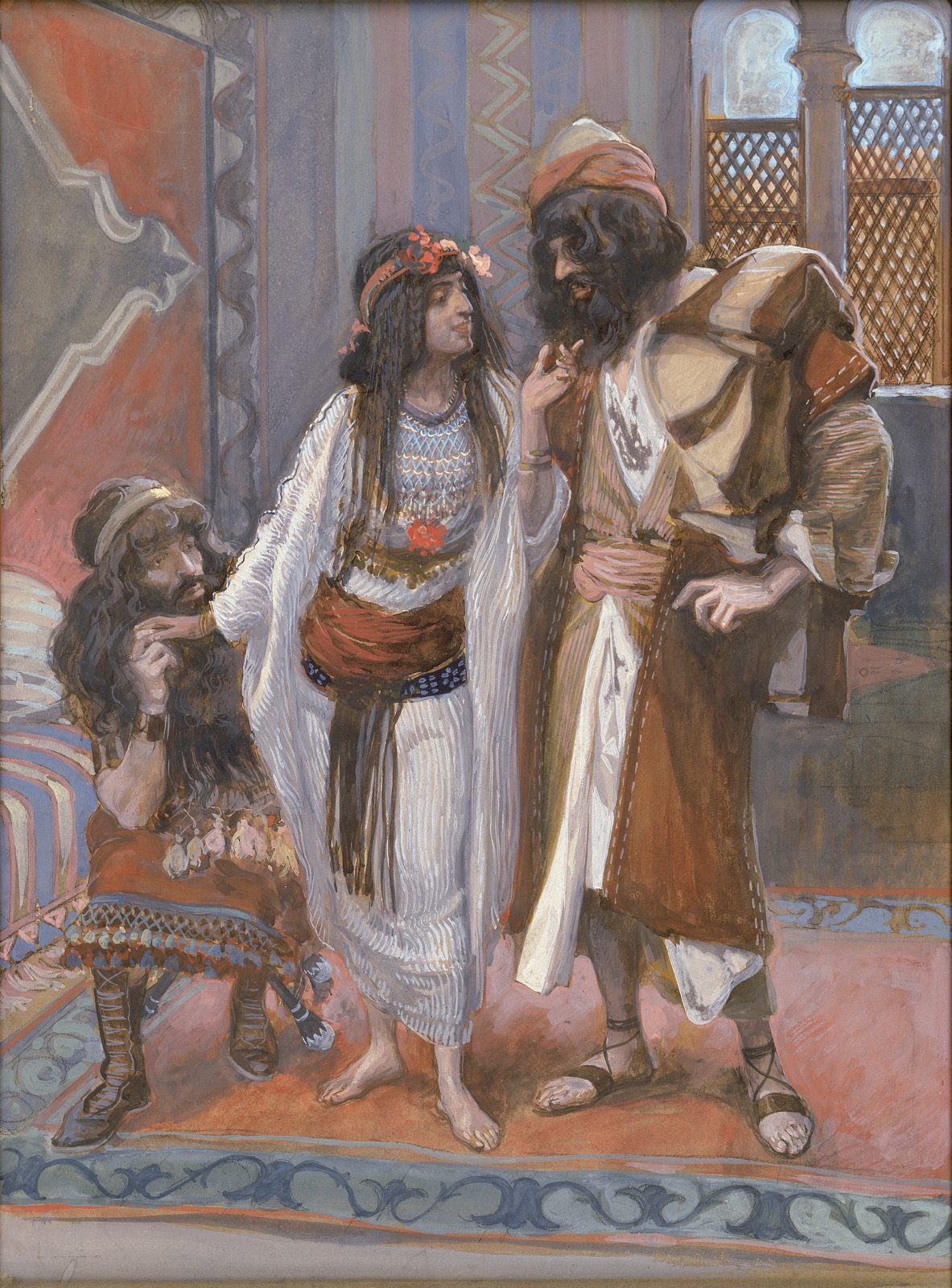 The Scarlet ThreadOne scarlet line runs unbroken from the coats of skin to the blood of the Lamb — fifteen scenes on a single thread. The Talmud records that the Yom Kippur crimson cord ceased turning white some forty years before the Temple fell (b. Yoma 39b); what that timing means is weighed honestly on this page.
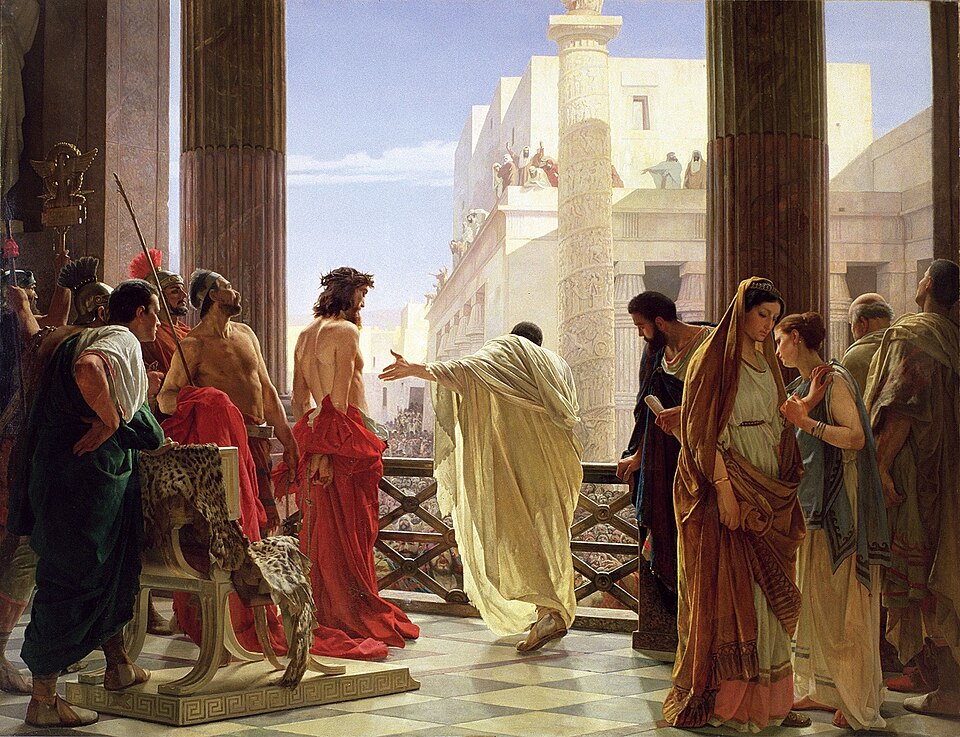 The Suffering ServantIsaiah 52:13–53:12 — the single most extensive and specific messianic prophecy in the Old Testament, preserved in a scroll that predates Christ by more than a century.
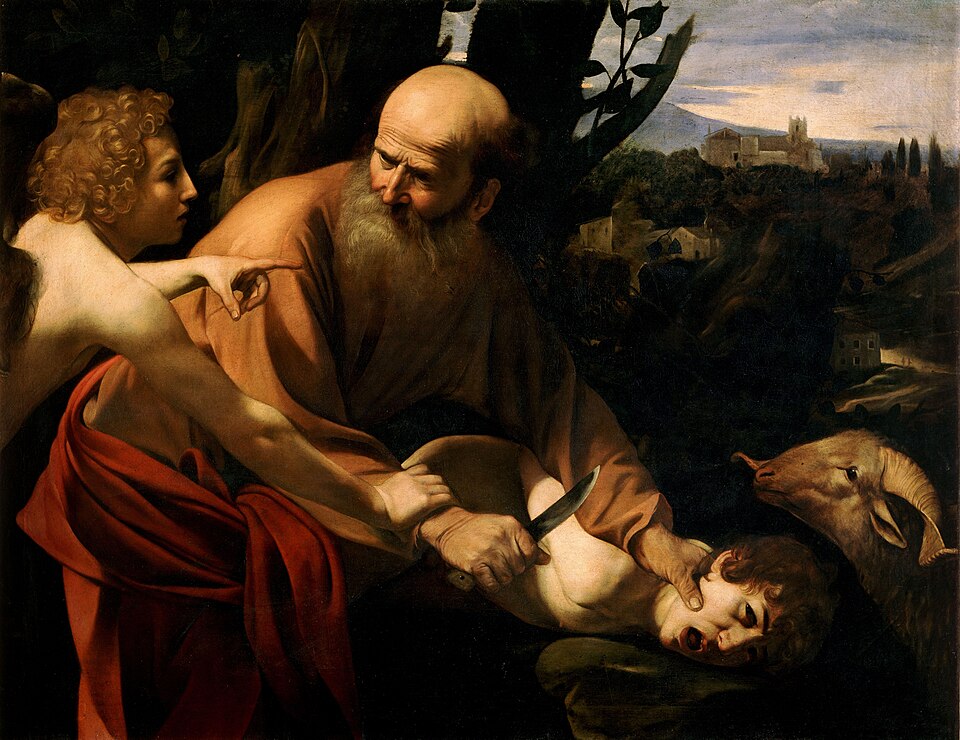 Types of ChristThe master typology index — 118 persons, events, institutions, and objects the Old Testament patterns toward Christ, every entry labeled by its warrant: the New Testament's own explicit claim, or the named tradition that drew it.
Questions Christians answer differently. Each study sets out the texts both sides read, the positions with their holders, and where this site's tradition lands.
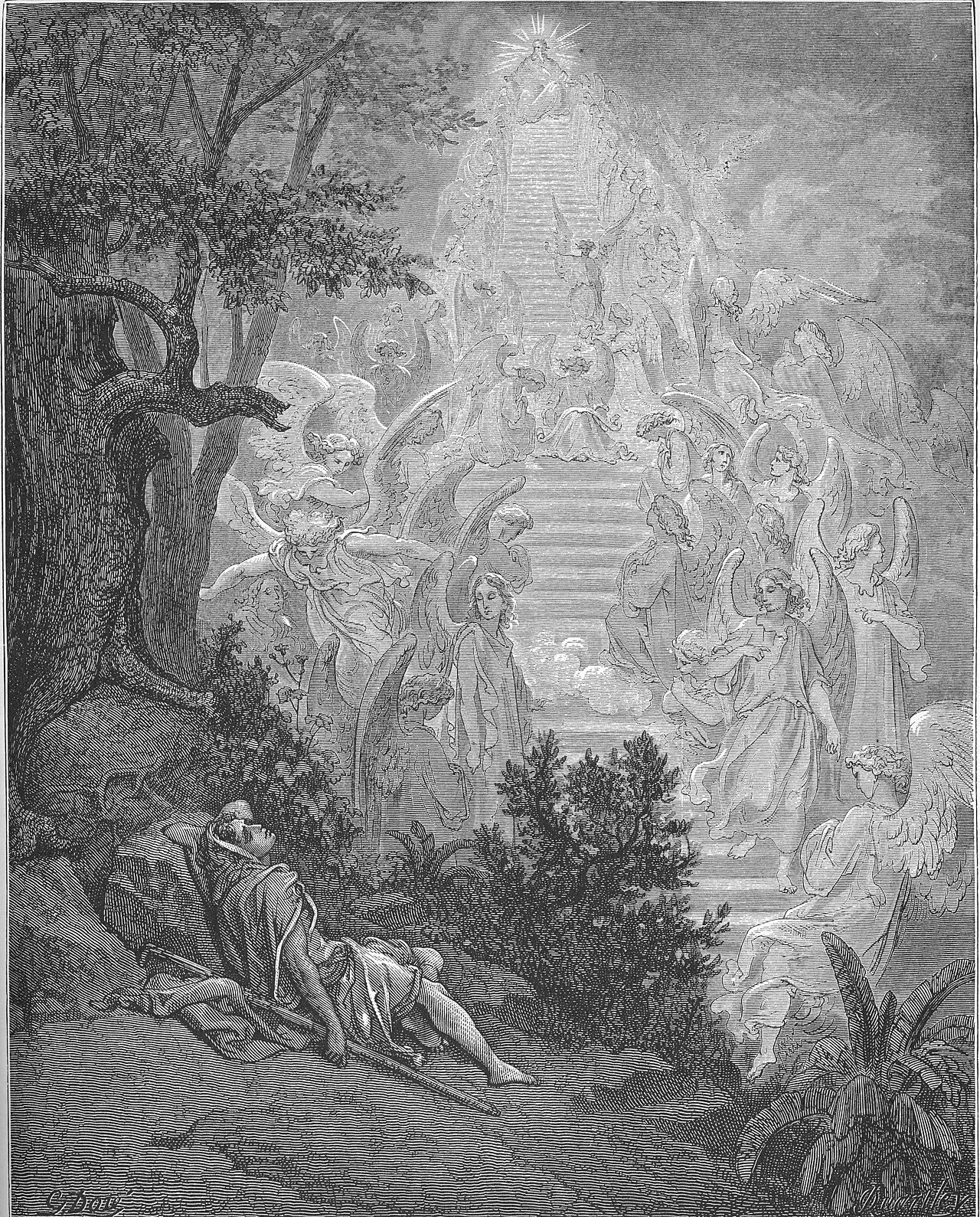
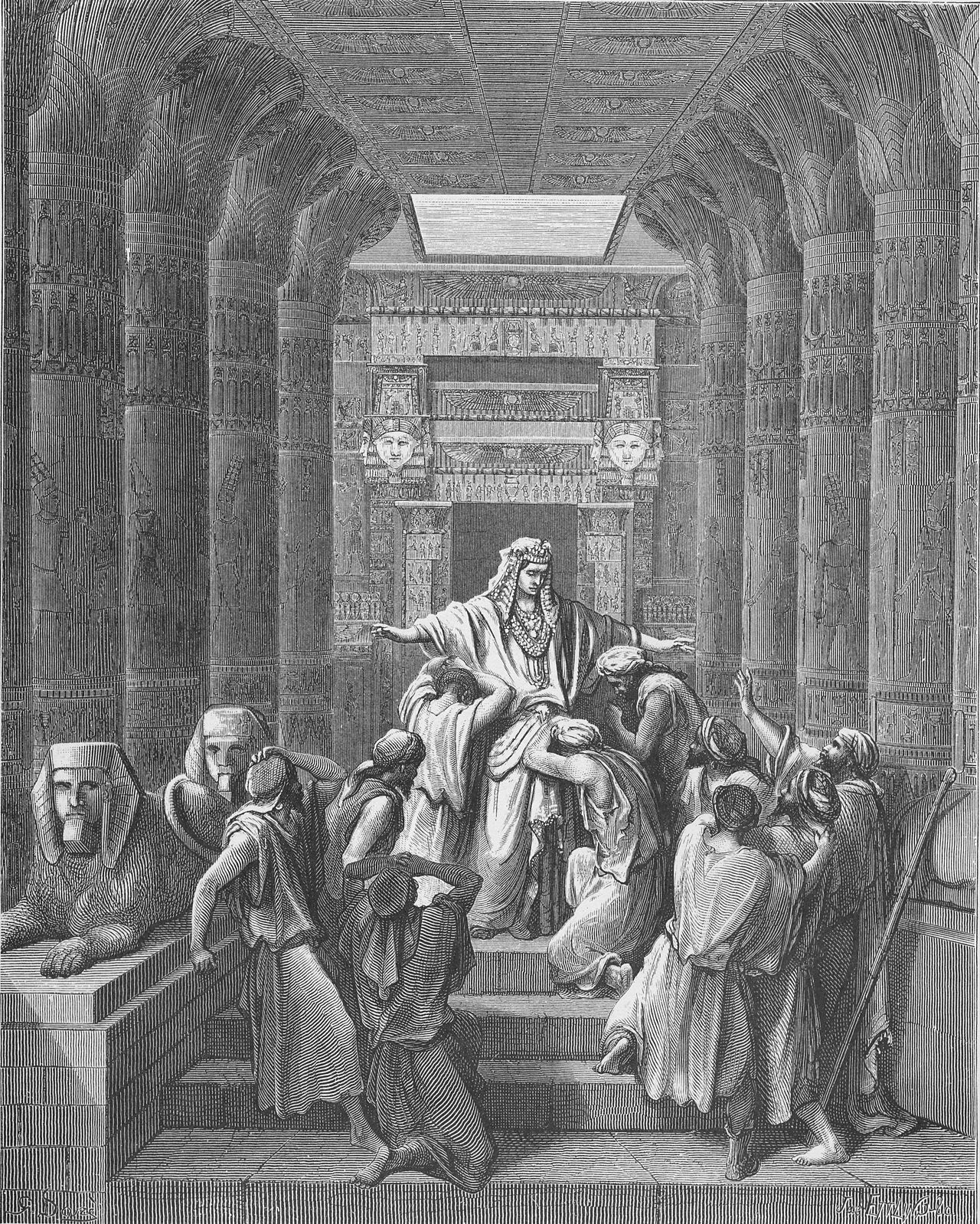
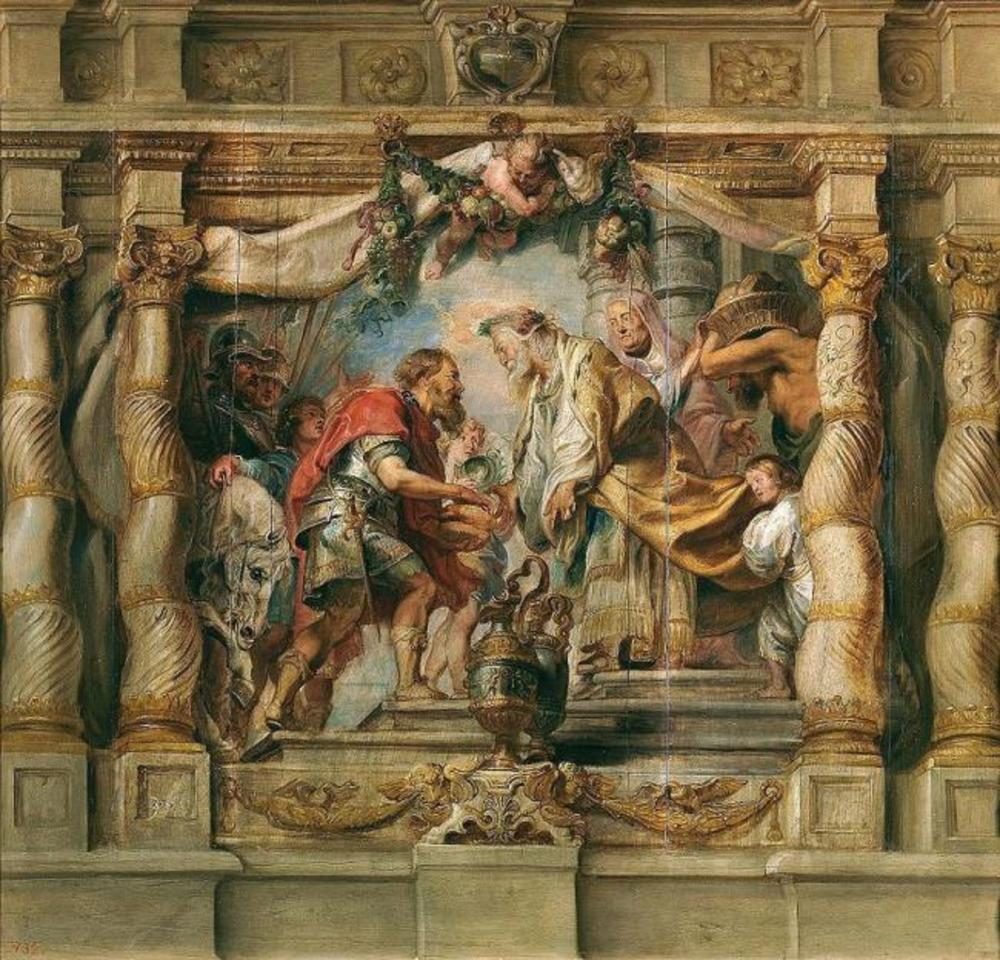
1 study
On this page
People and groups1
The text itself3
The roster is the site’s own build manifest, so no study can be missing from it. A study leads its kind when it carries a line of its own and more of the other studies link to it; a register row with no line of its own borrows the first sentence of the study’s own summary. The pictures are public domain: engravings by Gustave Doré from Doré’s English Bible(1866), and paintings held at Wikimedia Commons. Each is named in full on the study’s own page.