The Book of Beginnings · Genesis
From the Cosmos to a Coffin in Egypt
The God who spoke a very good world into being will not surrender it to the ruin humanity brought on it — He answers the serpent, the flood, and Babel with a promise, staking the blessing of all the scattered nations on one seed, of a woman and then of Abraham, that He Himself will provide.
- Author
- Moses
- Date
- c. 1446–1406 BC
- Span
- Creation → Joseph
- Shape
- 50 ch · 1,533 verses · 10 toledoth
The Four Movements — the funnel of election
Gen 1–11Primeval History
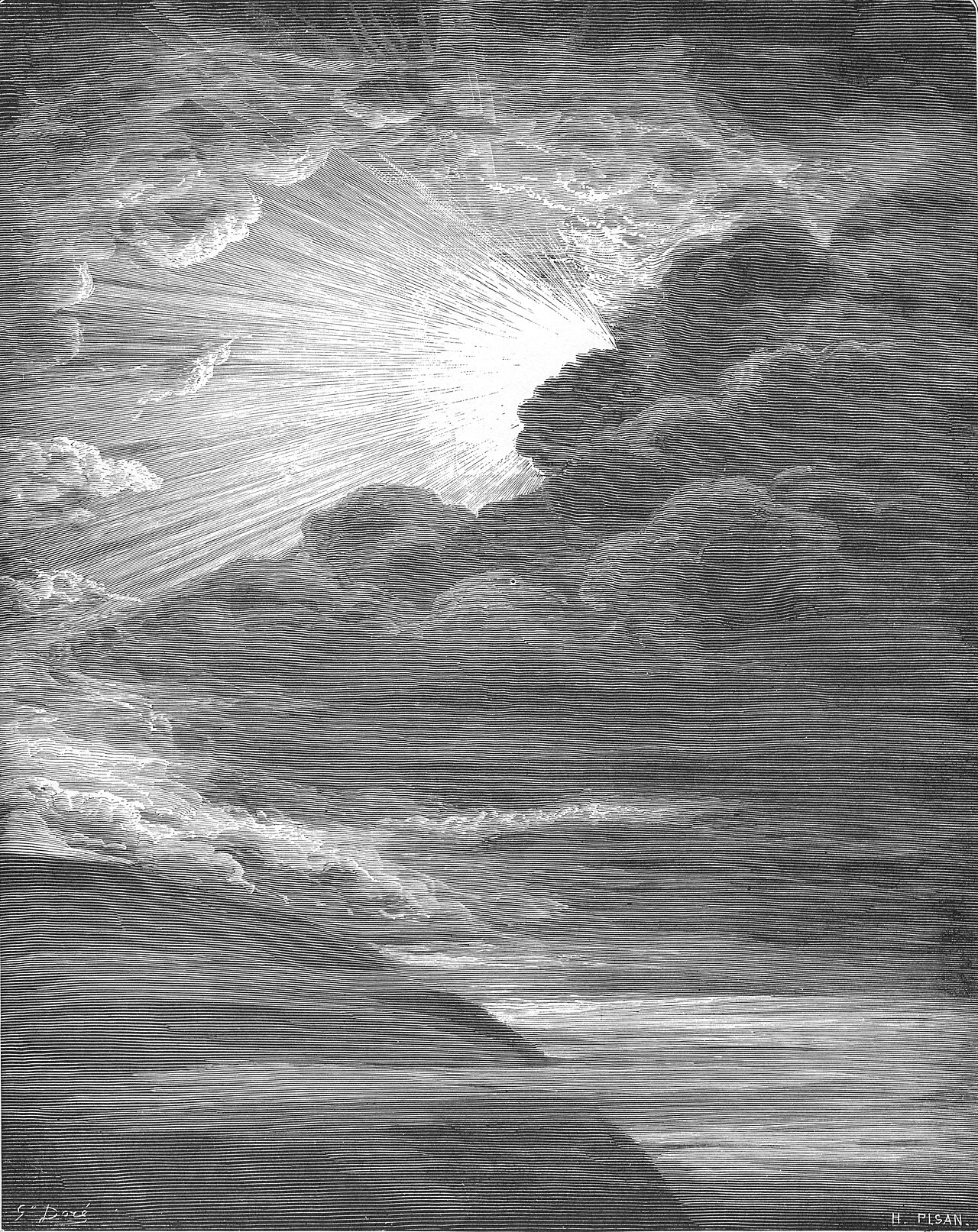
Creation, Eden, the Fall, the Flood, Babel — universal history, ending in a scattered world.
Gen 12–25The Abraham Cycle
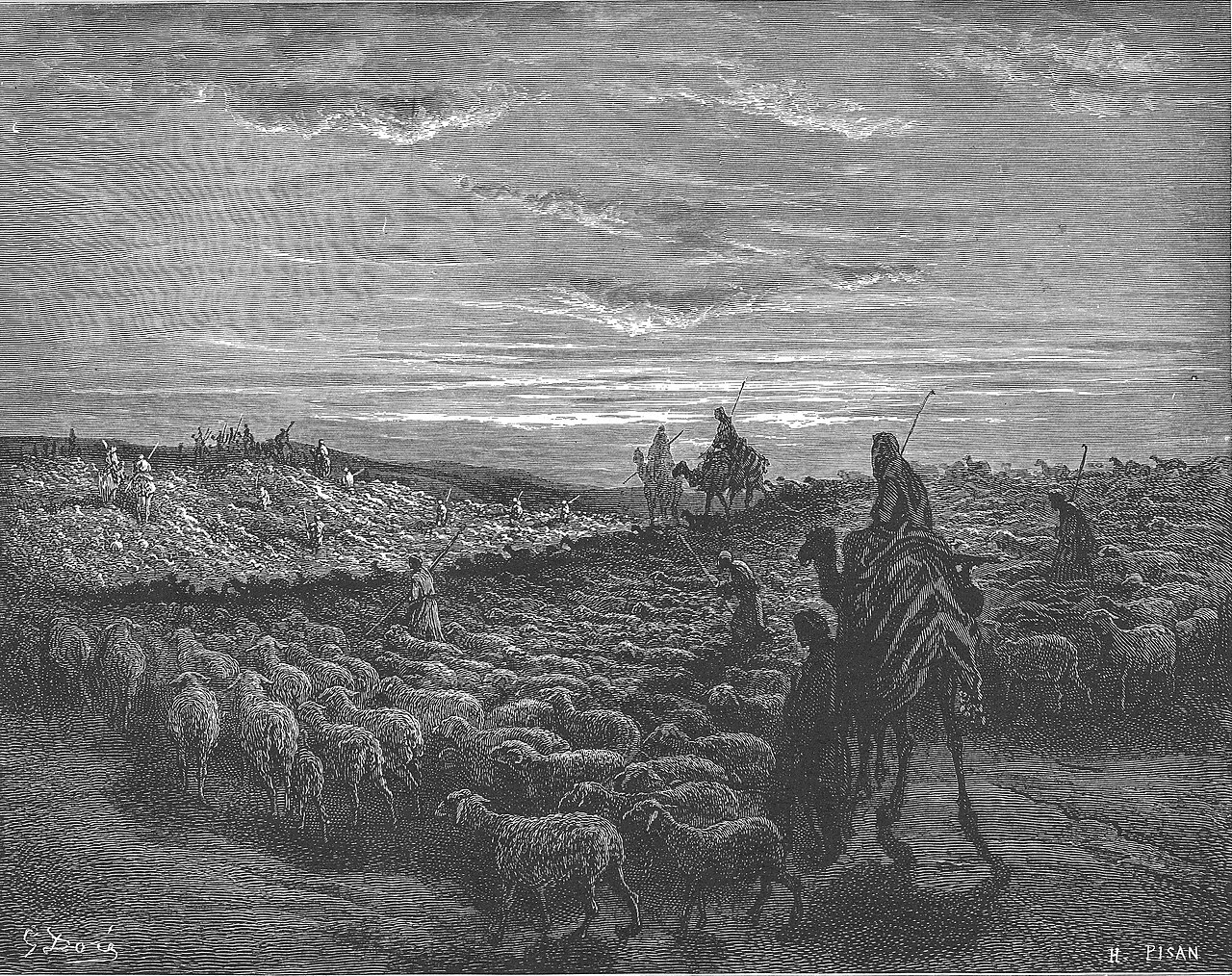
The call, the covenant, the Aqedah — the funnel narrows to one man and one promise.
Gen 25–36Isaac & Jacob
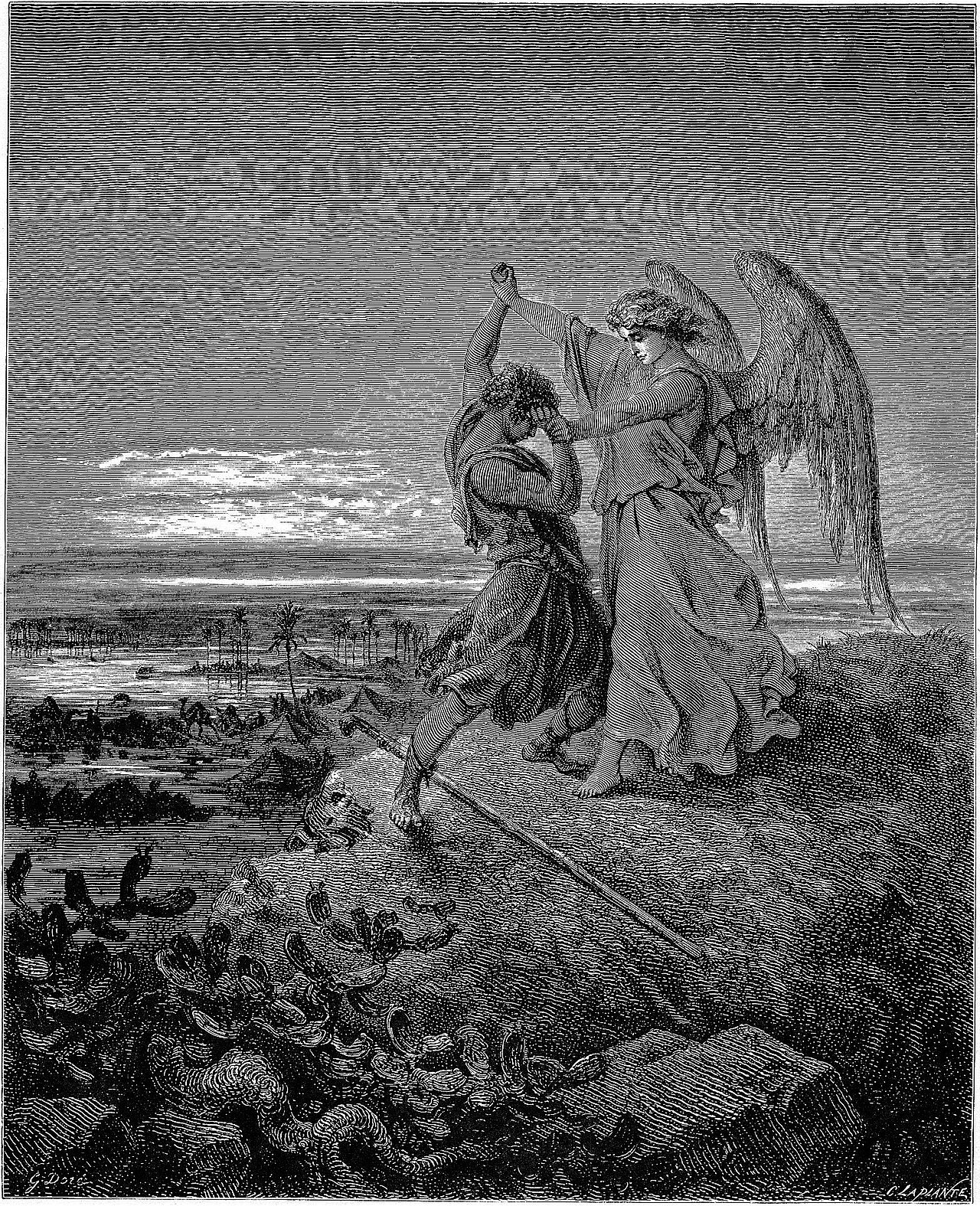
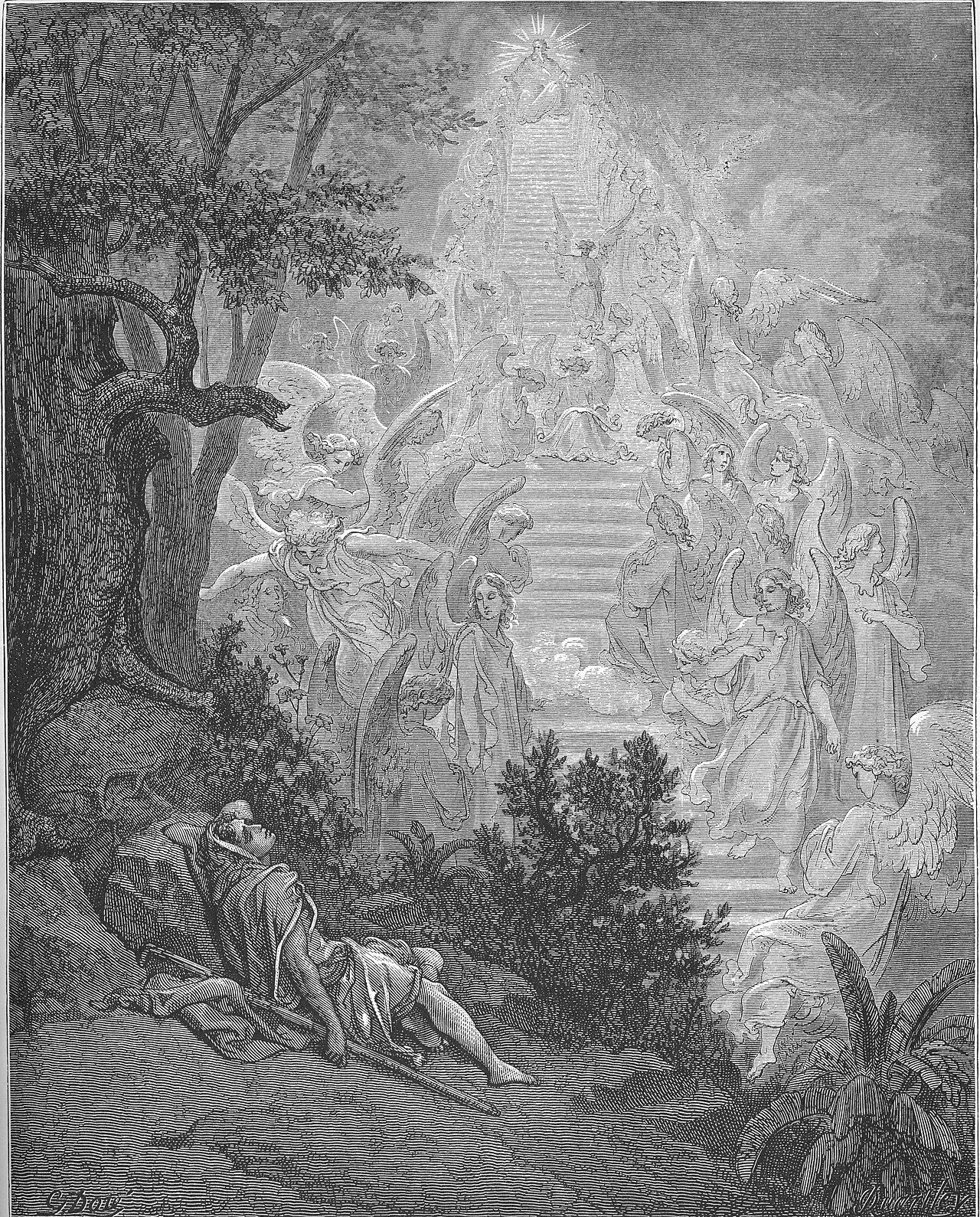
The twins, the stolen blessing, Peniel — election through the younger, and the twelve tribes.
Gen 37–50The Joseph Cycle
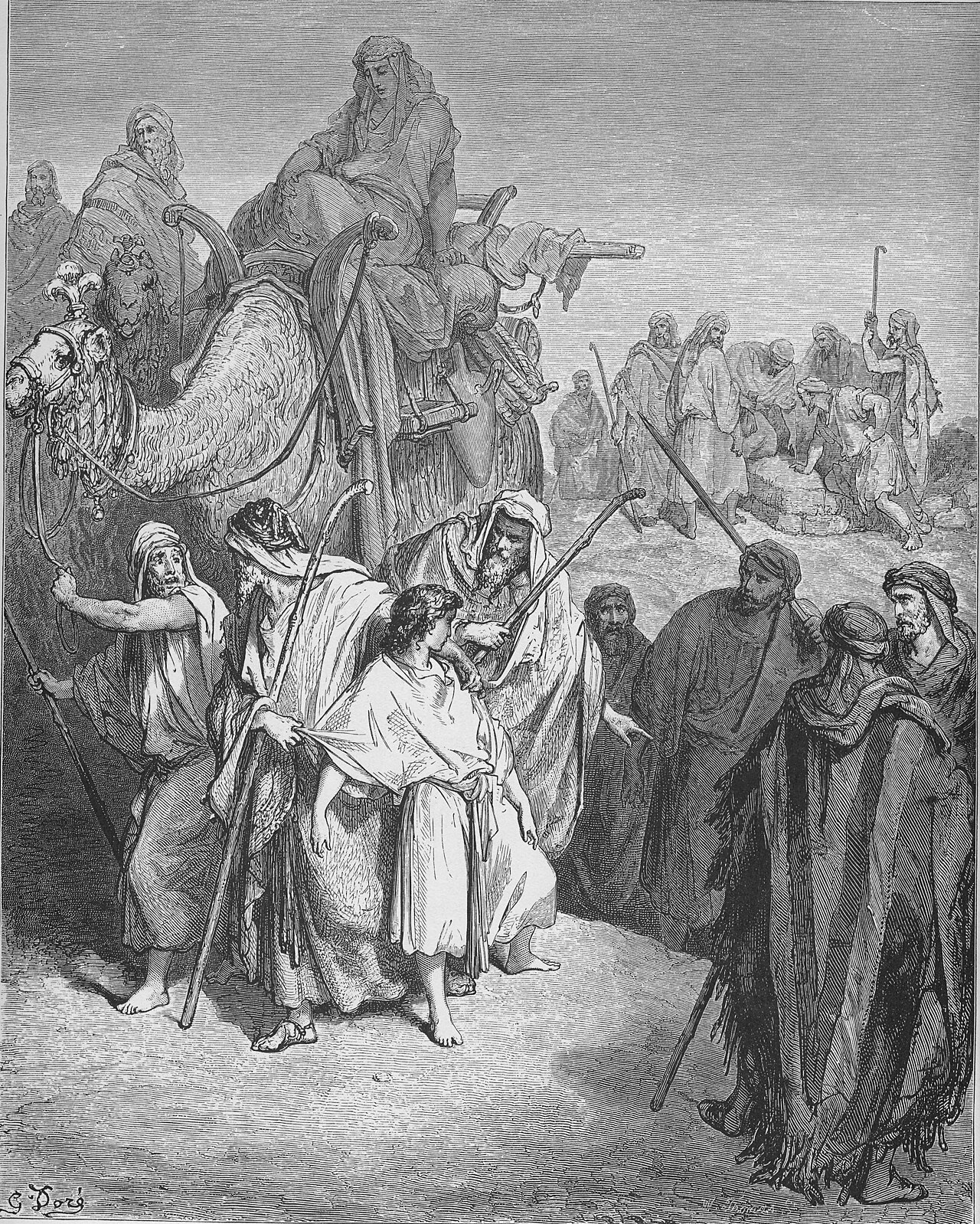
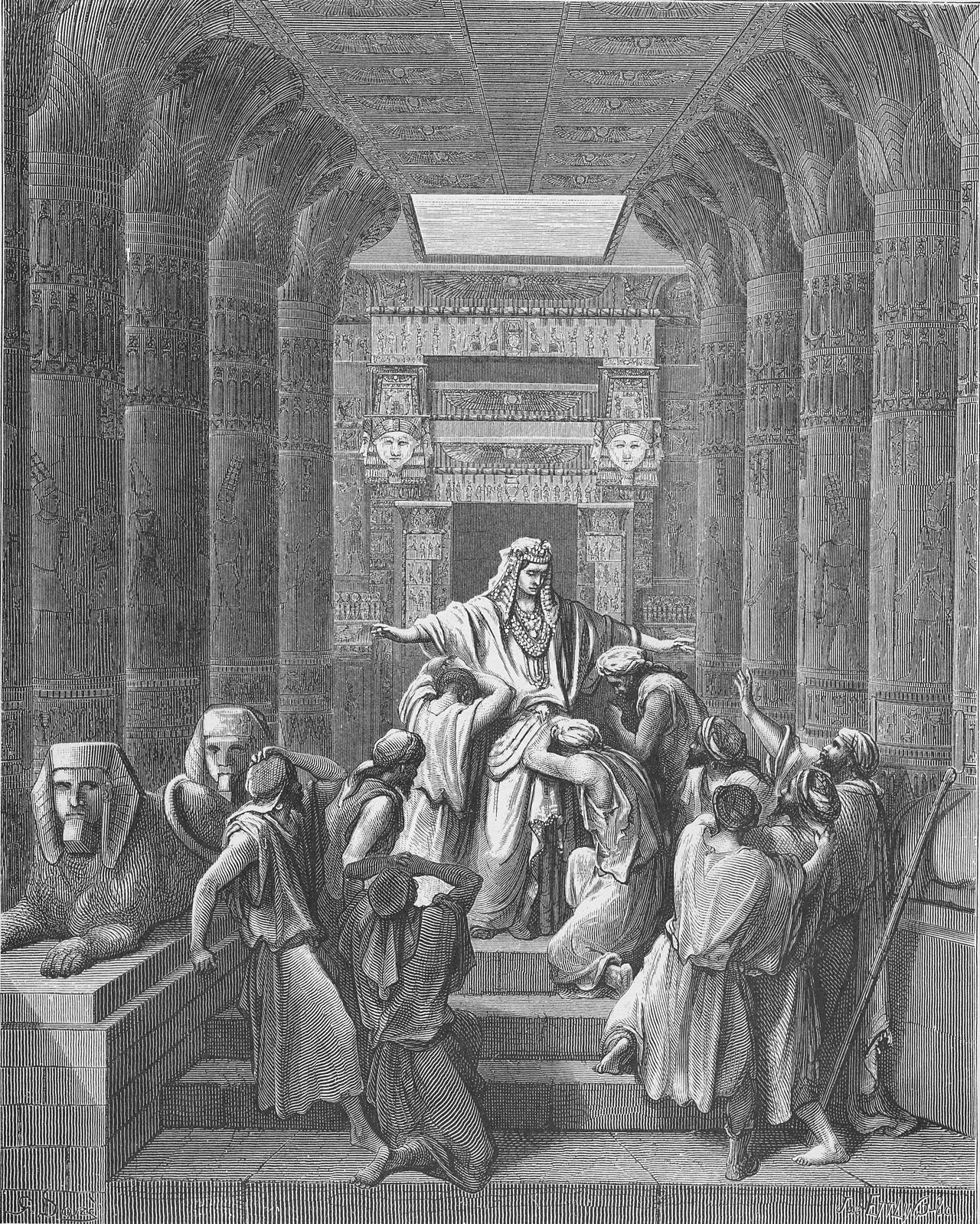
Sold into Egypt, prison to palace — providence turning evil to good; Israel planted to await the exodus.
The Seed Promised — Genesis's Christ-spine
Themes
God the Creator; creation as gift
The image of God
Sin, the Fall, and death
The seed of the woman — the gospel promised
Covenant, oath, and the faithfulness of God
Election and the reversal of the firstborn
Blessing to the nations
Providence — 'God meant it for good'
Judgment and mercy running together
Characters
39 people are seeded in Genesis; more open as their pages are built.
Places
Literary Codes
— the integrated design of the textThe toledoth spine
Eleven 'these are the generations of…' headings segment the book into ten panels — the funnel of election, each rejected branch honored then set aside.
The Flood chiasm (palistrophe)
Genesis 6:9–9:19 mirrors itself member-for-member, pivoting on 8:1 — 'and God remembered Noah.'
The canon-frame inclusio
Genesis's heaven-and-earth, tree of life, river, and curse return, reversed and healed, in Revelation 21–22.
The law of first mention
Load-bearing words debut in Genesis — bara' (1:1), zera' (3:15), berith (6:18) — setting the canon's vocabulary (an integrated-design reading; cf. Chuck Missler).
The 'very good' refrain
Seven pronouncements of tov crown creation; day three and day six alone carry the double 'good' — structure as theology.
Original Language
— the keynote Hebrew wordsTalmudic & Jewish Readings
— rabbinic & Second-Temple interpretationRashi on Gen 1:1 (citing Midrash Tanchuma) — draft, pending the founder's edit
Targum Pseudo-Jonathan & Targum Neofiti on Gen 3:15 — draft, pending the founder's edit
1 Enoch 6–11 (Book of the Watchers); Jubilees 5 (labeled study resources, not canon) — draft, pending the founder's edit
Genesis Rabbah 56; the Rosh Hashanah Musaf — draft, pending the founder's edit
Targum Onkelos on Gen 49:10 — draft, pending the founder's edit
Timeline
— the Ussher / Masoretic (YEC) synthesis- c. 4004 BCCreation
- c. 2348 BCThe Flood
- c. 2242 BCBabel & dispersion
- c. 2091 BCAbraham's call
- c. 2066 BCIsaac born
- c. 1876 BCJacob enters Egypt
- c. 1805 BCJoseph dies
Contested Points
— every view at full strength, flag primaryThe days of creation
MannaFest flag: Six ordinary days (YEC)
Historicity of Adam, the Fall, the Flood, Babel
MannaFest flag: Real history
Genesis 6:1–4 — the sons of God
MannaFest flag: The Watchers (angelic) — only
The authorship of Genesis
MannaFest flag: Mosaic