
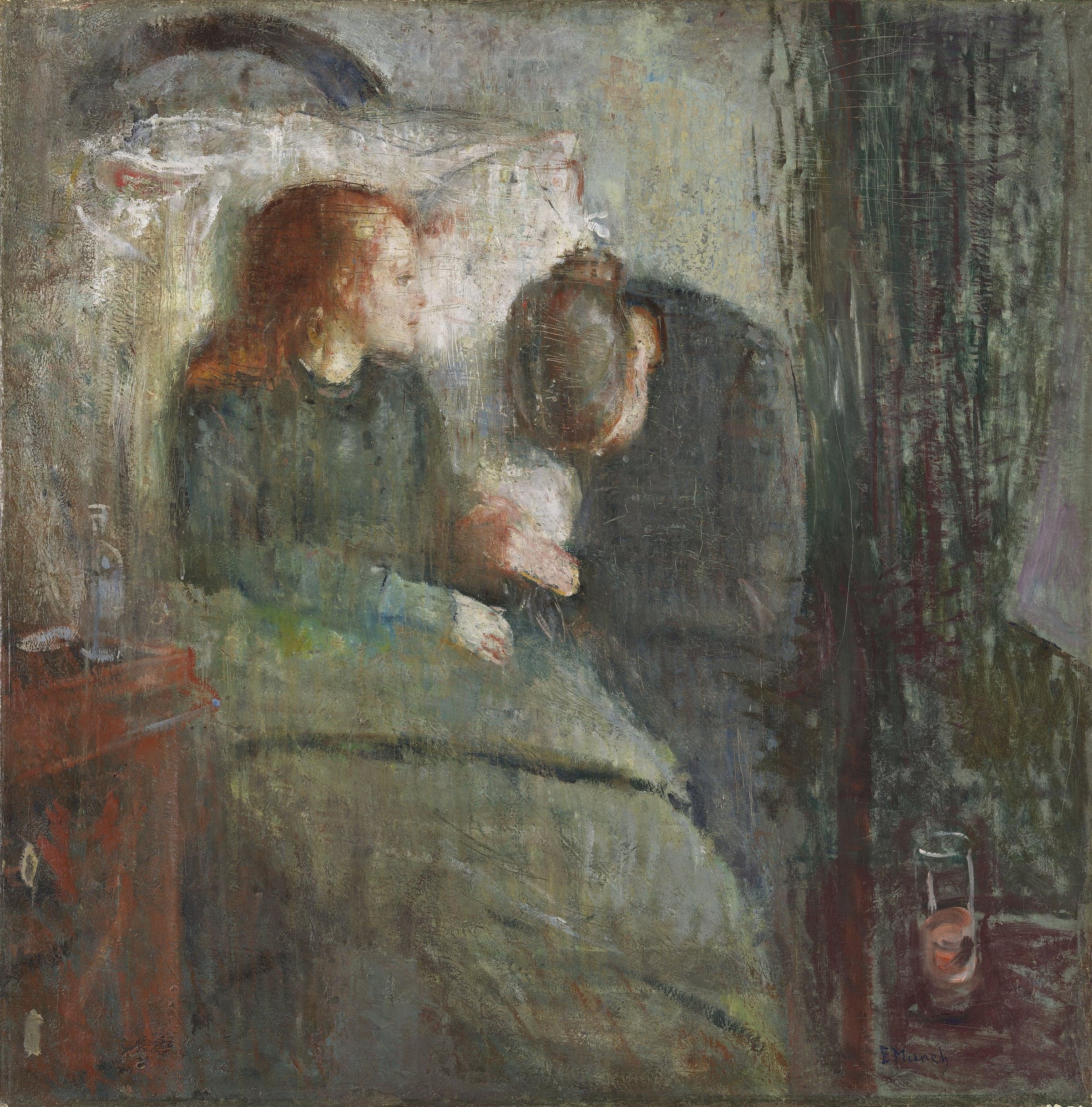
2 Corinthians 12 · Trial 4 of 21 · Featured Study
Illness and Pain
Scripture names the body's sickness and pain and brings them before God.
Paul first preached to the Galatians “because of an illness” (Galatians 4:13).
But He said to me, “My grace is sufficient for you, for My power is perfected in weakness.” Therefore I will boast all the more gladly in my weaknesses, so that the power of Christ may rest on me.
- Anchor text
- 2 Corinthians 12:9 “But He said to me, “My grace is…”
- The lament
- Psalm 6:2 “Be merciful to me, O LORD, for I…”
- Hold in memory
- 2 Corinthians 12:9
Summary
Scripture places sickness and pain inside a creation that groans under the curse. The curse has stood since the fall. God names Himself as the One who heals. Jesus healed every kind of disease. Until the new creation comes, the sick pray and lament. They call on the church and use the means of healing. They lean on a grace that God promises will be enough.
- Jesus refused to trace a man's blindness to his own sin or his parents' sin (John 9:3). Paul tied sickness at Corinth to the abuse of the Lord's Supper (1 Corinthians 11:30).
- Matthew reads the healings of Jesus as the fulfilment of Isaiah 53:4. There the Servant carries the infirmities of His people.
- Faithful believers stayed sick in Scripture. Paul left his companion Trophimus sick in Miletus (2 Timothy 4:20).
- Scripture honours the work of the physician. Paul's companion Luke was “the beloved physician” (Colossians 4:14).
- The Bible's last hope for the sick is the resurrection of the body. In the new creation God ends pain.
What Illness and Pain Are
The Hebrew and Greek words name being weak and sick, sickness itself, pain, weakness and disease.
Illness and pain reach every life, and the Bible speaks of them from its first chapters to its last. This study asks where sickness and pain come from in Scripture's own account and whether God promises to heal. It asks what the sick and those who care for them are given to do. It gives the Hebrew and Greek words, the key texts and the laments. It also gives the place of Christ, the people who were sick, the studies of faith and pain, and the questions on which Christians disagree.
Chalah, to be weak and sick
76 uses in the canon
The Hebrew verb chalah (H2470) means to be weak, to be sick and to be worn down. God uses it of the weak sheep of His flock: “strengthen the weak.”
Choli, sickness
24 uses in the canon
The noun choli (H2483), from the same root, names sickness and disease. Jeremiah says of his people's ruin, “This is truly my sickness, and I must bear it.”
Makob, pain
16 uses in the canon
The noun makob (H4341) names pain and anguish of body and of soul. The psalmist says, “my pain is ever with me.”
Astheneia, weakness
24 uses in the canon
The Greek noun astheneia (G769) names weakness of body or mind, and often sickness. Paul writes, “the Spirit helps us in our weakness.”
Nosos, disease
10 uses in the canon
The Greek noun nosos (G3554) names a disease or malady. Matthew uses it of Jesus in Galilee, who was “healing every disease and sickness among the people.”
Chalah, to be weak and sick, Choli, sickness, Makob, pain, Astheneia, weakness, Nosos, disease, The Words Choli and Astheneia, the study in brief
The Key Texts of Illness and Pain
The Law, the psalms, the prophets, the letters and Revelation each speak to the sick.
Law
saying, “If you will listen carefully to the voice of the LORD your God, and do what is right in His eyes, and pay attention to His commands, and keep all His statutes, then I will not bring on you any of the diseases I inflicted on the Egyptians. For I am the LORD who heals you.”
The verse stands first because God gives His name as the LORD who heals before Israel had kept any law.
Exodus 15:26BSB
Wisdom
The LORD will sustain him on his bed of illness and restore him from his bed of sickness.
The psalm promises God's care on the sickbed itself, before any recovery comes.
Psalm 41:3BSB
Wisdom
He who forgives all your iniquities and heals all your diseases,
David sets the healing of disease beside the forgiveness of sin as two gifts of one God.
Psalm 103:3BSB
Prophets
Heal me, O LORD, and I will be healed; save me, and I will be saved, for You are my praise.
Jeremiah's prayer shows the sick asking God Himself for healing and trusting His answer.
Prophets
He gives power to the faint and increases the strength of the weak.
The promise stands with the key texts because it answers the weakness the sick feel with the strength God gives.
Isaiah 40:29BSB
Letters
Therefore we do not lose heart. Though our outer self is wasting away, yet our inner self is being renewed day by day. For our light and momentary affliction is producing for us an eternal weight of glory that is far beyond comparison.
Paul admits that the outer self wastes away and tells the reader what is renewed while it does.
Revelation
‘He will wipe away every tear from their eyes,’ and there will be no more death or mourning or crying or pain, for the former things have passed away.”
The verse stands last because the trial's whole hope ends in the new creation.
Psalm 41:3, Psalm 103:3, Jeremiah 17:14, Isaiah 40:29, 2 Corinthians 4:16 to 17, Revelation 21:4
Where Illness Comes From, and Christ Who Bore It
The curse on a fallen world, the enemy, the sin of a person and the works of God each have their place in Scripture's account. Each of them stands under the rule of God.
To the woman He said: “I will sharply increase your pain in childbirth; in pain you will bring forth children. Your desire will be for your husband, and he will rule over you.”Pain enters the human story in the words God spoke to the woman after the first sin.
Paul writes that the whole creation groans together “in the pains of childbirth until the present time”. Believers also groan as they wait for “the redemption of our bodies” (Romans 8:22 to 23).
So Satan went out from the presence of the LORD and infected Job with terrible boils from the soles of his feet to the crown of his head.The book of Job shows the enemy striking a righteous man's body, by God's leave and within God's limit.
and a woman there had been disabled by a spirit for eighteen years. She was hunched over and could not stand up straight. When Jesus saw her, He called her over and said, “Woman, you are set free from your disability.”Jesus later says that Satan had kept this woman bound for eighteen years (Luke 13:16).
That is why many among you are weak and sick, and a number of you have fallen asleep.The verse is one place where Scripture names sickness as a judgment of God within the church.
and His disciples asked Him, “Rabbi, who sinned, this man or his parents, that he was born blind?” Jesus answered, “Neither this man nor his parents sinned, but this happened so that the works of God would be displayed in him.The verses stand here because they forbid reading every sickness as the sick man's punishment.
Over every cause Scripture sets the rule of God. He asked Moses, “Who makes the mute or the deaf, the sighted or the blind? Is it not I, the LORD?” (Exodus 4:11), and He said in the song of Moses, “I wound and I heal, and there is no one who can deliver from My hand” (Deuteronomy 32:39).
The Gospels and the letters show Jesus healing the sick and carrying their infirmities. They show Him suffering in His own body and keeping the promise of a new body.
He healed many who were sickMark 1
Matthew sums up the work of Jesus in the towns and villages as “teaching in their synagogues, preaching the gospel of the kingdom, and healing every disease and sickness” (Matthew 9:35).
And He healed many who were ill with various diseases and drove out many demons. But He would not allow the demons to speak, because they knew who He was.
Mark 1:34BSB The verse shows the range of the healing at Capernaum on one evening, many sick with many diseases.
Read the study of The Compassion of Jesus 8 sections, 7 verses set out
He took on our infirmitiesMatthew 8
Isaiah wrote of the Servant, “Surely He took on our infirmities and carried our sorrows” (Isaiah 53:4).
When evening came, many who were demon-possessed were brought to Jesus, and He drove out the spirits with a word and healed all the sick. This was to fulfill what was spoken through the prophet Isaiah: “He took on our infirmities and carried our diseases.”
Matthew 8:16 to 17BSB The verses give the evening at Capernaum on which the Gospel quotes the prophet.
He suffered pain in His own bodyLuke 22
In Gethsemane Jesus told His disciples, “My soul is consumed with sorrow to the point of death” (Matthew 26:38). On the cross He said, “I am thirsty” (John 19:28).
And in His anguish, He prayed more earnestly, and His sweat became like drops of blood falling to the ground.
Luke 22:44BSB Luke records the anguish of Jesus in prayer as a suffering of the body as well as of the soul.
Read the story of the Crucifixion 12 sections, 12 verses set out
He sympathizes with our weaknessesHebrews 4
Hebrews calls Jesus the great high priest and uses the word astheneia, weakness, for what He shares with His people. Hebrews 4:16 then bids believers to come to the throne of grace for help “in our time of need”.
For we do not have a high priest who is unable to sympathize with our weaknesses, but we have one who was tempted in every way that we are, yet was without sin.
Hebrews 4:15BSB The verse names Christ as a priest who feels the weakness of those He serves.
Read the page on Jesus 33 sections, 35 verses set out
He will transform our lowly bodiesPhilippians 3
Paul wrote that believers eagerly await a Savior from heaven, the Lord Jesus Christ (Philippians 3:20).
who, by the power that enables Him to subject all things to Himself, will transform our lowly bodies to be like His glorious body.
Philippians 3:21BSB The verse names the end of the body's weakness as the work of Christ at His coming.
Read the study of The New Creation 9 sections, 6 verses set out
He took on our infirmities (Matthew 8), He suffered pain in His own body (Luke 22), He sympathizes with our weaknesses (Hebrews 4), He will transform our lowly bodies (Philippians 3)
Luke 13:11 to 12, 1 Corinthians 11:30, John 9:2 to 3, Mark 1:34, Matthew 8:16 to 17, Luke 22:44, Hebrews 4:15, Philippians 3:21
The Fall & the Protoevangelium, the study in brief, Job 2:7, Luke 13:11 to 12, 1 Corinthians 11:30, John 9:2 to 3, a paragraph, Providence, the study in brief, a paragraph and 5 more
Who Was Sick
Five people of the Bible were sick. They are two kings of Judah, a prophet, the messenger the Philippians sent to Paul, and Paul's son in the faith.
“the LORD afflicted Jehoram with an incurable disease of the bowels.”
2 Chronicles 21:18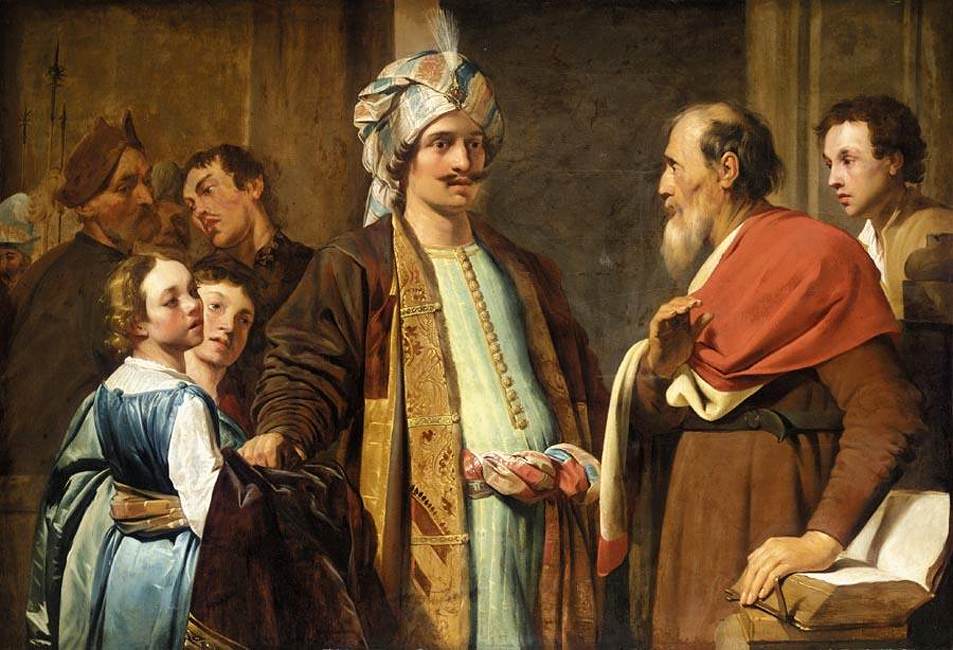
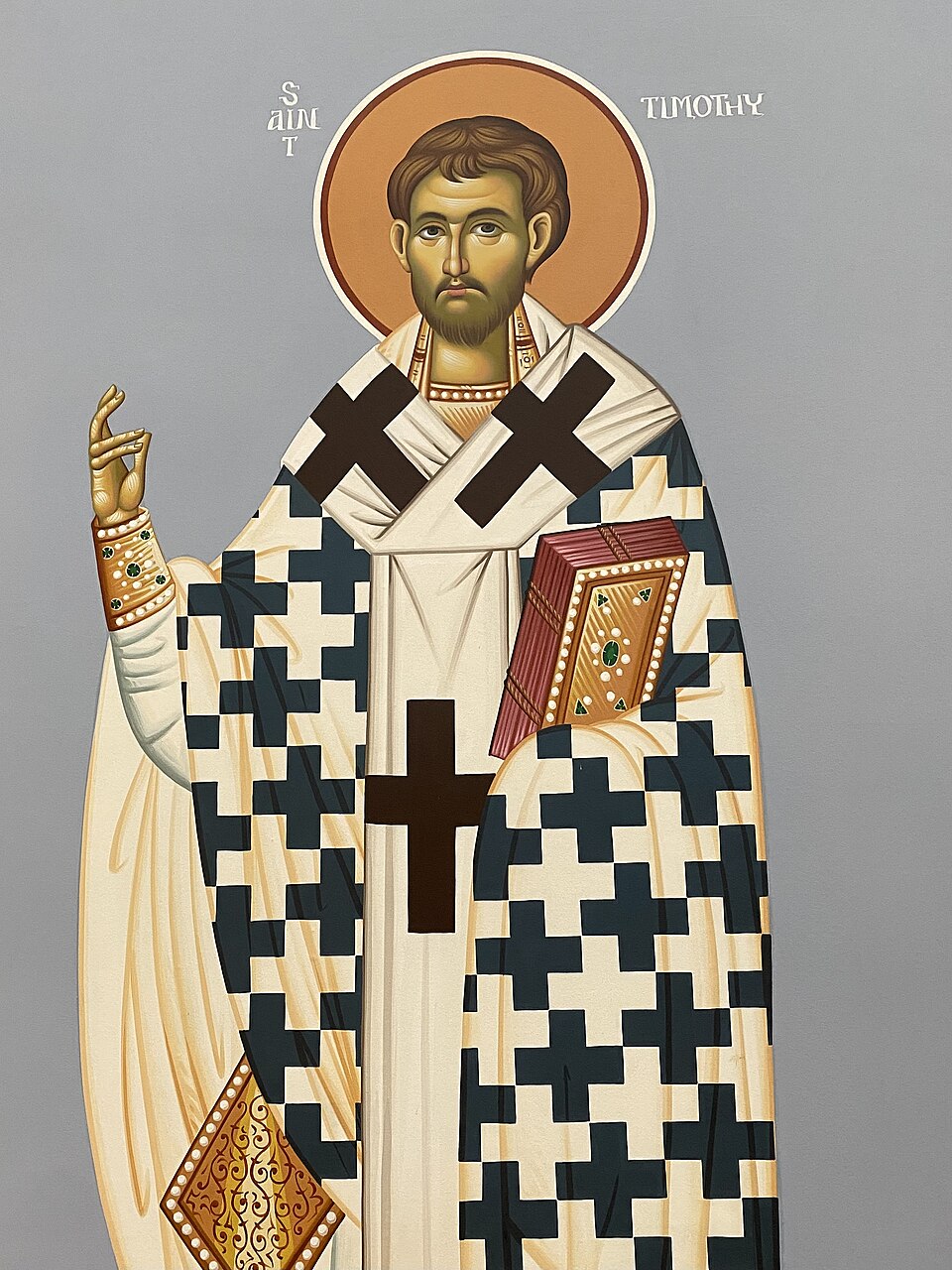
Paul told him to “use a little wine instead, because of your stomach and your frequent ailments.”
1 Timothy 5:23
Elisha, Epaphroditus, Timothy
What to Do in Illness
Scripture gives the sick and those around them seven things to do, each with the verse it rests on.
- 1Pray“Is any one of you suffering? He should pray.”James 5:13
- 2Ask the elders to pray“And the prayer offered in faith will restore the one who is sick. The Lord will raise him up.”James 5:15
- 3Confess and pray for each other“Therefore confess your sins to each other and pray for each other so that you may be healed.”James 5:16
- 4Cast your care on God“Cast all your anxiety on Him, because He cares for you.”1 Peter 5:7
- 5Seek a physician's carePaul names his companion “Luke, the beloved physician.” Medical care stands beside prayer.Colossians 4:14
- 6Visit the sickJesus counts care for the sick as care for Himself: “I was sick and you looked after Me.”Matthew 25:36
- 7Give thanks for healing“O LORD my God, I cried to You for help, and You healed me.”Psalm 30:2
Ask the elders to pray, Confess and pray for each other, Cast your care on God, Seek a physician's care, Visit the sick, Give thanks for healing
The Lament of the Sick
Psalm 6, Job and Psalm 38 give the sick words to bring their pain to God.
Be merciful to me, O LORD, for I am frail; heal me, O LORD, for my bones are in agony. My soul is deeply distressed. How long, O LORD, how long?David's cry joins the body's agony to the soul's distress and asks God how long it will last.
I am weary from groaning; all night I flood my bed with weeping and drench my couch with tears.The psalm names the sleepless night of the sick and does not hide its tears from God.
Night pierces my bones, and my gnawing pains never rest.Job's words give the sick leave to speak of unrelenting pain in their prayers.
Do not forsake me, O LORD; be not far from me, O my God. Come quickly to help me, O Lord my Savior.The psalm closes its lament of a sick body with a plea for God's nearness and help.
Job 30:17, Psalm 38:21 to 22
Illness in the Stories of the Bible
Four stories tell of a king given fifteen more years and a commander cleansed in the Jordan. They also tell of a woman healed by a touch and a friend raised from the dead.
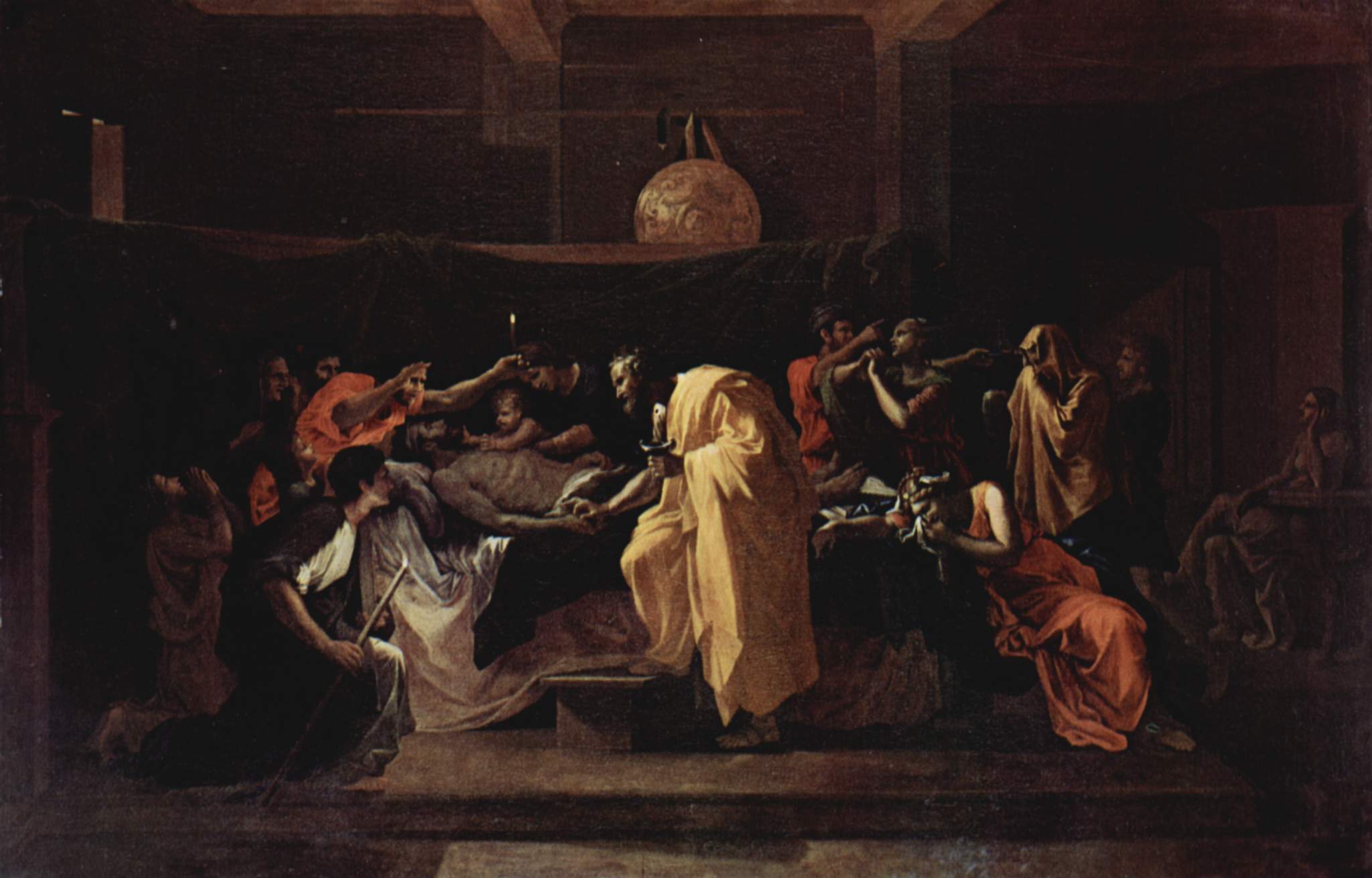
Hezekiah's sickness2 Kings 20
Isaiah told King Hezekiah that he would die, and Hezekiah turned his face to the wall, prayed and wept bitterly (2 Kings 20:1 to 3). God sent word back that He would add fifteen years to his life, and Isaiah had a poultice of figs applied to the king's boil, “and Hezekiah recovered” (2 Kings 20:7).
“Go back and tell Hezekiah the leader of My people that this is what the LORD, the God of your father David, says: ‘I have heard your prayer; I have seen your tears. I will surely heal you. On the third day from now you will go up to the house of the LORD.
2 Kings 20:5BSB The verse gives God's answer to a sick man's prayer and tears.
Naaman the leper2 Kings 5
Naaman commanded the army of Aram and was a leper (2 Kings 5:1). An Israelite servant girl sent him to the prophet Elisha, who told him to wash seven times in the Jordan, and he was angry at so plain a remedy until his servants persuaded him.
So Naaman went down and dipped himself in the Jordan seven times, according to the word of the man of God, and his flesh was restored and became like that of a little child, and he was clean.
2 Kings 5:14BSB The verse records the healing of a foreign commander through obedience to the word of the prophet.
Healed by a touch in the crowdMark 5
A woman had suffered from bleeding for twelve years and had spent all she had on many physicians (Mark 5:25 to 26). She touched the cloak of Jesus from behind in the crowd and was healed at once, and then she came forward trembling and told Him the whole truth.
“Daughter,” said Jesus, “your faith has healed you. Go in peace and be free of your affliction.”
Mark 5:34BSB The verse shows Jesus restoring the woman to people as well as to health.
Read the story of The Woman Who Touched His Cloak 10 sections, 6 verses set out
The sickness of LazarusJohn 11
Mary and Martha sent word to Jesus, “Lord, the one You love is sick” (John 11:3). Jesus stayed where He was two more days, and Lazarus died before He came to Bethany, where He raised him from the tomb.
When Jesus heard this, He said, “This sickness will not end in death. No, it is for the glory of God, so that the Son of God may be glorified through it.”
John 11:4BSB Jesus names the purpose of a sickness that He let run its course.
Naaman the leper (2 Kings 5), Healed by a touch in the crowd (Mark 5), The sickness of Lazarus (John 11)
Mark 5:34, John 11:4
Illness in the Church's History
Three accounts tell of a bishop who wrote to his church in a plague and a bishop who built houses for the sick. The third tells of a hymn writer who was blind for almost her whole life.
Cyprian and the plague at CarthageThird century
Cyprian, bishop of Carthage, wrote his treatise On the Mortality to his church while a plague struck Christians and pagans alike. He described its signs, among them that “the eyes are on fire with the injected blood”, and he set Paul's thorn beside them: “When, therefore, weakness and inefficiency and any destruction seize us, then our strength is made perfect”.
Read the story of Mercy in the Plague Years 7 sections, 5 verses set out
Basil's houses for the sickFourth century
Gregory of Nazianzus, in his funeral oration for Basil of Caesarea (Oration 43), described the houses Basil built outside the city for the poor and the sick, a place “where disease is regarded in a religious light, and disaster is thought a blessing, and sympathy is put to the test.” He said that lepers, once “driven away from their cities and homes”, were no longer left to that sight.
Fanny Crosby1820 to 1915
Fanny Crosby was born in Putnam County, New York, in 1820, and at six weeks old a stranger treated an inflammation of her eyes with hot poultices that destroyed her sight. She studied and later taught at the New York Institution for the Blind. She wrote hymns for William Bradbury, W. H. Doane and others, among them “Safe in the Arms of Jesus” and “Blessed Assurance”, and she died in Bridgeport in 1915.
Read the story of Fanny Crosby, Blind from Infancy 7 sections, 3 verses set out
Basil's houses for the sick (Fourth century), Fanny Crosby (1820 to 1915)
Voices on Illness and Pain, by Century
Four quotations from the seventh century to the nineteenth, each under the line it teaches.
died 604 · Gregory the Dialogist
Forty Gospel Homilies, Homily 27
A seventh-century reading: Paul asked three times in the name of the Son and was not given what he asked.
The quotation1 quotation
“If the Father gives us everything we ask in the name of the Son, what then does it mean that Paul asked the Lord three times and did not deserve to be heard, but it was said to him: ‘My grace is sufficient for you, for power is made perfect in weakness’? Did not that most excellent preacher ask in the name of the Son? Why then did he not receive what he asked?”
Gregory the Dialogist · Forty Gospel Homilies, Homily 27 · on 2 Corinthians 12:8Patristic
1509 to 1564 · John Calvin
Commentaries
A sixteenth-century reading: at the pool of Bethesda God cured a certain number of the sick at each feast.
The quotation1 quotation
“It is possible that diseased persons lay in the porches to ask alms when the people were passing there who were going into the temple to worship; and there, too, it was customary to purchase the beasts which were to be offered in sacrifice. Yet at each feast God cured a certain number, that, in this way, he might recommend the worship prescribed in the Law and the holiness of the temple.”
John Calvin · Commentaries · on John 5:3Reformed
died 1688 · John Bunyan
Grace Abounding to the Chief of Sinners
A seventeenth-century reading: a pastor who suffered called his own thorn in the flesh the mercy of God.
The quotation1 quotation
“I have felt this thorn in the flesh, 2 Cor. xii. 8, 9, the very mercy of God to me.”
John Bunyan · Grace Abounding to the Chief of Sinners · on 2 Corinthians 12:8 to 9English Puritan
1834 to 1892 · Charles Spurgeon
The Treasury of David, Vol. 2
A nineteenth-century reading: God Himself becomes nurse and attendant at the sickbed of His people.
The quotation1 quotation
“The Lord will strengthen him upon the bed of languishing. The everlasting arms shall stay up his soul as friendly hands and downy pillows stay up the body of the sick. How tender and sympathising is this image; how near it brings our God to our infirmities and sicknesses! Whoever heard this of the old heathen Jove, or of the gods of India or China? This is language peculiar to the God of Israel; he it is who deigns to become nurse and attendant upon good men. If he smites with one hand he sustains with the other.”
Charles Spurgeon · The Treasury of David, Vol. 2 · on Psalm 41:3
John Bunyan, Charles Spurgeon
How Illness and Pain Have Been Taught
Augustine in the fifth century and Matthew Henry in the eighteenth taught how the sick should pray and how they should prepare.
Augustine taught that a believer may ask for pain to be removed without knowing whether its removal is good.1 paragraph
Augustine of Hippo wrote to the widow Proba (Letter 130) that Paul was refused what he asked three times, and that God declared “why it was expedient that it should not be done”. He drew the lesson for every sufferer: “we know not what to pray for as we ought in regard to tribulations, which may do us good or harm”. Because tribulations are hard and painful, he went on, “we pray, with a desire which is common to mankind, that they may be removed from us.”
Matthew Henry taught that sickness calls a believer to set his house in order, and that diseases come and go at God's word.1 paragraph
Matthew Henry wrote on Isaiah's word to Hezekiah to put his house in order in his Commentary on the Whole Bible (1710). “This we should feel highly concerned to do when we are in health,” he wrote, “but are most loudly called to do when we come to be sick”. On God's answer to the king's prayer he wrote, “Diseases are his servants; as they go where he sends them, so they come when he remands them.”
Where the Science Speaks
Studies of chronic pain measure how religious coping relates to the pain people report.
Keefe and colleagues followed 35 people with rheumatoid arthritis (Journal of Pain, 2001). On days of high spiritual coping efficacy, they reported less joint pain and less negative mood. Among 61 pain clinic patients, Bush and colleagues found positive religious coping linked with positive affect (Applied Psychophysiology and Biofeedback, 1999).
Pain and Faith in the Body, the study in brief
The Studies of Illness and Pain
Each study takes one part of illness and pain into more depth.
The texts
1 study
- Passages and psalms · 7 verses set outIs Any One of You Sick?
James 5:13 to 16 names what the suffering, the cheerful and the sick are each to do.
- Passages and psalms · 7 verses set outIs Any One of You Sick?
The stories
2 studies
- Stories · 3 verses set outFanny Crosby, Blind from Infancy
Fanny Crosby was a blind poet, teacher and hymn writer of New York.
- Stories · 6 verses set outThe Woman Who Touched His Cloak
Mark 5:25 to 34 stands inside the story of Jairus, between his plea for his dying daughter and her raising.
- Stories · 3 verses set outFanny Crosby, Blind from Infancy
The words
1 study
- Symbols and words · 7 verses set outThe Words Choli and Astheneia
Choli names the sickness of a body or of a nation in the Hebrew Bible, and astheneia names weakness of body and of flesh in the New Testament.
- Symbols and words · 7 verses set outThe Words Choli and Astheneia
The practice
1 study
- Debates · 8 verses set outDoes God Always Heal?
Christians who pray for the sick divide over whether God has promised to heal every believer who asks in faith.
- Debates · 8 verses set outDoes God Always Heal?
The science
1 study
- Doctrines · 3 verses set outPain and Faith in the Body
Eight peer-reviewed papers published from 1999 to 2022 bear on religious coping, and seven of them study pain.
- Doctrines · 3 verses set outPain and Faith in the Body
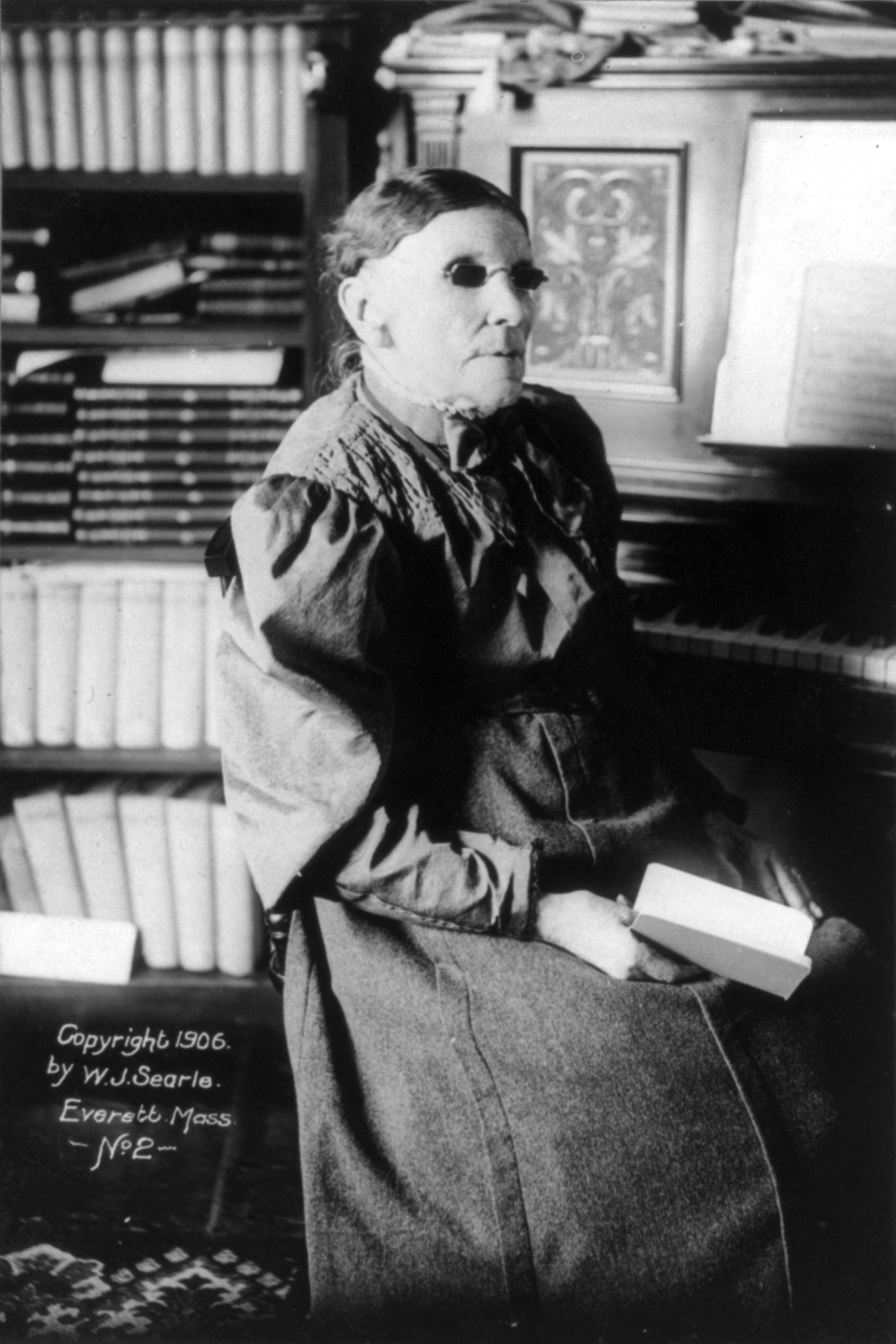
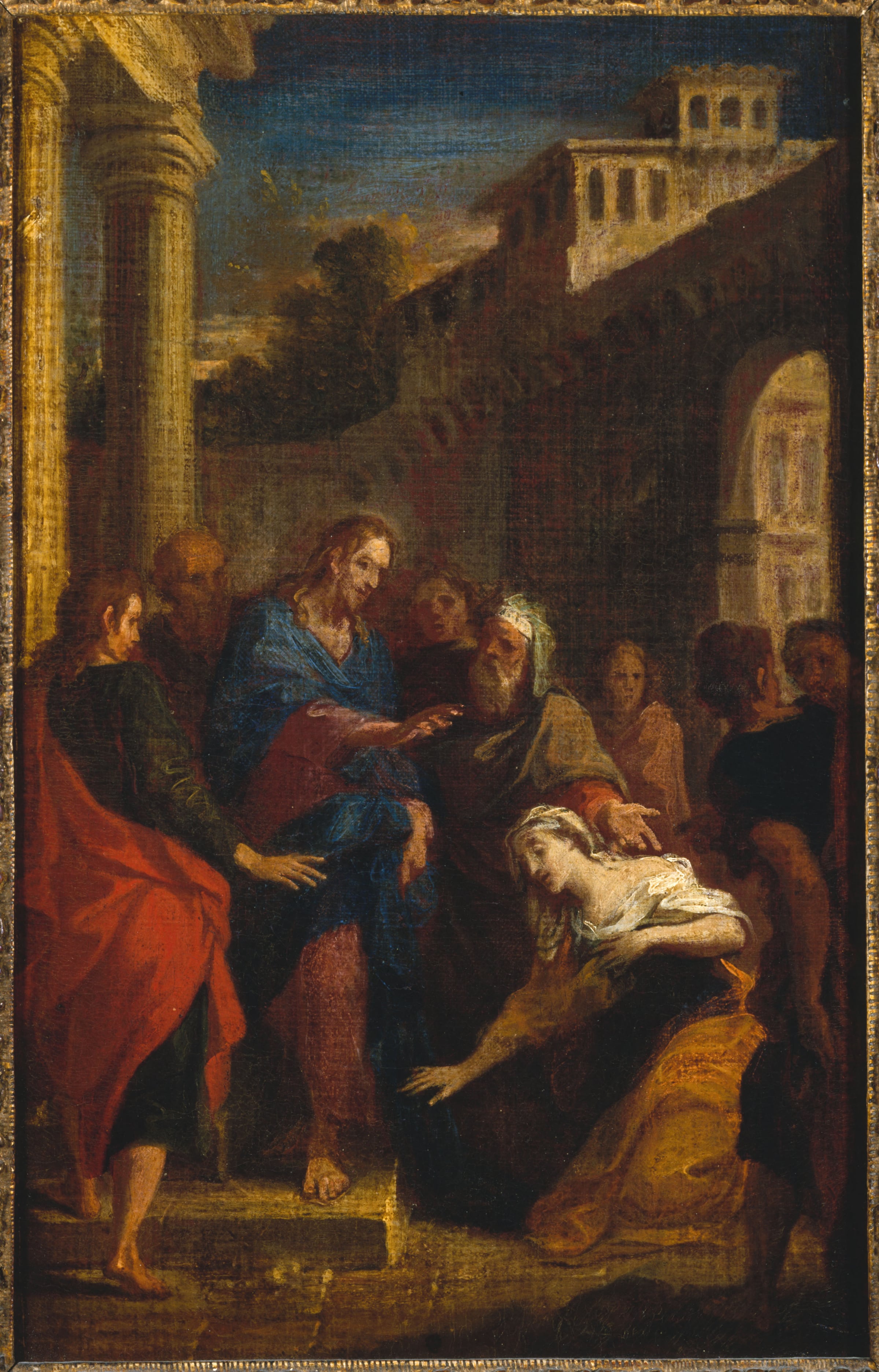
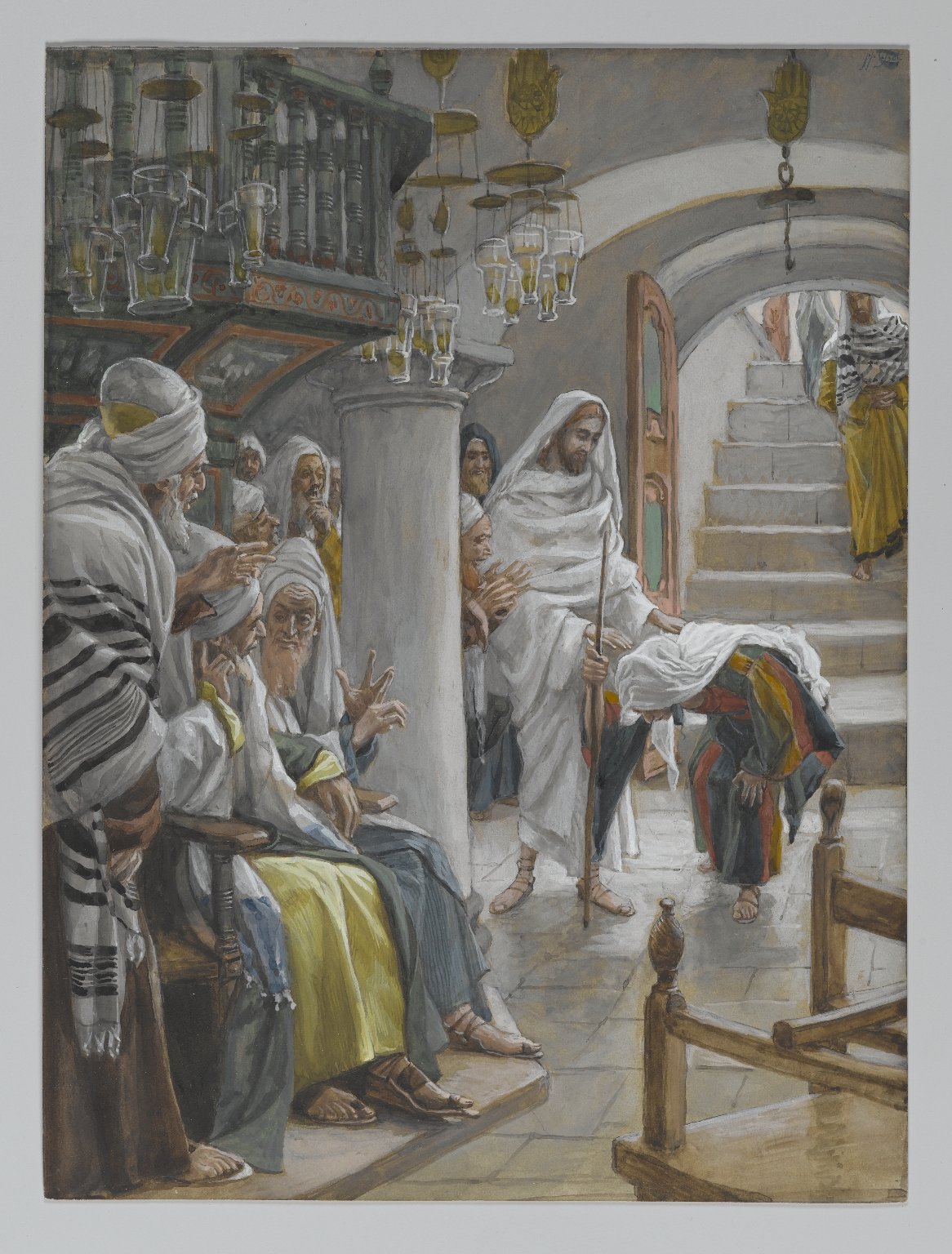
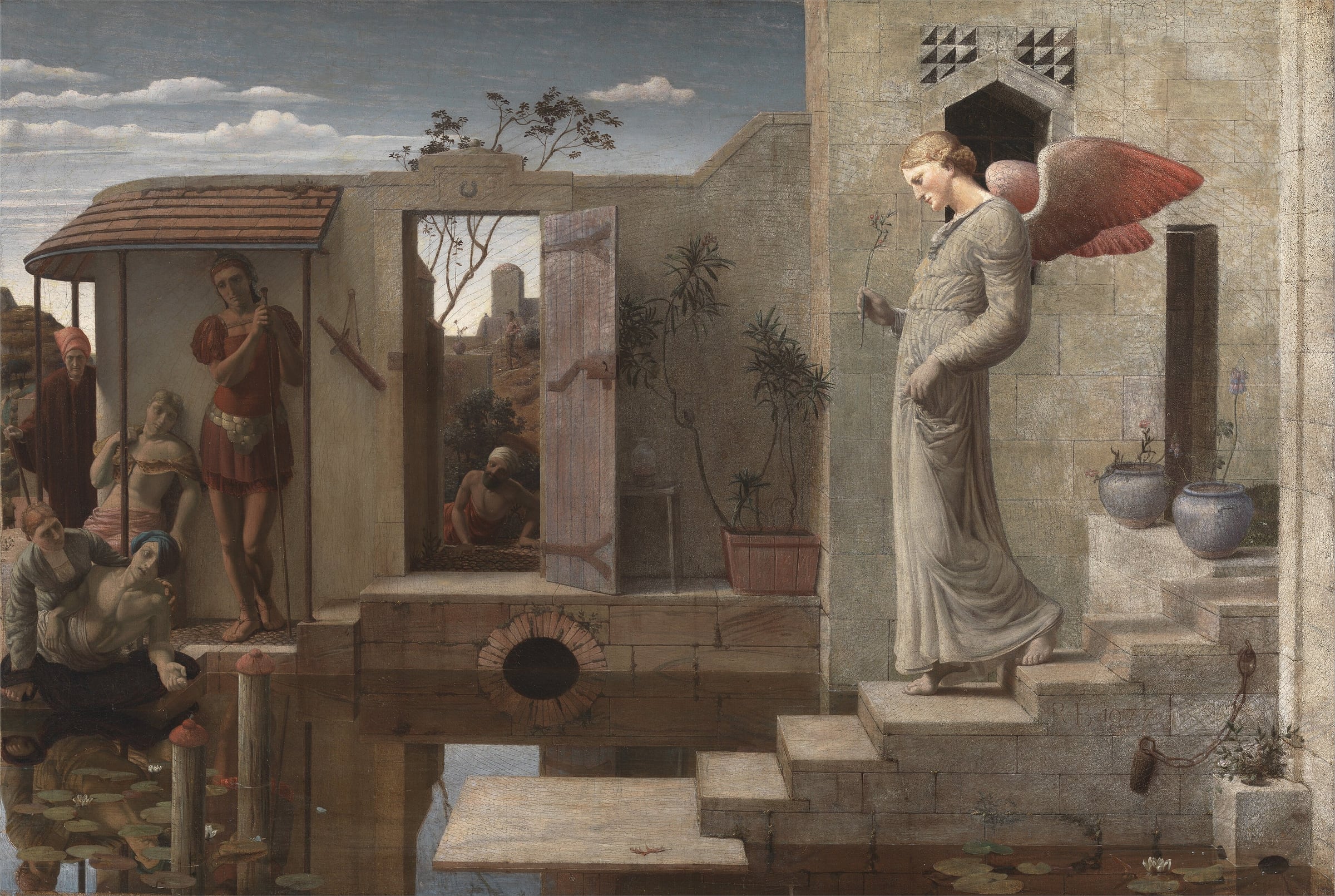
Fanny Crosby, Blind from Infancy, The Woman Who Touched His Cloak, The Words Choli and Astheneia, Does God Always Heal?, Pain and Faith in the Body
Where Readers Disagree
Seven readings answer three questions, each with its holders, the work that argues it and the objection raised against it.
Whether healing is provided in the atonement
Read the debate Does God Always Heal? 8 sections, 8 verses set out
| Reading | Held by | Work | Objection |
|---|---|---|---|
| Sickness came with the fall and is included in Christ's atonement, so healing is received now by faith | A. B. Simpson (Christian and Missionary Alliance) | A. B. Simpson, The Gospel of Healing, revised edition (Christian Publications, 1915), chapter 2 | Paul healed the father of Publius on Malta by prayer and the laying on of hands (Acts 28:8), yet some of his own companions stayed sick. |
| The atonement provides for the body, but its benefit to the body is complete only at the resurrection | Benjamin B. Warfield (Reformed, Princeton) | Benjamin B. Warfield, Counterfeit Miracles (New York: Charles Scribner's Sons, 1918), lecture 5 | Matthew ties the healings of Jesus' own ministry to Isaiah 53:4 (Matthew 8:16 to 17). |
| Christ bore sickness away by the miracles of His life and bore our sicknesses on the tree | Matthew Henry (English Presbyterian) | Matthew Henry, Commentary on the Whole Bible (1710), on Matthew 8:17 | Peter applies the healing by Christ's stripes to sin, so that we might die to sin and live to righteousness (1 Peter 2:24). |
The atonement provides for the body, but its benefit to the body is complete only at the resurrection, Christ bore sickness away by the miracles of His life and bore our sicknesses on the tree
Whether the gifts of healing continue
| Reading | Held by | Work | Objection |
|---|---|---|---|
| Healing remained in the church for centuries and faded through worldliness and unbelief | A. B. Simpson (Christian and Missionary Alliance) | A. B. Simpson, The Gospel of Healing, revised edition (1915), chapter 1 | John Chrysostom wrote in the fourth century that the gifts of 1 Corinthians 12 no longer took place in his day (Homily 29 on 1 Corinthians). |
| The gifts were the credentials of the apostles and passed away with the apostolic church | Benjamin B. Warfield (Reformed, Princeton) | Benjamin B. Warfield, Counterfeit Miracles (1918), lecture 1 | Paul names gifts of healing among the gifts the Spirit gives to the church (1 Corinthians 12:9 and 1 Corinthians 12:28). |
What Paul's thorn in the flesh was
Read the study of Paul's Thorn 9 sections, 10 verses set out
| Reading | Held by | Work | Objection |
|---|---|---|---|
| A bodily pain or affliction, such as a pain in the ear or the head | Tertullian; Cyprian (Latin patristic writing) | Tertullian, On Modesty, which reports the reading of a pain in the ear or head; Cyprian, On the Mortality 13; both named by Adam Clarke, Commentary on the Bible (1832), on 2 Corinthians 12:7 | Paul calls the thorn “a messenger of Satan” (2 Corinthians 12:7), and Chrysostom held that Paul's body was never given over to the devil. |
| The adversaries who opposed his preaching | John Chrysostom; Adam Clarke (Greek patristic writing; Methodist) | John Chrysostom, Homilies on Second Corinthians, Homily 26; Adam Clarke, Commentary on the Bible (1832), on 2 Corinthians 12:7 | Paul places the thorn in his flesh (2 Corinthians 12:7), a word he uses of the body. |
The Essay of the Former Illness Page
The essay of the former subject page on illness stands here as it was written.
The essay of the subject page Illness, which stood at /tag/illness8 paragraphs
Sickness enters the Bible's story early, and it never gets a tidy explanation. Scripture refuses two easy answers, that every illness is punishment for a specific sin, and that faith always guarantees healing on this side of eternity. Instead it gives something more honest: a God who heals, a God who sometimes does not, and a promise that outlasts both.
Right after Israel leaves Egypt, God names himself directly in connection with health: "I am the LORD that healeth thee" (Exodus 15:26). It is one of his covenant names, given before Israel had done anything to earn it. Centuries later the psalmist echoes it, blessing the LORD "who healeth all thy diseases" in the very same breath as "who forgiveth all thine iniquities" (Psalm 103:3): sickness and sin named together, but healing and forgiveness offered together too.
Job is the Bible's hardest case study. He is struck with sores from head to foot, for reasons he is never given and his friends get badly wrong (Job 2:7). His three friends assume his suffering proves hidden sin. The book spends chapter after chapter dismantling that assumption. Job's illness is real and painful, and it is not a verdict on his character.
The prophets connect the nation's sickness to something deeper still. Isaiah pictures a coming Servant who would carry what Israel could not carry on its own: "Surely he hath borne our griefs, and carried our sorrows" (Isaiah 53:4). Matthew later reads that verse as fulfilled the moment Jesus began healing the sick who were brought to him (Matthew 8:16-17). The connection was not incidental. Jesus healing bodies was a preview of a larger rescue.
The Gospels are full of the specific ways he did it. A woman who had bled for twelve years touches the edge of his robe and is healed instantly, and Jesus tells her plainly that her faith made her whole (Mark 5:25-34). A man born blind is healed not as punishment undone but so "the works of God should be made manifest in him" (John 9:1-3). A woman bent double for eighteen years is called forward and made straight the same day (Luke 13:10-13). Every healing carries the same message: this sickness does not get the final word.
And then there is the sickness he lets run its course. Jesus deliberately delays going to a dying friend, saying "this sickness is not unto death, but for the glory of God" (John 11:4), and Lazarus dies anyway, before Jesus arrives. The healing, when it comes, is bigger than anyone expected. Paul asks three times for a "thorn in the flesh" to be removed and is told no; instead he receives an answer that reframes the whole question: "My grace is sufficient for thee: for my strength is made perfect in weakness" (2 Corinthians 12:7-9).
James gives the church a concrete practice for illness: call the elders, pray in faith, anoint with oil, and trust that "the prayer of faith shall save the sick" (James 5:14-15), while also naming that sin and sickness can be tangled together, and inviting confession alongside the prayer.
The Bible never promises a body that will not break down in this life. What it promises is a God who is present in the breaking down: healing many times, present in all of it, and finally, at the resurrection, ending sickness for good.
Sources
Scripture is the Berean Standard Bible.
- STEP Bible brief lexicons of Extended Strongs for Hebrew and for Greek (Tyndale House, Cambridge), CC BY 4.0, with the Strong's glosses.
- Cyprian of Carthage, Treatise 7, On the Mortality, sections 13 and 14, translated by Robert Ernest Wallis, Ante-Nicene Fathers, volume 5 (Buffalo: Christian Literature Publishing, 1886)
- Augustine of Hippo, Letter 130, to Proba.
- Matthew Henry, Commentary on the Whole Bible (1710), on 2 Kings 20:1 and 2 Kings 20:4 to 5.
- Gregory of Nazianzus, Oration 43, the funeral oration on Basil the Great, section 63, translated by Charles Gordon Browne and James Edward Swallow, Nicene and Post-Nicene Fathers, second series, volume 7 (Buffalo: Christian Literature Publishing, 1894)
- John Calvin, Commentary on the Gospel according to John (1554), on John 5:3.
- Gregory the Dialogist, Forty Gospel Homilies, Homily 27.
- John Bunyan, Grace Abounding to the Chief of Sinners (1666), on 2 Corinthians 12:8 to 9.
- Charles Spurgeon, The Treasury of David, volume 2 (1870), on Psalm 41:3.
- Tertullian, On Modesty, Ante-Nicene Fathers, volume 4.
- John Chrysostom, Homilies on Second Corinthians, Homily 26, on 2 Corinthians 12:7.
- Adam Clarke, Commentary on the Bible (1832), on 2 Corinthians 12:7.
- A. B. Simpson, The Gospel of Healing, revised edition (Christian Publications, 1915), chapters 1 and 2.
- Benjamin B. Warfield, Counterfeit Miracles (New York: Charles Scribner's Sons, 1918), lectures 1 and 5.
- John Chrysostom, Homilies on First Corinthians, Homily 29, Nicene and Post-Nicene Fathers, first series, volume 12.
- Matthew Henry, Commentary on the Whole Bible (1710), on Matthew 8:17.
- Keefe FJ, Affleck G, Lefebvre J, and others. Living with rheumatoid arthritis: the role of daily spirituality and daily religious and spiritual coping. Journal of Pain 2001;2(2):101 to 110, abstract.
- Bush EG, Rye MS, Brant CR, Emery E, Pargament KI, Riessinger CA. Religious coping with chronic pain. Applied Psychophysiology and Biofeedback 1999;24(4):249 to 260, abstract.
- Fanny Crosby, Fanny Crosby's Life-Story, by Herself (New York: Every Where Publishing Company, 1903), chapters 1, 4, 22, 23 and 24.
- Fanny Crosby, Memories of Eighty Years (Boston: James H. Earle and Company, 1906), chapter 1.
- S. Trevena Jackson, Fanny Crosby's Story of Ninety-Four Years (New York: Fleming H. Revell Company, 1915), chapter 15.
- The subject page Illness (/tag/illness), its essay.
Keep Studying
Studies9
People and groups25
Show the next 6 titles
Show the next 6 titles
Doctrines8
In this trial6
Values3