
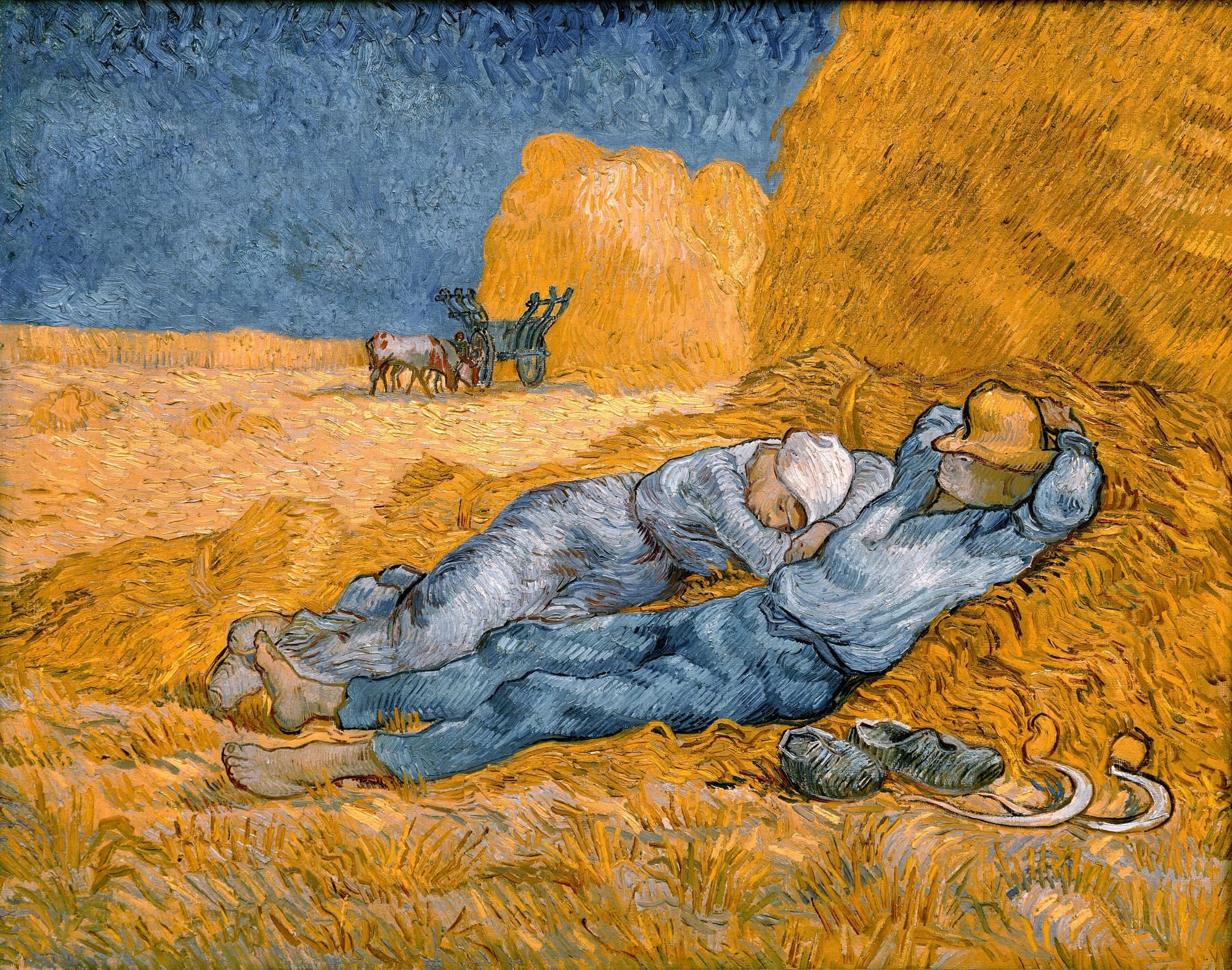
Matthew 11 · Value 35 of 41 · Featured Study
Rest
Rest in Scripture is the relief from labor and burden that God gives His people and commands them to keep.
When a violent storm broke over the sea, “Jesus was sleeping” (Matthew 8:24).
Come to Me, all you who are weary and burdened, and I will give you rest.
- Anchor text
- Matthew 11:28 “…and I will give you rest.”
- Its opposite
- Restlessness, and labor without end
- Hold in memory
- Matthew 11:28, Psalm 62:1
Summary
Rest in Scripture begins with God, who rested on the seventh day and blessed it. It reaches to the rest that Hebrews says still remains for His people. Between the two stand the weekly Sabbath, the Sabbath years of the land and the call of Jesus to the weary. Each of them begins with what God does, and His people enter the rest He makes.
- The fourth commandment rests on two grounds. One is God's rest after the six days of creation, and the other is His rescue of Israel from slavery in Egypt.
- Hebrews teaches that the rest Joshua gave Israel in the land did not end God's promise of rest (Hebrews 4:8).
- Jesus took His tired apostles away to rest, and His body lay in the tomb through a Sabbath before He rose.
- Rest is entered by faith, and the generation that left Egypt was shut out of it because of unbelief (Hebrews 3:19).
What Rest Is
The Hebrew and Greek words name ceasing, the Sabbath, settling, a resting place and the refreshment Jesus gives.
Scripture speaks of rest in four ways. It names the stopping of work on a set day and the settling of a people in their land. It also names the quiet of a soul that trusts God and a rest still promised to God's people. This study asks what Scripture means by rest, where rest comes from and how God's people enter it. It also asks whether the Sabbath command binds Christians, and whether the rest of Hebrews 4 is entered now or awaited.
Shabath, to cease
71 uses in the canon
The Hebrew verb shabath (H7673) means to stop and desist from work. The law of the seventh day uses it: “on the seventh day you must cease.”
Shabbath, the Sabbath
110 uses in the canon
The noun shabbath (H7676), from the same root, names the day of rest that God set apart. God called it a sign: “Surely you must keep My Sabbaths, for this will be a sign between Me and you.”
Nuach, to settle and be at rest
142 uses in the canon
The Hebrew verb nuach (H5117) means to settle down and be at rest, and in the causative to give rest. Isaiah uses it of the exodus: “the Spirit of the LORD gave them rest.”
Menuchah, a resting place
22 uses in the canon
The noun menuchah (H4496) names repose and the place where one rests. God says of Zion, “This is My resting place forever and ever.”
Anapauo, to give rest
12 uses in the canon
The Greek verb anapauo (G373) means to give rest and to refresh. Jesus uses it in His promise to the weary, and Paul uses it of a friend: “you, brother, have refreshed the hearts of the saints.”
Shabath, to cease, Shabbath, the Sabbath, Nuach, to settle and be at rest, Menuchah, a resting place, Anapauo, to give rest, The Words Shabbat, Nuach and Anapausis, the study in brief
The Key Texts of Rest
The Law, the psalms, the prophets and Revelation each name rest as God's gift.
Law
And the LORD answered, “My Presence will go with you, and I will give you rest.”
The promise stands first because it ties every later rest of Israel to the presence of God Himself.
Exodus 33:14BSB
Wisdom
In God alone my soul finds rest; my salvation comes from Him.
The psalm stands here because it moves rest from a day and a land to the soul that waits on God.
Psalm 62:1BSB
Wisdom
Return to your rest, O my soul, for the LORD has been good to you.
The line shows a believer calling himself back to rest after danger, as an act of faith in God's goodness.
Psalm 116:7BSB
Prophets
For the Lord GOD, the Holy One of Israel, has said: “By repentance and rest you would be saved; your strength would lie in quiet confidence—but you were not willing.”
Isaiah's word stands with the prophets because it makes rest a matter of trust in God against reliance on Egypt.
Isaiah 30:15BSB
Revelation
And I heard a voice from heaven telling me to write, “Blessed are the dead—those who die in the Lord from this moment on.” “Yes,” says the Spirit, “they will rest from their labors, for their deeds will follow them.”
The last book carries the promise of rest past death for those who belong to the Lord.
Psalm 62:1, Psalm 116:7, Isaiah 30:15, Revelation 14:13
Rest Begins with God's Own Rest
God's own rest, the command of the Sabbath, the Sabbath of the land and the warning of Psalm 95 give rest its ground.
And by the seventh day God had finished the work He had been doing; so on that day He rested from all His work. Then God blessed the seventh day and sanctified it, because on that day He rested from all the work of creation that He had accomplished.God's rest on the seventh day is the first rest in Scripture and the pattern for every Sabbath after it.
Remember the Sabbath day by keeping it holy. Six days you shall labor and do all your work, but the seventh day is a Sabbath to the LORD your God, on which you must not do any work—neither you, nor your son or daughter, nor your manservant or maidservant or livestock, nor the foreigner within your gates. For in six days the LORD made the heavens and the earth and the sea and all that is in them, but on the seventh day He rested. Therefore the LORD blessed the Sabbath day and set it apart as holy.The Sinai giving stands first because it ties Israel's week to God's own week.
Remember that you were a slave in the land of Egypt, and that the LORD your God brought you out of there with a mighty hand and an outstretched arm. That is why the LORD your God has commanded you to keep the Sabbath day.Moses repeats the command in Moab and gives it a second reason from Israel's own history.
But in the seventh year there shall be a Sabbath of complete rest for the land—a Sabbath to the LORD. You are not to sow your field or prune your vineyard.The law of the seventh year carries the Sabbath from the household to the fields.
Psalm 95 calls Israel to worship and then recalls the generation that tested God at Meribah and Massah.
For forty years I was angry with that generation, and I said, “They are a people whose hearts go astray, and they have not known My ways.” So I swore on oath in My anger, “They shall never enter My rest.”The oath closes the ground of rest because it shows that God's rest can be refused.
Deuteronomy 5:15, Leviticus 25:4, Psalm 95:10 to 11
The Creation Week, the study in brief, Exodus 20:8 to 11, Deuteronomy 5:15, Leviticus 25:4, Psalm 95:10 to 11, The Wilderness Generation, the study in brief
Christ and Rest
Texts from the Gospels and Hebrews show how Jesus taught rest, kept it and gave it.
He called the weary to come to HimMatthew 11
In Matthew 11 Jesus first thanked His Father for revealing His ways to little children (Matthew 11:25), and then He turned to the weary and burdened (Matthew 11:28).
Take My yoke upon you and learn from Me; for I am gentle and humble in heart, and you will find rest for your souls. For My yoke is easy and My burden is light.”
Matthew 11:29 to 30BSB The verses tie the rest Jesus gives to life under His teaching.
Read the study of Come to Me, and I Will Give You Rest 8 sections, 6 verses set out
He named Himself Lord of the SabbathMark 2
The Pharisees charged His disciples with breaking the Sabbath when they picked heads of grain as they walked through the fields. Jesus answered from the story of David and the consecrated bread.
Then Jesus declared, “The Sabbath was made for man, not man for the Sabbath. Therefore, the Son of Man is Lord even of the Sabbath.”
Mark 2:27 to 28BSB The saying answers the charge of the Pharisees and settles who rules the day.
He took His disciples away to restMark 6
The apostles came back from their mission and told Jesus all they had done and taught (Mark 6:30).
And He said to them, “Come with Me privately to a solitary place, and let us rest for a while.” For many people were coming and going, and they did not even have time to eat.
Mark 6:31BSB The verse shows Jesus giving rest to tired workers in His own service, as well as to the burdened crowds.
Read the page on Jesus 33 sections, 35 verses set out
He lay in the tomb through the SabbathLuke 23
On the cross Jesus said, “It is finished,” and gave up His spirit (John 19:30). Luke records that “It was Preparation Day, and the Sabbath was beginning” when His body was laid in the tomb (Luke 23:54). The women came back to the tomb “After the Sabbath, at dawn on the first day of the week” (Matthew 28:1).
Then they returned to prepare spices and perfumes. And they rested on the Sabbath, according to the commandment.
Luke 23:56BSB Luke marks the Sabbath that fell between the cross and the empty tomb.
Read the story of the Empty Tomb 12 sections, 10 verses set out
He opened the rest that remainsHebrews 4
Hebrews tells believers that “we have a great high priest who has passed through the heavens, Jesus the Son of God” (Hebrews 4:14), and it sets His priesthood beside the promise of rest.
There remains, then, a Sabbath rest for the people of God. For whoever enters God’s rest also rests from his own work, just as God did from His.
Hebrews 4:9 to 10BSB The verses link the rest of the seventh day to the rest still offered to believers.
Read the study of The Sabbath Rest That Remains 8 sections, 10 verses set out
He named Himself Lord of the Sabbath (Mark 2), He took His disciples away to rest (Mark 6), He lay in the tomb through the Sabbath (Luke 23), He opened the rest that remains (Hebrews 4)
Mark 6:31, Luke 23:56, Hebrews 4:9 to 10
Who Found Rest
Four people of the Bible are tied to rest by the ark that settled, the king of rest, a widow's resting place and a sister at the Lord's feet.
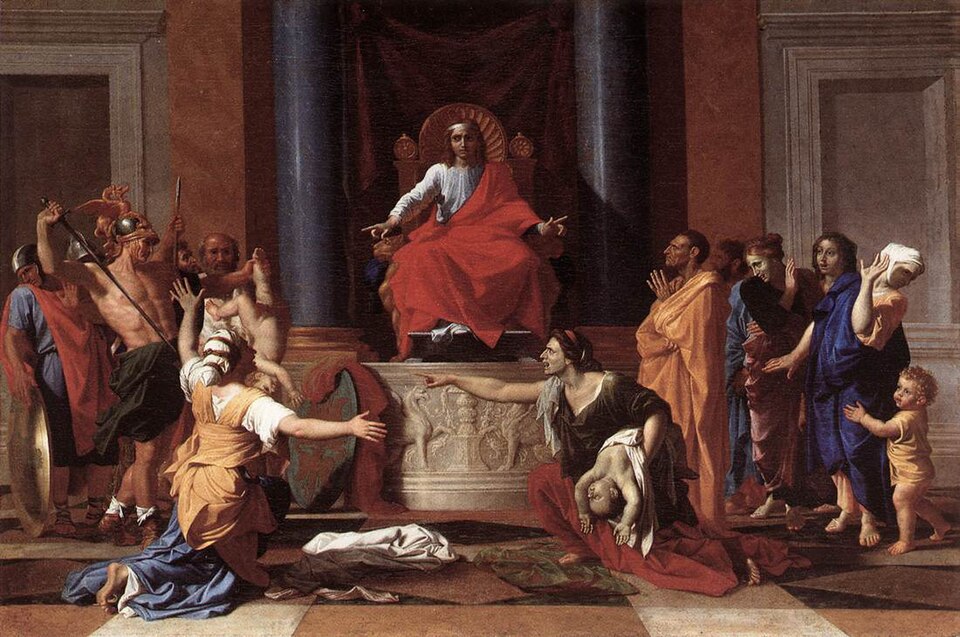
God told David that his son would be “a man of rest” and that Israel would have “peace and quiet during his reign.”
1 Chronicles 22:9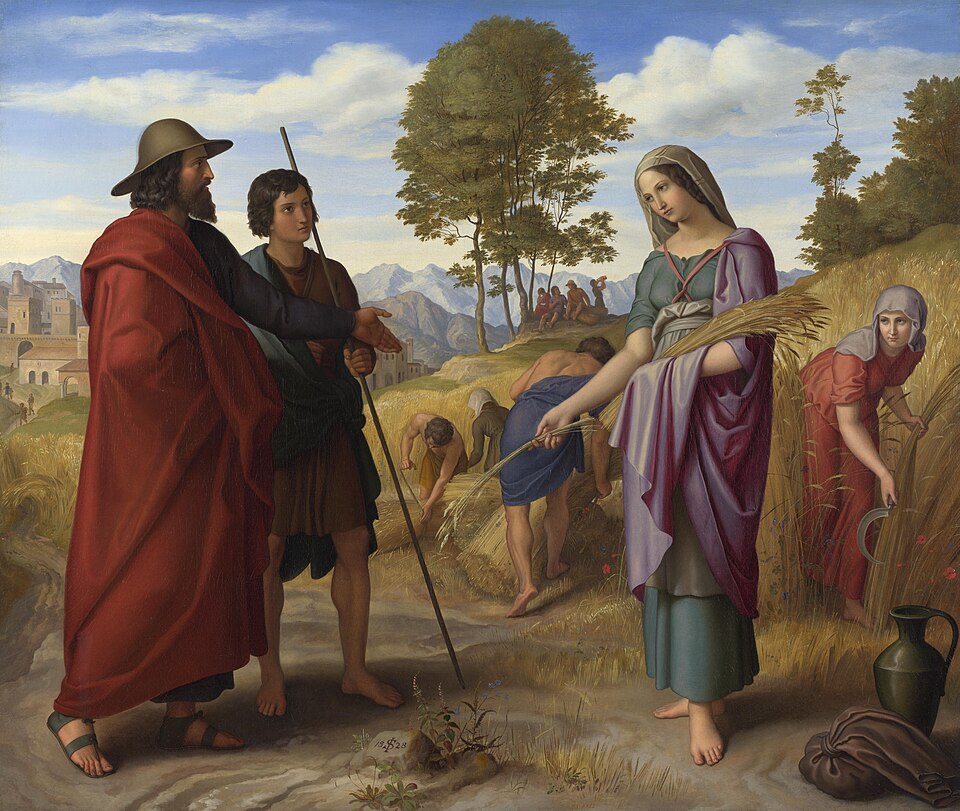
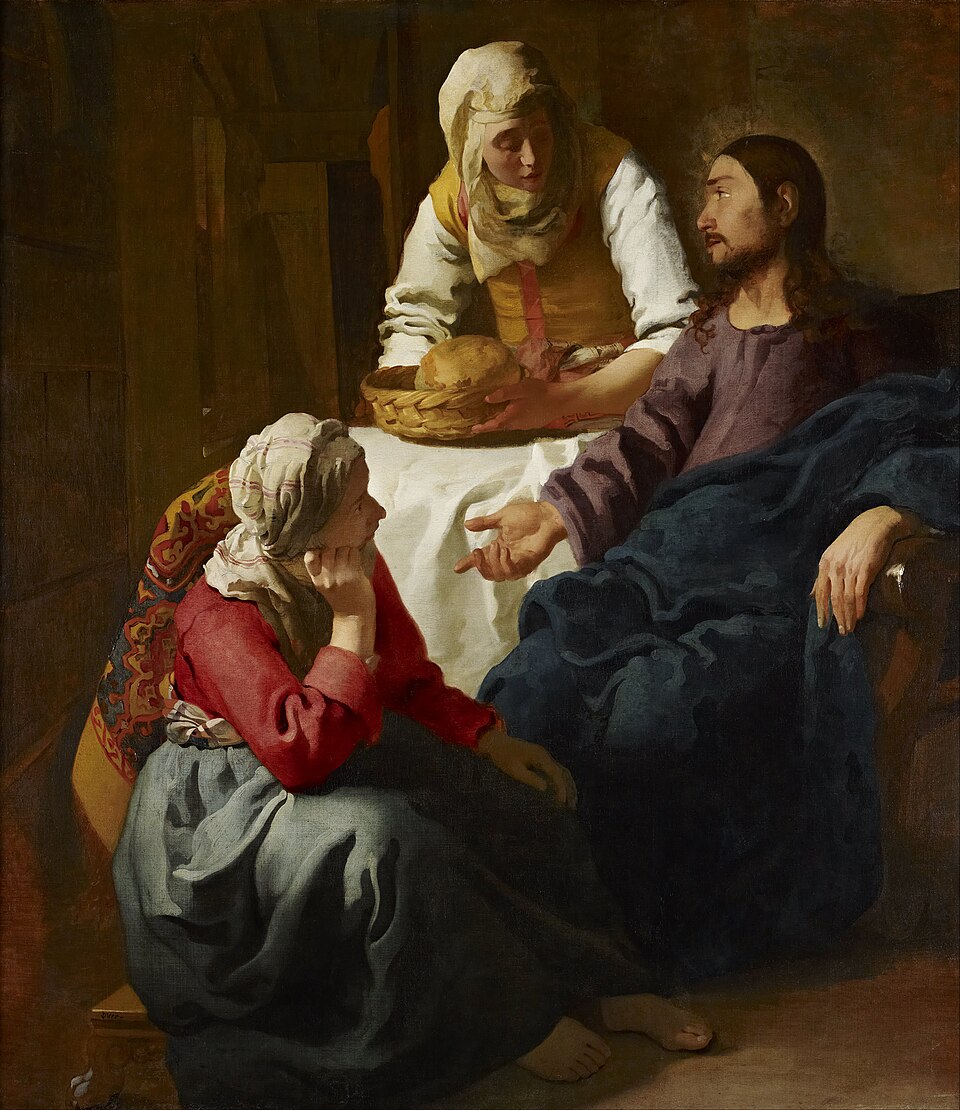
She “sat at the Lord’s feet listening to His message” while her sister Martha was distracted with serving.
Luke 10:39
Ruth, Mary of Bethany
The Practice of Rest
Scripture names six practices of rest, each in the words of the verse that gives it.
- 1Stop work one day in seven“Six days you shall labor, but on the seventh day you shall rest; even in the seasons of plowing and harvesting, you must rest.”Exodus 34:21
- 2Call the Sabbath a delight“if you call the Sabbath a delight, and the LORD’s holy day honorable”Isaiah 58:13
- 3Be still before God“Be still and know that I am God.”Psalm 46:10
- 4Wait for Him“Be still before the LORD and wait patiently for Him.”Psalm 37:7
- 5Sleep, and leave the work to Him“In vain you rise early and stay up late, toiling for bread to eat”, says the psalm, “for He gives sleep to His beloved.”Psalm 127:2
- 6Strive to enter His rest“Let us, therefore, make every effort to enter that rest.”Hebrews 4:11
Call the Sabbath a delight, Be still before God, Wait for Him, Sleep, and leave the work to Him, Strive to enter His rest
What Stands Against Rest
Scripture names the restlessness of the wicked, the sleepless labor of the one who toils under the sun and the greed that resents the Sabbath.
Amos charged the merchants of Israel with asking, “When will the Sabbath end, that we may market wheat?”, so that they could “cheat with dishonest scales” (Amos 8:5).
But the wicked are like the storm-tossed sea, for it cannot be still, and its waves churn up mire and muck. “There is no peace,” says my God, “for the wicked.”The picture stands for the opposite of rest, a life that cannot settle because it is set against God.
Indeed, all his days are filled with grief, and his task is sorrowful; even at night, his mind does not rest. This too is futile.The Teacher shows that labor without end robs a man of rest even in the night.
Isaiah 57:20 to 21, Ecclesiastes 2:23
Rest in the Stories of the Bible
Four stories tell of manna kept for the Sabbath, a land at rest, a king at rest in his palace and a prophet given sleep and food.
The manna and the SabbathExodus 16
In the wilderness Moses told the people, “Tomorrow is to be a day of complete rest, a holy Sabbath to the LORD” (Exodus 16:23). The manna they kept overnight for that day “did not smell or contain any maggots” (Exodus 16:24). Some went out to gather on the seventh day anyway and found nothing (Exodus 16:27).
Understand that the LORD has given you the Sabbath; that is why on the sixth day He will give you bread for two days. On the seventh day, everyone must stay where he is; no one may leave his place.” So the people rested on the seventh day.
Exodus 16:29 to 30BSB The verses show the Sabbath given to Israel as a gift before the law at Sinai.
Read the story of the Wilderness Generation 11 sections, 13 verses set out
The land at rest under JoshuaJoshua 21
Joshua 21 closes the dividing of the land with a summary. The LORD “gave Israel all the land He had sworn to give their fathers” (Joshua 21:43), and “Not one of all the LORD’s good promises to the house of Israel had failed” (Joshua 21:45).
And the LORD gave them rest on every side, just as He had sworn to their fathers. None of their enemies could stand against them, for the LORD delivered all their enemies into their hand.
Joshua 21:44BSB The verse closes the conquest with the keeping of God's oath to the fathers.
Read the page on Joshua son of Nun 14 sections, 29 verses set out
David given rest2 Samuel 7
David told Nathan the prophet that he lived “in a house of cedar, while the ark of God remains in a tent” (2 Samuel 7:2). God answered that He would establish a house for David and that David's descendant would build a house for His Name (2 Samuel 7:11 to 13). John Gill noted on 2 Samuel 7:1 that “this rest and peace did not last long”.
After the king had settled into his palace and the LORD had given him rest from all his enemies around him,
2 Samuel 7:1BSB The verse gives the setting of peace in which David first planned a house for God.
Elijah under the broom tree1 Kings 19
Elijah fled from Jezebel into the wilderness and prayed that he might die (1 Kings 19:4). After the angel had fed him twice, “he walked forty days and forty nights until he reached Horeb, the mountain of God” (1 Kings 19:8).
Then he lay down under the broom tree and fell asleep. Suddenly an angel touched him and said, “Get up and eat.”
1 Kings 19:5BSB The verse stands for the first thing God gave the prophet in his despair, before any word of rebuke or of commission.
Read the page on Elijah the Tishbite 12 sections, 13 verses set out
The land at rest under Joshua (Joshua 21), David given rest (2 Samuel 7), Elijah under the broom tree (1 Kings 19)
2 Samuel 7:1, 1 Kings 19:5
Rest in the Church's History
Two accounts tell of a bishop who wrote of the restless heart about the year 400 and a pastor who wrote of heaven's rest while he lay ill.
Augustine's restless heartAbout 400
Augustine of Hippo opened his Confessions with praise of God taken from Psalm 145:3. In the translation of J. G. Pilkington (1887) the first chapter reads, “Thou hast formed us for Thyself, and our hearts are restless till they find rest in Thee.”
Richard Baxter and The Saints' Everlasting Rest1650
Richard Baxter wrote The Saints' Everlasting Rest when he was, in the words of Benjamin Fawcett's preface to his abridgment, “in continual expectation of death for many months”. He preached it in his weekly lecture at Kidderminster and published it in 1650. The book's first chapter defines its subject: “The saints' rest is the most happy state of a Christian”.
Voices on Rest, by Century
Six quotations from the second century to the nineteenth, each under the line it teaches.
died 202 · Irenaeus
Against Heresies Book 5
A second-century reading: God's rest on the seventh day is both an account of creation and a prophecy of what is to come.
The quotation1 quotation
“For in as many days as this world was made, in so many thousand years shall it be concluded. And for this reason the Scripture says: ‘Thus the heaven and the earth were finished, and all their adornment. And God brought to a conclusion upon the sixth day the works that He had made; and God rested upon the seventh day from all His works.’ This is an account of the things formerly created, as also it is a prophecy of what is to come. For the day of the Lord is as a thousand years; and in six days created things were completed: it is evident, therefore, that they will come to an end at the sixth thousand year.”
Irenaeus · Against Heresies Book 5 · on 2 Peter 3:8Patristic
died 220 · Tertullian
An Answer to the Jews
A third-century reading: Christians keep a Sabbath from servile work through all time.
The quotation1 quotation
“For the Jews say, that from the beginning God sanctified the seventh day, by resting on it from all His works which He made; and that thence it was, likewise, that Moses said to the People: ‘Remember the day of the sabbaths, to sanctify it: every servile work ye shall not do therein, except what pertaineth unto life.’ Whence we (Christians) understand that we still more ought to observe a sabbath from all ‘servile work’ always, and not only every seventh day, but through all time.”
Tertullian · An Answer to the Jews · on Galatians 5:1Patristic
died 397 · Ambrose of Milan
Exposition of the Gospel of Luke
A fourth-century reading: the Sabbath is an image of a future day of rest, a rest from evil deeds.
The quotation1 quotation
“Not understanding this, the ruler of the synagogue commanded that no one should be healed on the sabbath since the sabbath is an image of a future day of rest, days of rest from evil deeds, not from good works. It is commanded that, neither bearing the burden of offenses nor being devoid of good works, we shall celebrate future sabbaths after death. The Lord then is seen to reply spiritually when he says, ‘You hypocrites, does not every one of you on the sabbath day untie his ox or his donkey and lead them to water?’”
Ambrose of Milan · Exposition of the Gospel of Luke · on Luke 13:14 to 15Patristic
died 1688 · John Bunyan
Grace Abounding to the Chief of Sinners
A seventeenth-century reading: the restless sea of Isaiah 57 is the soul that has no peace with God.
The quotation1 quotation
“That scripture did also tear and rend my soul in the midst of these distractions, The wicked are like the troubled sea, when it cannot rest, whose waters cast up mire and dirt. There is no peace, saith my God, to the wicked.”
John Bunyan · Grace Abounding to the Chief of Sinners · on Isaiah 57:20 to 21English Puritan
1662 to 1714 · Matthew Henry
Commentary on the Whole Bible
An eighteenth-century reading: Christ gives rest to the tired and refuge to the frightened among His disciples.
The quotation1 quotation
“Note, Christ takes cognizance of the frights of some, and the toils of others, of his disciples, and provides suitable relief for both, rest for those that are tired, and refuge for those that are terrified. With what kindness and compassion doth Christ say to them, Come, and rest!”
Matthew Henry · Commentary on the Whole Bible · on Mark 6:31Puritan
1834 to 1892 · Charles Spurgeon
The Treasury of David, Vol. 7
A nineteenth-century reading: the Lord is to be rested in, so anxious toil that denies needful rest is vanity.
The quotation1 quotation
“It is vain for you to rise up early, to sit up late, to eat the bread of sorrows. Because the Lord is mainly to be rested in, all carking care is mere vanity and vexation of spirit. We are bound to be diligent, for this the Lord blesses; we ought not to be anxious, for that dishonours the Lord, and can never secure his favour. Some deny themselves needful rest; the morning sees them rise before they are rested, the evening sees them toiling long after the curfew has tolled the knell of parting day.”
Charles Spurgeon · The Treasury of David, Vol. 7 · on Psalm 127:2
Ambrose of Milan, John Bunyan, Matthew Henry, Charles Spurgeon
How Rest Has Been Taught
Thomas Aquinas in the thirteenth century and Martin Luther in the sixteenth taught what the Sabbath command asks of Christians.
Aquinas taught that the Sabbath precept is partly moral and partly ceremonial.1 paragraph
Thomas Aquinas asked in the Summa Theologiae (second part of the second part, question 122, article 4, English Dominican translation) whether the third precept of the Decalogue, on hallowing the Sabbath, is suitably expressed. He answered that “The precept about hallowing the Sabbath, understood literally, is partly moral and partly ceremonial.” In the New Law, he wrote, the Lord's day “took the place of the observance of the Sabbath”. He held that it did so “by the institution of the Church and the custom of Christian people.”
Luther taught that a day is kept for the body's rest and for hearing the Word.1 paragraph
Martin Luther wrote in the Large Catechism (translated by F. Bente and W. H. T. Dau) that the commandment “according to its gross sense, does not concern us Christians”. He kept a day of rest “first of all for bodily causes and necessities”, and “most especially” so that “freedom and time be taken to attend divine service”.
The Studies of Rest
Each study takes one part of rest into more depth.
The texts
2 studies
- Passages and psalms · 6 verses set outCome to Me, and I Will Give You Rest
Matthew 11:25 to 30 closes the chapter that opens with John the Baptist's question from prison.
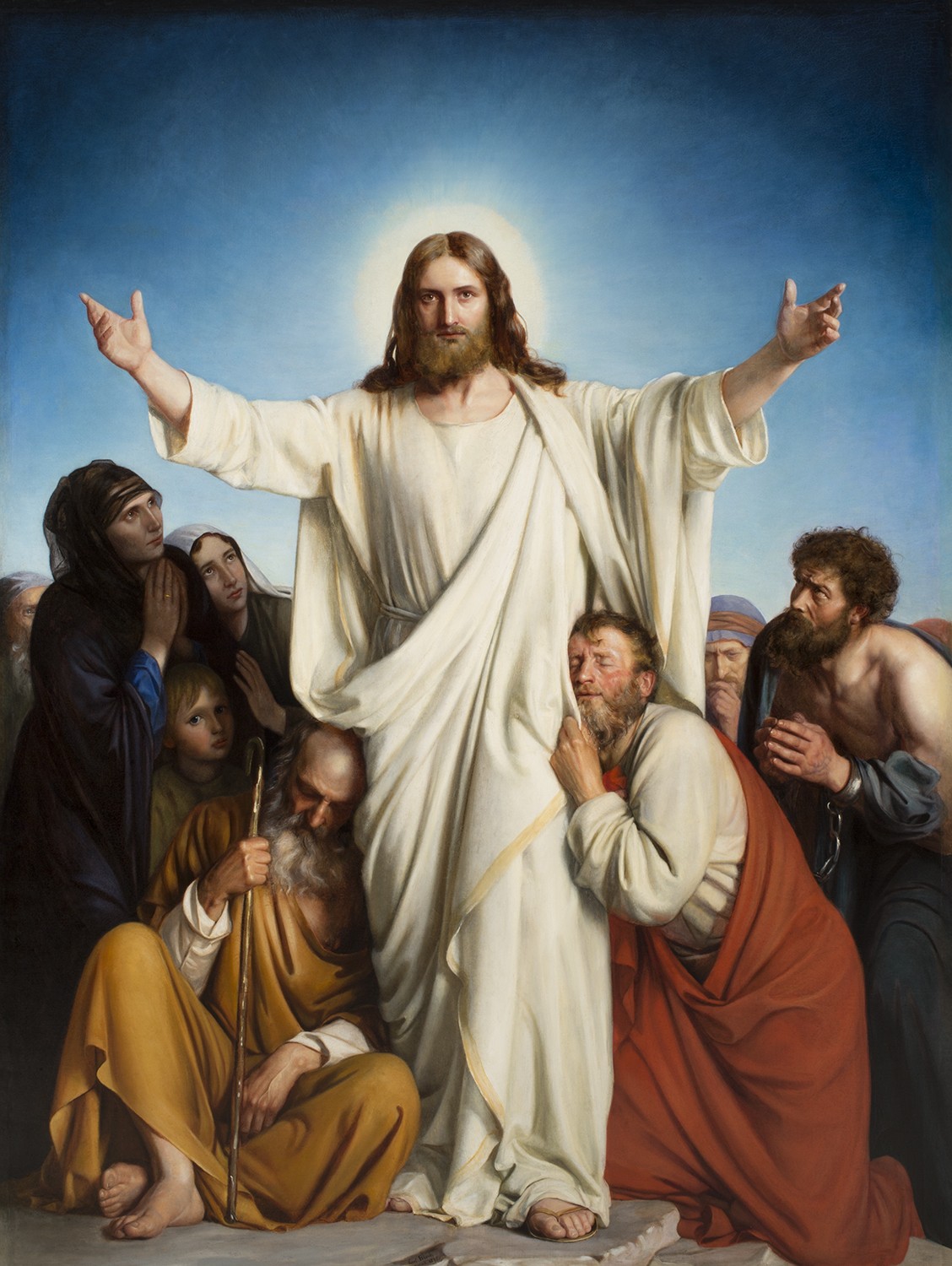
- Passages and psalms · 10 verses set outThe Sabbath Rest That Remains
The passage follows the letter's comparison of Jesus with Moses in Hebrews 3:1 to 6.
- Passages and psalms · 6 verses set outCome to Me, and I Will Give You Rest
The stories
1 study
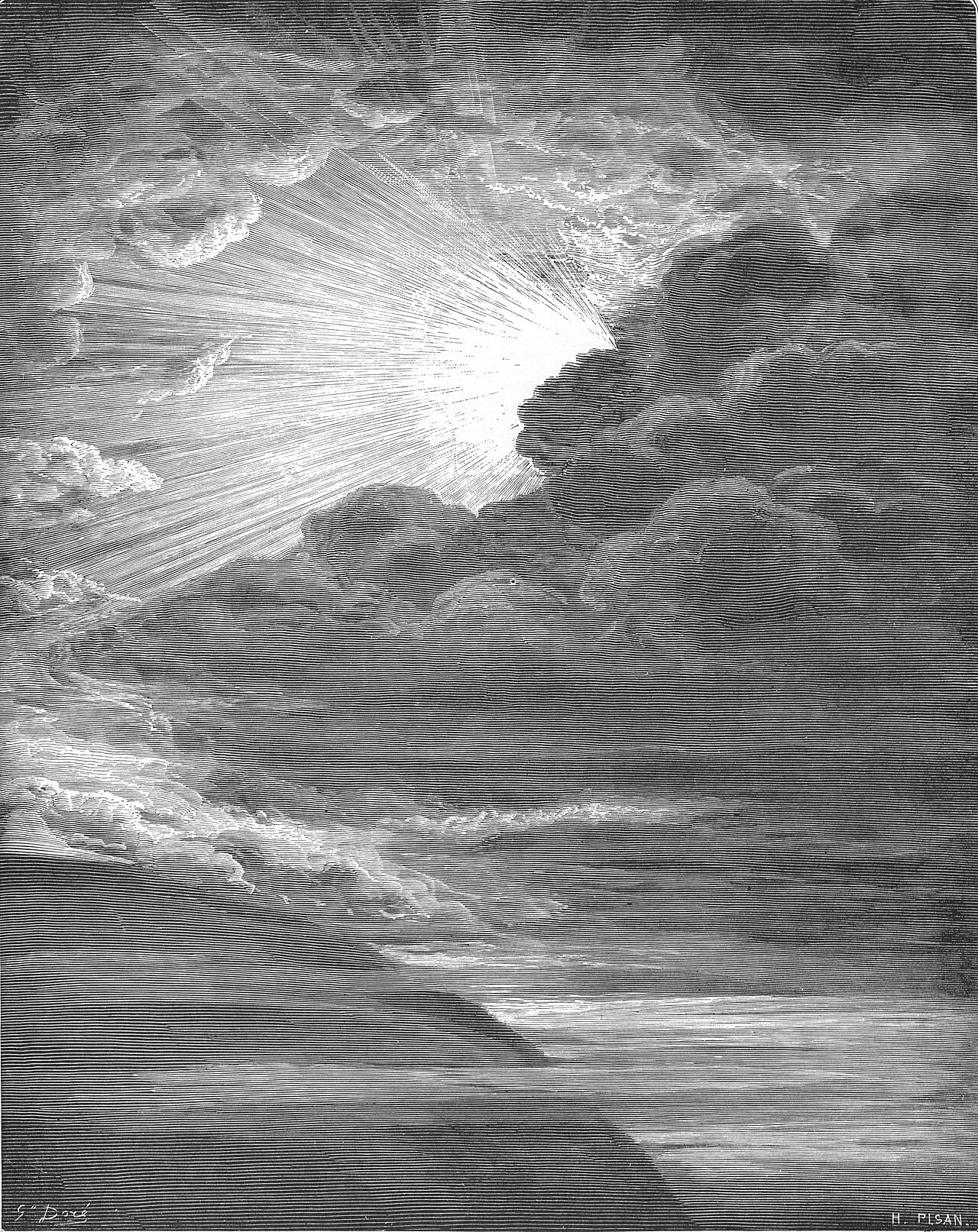
- Stories · 15 verses set outThe Creation Week
The account tells how God made the heavens, the earth, the sea and every living thing in them.
- Stories · 15 verses set outThe Creation Week
The words
1 study
- Symbols and words · 8 verses set outThe Words Shabbat, Nuach and Anapausis
English renders four Hebrew words and four Greek words of the Bible as rest.
- Symbols and words · 8 verses set outThe Words Shabbat, Nuach and Anapausis
The practice
2 studies
- Debates · 14 verses set outSunday and the Sabbath
Four readings of the Sabbath and the Lord's Day, with the teachers and confessions that hold each and the verses each one reads.
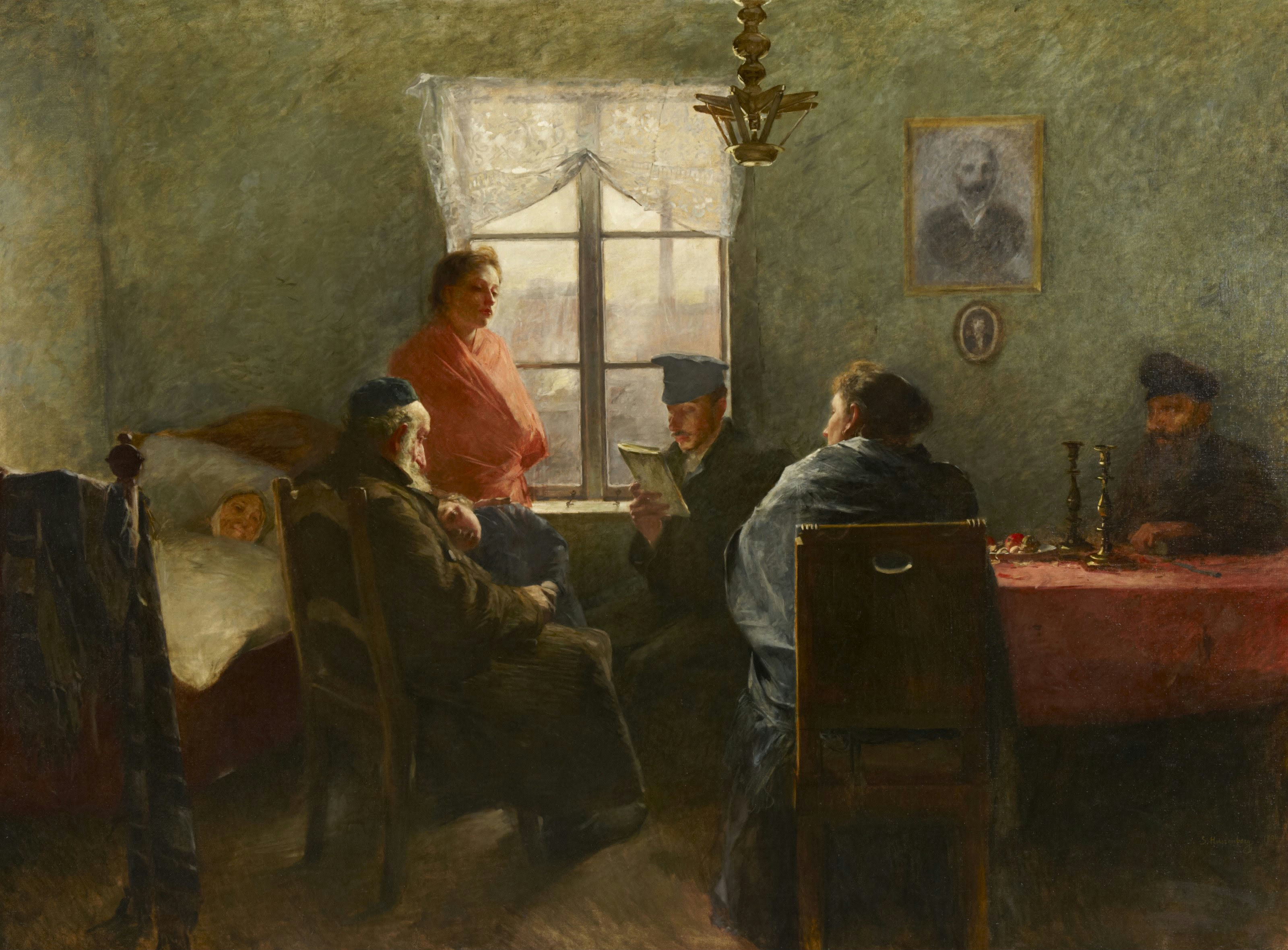
- Doctrines · 25 verses set outThe Sabbath in Jewish Practice
The weekly day of rest in the Torah, the prophets and the Mishnah, and how it was kept in the home, the synagogue and the gates of Jerusalem.
- Debates · 14 verses set outSunday and the Sabbath
The Sabbath Rest That Remains, The Creation Week, The Words Shabbat, Nuach and Anapausis, Sunday and the Sabbath, The Sabbath in Jewish Practice
Where Readers Disagree
Seven readings answer three questions, each with its holders, the work that argues it and the objection raised against it.
Whether the fourth commandment binds Christians, and on which day
Read the debate on Sunday and the Sabbath 11 sections, 14 verses set out
| Reading | Held by | Work | Objection |
|---|---|---|---|
| The Sabbath still binds until Christ brings His people into the heavenly rest | Jamieson, Fausset and Brown (Scottish Presbyterian commentary) | Jamieson, Fausset and Brown, Commentary Critical and Explanatory (1871), on Hebrews 4:9 | Paul tells the Colossians to let no one judge them “with regard to a feast, a New Moon, or a Sabbath” (Colossians 2:16). |
| Christ set the Sabbath aside with the rest of the ceremonial law | John Gill (English Baptist) | John Gill, Exposition of the New Testament (1746 to 1748), on Mark 2:28 | God grounded the Sabbath in His own rest after the six days of creation (Exodus 20:11), before Israel received the ceremonial law. |
| Christians keep a Sabbath from servile work every day of their lives | Tertullian (Latin patristic writing) | Tertullian, An Answer to the Jews (Ante-Nicene Fathers, volume 3) | The commandment names one day in seven, the seventh day (Exodus 20:10). |
Christ set the Sabbath aside with the rest of the ceremonial law, Christians keep a Sabbath from servile work every day of their lives
Whether the rest of Hebrews 4 is entered now or awaited
Read the study of The Sabbath Rest That Remains 8 sections, 10 verses set out
| Reading | Held by | Work | Objection |
|---|---|---|---|
| Believers enter it now by faith and rest fully in heaven | Adam Clarke (Methodist) | Adam Clarke, Commentary on the Bible (1832), on Hebrews 4:3 | Hebrews urges believers to “make every effort to enter that rest” (Hebrews 4:11), which places the entry ahead of them. |
| The rest is the eternal rest of heaven | John Wesley; Albert Barnes (Methodist; American Presbyterian) | John Wesley, Explanatory Notes upon the New Testament (1755), on Hebrews 4:3; Albert Barnes, Notes (1832 to 1869), on Hebrews 4:3 and Hebrews 4:10 | Hebrews 4:3 says in the present tense, “Now we who have believed enter that rest.” |
What the easy yoke of Matthew 11:29 to 30 is set against
Read the study of Come to Me, and I Will Give You Rest 8 sections, 6 verses set out
| Reading | Held by | Work | Objection |
|---|---|---|---|
| The burden of the Law and its traditions | Hilary of Poitiers; Jerome (Latin patristic writing) | Thomas Aquinas, Catena Aurea on Matthew, chapter 11 (English translation, Oxford, 1841), printing Hilary on Matthew 11:28 and Jerome on Matthew 11:30 | Jesus calls all who are weary and names no class of hearer. |
| The burden of sin and every trouble | John Chrysostom; John Wesley; Albert Barnes (Greek patristic writing; Methodist; American Presbyterian) | John Chrysostom, Homilies on Matthew 38; John Wesley, Explanatory Notes upon the New Testament (1755), on Matthew 11:28; Albert Barnes, Notes (1832 to 1869), on Matthew 11:28 | Matthew places the call directly before two disputes with the Pharisees over the Sabbath (Matthew 12:1 to 14). |
Sources
Scripture is the Berean Standard Bible.
- STEP Bible brief lexicons of Extended Strongs for Hebrew and for Greek (Tyndale House, Cambridge), CC BY 4.0, with the Strong's glosses.
- Augustine of Hippo, Confessions, book 1, chapter 1, translated by J. G. Pilkington, Nicene and Post-Nicene Fathers, first series, volume 1 (Buffalo: Christian Literature Publishing, 1887)
- Richard Baxter, The Saints' Everlasting Rest (1650), abridged by Benjamin Fawcett (New York: American Tract Society), the abridger's preface and chapter 1.
- Thomas Aquinas, Summa Theologiae, II-II question 122, article 4, replies to objections 1 and 4, English Dominican translation.
- Martin Luther, The Large Catechism, the Third Commandment, translated by F. Bente and W. H. T. Dau.
- John Gill, Exposition of the Old Testament (1748 to 1763), on 2 Samuel 7:1.
- Irenaeus, Against Heresies, book 5, chapter 28, section 3, translated by Alexander Roberts and William Rambaut (Ante-Nicene Fathers, volume 1)
- Tertullian, An Answer to the Jews (Ante-Nicene Fathers, volume 3)
- Ambrose of Milan, Exposition of the Gospel of Luke, on Luke 13:14 to 15.
- John Bunyan, Grace Abounding to the Chief of Sinners (1666), on Isaiah 57:20 to 21.
- John Gill, Exposition of the New Testament (1746 to 1748), on Mark 2:28.
- Matthew Henry, Commentary on the Whole Bible (1710), on Mark 6:31.
- Charles Spurgeon, The Treasury of David, volume 7 (1885), on Psalm 127:2.
- John Wesley, Explanatory Notes upon the New Testament (1755), on Hebrews 4:3 and Matthew 11:28.
- Albert Barnes, Notes, Explanatory and Practical, on the Old and New Testaments (1832 to 1869), on Hebrews 4:3, Hebrews 4:10 and Matthew 11:28.
- Adam Clarke, Commentary on the Bible (1832), on Hebrews 4:3.
- Robert Jamieson, A. R. Fausset and David Brown, Commentary Critical and Explanatory on the Whole Bible (1871), on Hebrews 4:9.
- Thomas Aquinas, Catena Aurea on the Gospel of Matthew, chapter 11 (English translation, Oxford, 1841), printing Hilary of Poitiers and Jerome.
- John Chrysostom, Homilies on the Gospel of Matthew, Homily 38, on Matthew 11:28.
Keep Studying
In this value6
People and groups28