
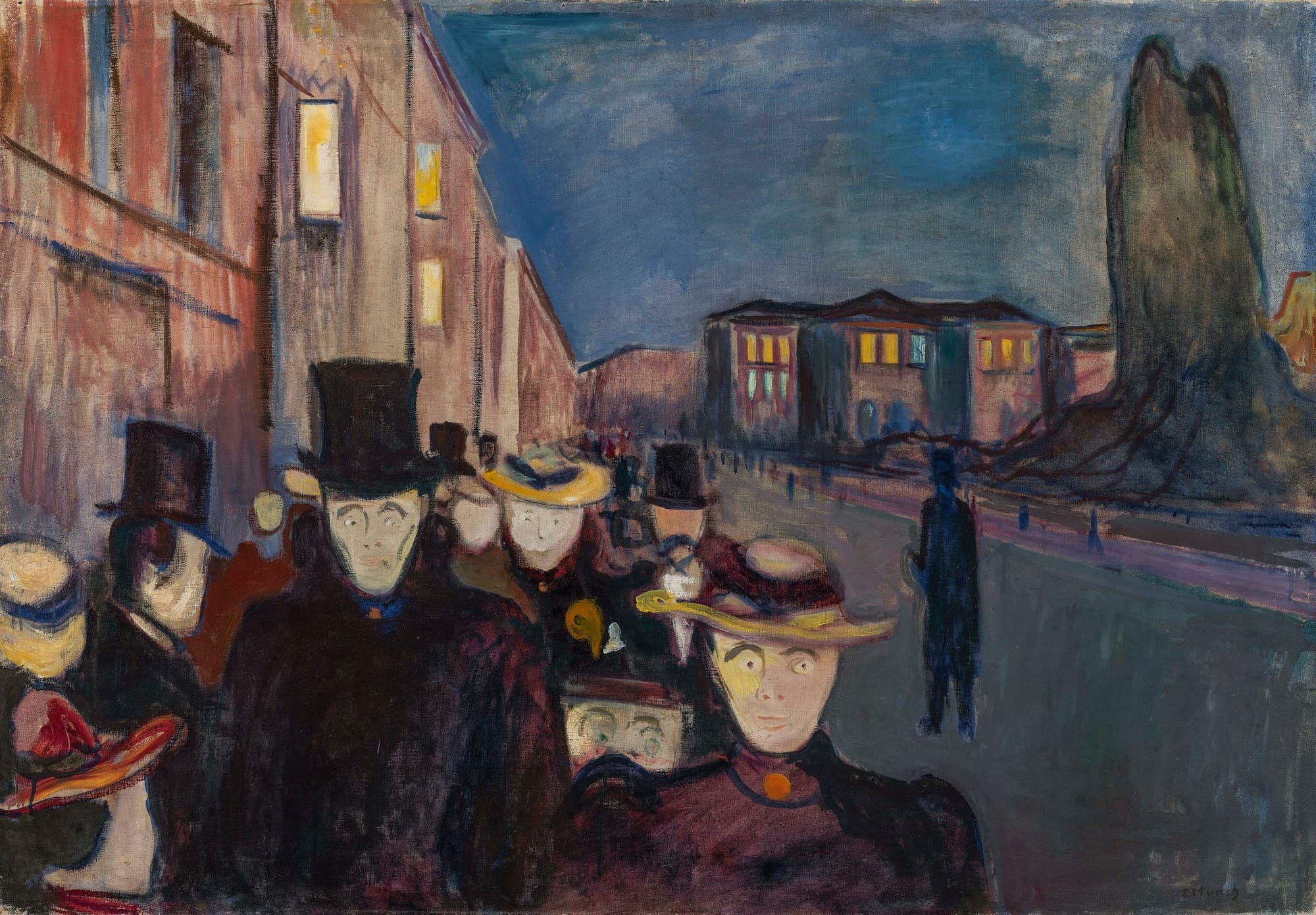
1 Peter 5 · Trial 1 of 21 · Featured Study
Anxiety
Anxiety is the troubled care about what may come, a weight Scripture names in Hebrew and Greek.
The verb Peter uses for casting anxiety on God stands in one other verse, where the disciples “threw their cloaks over” the colt Jesus rode (Luke 19:35).
Cast all your anxiety on Him, because He cares for you.
- Anchor text
- 1 Peter 5:7 “Cast all your anxiety on Him,…”
- The lament
- Psalm 55:4 to 5 “My heart murmurs within me, and the…”
- Hold in memory
- 1 Peter 5:7, Psalm 94:19
Summary
Scripture traces anxiety from the toil laid on Adam to the daily pressures of the first churches. Its people carried it: Jacob before Esau, Hannah at Shiloh, David at Ziklag and Mary searching for her son. Jesus Himself was deeply troubled and distressed in Gethsemane. Scripture answers anxiety with prayer, with the promise of God's care and with the peace of God that guards the heart.
- Peter's letter sends every worry to the God who cares for His people.
- Jesus taught His disciples not to worry about food, clothing or tomorrow, because their Father knows what they need.
- Paul tells the Philippians to bring every request to God with thanksgiving, and he promises that God's peace will guard their hearts and minds.
- Scripture also names a right care, such as the daily concern Paul carried for the churches.
What Scripture Says to the One Who Is Anxious
Two Hebrew words and three Greek words name anxious care and the freedom from it.
This study asks what Scripture says to a person who is anxious, where anxiety comes from, where Christ bore it and what God gives an anxious person to do. Scripture names anxiety in the Law, the Psalms, the Proverbs, the Prophets, the Gospels and the letters. It shows people of faith in its grip and records Jesus' own distress before the cross. It also sets out the questions on which readers disagree, among them whether anxiety is a sin, a burden or an illness.
Merimna, anxious care
6 uses in the canon
The Greek noun merimna (G3308) names care and concern. Peter uses it in 1 Peter 5:7, and Jesus warns that hearts can be “weighed down by dissipation, drunkenness, and the worries of life.”
Merimnao, to be anxious
19 uses in the canon
The verb merimnao (G3309) means to be anxious about a thing. Jesus asks, “Who of you by worrying can add a single hour to his life?” Paul also uses it of a right concern for the Lord's work and for one another.
Amerimnos, free from concern
2 uses in the canon
The adjective amerimnos (G275) means untroubled. Paul writes, “I want you to be free from concern.”
Deagah, anxiety
6 uses in the canon
The Hebrew noun deagah (H1674) names anxiety and dread. Proverbs says, “Anxiety weighs down the heart of a man, but a good word cheers it up.”
Daag, to be anxious
7 uses in the canon
The Hebrew verb daag (H1672) means to be anxious or to dread. Jeremiah says of the man who trusts the LORD that like a tree by the waters “It does not worry in a year of drought.”
Merimna, anxious care, Merimnao, to be anxious, Amerimnos, free from concern, Deagah, anxiety, Daag, to be anxious, The Words Merimna and Deagah, the study in brief
The Key Texts on Anxiety
The laments of the Psalms, the prophets, the Gospels and the letters each speak to the anxious heart.
Psalms of lament
When anxiety overwhelms me, Your consolation delights my soul.
The verse leads the laments because it names anxiety in the Berean words and sets God's consolation beside it.
Psalm 94:19BSB
Psalms of lament
When I am afraid, I put my trust in You.
David, seized by the Philistines in Gath, makes fear the occasion of trust.
Psalm 56:3BSB
Psalms of lament
Search me, O God, and know my heart; test me and know my concerns.
The psalm asks God to search the heart and its concerns, so the anxious prayer is laid open before Him.
Psalm 139:23BSB
Prophets
You will keep in perfect peace the steadfast of mind, because he trusts in You.
The prophet places peace in a mind held steady by trust in God.
Isaiah 26:3BSB
Prophets
Do not fear, for I am with you; do not be afraid, for I am your God. I will strengthen you; I will surely help you; I will uphold you with My right hand of righteousness.
God answers Israel's fear first with His presence and then with His help.
Isaiah 41:10BSB
Gospels
“Do not let your hearts be troubled. You believe in God; believe in Me as well.
Jesus speaks to hearts troubled by His coming departure and calls them to faith in Him.
John 14:1BSB
Gospels
Do not be afraid, little flock, for your Father is pleased to give you the kingdom.
Jesus closes His teaching on worry in Luke with the Father's pleasure to give the kingdom.
Luke 12:32BSB
Letters
Keep your lives free from the love of money and be content with what you have, for God has said: “Never will I leave you, never will I forsake you.” So we say with confidence: “The Lord is my helper; I will not be afraid. What can man do to me?”
The letter meets the anxiety of want with a promise quoted from the Law.
Psalm 56:3, Psalm 139:23, Isaiah 26:3, Isaiah 41:10, John 14:1, Luke 12:32, Hebrews 13:5 to 6
Where Anxiety Comes From and Where Christ Bore It
Scripture traces anxiety to five sources under the Father's rule, and it shows Christ bearing distress for His people.
And to Adam He said: “Because you have listened to the voice of your wife and have eaten from the tree of which I commanded you not to eat, cursed is the ground because of you; through toil you will eat of it all the days of your life.The curse on the ground makes the labor for daily bread toil for every child of Adam.
We know that the whole creation has been groaning together in the pains of childbirth until the present time.Paul's creation in pain sets the believer's distress in a world that waits for redemption.
Be sober-minded and alert. Your adversary the devil prowls around like a roaring lion, seeking someone to devour.Peter sets the devil's prowling right after his word on anxiety, so the enemy is one source of fear.
The wrongs of others are a fourth source. David's lament in Psalm 55 is the cry of a man betrayed by “my companion and close friend” (Psalm 55:13). A person's own sin is a fifth.
Yes, I confess my iniquity; I am troubled by my sin.David uses the verb of anxiety for the trouble his own iniquity brings him, so confession belongs to the answer.
Are not two sparrows sold for a penny? Yet not one of them will fall to the ground apart from the will of your Father. And even the very hairs of your head are all numbered. So do not be afraid; you are worth more than many sparrows.The saying places every source of fear under the Father's will.
His teaching on food, clothing and tomorrowMatthew 6
In the Sermon on the Mount Jesus pointed His disciples to the birds of the air and the lilies of the field.
Therefore I tell you, do not worry about your life, what you will eat or drink; or about your body, what you will wear. Is not life more than food, and the body more than clothes?
Matthew 6:25BSB The verse opens His teaching on worry and grounds it in the worth of life and body above food and clothing.
His soul troubled as His hour cameJohn 12
When some Greeks asked to see Him, Jesus spoke of the grain of wheat that falls into the ground and dies, and then He spoke of His own soul.
Now My soul is troubled, and what shall I say? ‘Father, save Me from this hour’? No, it is for this purpose that I have come to this hour.
John 12:27BSB The verse shows Jesus troubled by the hour of His death and choosing it still.
His distress in the gardenMark 14
In the garden He prayed, “Take this cup from Me. Yet not what I will, but what You will” (Mark 14:36). Luke records that “in His anguish, He prayed more earnestly, and His sweat became like drops of blood falling to the ground” (Luke 22:44).
He took with Him Peter, James, and John, and began to be deeply troubled and distressed. Then He said to them, “My soul is consumed with sorrow to the point of death. Stay here and keep watch.”
Mark 14:33 to 34BSB Mark names the distress Jesus bore for His people on the night before the cross.
His peace left with the disciplesJohn 14
On the night of His arrest Jesus told the disciples that He was going to prepare a place for them, and He promised them the Holy Spirit.
Peace I leave with you; My peace I give to you. I do not give to you as the world gives. Do not let your hearts be troubled; do not be afraid.
John 14:27BSB The verse gives His own peace as the answer to troubled hearts.
Read the page on Peace 14 sections, 2 verses set out
His sympathy as High PriestHebrews 4 and 5
Hebrews says that in the days of His earthly life Jesus “offered up prayers and petitions with loud cries and tears to the One who could save Him from death, and He was heard because of His reverence” (Hebrews 5:7).
For we do not have a high priest who is unable to sympathize with our weaknesses, but we have one who was tempted in every way that we are, yet was without sin.
Hebrews 4:15BSB The verse tells the anxious believer that the High Priest in heaven knows human weakness from within.
His soul troubled as His hour came (John 12), His distress in the garden (Mark 14), His peace left with the disciples (John 14), His sympathy as High Priest (Hebrews 4 and 5)
1 Peter 5:8, Psalm 38:18, Matthew 10:29 to 31, Matthew 6:25, John 12:27, Mark 14:33 to 34, John 14:27, Hebrews 4:15
The Fall & the Protoevangelium, the study in brief, Romans 8:22, 1 Peter 5:8, Psalm 38:18, Matthew 10:29 to 31, Providence, the study in brief, His teaching on food, clothing and tomorrow (Matthew 6), His soul troubled as His hour came (John 12) and 3 more
Who Walked Through Anxiety
Four people of the Bible carried anxiety over childlessness, danger, the churches and a lost son.
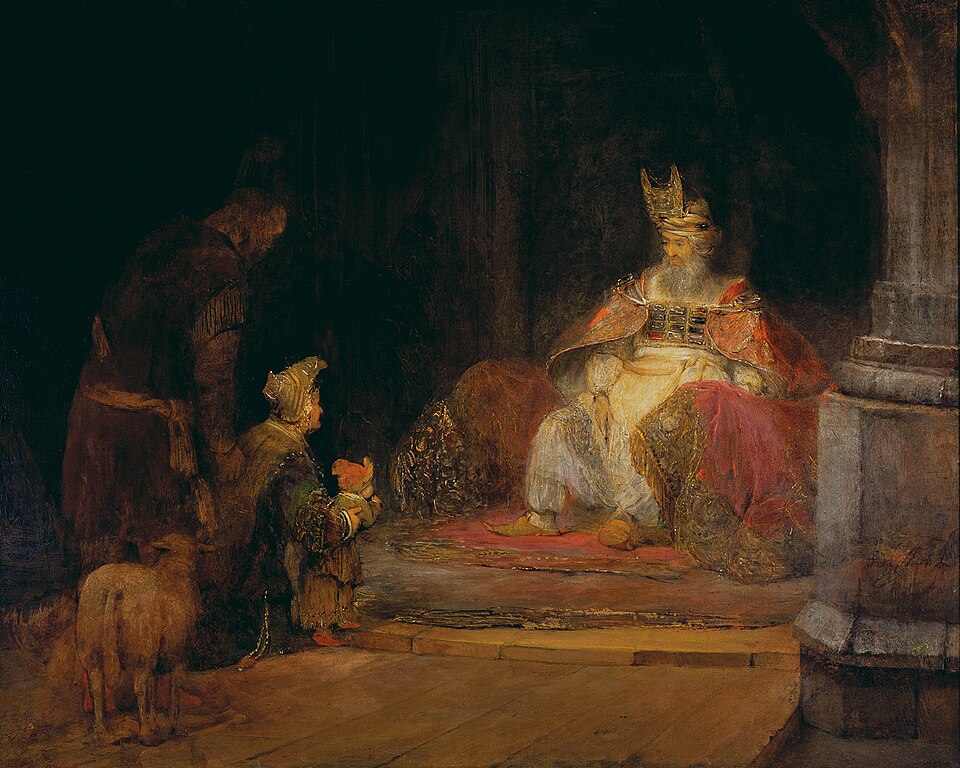

When his men spoke of stoning him at Ziklag, “David found strength in the LORD his God.”
1 Samuel 30:6

When she found the boy Jesus in the temple she said, “Your father and I have been anxiously searching for You.”
Luke 2:48
Paul, Mary, the mother of Jesus
What Scripture Gives the Anxious to Do
Scripture names seven things to do in anxiety, each in the words of the verse that gives it.
- 1Pour out your heart to God“Trust in Him at all times, O people; pour out your hearts before Him. God is our refuge.”Psalm 62:8
- 2Commit your way to Him“Commit your way to the LORD; trust in Him, and He will do it.”Psalm 37:5
- 3Pray with thanksgiving“Be anxious for nothing, but in everything, by prayer and petition, with thanksgiving, present your requests to God.”Philippians 4:6
- 4Seek His kingdom first“But seek first the kingdom of God and His righteousness, and all these things will be added unto you.”Matthew 6:33
- 5Leave tomorrow to tomorrow“Therefore do not worry about tomorrow, for tomorrow will worry about itself. Today has enough trouble of its own.”Matthew 6:34
- 6Think on what is true“whatever is true, whatever is honorable, whatever is right, whatever is pure, whatever is lovely, whatever is admirable”, Paul writes, “think on these things.”Philippians 4:8
- 7Carry one another's burdens“Carry one another’s burdens, and in this way you will fulfill the law of Christ.”Galatians 6:2
Commit your way to Him, Pray with thanksgiving, Seek His kingdom first, Leave tomorrow to tomorrow, Think on what is true, Carry one another's burdens
Where anxiety is an illness of the body or the mind, a physician's care stands beside prayer and never in its place. Paul called Luke “the beloved physician” (Colossians 4:14), and he told Timothy to take a little wine “because of your stomach and your frequent ailments” (1 Timothy 5:23).
The Lament of Psalm 55
David's prayer voices terror, the wish to flee and a cry kept up morning, noon and night, and it ends by casting the burden on the LORD.
David opens the psalm, “Listen to my prayer, O God, and do not ignore my plea” (Psalm 55:1), and says that he is “restless in my complaint, and distraught” (Psalm 55:2).
I said, “Oh, that I had wings like a dove! I would fly away and find rest. How far away I would flee! In the wilderness I would remain. Selah I would hurry to my shelter, far from this raging tempest.”The wish for wings like a dove gives words to the anxious longing to escape.
But I call to God, and the LORD saves me. Morning, noon, and night, I cry out in distress, and He hears my voice.The verses show prayer kept up through the day while the danger remains.
Cast your burden upon the LORD and He will sustain you; He will never let the righteous be shaken.The verse closes the lament by turning the psalm's terror into trust in God, who carries the burden.
Psalm 55:6 to 8, Psalm 55:16 to 17, Psalm 55:22, Cast All Your Anxiety on Him, the study in brief, The Lament Form in the Psalter, the study in brief
Anxiety in the Stories of the Bible
Four stories tell of a brother afraid to meet his brother, a people trapped at the sea, a busy host and disciples in a storm.
Jacob before EsauGenesis 32
Jacob was coming home after twenty years when he heard that Esau was coming to meet him with four hundred men. “In great fear and distress, Jacob divided his people into two camps” (Genesis 32:7). Then he prayed, “Please deliver me from the hand of my brother Esau, for I am afraid that he may come and attack me” (Genesis 32:11), and he held God to His promise.
Read the story of Jacob Wrestles the Angel 11 sections, 9 verses set out
Israel at the Red SeaExodus 14
When Pharaoh's army closed in, the Israelites “were terrified and cried out to the LORD” (Exodus 14:10) and asked Moses whether there were no graves in Egypt. Moses answered, “The LORD will fight for you; you need only to be still” (Exodus 14:14), and the sea opened before them.
Read the story of The Red Sea Crossing 11 sections, 25 verses set out
Martha in her house at BethanyLuke 10
Martha welcomed Jesus into her home and “was distracted by all the preparations to be made” while her sister Mary listened at His feet (Luke 10:40). When she asked Him to send Mary to help, He answered, “Martha, Martha, you are worried and upset about many things. But only one thing is necessary” (Luke 10:41 to 42).
The disciples in the stormMark 4
A windstorm swamped the boat on the Sea of Galilee while Jesus slept in the stern. The disciples woke Him and said, “Teacher, don’t You care that we are perishing?” (Mark 4:38). He calmed the wind and the sea and asked them, “Why are you so afraid? Do you still have no faith?” (Mark 4:40).
Read the story of Jesus Stills the Storm 8 sections, 7 verses set out
Israel at the Red Sea (Exodus 14), Martha in her house at Bethany (Luke 10), The disciples in the storm (Mark 4)
Anxiety in the Church's History
Three accounts tell of two writers on melancholy and an immigrant to Canada who wrote a hymn of prayer in 1855.
Timothy Rogers on trouble of mindSecond edition 1706
Timothy Rogers wrote A Discourse Concerning Trouble of Mind, and the Disease of Melancholy out of “those doleful Troubles” he had passed through himself. The second edition, corrected, appeared in 1706. It prints letters from other ministers on the same subject, among them letters dated 1691.
Richard Baxter on melancholyPrinted 1713
Richard Baxter, a pastor, wrote Preservatives against Melancholy and Overmuch Sorrow, or the Cure of Both by Faith and Physick. The London edition of 1713 says on its title page that it was “written above thirty years ago”. Baxter wrote that the fears melancholy causes have “much more of Bodily Disease, than of Sin”, and he counseled, “If other means will not do, neglect not Physick”.
Read the debate When Anxiety Is an Illness 10 sections, 9 verses set out
Joseph Scriven's hymn of prayer1855
Joseph Scriven was an Irish immigrant to Canada whose first fiancée drowned on the eve of their wedding in 1844. Near Port Hope in Ontario in 1855 he wrote the hymn “What a Friend We Have in Jesus”. Its third verse asks, “Are we weak and heavy laden, cumbered with a load of care?” and answers, “take it to the Lord in prayer!”
Richard Baxter on melancholy (Printed 1713), Joseph Scriven's hymn of prayer (1855)
Voices on Anxiety, by Century
Five quotations in the order of their authors' deaths, from 407 to 1892, each under the line it teaches.
died 407 · John Chrysostom
Homily on Philippians 14
The quotation1 quotation
“‘In nothing be anxious.’ If ye are kindly affected toward those who prepare evil against you, yet it shall not at last turn out to their profit. Already the recompense is at hand, if poverty, if death, if aught else that is terrible be upon you. ‘But in everything, by prayer and supplication, with thanksgiving, let your requests be made known unto God.’ There is this for one consolation, ‘the Lord is at hand.’ And again, ‘I will be with you alway, even unto the end of the world.’ (Matt. xxviii. 20.) Behold another consolation, a medicine which healeth grief, and distress, and all that is painful. And what is this? Prayer, thanksgiving in all things. And so He wills that our prayers should not simply be requests, but thanksgivings too for what we have. For how should he ask for future things, who is not thankful for the past? ‘But in everything by prayer and supplication.’ Wherefore we ought to give thanks for all things, even for those which seem to be grievous, for this is the part of the truly thankful man. In the other case the nature of the things demands it; but this springs from a grateful soul, and one earnestly affected toward God. God acknowledgeth these prayers, but others He knoweth not. Offer up such prayers as may be acknowledged; for He disposeth all things for our profit, though we know it not. And this is a proof that it greatly profiteth, namely, that we know it not.”
John Chrysostom · Homily on Philippians 14 · on Philippians 4:6Patristic
died 430 · Augustine of Hippo
SERMON ON THE MOUNT 2.15.49
Augustine taught that care for necessities can make the heart double, and that the God who gave life will give food.
The quotation1 quotation
“Therefore, says He, I say unto you, Have not anxiety for your life, what ye shall eat; nor yet for your body, what ye shall put on. Lest perchance, although it is not now superfluities that are sought after, the heart should be made double by reason of necessaries themselves, and the aim should be wrenched aside to seek after those things of our own, when we are doing something as it were from compassion; i.e. so that when we wish to appear to be consulting for some one's good, we are in that matter looking after our own profit rather than his advantage: and we do not seem to ourselves to be sinning for this reason, that it is not superfluities, but necessaries, which we wish to obtain. But the Lord admonishes us that we should remember that God, when He made and compounded us of body and soul, gave us much more than food and clothing, through care for which He would not have us make our hearts double. Is not, says He, the soul more than the meat? So that you are to understand that He who gave the soul will much more easily give meat. And the body than the raiment, i.e. is more than raiment: so that similarly you are to understand, that He who gave the body will much more easily give raiment. And in this passage the question is wont to be raised, whether the food spoken of has reference to the soul, since the soul is incorporeal, and the food in question is corporeal food. But let us admit that the soul in this passage stands for the present life, whose support is that corporeal nourishment. In accordance with this signification we have also that statement: He that loves his soul shall lose it. […]”
Augustine of Hippo · Sermon on the Mount 2.15.49 · on Matthew 6:25Patristic
died 444 · Cyril of Alexandria
Catena Aurea by Aquinas
The quotation1 quotation
“When certain brethren have received God, they will not be anxious about much service, nor ask for those things which are not in their hands, and are beyond their needs. For every where and in every thing that which is superfluous is burdensome. For it begets weariness in those who are wishing to bestow it, while the guests feel that they are the cause of trouble.”
Cyril of Alexandria · Catena Aurea by Aquinas · on Luke 10:40 to 41Patristic
1662 to 1714 · Matthew Henry
Commentary on the Whole Bible
The quotation1 quotation
“We must not only keep up stated times for prayer, but we must pray upon every particular emergency: In every thing by prayer. When any thing burdens our spirits, we must ease our minds by prayer; when our affairs are perplexed or distressed, we must seek direction and support. We must join thanksgiving with our prayers and supplications.”
Matthew Henry · Commentary on the Whole Bible · on Philippians 4:6Puritan
1834 to 1892 · Charles Spurgeon
The Metropolitan Tabernacle Pulpit, Sermon No. 2351: “Prayer, The Cure for Care” (lightly modernized text, CCEL edition)
The quotation1 quotation
“We have the faculty of forethought, but, like all our faculties, it has been perverted, and it is often abused. It is good for a man to have a holy care and to pay due attention to every item of his life, but, alas, it is very easy to make it into an unholy care and to try to wrest from the hand of God that office of Providence which belongs to Him and not to ourselves. How often Luther liked to talk about the birds and the way God cares for them! When he was full of his anxieties, he used to constantly envy the birds because they led so free and happy a life. He talks of Dr. Sparrow, Dr. Thrush and others that used to come and talk to Dr. Luther and tell him many a good thing! You know, Brothers and Sisters, the birds out in the open, yonder, cared for by God, fare far better than those that are cared for by man. A little London girl, who had gone into the country, once said, ‘Look, mamma, at that poor little bird. It has not got any cage!’ That would not have struck me as being any loss to the bird—and if you and I were without our cage, and the box of seed, and glass of water, it would not be much of a loss if we were cast adrift into the glorious liberty of a life of humble dependence upon God! It is that cage of carnal trust and that box of seed that we are always laboring to fill, that makes the worry of this mortal life. But he who has Grace to spread his wings and soar away—and get into the open field of Divine trustfulness—may sing all the day and always have this for his tune— ‘Mortal, cease from toil and sorrow; God provides for the morrow.’ Here, then, is the teaching of the text—‘Be careful for nothing.’ The word, ‘careful,’ does not now mean exactly what it did when the Bible was translated. At least it conveys a different meaning to me from what it did to the translators. I would say that we should be careful.”
Charles Spurgeon · The Metropolitan Tabernacle Pulpit, Sermon No. 2351: “Prayer, The Cure for Care” (lightly modernized text, CCEL edition) · on Philippians 4:6 to 7
Cyril of Alexandria, Matthew Henry, Charles Spurgeon
How Anxiety Has Been Taught
John Calvin in the sixteenth century and J. C. Ryle in the nineteenth taught what God's care asks of the anxious believer.
Calvin taught that the knowledge of God's providence gives peace within and humility toward others.2 paragraphs
John Calvin commented on 1 Peter 5:7 in his Commentaries on the Catholic Epistles, translated and edited by John Owen. He wrote, “as soon as we are convinced that God cares for us, our minds are easily led to patience and humility.”
He added that the command leaves the believer his feelings and is given “lest fear or anxiety should drive us to impatience.”
Ryle taught that Christ answers the plea that a person cannot help being anxious about this life.1 paragraph
J. C. Ryle commented on Matthew 6:25 to 34 in his Expository Thoughts on the Gospels (1856). In Ryle's words, people turn off Christ's warnings with “the argument that we cannot help being anxious about the things of this life.” Ryle answered, “The Lord Jesus foresaw such thoughts and furnished an answer.”
Where the Science Speaks
Published trials and reviews measure anxiety in people who pray or whose therapy draws on their faith.
In two pilot trials a spiritually based therapy for generalized anxiety disorder matched cognitive-behavioural therapy (D. Koszycki and colleagues, Journal of Clinical Psychology, 2010) and did better than supportive therapy (D. Koszycki and colleagues, Journal of Clinical Psychology, 2014). A critical review of 17 studies found religion linked to less anxiety in some, to more in others and to neither in the rest (A. K. Shreve-Neiger and B. A. Edelstein, Clinical Psychology Review, 2004).
Prayer, Faith and Anxiety, the study in brief, Gratitude, Anxiety and the Brain, the study in brief, Peace and the Nervous System, the study in brief
The Studies of Anxiety
Each study takes one part of anxiety into more depth.
The texts
1 study
- Passages and psalms · 4 verses set outCast All Your Anxiety on Him
Peter wrote 1 Peter 5:7 to believers scattered through Pontus, Galatia, Cappadocia, Asia and Bithynia who were facing a fiery trial.
- Passages and psalms · 4 verses set outCast All Your Anxiety on Him
The words
1 study
- Symbols and words · 4 verses set outThe Words Merimna and Deagah
Greek names anxious care with merimna and its verb merimnao, and Hebrew with deagah and its verb daag.
- Symbols and words · 4 verses set outThe Words Merimna and Deagah
The practice
2 studies
- Debates · 9 verses set outWhen Anxiety Is an Illness
The older English name for deep and lasting fear and sorrow of mind was melancholy.
- Doctrines · 8 verses set outSufficient for the Day
Matthew 6:34 closes Jesus' teaching against worry in the Sermon on the Mount, and Psalm 4:8 is a prayer for lying down at night.
- Debates · 9 verses set outWhen Anxiety Is an Illness
The science
1 study
- Doctrines · 3 verses set outPrayer, Faith and Anxiety
The studies of prayer and faith-based therapy measure anxiety as patients report it and as clinicians rate it.
- Doctrines · 3 verses set outPrayer, Faith and Anxiety
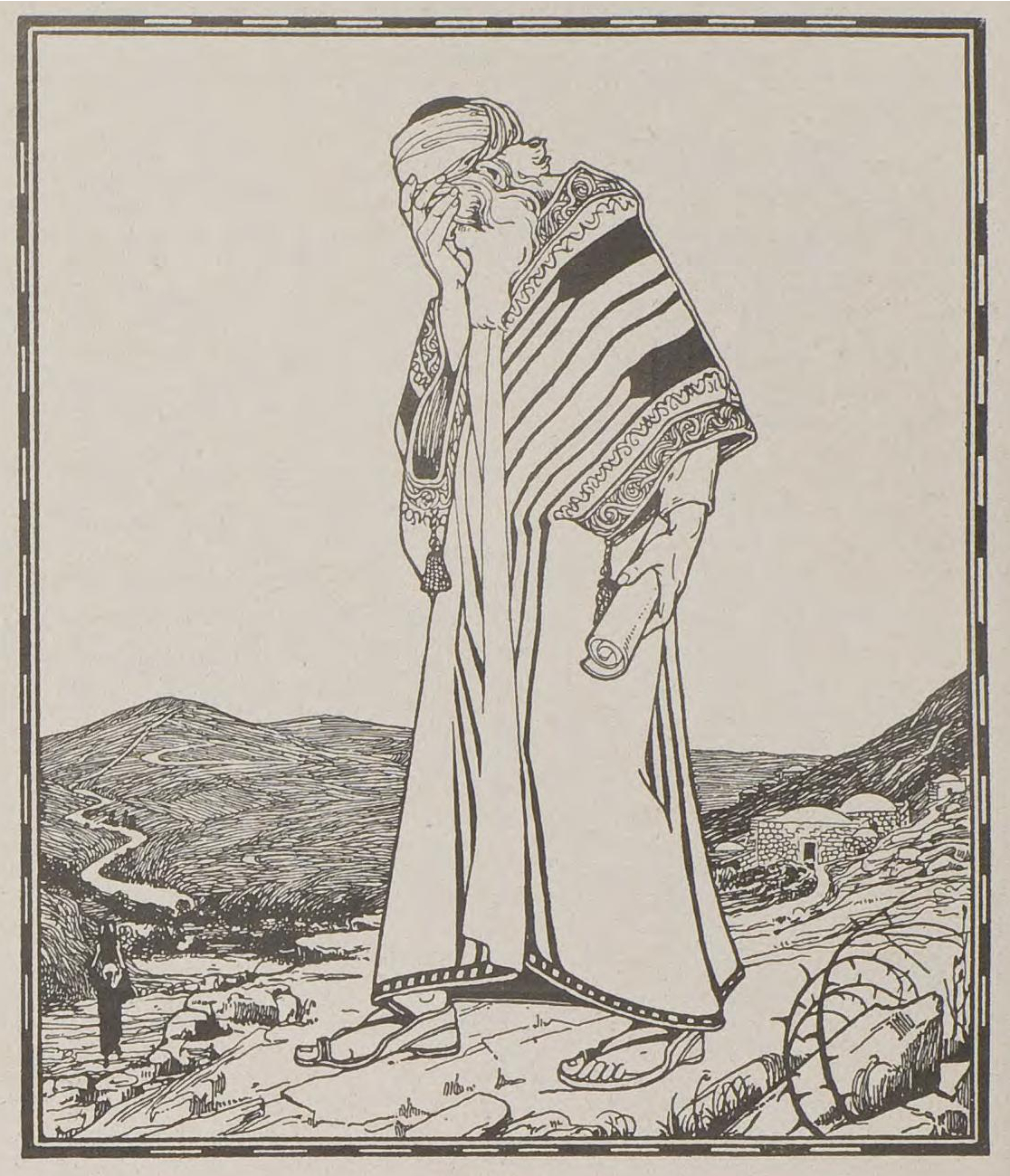


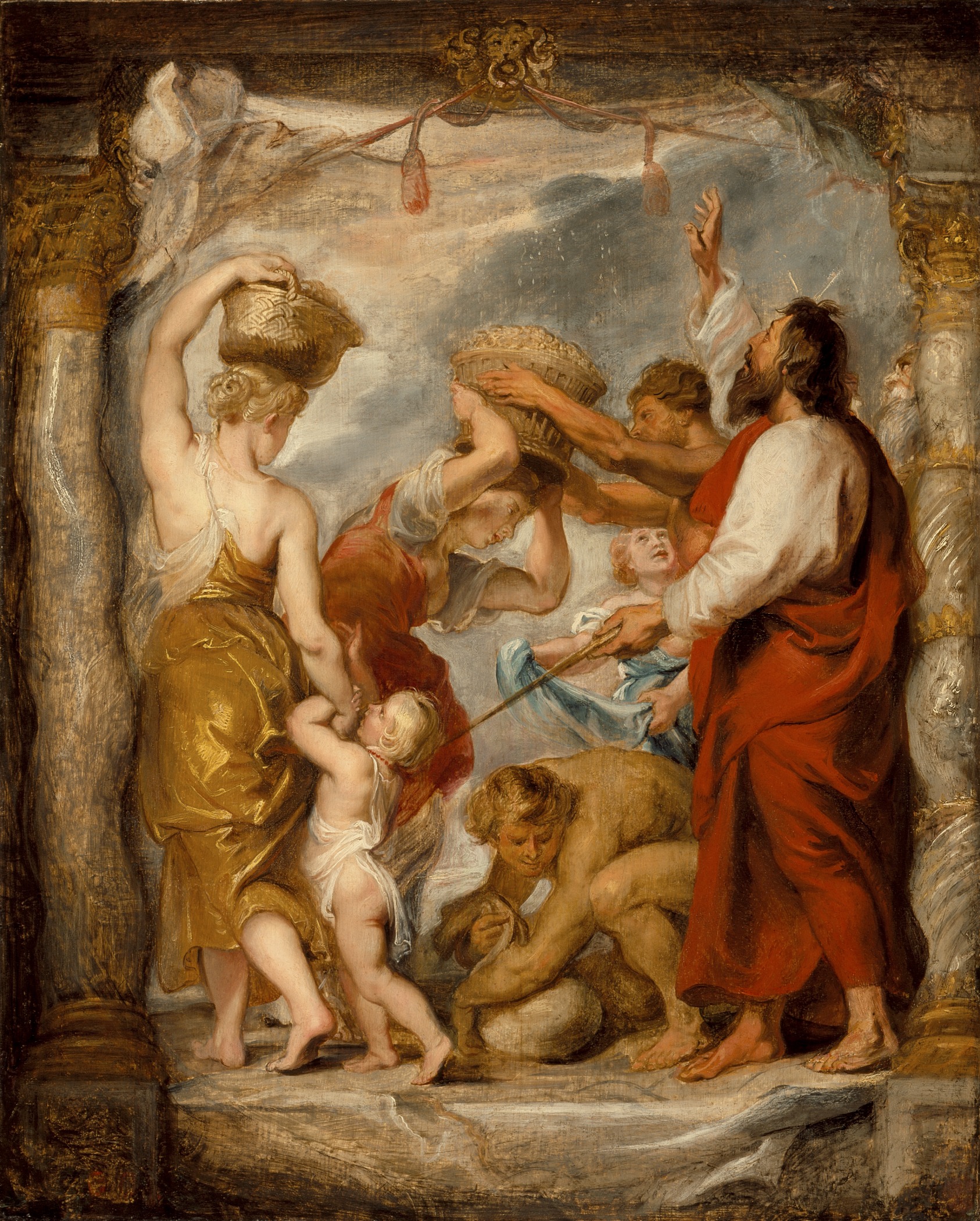
The Words Merimna and Deagah, When Anxiety Is an Illness, Sufficient for the Day, Prayer, Faith and Anxiety
Where Readers Disagree
Six readings answer three questions, each with its holders, the work that argues it and the objection raised against it.
Whether anxious care is itself a sin
Read the debate When Anxiety Is an Illness 10 sections, 9 verses set out
| Reading | Held by | Work | Objection |
|---|---|---|---|
| Anxious care about the future encroaches on God's rule and is a fault to be put away | Adam Clarke (Methodist) | Adam Clarke, Commentary on the Bible (1832), on Matthew 6:34 | Paul wrote that he would be less anxious once Epaphroditus was home, and he did not call that anxiety sin (Philippians 2:28). |
| Forethought and labor are duties, and only the distrust that frets is forbidden | Jerome; Albert Barnes (Latin patristic writing; American Presbyterian) | Jerome, Commentary on Matthew, on Matthew 6:25; Albert Barnes, Notes (1832 to 1869), on Philippians 4:6 | Paul's command in Philippians 4:6 names no kind of anxious care as allowed. |
What “Cast all your anxiety on Him” is joined to
Read the study of Cast All Your Anxiety on Him 8 sections, 4 verses set out
| Reading | Held by | Work | Objection |
|---|---|---|---|
| The casting is the way a believer humbles himself under God's mighty hand | Jamieson, Fausset and Brown; John Calvin (Scottish Presbyterian commentary; Reformed) | Jamieson, Fausset and Brown, Commentary Critical and Explanatory (1871), on 1 Peter 5:7; John Calvin, Commentaries on the Catholic Epistles, on 1 Peter 5:7 | Psalm 55:22 sets the casting of the burden inside a lament and says nothing of humility. |
| The promise covers every care of a believer, spiritual or temporal, great or small | Adam Clarke (Methodist) | Adam Clarke, Commentary on the Bible (1832), on 1 Peter 5:7 | The verse stands inside Peter's charge to elders and to the young to clothe themselves with humility (1 Peter 5:1 to 6). |
What “Do not worry about tomorrow” forbids
Read the study of Sufficient for the Day 8 sections, 8 verses set out
| Reading | Held by | Work | Objection |
|---|---|---|---|
| Tomorrow's care belongs to tomorrow, and each day's duty is done in its own day | John Wesley; Albert Barnes; John Gill (Methodist; American Presbyterian; English Baptist) | John Wesley, Explanatory Notes upon the New Testament (1755), on Matthew 6:34; Albert Barnes, Notes (1832 to 1869), on Matthew 6:34; John Gill, Exposition of the New Testament (1746 to 1748), on Matthew 6:34 | Proverbs commends the ant, which “prepares its provisions in summer” (Proverbs 6:8). |
| Tomorrow stands for whatever is more than this life's present need | The unfinished work on Matthew ascribed to John Chrysostom (Patristic commentary) | The unfinished work on Matthew, on Matthew 6:34, printed in Thomas Aquinas, Catena Aurea on Matthew (English translation, Oxford, 1841) | The verse sets “tomorrow” against “Today” in plain words of time. |
Every Text on Anxiety
Two essays on anxiety stood on the site's subject page and topic page, and both stand here as they were written.
The essay of the subject page Anxiety11 paragraphs
Anxiety isn't a modern invention. It's in the Bible from early on: the tight chest, the racing mind, the fear of what's coming. Scripture doesn't pretend it away. It meets it directly, again and again, with the same core answer: bring it to God.
Jacob is a good place to start. On his way home after years away, he learns his brother Esau (the brother he wronged), is coming to meet him with four hundred men. Genesis says Jacob "was greatly afraid and distressed" (Genesis 32:7). He doesn't pretend to be fine. He splits his camp into two so at least one might survive, and then he does something better: he prays, pouring out his fear honestly to God (Genesis 32:9-12). Anxiety, faced honestly, becomes a doorway to prayer instead of a dead end.
Hannah carries a different kind of anxiety: the ache of a longing that won't let go. Grieved year after year over her childlessness, she goes to the temple "in bitterness of soul," weeping and praying (1 Samuel 1:10). God doesn't scold her for feeling it. He hears her.
The Psalms are full of anxious minds turned toward God. "Cast thy burden upon the LORD, and he shall sustain thee" (Psalm 55:22). "In the multitude of my thoughts within me thy comforts delight my soul" (Psalm 94:19). The Bible doesn't ask people to stop having anxious thoughts on command. It offers something to do with them: hand them over.
Proverbs names the physical weight of it plainly: "Heaviness in the heart of man maketh it stoop: but a good word maketh it glad" (Proverbs 12:25). Anxiety is treated as something real enough to bend a person over, and a kind word is treated as strong enough to lift them back up.
God speaks straight into fear through Isaiah: "Fear thou not; for I am with thee: be not dismayed; for I am thy God: I will strengthen thee; yea, I will help thee" (Isaiah 41:10). The promise isn't that nothing bad will happen. It's that God will be present in it.
Jesus takes on anxiety directly in his most famous sermon. Looking at birds who don't stockpile food and flowers who don't spin thread, he asks why people who are loved by their Father would live as if they weren't (Matthew 6:25-30). His conclusion is blunt: "Take therefore no thought for the morrow: for the morrow shall take thought for the things of itself. Sufficient unto the day is the evil thereof" (Matthew 6:34).
Martha gives anxiety a face. While her sister Mary sits and listens to Jesus, Martha is "careful and troubled about many things" (Luke 10:41): busy, scattered, resentful. Jesus doesn't say her work doesn't matter. He says she's letting the wrong thing steal her peace.
Before his own arrest, Jesus tells his closest friends, "Let not your heart be troubled: ye believe in God, believe also in me" (John 14:1). He says this the night before the worst thing that will ever happen to him, and offers his peace to others anyway.
Paul, writing from prison, gives the clearest instruction in the whole Bible on this subject: "Be careful for nothing; but in every thing by prayer and supplication with thanksgiving let your requests be made known unto God" (Philippians 4:6). Not feel nothing. Pray about everything.
Peter sums it up in one short line: "Casting all your care upon him; for he careth for you" (1 Peter 5:7). That's the whole biblical pattern in a sentence: not the absence of care, but a Father strong enough to carry it.
The description of the topic Anxiety1 paragraph
Anxiety in Scripture is the restless worry that gathers to itself tomorrow's troubles. Jesus addresses it in the Sermon on the Mount; Paul prescribes the replacement (prayer + thanksgiving) in Philippians 4; the Psalms record the sleepless night as a fact of the life of faith. Scripture treats anxiety seriously and offers a transfer of weight, not a dismissal of it.
Sources
Scripture is the Berean Standard Bible.
- STEP Bible brief lexicons of Extended Strongs for Hebrew and for Greek (Tyndale House, Cambridge), CC BY 4.0, with the Strong's glosses.
- John Calvin, Commentaries on the Catholic Epistles, translated and edited by John Owen, on 1 Peter 5:7.
- J. C. Ryle, Expository Thoughts on the Gospels: Matthew (1856), on Matthew 6:25 to 34.
- Joseph Scriven, What a Friend We Have in Jesus (1855), the text and the note on the author.
- John Chrysostom, Homilies on Philippians, Homily 14, on Philippians 4:6.
- Jerome, Commentary on Matthew, on Matthew 6:25.
- Augustine of Hippo, Our Lord's Sermon on the Mount, book 2, chapter 15, section 49.
- Matthew Henry, Commentary on the Whole Bible (1710), on Philippians 4:6.
- John Wesley, Explanatory Notes upon the New Testament (1755), on Matthew 6:34.
- Adam Clarke, Commentary on the Bible (1832), on 1 Peter 5:7 and Matthew 6:34.
- Cyril of Alexandria, on Luke 10:40 to 41, in Thomas Aquinas, Catena Aurea on the Gospel of Luke (English translation)
- Charles Spurgeon, Prayer, the Cure for Care, The Metropolitan Tabernacle Pulpit, sermon 2351, on Philippians 4:6 to 7.
- Robert Jamieson, A. R. Fausset and David Brown, Commentary Critical and Explanatory on the Whole Bible (1871), on 1 Peter 5:7.
- Albert Barnes, Notes, Explanatory and Practical, on the Old and New Testaments (1832 to 1869), on Philippians 4:6 and Matthew 6:34.
- John Gill, Exposition of the New Testament (1746 to 1748), on Matthew 6:34.
- The unfinished work on Matthew ascribed to John Chrysostom, on Matthew 6:34, in Thomas Aquinas, Catena Aurea on Matthew (English translation, Oxford, 1841)
- Richard Baxter, Preservatives against Melancholy and Overmuch Sorrow, or the Cure of Both by Faith and Physick (London: V. R. for William Hill, 1713), title page and pp. 63 to 64 and 81.
- D. Koszycki, K. Raab, F. Aldosary and J. Bradwejn, A Multifaith Spiritually Based Intervention for Generalized Anxiety Disorder: A Pilot Randomized Trial, Journal of Clinical Psychology 66, no. 4 (2010): 430 to 441.
- D. Koszycki, C. Bilodeau, K. Raab-Mayo and J. Bradwejn, A Multifaith Spiritually Based Intervention versus Supportive Therapy for Generalized Anxiety Disorder: A Pilot Randomized Controlled Trial, Journal of Clinical Psychology 70, no. 6 (2014): 489 to 509.
- A. K. Shreve-Neiger and B. A. Edelstein, Religion and Anxiety: A Critical Review of the Literature, Clinical Psychology Review 24, no. 4 (2004): 379 to 397.
- Timothy Rogers, A Discourse Concerning Trouble of Mind, and the Disease of Melancholy, the second edition, corrected, with letters from several divines (1706)
Keep Studying
Studies9
People and groups23
Show the next 6 titles
Symbols1
Doctrines5
In this trial5