The Word was God, and the Word became flesh
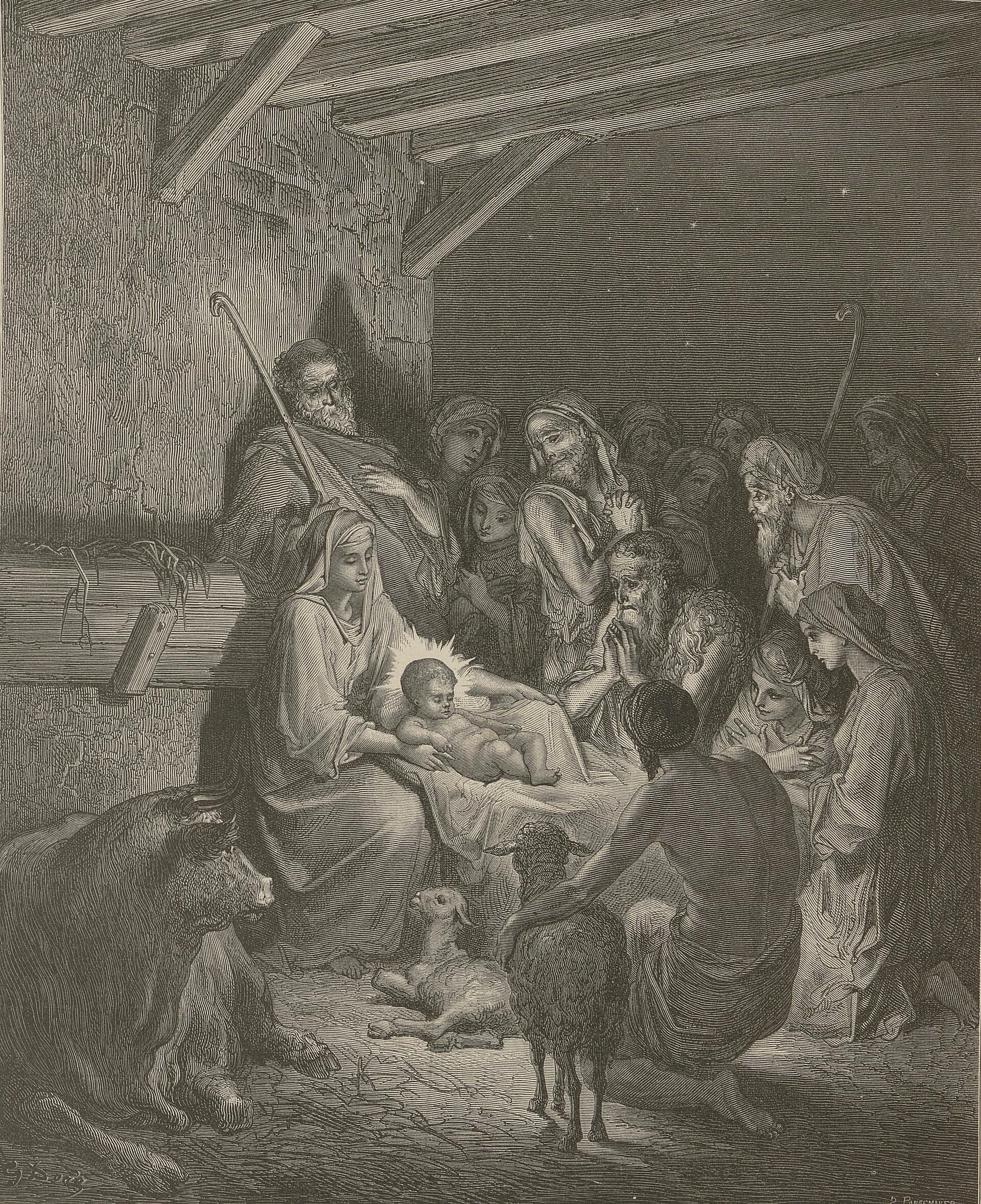
John opens where Genesis opens and goes back further. Genesis 1:1 says 'In the beginning God created the heavens and the earth'; John 1:1 says 'In the beginning was the Word, and the Word was with God, and the Word was God.' Three claims stand in one sentence: the Word already was when the beginning began, the Word was distinct from God, and the Word was God. Then the creation account is handed over to him, 'Through Him all things were made, and without Him nothing was made that has been made' (1:3), and Genesis 1:3 is answered, 'In Him was life, and that life was the light of men' (1:4). What follows is the sentence the rest of Christian theology is built around: 'The Word became flesh and made His dwelling among us. We have seen His glory, the glory of the one and only Son from the Father, full of grace and truth' (1:14). The verb rendered 'dwelt' is the verb for pitching a tent, which puts the tabernacle of Exodus in the reader's ear. The prologue closes by saying what the whole book is for: 'No one has ever seen God, but the one and only Son, who is Himself God and is at the Father’s side, has made Him known' (1:18).
John 1:1 · John 1:14 · John 1:18
Seven times I am, and once without a predicate
Seven times in this Gospel Jesus says 'I am' and completes it with a picture. 'I am the bread of life' (6:35). 'I am the light of the world' (8:12). 'I am the gate' (10:9). 'I am the good shepherd' (10:11). 'I am the resurrection and the life' (11:25). 'I am the way and the truth and the life' (14:6). 'I am the true vine' (15:1). Each one takes something Israel already lived on, manna, the pillar of fire, the sheepfold, the vine of Isaiah 5, and says the substance is standing in front of them. Then there are the places where the sentence stops with the two words and no picture. The BSB completes the sense at 8:24 and 8:28 with 'I am He'. At 8:58 it lets the Greek stand as it is: 'Truly, truly, I tell you, before Abraham was born, I am!' The tense is deliberate and so is the reaction. Nobody in that courtyard heard a claim about age. 'they picked up stones to throw at Him' (8:59), because Exodus 3:14 says 'I AM WHO I AM' and Isaiah 43:10 says 'so that you may consider and believe Me and understand that I am He'. The same charge is laid out plainly two chapters later, after 'I and the Father are one' (10:30): 'because You, who are a man, declare Yourself to be God' (10:33). They understood him exactly.
John 8:58 · John 10:30 · John 14:6
Signs, and the belief they are for
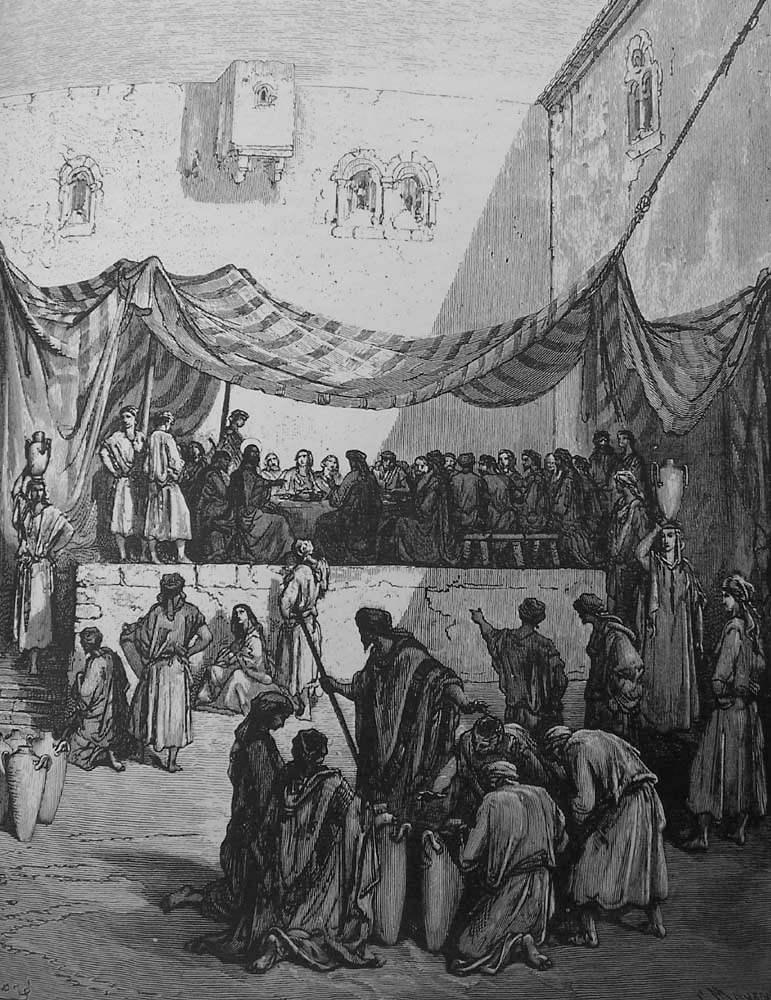
John never calls a miracle a work of power. He calls it a sign, seventeen times, because the point of it is what it points at. He numbers the first two, 'Jesus performed this, the first of His signs, at Cana in Galilee. He thus revealed His glory' (2:11) and 'This was now the second sign that Jesus performed' (4:54), and seven run through the book to the raising of Lazarus. Then he states the selection principle and the purpose together: 'Jesus performed many other signs in the presence of His disciples, which are not written in this book. But these are written so that you may believe that Jesus is the Christ, the Son of God, and that by believing you may have life in His name' (20:30-31). John is honest about the limits of evidence. He records that the signs were seen and refused, 'Although Jesus had performed so many signs in their presence, they still did not believe in Him' (12:37), and he closes the resurrection chapter by blessing people who will never see one: 'blessed are those who have not seen and yet have believed' (20:29).
John 2:11 · John 12:37 · John 20:31
Believing, and eternal life as a present possession
John uses the verb for believing ninety-eight times, more than a third of all its uses in the New Testament, and he never once uses the noun for faith in this Gospel. That is a decision about grammar with theology inside it: in John, faith is something a person does toward someone rather than something a person has. And the thing believing gets is given in the present tense. 'Whoever believes in the Son has eternal life' (3:36). 'whoever hears My word and believes Him who sent Me has eternal life and will not come under judgment. Indeed, he has crossed over from death to life' (5:24). The transfer has already happened. Eternal life in John is defined by relationship rather than by duration: 'Now this is eternal life, that they may know You, the only true God, and Jesus Christ, whom You have sent' (17:3). The most quoted verse in the Bible puts the whole transaction in one line, with the world as its object: 'For God so loved the world that He gave His one and only Son, that everyone who believes in Him shall not perish but have eternal life' (3:16).
John 3:16 · John 5:24 · John 17:3
Another Comforter, and everything he was sent to do
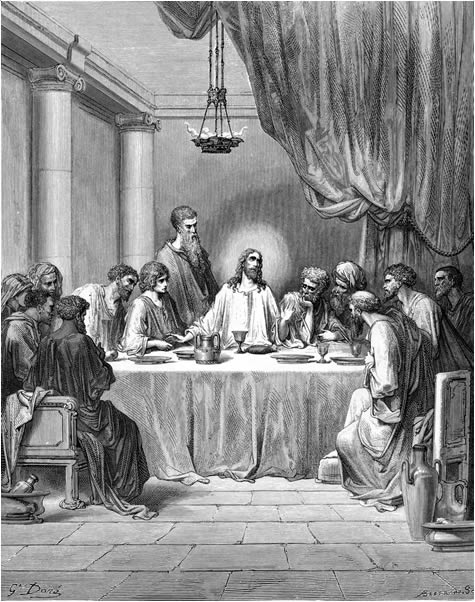
The word John uses for the Spirit in the upper room appears five times in the whole New Testament, four of them here and once in 1 John, where it describes Jesus himself as 'an advocate before the Father' (1 John 2:1). It means someone called alongside to help, and the word 'another' at 14:16 means another of the same kind: 'And I will ask the Father, and He will give you another Advocate to be with you forever'. The job description runs across four chapters and none of it has expired. He abides with the disciples and is in them (14:17). He 'will teach you all things and will remind you of everything I have told you' (14:26). He bears witness to Christ (15:26). He 'will convict the world in regard to sin and righteousness and judgment' (16:8). He 'will guide you into all truth' and 'will declare to you what is to come' (16:13). And he points away from himself: 'He will glorify Me by taking from what is Mine and disclosing it to you' (16:14). Jesus called his going away an advantage on exactly this ground, 'it is for your benefit that I am going away. Unless I go away, the Advocate will not come to you' (16:7). The promise at 7:38 was already pointing here, 'from within him shall flow rivers of living water', and John adds the note himself: 'He was speaking about the Spirit, whom those who believed in Him were later to receive' (7:39). Everyone who believes on him is inside that sentence, and the church still lives on the whole of what the Comforter was sent to do.
John 14:16 · John 16:13 · John 7:39
The hour, the glory, and a command with a measure attached
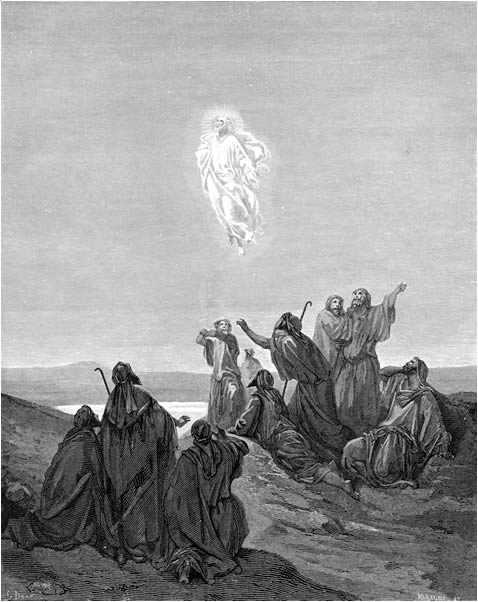
A clock runs through this Gospel. At Cana his mother is told 'My hour has not yet come' (2:4), and the phrase repeats until the week of the cross, when it turns over: 'The hour has come for the Son of Man to be glorified' (12:23), and in prayer, 'Father, the hour has come. Glorify Your Son' (17:1). John's word for glory arrives at the cross rather than around it. Being lifted up is the glorifying, and Jesus says what the lifting means, 'And I, when I am lifted up from the earth, will draw everyone to Myself' (12:32). The final word from the cross in this Gospel is a single Greek word of completion, 'It is finished' (19:30). Inside that same hour he leaves a command with a standard on it that no one had used before: 'A new commandment I give you: Love one another. As I have loved you, so you also must love one another' (13:34). The measure is the new part. And the identifying mark of his people is set by it: 'By this everyone will know that you are My disciples, if you love one another' (13:35).
John 12:23 · John 13:34 · John 19:30