
1 Corinthians 7 · Trial 18 of 21 · Featured Study
Marriage in Its Trials
Marriage is a covenant God made at the creation, and in a fallen world it bears real strain.
Malachi told the men of Judah that “the LORD has been a witness between you and the wife of your youth” (Malachi 2:14).
But if you do marry, you have not sinned. And if a virgin marries, she has not sinned. But those who marry will face troubles in this life, and I want to spare you this.
- Anchor text
- 1 Corinthians 7:28 “But if you do marry, you have not…”
- The lament
- Psalm 55:1 to 23 “Listen to my prayer, O God, and do…”
- Hold in memory
- 1 Corinthians 7:28
Summary
Scripture honours marriage from Eden to the wedding of the Lamb and records its strain without hiding it. Its homes hold rival wives, a harsh husband, a faithless wife and a king who killed to cover his sin. The New Testament answers with Christ's love for His church, with commands to love, honour and forgive, and with a way back for the one who has broken faith.
- Jesus answered a question about divorce by pointing back to the joining of the first man and woman in Genesis.
- Scripture traces conflict in a home to the passions of each heart and to the tempter, and Paul counts the troubles of the married part of a world that is passing away.
- Paul measures a husband's love by the cross.
- Adultery breaks the covenant, and the confession of David and the return of Hosea's wife show repentance and forgiveness after unfaithfulness.
- Scripture gives a troubled marriage things to do: keep the marriage pure, give each other what is due, settle anger quickly, answer gently and forgive.
What the Trouble of Marriage Is
Two Greek and two Hebrew words name marrying, its troubles and its betrayal.
This study asks what Scripture says to a husband or wife who is troubled in marriage, where those troubles come from, and what God gives them to do. It sets out the Greek and Hebrew words for marrying and for the trouble Paul foretold, and the key texts in their Berean words. It shows Christ at a wedding, as the Bridegroom and as the husband who gave Himself for His bride. It gives the people and stories of strained marriages in the Bible and in the church's history, and the lament of Psalm 55. It also gives the practices Scripture names, the voices of the church by century and three questions on which readers disagree.
Thlipsis, pressure
44 uses in the canon
Paul's word for the troubles of the married in 1 Corinthians 7:28 is thlipsis (G2347), the word he also uses for the sufferings that produce perseverance in Romans 5:3.
Gameo, to marry
28 uses in the canon
When Jesus forbade divorce, His disciples answered with gameo (G1060): “it is better not to marry.”
Ba'al, to be master and husband
15 uses in the canon
Isaiah uses ba'al (H1166) of God Himself: “For your husband is your Maker.”
Na'aph, to commit adultery
31 uses in the canon
The seventh commandment uses na'aph (H5003): “You shall not commit adultery.”
Thlipsis, pressure, Gameo, to marry, Ba'al, to be master and husband, Na'aph, to commit adultery
The Key Texts for a Marriage Under Strain
Texts from Genesis, the wisdom books and the letters speak to husbands and wives.
The beginning
The LORD God also said, “It is not good for the man to be alone. I will make for him a suitable helper.”
It stands first because God names the man's solitude as the first thing in creation that was not good.
Genesis 2:18BSB
For this reason a man will leave his father and mother and be united to his wife, and they will become one flesh.
Jesus and Paul both return to this verse when they teach about marriage, so every other text stands on it.
Genesis 2:24BSB
Wisdom
He who finds a wife finds a good thing and obtains favor from the LORD.
It stands here because it calls a wife a gift and the favour of the LORD.
Enjoy life with your beloved wife all the days of the fleeting life that God has given you under the sun—all your fleeting days. For this is your portion in life and in your labor under the sun.
The Teacher tells a husband to enjoy his wife within a life he calls fleeting, which is where every marriage is lived.
Mighty waters cannot quench love; rivers cannot sweep it away. If a man were to give all the wealth of his house for love, his offer would be utterly scorned.
It stands here because it says that love endures what would sweep other things away.
Letters
Husbands, love your wives and do not be harsh with them.
Paul joins the command to love with a warning against harshness, a fault that strains many homes.
Husbands, in the same way, treat your wives with consideration as a delicate vessel, and with honor as fellow heirs of the gracious gift of life, so that your prayers will not be hindered.
Peter ties the way a husband treats his wife to the hearing of his prayers.
1 Peter 3:7BSB
Proverbs 18:22, Ecclesiastes 9:9, Song of Solomon 8:7, Colossians 3:19, 1 Peter 3:7
Where the Troubles of Marriage Come From and Where Christ Bore Them
Six texts trace the troubles of marriage to their roots and set them under God's rule, and four set Christ's own love for His bride beside them.
The troubles of a marriage often have more than one root.
To the woman He said: “I will sharply increase your pain in childbirth; in pain you will bring forth children. Your desire will be for your husband, and he will rule over you.”The judgment after the first sin reaches into the bond between husband and wife.
What causes conflicts and quarrels among you? Don’t they come from the passions at war within you?James traces quarrels among believers to the desires of each heart, which is where many conflicts in a home begin.
Jesus replied, “Moses permitted you to divorce your wives because of your hardness of heart; but it was not this way from the beginning.It stands here because it names the sin that first made the Law allow for broken marriages.
Do not deprive each other, except by mutual consent and for a time, so you may devote yourselves to prayer. Then come together again, so that Satan will not tempt you through your lack of self-control.Paul names the tempter as an enemy who works where a husband and wife withhold themselves from each other.
and those who use the things of this world, as if not dependent on them. For this world in its present form is passing away.Paul sets the troubles of the married inside a world that will not last, which keeps them from being the last word.
Over every marriage stands the God who joined it.
So they are no longer two, but one flesh. Therefore what God has joined together, let man not separate.”Jesus makes God the one who joins a husband and wife, so their bond rests on His act.
The Gospels, Ephesians and Revelation show Christ as the Bridegroom who loved His bride and gave Himself for her.
He kept the wedding at CanaJohn 2
At a wedding in Cana of Galilee the wine gave out, and Jesus turned the water in six stone jars into wine (John 2:3 to 10).
Jesus performed this, the first of His signs, at Cana in Galilee. He thus revealed His glory, and His disciples believed in Him.
John 2:11BSB The verse places the first of Christ's signs at a wedding, where a new household was beginning.
Read the page on Jesus 33 sections, 41 verses set out
He is the Bridegroom taken awayMark 2
Asked why His disciples did not fast, Jesus spoke of them as “the guests of the bridegroom” (Mark 2:19).
But the time will come when the bridegroom will be taken from them; then they will fast.
Mark 2:20BSB The verse shows the Bridegroom foretelling His own death, the cost at which He took His bride.
He gave Himself up for the churchEphesians 5
Paul says that Christ did this “to sanctify her, cleansing her by the washing with water through the word” (Ephesians 5:26).
Husbands, love your wives, just as Christ loved the church and gave Himself up for her
Ephesians 5:25BSB The verse grounds a husband's love in the cross, where Christ loved a bride who had not yet been made clean.
Read the study of Submit to One Another 8 sections, 13 verses set out
He will keep the marriage of the LambRevelation 19
John heard an angel say, “Blessed are those who are invited to the marriage supper of the Lamb” (Revelation 19:9).
Let us rejoice and be glad and give Him the glory. For the marriage of the Lamb has come, and His bride has made herself ready.
Revelation 19:7BSB The verse shows the end toward which every marriage of believers points, the Lamb and His bride made ready.
He is the Bridegroom taken away (Mark 2), He gave Himself up for the church (Ephesians 5), He will keep the marriage of the Lamb (Revelation 19)
Matthew 19:8, 1 Corinthians 7:5, 1 Corinthians 7:31, Matthew 19:6, John 2:11, Mark 2:20, Ephesians 5:25, Revelation 19:7
The Fall & the Protoevangelium, the study in brief, Matthew 19:8, 1 Corinthians 7:5, 1 Corinthians 7:31, Matthew 19:6, Marriage and the Household, the study in brief, a paragraph, He kept the wedding at Cana (John 2) and 3 more
Who Walked Through It
Five people of the Bible lived through a strained marriage, and each line gives the words of its verse.
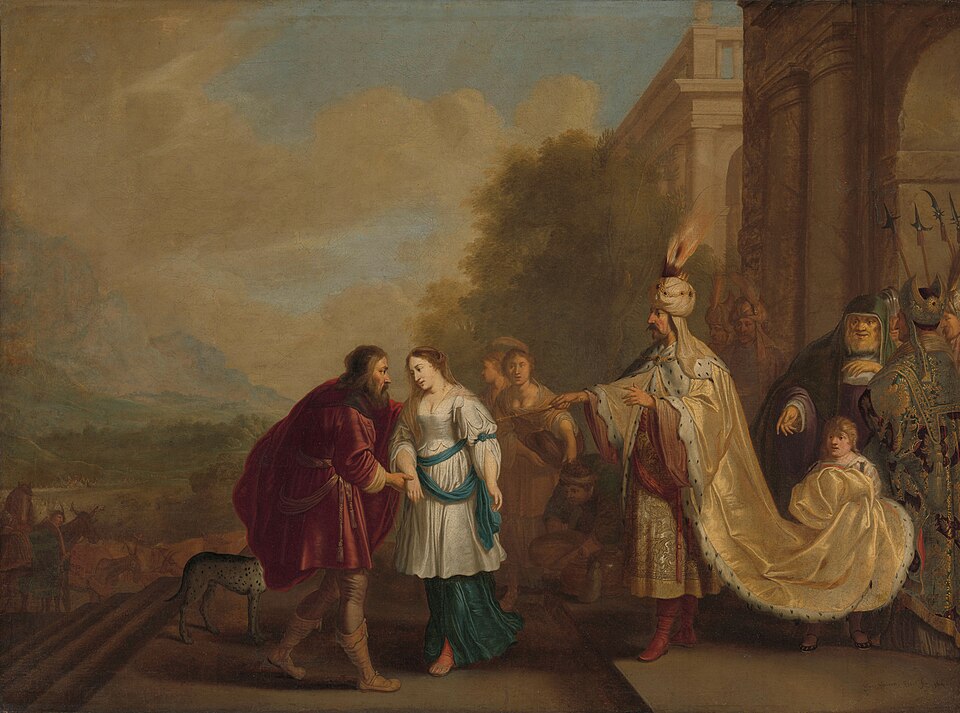
When Hagar despised her, Sarai said to Abram, “May the wrong done to me be upon you!”
Genesis 16:5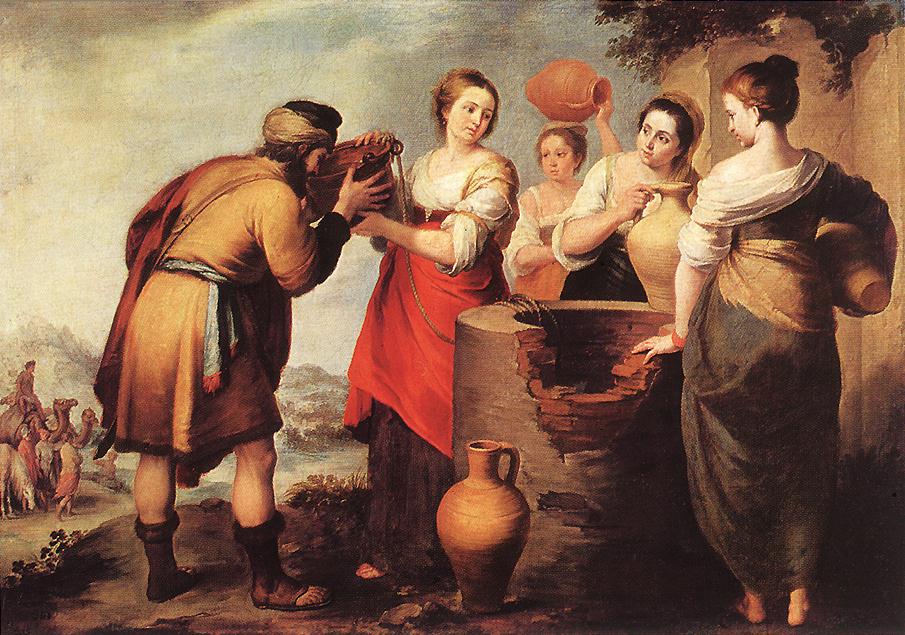
She and Isaac each loved a different son: “he loved Esau; but Rebekah loved Jacob.”
Genesis 25:28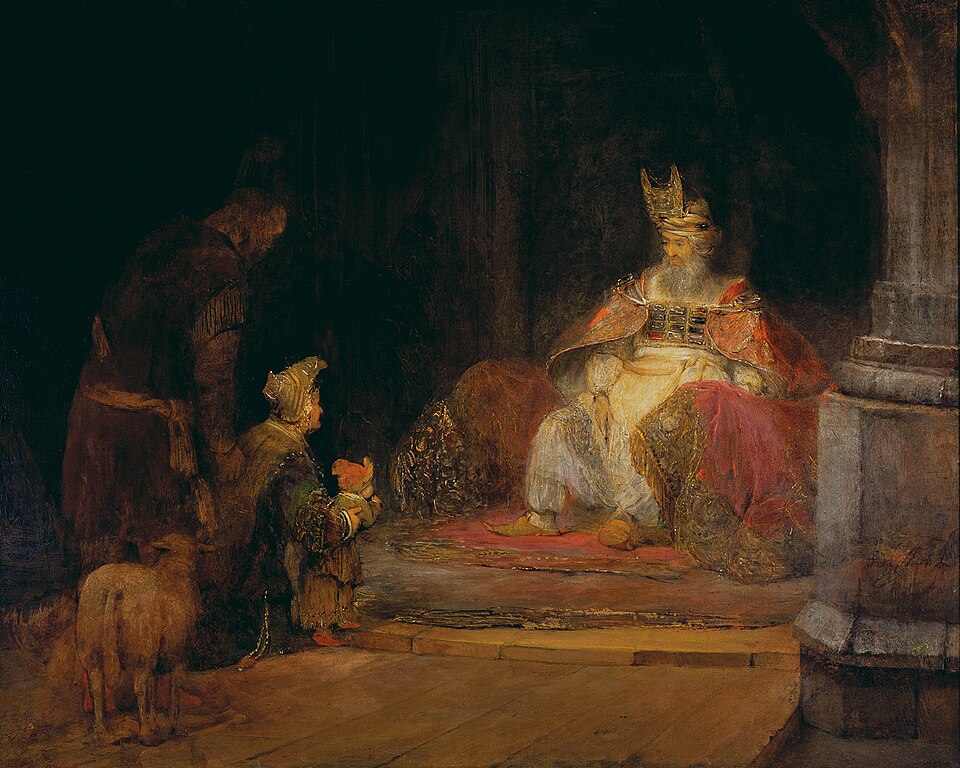
As she wept for a child, her husband Elkanah asked, “Am I not better to you than ten sons?”
1 Samuel 1:8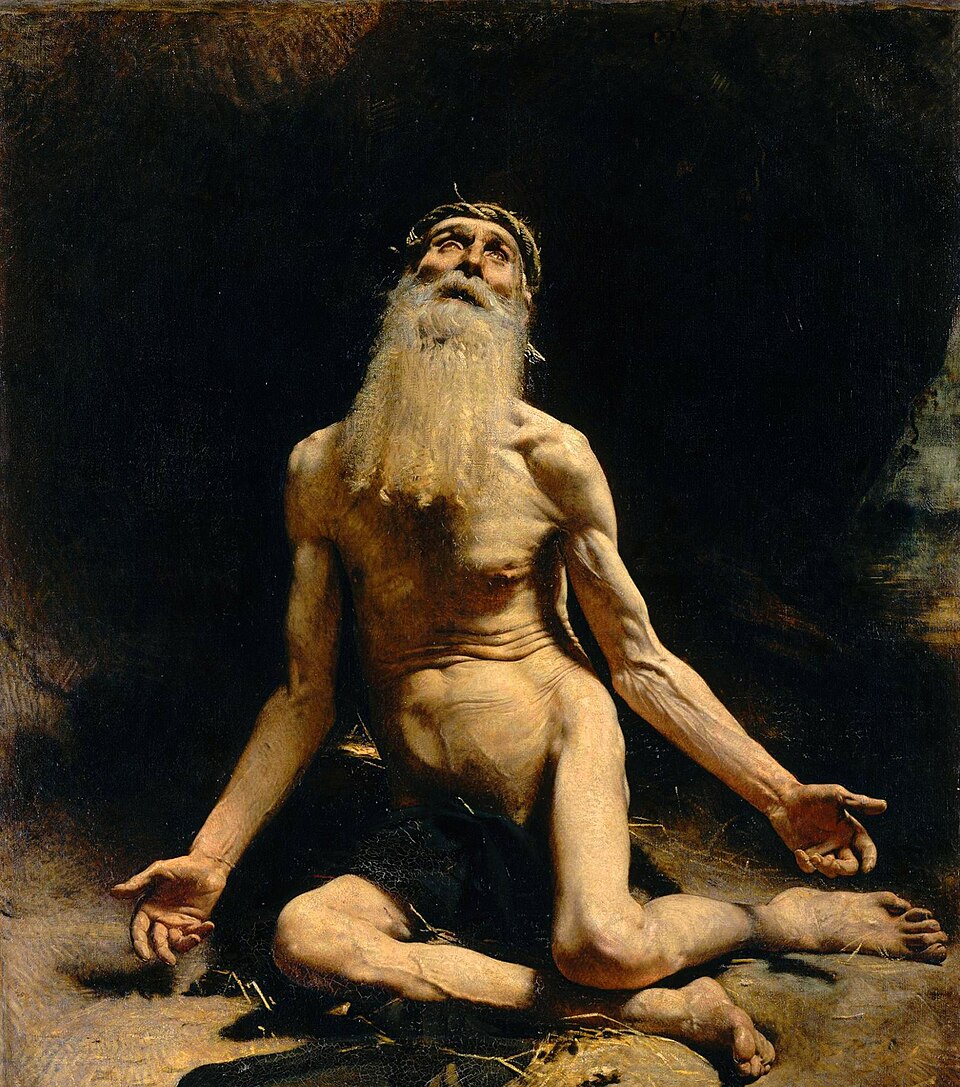
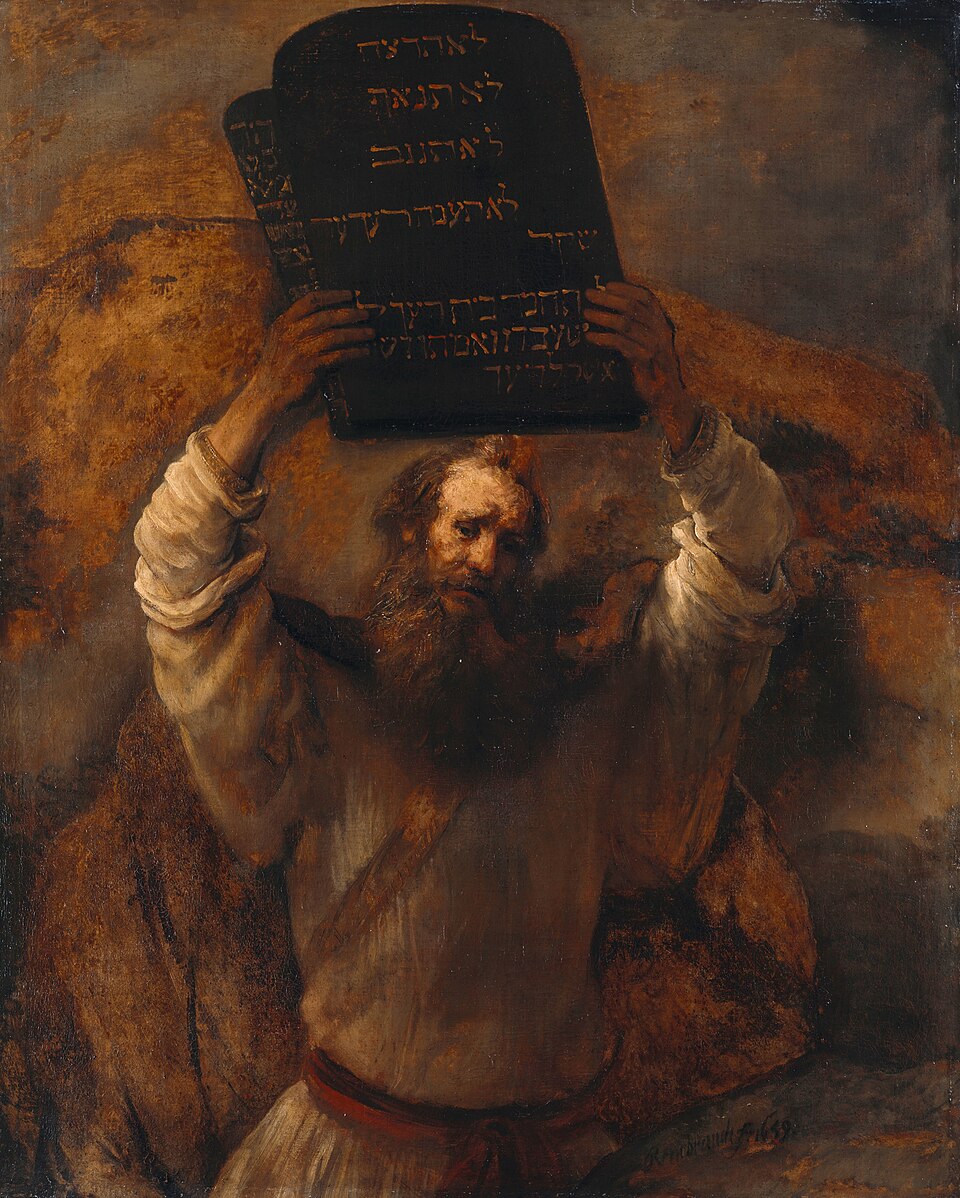
On the road to Egypt his wife Zipporah said to him, “Surely you are a bridegroom of blood to me.”
Exodus 4:25
Hannah, Job, Moses
What to Do in a Troubled Marriage
Each step stands in the words of the verse that gives it.
- 1Keep the marriage pure“Marriage should be honored by all and the marriage bed kept undefiled.”Hebrews 13:4
- 2Give each other what is due“The husband should fulfill his marital duty to his wife, and likewise the wife to her husband.”1 Corinthians 7:3
- 3Settle anger the same day“Do not let the sun set upon your anger.”Ephesians 4:26
- 4Answer gently“A gentle answer turns away wrath, but a harsh word stirs up anger.”Proverbs 15:1
- 5Bear with each otherWalk “with all humility and gentleness, with patience, bearing with one another in love.”Ephesians 4:2
- 6Forgive as you were forgiven“Forgive as the Lord forgave you.”Colossians 3:13
Give each other what is due, Settle anger the same day, Answer gently, Bear with each other, Forgive as you were forgiven
Prayer and these practices go together with the counsel of a pastor or a trained counsellor and never replace it. Anyone threatened with violence at home should go to a safe place now and call the local emergency number.
The Lament of Psalm 55
Four passages of the psalm's twenty-three verses stand here as cards, from its first plea to the burden cast on the LORD.
David's complaint in Psalm 55 is against a companion who worshipped beside him and then broke covenant with him.
Listen to my prayer, O God, and do not ignore my plea. Attend to me and answer me. I am restless in my complaint, and distraughtIt stands first because the psalm opens by asking God to hear before it names the wound.
For it is not an enemy who insults me; that I could endure. It is not a foe who rises against me; from him I could hide. But it is you, a man like myself, my companion and close friend. We shared sweet fellowship together; we walked with the crowd into the house of God.It stands here because it names the pain of a wound given by the person nearest to the one who prays.
My companion attacks his friends; he violates his covenant. His speech is smooth as butter, but war is in his heart. His words are softer than oil, yet they are swords unsheathed.It stands here because it calls the betrayal a broken covenant, the word Malachi uses of marriage.
Cast your burden upon the LORD and He will sustain you; He will never let the righteous be shaken.It stands last because the psalm turns from the betrayer to the LORD who carries the burden.
Psalm 55:20 to 21, Psalm 55:22
Psalm 55:20 to 21, Psalm 55:22
Strained Marriages in the Stories of the Bible
Four stories from Genesis, 1 and 2 Samuel and Hosea each show a marriage under strain.
Jacob, Leah and RachelGenesis 29 to 30
Laban gave Jacob his elder daughter Leah in place of Rachel, for whom Jacob had served seven years, and Jacob served seven more years to marry Rachel too (Genesis 29:25 to 30). The sisters strove over his love and over children. In Genesis 30:1 Rachel envied Leah and said to Jacob, “Give me children, or I will die!”
When the LORD saw that Leah was unloved, He opened her womb; but Rachel was barren.
Genesis 29:31BSB The verse shows the LORD seeing the wife who was unloved.
Read the page on Rachel and Leah 12 sections, 32 verses set out
Abigail and Nabal1 Samuel 25
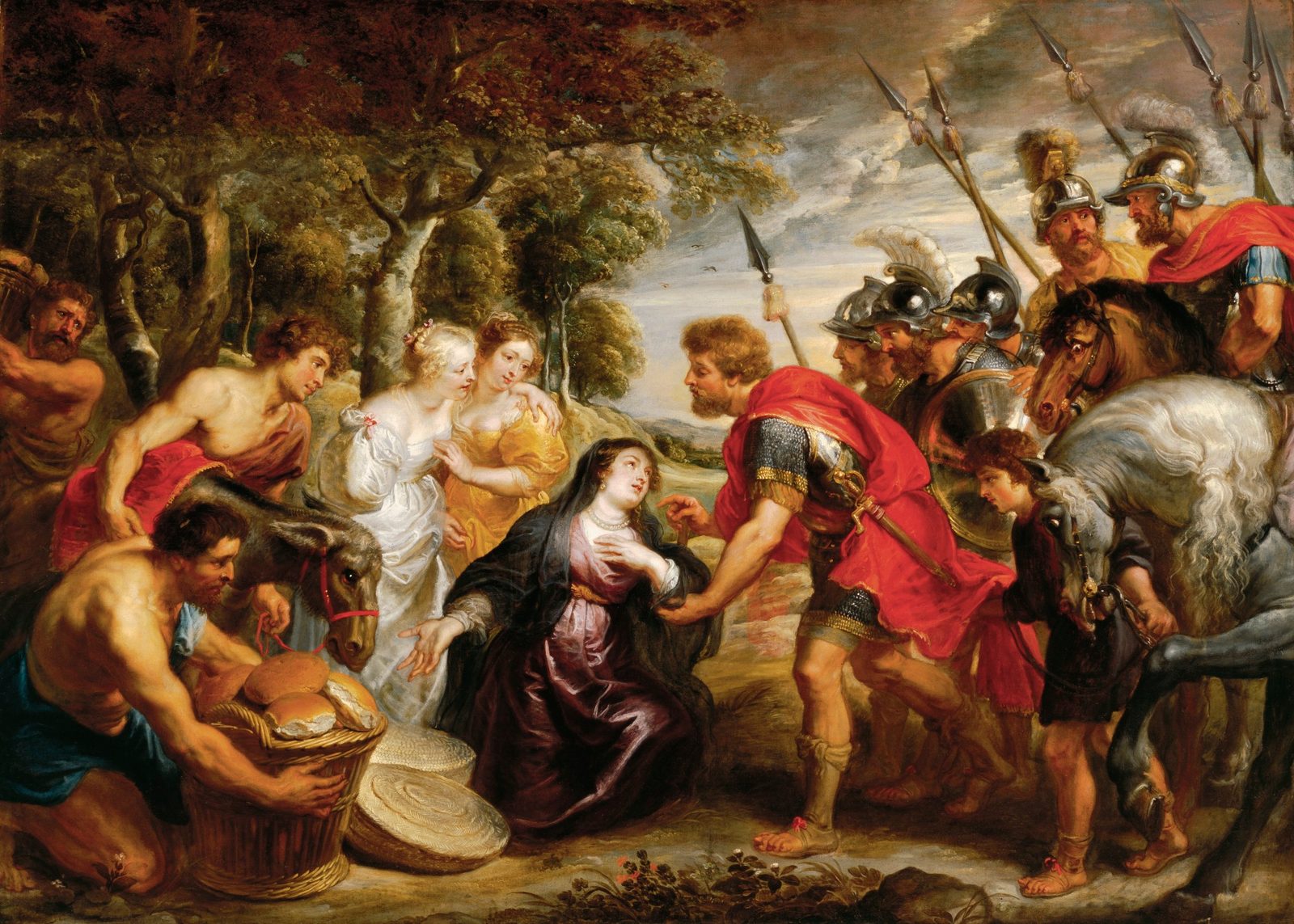
Nabal insulted David's men, who had guarded his shepherds, and David set out to destroy his house. Abigail took food to David on the road and turned him back from bloodshed (1 Samuel 25:18 to 33). When Nabal heard what had happened, “his heart failed within him” (1 Samuel 25:37), and about ten days later the LORD struck him dead.
His name was Nabal, and his wife’s name was Abigail. She was an intelligent and beautiful woman, but her husband, a Calebite, was harsh and evil in his dealings.
1 Samuel 25:3BSB The verse sets an intelligent wife beside a harsh husband in one line.
Read the study of Abigail 9 sections, 19 verses set out
David and Bathsheba2 Samuel 11 to 12
David took Bathsheba, the wife of Uriah, and when she conceived he had Uriah killed in battle (2 Samuel 11:4 to 17). The prophet Nathan then told David a parable of a rich man who took a poor man's one lamb, and in 2 Samuel 12:7 he said to him, “You are that man!”
Then David said to Nathan, “I have sinned against the LORD.” “The LORD has taken away your sin,” Nathan replied. “You will not die.
2 Samuel 12:13BSB The verse holds David's confession and the LORD's forgiveness in one exchange.
Hosea and GomerHosea 1 to 3
The LORD told the prophet Hosea to marry Gomer, and her unfaithfulness became a picture of Israel departing from the LORD (Hosea 1:2 and Hosea 1:3). Later Hosea bought her back “for fifteen shekels of silver and a homer and a lethech of barley” (Hosea 3:2).
Then the LORD said to me, “Go show love to your wife again, though she is loved by another and is an adulteress. Love her as the LORD loves the Israelites, though they turn to other gods and offer raisin cakes to idols.”
Hosea 3:1BSB The verse sets a husband's renewed love beside the LORD's love for a faithless people.
Abigail and Nabal (1 Samuel 25), David and Bathsheba (2 Samuel 11 to 12), Hosea and Gomer (Hosea 1 to 3)
2 Samuel 12:13, Hosea 3:1
Marriage in the Church's History
Three accounts tell of a wife who won her husband to faith, a vow for better or worse and a marriage its husband called an uncommon union.
Monica and PatriciusConfessions, book 9
Augustine wrote in his Confessions that his father Patricius was “violent in anger” and unfaithful to his wife. His mother Monica “so bore the wronging of her bed as never to have any dissension with her husband on account of it,” and waited for God's mercy on him. Near the end of his life Patricius became a believer.
The vow for better, for worse1549
The Book of Common Prayer of 1549 gave the husband a vow “to have and to holde from this day forwarde, for better, for wurse, for richer, for poorer, in sickenes, and in health, to love and to cherishe, til death us departe”. The vow names the troubles of married life before the marriage begins.
Jonathan and Sarah Edwards1727 to 1758
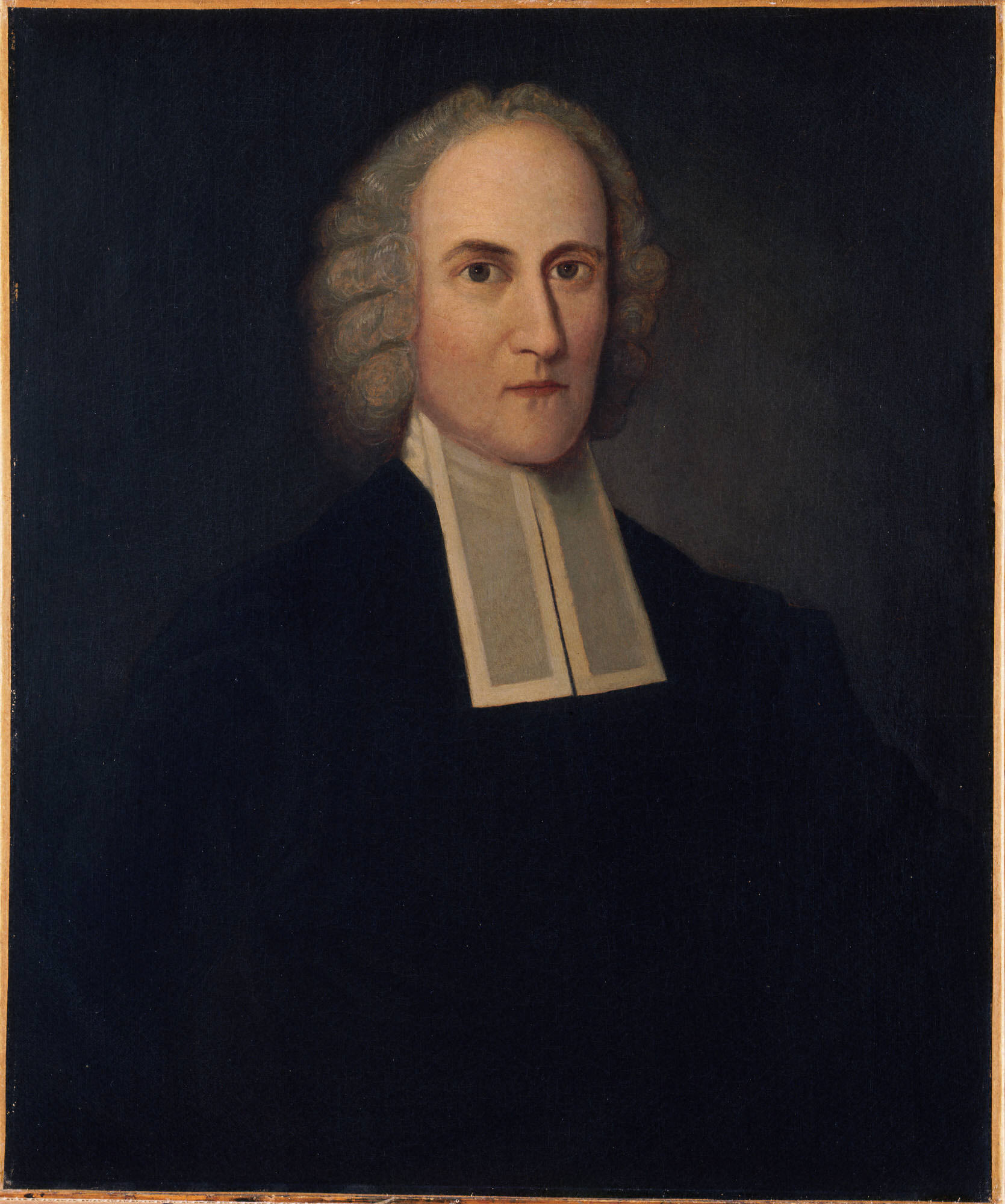
Jonathan Edwards married Sarah Pierrepont at New Haven on 28 July 1727. In 1750 an ecclesiastical council voted by one voice to end his pastorate at Northampton, and in 1751 he was installed at Stockbridge. He died at Princeton on 22 March 1758. Before he died he sent word to his wife that “the uncommon union, which has so long subsisted between us, has been of such a nature, as I trust is spiritual, and therefore will continue for ever”.
Read the story of An Uncommon Union 6 sections, 1 verse set out
The vow for better, for worse (1549), Jonathan and Sarah Edwards (1727 to 1758)
Voices on Marriage, by Century
Four quotations from the second century to the fifth, each under the line it teaches.
died 108 · Ignatius of Antioch
Epistle of Ignatius to Polycarp
A second-century reading: husbands are to love their wives as the Lord loves the church.
The quotation1 quotation
“Flee evil arts; but all the more discourse in public regarding them. Speak to my sisters, that they love the Lord, and be satisfied with their husbands both in the flesh and spirit. In like manner also, exhort my brethren, in the name of Jesus Christ, that they love their wives, even as the Lord the Church. If any one can continue in a state of purity, to the honour of Him who is Lord of the flesh, let him so remain without boasting. If he begins to boast, he is undone; and if he reckon himself greater than the bishop, he is ruined. But it becomes both men and women who marry, to form their union with the approval of the bishop, that their marriage may be according to God, and not after their own lust. Let all things be done to the honour of God.”
Ignatius of Antioch · Epistle of Ignatius to Polycarp · on Ephesians 5:25Patristic
died 215 · Clement of Alexandria
The Stromata Book 7
A third-century reading: a true husband points his wife to the Lord, even on the way to her death.
The quotation1 quotation
“They say, accordingly, that the blessed Peter, on seeing his wife led to death, rejoiced on account of her call and conveyance home, and called very encouragingly and comfortingly, addressing her by name, ‘Remember thou the Lord.’ Such was the marriage of the blessed and their perfect disposition towards those dearest to them. Thus also the apostle says, ‘that he who marries should be as though he married not,’ and deem his marriage free of inordinate affection, and inseparable from love to the Lord; to which the true husband exhorted his wife to cling on her departure out of this life to the Lord.”
Clement of Alexandria · The Stromata Book 7 · on 1 Corinthians 7:29Patristic
died 220 · Tertullian
To His Wife Book II
A third-century reading: a believer married before coming to faith is bidden to stay in the marriage.
The quotation1 quotation
“If these things may happen to those women also who, having attained the faith while in (the state of) Gentile matrimony, continue in that state, still they are excused, as having been ‘apprehended by God’ in these very circumstances; and they are bidden to persevere in their married state, and are sanctified, and have hope of ‘making a gain’ held out to them.”
Tertullian · To His Wife Book II · on 1 Peter 3:1Patristic
died 407 · John Chrysostom
Homily on 1 Corinthians 19
A fifth-century reading: Paul's counsel to stay unmarried is advice and never a law.
The quotation1 quotation
“Then, lest this should seem to be laying down a law, he subjoins, ‘but if thou marry, thou hast not sinned.’ He next alleges the existing state of things, ‘the present distress, the shortness of the time,’ and ‘the affliction.’ For marriage draws along with it many things, which indeed he hath glanced at, as well here as also in the discourse about continence: there, by saying, ‘the wife hath not power over herself;’ and here, by the expression, ‘Thou art bound.’ ‘But if and thou marry, thou hast not sinned.’ He is not speaking about her who hath made choice of virginity, for if it comes to that, she hath sinned. Since if the widows are condemned for having to do with second marriages after they have once chosen widowhood, much more the virgins. ‘But such shall have trouble in the flesh.’ ‘And pleasure too,’ you will say: but observe how he curtails this by the shortness of the time, saying, ‘the time is shortened;’ that is, ‘we are exhorted to depart now and go forth, but thou art running further in.’ And yet even although marriage had no troubles, even so we ought to press on towards things to come. But when it hath affliction too, what need to draw on one's self an additional burden. What occasion to take up such a load, when even after taking it you must use it as having it not? For ‘those even that have wives must be,’ he saith, ‘as though they had none.’”
John Chrysostom · Homily on 1 Corinthians 19 · on 1 Corinthians 7:28Patristic
Tertullian, John Chrysostom
How Marriage Has Been Taught
Augustine about 401 and the Westminster Confession of 1647 taught what marriage is for and what may end it.
Augustine taught that marriage holds three goods: children, faithfulness and a bond that separation does not undo.1 paragraph
Augustine finished On the Good of Marriage about 401 (translated by C. L. Cornish, 1887). He held that the good of marriage stands “in the occasion of begetting, and faith of chastity”, and for the people of God also “in the sanctity of the Sacrament”. He taught that the marriage compact “is not made void even by separation itself” while the husband lives. He also wrote, “I marvel, if, as it is allowed to put away a wife who is an adulteress, so it be allowed, having put her away, to marry another.”
The Westminster Confession taught that marriage was made for mutual help and that only adultery or desertion ends it.1 paragraph
The Westminster Confession of Faith (1647), chapter 24, says that marriage “was ordained for the mutual help of husband and wife”. After adultery it allows the innocent party “to sue out a divorce”. It then allows that party “after the divorce to marry another, as if the offending party were dead”. It names nothing else as cause for dissolving the bond but adultery “or such wilful desertion as can no way be remedied by the Church or civil magistrate”.
The Studies of Marriage in Its Trials
Each study takes one text, story or practice of this trial into more depth.
The texts
1 study, 1 linked page
- Passages and psalms · 13 verses set outSubmit to One Another
The passage stands in Paul's letter to Ephesus, after his call to sing and give thanks and before his word to children and slaves.
- Doctrines · 30 verses set outMarriage and the Household
Genesis 2:24 makes a man and his wife one flesh, and Jesus and Paul both quote the verse.
- Passages and psalms · 13 verses set outSubmit to One Another
The stories
1 study, 1 linked page
- Stories · 1 verse set outAn Uncommon Union
A pastor and his wife in colonial New England stayed united through more than thirty years of revival and loss.
- People · 19 verses set outAbigail
Scripture names Abigail's understanding before her beauty, and after the LORD struck her husband Nabal she became David's wife.
- Stories · 1 verse set outAn Uncommon Union
The practice
1 study
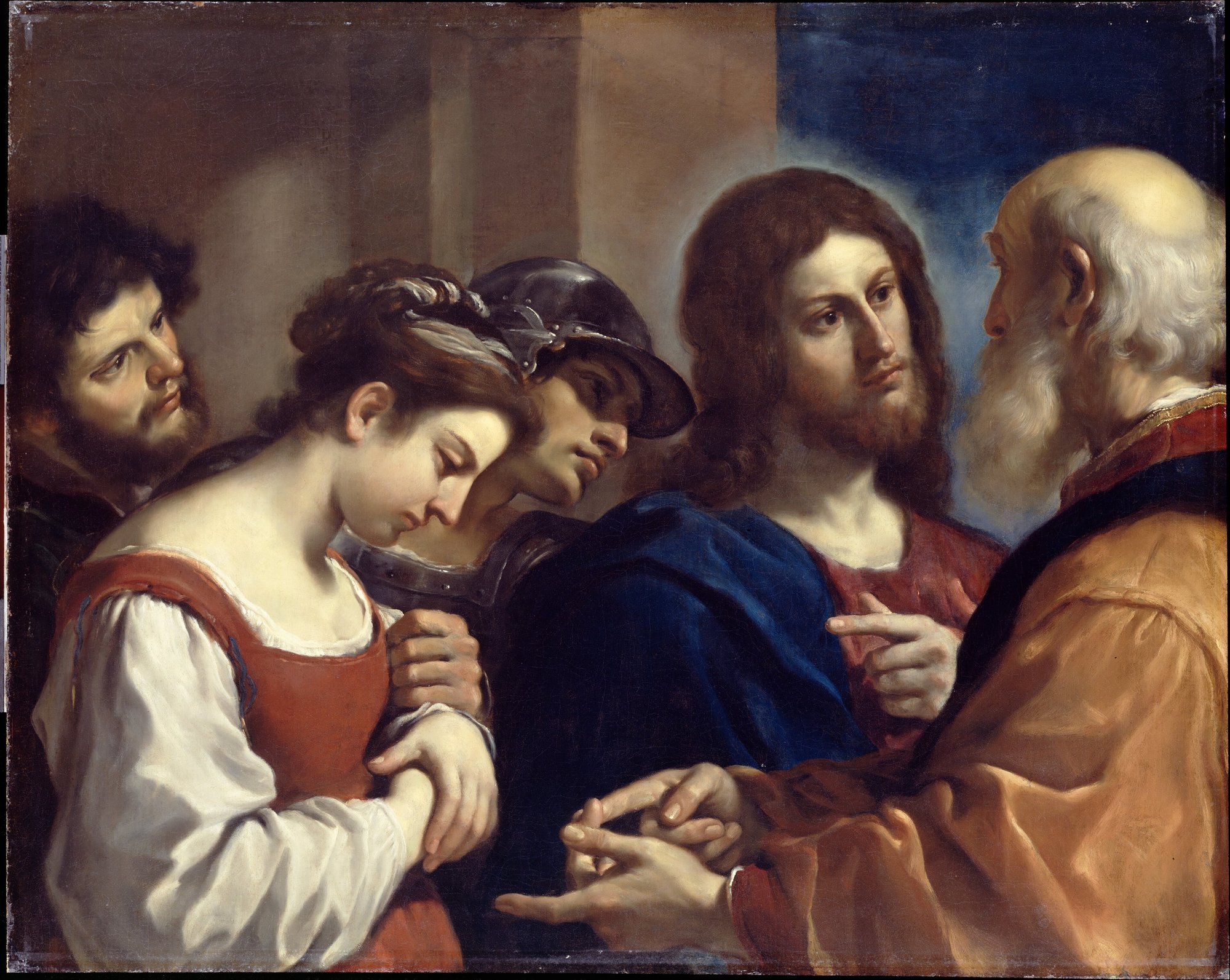
- Subjects · 20 verses set outAdultery and the Way Back
Proverbs 5 is a father's speech to his son about the forbidden woman and the wife of his youth.
- Subjects · 20 verses set outAdultery and the Way Back
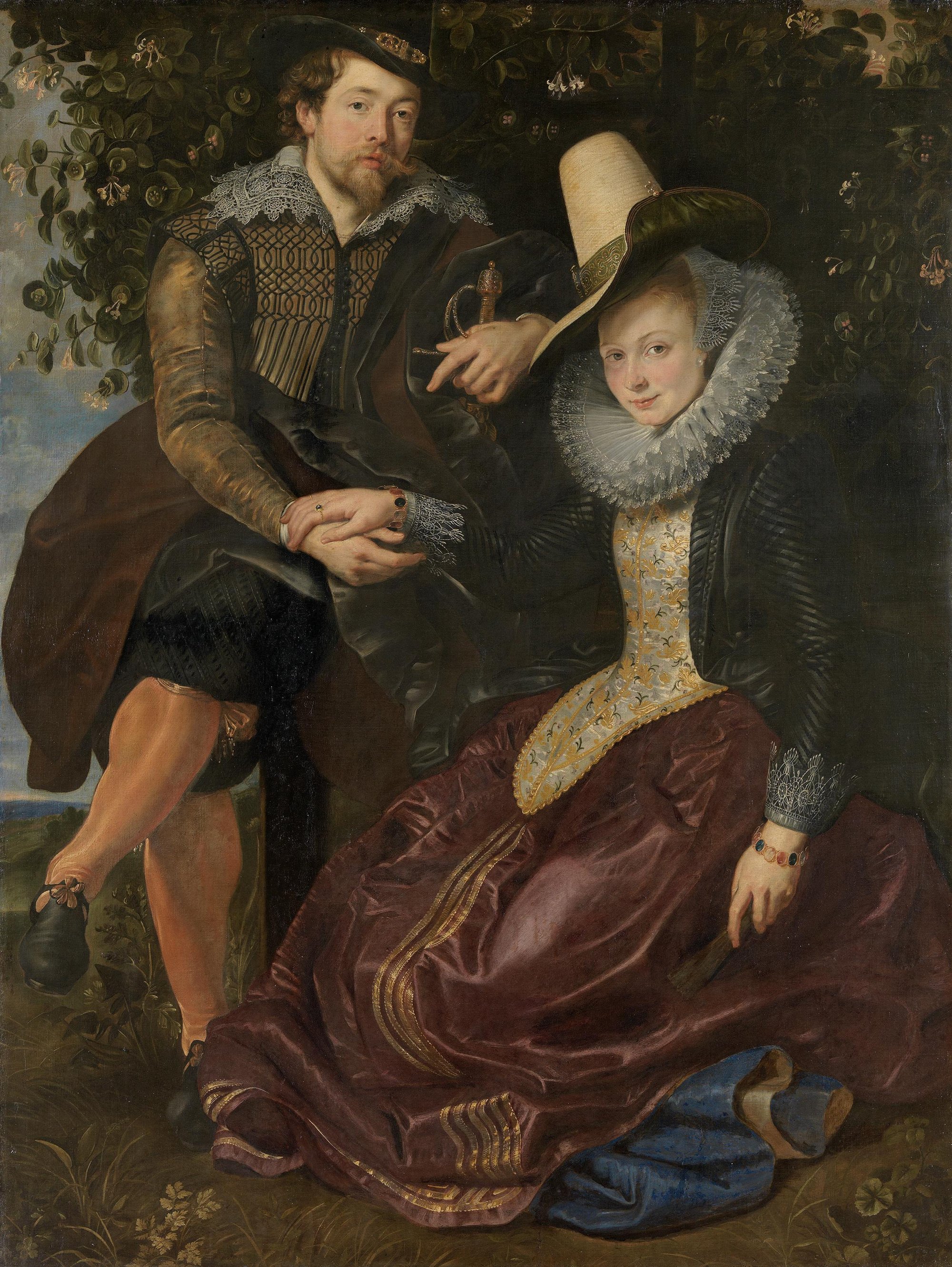
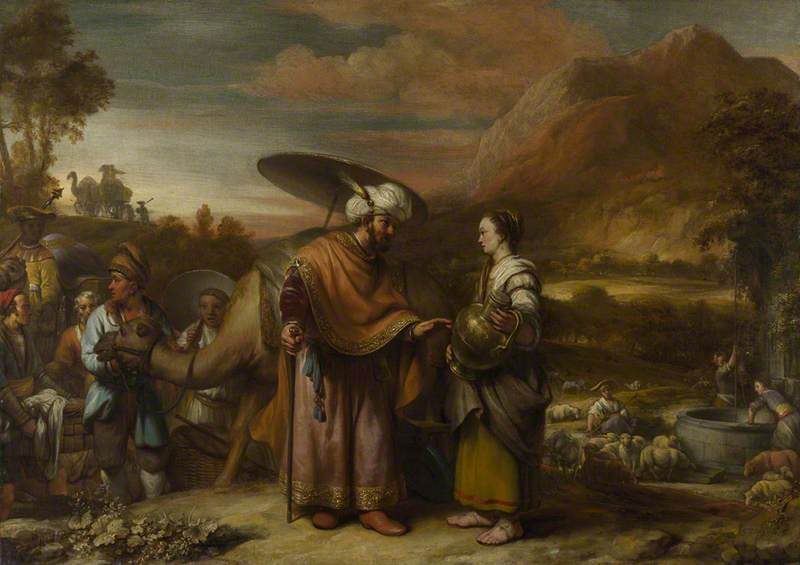
Marriage and the Household, An Uncommon Union, Abigail, Adultery and the Way Back
Where Readers Disagree
Seven readings answer three questions, each with its holders, the work that argues it and the objection raised against it.
What Paul's present crisis was
Read the debate Marriage, Singleness, and Divorce
| Reading | Held by | Work | Objection |
|---|---|---|---|
| The persecutions the church suffered in heathen times | Adam Clarke (Methodist) | Adam Clarke, Commentary on the Bible, on 1 Corinthians 7:26 | Paul's own reason in 1 Corinthians 7:29 to 31 is the shortness of the time and the passing of the world's present form, which holds in every age. |
| The shortness of the time and the burdens marriage brings | John Chrysostom (Greek patristic writing) | John Chrysostom, Homilies on First Corinthians, Homily 19, on 1 Corinthians 7:28 | Paul calls the crisis present (1 Corinthians 7:26), which ties his counsel to a time. |
What a husband or wife may do after adultery
Read the debate Divorce: What Jesus Said
| Reading | Held by | Work | Objection |
|---|---|---|---|
| A person divorced for adultery's sake may marry again | Robert Jamieson, A. R. Fausset and David Brown (British evangelical commentary) | Robert Jamieson, A. R. Fausset and David Brown, Commentary Critical and Explanatory on the Whole Bible (1871), on Matthew 5:32 | Paul tells a wife who separates from her husband to remain unmarried or else be reconciled (1 Corinthians 7:11). |
| Separate, but marry no one else while the other lives | Clement of Alexandria (Greek patristic writing) | Clement of Alexandria, The Stromata, book 2 | Jesus names sexual immorality as an exception in Matthew 19:9, and this reading must explain why the exception is given. |
| Put away a spouse who will not repent, stay unmarried, and take back one who repents | The Shepherd of Hermas (Roman Christian writing of the second century) | The Shepherd of Hermas, Commandment 4 | The Law forbade a first husband to take back a wife who had married another after her divorce (Deuteronomy 24:4). |
Separate, but marry no one else while the other lives, Put away a spouse who will not repent, stay unmarried, and take back one who repents
What submit to one another asks
Read the study of Submit to One Another 8 sections, 13 verses set out
| Reading | Held by | Work | Objection |
|---|---|---|---|
| A submission every believer owes every other | Matthew Henry (English Presbyterian) | Matthew Henry, Commentary on the Whole Bible (1710), on Ephesians 5:21 | The commands that follow ask wives to submit and children and slaves to obey (Ephesians 5:22, Ephesians 6:1 and Ephesians 6:5), and none asks husbands, fathers or masters to submit. |
| An order in the home with the husband at its head | Adam Clarke (Methodist) | Adam Clarke, Commentary on the Bible, on Ephesians 5:22 | Paul heads the household duties with a command to one another (Ephesians 5:21) and gives the husband a love that gives itself up (Ephesians 5:25). |
Every Text on Marriage
Six verses, two studies and one essay that the site's earlier marriage page gathered.
Six verses from Ruth, Proverbs, the Song of Songs, Malachi, John and 1 Corinthians.6 verses
So Boaz took Ruth, and she became his wife. And when he had relations with her, the LORD enabled her to conceive, and she gave birth to a son.It stands here because a marriage begun after widowhood and loss became part of the line of David.
A wife of noble character, who can find? She is far more precious than rubies.It stands here because it holds up the worth of a faithful wife to a husband tempted to forget it.
Set me as a seal over your heart, as a seal upon your arm. For love is as strong as death, its jealousy as unrelenting as Sheol. Its sparks are fiery flames, the fiercest blaze of all.It stands here because a marriage under strain needs the reminder that love was made to last.
“For I hate divorce,” says the LORD, the God of Israel. “He who divorces his wife covers his garment with violence,” says the LORD of Hosts. So guard yourselves in your spirit and do not break faith.It stands here because the LORD Himself speaks against the ending of a marriage.
On the third day a wedding took place at Cana in Galilee. Jesus’ mother was there,It stands here because it shows Jesus and His mother as guests who honoured a wedding with their presence.
But because there is so much sexual immorality, each man should have his own wife, and each woman her own husband.It stands here because it is Paul's first counsel in the chapter that holds this trial's anchor.
Two studies the earlier page listed.
One essay, carried as it stood.9 paragraphs
The marriage page at /tag/marriage carried the essay that follows.
Marriage begins in a garden, not a law code. When God made the first man, he said it was not good for him to be alone, and he built a wife for him from his own side (Genesis 2:18-22). Adam's response was joy; this one, at last, was like him, part of him. The passage that follows became the pattern for every marriage after: a man leaves his father and mother, joins himself to his wife, and the two become one flesh (Genesis 2:24).
One flesh is not a metaphor for feelings. It described a real, God-made union: two people bound together as if they were one body, undoing the aloneness the very first chapter of the Bible calls not good. Marriage was there before sin entered the world. It is part of the original design, not a fallback plan.
Scripture never hides how hard marriage can be. Jacob loved one wife and was tricked into another (Genesis 29:21-30). Hosea married a woman who broke her vows, and God used that marriage to picture how Israel had broken its vows to him (Hosea 1:2-3). Proverbs weighs both sides plainly, warning of a quarrelsome wife in one place and praising a good one as a gift from the Lord in another (Proverbs 21:9; 18:22). The Bible is honest about marriage rather than sentimental about it.
Even so, one whole book of the Bible is a love song. The Song of Solomon lingers over the delight two people can take in each other, without embarrassment, as something God made and blessed. Later readers have also heard in it an echo of a larger love: the love between God and his people.
That echo becomes explicit in the prophets. God speaks of himself as a husband to Israel, wounded by her unfaithfulness but still pursuing her (Isaiah 54:5; Jeremiah 3:14). Marriage, in other words, was never only about two people. From early on it was also a picture: the closest human relationship standing in for the closest thing to it, the bond between God and his own.
Jesus deepens rather than loosens that picture. Asked about marriage, he goes back past the law of Moses to the beginning, grounding it in Genesis and forbidding anyone from tearing apart what God has joined (Matthew 19:4-6). His first recorded miracle takes place at a wedding, where he keeps the celebration going rather than let it run dry (John 2:1-11): a small but telling sign of how he regards the occasion.
Paul takes the picture furthest of all. Writing to husbands and wives, he tells husbands to love their wives the way Christ loved the church and gave himself for her (Ephesians 5:25). Then he goes further still, applying the one-flesh language of Genesis directly to Christ and his people, calling it a great mystery (Ephesians 5:31-32).
By the end of the Bible the picture has become the main event. The last book does not close with an ordinary ending but with a wedding, the marriage of the Lamb to his bride at last made ready (Revelation 19:6-9). Every earthly marriage, at its best and even in its struggles, has been pointing toward this the whole time: the day Christ is joined to his people forever, and the two, at last, become one.
Sources
Scripture is the Berean Standard Bible.
- STEP Bible brief lexicons of Extended Strongs for Hebrew and for Greek (Tyndale House, Cambridge), CC BY 4.0, with the Strong's glosses.
- Augustine of Hippo, Confessions, book 9, chapter 9, sections 19 to 22, translated by J. G. Pilkington (Buffalo: Christian Literature Publishing, 1886), volume 1 of the first series of the Nicene and Post-Nicene Fathers.
- The Book of Common Prayer (1549), The Forme of Solemnizacion of Matrimonie.
- Augustine of Hippo, On the Good of Marriage (about 401), sections 7 and 32, in C. L. Cornish's translation, Nicene and Post-Nicene Fathers, series 1, volume 3 (1887)
- The Westminster Confession of Faith (1647), chapter 24, Of Marriage and Divorce, sections 2, 5 and 6.
- Ignatius of Antioch, Epistle to Polycarp, chapter 5.
- Tertullian, To His Wife, book 2.
- John Chrysostom, Homilies on First Corinthians, Homily 19, on 1 Corinthians 7:28.
- Adam Clarke, Commentary on the Bible, on 1 Corinthians 7:26 and Ephesians 5:22.
- Robert Jamieson, A. R. Fausset and David Brown, Commentary Critical and Explanatory on the Whole Bible (1871), on Matthew 5:32.
- Clement of Alexandria, The Stromata, books 2 and 7.
- The Shepherd of Hermas, Commandment 4.
- Sereno E. Dwight, Memoir of Jonathan Edwards, chapters 6, 17 and 24, in The Works of Jonathan Edwards, volume 1 (1834)
- Matthew Henry, Commentary on the Whole Bible (1710), on Ephesians 5:21.
- The marriage subject page at /tag/marriage, its essay and its verse rows.
Keep Studying
Studies6
People and groups26
Show the next 6 titles
Show the next 6 titles
Show the next 6 titles
Doctrines8
Subjects4
Values2