
Place
Zion
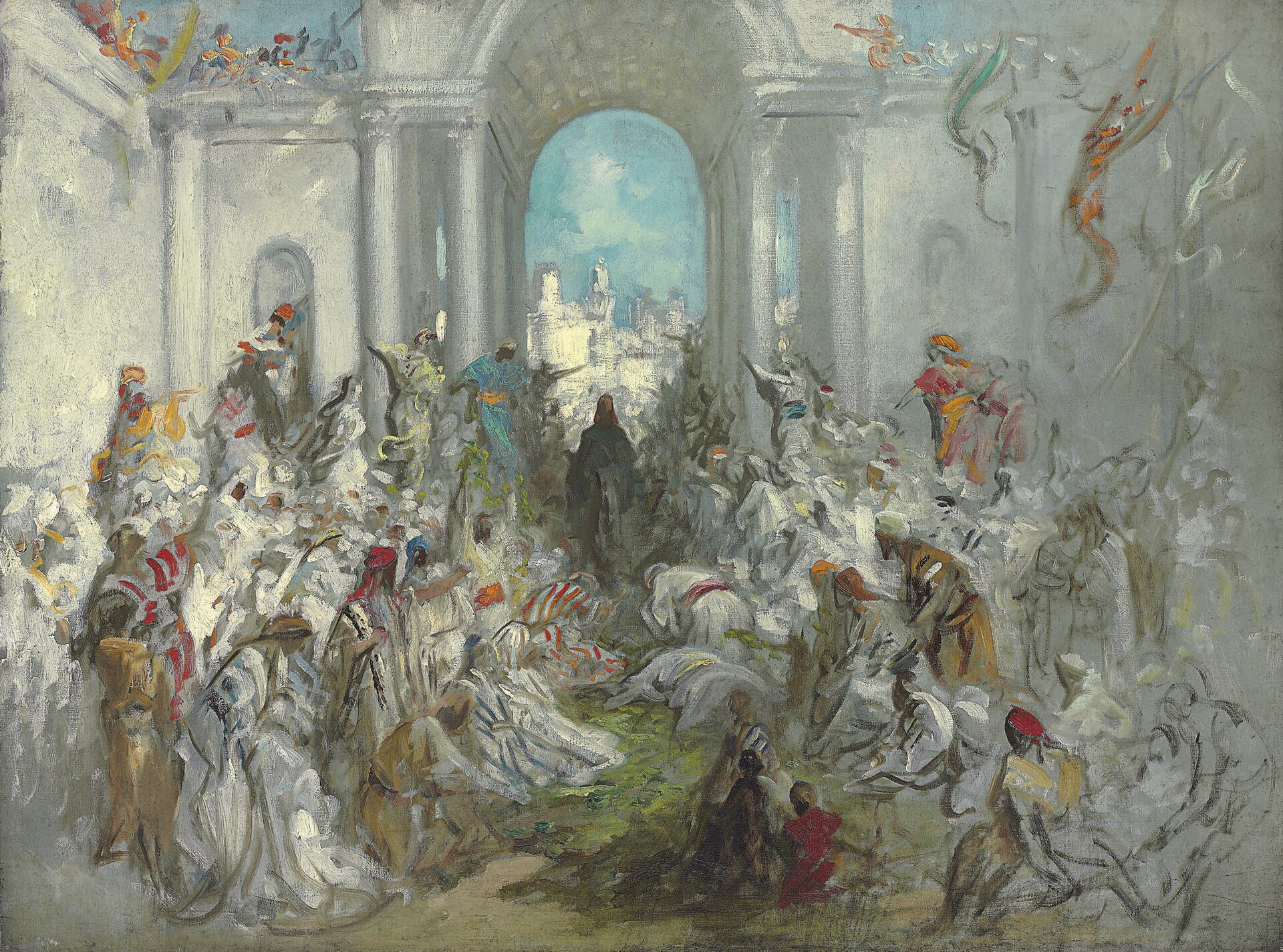
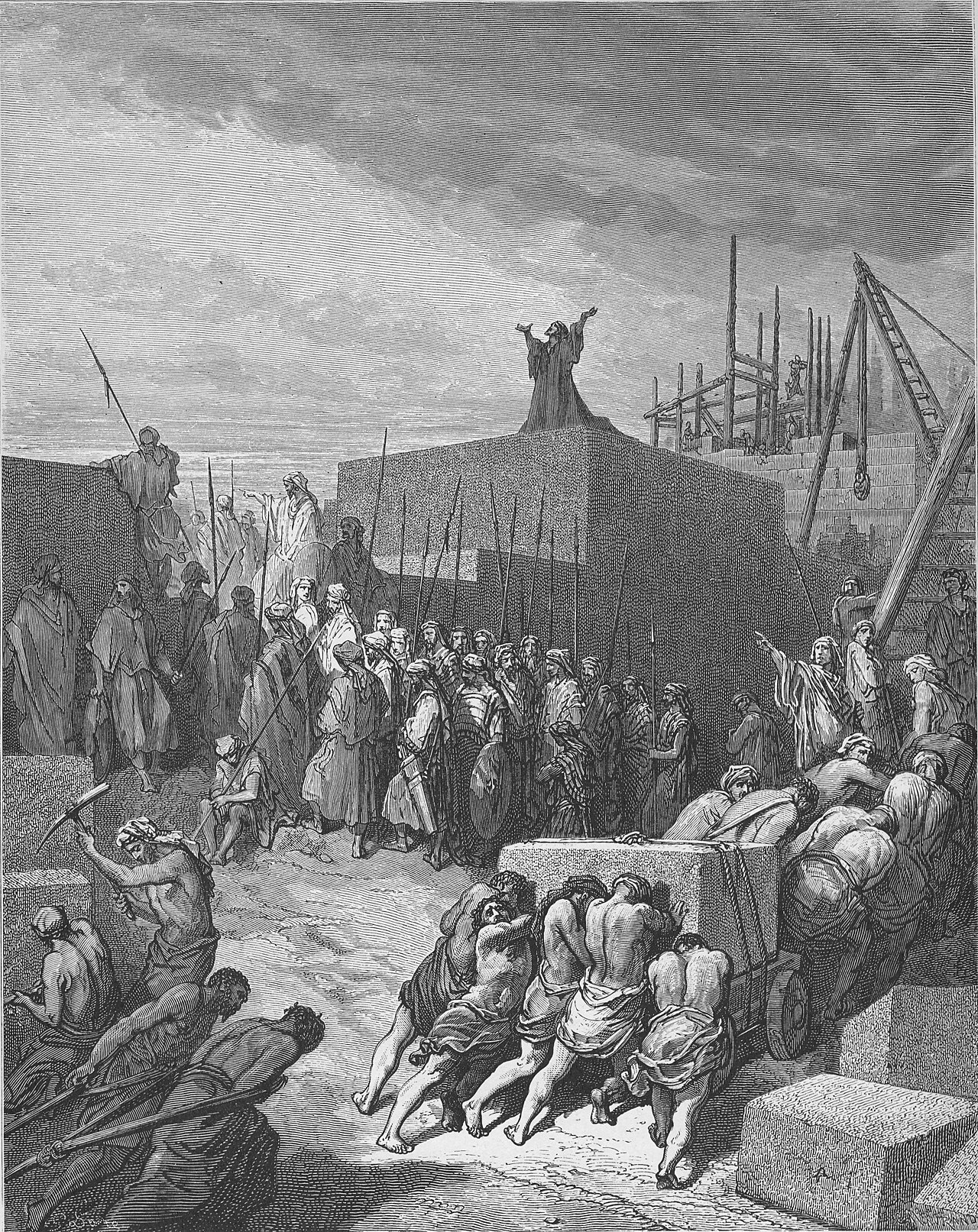
Gustave Doré, La Sainte Bible (Tours: Alfred Mame et fils, 1866). Public domain.
Summary
The eastern ridge David took from the Jebusites and made his stronghold, the name the Psalms and the prophets give the city the LORD chose, and the name Hebrews gives the heavenly city believers have come to.
- Zion starts as a Jebusite hill fort, and the name is on it before David takes it.
- The name travels: the stronghold, then the city, then the temple hill, then the people who worship there, then a city in heaven.
- The Bible’s Zion is the eastern ridge above the Gihon spring. The western hill called Mount Zion today took the name centuries later.
- Psalms 48, 87 and 132 are the Zion psalms, and they sing about a hill with towers a pilgrim could count.
- Zion is judged as well as loved. Micah has it plowed like a field, and Hebrews says believers have already come to the Zion above.
On this page
In Scripture
- Verses
- 167
- Books
- 22
Near Zion
- Mount of Olives1.2 km · 0.8 mi NE
- Jerusalem2.1 km · 1.3 mi W
- Bethany2.5 km · 1.6 mi E
- Nob2.9 km · 1.8 mi N
- Gibeah5.6 km · 3.5 mi N
- Bethlehem8.2 km · 5.1 mi S
Straight-line distances, computed from the gazetteer coordinates.
Where it is
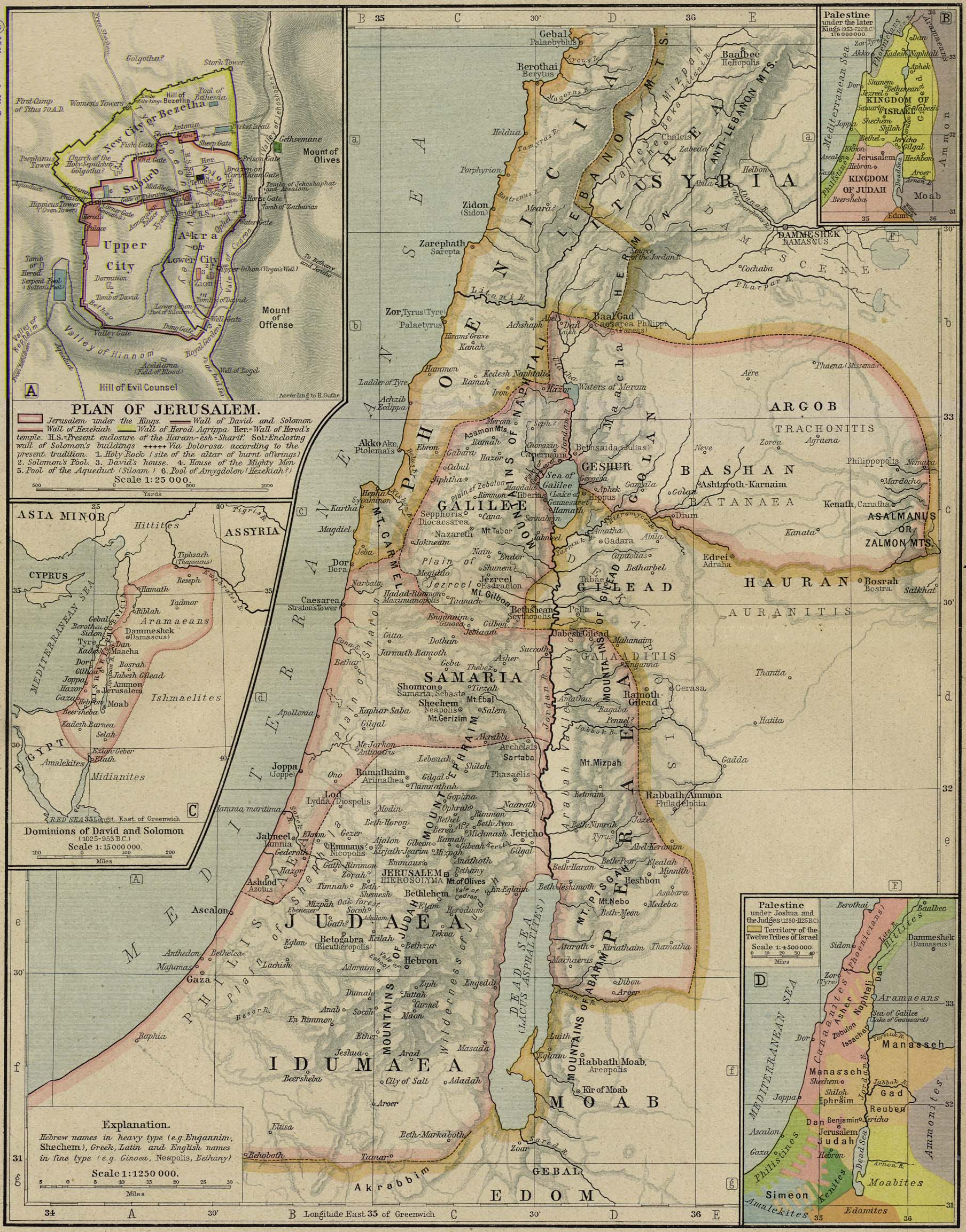
the country around it
- Coordinates
- 31.7736° N, 35.2354° Efind it on the Atlas →
- Region
- Jerusalem
- Kind of place
- Geographic feature
1 place the record names with Zion, the farthest 2.1 km away
- Located: the gazetteer fixes one site
- Placed: the point stands for an area, or is rounded
- ? Proposed: one candidate among several
- A dashed line ends at a place the gazetteer does not fix
Not located: The Temple. The gazetteer records no location for it, so it is not marked.
Why Zion matters
What has been found
the evidence, and where it is disputed
David takes the stronghold of Zion
2 Samuel 5:6 to 5:10, with the Chronicler’s account at 1 Chronicles 11:4 to 11:9
Read 2 Samuel 5:6 to 5:10, with the Chronicler’s account at 1 Chronicles 11:4 to 11:9
- The Jebusites hold the hill and taunt David2 Samuel 5:6Now the king and his men marched to Jerusalem against the Jebusites who inhabited the land. The Jebusites said to David: “You will never get in here. Even the blind and lame can repel you.” For they thought, “David cannot get in here.”
- The stronghold taken, and the name already on it2 Samuel 5:7Nevertheless, David captured the fortress of Zion (that is, the City of David).
- The water shaft, and a hard saying2 Samuel 5:8On that day he said, “Whoever attacks the Jebusites must use the water shaft to reach the lame and blind who are despised by David.” That is why it is said, “The blind and the lame will never enter the palace.”
- David moves into the fortress and builds it up2 Samuel 5:9So David took up residence in the fortress and called it the City of David. He built it up all the way around, from the supporting terraces inward.
- Why the capture held2 Samuel 5:10And David became greater and greater, for the LORD God of Hosts was with him.
- The Chronicler names who went up first1 Chronicles 11:6Now David had said, “Whoever is the first to strike down a Jebusite will become chief commander.” And Joab son of Zeruiah went up first, and he became the chief.
- The fortress becomes the City of David1 Chronicles 11:7So David took up residence in the fortress; that is why it was called the City of David.
- Joab restores the rest of the city1 Chronicles 11:8He built up the city around it, from the supporting terraces to the surrounding wall, while Joab restored the rest of the city.
No engraving of this capture exists on this site, so the account here runs on the text alone rather than on a borrowed battle scene.
Zion and Jerusalem: the full studyWhat happened here, in order
in the order the canon tells it
- David captures the fortress of Zion2 Samuel 5:7Nevertheless, David captured the fortress of Zion (that is, the City of David).
- Solomon's house rises on Mount Moriah2 Chronicles 3:1Then Solomon began to build the house of the LORD in Jerusalem on Mount Moriah, where the LORD had appeared to his father David. This was the place that David had prepared on the threshing floor of Ornan the Jebusite.
- The ark carried up out of Zion to the new house1 Kings 8:1At that time Solomon assembled before him in Jerusalem the elders of Israel—all the tribal heads and family leaders of the Israelites—to bring up the ark of the covenant of the LORD from Zion, the City of David.
- The LORD chooses Zion for His homePsalms 132:13For the LORD has chosen Zion; He has desired it for His home:
- March around Zion and count her towersPsalms 48:12March around Zion, encircle her, count her towers,
- The register of the peoples, born in ZionPsalms 87:6The LORD will record in the register of the peoples: “This one was born in Zion.” Selah
- The law will go forth from ZionIsaiah 2:3And many peoples will come and say: “Come, let us go up to the mountain of the LORD, to the house of the God of Jacob. He will teach us His ways so that we may walk in His paths.” For the law will go forth from Zion, and the word of the LORD from Jerusalem.
- A tested stone laid in ZionIsaiah 28:16So this is what the Lord GOD says: “See, I lay a stone in Zion, a tested stone, a precious cornerstone, a sure foundation; the one who believes will never be shaken.
- Survivors from Mount Zion in Hezekiah’s day2 Kings 19:31For a remnant will go forth from Jerusalem, and survivors from Mount Zion. The zeal of the LORD of Hosts will accomplish this.
- Zion plowed like a fieldMicah 3:12Therefore, because of you, Zion will be plowed like a field, Jerusalem will become a heap of rubble, and the temple mount a wooded ridge.
- Mount Zion desolate, patrolled by foxesLamentations 5:18because of Mount Zion, which lies desolate, patrolled by foxes.
- By the rivers of Babylon they remembered ZionPsalms 137:1By the rivers of Babylon we sat and wept when we remembered Zion.
- The captives of Zion restoredPsalms 126:1When the LORD restored the captives of Zion, we were like dreamers.
- Deliverance on Mount ZionJoel 2:32And everyone who calls on the name of the LORD will be saved; for on Mount Zion and in Jerusalem there will be deliverance, as the LORD has promised, among the remnant called by the LORD.
- Your King comes to you, O Daughter of ZionZechariah 9:9Rejoice greatly, O Daughter of Zion!Shout in triumph, O Daughter of Jerusalem!See, your King comes to you,righteous and victorious,humble and riding on a donkey,on a colt, the foal of a donkey.
- Matthew quotes the oracle on Palm SundayMatthew 21:5“Say to the Daughter of Zion, ‘See, your King comes to you, gentle and riding on a donkey, on a colt, the foal of a donkey.’”
- The stone of stumbling laid in ZionRomans 9:33as it is written: “See, I lay in Zion a stone of stumbling and a rock of offense; and the one who believes in Him will never be put to shame.”
- The Deliverer will come from ZionRomans 11:26And so all Israel will be saved, as it is written: “The Deliverer will come from Zion; He will remove godlessness from Jacob.
- Believers have come to Mount Zion aboveHebrews 12:22Instead, you have come to Mount Zion, to the city of the living God, the heavenly Jerusalem. You have come to myriads of angels
- The Lamb standing on Mount ZionRevelation 14:1Then I looked and saw the Lamb standing on Mount Zion, and with Him 144,000 who had His name and His Father’s name written on their foreheads.
Where it points
The voices
each quoted from the work named
Walk about Zion; often beat her bounds, even as Israel marched around Jericho. With leisurely and careful inspection survey her. And go round about her. Encircle her again and again with loving perambulations.
I will make mention of Rahab and Babylon to them that know me. This shall be a glorious subject to speak of concerning Zion, that her old foes are new born and have become her friends, worshipping in the temple of her God.
THE SCENE of this marvellous and magnificent vision is laid upon Mount Sion; by which we are to understand, not Mount Sion upon earth, but Mount Sion which is above, “Jerusalem, the mother of us all.” To the Hebrew mind Mount Sion was a type of heaven, and very justly so. Among all the mountains of the earth none was to be found so famous as Sion.
4 more teachers on these versesAlbert Barnes · Jamieson, Fausset & Brown · Matthew Henry · Eusebius of Caesarea
Mount Zion literally denoted the Southern hill in Jerusalem, on which a part of the city was built. That part of the city was made by David and his successors the residence of the court, and soon the name Zion, was given familiarly to the whole city. Jerusalem was the center of religion in the land; the place where the temple stood, and where the worship of God was celebrated, and where God dwelt by a visible symbol, and it became the type and emblem of the holy abode where He dwells in heaven.
If the curse foretold against Israel has been literally fulfilled, so shall the promised blessing be literal. We Gentiles must not, while giving them the curse, deny them their peculiar blessing by spiritualizing it.
I will reckon them my people as much as Israel when they shall receive the gospel of Christ, and own them as born in Zion, born again there, and admitted to the privileges of Zion as freely as a true-born Israelite.
What can this law proceeding from Zion, which is different from what was made law by Moses in the desert at Mount Sinai, be but the word of the gospel through our Savior Jesus Christ which proceeds from Zion through all the nations? For clearly it was in Jerusalem and Mount Zion, where our Savior and Lord lived and taught, that the law of the new covenant originated and from which it proceeded to all people.
Zion in Scripture
167 verses name it, in 22 books
Open a book to read its mentions here. Text: Berean Standard Bible.
Old TestamentNew Testamentsegment width = share of mentions
Old Testament16 books · 160 mentions
2 Samuel1 mention
1 Kings1 mention
2 Kings2 mentions
- 2 Kings 19:21This is the word that the LORD has spoken against him: ‘The Virgin Daughter of Zion despises you and mocks you; the Daughter of Jerusalem shakes her head behind you.
- 2 Kings 19:31For a remnant will go forth from Jerusalem, and survivors from Mount Zion. The zeal of the LORD of Hosts will accomplish this.
1 Chronicles1 mention
2 Chronicles1 mention
Psalms40 mentions
- Psalms 2:6“I have installed My King on Zion, upon My holy mountain.”
- Psalms 9:11Sing praises to the LORD, who dwells in Zion; proclaim His deeds among the nations.
- Psalms 9:14that I may declare all Your praises— that within the gates of Daughter Zion I may rejoice in Your salvation.
- Psalms 14:7Oh, that the salvation of Israel would come from Zion! When the LORD restores His captive people, let Jacob rejoice, let Israel be glad!
- Psalms 20:2May He send you help from the sanctuary and sustain you from Zion.
- Psalms 48:2Beautiful in loftiness, the joy of all the earth, like the peaks of Zaphon is Mount Zion, the city of the great King.
- Psalms 48:11Mount Zion is glad, the daughters of Judah rejoice, on account of Your judgments.
- Psalms 48:12March around Zion, encircle her, count her towers,
32 further mentions in Psalms, read them in the book.
Song of Solomon1 mention
Isaiah51 mentions
- Isaiah 1:8And the Daughter of Zion is abandoned like a shelter in a vineyard, like a shack in a cucumber field, like a city besieged.
- Isaiah 1:27Zion will be redeemed with justice, her repentant ones with righteousness.
- Isaiah 2:3And many peoples will come and say: “Come, let us go up to the mountain of the LORD, to the house of the God of Jacob. He will teach us His ways so that we may walk in His paths.” For the law will go forth from Zion, and the word of the LORD from Jerusalem.
- Isaiah 3:16The LORD also says: “Because the daughters of Zion are haughty—walking with heads held high and wanton eyes, prancing and skipping as they go, jingling the bracelets on their ankles—
- Isaiah 3:17the Lord will bring sores on the heads of the daughters of Zion, and the LORD will make their foreheads bare.”
- Isaiah 3:26And the gates of Zion will lament and mourn; destitute, she will sit on the ground.
- Isaiah 4:3Whoever remains in Zion and whoever is left in Jerusalem will be called holy—all in Jerusalem who are recorded among the living—
- Isaiah 4:4when the Lord has washed away the filth of the daughters of Zion and cleansed the bloodstains from the heart of Jerusalem by a spirit of judgment and a spirit of fire.
43 further mentions in Isaiah, read them in the book.
Jeremiah17 mentions
- Jeremiah 3:14“Return, O faithless children,” declares the LORD, “for I am your master, and I will take you—one from a city and two from a family—and bring you to Zion.
- Jeremiah 4:6Raise a signal flag toward Zion. Seek refuge! Do not delay! For I am bringing disaster from the north, and terrible destruction.
- Jeremiah 4:31For I hear a cry like a woman in labor, a cry of anguish like one bearing her first child—the cry of the Daughter of Zion gasping for breath, stretching out her hands to say, “Woe is me, for my soul faints before the murderers!”
- Jeremiah 6:2Though she is beautiful and delicate, I will destroy the Daughter of Zion.
- Jeremiah 6:23They grasp the bow and spear; they are cruel and merciless. Their voice roars like the sea, and they ride upon horses, lined up like men in formation against you, O Daughter of Zion.”
- Jeremiah 8:19Listen to the cry of the daughter of my people from a land far away: “Is the LORD no longer in Zion? Is her King no longer there?” “Why have they provoked Me to anger with their carved images, with their worthless foreign idols?”
- Jeremiah 9:19For the sound of wailing is heard from Zion: ‘How devastated we are! How great is our shame! For we have abandoned the land because our dwellings have been torn down.’”
- Jeremiah 14:19Have You rejected Judah completely? Do You despise Zion? Why have You stricken us so that we are beyond healing? We hoped for peace, but no good has come, and for the time of healing, but there was only terror.
9 further mentions in Jeremiah, read them in the book.
Lamentations15 mentions
- Lamentations 1:4The roads to Zion mourn, because no one comes to her appointed feasts. All her gates are deserted; her priests groan, her maidens grieve, and she herself is bitter with anguish.
- Lamentations 1:6All the splendor has departed from the Daughter of Zion. Her princes are like deer that find no pasture; they lack the strength to flee in the face of the hunter.
- Lamentations 1:17Zion stretches out her hands, but there is no one to comfort her. The LORD has decreed against Jacob that his neighbors become his foes. Jerusalem has become an unclean thing among them.
- Lamentations 2:1How the Lord has covered the Daughter of Zion with the cloud of His anger! He has cast the glory of Israel from heaven to earth. He has abandoned His footstool in the day of His anger.
- Lamentations 2:4He has bent His bow like an enemy; His right hand is positioned. Like a foe He has killed all who were pleasing to the eye; He has poured out His wrath like fire on the tent of the Daughter of Zion.
- Lamentations 2:6He has laid waste His tabernacle like a garden booth; He has destroyed His place of meeting. The LORD has made Zion forget her appointed feasts and Sabbaths. In His fierce anger He has despised both king and priest.
- Lamentations 2:8The LORD determined to destroy the wall of the Daughter of Zion. He stretched out a measuring line and did not withdraw His hand from destroying. He made the ramparts and walls lament; together they waste away.
- Lamentations 2:10The elders of the Daughter of Zion sit on the ground in silence. They have thrown dust on their heads and put on sackcloth. The young women of Jerusalem have bowed their heads to the ground.
7 further mentions in Lamentations, read them in the book.
Joel7 mentions
- Joel 2:1Blow the ram’s horn in Zion; sound the alarm on My holy mountain! Let all who dwell in the land tremble, for the Day of the LORD is coming; indeed, it is near—
- Joel 2:15Blow the ram’s horn in Zion, consecrate a fast, proclaim a sacred assembly.
- Joel 2:23Be glad, O children of Zion, and rejoice in the LORD your God, for He has given you the autumn rains for your vindication. He sends you showers, both autumn and spring rains, as before.
- Joel 2:32And everyone who calls on the name of the LORD will be saved; for on Mount Zion and in Jerusalem there will be deliverance, as the LORD has promised, among the remnant called by the LORD.
- Joel 3:16The LORD will roar from Zion and raise His voice from Jerusalem; heaven and earth will tremble. But the LORD will be a refuge for His people, a stronghold for the people of Israel.
- Joel 3:17Then you will know that I am the LORD your God, who dwells in Zion, My holy mountain. Jerusalem will be holy, never again to be overrun by foreigners.
- Joel 3:21For I will avenge their blood, which I have not yet avenged.” For the LORD dwells in Zion.
Amos2 mentions
- Amos 1:2He said: “The LORD roars from Zion and raises His voice from Jerusalem; the pastures of the shepherds mourn, and the summit of Carmel withers.”
- Amos 6:1Woe to those at ease in Zion and those secure on Mount Samaria, the distinguished ones of the foremost nation, to whom the house of Israel comes.
Obadiah2 mentions
Micah9 mentions
- Micah 1:13Harness your chariot horses, O dweller of Lachish. You were the beginning of sin to the Daughter of Zion, for the transgressions of Israel were found in you.
- Micah 3:10who build Zion with bloodshed and Jerusalem with iniquity.
- Micah 3:12Therefore, because of you, Zion will be plowed like a field, Jerusalem will become a heap of rubble, and the temple mount a wooded ridge.
- Micah 4:2And many nations will come and say: “Come, let us go up to the mountain of the LORD, to the house of the God of Jacob. He will teach us His ways, so that we may walk in His paths.” For the law will go forth from Zion and the word of the LORD from Jerusalem.
- Micah 4:7And I will make the lame into a remnant, and the outcast into a strong nation. Then the LORD will rule over them in Mount Zion from that day and forever.
- Micah 4:8And you, O watchtower of the flock, O stronghold of the Daughter of Zion—the former dominion will be restored to you; sovereignty will come to the Daughter of Jerusalem.”
- Micah 4:10Writhe in agony, O Daughter of Zion, like a woman in labor. For now you will leave the city and camp in the open fields. You will go to Babylon; there you will be rescued; there the LORD will redeem you from the hand of your enemies!
- Micah 4:11But now many nations have assembled against you, saying, “Let her be defiled, and let us feast our eyes on Zion.”
1 further mention in Micah, read them in the book.
Zephaniah2 mentions
Zechariah8 mentions
- Zechariah 1:14Then the angel who was speaking with me said, “Proclaim this word: This is what the LORD of Hosts says: ‘I am very jealous for Jerusalem and Zion,
- Zechariah 1:17Proclaim further that this is what the LORD of Hosts says: ‘My cities will again overflow with prosperity; the LORD will again comfort Zion and choose Jerusalem.’”
- Zechariah 2:7“Get up, O Zion! Escape, you who dwell with the Daughter of Babylon!”
- Zechariah 2:10“Shout for joy and be glad, O Daughter of Zion, for I am coming to dwell among you,” declares the LORD.
- Zechariah 8:2This is what the LORD of Hosts says: “I am jealous for Zion with great zeal; I am jealous for her with great fervor.”
- Zechariah 8:3This is what the LORD says: “I will return to Zion and dwell in Jerusalem. Then Jerusalem will be called the City of Truth, and the mountain of the LORD of Hosts will be called the Holy Mountain.”
- Zechariah 9:9Rejoice greatly, O Daughter of Zion! Shout in triumph, O Daughter of Jerusalem! See, your King comes to you, righteous and victorious, humble and riding on a donkey, on a colt, the foal of a donkey.
- Zechariah 9:13For I will bend Judah as My bow and fit it with Ephraim. I will rouse your sons, O Zion, against the sons of Greece. I will make you like the sword of a mighty man.
New Testament6 books · 7 mentions
Matthew1 mention
John1 mention
Romans2 mentions
Hebrews1 mention
1 Peter1 mention
The account
Read the account as one telling
Zion is a spur of rock about four hundred metres long and at most a hundred metres wide, running south from the platform where the temple would later stand. The Kidron valley cuts along its eastern side, the Hinnom wraps the south, and the Gihon spring rises at its foot. That spring is the only steady water at Jerusalem, and it is the reason a town stood on this narrow low ridge instead of the broad high hill across the central valley. The Jebusites held the place, and the massive towers Middle Bronze builders raised over the spring, around 1800 BC, show how seriously they meant to keep it.
- about 1000 BC
David took the fort about 1000 BC. The name Zion is already on it when the account opens, so Israel inherited the word along with the walls. David moved in, called the place the City of David, and built it up from the supporting terraces inward. The Chronicler adds that Joab son of Zeruiah went up first and became chief commander for it, and that he restored the rest of the city afterward.
A generation later the name moved. Solomon built the house of the LORD on Mount Moriah, at the threshing floor David had bought from Ornan the Jebusite, and then assembled the elders to bring the ark up out of Zion, the City of David, to the new house. The ark went north about four hundred metres and uphill, and after that day the Psalms and the prophets call the temple hill Zion. Both names now belong to the same ground, which is why Albert Barnes, writing on Psalm 48:1, took the holy mountain there to be Moriah and added that Zion was sometimes used of the whole city.
The Psalms then made the hill famous. Psalm 132 is the choosing text, where the LORD says of Zion that He has desired it for His home and that it is His resting place forever. Psalm 48 sends a pilgrim around the walls to count the towers and consider the ramparts so he can tell the next generation. Psalm 87 does the most surprising thing in the Psalter with the name: the LORD keeps a register of the peoples, and Egypt, Babylon, Philistia, Tyre and Cush are each entered in it as born in Zion. One line in Psalm 48:2 carries two live readings. The Berean Standard Bible on this site has "like the peaks of Zaphon," taking Zaphon as the name of the Canaanite mountain of the gods, and the King James has "on the sides of the north," describing where the temple stood in relation to the older city. John Chrysostom, preaching about AD 407, read the north as the quarter invasions came from. The Hebrew supports both readings and this page prints the site text and leaves the choice open.
- about 700 BC
Hezekiah held the hill against Assyria about 700 BC, and Isaiah told him that a remnant would go out from Jerusalem and survivors from Mount Zion. The same king cut a tunnel through the ridge to bring the Gihon water inside the wall, which is the single most tested piece of engineering on this page.
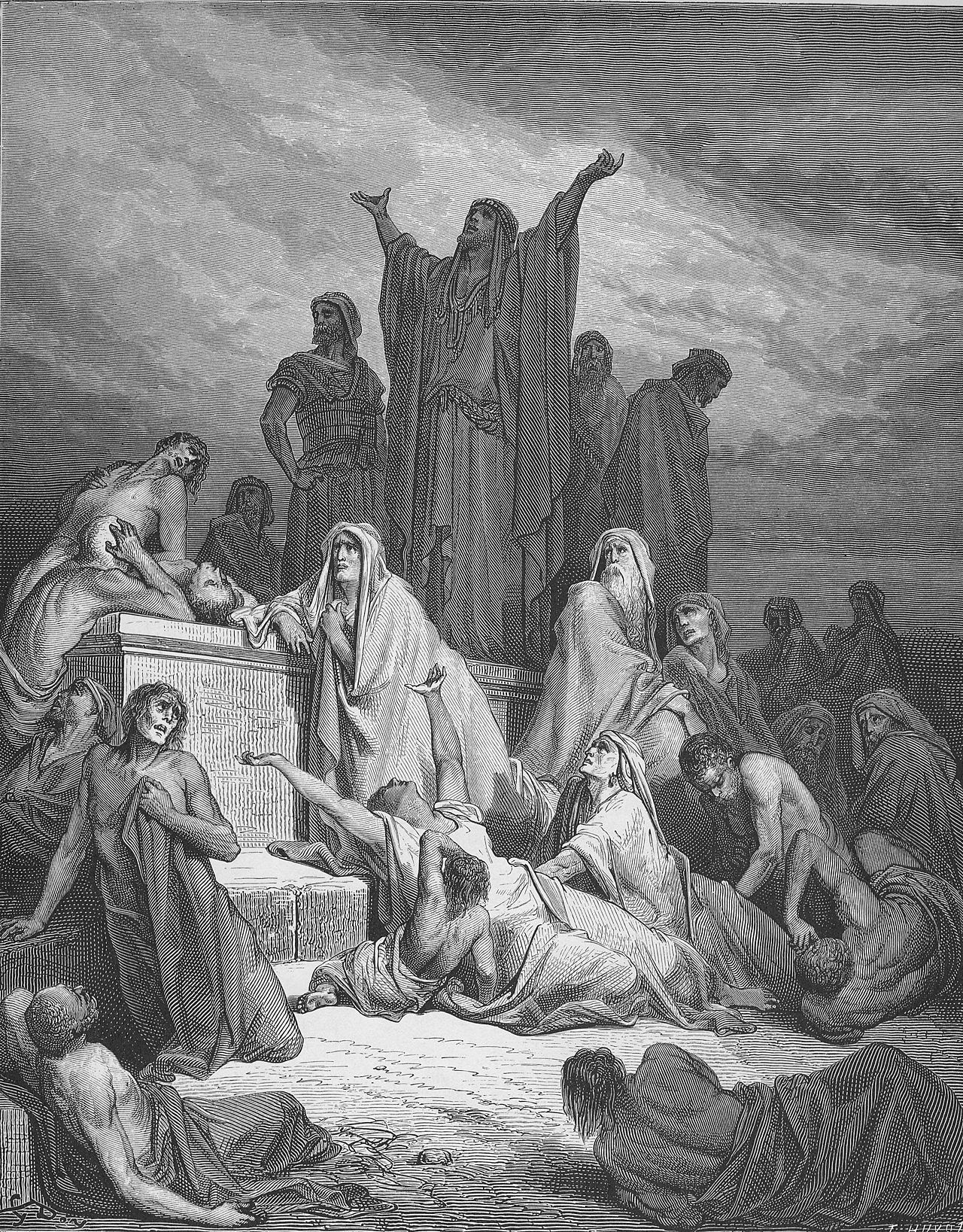
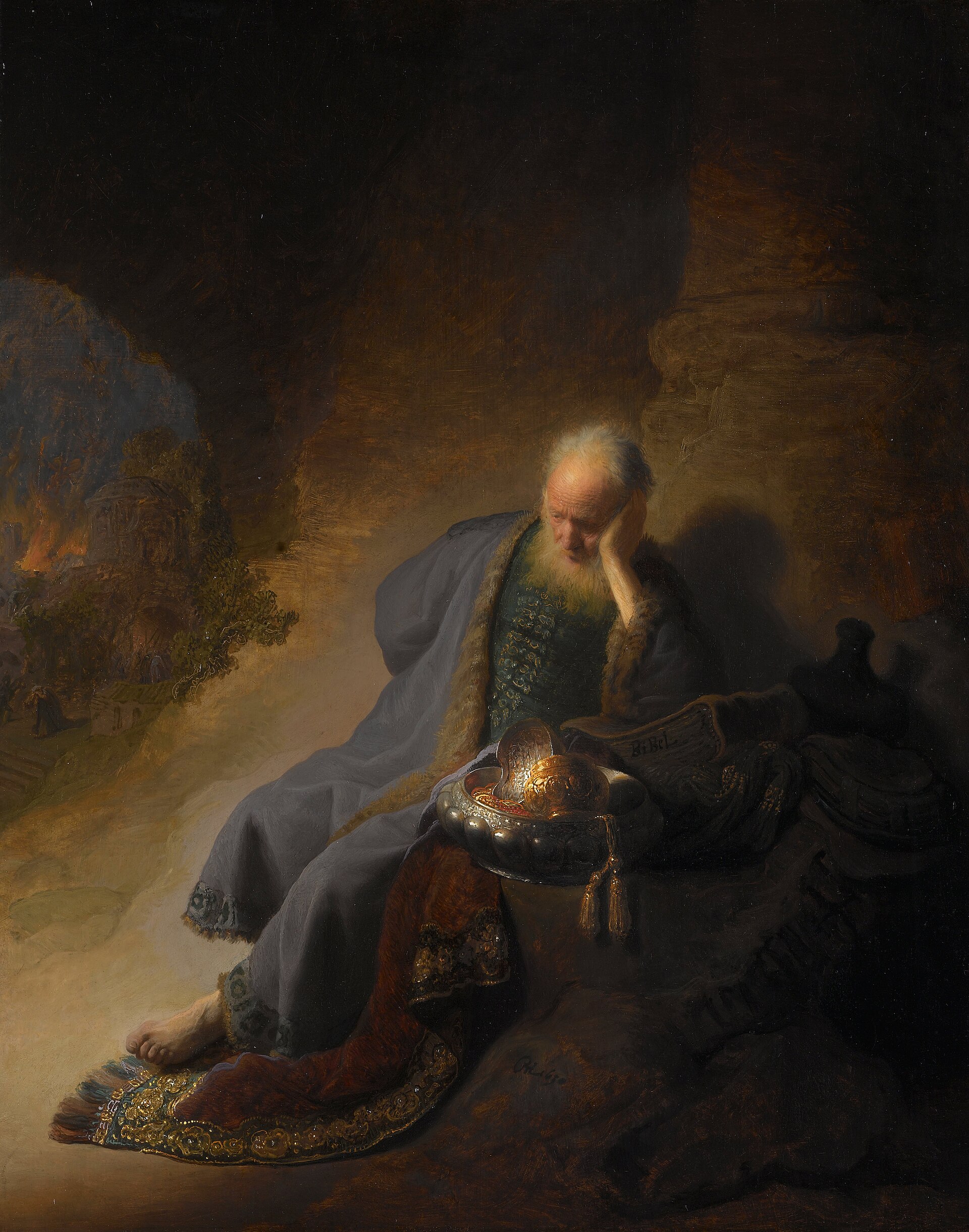
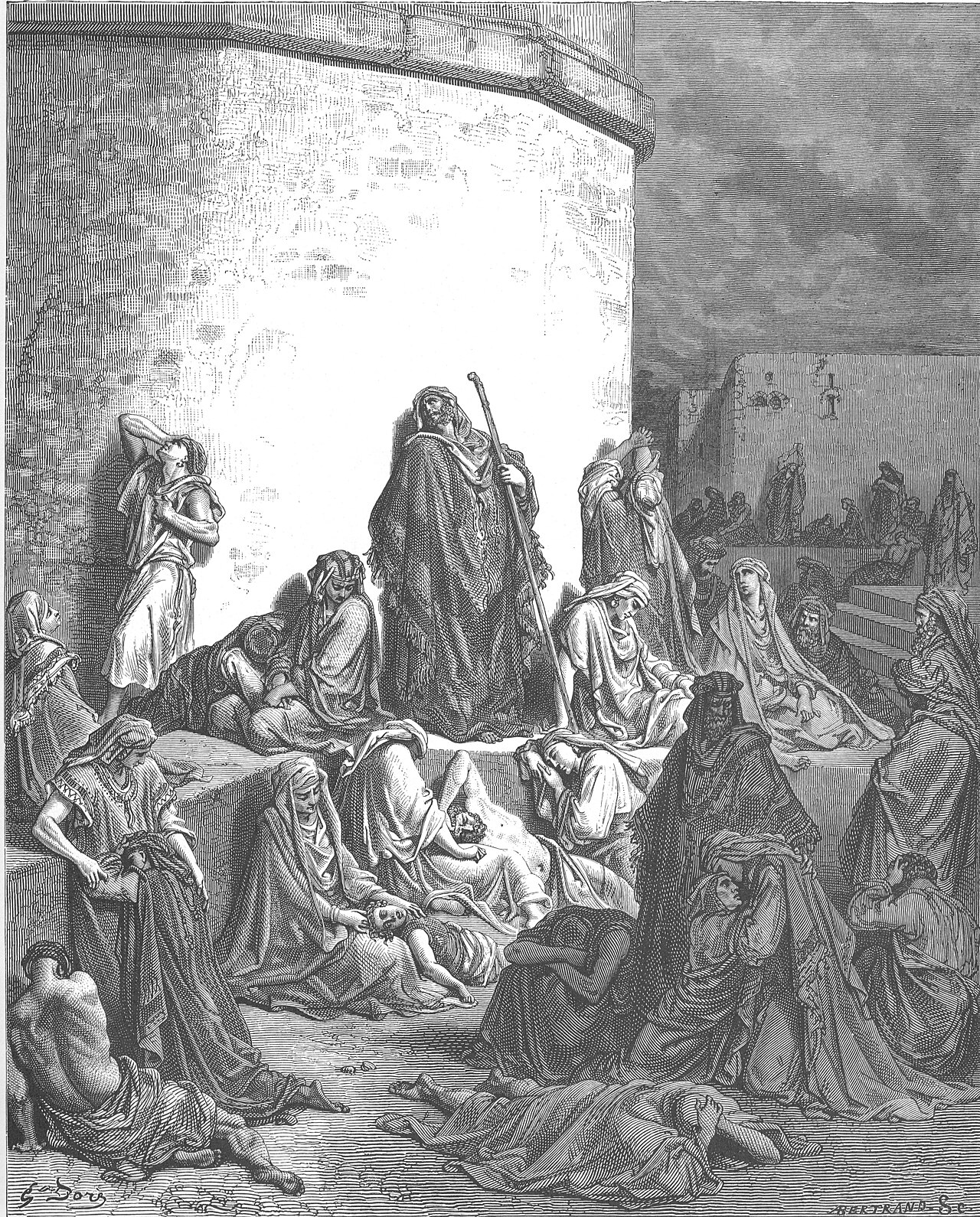
Then the prophets turned on the place. Micah said Zion would be plowed like a field, Jerusalem left a heap of rubble, and the temple mount a wooded ridge. Elders quoted that line a century later to save Jeremiah’s life. Babylon burned the city in 586 BC, and Lamentations records the roads to Zion mourning, the Daughter of Zion covered with the cloud of the LORD’s anger, and foxes walking on the hill. Any account that prints only the glory psalms has left out half of what Scripture says.
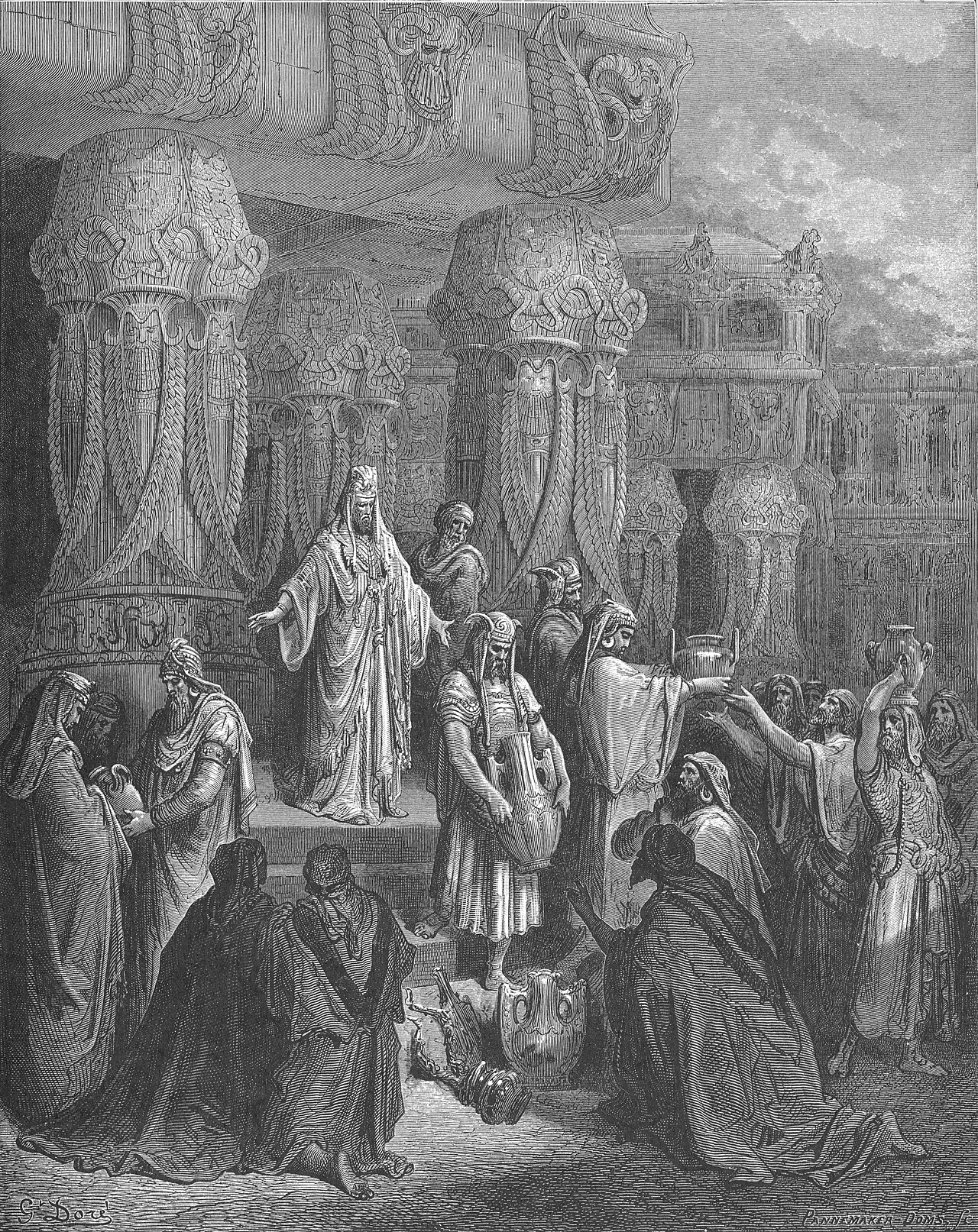
Cyrus sent the vessels of the house of the LORD back with the returning exiles, the second temple was founded, and the singers remembered the moment in Psalm 126 as waking from a dream. Zechariah heard the LORD say He was jealous for Zion with great zeal and would return and dwell in Jerusalem again.
Jewish writers of the Second Temple period kept working on the name, and this site carries their books as labelled study resources rather than as Scripture. The Book of the Watchers, the first section of 1 Enoch, dated to about the third century BC, takes Enoch to the middle of the earth: "And there I saw a holy mountain, and underneath the mountain to the east there was a stream and it flowed towards the south" (1 Enoch 26:2), with a higher mountain east of it and an accursed valley beside it where the wicked are gathered for judgment. Jubilees 8:19, from the second century BC, sets three holy places facing one another, the Garden of Eden, Mount Sinai and Mount Zion, and calls Zion the centre of the navel of the earth. That phrase is Second Temple vocabulary rather than biblical vocabulary, and both books stand downstream of Ezekiel 5:5. The Psalms of Solomon, from about the middle of the first century BC, pray for a son of David to purge Jerusalem and gather a holy people. Among the Dead Sea Scrolls, the Great Psalms Scroll from Cave 11 preserves a Hebrew acrostic addressed to the city that scholars call the Apostrophe to Zion, a psalm of love for her kept by a community that had walked away from the temple establishment. This site’s store does not hold that text, so the page names it and does not quote it.
Common questions
Is the hill called Mount Zion in Jerusalem today the Zion of the Bible?
No. The Zion David captured is the eastern ridge above the Gihon spring, the narrow spur excavators call the City of David. The spring is there, the Middle Bronze and Iron Age remains are there, and 1 Kings 8:1 has the ark carried up out of Zion to Solomon’s temple, which only works from the lower eastern ridge.
Josephus called the higher western hill David’s citadel in the AD 70s, Christian pilgrims followed him from the fourth century, and the name has sat on the western hill ever since. That is why modern maps put it there, and the holy places on that hill are treated on this page as traditions with their dates given.
Why does the Bible sometimes call the temple hill Zion and sometimes Moriah?
2 Chronicles 3:1 says Solomon built the house on Mount Moriah, at the threshing floor David bought. Once the ark was carried up there out of the old fort, the Psalms and the prophets called that hill Zion too.
Both names belong to the same place because the name travelled with the ark. Albert Barnes makes the same point in his note on Psalm 48:1, where he takes the holy mountain to be Moriah and adds that the name Zion was sometimes given to the entire city.
What does the word Zion mean?
Readers differ; the positions are named
Nobody knows. Standard lexicons mark the derivation uncertain, and four proposals are in the field: a dry or bare ridge, a stronghold, a marker or waymark, and a pre-Israelite name of unknown meaning carried over from the Jebusites.
Most reference works now favour the last of the four, because the name is already attached to the fort in 2 Samuel 5:7 before Israel owns it. This page prints the four and picks no winner.
Who is the Daughter of Zion?
She is the city, spoken to as a person. Hebrew addresses towns that way, and the phrase runs from Isaiah 1:8 through Lamentations 2:1 to Zechariah 9:9.
When Matthew and John quote Zechariah on the day Jesus rode in, they are telling Jerusalem that her King has arrived, on the animal a king rides when he is not coming to fight.
Did Joab really climb up a water shaft to take the city?
Readers differ; the positions are named
2 Samuel 5:8 says the way in was the tsinnor, a word that appears only once elsewhere in the Hebrew Bible. For a century the answer was the vertical shaft Charles Warren traced in 1867, and that reading stands in a great many books.
Ronny Reich and Eli Shukron, excavating from 1995, found the shaft to be a natural karstic chimney rather than a cut water access, and found instead massive Middle Bronze towers guarding the spring. Translators still render tsinnor as water shaft, water channel, or grappling hook. The Hebrew does not settle it.
Has King David's palace been found?
Readers differ; the positions are named
Eilat Mazar excavated a large stone building at the top of the City of David ridge in 2005 and identified it as the palace of 2 Samuel 5:11, publishing the case in Biblical Archaeology Review in 2006 and in a preliminary report in 2007.
Israel Finkelstein, Ze’ev Herzog, Lily Singer-Avitz and David Ussishkin replied in Tel Aviv in 2007. They argued that the walls may belong to more than one building and more than one period, and that the pottery does not carry a tenth-century date. Monumental Iron Age construction on that slope is not in dispute. When it was built is.
Hebrews says believers have come to Mount Zion. Does that mean the earthly hill no longer matters?
Hebrews 12:18 to 12:24 sets Zion against Sinai, not against Jerusalem. The contrast is between a mountain that burned and terrified and a city with angels, the firstborn enrolled in heaven, and Jesus the mediator of a new covenant.
This site holds that the church has not replaced Israel and that Romans 11:26 stands as written. The heavenly Zion is read as the fulfilment the prophets pointed toward, not as the cancelling of the hill they pointed from.
What does 1 Enoch have to do with Zion?
1 Enoch 26, from about the third century BC, describes Enoch taken to the middle of the earth and shown a holy mountain with a stream to the east, a higher mountain beyond it, a lower one to the west, and a deep accursed valley where the wicked are gathered for judgment.
Readers have long matched that description to Jerusalem: the temple hill, the Gihon in the Kidron, the Mount of Olives, the western hill, and the valley of Hinnom that the Gospels call Gehenna. 1 Enoch never names the city, so the identification is a widely held reading rather than a certainty. This site carries 1 Enoch as a labelled study resource and not as Scripture.
Why do people sing about Zion in songs that have nothing to do with a hill?
Because Scripture does it first. Psalm 137:3 records Babylonian captors asking for a song of Zion, which means the category was already fixed by the exile.
Psalm 87 makes the city a birthplace for foreigners, and Hebrews 12:22 gives the name to a city in heaven. Every hymn since is drawing on one of those.
Notable art
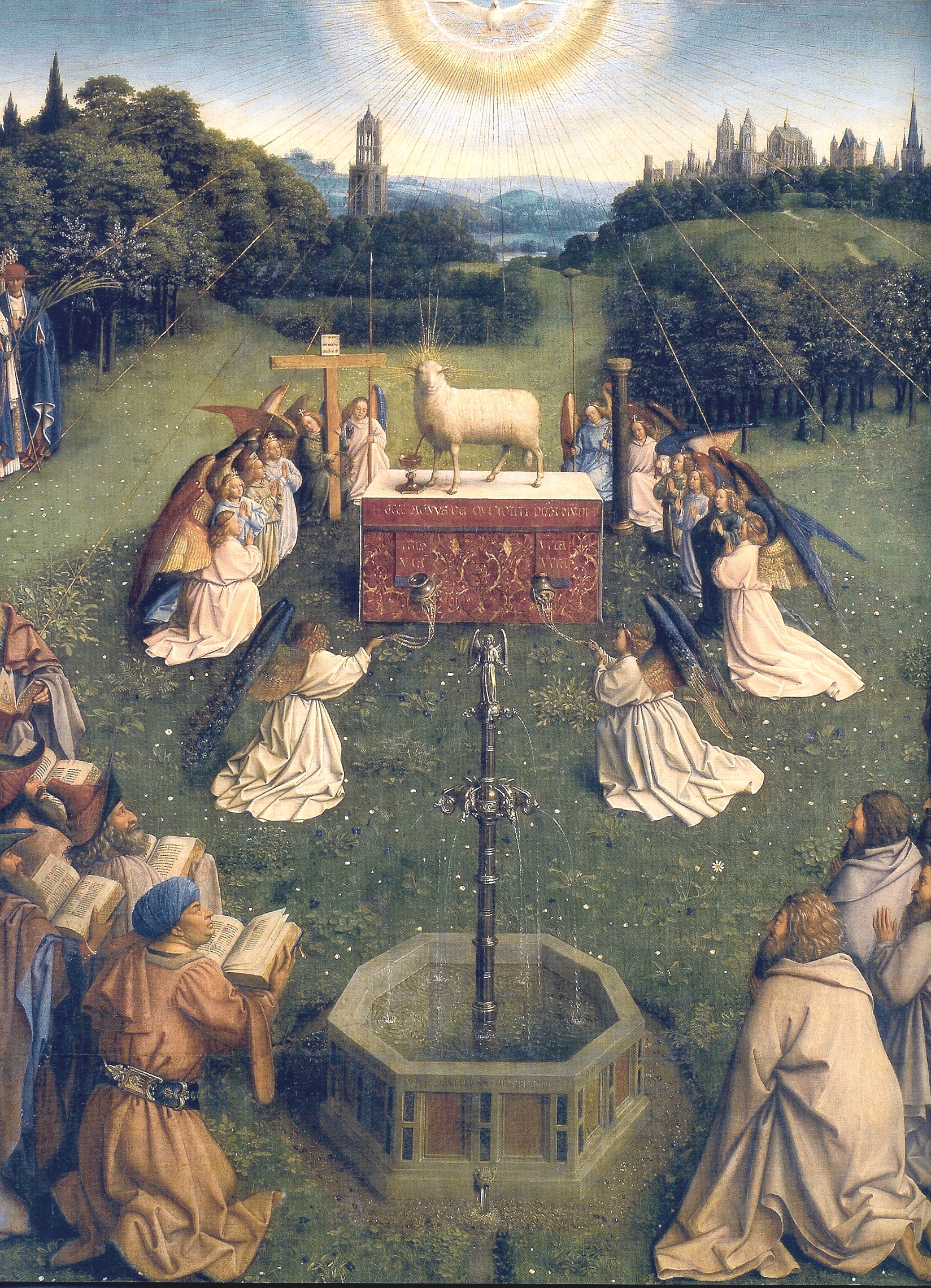
8 verified pieces depicting Zion
Sources cited
- MannaFest canon study of Psalms (AI-draft)Awaiting the founder's edit.
- OpenBible.info Bible Geocoding: Zionread 2026-08-20The coordinates on this page. Used under CC-BY with attribution to OpenBible.info.
- Coordinates moved to the City of David ridge (2026-09-02)The biblical Zion is the eastern ridge south of the Temple Mount, the stronghold David took (2 Samuel 5:7). The earlier pin sat on the western hill, the Byzantine and later Mount Zion. Point chosen on the ridge above the Gihon spring.
- Flavius Josephus, The Jewish War, Books 5 and 7Cited at book level for the two hills and the citadel of David (5.136 to 5.141) and for the levelling of the city in AD 70. Public domain translation.
- Charles Warren, Underground Jerusalem (London: Richard Bentley, 1876)Warren's own account of the shaft that carries his name. Public domain.
- Charles Warren and Claude R. Conder, The Survey of Western Palestine: Jerusalem (London: Palestine Exploration Fund, 1884)The Palestine Exploration Fund survey of the city. Public domain.
- Kathleen M. Kenyon, Digging Up Jerusalem (London: Ernest Benn, 1974)The Stepped Stone Structure and the terraces, cited for the reading it argues.
- Yigal Shiloh, Excavations at the City of David I: 1978 to 1982, Qedem 19 (Jerusalem: Hebrew University, 1984)Area G on the eastern slope.
- Eilat Mazar, "Did I Find King David’s Palace?", Biblical Archaeology Review 32:1 (2006)The identification of the Large Stone Structure, cited for the position it argues.
- Israel Finkelstein, Ze’ev Herzog, Lily Singer-Avitz and David Ussishkin, "Has King David’s Palace in Jerusalem Been Found?", Tel Aviv 34/2 (2007), pages 142 to 164The answer to Mazar, cited for the position it argues.
- Ronny Reich, Excavating the City of David: Where Jerusalem's History Began (Israel Exploration Society and Biblical Archaeology Society, 2011)The Spring Tower, the Pool Tower, and the reading of the vertical shaft as a natural karstic feature.
- Amos Frumkin, Aryeh Shimron and Jeff Rosenbaum, "Radiometric dating of the Siloam Tunnel, Jerusalem", Nature 425 (2003), pages 169 to 171The direct physical dating of the tunnel to about 700 BC.
- John Rogerson and Philip R. Davies, "Was the Siloam Tunnel Built by Hezekiah?", Biblical Archaeologist 59:3 (1996), pages 138 to 149The Hasmonean proposal, cited for the position it argues.
- Itinerarium Burdigalense, the Bordeaux Pilgrim (AD 333)The earliest datable Christian witness to the western-hill identification. Public domain.
- Epiphanius of Salamis, On Weights and Measures (about AD 392)Reported here at summary level for the small church on Zion, and flagged for checking against a current edition before publish. Public domain.
- Benjamin of Tudela, The Itinerary of Benjamin of Tudela (about 1170)The earliest clear witness to David's tomb on the western hill. Public domain.
- R. H. Charles, translator, The Book of Enoch (Oxford: Clarendon Press, 1912)The translation behind this site's 1 Enoch text. A labelled study resource, not Scripture. Public domain.
- R. H. Charles, translator, The Book of Jubilees, or the Little Genesis (London: A. & C. Black, 1902)Jubilees 8:19 and 1:28 to 1:29. A labelled study resource, not Scripture. Public domain.
- R. H. Charles, editor, The Apocrypha and Pseudepigrapha of the Old Testament (Oxford: Clarendon Press, 1913)The Psalms of Solomon in G. Buchanan Gray's translation, cited at section level and not quoted here. Public domain.
- 2 Esdras, King James Apocrypha text, from this site’s storeThe mourning woman transfigured into a city, 2 Esdras 10. A labelled study resource, not Scripture.
- The Great Psalms Scroll, 11QPsa (11Q5), column XXII, the Apostrophe to ZionNamed on this page and not quoted, because the site's store does not hold it and the standard English translations are in copyright.
- Mishnah Yoma 5:2 and Mishnah Ta’anit 4:6, compiled about AD 200The foundation stone, and the ninth of Av list that remembers the city plowed up.
- Babylonian Talmud, Ta’anit 5a, redacted about AD 500 to 600Rabbi Yohanan's saying on the Jerusalem above and the Jerusalem below.
- Midrash Tanhuma, Kedoshim 10The classic rabbinic statement of Jerusalem and the temple rock at the centre. Late antique materials in a medieval form.
- Lamentations Rabbah, land of Israel, about the fifth centuryThe rabbinic reading of Zion as the mother of her scattered children.
- Charles H. Spurgeon, The Treasury of David, volumes 2, 4 and 7 (1870 to 1885)Public domain, CCEL edition.
- Charles H. Spurgeon, The New Park Street Pulpit, Sermon No. 110, "Heavenly Worship" (1856)Public domain, CCEL edition.
- Matthew Henry, Commentary on the Whole Bible (1710)Public domain.
- Albert Barnes, Notes, Explanatory and Practical, on the Old and New Testaments (1832 to 1869)Public domain.
- Robert Jamieson, A. R. Fausset and David Brown, Commentary Critical and Explanatory on the Whole Bible (1871)Public domain.
- Adam Clarke, Commentary on the Bible (1832)Public domain.
- John Chrysostom, Commentary on the Psalms (about AD 407)Cited for his note on the north in Psalm 48:2. Public domain.
- Eusebius of Caesarea, Proof of the Gospel (Demonstratio Evangelica), Book 1 chapter 4 (about AD 339)Public domain.
- Justin Martyr, Dialogue with Trypho (about AD 160)Cited for the earliest Christian reading of Isaiah 2:3. Public domain.
- Jerome, Homilies on the Psalms, Homily 18 on Psalm 86 (about AD 420)Cited for his reading of Psalm 87. Public domain.
- Augustine of Hippo, Expositions on the Psalms, Psalms 48 and 87 (about AD 430)Cited for his reading of Psalm 87. Public domain.
- Gustave Doré, La Sainte Bible (Tours: Alfred Mame et fils, 1866)The engravings on this page. Public domain.
- Rembrandt van Rijn, Jeremiah Lamenting the Destruction of Jerusalem (1630)Public domain.
- Jan van Eyck, The Adoration of the Lamb, Ghent Altarpiece (1432)Public domain.
- Gerard van Honthorst, King David Playing the Harp (1622)Public domain.
Keep studying
On this page
Studies19
- David takes the stronghold of Zion
- 2 Samuel: the Study Guide
- Amos: the Study Guide
- Joel, the Study Guide
- Lamentations: the Study Guide
- Micah: the Study Guide
- Obadiah, the Study Guide
- The Songs of Ascents: Psalms 120-134
- The Stone
- The Covenants
- The Tabernacle
- The Vine & the Vineyard
- Parallelism: the Bible's Rhyme of Thoughts
- The Mountain
- Assyria
- Acrostics: From Aleph to Taw
- Praying the Hard Psalms: the Imprecatory Problem
- The Trumpet & the Shofar
- Israel and the Olive Tree: Romans 9-11
Doorway2
Keep this page