
Biblical Theme
Mercy
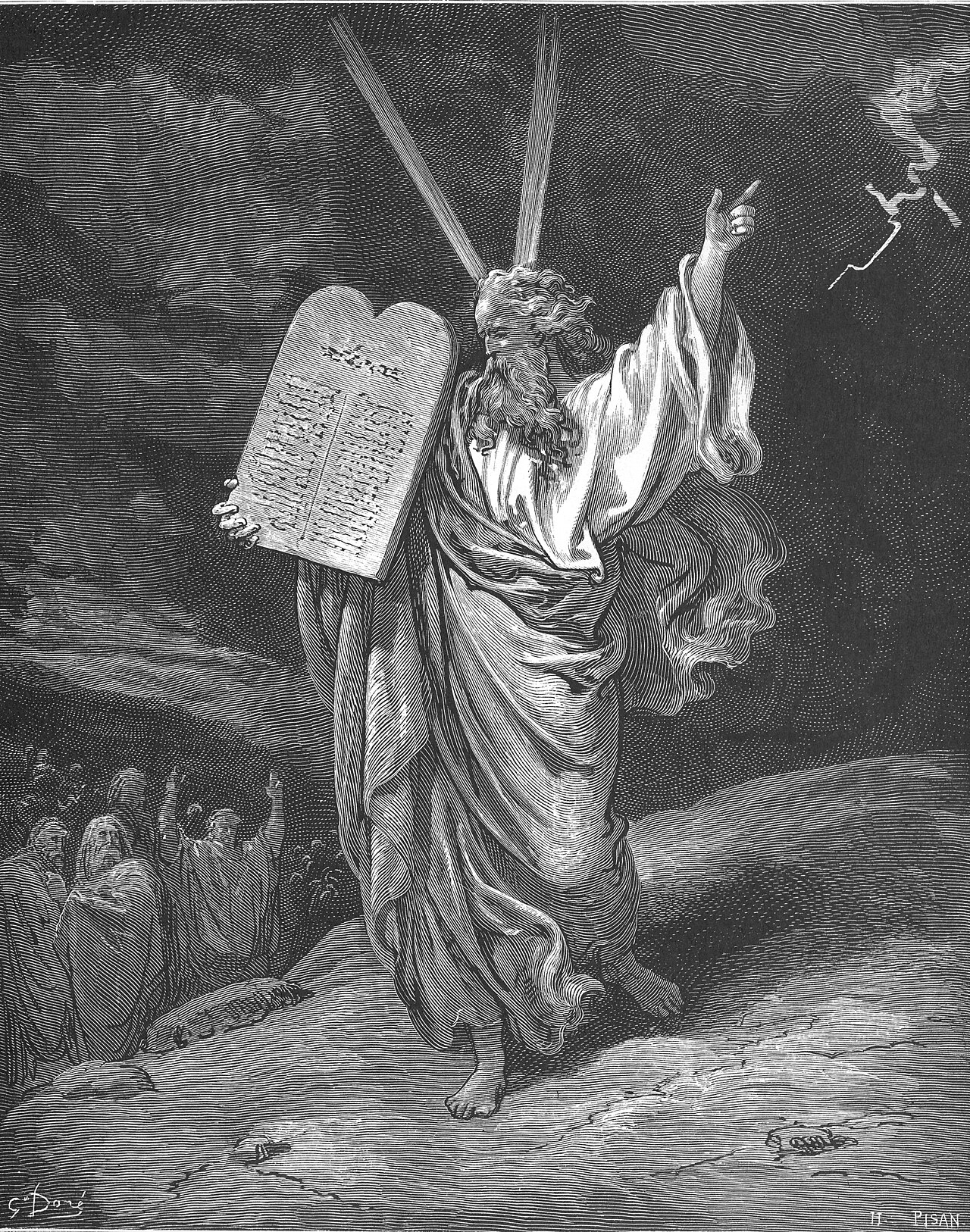
Mercy in Scripture is not a mood God occasionally feels but a self-disclosed name. When the LORD passes before Moses on Sinai and proclaims who He is, the first words out are covenant loyalty and compassion: "merciful and gracious, slow to anger, and abundant in lovingkindness and truth" (Exod 34:6).
- 35Key verses
- 23Books touched
- 3Related themes
Across the Canon
Mercy in Scripture
That formula — built on two Hebrew words, chesed (steadfast covenant love, H2617) and racham (compassion rooted in the word for "womb," H7355) — becomes one of the most-echoed lines within the Old Testament itself, taken up almost verbatim by Moses (Num 14:18), Nehemiah (9:17), David (Ps 86:15), Jonah (4:2), Joel (2:13), and the Psalter (103:8; 145:8). Mercy in Hebrew thought is covenantal and visceral at once: God binds Himself to it by promise, and He feels it the way a mother feels for her child.
It is never presented as weakness alongside His holiness and justice — Nahum opens by holding "slow to anger" and "will by no means clear the guilty" in a single verse (Nah 1:3), and Habakkuk prays "in wrath remember mercy" (Hab 3:2) in the middle of a vision of judgment; neither prophet lets one attribute cancel the other.
The prophets press mercy past ritual into character. Hosea's "I desired mercy, and not sacrifice" (Hos 6:6) indicts a temple system that had learned to perform sacrifice while withholding chesed from the poor and from each other — the text Jesus quotes twice against His critics (Matt 9:13; 12:7).
Micah collapses covenant religion into three verbs: do justice, love mercy, walk humbly (Mic 6:8) — mercy is not a feeling to have but a practice to love, paired with justice rather than opposed to it. Jonah is the OT's most honest case study: he flees Nineveh precisely because he knows God's mercy formula by heart and resents it working on Assyrians (Jonah 4:2).
Lamentations, a book of five funeral dirges over Jerusalem's deserved judgment, still turns on "it is of the LORD's mercies that we are not consumed" (Lam 3:22) — judgment owned as just, mercy refused as canceled.
In the Gospels mercy takes a body. Luke reserves the visceral word splanchna (bowels/inward parts, the seat of tender mercy) for the "tender mercy of our God" in Zechariah's song (Luke 1:78) and for Christ's own compassion — mercy is no longer only spoken of God from a distance but felt and enacted by God present.
Go deeper422 more words
The Beatitude "blessed are the merciful: for they shall obtain mercy" (Matt 5:7) reverses the Pharisaic math of merit; the parable of the unmerciful servant (Matt 18:23-35) makes forgiven people's failure to forgive the one thing that voids forgiveness already granted. The tax collector's "God be merciful to me a sinner" (Luke 18:13), not the Pharisee's résumé, is the one Jesus says went home justified.
Mercy, in Christ's teaching, is what forgiven people owe because they have been forgiven — not a transaction that earns forgiveness.
The epistles locate mercy at the hinge of salvation itself. Paul's "I will have mercy on whom I will have mercy" (Rom 9:15, quoting Exod 33:19) puts mercy beyond the reach of human effort or claim — a hard verse this site does not soften, and one where the streams genuinely divide: the Reformed reading takes it as unconditional electing decree, while this site's tradition is the Wesleyan-Arminian one, that God's sovereign freedom to show mercy is exercised toward those He foreknew, so that election never becomes arbitrary and never becomes earned; the same letter closes the argument with mercy as God's goal for "all," Jew and Gentile alike, shut up together in disobedience so that mercy, not merit, is the only door (Rom 11:32).
"God, who is rich in mercy" (Eph 2:4) and "not by works of righteousness which we have done, but according to his mercy he saved us" (Titus 3:5) make mercy — not human religious performance — the stated basis of new birth. Hebrews invites believers to the throne itself to "obtain mercy, and find grace to help in time of need" (Heb 4:16), and James warns that "he shall have judgment without mercy, that hath shewed no mercy" (Jas 2:13) — the New Testament's version of the unmerciful servant.
Peter's opening doxology, "according to his abundant mercy hath begotten us again unto a lively hope" (1 Pet 1:3), and Jude's closing charge to keep "looking for the mercy of our Lord Jesus Christ unto eternal life" (Jude 1:21) bookend the epistles: mercy is both what began the Christian life and what it still waits for.
The honest tension the theme will not flatten: mercy and justice are not rivals to be balanced but attributes held together at the cross, where — as Lamentations anticipates in miniature — judgment is fully borne and mercy fully triumphs in the same event. Scripture never treats mercy as God overlooking sin; it treats mercy as God dealing with sin Himself so that overlooking is unnecessary.
Key Verses
The spine of this theme, in the order it was traced : the first 8 here, all 35 beneath them.
And the Lord passed by before him, and proclaimed, The Lord, The Lord God, merciful and gracious, longsuffering, and abundant in goodness and truth,God's self-proclaimed name to Moses pairs mercy with grace, patience, and covenant love — among the most-echoed formulas in the OT.
(For the Lord thy God is a merciful God;) he will not forsake thee, neither destroy thee, nor forget the covenant of thy fathers which he sware unto them.Moses grounds Israel's hope after future apostasy in God's character as 'a merciful God' who will not forsake the covenant.
And David said unto Gad, I am in a great strait: let us fall now into the hand of the Lord; for his mercies are great: and let me not fall into the hand of man.David, choosing his own punishment, appeals to God's mercies as 'great' rather than risk mercy from men.
Nevertheless for thy great mercies’ sake thou didst not utterly consume them, nor forsake them; for thou art a gracious and merciful God.Post-exilic prayer recites the Exod 34:6 formula over the whole national history: judgment deserved, mercy given anyway.
Have mercy upon me, O God, according to thy lovingkindness: according unto the multitude of thy tender mercies blot out my transgressions.David's confession after Bathsheba appeals first to lovingkindness and 'tender mercies,' not to his own record.
For as the heaven is high above the earth, so great is his mercy toward them that fear him.Mercy measured cosmically — 'as the heaven is high above the earth' — toward those who fear Him.
O give thanks unto the Lord; for he is good: for his mercy endureth for ever.The refrain 'for his mercy endureth for ever' repeats 26 times, tying every act of redemption history to this one attribute.
He that covereth his sins shall not prosper: but whoso confesseth and forsaketh them shall have mercy.Mercy is conditioned on confession, not concealment — 'whoso confesseth and forsaketh them shall have mercy.'
Show the remaining 27 key verses, book by book ▾
Isaiah1
Lamentations1
Daniel1
Hosea1
Jonah1
Micah2
Habakkuk1
Zechariah1
Romans2
Ephesians1
Titus1
Hebrews1
James2
1 Peter2
Jude1