
Biblical Theme
Forgiveness
Forgiveness in Scripture is not a sentiment but a transaction: a debt is real, and someone absorbs it. The Old Testament establishes this before it ever preaches it.
- 35Key verses
- 22Books touched
- 3Related themes
Across the Canon
Forgiveness in Scripture
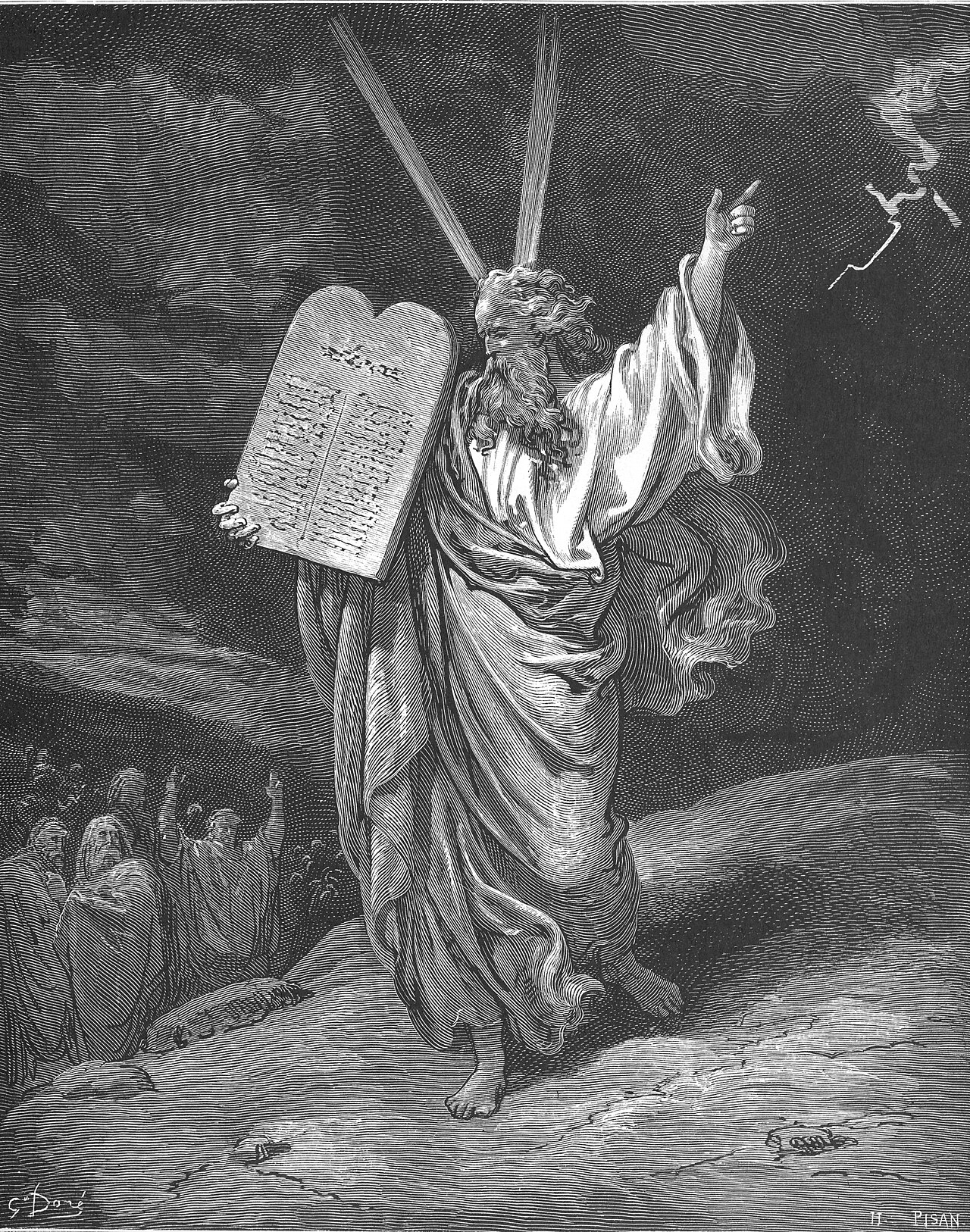
The sacrificial system — the Day of Atonement blood applied to the mercy seat, cleansing Israel "from all your sins" (Lev 16:14-15, 30), the substitution logic running back through the Passover lamb — teaches Israel that sin is not waved away but covered by a death that stands in for the sinner's own. Moses' plea after the golden calf and the spy rebellion (Num 14:19) and Yahweh's self-description at Sinai — "forgiving iniquity and transgression and sin" (Exod 34:7) — root forgiveness in God's own character, not in the offender's merit.
The historical books supply the test case: David's adultery and murder are forgiven the instant he confesses (2 Sam 12:13), yet the child still dies and the sword never leaves his house — forgiveness removes guilt without erasing every consequence, a tension the text does not soften. The prophets push the promise further, from Isaiah's "though your sins be as scarlet" (Isa 1:18) to Jeremiah's new covenant where God says he will "remember their sin no more" (Jer 31:34) — forgiveness becomes not just an act but a permanent covenant condition, awaiting a better sacrifice than bulls and goats.
Jesus does not soften this arithmetic; he makes it personal and then makes it costly. He forgives sins directly and lets the scandal stand — "Which is easier, to say to the sick of the palsy, Thy sins are forgiven...
But that ye may know that the Son of man hath authority on earth to forgive sins" (Mark 2:5-10) — a claim that only makes sense if he is the one the sacrifices always pointed to. His teaching insists forgiveness is not decorative: the model prayer ties God's forgiveness of us to our forgiveness of others in the same breath (Matt 6:12), and the parable of the unforgiving servant makes the link a warning, not a suggestion — a man forgiven an unpayable debt who then throttles a fellow servant over pocket change (Matt 18:23-35).
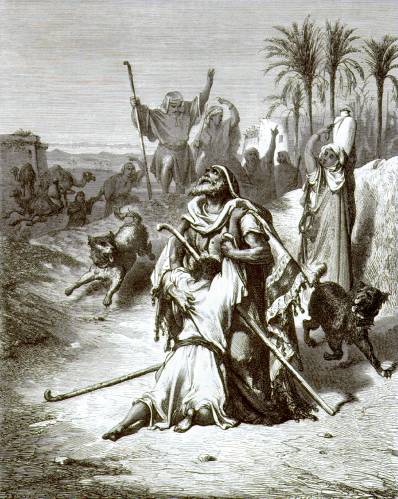
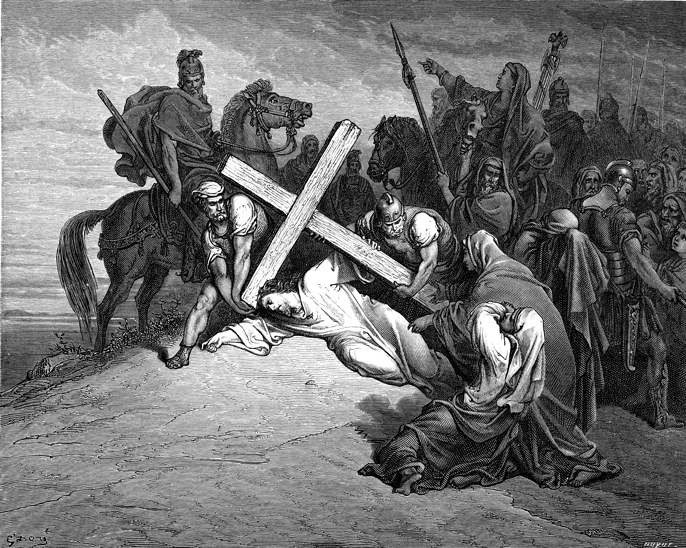
The parables of grace — the woman who loved much because she was forgiven much (Luke 7:47), the father running to the returning son before a word of contrition is spoken (Luke 15:20), the tax collector who has nothing to offer but "God be merciful to me a sinner" (Luke 18:13) — locate forgiveness entirely outside of earned status. The cross is where the two threads meet: "Father, forgive them; for they know not what they do" (Luke 23:34) is not resignation but the sacrifice absorbing the debt in real time, and the resurrected Christ then delegates the announcing of that forgiveness to his followers (John 20:23).
The early church preaches forgiveness as the content of the gospel itself, not an add-on to it: "through this man is proclaimed unto you remission of sins" (Acts 13:38), grounded in his name (Acts 10:43) and paid for in his blood (Eph 1:7). Paul reads David's confession in Psalm 32 as the pattern of justification by faith rather than works — "blessed are they whose iniquities are forgiven" (Rom 4:7) — collapsing Old Testament pardon and New Testament justification into one continuous act of God.
Go deeper289 more words
The household commands follow directly from the theology: believers are to forgive "even as God also in Christ forgave you" (Eph 4:32, ASV; KJV "for Christ's sake hath forgiven you"; cf. Col 3:13) — forgiveness is not first a feeling to work up but an imitation to practice, modeled on a debt already cancelled at cost to God, not to the offender. Hebrews closes the case doctrinally: because sins are remembered no more under the new covenant, "there is no more offering for sin" (Heb 10:17-18) — the finished work, not a repeating ledger.
James and John supply the ongoing, everyday mechanism for believers who still sin after conversion: confession, not perfection, keeps the channel open (James 5:16; 1 John 1:9), and Revelation's doxology — "loosed us from our sins by his blood" (Rev 1:5, ASV; the KJV's "washed us from our sins" follows a variant reading) — is the whole theme's final resting point.
Divine forgiveness in Scripture removes guilt and restores relationship, but it does not always cancel temporal consequences (David again is the clearest case) — a distinction pastors need and easy grace-talk often erases. The unforgiving-servant parable and the Lord's Prayer's coda (Matt 6:14-15) raise, without fully resolving in a single verse, how human forgiveness of others relates to receiving God's forgiveness.
Commentators read it two ways: evidentiary, where unforgiveness exposes an unregenerate heart, or conditional in a stronger sense. And forgiveness is consistently distinguished in the text from reconciliation or restored trust: the father forgives the prodigal unconditionally, but Scripture elsewhere still commends wisdom, patience, and accountability in ongoing relationships with those who sin against us repeatedly — forgiveness is commanded; automatic restoration of every earthly consequence is not promised in the same breath.
Key Verses
The spine of this theme, in the order it was traced : the first 8 here, all 35 beneath them.
But as for you, ye thought evil against me; but God meant it unto good, to bring to pass, as it is this day, to save much people alive.Joseph reframes his brothers' evil as what God meant for good, forgiving without minimizing the wrong
Keeping mercy for thousands, forgiving iniquity and transgression and sin, and that will by no means clear the guilty; visiting the iniquity of the fathers upon the children, and upon the children’s children, unto the third and to the fourth generation.Yahweh's self-revealed name includes forgiving iniquity, transgression, and sin as core to who he is
For on that day shall the priest make an atonement for you, to cleanse you, that ye may be clean from all your sins before the Lord.the Day of Atonement establishes that forgiveness comes through blood applied on Israel's behalf, not mere pardon by decree
Pardon, I beseech thee, the iniquity of this people according unto the greatness of thy mercy, and as thou hast forgiven this people, from Egypt even until now.Moses intercedes for the rebelling nation, appealing to God's own pattern of pardoning from Egypt onward
And David said unto Nathan, I have sinned against the Lord. And Nathan said unto David, The Lord also hath put away thy sin; thou shalt not die.David's confession brings instant forgiveness of guilt even as the prophesied consequences still unfold
If my people, which are called by my name, shall humble themselves, and pray, and seek my face, and turn from their wicked ways; then will I hear from heaven, and will forgive their sin, and will heal their land.national forgiveness and healing are conditioned on humbling, prayer, seeking God's face, and turning
I acknowledged my sin unto thee, and mine iniquity have I not hid. I said, I will confess my transgressions unto the Lord; and thou forgavest the iniquity of my sin. Selah.the pattern of confession followed immediately by forgiveness, later read by Paul as justification's template
Have mercy upon me, O God, according to thy lovingkindness: according unto the multitude of thy tender mercies blot out my transgressions.David's confession psalm appeals to God's own lovingkindness and abundant mercies, not personal merit
Show the remaining 27 key verses, book by book ▾
Psalms2
Jeremiah1
Micah1
Mark1
John2
Acts2
Romans1
Ephesians2
Colossians1
Hebrews1
James1
1 John1
Revelation1