
Biblical Theme
Obedience
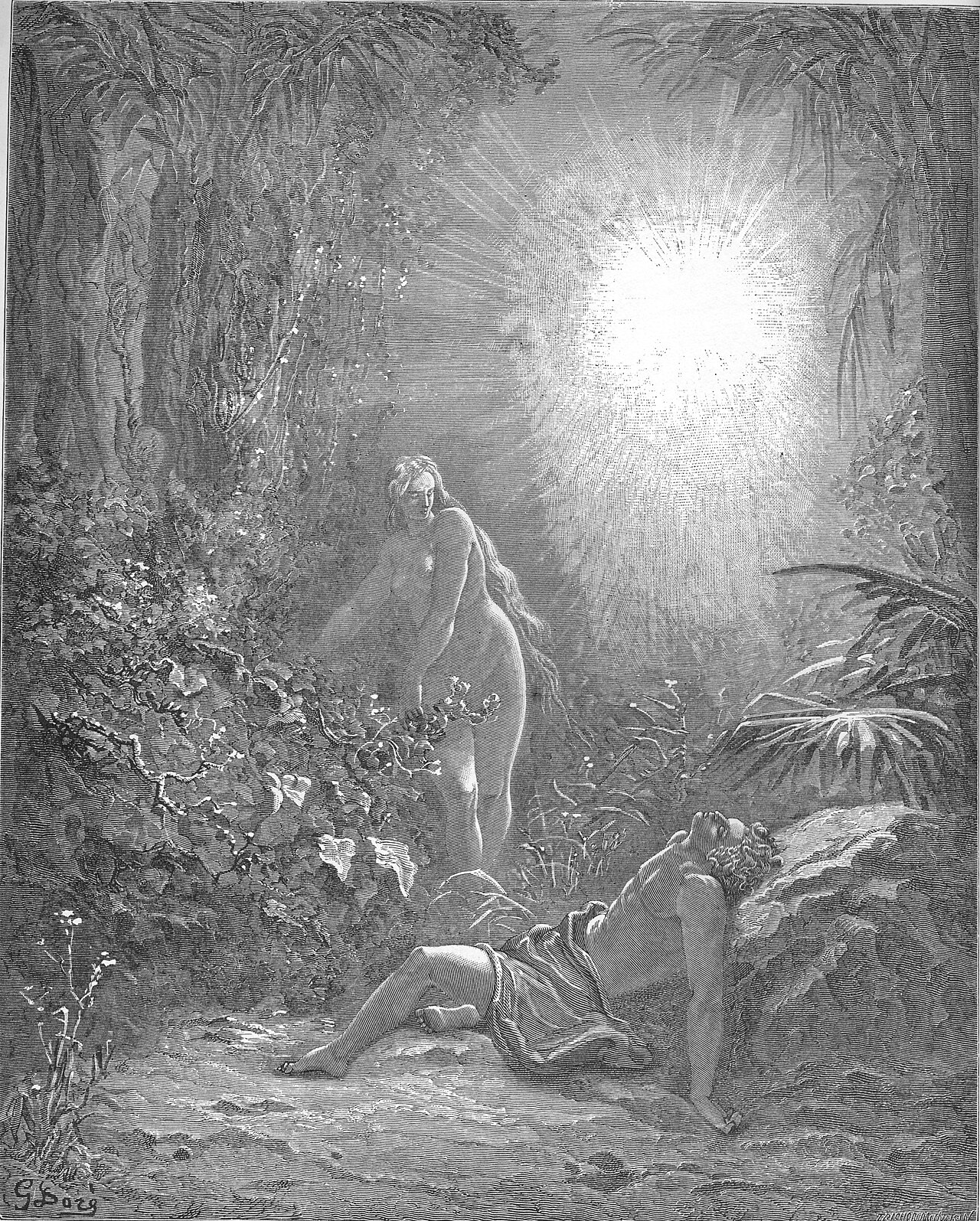
Obedience enters the story at the very first command. In Eden, the boundary God sets — one tree, one prohibition — is the whole test of the relationship (Gen 2:17), and the Fall is nothing more or less than disobedience to that single word.
- 35Key verses
- 21Books touched
- 3Related themes
Across the Canon
Obedience in Scripture
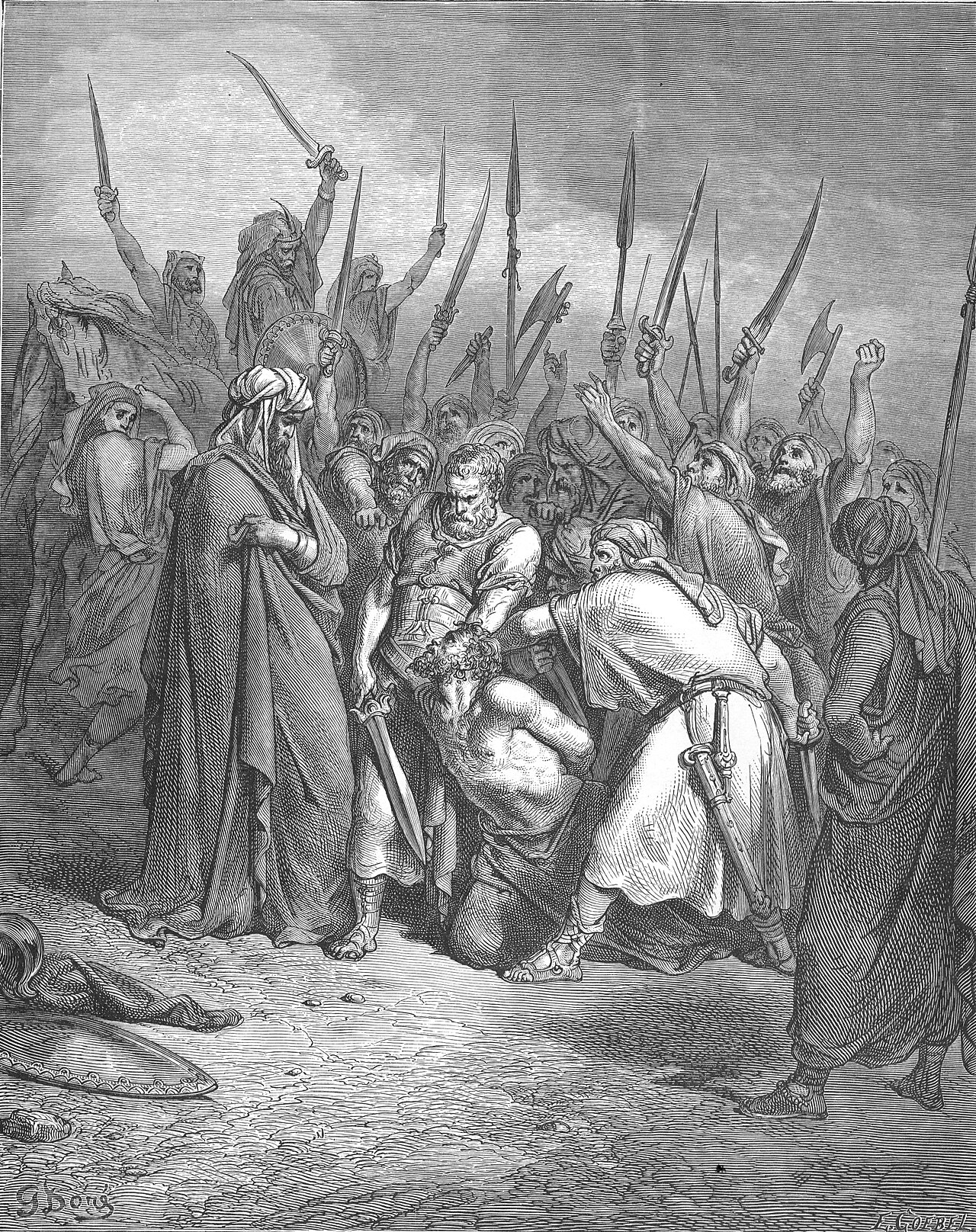
From there the theme becomes structural: Abraham's obedience at Moriah is what the covenant blessing is explicitly pinned to (Gen 22:18), Israel ratifies Sinai with its own vow to "do, and be obedient" (Exod 24:7), and Deuteronomy builds an entire covenant architecture — blessing for hearkening, curse for refusal (Deut 28; 30:19) — on the premise that obedience is not incidental to the relationship but is how the relationship is kept. Joshua inherits the same grammar (Josh 1:8; 24:24), and 1 Samuel 15 supplies the theme's most quoted verdict: Saul does not refuse God outright, he obeys partially, sparing what he was told to devote to destruction, and Samuel's judgment — "to obey is better than sacrifice" — establishes that partial obedience is a form of disobedience wearing the clothes of worship.
The Psalms and Wisdom books carry obedience inward, from national covenant terms toward personal devotion: Psalm 119 makes whole-hearted law-keeping its organizing passion, and Ecclesiastes closes its search for meaning with the flattest possible claim — fearing God and keeping his commandments is "the whole duty of man" (Eccl 12:13). But the prophets also diagnose the covenant's structural problem: obedience commanded from outside a stubborn heart does not hold.
Jeremiah answers this by promising a new covenant in which the law is written on the heart rather than merely given to it (Jer 31:33), and Ezekiel makes the mechanism explicit — God's own Spirit indwelling his people so that they "walk in my statutes" (Ezek 36:27). Obedience under the new covenant is reframed as something enabled, not merely demanded.
Christ is where the theme is fulfilled rather than merely taught. The Gospels present his obedience as tested and real — Gethsemane's "not as I will, but as thou wilt" (Matt 26:39) is not stage direction but genuine cost — and the epistles read that obedience theologically.
Paul's last-Adam argument in Romans 5:19 makes Christ's obedience the reversal of Adam's disobedience, constituting many as righteous; Philippians 2:8 holds up an obedience that goes "even unto death, yea, the death of the cross" as the pattern of Christian humility; and Hebrews 5:8 insists that even the Son "learned obedience by the things which he suffered," grounding the costly obedience asked of every believer in the Son's own experience of it.
The epistles then apply this in two directions that need to be held together rather than collapsed into one. Paul brackets the entire letter to the Romans with the phrase "the obedience of faith" (Rom 1:5; 16:26) — obedience as what faith produces and looks like, never as what earns a righteous standing, which is by grace through faith alone (a distinction the honest reader has to keep straight against every slide toward either bare legalism or a faith detached from any expected fruit).
Go deeper121 more words
James supplies the other necessary half: a faith that only hears and never does is a faith that deceives itself (James 1:22), and Abraham's obedience at the altar is where his earlier-declared faith is "made perfect" — matured and evidenced, not replaced (James 2:22). John closes the theme at its sharpest test: obedience is how one knows that one actually knows God (1 John 2:3), and yet, rightly understood as flowing from love rather than fear, God's commandments "are not grievous" (1 John 5:3).
The honest tension this site holds throughout: obedience is never the ground of salvation, always its evidence and its texture — and Scripture is unsentimental that partial, negotiated, or merely external obedience is scarcely obedience at all.
Key Verses
The spine of this theme, in the order it was traced : the first 8 here, all 35 beneath them.
But of the tree of the knowledge of good and evil, thou shalt not eat of it: for in the day that thou eatest thereof thou shalt surely die.the first command and the first test — obedience as the boundary of trust in Eden, broken at the Fall
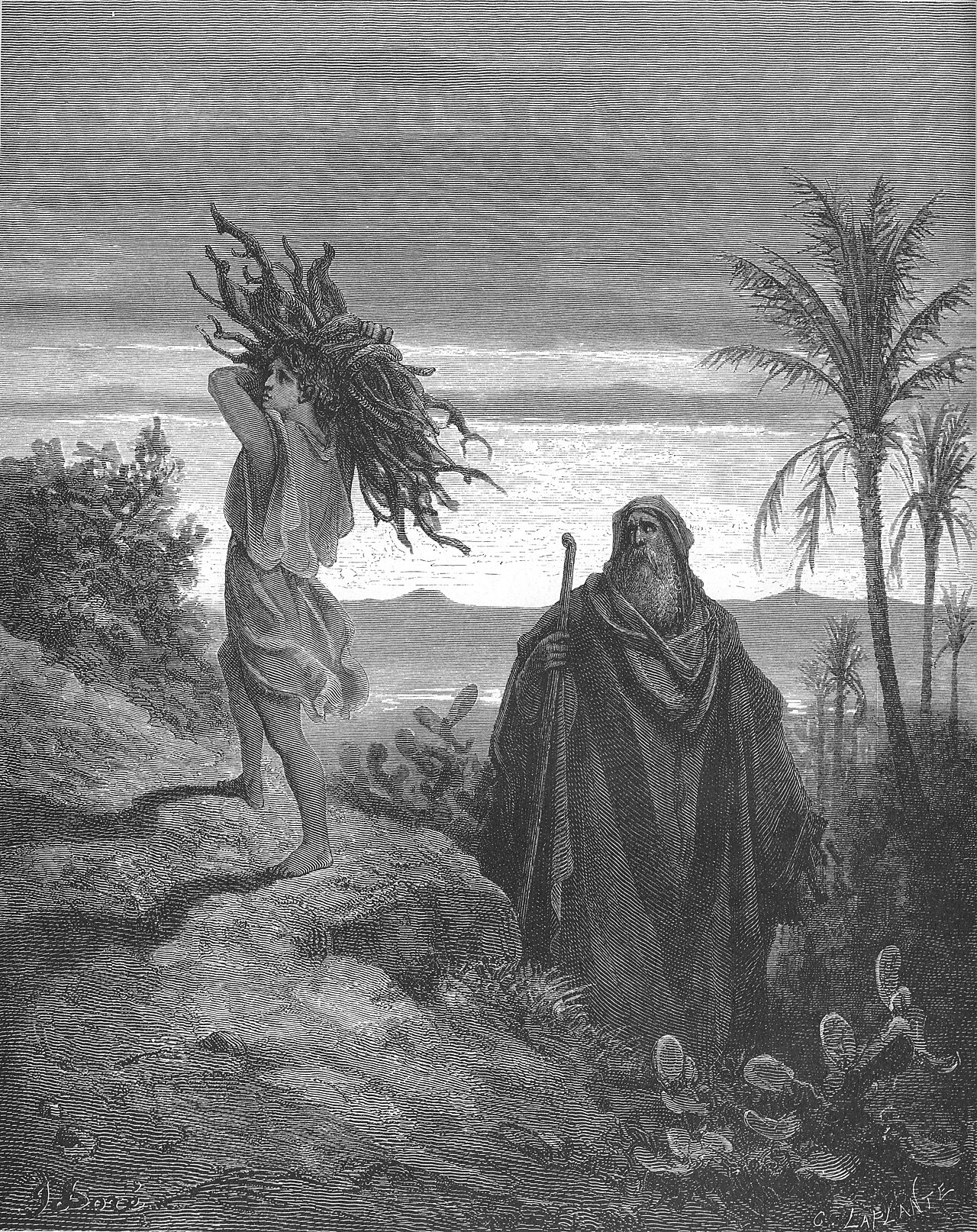
And in thy seed shall all the nations of the earth be blessed; because thou hast obeyed my voice.Abraham's obedience at Moriah is what the covenant blessing over his seed is explicitly pinned to
Now therefore, if ye will obey my voice indeed, and keep my covenant, then ye shall be a peculiar treasure unto me above all people: for all the earth is mine:Israel's status as God's treasured possession is conditioned on obeying his voice at Sinai
And he took the book of the covenant, and read in the audience of the people: and they said, All that the Lord hath said will we do, and be obedient.Israel ratifies the Sinai covenant with its own vow: "All that Jehovah hath spoken will we do, and be obedient"
Ye shall therefore keep my statutes, and my judgments: which if a man do, he shall live in them: I am the Lord.the law promises life to the one who does it — a verse Paul later presses hard (Rom 10:5; Gal 3:12); read here as the shape of covenant life rather than a means of earning it
Therefore thou shalt love the Lord thy God, and keep his charge, and his statutes, and his judgments, and his commandments, alway.obedience is rooted in love for God, not bare rule-keeping
And it shall come to pass, if thou shalt hearken diligently unto the voice of the Lord thy God, to observe and to do all his commandments which I command thee this day, that the Lord thy God will set thee on high above all nations of the earth:the blessings-and-curses structure ties Israel's national fortune directly to hearkening obedience
I call heaven and earth to record this day against you, that I have set before you life and death, blessing and cursing: therefore choose life, that both thou and thy seed may live:the covenant's climactic appeal frames obedience as a life-or-death choice, not empty ritual
Show the remaining 27 key verses, book by book ▾
Joshua2
1 Samuel1
Psalms2
Ecclesiastes1
Isaiah1
Jeremiah1
Ezekiel1
Matthew2
Luke1
John2
Acts1
Philippians1
Hebrews2
James2
1 Peter1
1 John2