
Biblical Theme
Justice
Scripture's justice vocabulary runs on two paired Hebrew terms: mishpat (H4941), the right verdict rendered at the city gate — a legal, courtroom word — and tsedaqah (H6666), right relationship lived out in the everyday treatment of the poor, the widow, the fatherless, and the sojourner. The two are not abstract virtues bolted onto Israel's religion; Torah case law builds them into the fabric of covenant life — honest weights, no bribery, no favoritism to rich or poor alike, gleaning left for the needy, wages paid the same day.
- 34Key verses
- 20Books touched
- 3Related themes
Across the Canon
Where it runs deepest
Justice in Scripture
God's own throne is described the same way: "righteousness and judgment are the foundation of thy throne" (Ps 89:14; cf. 97:2), and he is himself said to "execute righteousness and judgment for all that are oppressed" (Ps 103:6). Justice, in other words, is not merely something God commands — it is something he does, and something his people are commanded to do because they bear his image and live under his covenant.
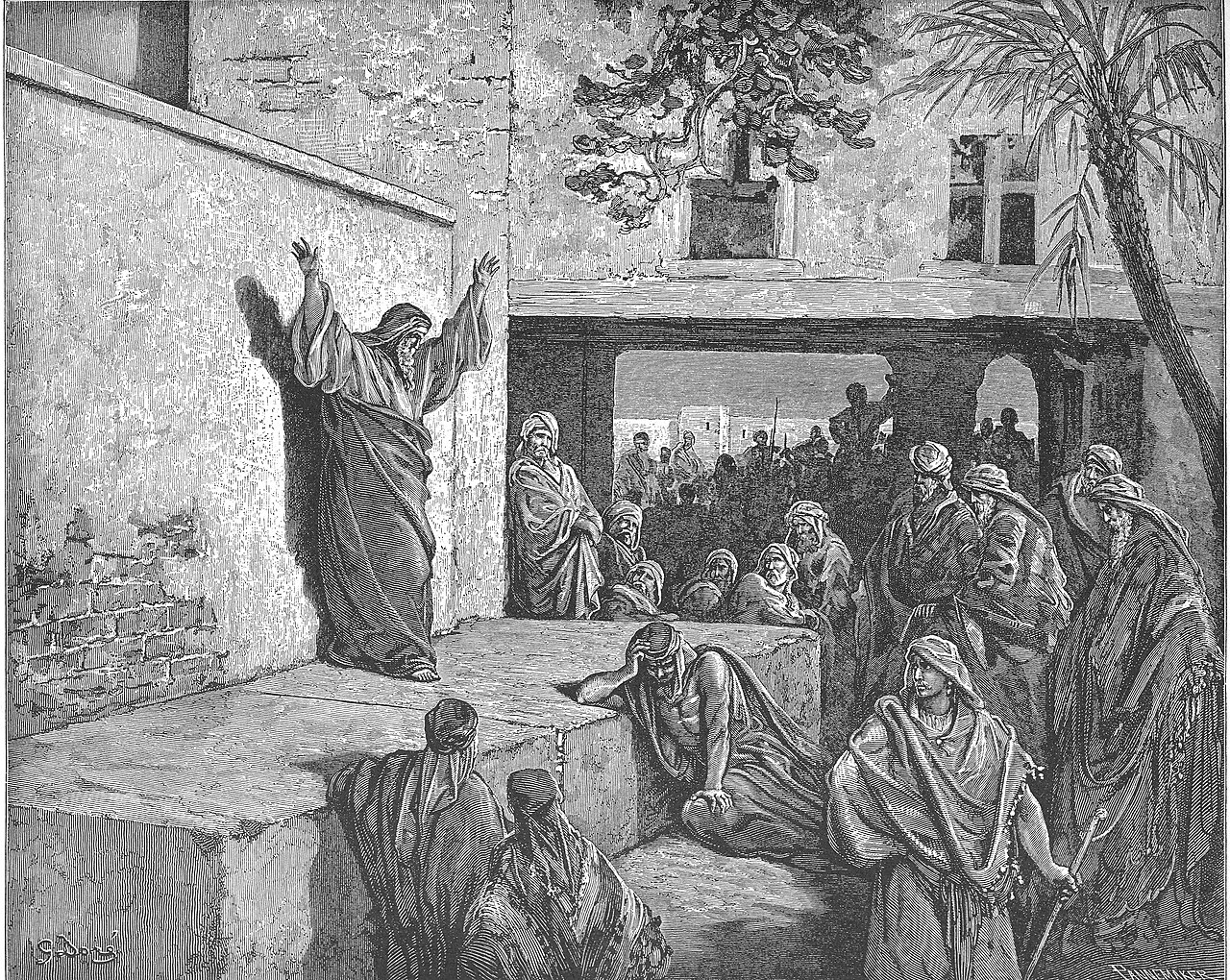
The Prophets press this claim hardest, and press it against Israel and Judah's own courts, markets, and shrines rather than against outsiders. Amos indicts a nation that kept every feast and offered every sacrifice while perverting judgment at the gate — hence the LORD's "I hate, I despise your feast days," followed by the demand that "judgment run down as waters, and righteousness as a mighty stream" (Amos 5:21–24).
Micah collapses the whole matter into three infinitives: "to do justly, and to love mercy, and to walk humbly with thy God" (6:8). Habakkuk opens with the opposite complaint — that justice has stalled and "judgment doth never go forth" — and receives, not a fix, but a summons to live by faith while God's own timetable for justice unfolds.
Across the corpus the point is consistent: ritual without justice is not merely incomplete worship, it is rejected worship, because the God being worshiped is himself the standard of what is just.
Jesus stands in this same stream rather than replacing it. He names "judgment, mercy, and faith" the weightier matters of the law that tithing must not eclipse (Matt 23:23), and Isaiah's servant — read messianically — is the one who will "bring forth judgment to the Gentiles" without breaking a bruised reed (Isa 42:1–3).
The sharpest theological turn, though, comes in Paul. Romans holds together what the Prophets kept in tension but never fully resolved: how can a just God acquit the guilty without ceasing to be just?
Go deeper268 more words
Paul's answer is the cross — God set forth Christ as a propitiation "to declare his righteousness... that he might be just, and the justifier of him which believeth in Jesus" (Rom 3:25–26). Divine justice is not softened at Calvary; it is satisfied there, which is what makes the mercy that follows something other than a legal fiction.
The canon does not let justice collapse into either pure inwardness or pure social program, and honest study should hold the tension rather than resolve it prematurely. The covenant-lawsuit genre of Amos and Micah addresses covenant fidelity to Torah's own case law, not an autonomous ethical program detached from God — yet the prophetic language has rightly become some of history's most quoted appeal for human justice (Amos 5:24 in Dr. King's "I Have a Dream" is the clearest instance), and that reception is a real and honorable application even where it is not the verse's original genre.
Likewise the psalms that cry out for judgment — Psalm 82, where God arraigns the unjust judges themselves, and the imprecatory psalms proper (Ps 94; 137) — hand vengeance to God rather than licensing it in human hands (cf. Rom 12:19) — the psalmists' rage is real, but it is rage surrendered, not rage executed. Justice finally is eschatological as much as ethical: Acts 17:31 and Revelation's repeated "true and righteous are his judgments" (16:7; 19:2) locate the full reconciling of justice and mercy at the day appointed, not fully before it — which is itself the reason Scripture can command justice now without pretending its absence is ever the last word.
Key Verses
The spine of this theme, in the order it was traced : the first 8 here, all 34 beneath them.
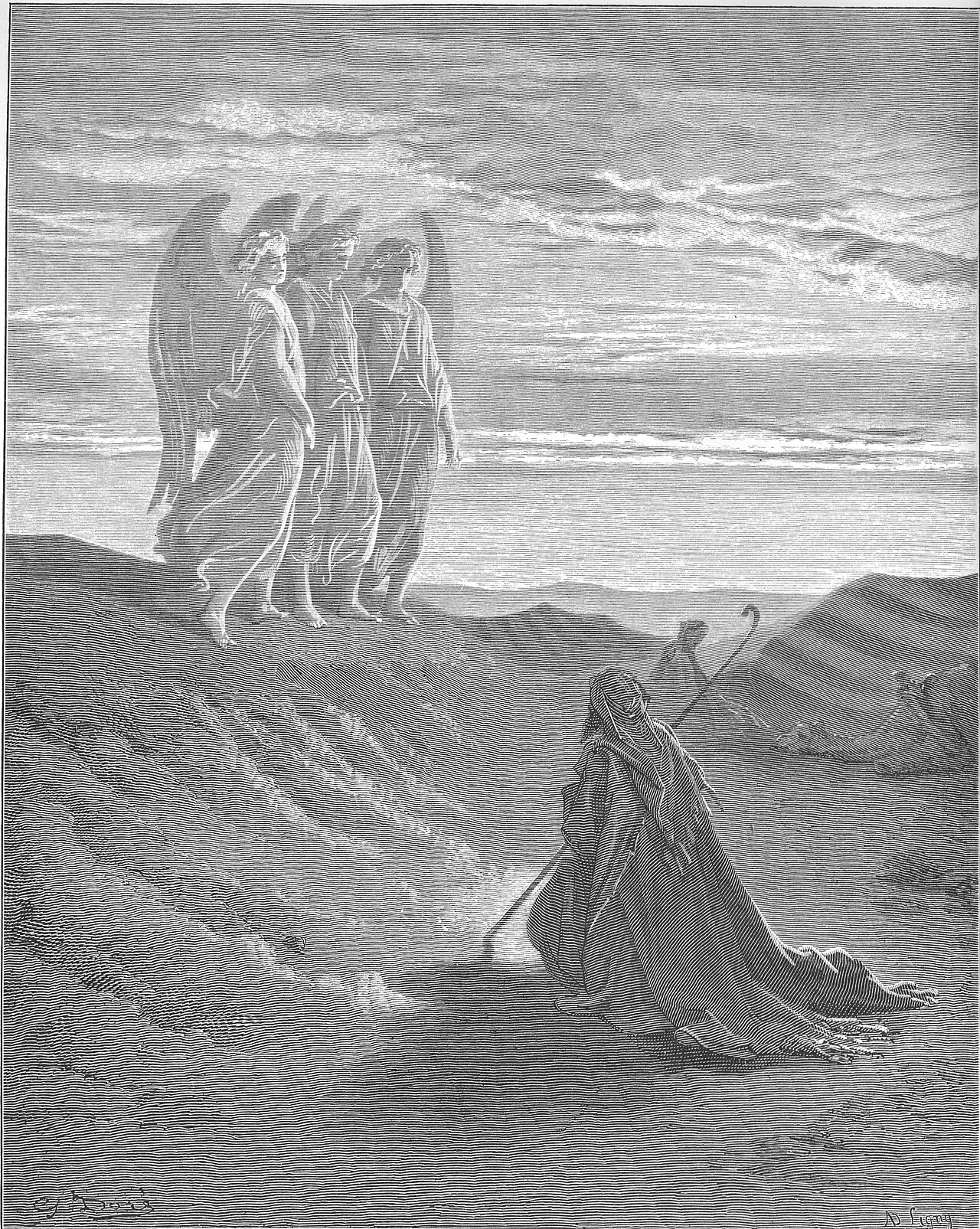
That be far from thee to do after this manner, to slay the righteous with the wicked: and that the righteous should be as the wicked, that be far from thee: Shall not the Judge of all the earth do right?Abraham's appeal assumes the premise the whole theme rests on: the Judge of all the earth must do right.
Thou shalt not wrest the judgment of thy poor in his cause.Torah case law bars perverting the judgment of the poor at the gate.
Ye shall do no unrighteousness in judgment: thou shalt not respect the person of the poor, nor honour the person of the mighty: but in righteousness shalt thou judge thy neighbour.commands judging with neither favoritism to the poor nor deference to the great — impartial mishpat as covenant law.
For the Lord your God is God of gods, and Lord of lords, a great God, a mighty, and a terrible, which regardeth not persons, nor taketh reward:grounds impartial justice in God's own character: he regards no persons, takes no bribe.
That which is altogether just shalt thou follow, that thou mayest live, and inherit the land which the Lord thy God giveth thee.the summary charge to Israel's judges — pursue what is altogether just, for the sake of possessing the land.
Thou shalt not pervert the judgment of the stranger, nor of the fatherless; nor take a widow’s raiment to pledge:names the specific vulnerable classes — sojourner, fatherless, widow — whose judgment must never be perverted.
Cursed be he that perverteth the judgment of the stranger, fatherless, and widow. And all the people shall say, Amen.a covenant curse on anyone who perverts judgment of the stranger, fatherless, or widow.
Yea, surely God will not do wickedly, neither will the Almighty pervert judgment.Elihu's premise against Job: the Almighty cannot, by definition, pervert justice.
Show the remaining 26 key verses, book by book ▾
Jeremiah1
Ezekiel1
Amos1
Micah1
Habakkuk1
Zechariah1
Matthew1
Luke1
Acts1
Romans1
James1
Revelation1