
The events themselves: what happened, where the retelling has drifted from the text, and what the scene was really like.
2 studies, 0 as cards, 2 in the register
Study
The studies in Church History and Revivals, sorted by the kind of thing each one teaches.
Summary
Church History and Revivals holds 65 of the site's 1385 featured studies, in 5 of the eleven kinds.
The events themselves: what happened, where the retelling has drifted from the text, and what the scene was really like.
2 studies, 0 as cards, 2 in the register
Lives told from first mention to last, and the nations, families and parties around Israel and the church. These are the studies built around one life or one people; every other name of the record has a row in the register of people.
31 studies, 0 as cards, 31 in the register
What Scripture teaches on a subject, from its first text to its fullest. The traditions that formed the teaching are named.
5 studies, 0 as cards, 5 in the register
Questions Christians answer differently. Each study sets out the texts both sides read, the positions with their holders, and where this site's tradition lands.
1 studies, 0 as cards, 1 in the register
The eras of the church and the revivals, each told as one span of years from before to after. Each era page names its boundary, its turning points and its hard part, and each revival page its dated line and what it left standing.
26 studies, 8 as cards, 18 in the register
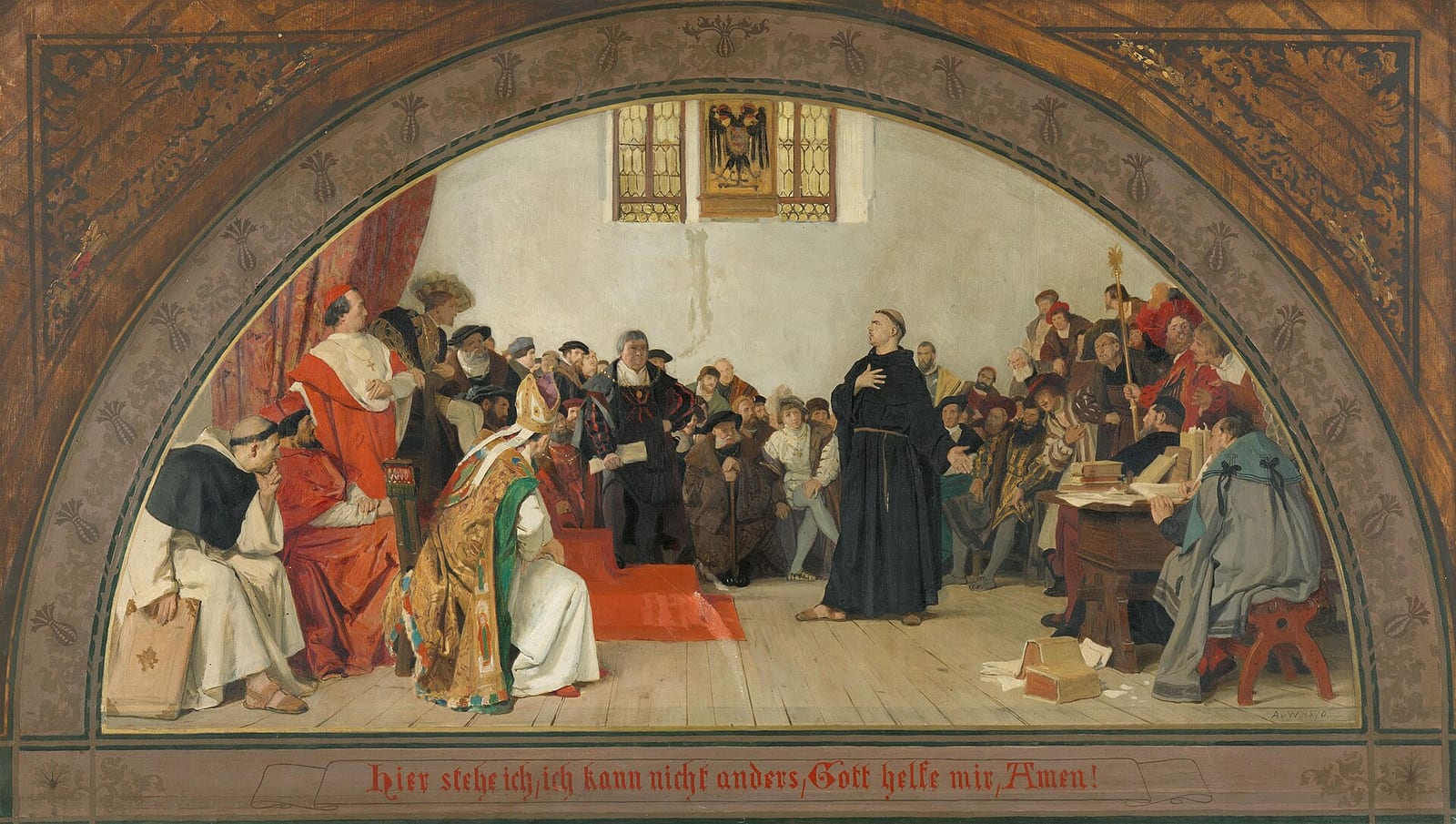 The ReformationOne monk's conscience, one printing press, and one open Bible. In a single century Scripture went from a chained Latin book to something a farmhand could read in his own language.
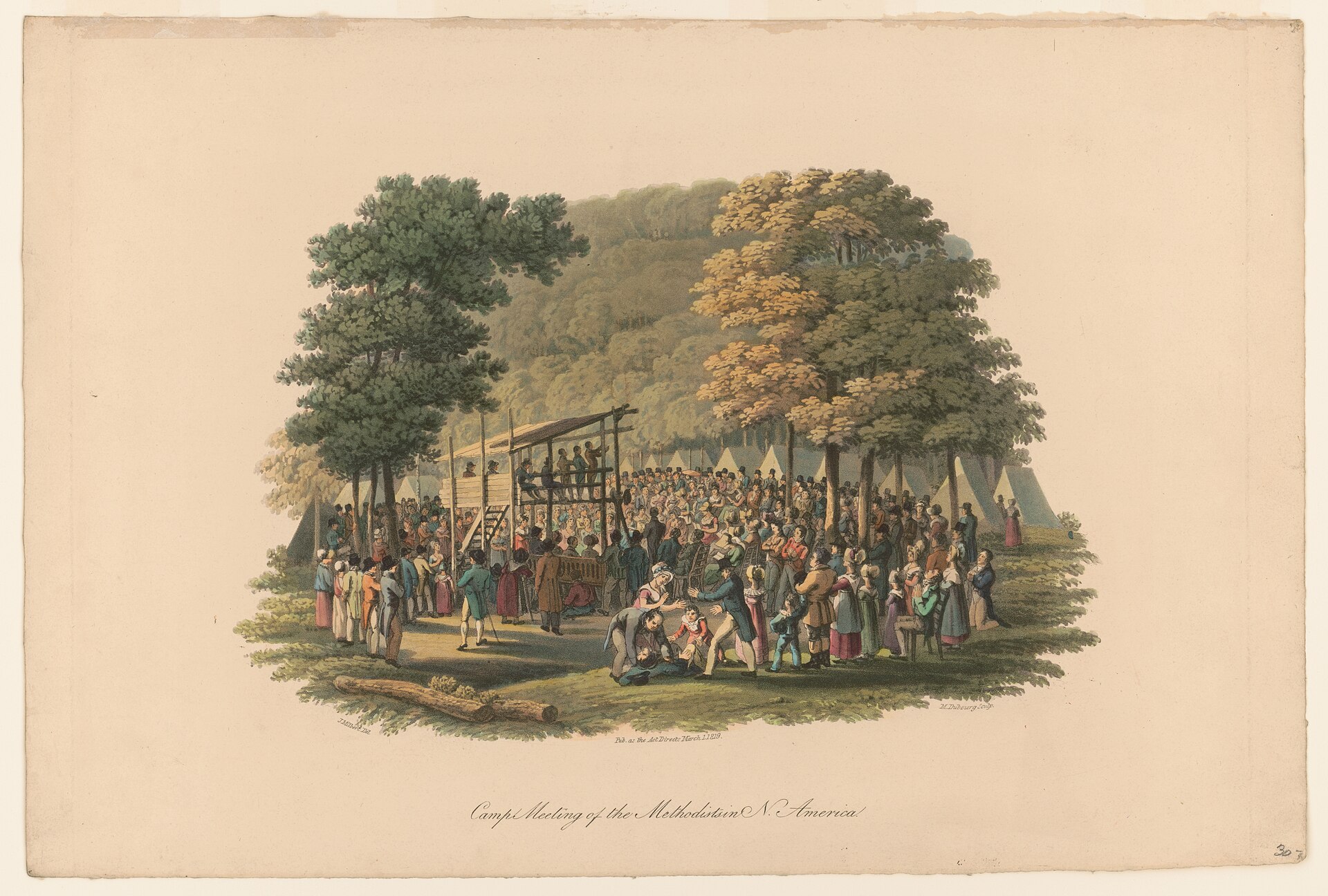 The Great AwakeningsGod poured out His Spirit on two nations at once. Whole towns stopped talking about anything else, and the preaching moved out of the buildings and into the fields.
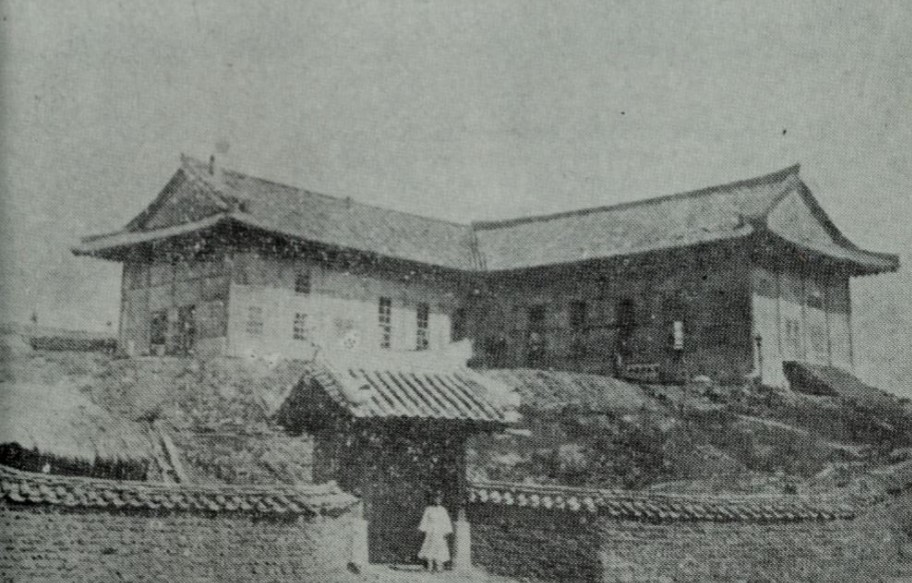 The Korean PentecostPyongyang, Korea, at the New Year Bible study meetings in the Jangdaehyeon church.
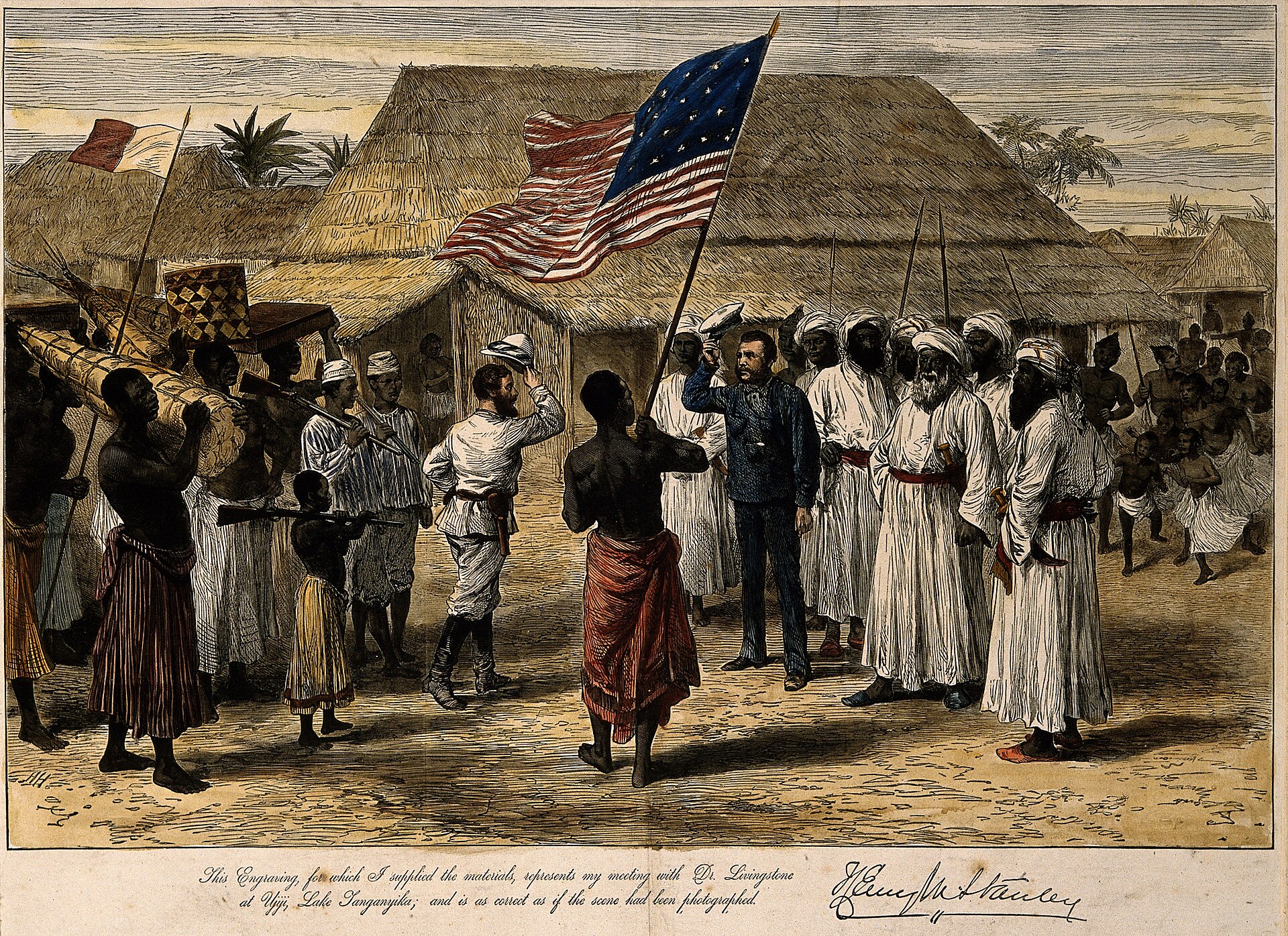 The Missionary CenturyAwakened people looked at a map and could not stay home. In a hundred and twenty years the gospel was carried, at enormous cost, to India, China, Africa, and the islands.
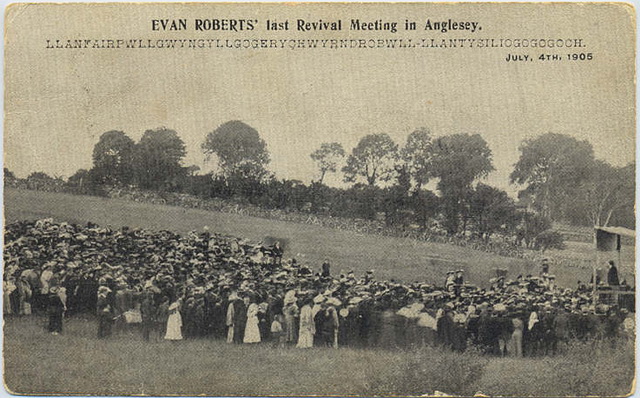 The Revival StreamsAt the opening of the twentieth century God moved again, in Welsh mining villages, in a shabby Los Angeles building, in Korea and India, and the church rediscovered the power of Pentecost.
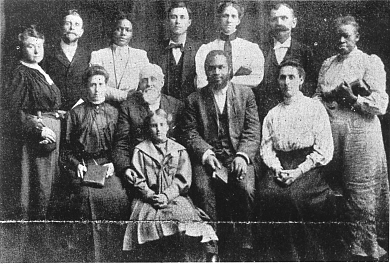 The Azusa Street RevivalA former African Methodist Episcopal church, latterly a stable and warehouse, at 312 Azusa Street, Los Angeles, California.
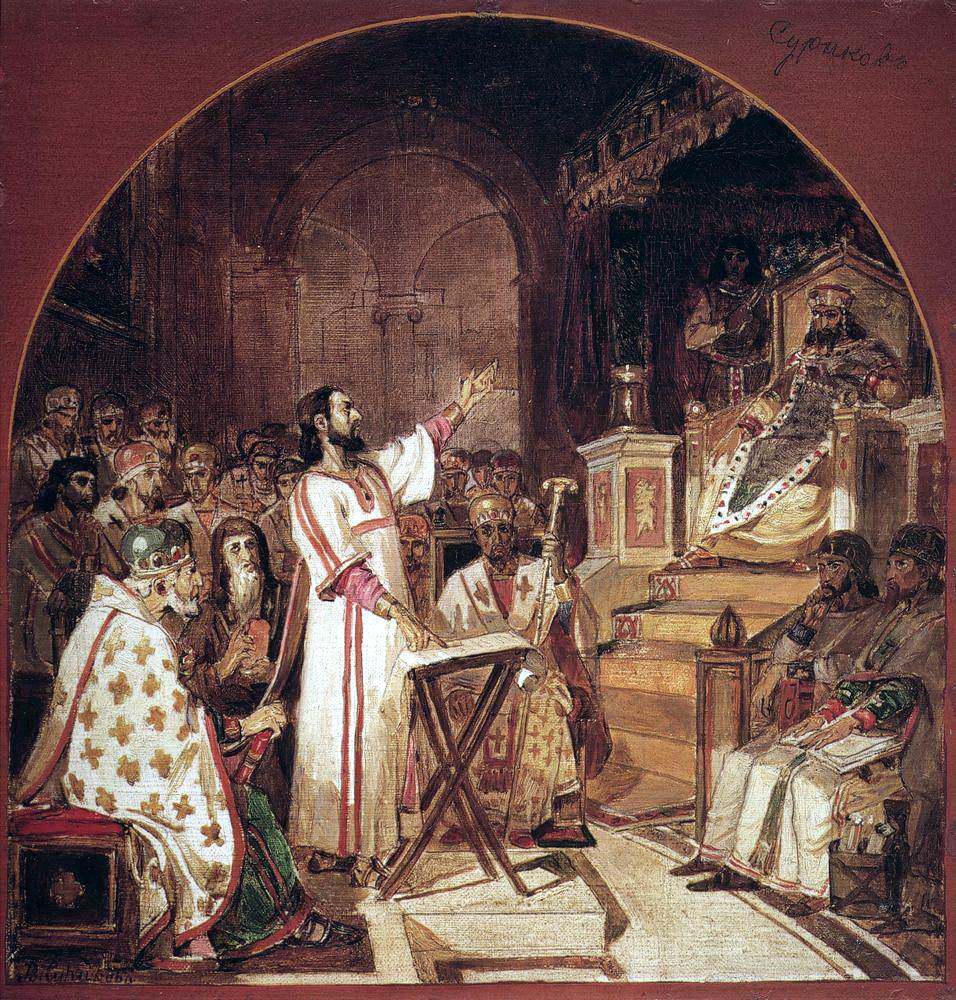 The Fathers & the CreedsThe persecution stopped and the arguments started. In these three centuries the church put into careful words who Jesus is, and recognized which books were Scripture.
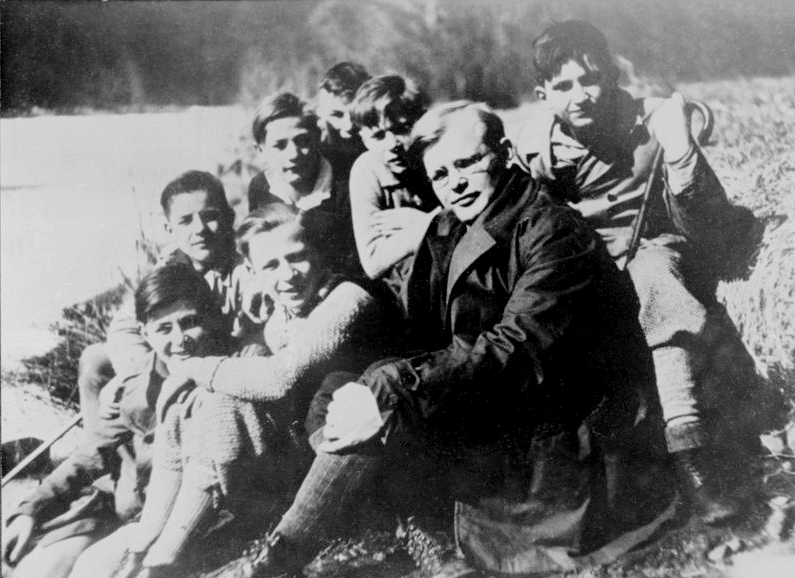 The Church Under Fire & Into All the WorldTwo counts of the twentieth century's Christian dead are in circulation and they are built differently, so the page gives both. David Barrett and Todd Johnson put the figure near forty-five million in the World Christian Encyclopedia, first edition 1982 and second edition 2001. They counted every believer whose life was cut short by human hostility. That takes in whole populations killed in wars and famines where faith was one cause among several. Thomas Schirrmacher, working for the International Institute for Religious Freedom, puts the yearly figure near seven to eight thousand, counting only deaths documented case by case as killings for confessing Christ. Barrett and Johnson's own Center for the Study of Global Christianity revised the annual rate down in the third edition of 2019. The wide number and the narrow number measure two different things, and even the narrow one is large. The same century saw the church grow faster than it ever had. Both are true of the same hundred years.
On this page
People and groups1
The text itself3
The roster is the site’s own build manifest, so no study can be missing from it. A study leads its kind when it carries a line of its own and more of the other studies link to it; a register row with no line of its own borrows the first sentence of the study’s own summary. The pictures are public domain: engravings by Gustave Doré from Doré’s English Bible(1866), and paintings held at Wikimedia Commons. Each is named in full on the study’s own page.