
1 Kings 8:32
in 1 Kings 8then may You hear from heaven and act. May You judge Your servants, condemning the wicked man by bringing down on his own head what he has done, and justifying the righteous man by rewarding him according to his righteousness.
BSB
The same verse in ASV and KJV ▾
ASV
then hear thou in heaven, and do, and judge thy servants, condemning the wicked, to bring his way upon his own head, and justifying the righteous, to give him according to his righteousness.
KJV
Then hear thou in heaven, and do, and judge thy servants, condemning the wicked, to bring his way upon his head; and justifying the righteous, to give him according to his righteousness.
⋯
This verse in 1 Kings 8
Commentary
4 notes on this verseThis site's exposition
When a man sins against his neighbor
on 1 Kings 8:31-32
The first case is a dispute settled by an oath “before Your altar in this temple”, the practice John Wesley finds in Exodus 22:11. Solomon asks God to judge, “condemning the wicked man” and “justifying the righteous man”. It is the shortest of the seven petitions.
This site's exposition
condemning the wicked man
An altar oath called down a curse on a liar. John Gill reads the condemning as God bringing that same curse on the false swearer's head. To justify the righteous is to show openly that his cause is just.
The record, by era
The Puritans and the Awakening2 voices
He prayed that, in difficult matters, this throne of grace might be a throne of judgment, from which God would right the injured that believingly appealed to it, and punish the injurious that presumptuously appealed to it. It was usual to swear by the temple and altar ( Matt. xxiii.
quarantine:debris (2026-07-29) — unbalanced-parens
Then hear thou in heaven,.... When the injured person makes supplication to have justice done him: and do, and judge thy servants; contending with one another, the one affirming, the other denying condemning the wicked, by bringing his way upon his head: inflicting upon him the punishment imprecated by him in his oath: and justifying the righteous, to give him according to his righteousness; by making it appear that his cause is just.
The words behind it
17 Hebrew wordsEvery Hebrew word of this verse in the order it stands, with what it means and the door to its own study. The last column counts the times a word stands in the whole Bible: the rarer the word, the more the places it appears belong together.
| Hebrew | Sound | Meaning | Word study | In the Bible |
|---|---|---|---|---|
| וְאַתָּ֣ה׀ | veatah | and you | H859 → | 1094 times |
| תִּשְׁמַ֣ע | tishma' | you will hear | H8085 → | 1159 times |
| הַשָּׁמַ֗יִם | hashamayim | the heavens | H8064 → | 421 times |
| וְעָשִׂ֙יתָ֙ | veasita | and you will act | H6213 → | 2628 times |
| וְשָׁפַטְתָּ֣ | veshafata | and you will judge | H8199 → | 202 times |
| אֶת־ | ʾet- | <obj.> | H853 → | 10935 times |
| עֲבָדֶ֔יךָ | ʾavadeikha | servants your | H5650 → | 799 times |
| לְהַרְשִׁ֣יעַ | leharshia' | to condemn as guilty | H7561 → | |
| רָשָׁ֔ע | rasha' | a guilty [person] | H7563 → | |
| לָתֵ֥ת | latet | to requite | H5414 → | 2011 times |
| דַּרְכּ֖וֹ | darko | conduct his | H1870 → | 707 times |
| בְּרֹאשׁ֑וֹ | berosho | on own head his | H7218 → | 599 times |
| וּלְהַצְדִּ֣יק | ulehatzdik | and to declare righteous | H6663 → | |
| צַדִּ֔יק | tzadik | a righteous [person] | H6662 → | |
| לָ֥תֶת | latet | to give | H5414 → | 2011 times |
| ל֖וֹ | lo | to him | ||
| כְּצִדְקָתֽוֹ׃ ס | ketzidkato | according to righteousness his | H6666 → | 157 times |
וְאַתָּ֣ה׀and you
veatahH859 →1094 times
תִּשְׁמַ֣עyou will hear
tishma'H8085 →1159 times
הַשָּׁמַ֗יִםthe heavens
hashamayimH8064 →421 times
וְעָשִׂ֙יתָ֙and you will act
veasitaH6213 →2628 times
וְשָׁפַטְתָּ֣and you will judge
veshafataH8199 →202 times
אֶת־<obj.>
ʾet-H853 →10935 times
עֲבָדֶ֔יךָservants your
ʾavadeikhaH5650 →799 times
לְהַרְשִׁ֣יעַto condemn as guilty
leharshia'H7561 →
רָשָׁ֔עa guilty [person]
rasha'H7563 →
לָתֵ֥תto requite
latetH5414 →2011 times
דַּרְכּ֖וֹconduct his
darkoH1870 →707 times
בְּרֹאשׁ֑וֹon own head his
beroshoH7218 →599 times
וּלְהַצְדִּ֣יקand to declare righteous
ulehatzdikH6663 →
צַדִּ֔יקa righteous [person]
tzadikH6662 →
לָ֥תֶתto give
latetH5414 →2011 times
ל֖וֹto him
lo
כְּצִדְקָתֽוֹ׃ סaccording to righteousness his
ketzidkatoH6666 →157 times
A shaded row is a word that stands 400 times or fewer in the Bible.
The walk
8 stopsEach card is a verse this one points to, and under it the verses that one points to in turn. Where several paths arrive at the same place, that place is listed first: the text keeps returning to it.
Through
Ezekiel 18:20The soul who sins is the one who will die. A son will not bear the iniquity of his father, and a father will not bear the iniquity of his son. The righteousness of…
it leads to
- 2 Kings 14:6
Yet he did not put the sons of the murderers to death, but acted according to what is written in the Book of the Law of Moses, where the LORD commanded: “Fathers must not…
- Deuteronomy 24:16
Fathers shall not be put to death for their children, nor children for their fathers; each is to die for his own sin.
- Ezekiel 18:4
Behold, every soul belongs to Me; both father and son are Mine. The soul who sins is the one who will die.
- Jeremiah 31:29–30
“In those days, it will no longer be said: ‘The fathers have eaten sour grapes, and the teeth of the children are set on edge.’
- Matthew 16:27
For the Son of Man will come in His Father’s glory with His angels, and then He will repay each one according to what he has done.
- 2 Kings 14:6
Through
Exodus 34:7maintaining loving devotion to a thousand generations, forgiving iniquity, transgression, and sin. Yet He will by no means leave the guilty unpunished; He will visit the iniquity of the fathers on their children and…
it leads to
- Exodus 20:5–6
You shall not bow down to them or worship them; for I, the LORD your God, am a jealous God, visiting the iniquity of the fathers on their children to the third and fourth…
- Psalms 103:3
He who forgives all your iniquities and heals all your diseases,
- Deuteronomy 5:9–10
You shall not bow down to them or worship them; for I, the LORD your God, am a jealous God, visiting the iniquity of the fathers on their children to the third and fourth…
- Exodus 20:5–6
Where this verse is studied
On this page
Studies17
About 1 Kings
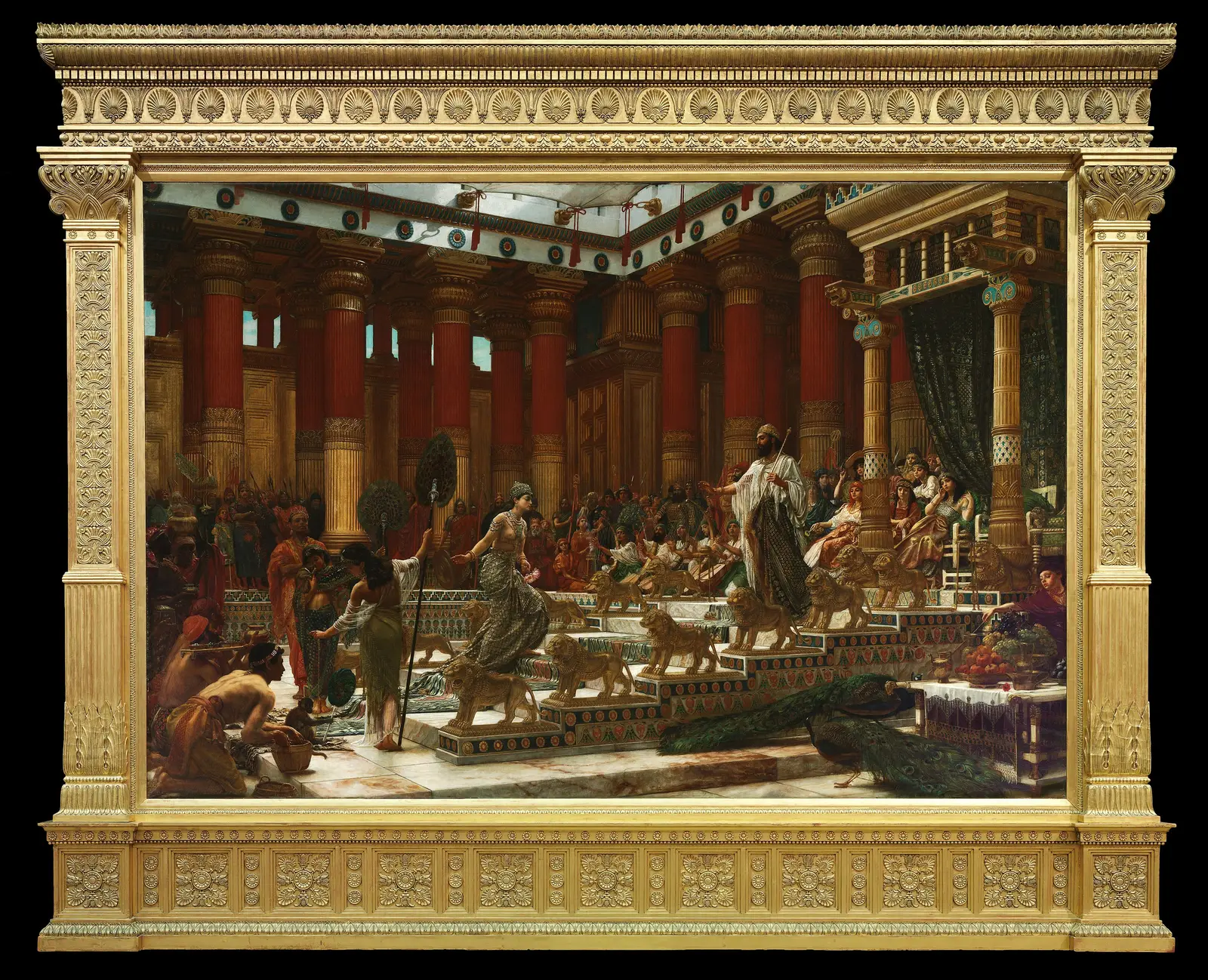
This page draws on John Gill, Exposition of the Old Testament; John Gill, Exposition of the Old Testament (1748-1763); John Wesley, Explanatory Notes upon the Old Testament and Matthew Henry, Commentary on the Whole Bible.