
Ecclesiastes 2:22 · Trial 17 of 21 · Featured Study
Work and Toil
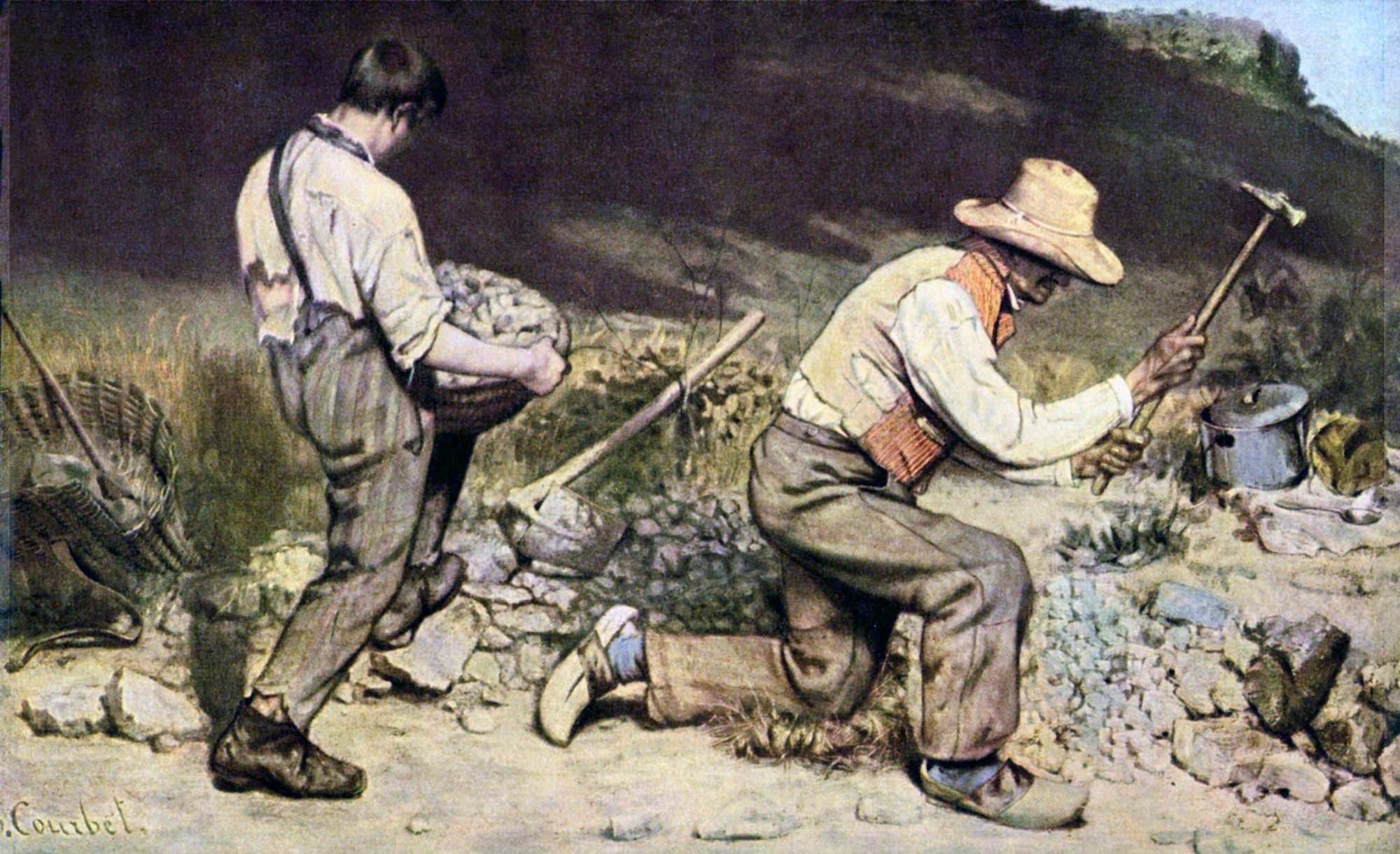
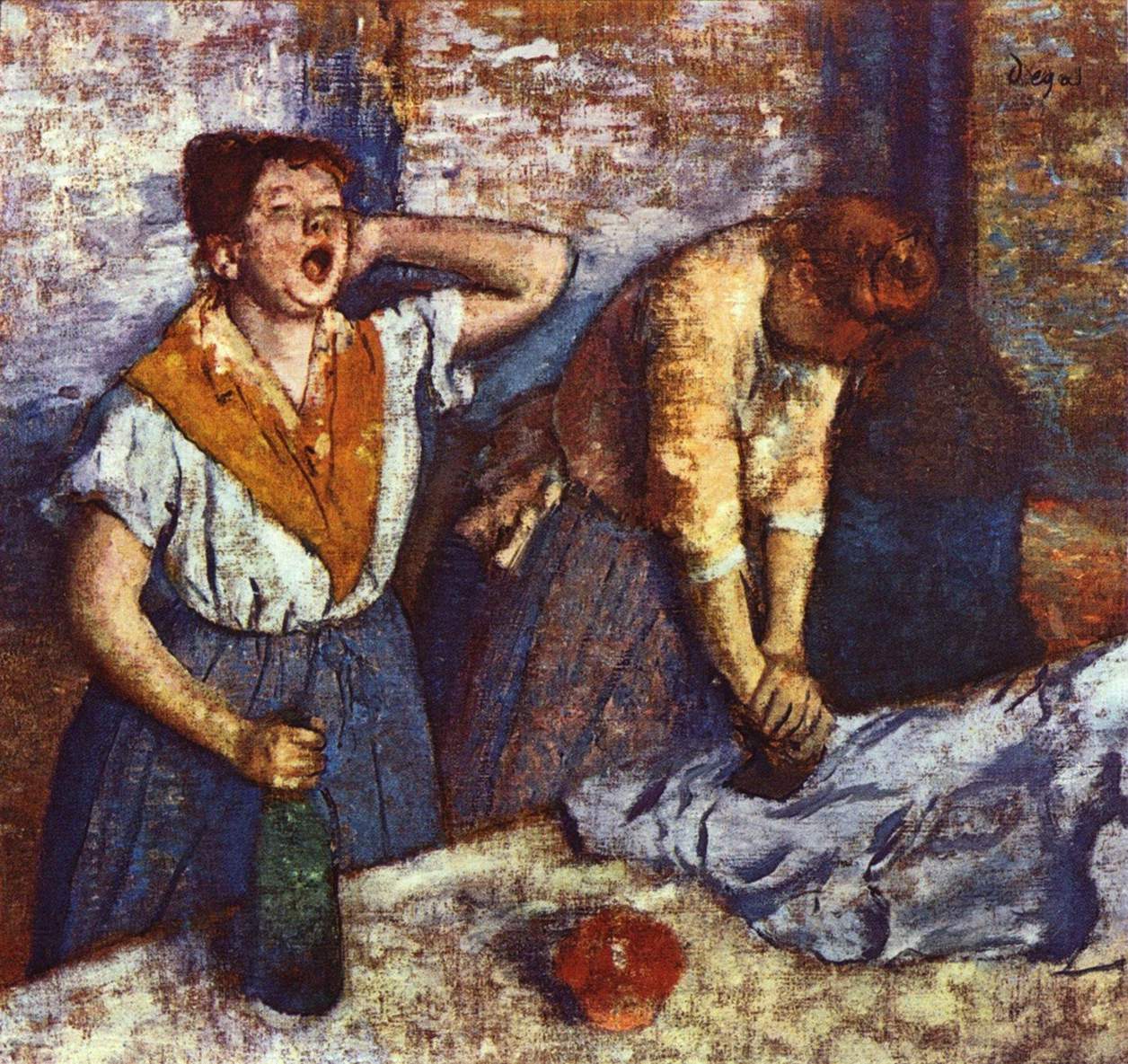
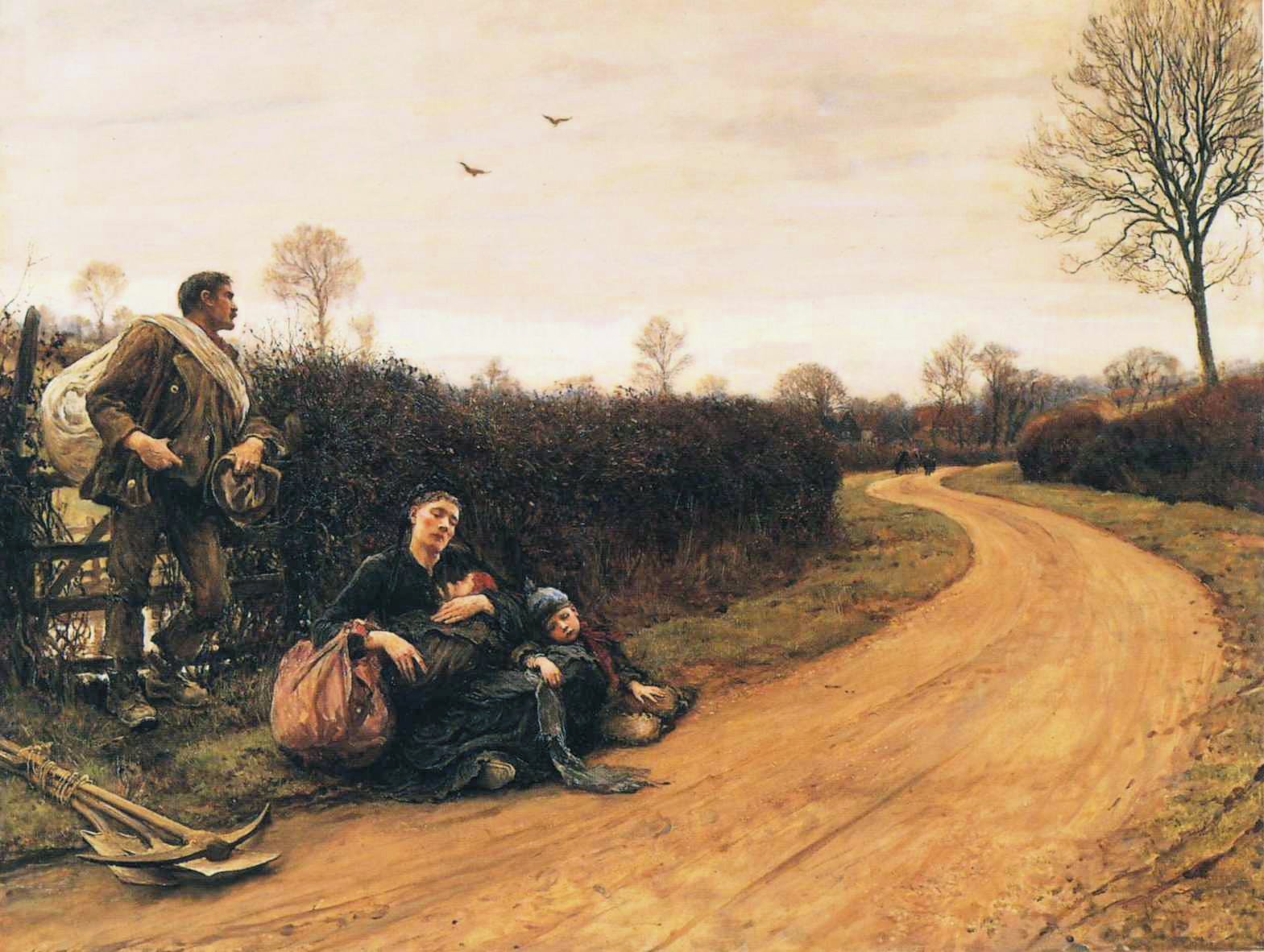
Work and toil is the trial of labor that wears down the body and the mind, and of the work that cannot be found.
The Teacher of Ecclesiastes said of the man who labors under the sun that “even at night, his mind does not rest” (Ecclesiastes 2:23).
Therefore, my beloved brothers, be steadfast and immovable. Always excel in the work of the Lord, because you know that your labor in the Lord is not in vain.
- Anchor text
- Ecclesiastes 2:22 “For what does a man get for all…”
- The lament
- Psalm 90:1 to 17 “Lord, You have been our dwelling…”
- Hold in memory
- 1 Corinthians 15:58, Colossians 3:23
Summary
Scripture speaks of toil without hiding its weight. Job, the psalms and Ecclesiastes give the worn-out worker words for labor that seems to come to nothing, and a psalm turns those words into a prayer for the work of human hands. Scripture traces the trial to sin and sets it under the rule of God. The practices it gives are rest on the seventh day, work done for the Lord, wages paid on time and care cast on God.
- God gave the first man work in the garden before sin entered the world (Genesis 2:15).
- After Adam's sin God cursed the ground, so that Adam would eat from it by painful toil until he returned to the dust (Genesis 3:17 to 19).
- Ecclesiastes calls the enjoyment of food, drink and one's own work a gift from the hand of God, even where toil seems futile (Ecclesiastes 2:24).
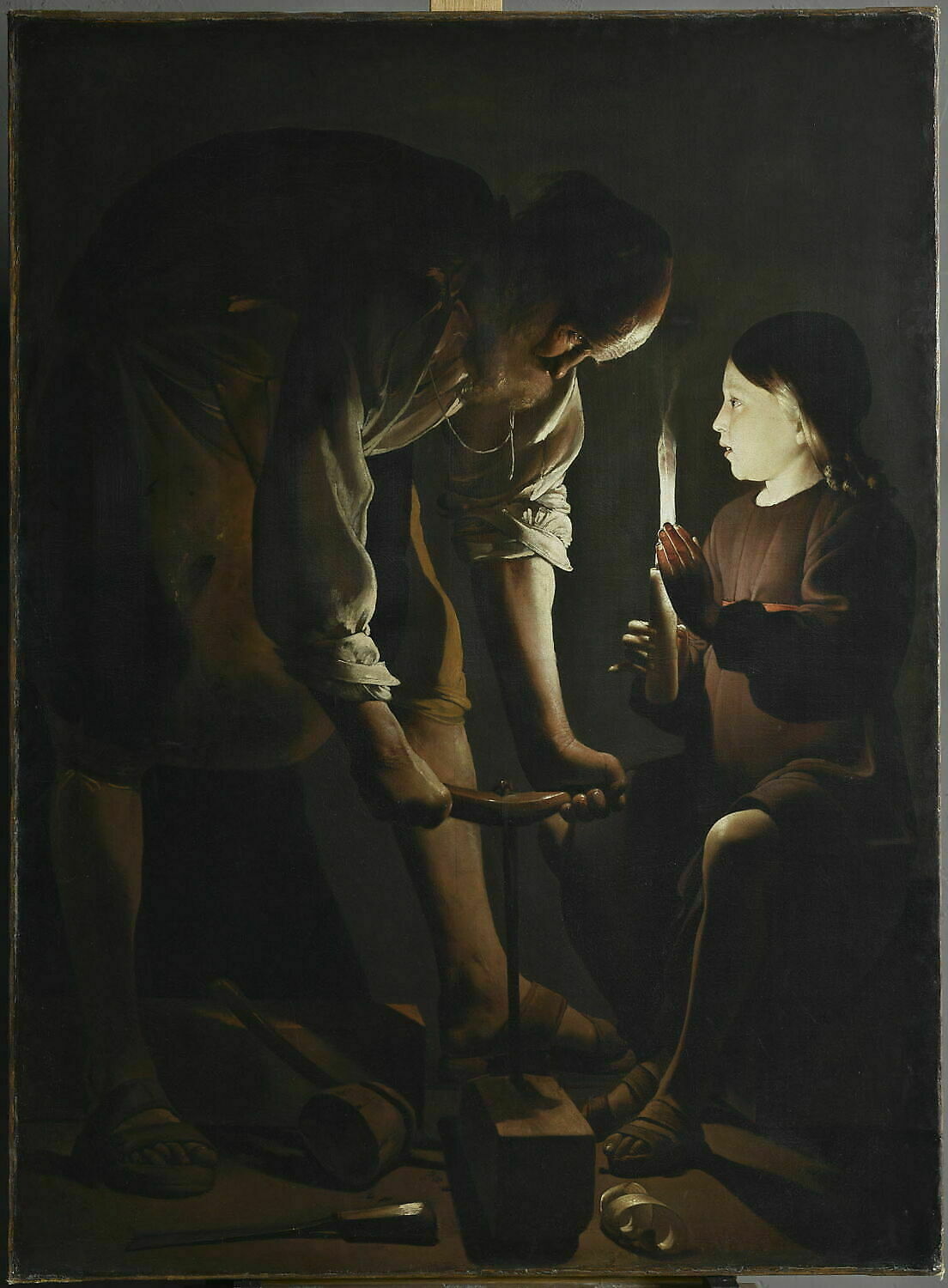
- Jesus was known in Nazareth as the carpenter, and He called all who are weary and burdened to come to Him for rest (Mark 6:3; Matthew 11:28).
- Paul commanded that anyone unwilling to work should not eat, and the law of Moses commanded that a poor hired worker be paid before sunset each day (2 Thessalonians 3:10; Deuteronomy 24:15).
What Scripture Says to the One Who Toils
Five Hebrew and Greek words name the work itself, the toil and trouble it brings, the weariness of labor and labor that wears a person out.
Every age has known long hours, hard ground, wages withheld, labor that comes to nothing and work that cannot be found. This study asks where that toil comes from, what God says to the person worn down by it and what He gives that person to do. It gathers the Hebrew and Greek words for the trial and its ground in the fall of Adam. It sets out Christ who worked and carried the anguish of His people, the laments, the people and stories of the trial, the voices of the church and the practices Scripture commands.
Melakah, work
167 uses in the canon
The Hebrew noun melakah (H4399) names work, the ordinary business of a life. The Sabbath commandment uses it: “Six days you shall labor and do all your work.”
Amal, toil and trouble
55 uses in the canon
The Hebrew noun amal (H5999) names wearing effort and the trouble it brings. Eliphaz uses it to Job: “Yet man is born to trouble as surely as sparks fly upward.”
Itstsabon, painful toil
3 uses in the canon
The Hebrew noun itstsabon (H6093) names labor that brings pain. Lamech uses it when he names his son Noah: “May this one comfort us in the labor and toil of our hands caused by the ground that the LORD has cursed.”
Yaga, to toil until weary
26 uses in the canon
The Hebrew verb yaga (H3021) means to toil until one is weary. Proverbs warns, “Do not wear yourself out to get rich; be wise enough to restrain yourself.”
Kopos, labor that wears out
18 uses in the canon
The Greek noun kopos (G2873) names labor carried to the point of weariness. Paul thanked God for the Thessalonians' “work of faith, your labor of love, and your enduring hope in our Lord Jesus Christ.”
Melakah, work, Amal, toil and trouble, Itstsabon, painful toil, Yaga, to toil until weary, Kopos, labor that wears out, The Words Amal and Kopos, the study in brief
The Key Texts on Work and Toil
Three laments voice the weariness of labor, and three promises answer it with the blessing of God on His people's work.
Laments
“Is not man consigned to labor on earth? Are not his days like those of a hired hand? Like a slave he longs for shade; like a hireling he waits for his wages. So I am allotted months of futility, and nights of misery are appointed me.
Job's complaint stands first because a righteous man speaks it, so a weary worker may pray it without shame.
Job 7:1 to 3BSB
There is a man all alone, without even a son or brother. And though there is no end to his labor, his eyes are still not content with his wealth: “For whom do I toil and bereave my soul of enjoyment?” This too is futile—a miserable task.
The verse stands here because the Teacher sets loneliness beside toil, and the two often come together.
We are closely pursued; we are weary and find no rest.
The verse stands here because it is the prayer of a whole people worn down under their conquerors.
Promises
For when you eat the fruit of your labor, blessings and prosperity will be yours.
The promise stands first because the psalm gives it to the one who fears the LORD (Psalm 128:1).
Psalm 128:2BSB
They will not labor in vain or bear children doomed to disaster; for they will be a people blessed by the LORD—they and their descendants with them.
The promise stands here because Isaiah sets it in the new heavens and new earth that God will create (Isaiah 65:17).
Isaiah 65:23BSB
And I heard a voice from heaven telling me to write, “Blessed are the dead—those who die in the Lord from this moment on.” “Yes,” says the Spirit, “they will rest from their labors, for their deeds will follow them.”
The promise stands last because it looks past death, where the other two look to this life.
Psalm 128:2, Isaiah 65:23, Revelation 14:13
Where Toil Comes From, and Christ Who Bore It
Genesis, Romans, James and Proverbs each add a cause of toil, the Psalms set it under God's rule, and the Gospels, Isaiah and Hebrews show Christ who worked and bore it.
The first cause of toil that Scripture names is the sin of Adam.
And to Adam He said: “Because you have listened to the voice of your wife and have eaten from the tree of which I commanded you not to eat, cursed is the ground because of you; through toil you will eat of it all the days of your life.The verse stands first because the other causes in this section all follow the fall it records.
For the creation was subjected to futility, not by its own will, but because of the One who subjected it, in hope that the creation itself will be set free from its bondage to decay and brought into the glorious freedom of the children of God.The verses stand here because Paul reads the curse of Genesis 3 in the light of the gospel's hope.
Look, the wages you withheld from the workmen who mowed your fields are crying out against you. The cries of the harvesters have reached the ears of the Lord of Hosts.The verse stands here because it lays the bitterness of some toil at the door of the sin of others.
The slacker craves yet has nothing, but the soul of the diligent is fully satisfied.The proverb stands here because Scripture lays some want at the door of the worker's own idleness.
Unless the LORD builds the house, its builders labor in vain; unless the LORD protects the city, its watchmen stand guard in vain.The verse stands last in this part because it sets every cause of toil under the rule of the LORD.
Christ Himself worked with His hands and bore the anguish of His people as their Saviour.
He worked as a carpenterMark 6
When Jesus taught in the synagogue of His hometown on the Sabbath, many who heard Him were astonished and asked where He had gained His wisdom.
Isn’t this the carpenter, the son of Mary and the brother of James, Joses, Judas, and Simon? Aren’t His sisters here with us as well?” And they took offense at Him.
Mark 6:3BSB His neighbours knew Him by His trade, so the Son of God spent years of His life in ordinary work.
Read the study of the Incarnation 7 sections, 28 verses set out
He worked as His Father worksJohn 5
Jesus healed a man who had been an invalid for thirty-eight years, and because He did it on the Sabbath some of the Jews began to persecute Him.
But Jesus answered them, “To this very day My Father is at His work, and I too am working.”
John 5:17BSB Jesus joins His work to the Father's, so the work of God goes on in the Son.
Read the page on Jesus 33 sections, 41 verses set out
His food was to finish the workJohn 4
At the well in Samaria His disciples urged Him to eat, and He told them that He had food to eat that they knew nothing about.
Jesus explained, “My food is to do the will of Him who sent Me and to finish His work.
John 4:34BSB Jesus names the finishing of His Father's work as what sustained Him.
He bore the anguish of His soulIsaiah 53
Isaiah 53 tells of the Servant of the LORD who suffers for the sins of His people.
After the anguish of His soul, He will see the light of life and be satisfied. By His knowledge My righteous Servant will justify many, and He will bear their iniquities.
Isaiah 53:11BSB The word for the anguish of the Servant's soul is amal, the toil and trouble of this trial, borne by Him to justify many.
He called the weary to HimselfMatthew 11
Jesus spoke this call after He had praised His Father for revealing these things to little children.
Come to Me, all you who are weary and burdened, and I will give you rest.
Matthew 11:28BSB The invitation stands here because it is Jesus' own answer to the weary.
Read the study of Come to Me, and I Will Give You Rest 8 sections, 18 verses set out
He sympathizes as High PriestHebrews 4
Hebrews calls Jesus a great high priest who has passed through the heavens.
For we do not have a high priest who is unable to sympathize with our weaknesses, but we have one who was tempted in every way that we are, yet was without sin.
Hebrews 4:15BSB The verse stands last because Christ's sympathy is the comfort a worn-out worker most needs from Him.
He worked as His Father works (John 5), His food was to finish the work (John 4), He bore the anguish of His soul (Isaiah 53), He called the weary to Himself (Matthew 11), He sympathizes as High Priest (Hebrews 4)
James 5:4, Proverbs 13:4, Psalm 127:1, Mark 6:3, John 5:17, John 4:34, Isaiah 53:11, Matthew 11:28 and 1 more
Cursed Is the Ground, the study in brief, Romans 8:20 to 21, James 5:4, the study in brief, Proverbs 13:4, Psalm 127:1, a paragraph, He worked as a carpenter (Mark 6) and 5 more
People Who Toiled
Five people of the Bible knew hard labor in the field, in service, in slavery, on the lake and in the work of the gospel.
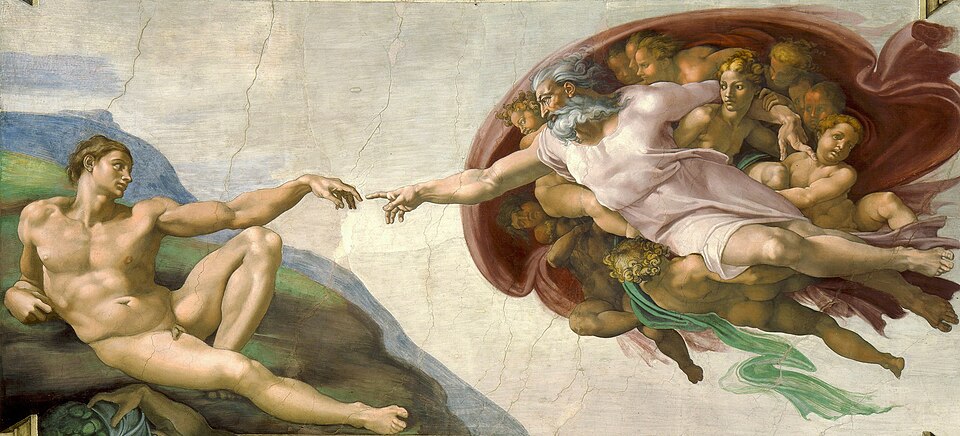
The LORD God banished him from Eden “to work the ground from which he had been taken.”
Genesis 3:23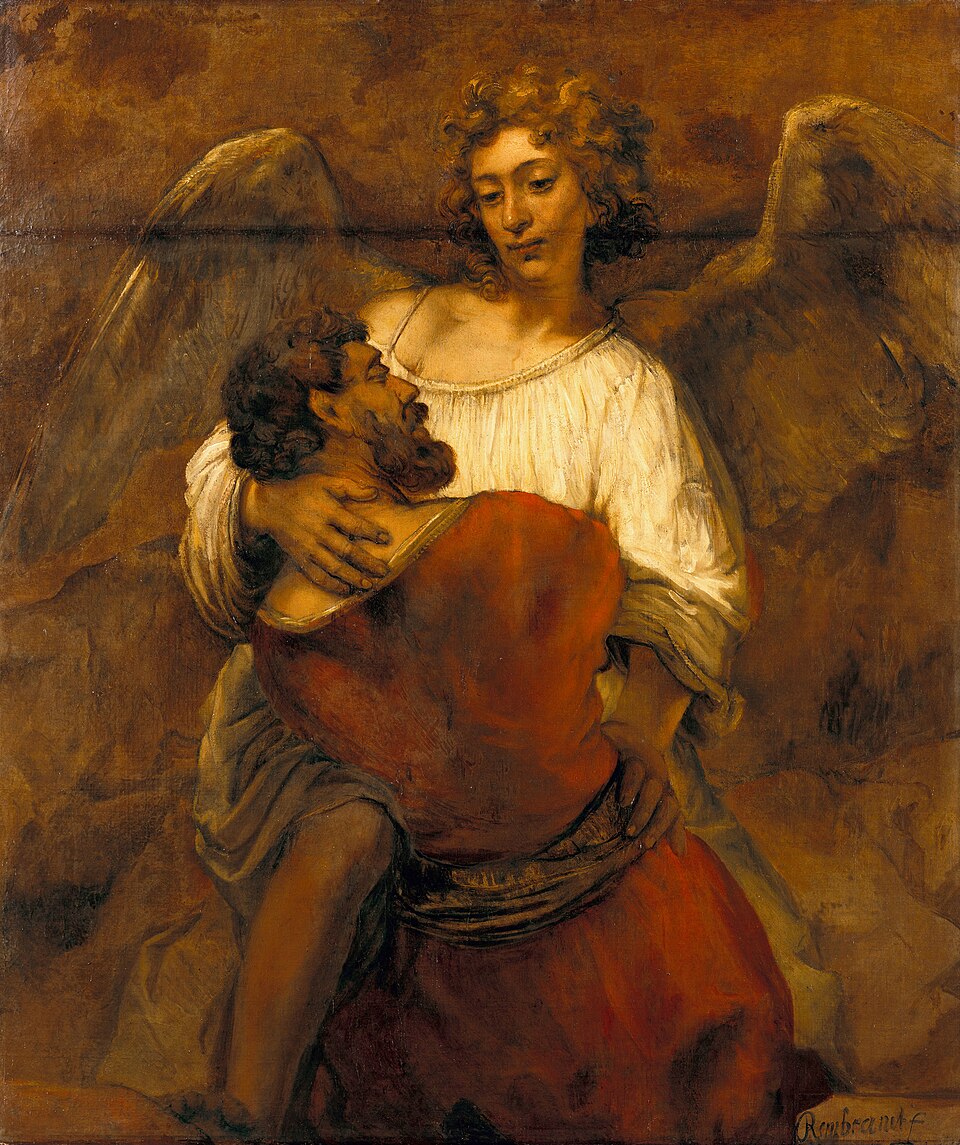
After twenty years of service he told Laban, “God has seen my affliction and the toil of my hands.”
Genesis 31:42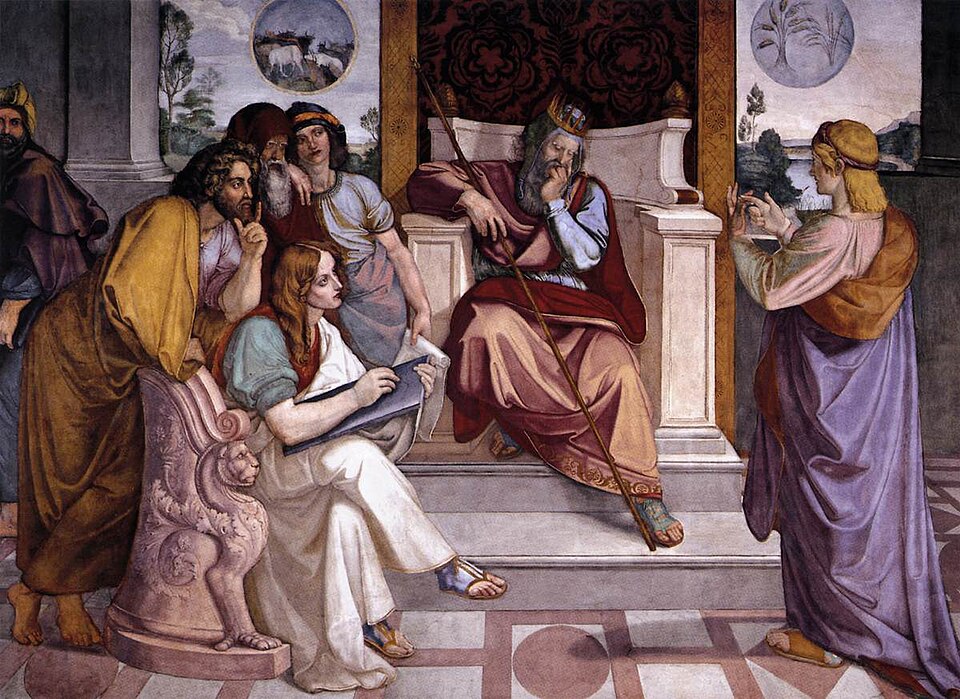
He named his firstborn Manasseh, saying, “God has made me forget all my hardship.”
Genesis 41:51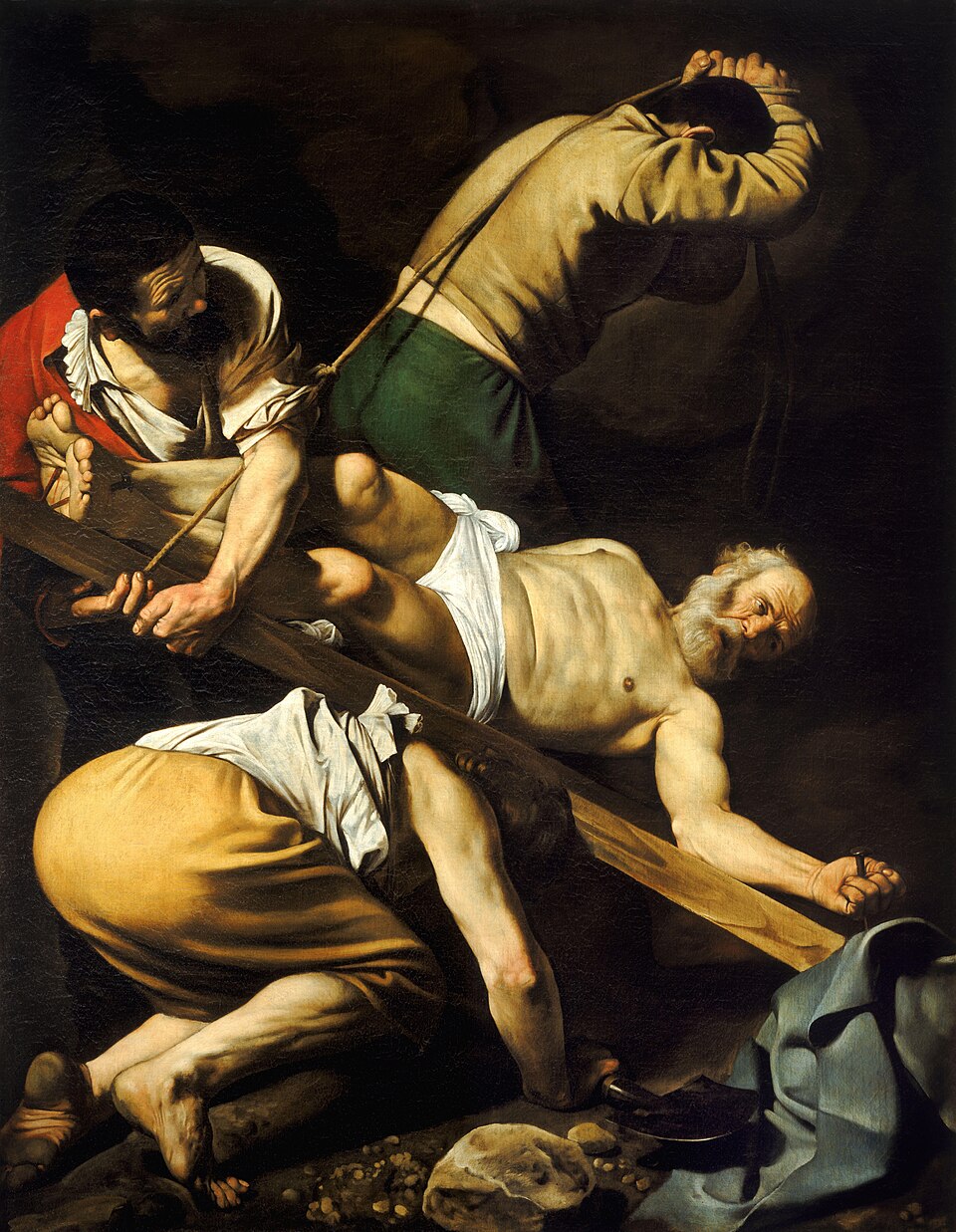

He reminded the Thessalonians, “We worked night and day so that we would not be a burden to anyone.”
1 Thessalonians 2:9
Joseph, Peter, Paul
What Scripture Gives the Worker to Do
Scripture names eight things to do in work and toil, each in the words of the verse that gives it.
- 1Work for the Lord“Whatever you do, work at it with your whole being, for the Lord and not for men.”Colossians 3:23
- 2Commit your work to Him“Commit your works to the LORD and your plans will be achieved.”Proverbs 16:3
- 3Stop work on the seventh day“the seventh day is a Sabbath to the LORD your God, on which you must not do any work.”Exodus 20:10
- 4Cast your anxiety on Him“Cast all your anxiety on Him, because He cares for you.”1 Peter 5:7
- 5Receive the enjoyment as a gift“every man should eat and drink and find satisfaction in all his labor.”Ecclesiastes 3:13
- 6Work quietly with your hands“aspire to live quietly, to attend to your own matters, and to work with your own hands.”1 Thessalonians 4:11
- 7Pay the worker his wage“You are to pay his wages each day before sunset, because he is poor and depends on them.”Deuteronomy 24:15
- 8Keep doing good“Let us not grow weary in well-doing, for in due time we will reap a harvest if we do not give up.”Galatians 6:9
Commit your work to Him, Stop work on the seventh day, Cast your anxiety on Him, Receive the enjoyment as a gift, Work quietly with your hands, Pay the worker his wage, Keep doing good
Where toil harms a worker's health, these practices stand beside the care of a doctor and never in its place.
The Prayer for the Work of Our Hands
Psalm 90 laments that human years are labor and sorrow and ends by asking God to establish the work of human hands.
Psalm 90 sets the short life of man against the God who was God before the mountains were born (Psalm 90:2).
For all our days decline in Your fury; we finish our years with a sigh. The length of our days is seventy years— or eighty if we are strong— yet their pride is but labor and sorrow, for they quickly pass, and we fly away.The verses stand first because they give the weary their own words about the shortness of life before any answer comes.
Return, O LORD! How long will it be? Have compassion on Your servants. Satisfy us in the morning with Your loving devotion, that we may sing for joy and be glad all our days. Make us glad for as many days as You have afflicted us, for as many years as we have seen evil.The verses stand here because they mark the psalm's turn from lament to request.
May the favor of the Lord our God rest upon us; establish for us the work of our hands— yes, establish the work of our hands!The verse stands last because the psalm's final request turns the whole lament into a prayer for the worker.
Psalm 90:9 to 10, Psalm 90:13 to 15, Psalm 90:17, The Lament Form in the Psalter, the study in brief
Toil in the Stories of the Bible
Three stories tell of a people worked as slaves, builders who worked under threat and a widow who gleaned to live.
Israel's forced labor in EgyptExodus 1 and 2
A new king came to power in Egypt and feared the growing number of the Israelites. The Egyptians set taskmasters over them to oppress them with forced labor, and the Israelites built Pithom and Rameses as store cities for Pharaoh (Exodus 1:11). God heard their groaning and remembered His covenant with their fathers (Exodus 2:24).
After a long time, the king of Egypt died. The Israelites groaned and cried out under their burden of slavery, and their cry for deliverance from bondage ascended to God.
Exodus 2:23BSB The cry of the enslaved workers is the cry God answers in the Exodus.
Read the story of the Exodus 11 sections, 25 verses set out
The builders of the wallNehemiah 4
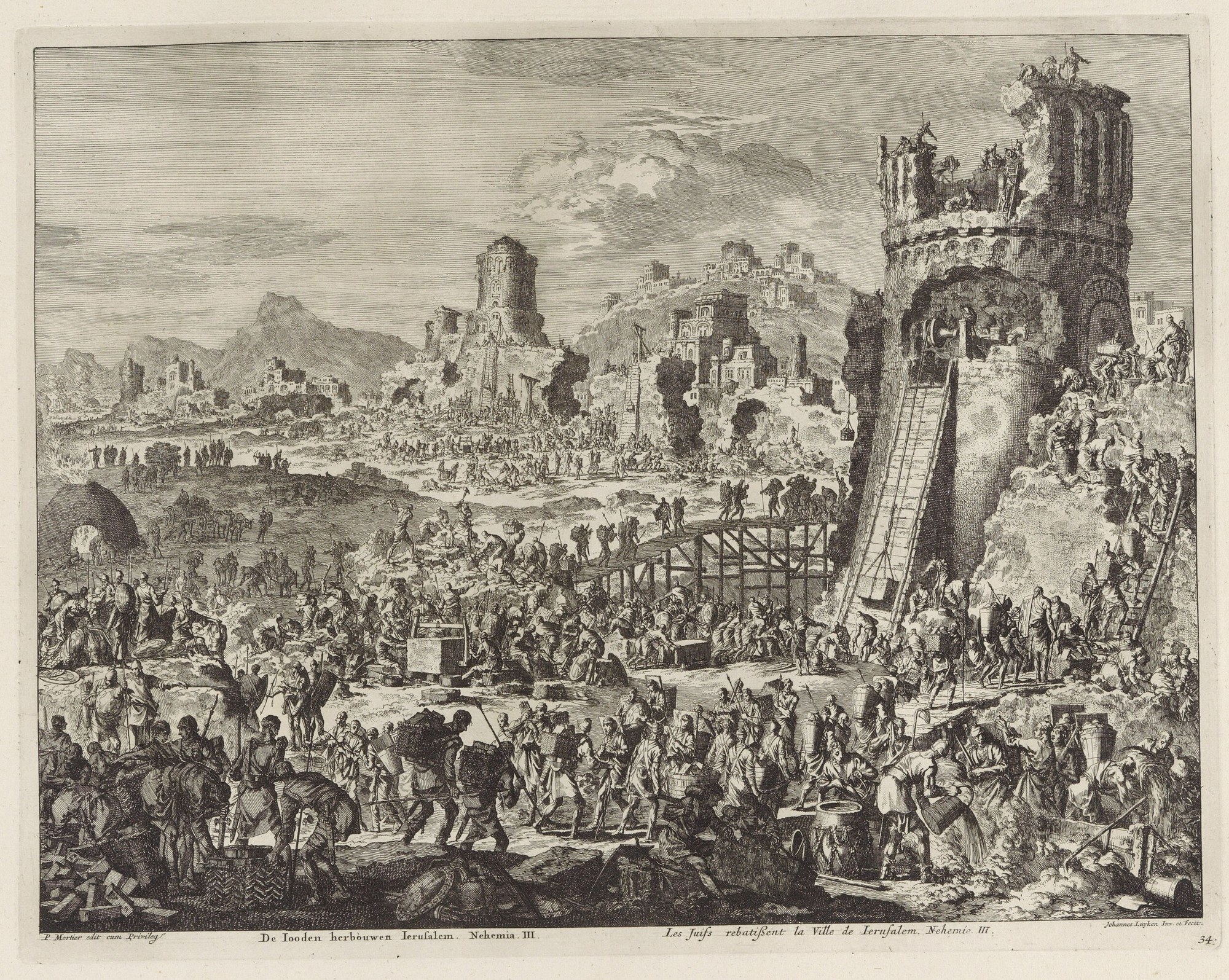
When Nehemiah led the rebuilding of Jerusalem's wall, its enemies plotted to attack the workers. From then on half of his servants did the work while the other half held spears, shields, bows and armor (Nehemiah 4:16). They continued the work while half of the men held spears from the break of dawn until the stars came out (Nehemiah 4:21).
who were rebuilding the wall. The laborers who carried materials worked with one hand and held a weapon with the other.
Nehemiah 4:17BSB Its picture of the carrier with a load and a weapon gives the study of Nehemiah 4 its name.
Read the study of Building with One Hand 8 sections, 23 verses set out
Ruth gleaning in the field of BoazRuth 2
Ruth the Moabitess came to Bethlehem with her mother-in-law Naomi at the beginning of the barley harvest (Ruth 1:22). She gleaned heads of grain behind the harvesters in the field of Boaz, who told his young men to pull out stalks from the bundles for her (Ruth 2:16). She gathered grain in the field until evening and beat out about an ephah of barley (Ruth 2:17).
She has said, ‘Please let me glean and gather among the sheaves after the harvesters.’ So she came out and has continued from morning until now, except that she rested a short time in the shelter.”
Ruth 2:7BSB Boaz heard this report of Ruth's work from his foreman (Ruth 2:6).
Read the study of Ruth 14 sections, 16 verses set out
The builders of the wall (Nehemiah 4), Ruth gleaning in the field of Boaz (Ruth 2)
Toil in the Church's History
Two accounts tell of a bishop's book against monks who would not work and a lay brother who served God in a monastery kitchen.
Augustine's On the Work of MonksAbout 401
When monasteries began at Carthage, some monks supported themselves with their own hands, and others lived on the gifts of the faithful and did no work. Aurelius, the bishop of Carthage, asked Augustine to write on the matter, and Augustine answered with On the Work of Monks. In the translation of H. Browne (1887) he wrote that monks could sing divine songs while working with their hands and so “cheer up their very toil.”
Brother Lawrence in the kitchen1666 to 1691
Nicolas Herman entered the Discalced Carmelites of Paris as a lay brother named Lawrence of the Resurrection and was set to work in the kitchen. The Abbé de Beaufort recorded his conversations from 1666. In the fourth Lawrence said that in “the noise and clutter of my kitchen” he possessed God “in as great tranquillity as if I were upon my knees at the Blessed Sacrament.” He died in February 1691.
Read the study of Brother Lawrence in the Kitchen 8 sections, 4 verses set out
Voices on Toil, by Century
Four quotations from the fifth century to the nineteenth, dated by the year each voice died, each under the line it teaches.
died 407 · John Chrysostom
John Chrysostom, who died in 407: Paul worked night and day though he had the right to rest, so others ought to work all the more.
The reading1 paragraph
In his fifth homily on Second Thessalonians John Chrysostom said that Paul, “having a right to be idle, and having undertaken so great a work, did nevertheless work”.
1662 to 1714 · Matthew Henry
Matthew Henry, who died in 1714: the best use of the wealth that labor gains is to use it cheerfully and do good with it.
The reading1 paragraph
On Ecclesiastes 2:22 Matthew Henry wrote that the best use of the wealth of this world is “to use it cheerfully, to take the comfort of it, and do good with it”.
1697 to 1771 · John Gill
John Gill, who died in 1771: the vexation of labor lies both in gaining wealth and in the thought of leaving it to others.
The reading1 paragraph
On Ecclesiastes 2:22 John Gill found “so much vexation” in a man's labor, “both in getting it, and in the thought of leaving it to others”.
1834 to 1892 · Charles Spurgeon
Charles Spurgeon, who died in 1892: diligence is a duty, and anxious toil dishonours the Lord.
The reading1 paragraph
On Psalm 127:2 Charles Spurgeon wrote, “We are bound to be diligent, for this the Lord blesses; we ought not to be anxious, for that dishonours the Lord”.
John Gill, Charles Spurgeon
How Toil Has Been Taught
Adam Clarke in 1832 and Jamieson, Fausset and Brown in 1871 taught on the prayer for lasting work and the sleep God gives to those who labor.
Clarke read the prayer for established work as a prayer for the rebuilding of the temple.1 paragraph
In his Commentary on the Bible Adam Clarke wrote that the heathens and Samaritans around the builders “wished to hinder” the work. He put the prayer of Psalm 90:17 in the builders' own words, “We have begun, do not let them demolish our work”.
Jamieson, Fausset and Brown taught that the sleep God gives is a reason to trust Him in labor.1 paragraph
On Psalm 127:2 Jamieson, Fausset and Brown wrote that God's “providential care gives sleep which no efforts of ours can otherwise procure”. They added that this “is a reason for trust as to other things”.
Where the Science Speaks
One review of long-term studies has measured what the loss of work does to the mind.
Sterud and his colleagues (2025, Occupational and Environmental Medicine) reviewed 38 prospective longitudinal studies. Their results suggest that unemployment increases the risk of mental health problems such as depression, anxiety and distress, and that finding work again may reduce it. The authors rated the certainty of the evidence as low. The finding agrees with the care Scripture commands for the one who cannot find work.
Without Work, the study in brief
The Studies of Work and Toil
Each study takes one text, story, word or question of work and toil into more depth.
The texts
2 studies
- Passages and psalms · 9 verses set outCursed Is the Ground
Genesis 3:17 to 19 is the last of God's three sentences after the fall, spoken to Adam after the serpent and the woman.
- Passages and psalms · 17 verses set outWhat Does a Man Get for All His Toil?
Ecclesiastes 2:18 to 26 closes the Teacher's royal experiment with his verdict on the labor of a lifetime.
- Passages and psalms · 9 verses set outCursed Is the Ground
The stories
2 studies
- Stories · 4 verses set outBrother Lawrence in the Kitchen
Brother Lawrence, cook to a Carmelite house in Paris, taught that the busiest work could be done in the presence of God.
- Stories · 23 verses set outBuilding with One Hand
Nehemiah 4 tells how the people of Judah rebuilt the wall of Jerusalem under threat of attack, with a weapon always within reach.
- Stories · 4 verses set outBrother Lawrence in the Kitchen
The words
1 study
- Symbols and words · 10 verses set outThe Words Amal and Kopos
A word study of the Hebrew noun amal and the Greek noun kopos, the words behind much of the toil and labor of the Berean text.
- Symbols and words · 10 verses set outThe Words Amal and Kopos
The practice
1 study, 1 linked page
- Subjects · 18 verses set outWithout Work
Scripture commands work of those who are able, and it gives the man without work, the sick and the old a worth before God that work does not earn.
- Subjects · 48 verses set outWork and Vocation
Work in Scripture from God's six days and the garden of Eden to the law of the Sabbath and the letters of Paul, with the Reformers' teaching on calling.
- Subjects · 18 verses set outWithout Work
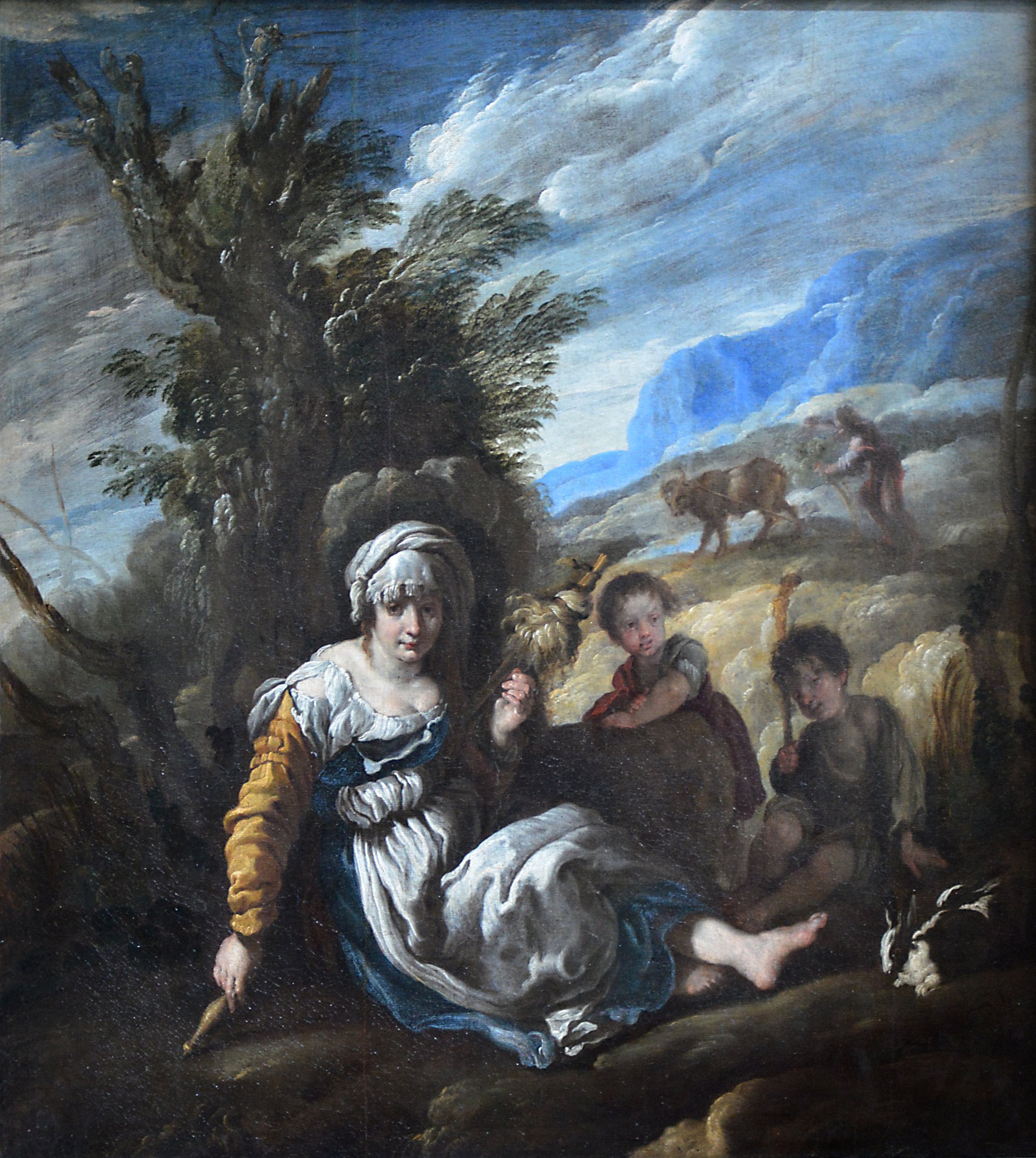
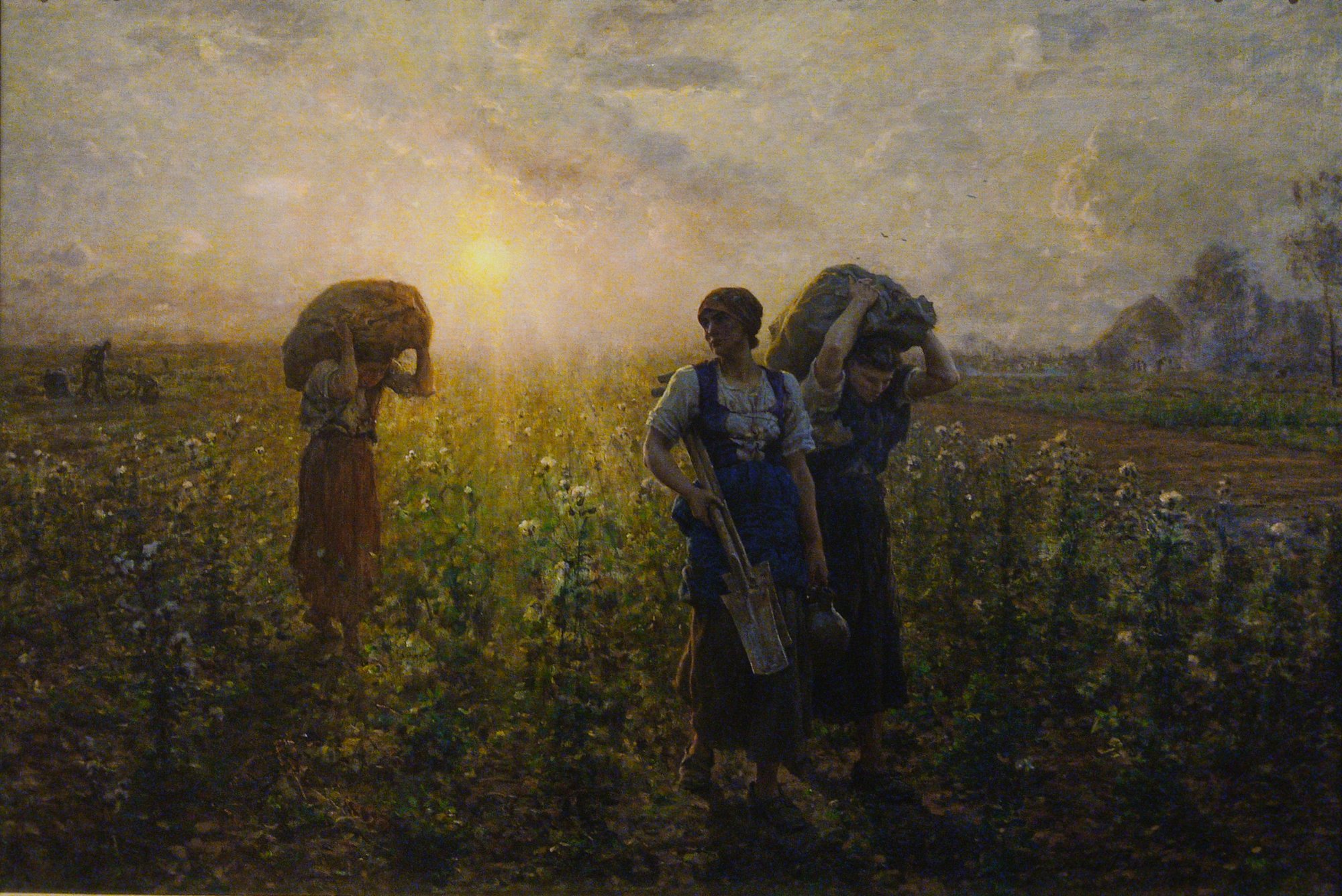
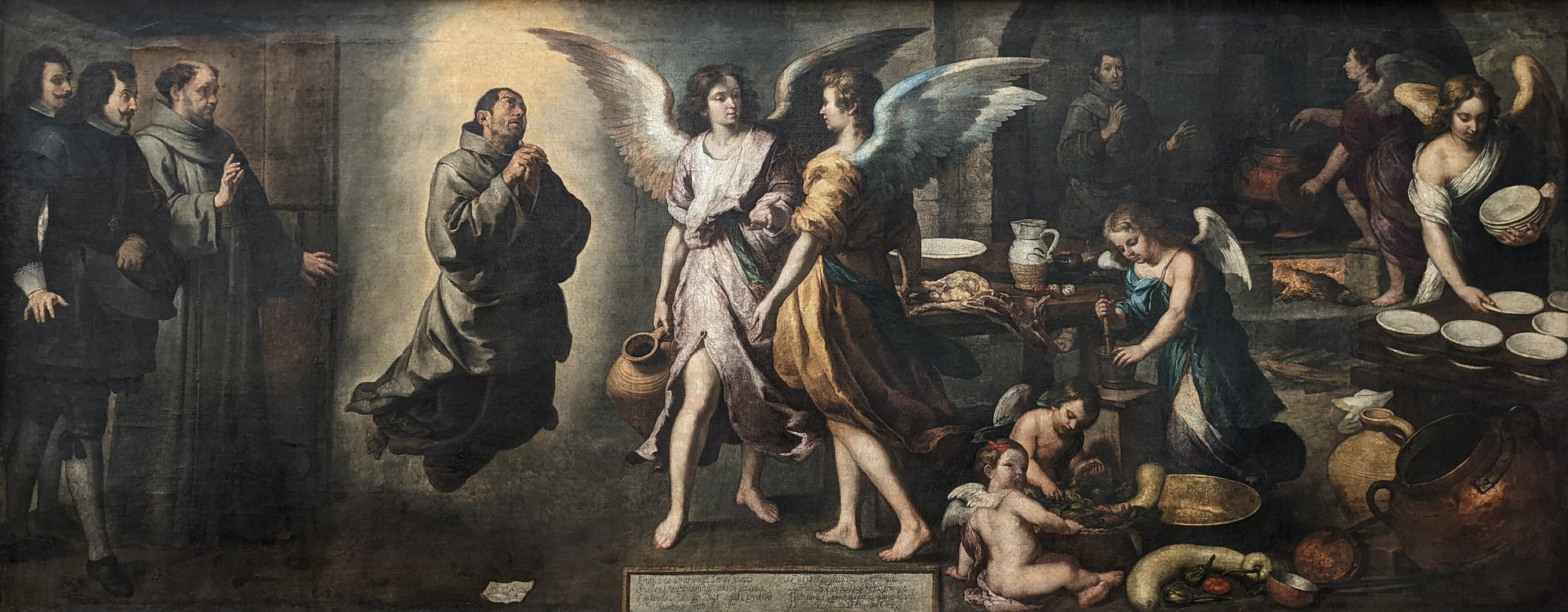
What Does a Man Get for All His Toil?, Brother Lawrence in the Kitchen, Building with One Hand, The Words Amal and Kopos, Without Work, Work and Vocation
Where Readers Disagree
Six readings answer three questions, each with its holders, the work that argues it and the objection raised against it.
What the curse did to work (Genesis 3:17 to 19)
Read the study of Cursed Is the Ground 6 sections, 9 verses set out
| Reading | Held by | Work | Objection |
|---|---|---|---|
| The work of Eden was not toilsome, and toil came only with the sentence after sin | Augustine of Hippo (Latin patristic writing) | Augustine of Hippo, On Genesis against the Manichaeans, book 2, chapter 11, section 15 | Eden's work already had a task to guard and keep (Genesis 2:15), and Scripture does not say whether that task was free of effort. |
| God laid toil on Adam as a discipline, so that hard labor would keep him mindful of his disobedience | John Chrysostom (Greek patristic writing) | John Chrysostom, Homilies on Genesis, homily 17, sections 40 and 41 | The sentence on Adam ends with death and a return to the dust (Genesis 3:19), so the toil is part of a judgment and more than a lesson. |
What Ecclesiastes 2:24 commends
Read the study of What Does a Man Get for All His Toil? 5 sections, 17 verses set out
| Reading | Held by | Work | Objection |
|---|---|---|---|
| The cheerful use of what labor gains is the good the Teacher recommends as the gift of God | Matthew Henry (English Nonconformist) | Matthew Henry, Commentary on the Whole Bible (1710), on Ecclesiastes 2:24 to 26 | The Teacher closes the same passage with the words “This too is futile and a pursuit of the wind” (Ecclesiastes 2:26). |
| The Hebrew denies that eating and drinking are man's good, and the English gives a seemingly Epicurean sense | Jamieson, Fausset and Brown, following Weiss (Scottish Presbyterian commentary) | Jamieson, Fausset and Brown, Commentary Critical and Explanatory (1871), on Ecclesiastes 2:24 | The Teacher says the same thing again in Ecclesiastes 3:13 and calls it “the gift of God”. |
How to read the builders of Nehemiah 4:17
Read the study of Building with One Hand 8 sections, 23 verses set out
| Reading | Held by | Work | Objection |
|---|---|---|---|
| The verse is a proverbial saying to be taken figuratively of working out salvation with the weapons of spiritual warfare | John Wesley (Methodist) | John Wesley, Explanatory Notes upon the Old Testament (1765), on Nehemiah 4:17 | The next verse says that each of the builders worked with his sword strapped at his side (Nehemiah 4:18). |
| The verse records Nehemiah's measures of defence, by which the wall was finished under threat | Jamieson, Fausset and Brown (Scottish Presbyterian commentary) | Jamieson, Fausset and Brown, Commentary Critical and Explanatory (1871), on Nehemiah 4:7 to 21 | A carrier with a load in one hand could hardly fight with the other, which is why Wesley read the verse as a proverb. |
Every Text on Work
Eight verses the older tag page on work gathered, in the Berean wording, and the essay that stood on that page.
Beginnings
Then the LORD God took the man and placed him in the Garden of Eden to cultivate and keep it.
The verse stands here because the older essay opens on it, and the study Cursed Is the Ground teaches it.
Genesis 2:15BSB
By the sweat of your brow you will eat your bread, until you return to the ground—because out of it were you taken. For dust you are, and to dust you shall return.”
The older essay quotes this verse in the King James wording, and the card gives it in the Berean.
Genesis 3:19BSB
Wisdom
Walk in the manner of the ant, O slacker; observe its ways and become wise.
The verse stands here because the older essay names it, and the study The Sluggard in Proverbs teaches it.
Proverbs 6:6BSB
There is profit in all labor, but mere talk leads only to poverty.
The verse stands here because the older essay names it beside Proverbs 6:6.
Whatever you find to do with your hands, do it with all your might, for in Sheol, where you are going, there is no work or planning or knowledge or wisdom.
The verse stands here because the older essay names it for the Teacher's counsel on labor.
Gospels and letters
About the eleventh hour he went out and found still others standing around. ‘Why have you been standing here all day long doing nothing?’ he asked.
The verse stands here because the older essay tells the parable it belongs to.
Matthew 20:6BSB
While it is daytime, we must do the works of Him who sent Me. Night is coming, when no one can work.
The older essay cites these words of Jesus from the King James Version.
John 9:4BSB
For even while we were with you, we gave you this command: “If anyone is unwilling to work, he shall not eat.”
The verse stands here because the older essay closes its account of Paul on it, and the study Without Work teaches it.
Proverbs 6:6, Proverbs 14:23, Ecclesiastes 9:10, Matthew 20:6, John 9:4, 2 Thessalonians 3:10
The essay that stood on the tag page Work8 paragraphs
Work begins in the garden, before anything went wrong. God placed the man in Eden "to dress it and to keep it" (Genesis 2:15), and gave Adam and Eve the task of filling the earth and caring for it (Genesis 1:28). Work is not a punishment. It is part of what it means to be made in God's image.
Sin changes how work feels. After the fall, the ground is cursed, and Adam is told he will eat bread "in the sweat of thy face" (Genesis 3:19). Work becomes hard, frustrating, sometimes fruitless. But the task itself was never the curse. The thorns and the sweat are.
The rest of the Old Testament treats ordinary work as a place where faith is lived out. The Ten Commandments assume six days of labor as the normal shape of a life, with the seventh day set apart for rest (Exodus 20:9-10). Proverbs sends the lazy man to watch an ant, which works hard with no one standing over it, and warns that laziness leads to poverty while diligent hands bring plenty (Proverbs 6:6; 14:23). The book ends by praising a woman who works with willing hands, trades wisely, and is never idle (Proverbs 31:13, 27).
Ecclesiastes is honest about the frustration of labor "under the sun," the sense that toil can feel like chasing the wind. Yet even there, the Preacher concludes that enjoying the fruit of one's work is itself a gift from God, not something to feel guilty about (Ecclesiastes 9:10; 5:18-19).
Jesus himself worked with his hands before he began his public ministry, known in his hometown as "the carpenter" (Mark 6:3). When he began to teach, he described his own mission in the same terms: "My Father worketh hitherto, and I work" (John 5:17). He told a blind man's questioners that he "must work the works of him that sent me, while it is day" (John 9:4), treating his healing and teaching as work with a deadline, work that mattered.
Jesus also told a story about laborers hired at different hours of the day, all paid the same generous wage by a master who owed them nothing extra and gave it anyway, a picture of grace that unsettles anyone measuring worth by hours logged (Matthew 20:1-16).
The early church carried this same respect for ordinary labor forward. Paul, a tentmaker by trade, worked with his hands so he would not be a burden to the churches he served (Acts 18:3; 1 Thessalonians 2:9). He told the Colossians that whatever they did, they should work at it heartily, "as to the Lord, and not unto men," because it is Christ they are ultimately serving (Colossians 3:23-24). To a church tempted toward idleness, he was blunt: if a man will not work, he should not eat either (2 Thessalonians 3:10).
Scripture never treats work as beneath the spiritual life. It treats it as one of the ordinary places faith gets lived out, in a shop, a field, a kitchen, an office, offered up to Christ, who himself labored among us and now works still.
Sources
Scripture is the Berean Standard Bible.
- STEP Bible brief lexicons of Extended Strongs for Hebrew and for Greek (Tyndale House, Cambridge), CC BY 4.0, with the Strong's glosses.
- Augustine of Hippo, On the Work of Monks, with the note from the Retractations 2.21, translated by H. Browne, Nicene and Post-Nicene Fathers, first series, volume 3 (Buffalo: Christian Literature Publishing, 1887)
- Brother Lawrence, The Practice of the Presence of God: The Best Rule of Holy Life, being Conversations and Letters of Brother Lawrence (London: Epworth Press, printed between 1932 and 1948), the Fourth Conversation.
- Donald Attwater, editor's introduction to Brother Lawrence, The Practice of the Presence of God (London: Burns and Oates, first published 1926), pages iii to v and the contents page.
- T. Sterud, L. K. Lunde, R. Berg, K. I. Proper and F. Aanesen, Mental health effects of unemployment and re-employment: a systematic review and meta-analysis of longitudinal studies, Occupational and Environmental Medicine 82, no. 7 (2025): 343 to 353.
- Augustine of Hippo, On Genesis against the Manichaeans, book 2, chapter 11, section 15.
- John Chrysostom, Homilies on Genesis, homily 17, sections 40 and 41.
- John Chrysostom, Homilies on Second Thessalonians, homily 5 (NPNF 1.13)
- John Gill, Exposition of the Old Testament (1748 to 1763), on Ecclesiastes 2:22.
- John Wesley, Explanatory Notes upon the Old Testament (1765), on Nehemiah 4:17.
- Charles Spurgeon, The Treasury of David, volume 7 (1885), on Psalm 127:2.
- Matthew Henry, Commentary on the Whole Bible (1710), on Ecclesiastes 2:22 and 2:24 to 26.
- Adam Clarke, Commentary on the Bible (1832), on Psalm 90:17.
- Robert Jamieson, A. R. Fausset and David Brown, Commentary Critical and Explanatory on the Whole Bible (1871), on Ecclesiastes 2:24, Nehemiah 4:7 to 21 and Psalm 127:2.
Keep Studying
Studies7
In this trial6
People and groups19
Show the next 6 titles
Show the next 6 titles
Symbols1
Doctrines7
Subjects6
Trials of life3