
Isaiah 65:23
in Isaiah 65They will not labor in vain or bear children doomed to disaster; for they will be a people blessed by the LORD—they and their descendants with them.
BSB
The same verse in ASV and KJV ▾
ASV
They shall not labor in vain, nor bring forth for calamity; for they are the seed of the blessed of Jehovah, and their offspring with them.
KJV
They shall not labour in vain, nor bring forth for trouble; for they are the seed of the blessed of the Lord, and their offspring with them.
⋯
This verse in Isaiah 65
Commentary
3 notes on this verse(Verse 23) For according to the days of a tree, the days of my people will be, and the work of their hands will grow old with my chosen. They will not labor in vain, nor bring forth children in trouble, for they are the offspring of the blessed of the Lord, and their descendants will be with them. LXX: For as the days of a tree, so shall be the days of my people: and the works of their hands shall be multiplied.
This site's exposition
the child shall die an hundred years old
on Isaiah 65:20-23
The child shall die an hundred years old describes death itself as a rarity rather than an infant's common fate, length of days pictured as the ordinary case and a shortened life as the sinner's exception. Jamieson, Fausset and Brown read the picture as necessarily describing an order still touched by death and sin, since a sinner can still die at a hundred years, an intermediate age between this present one and the eternal state where Revelation twenty-one pictures no more death at all: the millennial reading, the site's own, and the one the verses' plain arithmetic supports. Calvin reads the same verses as figurative for the security of the whole gospel age, and the note names that reading while stating its cost, that it must dissolve the passage's own numbers into figure and leaves the hundred-year sinner with nothing to count. The promise stands either way at its plainest: they shall build houses and inhabit them, they shall not labour in vain, and mine elect shall long enjoy the work of their hands, a reversal of the curse named in Deuteronomy twenty-eight where another eats what a man plants.
The record, by era
The Puritans and the Awakening1 voice
He will make the times that come after comfortable to their children. As they shall be good, so it shall be well with them; they shall not be brought forth to days of trouble; nor shall it ever be said, Blessed is the womb that bore not. In the gospel church Christ's name shall be borne up by a succession.
The words behind it
13 Hebrew wordsEvery Hebrew word of this verse in the order it stands, with what it means and the door to its own study. The last column counts the times a word stands in the whole Bible: the rarer the word, the more the places it appears belong together.
| Hebrew | Sound | Meaning | Word study | In the Bible |
|---|---|---|---|---|
| לֹ֤א | lo' | not | H3808 → | 5168 times |
| יִֽיגְעוּ֙ | yigeu | they will labor | H3021 → | 26 times |
| לָרִ֔יק | larik | to <the> emptiness | H7385 → | 12 times |
| וְלֹ֥א | velo' | and not | H3808 → | 5168 times |
| יֵלְד֖וּ | yeledu | they will father children | H3205 → | 496 times |
| לַבֶּהָלָ֑ה | labehalah | for <the> sudden terror | H928 → | |
| כִּ֣י | ki | for | H3588 → | 4482 times |
| זֶ֜רַע | zera' | [will be] [the] offspring of | H2233 → | 229 times |
| בְּרוּכֵ֤י | berukhei | [those] blessed of | H1288 → | 330 times |
| יְהוָה֙ | yahweh | Yahweh | H3068 → | 6520 times |
| הֵ֔מָּה | hemah | they | H1992 → | 553 times |
| וְצֶאֱצָאֵיהֶ֖ם | vetzeetzaeihem | and descendants their | H6631 → | 11 times |
| אִתָּֽם׃ | ʾitam | [will be] with them | H854 → | 929 times |
לֹ֤אnot
lo'H3808 →5168 times
יִֽיגְעוּ֙they will labor
yigeuH3021 →26 times
לָרִ֔יקto <the> emptiness
larikH7385 →12 times
וְלֹ֥אand not
velo'H3808 →5168 times
יֵלְד֖וּthey will father children
yeleduH3205 →496 times
לַבֶּהָלָ֑הfor <the> sudden terror
labehalahH928 →
כִּ֣יfor
kiH3588 →4482 times
זֶ֜רַע[will be] [the] offspring of
zera'H2233 →229 times
בְּרוּכֵ֤י[those] blessed of
berukheiH1288 →330 times
יְהוָה֙Yahweh
yahwehH3068 →6520 times
הֵ֔מָּהthey
hemahH1992 →553 times
וְצֶאֱצָאֵיהֶ֖םand descendants their
vetzeetzaeihemH6631 →11 times
אִתָּֽם׃[will be] with them
ʾitamH854 →929 times
A shaded row is a word that stands 400 times or fewer in the Bible.
The walk
8 stopsEach card is a verse this one points to, and under it the verses that one points to in turn. Where several paths arrive at the same place, that place is listed first: the text keeps returning to it.
Through
Acts 2:39This promise belongs to you and your children and to all who are far off—to all whom the Lord our God will call to Himself.”
it leads to
- Isaiah 44:3
For I will pour water on the thirsty land, and currents on the dry ground. I will pour out My Spirit on your descendants, and My blessing on your offspring.
Reached by 2 separate paths from here.
- Romans 8:30
And those He predestined, He also called; those He called, He also justified; those He justified, He also glorified.
- Genesis 17:7–8
I will establish My covenant as an everlasting covenant between Me and you and your descendants after you, to be your God and the God of your descendants after you.
- Joel 2:32
And everyone who calls on the name of the LORD will be saved; for on Mount Zion and in Jerusalem there will be deliverance, as the LORD has promised, among the remnant called by…
- 1 Peter 5:10
And after you have suffered for a little while, the God of all grace, who has called you to His eternal glory in Christ, will Himself restore you, secure you, strengthen you, and establish…
- Isaiah 44:3
Through
Isaiah 61:9Their descendants will be known among the nations, and their offspring among the peoples. All who see them will acknowledge that they are a people the LORD has blessed.
it leads to
- Psalms 115:14
May the LORD give you increase, both you and your children.
- Acts 3:26
When God raised up His Servant, He sent Him first to you to bless you by turning each of you from your wicked ways.”
- Genesis 22:18
And through your offspring all nations of the earth will be blessed, because you have obeyed My voice.”
- Psalms 115:14
Where this verse is studied
1 study on this verse
Also on Isaiah 65: 3 studies that walk through this chapter ▾
About Isaiah
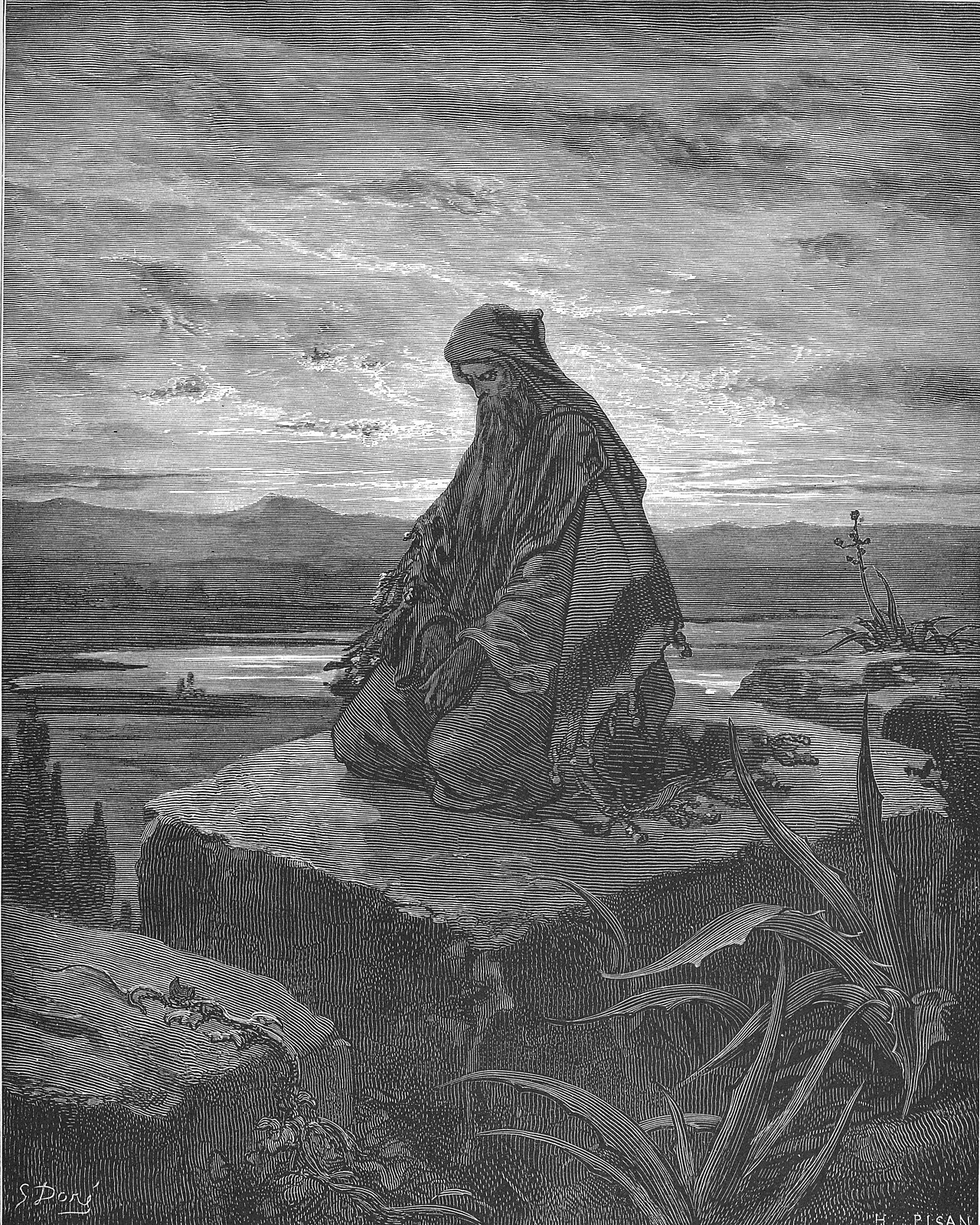
This page draws on Jamieson, Fausset and Brown, Commentary Critical and Explanatory on the Whole Bible; Jerome, Commentary on Isaiah; John Calvin, Commentary on the Book of the Prophet Isaiah and Matthew Henry, Commentary on the Whole Bible.