
Ecclesiastes 12 · Trial 20 of 21 · Featured Study
Purpose and Futility
Futility is the sense that a person's work and days come to nothing under the sun.
After he had shown that Christ was raised, Paul told the Corinthians, “your labor in the Lord is not in vain” (1 Corinthians 15:58).
When all has been heard, the conclusion of the matter is this: Fear God and keep His commandments, because this is the whole duty of man.
- Anchor text
- Ecclesiastes 12:13 “When all has been heard, the…”
- The lament
- Psalm 39:4 to 7 “Show me, O LORD, my end and the…”
- Hold in memory
- Ecclesiastes 12:13, Colossians 1:16
Summary
Ecclesiastes weighs pleasure, building, wealth and wisdom and finds that none of them lasts under the sun. The book of Job and the psalms record believers who said that their days and their faithfulness seemed empty. Against that weight Scripture sets the purpose of God, which stands over every human plan and gives each life its end.
- Scripture traces futility to the curse on the ground after the fall, to the shortness of every life, and to the worship of idols.
- Paul writes that the creation was subjected to futility in hope of its freedom.
- Jesus set the will of His Father above food and completed on the cross the work He was given.
- Christ redeemed His people from an empty way of life by His own blood.
- Psalm 39 gives the one who feels that his life is a breath words to pray to God.
What Scripture Says to the One Who Finds Life Futile
Two Hebrew nouns and three Greek nouns name futility, the pursuit of the wind, purpose and the goal.
This study asks what Scripture says to a person who finds life futile and wonders what it is for. It shows where futility comes from, where Christ bore it, and what God gives a person to do in it. It gives the Hebrew and Greek words for futility and for purpose and the key texts in their Berean words. It sets out the lament of Psalm 39 and the people and stories of purpose and futility in the Bible and in the church. It also gives the voices of the church and three questions on which readers disagree.
Hebel, a breath
The Hebrew noun hebel (H1892) is glossed emptiness or vanity, and in Job and the Psalms the Berean text renders it a breath. The Teacher opens his book with it: “Futility of futilities,” says the Teacher, “futility of futilities! Everything is futile!”
Reuth, a grasping after
7 uses in the canon
The Hebrew noun reuth (H7469) is glossed a feeding upon, a grasping after. Every use is in Ecclesiastes, and the Berean text renders the phrase a pursuit of the wind. The Teacher says of all labour and success, “This too is futile and a pursuit of the wind.”
Mataiotes, futility
3 uses in the canon
The Greek noun mataiotes (G3153) means futility. Paul uses it of the creation in Romans 8:20, and of a way of thinking: “you must no longer walk as the Gentiles do, in the futility of their thinking.”
Prothesis, purpose
12 uses in the canon
The Greek noun prothesis (G4286) is glossed a setting forth, an intention. In the Gospels it names the consecrated bread set out in the house of God. In Paul's letters it names the purpose of God, “who works out everything by the counsel of His will”.
Skopos, the goal
1 use in the canon
The Greek noun skopos (G4649) means the goal. It stands once in the New Testament, where Paul pictures himself pressing on toward a prize.
Hebel, a breath, Reuth, a grasping after, Mataiotes, futility, Prothesis, purpose, Skopos, the goal, Hebel: the word the Berean text renders futility, the study in brief, I Press On, the study in brief
The Key Texts on Purpose and Futility
Texts from wisdom, the prophets, the Gospels and the letters, each with its Berean words.
Wisdom
He has made everything beautiful in its time. He has also set eternity in the hearts of men, yet they cannot fathom the work that God has done from beginning to end.
It names the longing for what lasts that God Himself set in the human heart.
Prophets
But I said, “I have labored in vain, I have spent My strength in futility and vanity; yet My vindication is with the LORD, and My reward is with My God.”
It gives the one who feels his work was wasted a pattern of leaving its outcome with God.
Isaiah 49:4BSB
Why spend money on that which is not bread, and your labor on that which does not satisfy? Listen carefully to Me, and eat what is good, and your soul will delight in the richest of foods.
It is God's own invitation to a person whose labour has left him hungry.
Isaiah 55:2BSB
Gospels
What will it profit a man if he gains the whole world, yet forfeits his soul? Or what can a man give in exchange for his soul?
Jesus weighs the whole world against a person's soul, which is the question of every life's purpose.
Letters
For in Him all things were created, things in heaven and on earth, visible and invisible, whether thrones or dominions or rulers or authorities. All things were created through Him and for Him.
Paul says all things were made through Christ and for Him, which gives every creature its end.
For from Him and through Him and to Him are all things. To Him be the glory forever! Amen.
It gives the final answer to the question of what all things are for.
Romans 11:36BSB
Isaiah 49:4, Isaiah 55:2, Matthew 16:26, Colossians 1:16, Romans 11:36
Where Futility Comes From and Where Christ Bore It
Scripture shows how futility entered human life, how God rules over it, and where Christ bore it.
And to Adam He said: “Because you have listened to the voice of your wife and have eaten from the tree of which I commanded you not to eat, cursed is the ground because of you; through toil you will eat of it all the days of your life. Both thorns and thistles it will yield for you, and you will eat the plants of the field. By the sweat of your brow you will eat your bread, until you return to the ground—because out of it were you taken. For dust you are, and to dust you shall return.”After the fall God cursed the ground, so human work became toil that ends in the dust.
For the creation was subjected to futility, not by its own will, but because of the One who subjected it, in hope that the creation itself will be set free from its bondage to decay and brought into the glorious freedom of the children of God.It sets every groan of a world in decay under God's rule and points it toward an end.
I hated all for which I had toiled under the sun, because I must leave it to the man who comes after me. And who knows whether that man will be wise or foolish? Yet he will take over all the labor at which I have worked skillfully under the sun. This too is futile.The Teacher sees that death hands every labour to another, which is the second source of futility.
The third source is a person's own sin, above all the worship of what is not God.
This is what the LORD says: “What fault did your fathers find in Me that they strayed so far from Me, and followed worthless idols, and became worthless themselves?God says His people followed worthless idols and became worthless themselves, so idolatry empties a life.
Many plans are in a man’s heart, but the purpose of the LORD will prevail.It sets the many plans of a human heart under the purpose of the LORD, which does not fail.
His food was the Father's willJohn 4
At the well in Samaria the disciples urged Jesus to eat. He told them, “I have food to eat that you know nothing about” (John 4:32).
Jesus explained, “My food is to do the will of Him who sent Me and to finish His work.
John 4:34BSB It shows the Son drawing strength from obedience, the reverse of labour that leaves a person empty.
His finished workJohn 19
On the night before He died, Jesus prayed, “I have glorified You on earth by accomplishing the work You gave Me to do” (John 17:4).
When Jesus had received the sour wine, He said, “It is finished.” And bowing His head, He yielded up His spirit.
John 19:30BSB Jesus' last word from the cross declares His work complete, a life that reached its end.
Read the story of The Crucifixion 12 sections, 17 verses set out
His people redeemed from an empty way of life1 Peter 1
Peter wrote to believers living as exiles in five provinces of Asia Minor (1 Peter 1:1).
For you know that it was not with perishable things such as silver or gold that you were redeemed from the empty way of life you inherited from your forefathers, but with the precious blood of Christ, a lamb without blemish or spot.
1 Peter 1:18 to 19BSB Christ bore the cost of rescuing His people from a life inherited in emptiness, by His own blood.
His resurrection1 Corinthians 15
Some in Corinth said that there is no resurrection of the dead. Paul answered that the faith stands or falls with the raising of Christ.
And if Christ has not been raised, your faith is futile; you are still in your sins. Then those also who have fallen asleep in Christ have perished. If our hope in Christ is for this life alone, we are to be pitied more than all men. But Christ has indeed been raised from the dead, the firstfruits of those who have fallen asleep.
1 Corinthians 15:17 to 20BSB Paul answers the fear that hope in Christ reaches no further than this life.
His sympathy as High PriestHebrews 4
Hebrews was written to believers in danger of growing weary and losing heart (Hebrews 12:3), and it points them to their high priest in heaven.
For we do not have a high priest who is unable to sympathize with our weaknesses, but we have one who was tempted in every way that we are, yet was without sin.
Hebrews 4:15BSB The verse tells the weary that Christ knows human weakness from within and was tempted without sin.
His finished work (John 19), His people redeemed from an empty way of life (1 Peter 1), His resurrection (1 Corinthians 15), His sympathy as High Priest (Hebrews 4)
Ecclesiastes 2:18 to 19, Jeremiah 2:5, Proverbs 19:21, John 4:34, John 19:30, 1 Peter 1:18 to 19, 1 Corinthians 15:17 to 20, Hebrews 4:15
The Fall & the Protoevangelium, the study in brief, Romans 8:20 to 21, Ecclesiastes 2:18 to 19, the study in brief, Jeremiah 2:5, Proverbs 19:21, His food was the Father's will (John 4), His finished work (John 19) and 3 more
Who Walked Through Futility
Five people of the Bible spoke of life as a breath, of labour in vain, or of a purpose served.
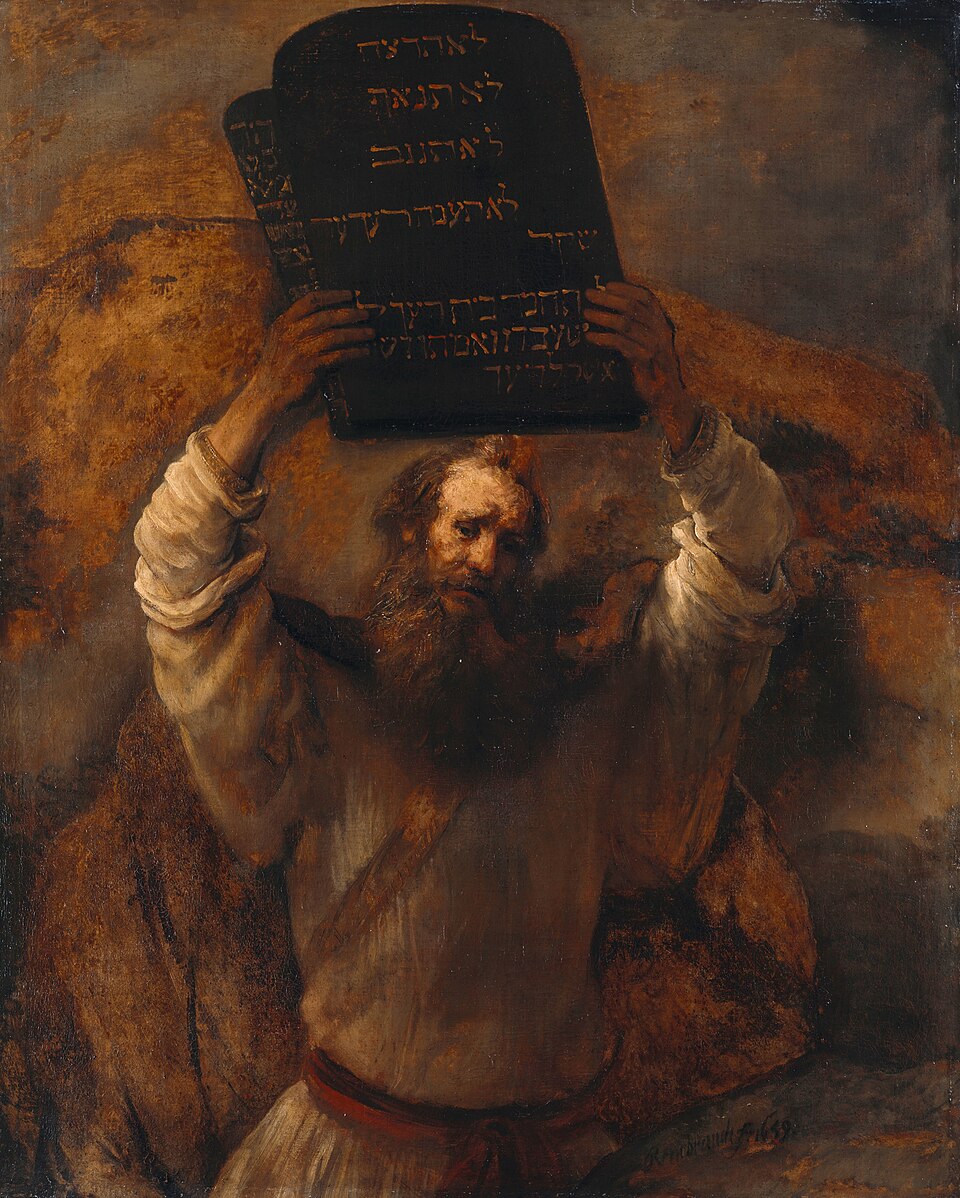
He “chose to suffer oppression with God’s people rather than to experience the fleeting enjoyment of sin.”
Hebrews 11:25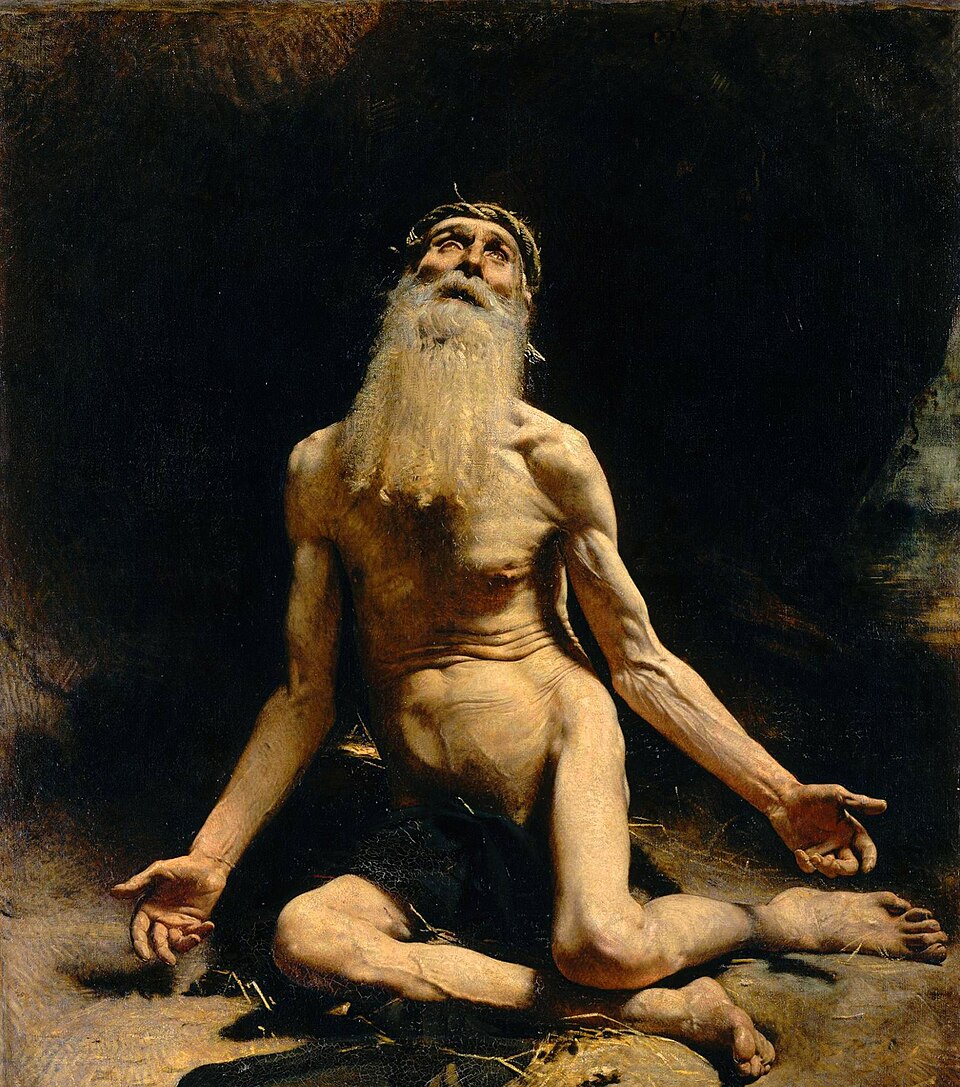
He said, “Surely in vain I have kept my heart pure; in innocence I have washed my hands.”
Psalm 73:13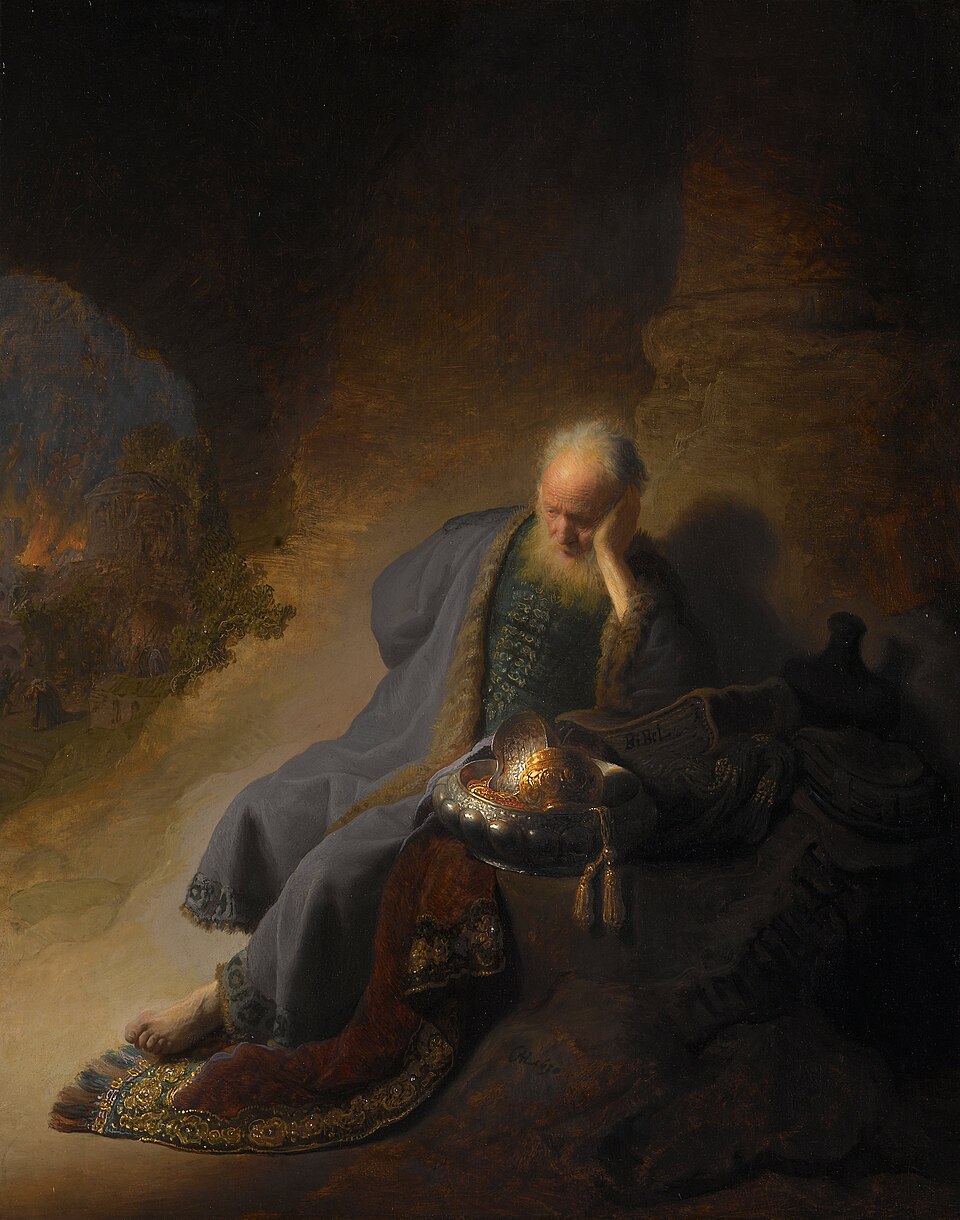
He asked, “Why did I come out of the womb to see only trouble and sorrow, and to end my days in shame?”
Jeremiah 20:18
Paul said that David “had served God’s purpose in his own generation” before he fell asleep.
Acts 13:36
Asaph, Jeremiah, David
What Scripture Gives a Person to Do in This Trial
Scripture names five things to do when life seems futile, each in the words of the verse that gives it.
- 1Remember your Creator“Remember your Creator in the days of your youth, before the days of adversity come”Ecclesiastes 12:1
- 2Ask God to teach you to number your days“So teach us to number our days, that we may present a heart of wisdom.”Psalm 90:12
- 3Ask God to establish your work“May the favor of the Lord our God rest upon us; establish for us the work of our hands”Psalm 90:17
- 4Work with all your might“Whatever you find to do with your hands, do it with all your might”Ecclesiastes 9:10
- 5Work for the Lord“Whatever you do, work at it with your whole being, for the Lord and not for men,”Colossians 3:23
Ask God to teach you to number your days, Ask God to establish your work, Work with all your might, Work for the Lord
A physician's care stands beside prayer and never in its place when the sense that life has no point comes with lasting low mood or with thoughts of ending one's life. A person in danger should call the local emergency number or a crisis line now and tell someone nearby.
The Lament of Psalm 39
Thirteen verses move from silence to complaint to a plea that God will hear.
The psalm opens with a man who kept silent before the wicked until his heart grew hot within him and he spoke (Psalm 39:1 to 3).
“Show me, O LORD, my end and the measure of my days. Let me know how fleeting my life is. You, indeed, have made my days as handbreadths, and my lifetime as nothing before You. Truly each man at his best exists as but a breath. SelahThe prayer begins where the trial begins, with the shortness of life set before God.
Surely every man goes about like a phantom; surely he bustles in vain; he heaps up riches not knowing who will haul them away. And now, O Lord, for what do I wait? My hope is in You.Here the lament turns from what people store up to the God in whom the psalmist waits.
Hear my prayer, O LORD, and give ear to my cry for help; do not be deaf to my weeping. For I am a foreigner dwelling with You, a stranger like all my fathers. Turn Your gaze away from me, that I may again be cheered before I depart and am no more.”The close shows that a lament may end in a plea, with nothing resolved, and still be a prayer.
Psalm 39:4 to 5, Psalm 39:6 to 7, Psalm 39:12 to 13, The Lament Form in the Psalter, the study in brief
Purpose and Futility in the Stories of the Bible
Four stories tell of a king who had everything, a brother sold as a slave, a queen in Persia and a rich man in a parable.
The Teacher who tested everythingEcclesiastes 2
The Teacher, whom Ecclesiastes 1:1 calls the son of David and king in Jerusalem, tested pleasure and wine, built houses, planted vineyards and gathered silver and gold, and he refused his heart no pleasure. Weighing all his work, he found “everything to be futile, a pursuit of the wind” (Ecclesiastes 2:11). First Kings 11 records that in his old age King Solomon's wives turned his heart after other gods, and the LORD said He would tear the kingdom away from him.
Read the story of Solomon, Who Had Everything 7 sections, 27 verses set out
Joseph sold into EgyptGenesis 50
Joseph's brothers sold him to traders who took him to Egypt, and he was later thrown into prison there. Pharaoh set him over all the land of Egypt. After their father died, the brothers feared that Joseph would repay them. He told them, “what you intended against me for evil, God intended for good” (Genesis 50:20).
Read the story of Joseph: Meant for Good 7 sections, 11 verses set out
Esther in the palaceEsther 4
Esther, an orphan raised by her cousin Mordecai, was made queen of Persia. When a royal order was sent out to destroy all the Jews, Mordecai urged her to plead with the king and asked, “who knows if perhaps you have come to the kingdom for such a time as this?” (Esther 4:14). She asked the Jews of Susa to fast for her, and she went to the king.
Read the story of Esther: For Such a Time as This 8 sections, 11 verses set out
The rich foolLuke 12
Jesus told of a rich man whose land produced so much that he planned bigger barns and years of ease. God said to him, “You fool! This very night your life will be required of you. Then who will own what you have accumulated?” (Luke 12:20). Jesus applied it to anyone who stores up treasure for himself and is not rich toward God.
Joseph sold into Egypt (Genesis 50), Esther in the palace (Esther 4), The rich fool (Luke 12)
Purpose in the Church's History
Two accounts tell of a bishop who found his rest in God and a mathematician who wrote of an abyss only God can fill.
Augustine's restless heartConfessions, book 1
Augustine of Hippo wrote his Confessions as a prayer addressed to God, and he opened them with praise. In the first paragraph he wrote, “You have made us for Yourself, and our hearts are restless until they rest in You.” He then asked God to teach him whether to call on Him first or to praise Him.
Read the story of Our Heart Is Restless 7 sections, 3 verses set out
Pascal's infinite abyssPensées, 425
Blaise Pascal was born at Clermont in 1623 and died at thirty-nine, leaving notes for a defence of the Christian faith that were published as the Pensées. In fragment 425 he wrote, “All men seek happiness. This is without exception.” He wrote that this desire shows “the infinite abyss can only be filled by an infinite and immutable object, that is to say, only by God Himself.”
Voices on Futility and Purpose, by Century
Five quotations in the order of their authors' deaths, from the fourth century to the nineteenth, each under the line it teaches.
died 395 · Gregory of Nyssa
HOMILIES ON ECCLESIASTES 4
Pleasure leaves no more trace than letters written on water, so labour spent on it ends in futility.
The quotation1 quotation
“When tracing formless letters in water, this act of writing only has existence while we perform it because our hand always follows the water's surface and smoothes over the impressions just made. Our exertions and energy on behalf of pleasure are similar. Once the action ceases, pleasure is blotted out and nothing remains; neither do those persons who have experienced pleasure have any trace of it. Such is the meaning of Ecclesiastes' words when he says that nothing remains under the sun for those who labor, for their end is vanity.”
Gregory of Nyssa · Homilies on Ecclesiastes 4 · on Ecclesiastes 2:11Patristic
died 420 · Jerome
Commentary on Ecclesiastes
A person is born to know the Creator, to revere Him and to keep His commandments.
The quotation1 quotation
“‘Let us hear the conclusion of the whole matter: Fear God, and keep his commandments: for this is the whole duty of man. For God shall bring every work into judgement, with every secret thing, whether it be good, or whether it be evil.’ Let us therefore fear God and carry out his commandments. For man is born for this purpose and, understanding his Creator, he reveres Him in fear and respect, and in the work of his commandments.”
Jerome · Commentary on Ecclesiastes · on Ecclesiastes 12:13Patristic
died 1153 · Bernard of Clairvaux
Sermons on the Song of Songs, Sermon 20
If the fear of God and the keeping of His commandments are the whole of man, without them a man is nothing.
The quotation1 quotation
“‘Fear God, and keep his commandments,’ it is said, ‘for this is the whole duty of man.’ So if this is all, without this, man is nothing.”
Bernard of Clairvaux · Sermons on the Song of Songs, Sermon 20 · on Ecclesiastes 12:13Patristic
1662 to 1714 · Matthew Henry
Commentary on the Whole Bible
The Teacher tried wine to find out where a person's happiness lies, and he found it a cheat.
The quotation1 quotation
“Wine is a mocker; it is a great cheat; and it will be impossible for any man to say that thus far he will give himself to it and no further. That which he aimed at was not to gratify his appetite, but to find out man's happiness, and this, because it pretended to be so, must be tried among the rest.”
Matthew Henry · Commentary on the Whole Bible · on Ecclesiastes 2:3Puritan
1798 to 1870 · Albert Barnes
Notes, Explanatory and Practical, on the Old and New Testaments (1832-1869)
The Teacher's trial of riches sought wisdom, and he kept the certainty of death in view.
The quotation1 quotation
“Solomon’s trial of God’s second gift, namely, riches, and the enjoyment which riches supply; this brought him to the sane result (compare Ecc 1:12). Comparing Solomon’s action with Luk 12:16-21, it must be remembered that Solomon’s object was the acquisition of wisdom, not self-indulgence, and that he did not fail to look forward to the certainty of death overtaking him.”
Albert Barnes · Notes, Explanatory and Practical, on the Old and New Testaments (1832-1869) · on Ecclesiastes 2:1Evangelical
Bernard of Clairvaux, Matthew Henry, Albert Barnes
How Purpose and Futility Have Been Taught
Gregory the Great in his Dialogues and Charles Spurgeon in 1873 taught how a believer reads futility and presses on.
Gregory taught that Ecclesiastes voices the restless thoughts of a crowd and calls them back at its end to the fear of God.2 paragraphs
Gregory the Great wrote in his Dialogues (book 4, chapter 4) that the name Ecclesiastes means “Preacher.” He wrote that in the book “Solomon makes the feelings of the disorganized people his own”.
He wrote that “like a true preacher, he stretches out his arms at the end of his address” and calls the people “back to one way of thinking.”
Spurgeon taught that a believer accepted in Christ is still to be found always in progress, like a runner in a race.2 paragraphs
Charles Spurgeon preached on Philippians 3:13 to 14 in the sermon “Onward!”, sermon 1114 of The Metropolitan Tabernacle Pulpit (1873). He said, “The condition in which a Believer should always be found is that of progress.”
He said that the figures Scripture uses for a Christian “imply energy, the gathering up of strength and the concentration of forces”, and that “The Christian is also likened to a runner in a race”.
Where the Science Speaks
A meta-analysis of ten studies and a later re-analysis measured a sense of purpose beside health and length of life.
A meta-analysis pooled ten prospective studies with 136,265 participants. A higher sense of purpose in life went with a lower risk of death from any cause and of cardiovascular events, each with an adjusted relative risk of 0.83 (R. Cohen, C. Bavishi and A. Rozanski, Psychosomatic Medicine, 2016).
A later study of 5,953 adults in the United States aged 50 or over tested how much of that link comes from health at the start. When baseline health was measured more fully and people already seriously ill were left out, the link grew much weaker, and the authors judged that health at the start explains much of it (R. Sias and H. Turtle, PLoS One, 2026). These studies measure how strongly people feel that their lives have purpose.
The Studies of Purpose and Futility
Each study takes one part of purpose and futility into more depth.
The texts
2 studies, 1 linked page
- Doctrines · 22 verses set outThe Chief End of Man
Philip Schaff records that nearly all the Presbyterian and Congregational churches of the English tongue adopted the Westminster Shorter Catechism.
- Passages and psalms · 17 verses set outI Press On
Paul wrote these verses to the church at Philippi while he was in chains for Christ.
- Doctrines · 12 verses set outSaved by Grace Through Faith
Paul sums up the gospel in three verses, which say that salvation comes by grace, is received through faith and not earned by works, and that God made the saved for good works.
- Doctrines · 22 verses set outThe Chief End of Man
The stories
2 studies
- Stories · 3 verses set outOur Heart Is Restless
Augustine of Hippo opened his Confessions by telling God that He made us for Himself and that our heart is restless until it rests in Him.
- Stories · 27 verses set outSolomon, Who Had Everything
The Teacher of Ecclesiastes judged his pleasures, buildings and wealth futile, and Kings records that King Solomon's foreign wives turned his heart from the LORD.
- Stories · 3 verses set outOur Heart Is Restless
The words
1 linked page
- Subjects · 43 verses set outHebel: the word the Berean text renders futility
Hebel is the Hebrew word for a breath or vapor, and the Teacher of Ecclesiastes applies it to everything done under the sun.
- Subjects · 43 verses set outHebel: the word the Berean text renders futility

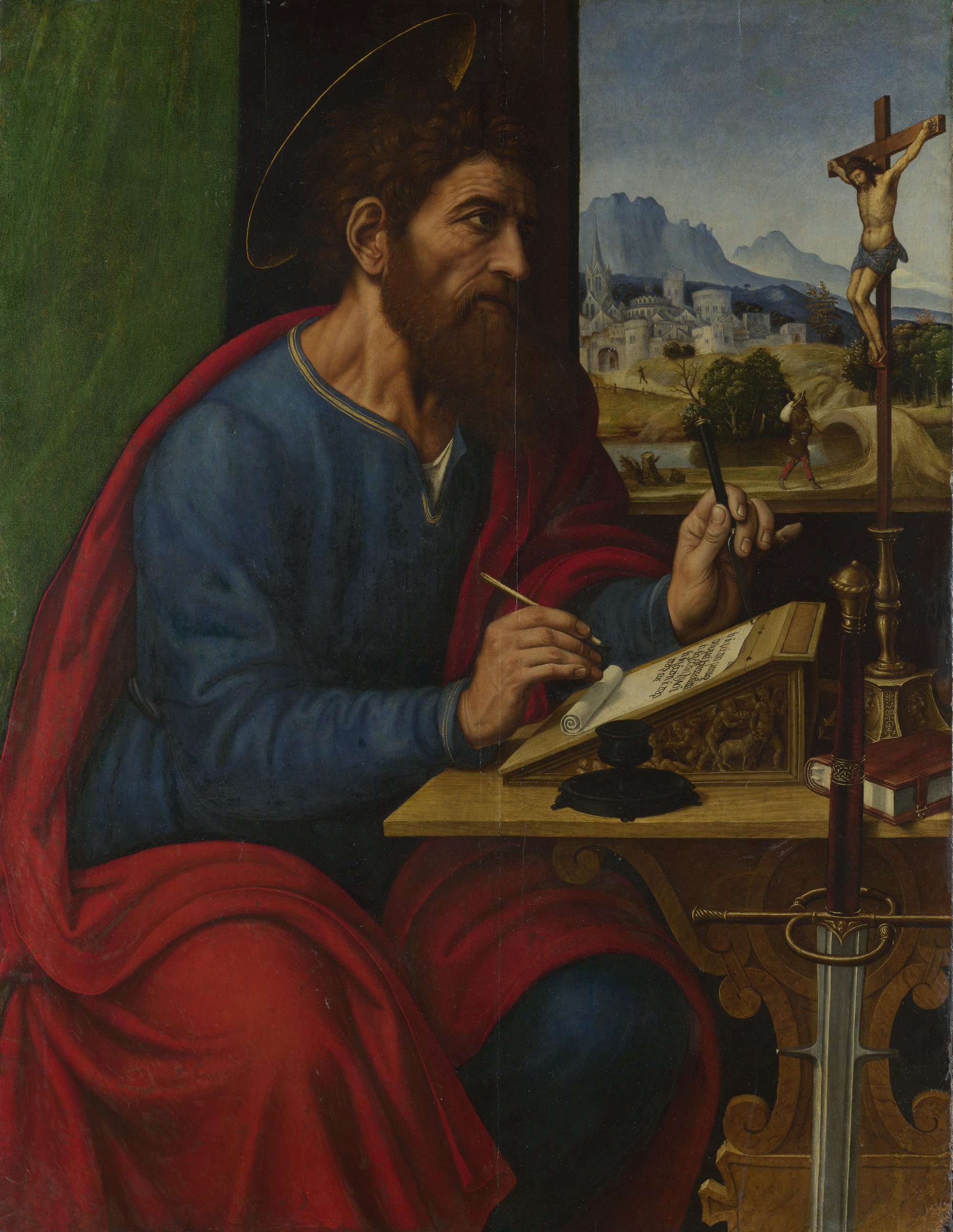
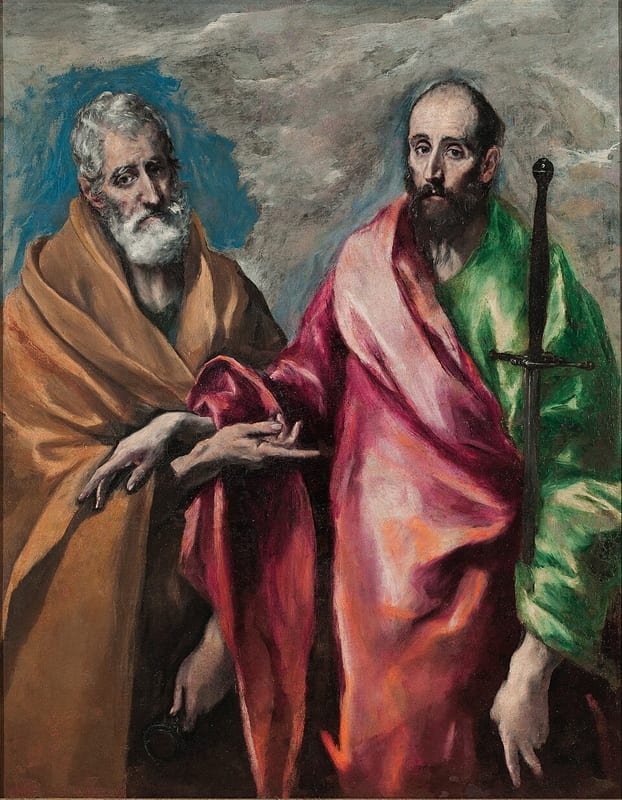
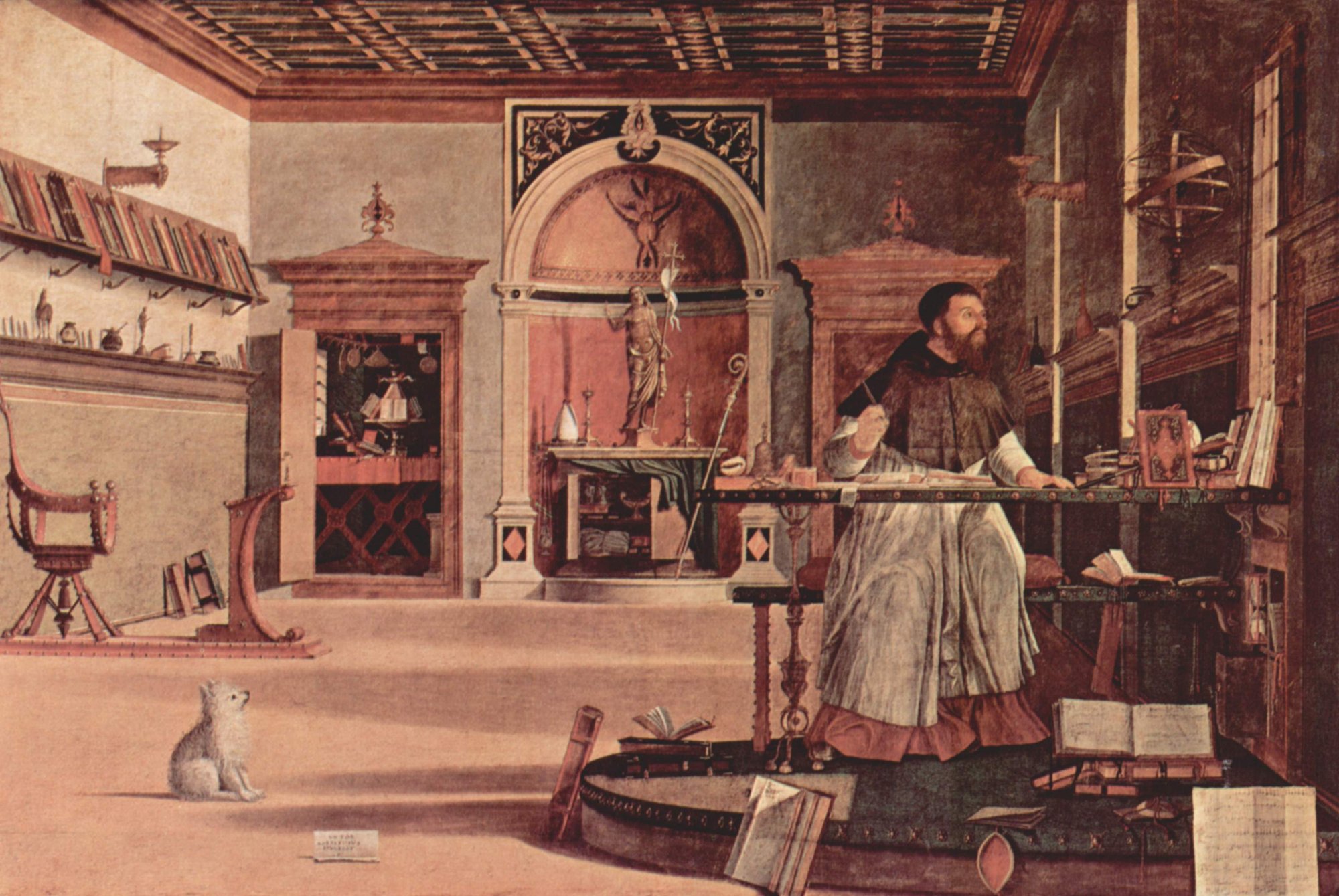
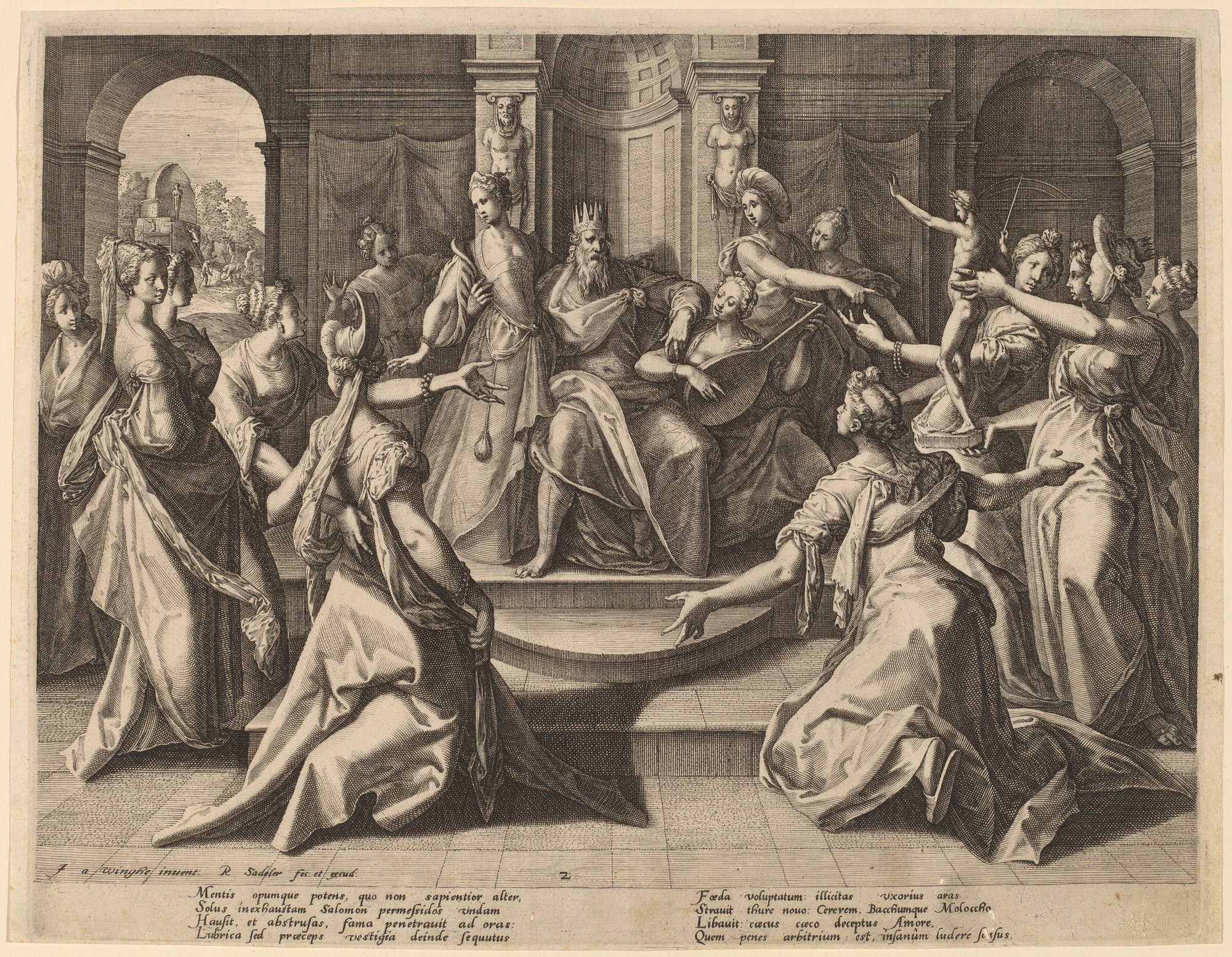

I Press On, Saved by Grace Through Faith, Our Heart Is Restless, Solomon, Who Had Everything, Hebel: the word the Berean text renders futility
Where Readers Disagree
Seven readings answer three questions, each with its holders, the work that argues it and the objection raised against it.
What the creation subjected to futility is
Read the study The Groaning Creation
| Reading | Held by | Work | Objection |
|---|---|---|---|
| The moon and the stars, bound to their bodies against their will | Origen of Alexandria (Alexandrian patristic writing) | Origen of Alexandria, On First Principles 1.7.5 and 2.8.3 | Paul says the whole creation has been groaning together as in childbirth (Romans 8:22), the language of a world under the curse. |
| The whole visible creation, condemned to mortality and corruption because the Creator foresaw human sin | Theodoret of Cyrus; Ambrosiaster (Antiochene patristic writing; Latin patristic writing) | Theodoret of Cyrus, Interpretation of the Letter to the Romans, on Romans 8:20; Ambrosiaster, Commentary on Paul's Epistles, on Romans 8:20 | Paul says the creation was subjected “not by its own will” (Romans 8:20), and Origen read those words of creatures that have a will of their own. |
| The renewed believer, placed by God in a frail and dying state | Albert Barnes (American Presbyterian) | Albert Barnes, Notes, Explanatory and Practical (1832 to 1869), on Romans 8:20 | Paul sets the creation beside “we ourselves, who have the firstfruits of the Spirit” (Romans 8:23), so the creation and the believers are two. |
The whole visible creation, condemned to mortality and corruption because the Creator foresaw human sin, The renewed believer, placed by God in a frail and dying state
What the whole duty of man in Ecclesiastes 12:13 means
Read the study The Chief End of Man 8 sections, 22 verses set out
| Reading | Held by | Work | Objection |
|---|---|---|---|
| The whole of what a person owes God, his work, his perfection and his happiness | John Wesley; Jerome (English Methodist; Latin patristic writing) | John Wesley, Explanatory Notes upon the Old Testament (1765), on Ecclesiastes 12:13; Jerome, Commentary on Ecclesiastes, on Ecclesiastes 12:13 | The Hebrew line has no word for duty and reads literally “this is the whole man” (Jamieson, Fausset and Brown, on Ecclesiastes 12:13). |
| The whole of what a person is, so that apart from it he is nothing | Augustine of Hippo; Bernard of Clairvaux; Jamieson, Fausset and Brown (Latin patristic writing; Cistercian; Scottish Presbyterian commentary) | Augustine of Hippo, City of God 20.3; Bernard of Clairvaux, Sermons on the Song of Songs, sermon 20; Jamieson, Fausset and Brown, Commentary Critical and Explanatory (1871), on Ecclesiastes 12:13 | The next verse says that God will bring every deed into judgment (Ecclesiastes 12:14), so the line names what a person must do and answer for. |
What Paul forgets in Philippians 3:13
Read the study I Press On 8 sections, 17 verses set out
| Reading | Held by | Work | Objection |
|---|---|---|---|
| The grace he has already reached, so that he never rests content with it | Matthew Henry; Jerome (English Presbyterian; Latin patristic writing) | Matthew Henry, Commentary on the Whole Bible (1710), on Philippians 3:13; Jerome, Against the Pelagians 1.15 | The things behind that Paul names in Philippians 3:5 to 7 are his credentials in the flesh, which he counts as loss. |
| The old order of the law, which passed away with the coming of Christ | Tertullian (North African patristic writing) | Tertullian, the treatise On Modesty | Paul speaks of his own course toward a goal he has not yet reached (Philippians 3:12), more than of the covenant that came before. |
Every Text on Purpose
Seven of the twelve verses the subject page Purpose gathered stand here, with its essay and the topic page's description as they were written.
Seven verses, from the Psalms to Paul's letters.7 verses
Your eyes saw my unformed body; all my days were written in Your book and ordained for me before one of them came to be.It sets a person's whole span of life inside God's knowledge before birth.
To everything there is a season, and a time for every purpose under heaven:It places every season of a life, the empty ones included, inside an order God has set.
For I know the plans I have for you, declares the LORD, plans to prosper you and not to harm you, to give you a future and a hope.It was sent by letter to the captives in Babylon, who were told that seventy years would pass before their return.
And we know that God works all things together for the good of those who love Him, who are called according to His purpose.It promises that no event in a believer's life falls outside God's design.
For we are God’s workmanship, created in Christ Jesus to do good works, which God prepared in advance as our way of life.It shows grace leading into a life of service that God had planned.
For to me, to live is Christ, and to die is gain.Paul puts the purpose of his life in a single line.
He has saved us and called us to a holy calling, not because of our works, but by His own purpose and by the grace He granted us in Christ Jesus before time began.It grounds a believer's calling in grace, apart from any merit of his own.
Two essays, carried as they stood.12 paragraphs
The subject page at /tag/purpose carried the essay that follows.
Everyone eventually asks why they are here. The Bible answers that question by telling long, specific stories rather than handing over a formula, and the stories keep circling back to the same truth: a person's purpose is bound up with what God is doing in the world.
Joseph's story is one of the clearest examples. His brothers sold him into slavery out of envy, and he spent years in an Egyptian prison for a crime he did not commit. Looking back at all of it, he told his brothers that they had meant it for evil, but God had meant it for good, to save many lives (Genesis 50:20). His suffering had a purpose Joseph could not see while he was living through it.
Esther's story works the same way from a different angle. She rose to become queen of Persia at the exact moment her people faced destruction. Her cousin Mordecai told her that she might have come to her royal position for exactly this reason and for this moment (Esther 4:14). Her purpose was not something she planned. It was something she recognized, and then acted on.
The psalmist takes the idea even deeper, into the womb itself. He says that every one of his days was written in God's book before a single one of them came to be (Psalm 139:16). Purpose, in this view, does not begin at graduation or at a career choice. It begins before birth.
Ecclesiastes is famous for its honesty about how confusing life can feel, yet even it says there is a time and a purpose for everything under heaven (Ecclesiastes 3:1). Jeremiah goes further, telling a defeated, exiled people that God still had plans for them: plans for peace and not evil, to give them a future and a hope (Jeremiah 29:11).
Jesus reframed the whole question. He told his followers to stop chasing food and clothing and instead to seek God's kingdom first, promising that everything else would be given as well (Matthew 6:33). Purpose, in his teaching, is not a private project. It is a decision about what to put first.
At the end of his own life, Jesus prayed that he had finished the work his Father gave him to do (John 17:4). That is purpose stated as plainly as it can be stated: a task given, and a task completed.
Paul describes the church as people created in Christ for good works that God prepared in advance (Ephesians 2:10), and he tells Timothy that believers are saved and called according to God's own purpose and grace, given before time began (2 Timothy 1:9). Purpose, on this reading, is not something a person invents for themselves. It is something they discover, already prepared, already waiting.
All of these threads gather in Christ. He is the one through whom and for whom everything was made (Colossians 1:16), and every purpose a person finds in their own life is, at bottom, a small share in his larger purpose: to bring people back to the God who made them for himself.
The topic page at /topics/purpose carried the description that follows.
Purpose in Scripture is rooted in being made in God's image, called to know and reflect him, and given work to do in his creation. The Bible does not offer a "life-purpose" curriculum but keeps returning to creation, calling, and the glory of God as the horizon for every life. Meaning is located not in self-invention but in the Maker's assignment (Ephesians 2:10).
Sources
Scripture is the Berean Standard Bible.
- STEP Bible brief lexicons of Extended Strongs for Hebrew and for Greek (Tyndale House, Cambridge), CC BY 4.0, with the Strong's glosses.
- Gregory of Nyssa, Homilies on Ecclesiastes, homily 4, on Ecclesiastes 2:11 (English translation)
- Jerome, Commentary on Ecclesiastes, on Ecclesiastes 12:13 (English translation)
- Bernard of Clairvaux, Sermons on the Song of Songs, sermon 20, on Ecclesiastes 12:13 (English translation, cited under fifty words)
- John Wesley, Explanatory Notes upon the Old Testament (1765), on Ecclesiastes 12:13 (cited as a holder)
- Gregory the Great, Dialogues, book 4, chapter 4 (English translation)
- Charles Spurgeon, Onward!, The Metropolitan Tabernacle Pulpit, sermon 1114 (1873), on Philippians 3:13 to 14.
- Origen of Alexandria, On First Principles 1.7.5 and 2.8.3, on Romans 8:20 (English translation)
- Theodoret of Cyrus, Interpretation of the Letter to the Romans, at Romans 8:20, in English; named as a holder.
- Ambrosiaster, Commentary on Paul's Epistles, its note on Romans 8:20 in an English version, cited for his reading.
- Albert Barnes, Notes, Explanatory and Practical, on the Old and New Testaments (1832 to 1869), on Ecclesiastes 2:1 and Romans 8:20.
- Augustine of Hippo, City of God 20.3, on Ecclesiastes 12:13 (English translation)
- Robert Jamieson, A. R. Fausset and David Brown, Commentary Critical and Explanatory on the Whole Bible (1871), on Ecclesiastes 12:13 and Philippians 3:13.
- Matthew Henry, Commentary on the Whole Bible (1710), on Ecclesiastes 2:3 and Philippians 3:13.
- Jerome, Against the Pelagians, book 1, section 15, quoting Philippians 3:13.
- Tertullian, the treatise On Modesty, where he cites Philippians 3:13, in an English version.
- Augustine of Hippo, Confessions, book 1, chapter 1, translated by J. G. Pilkington, Nicene and Post-Nicene Fathers, First Series, volume 1, edited by Philip Schaff (Buffalo: Christian Literature Publishing Co., 1887), revised and edited for New Advent by Kevin Knight.
- Blaise Pascal, Pensées, fragment 425, with the introduction by T. S. Eliot (New York: E. P. Dutton, 1958)
- R. Cohen, C. Bavishi and A. Rozanski, Purpose in Life and Its Relationship to All-Cause Mortality and Cardiovascular Events: A Meta-Analysis, Psychosomatic Medicine 78, no. 2 (2016): 122 to 133.
- R. Sias and H. Turtle, The Importance of Baseline Health in Linking Life Purpose to Longevity, PLoS One 21, no. 5 (2026): e0349401.
Keep Studying
Studies9
People and groups24
Show the next 6 titles
Doctrines5
Trials of life2