
Exodus 34:27
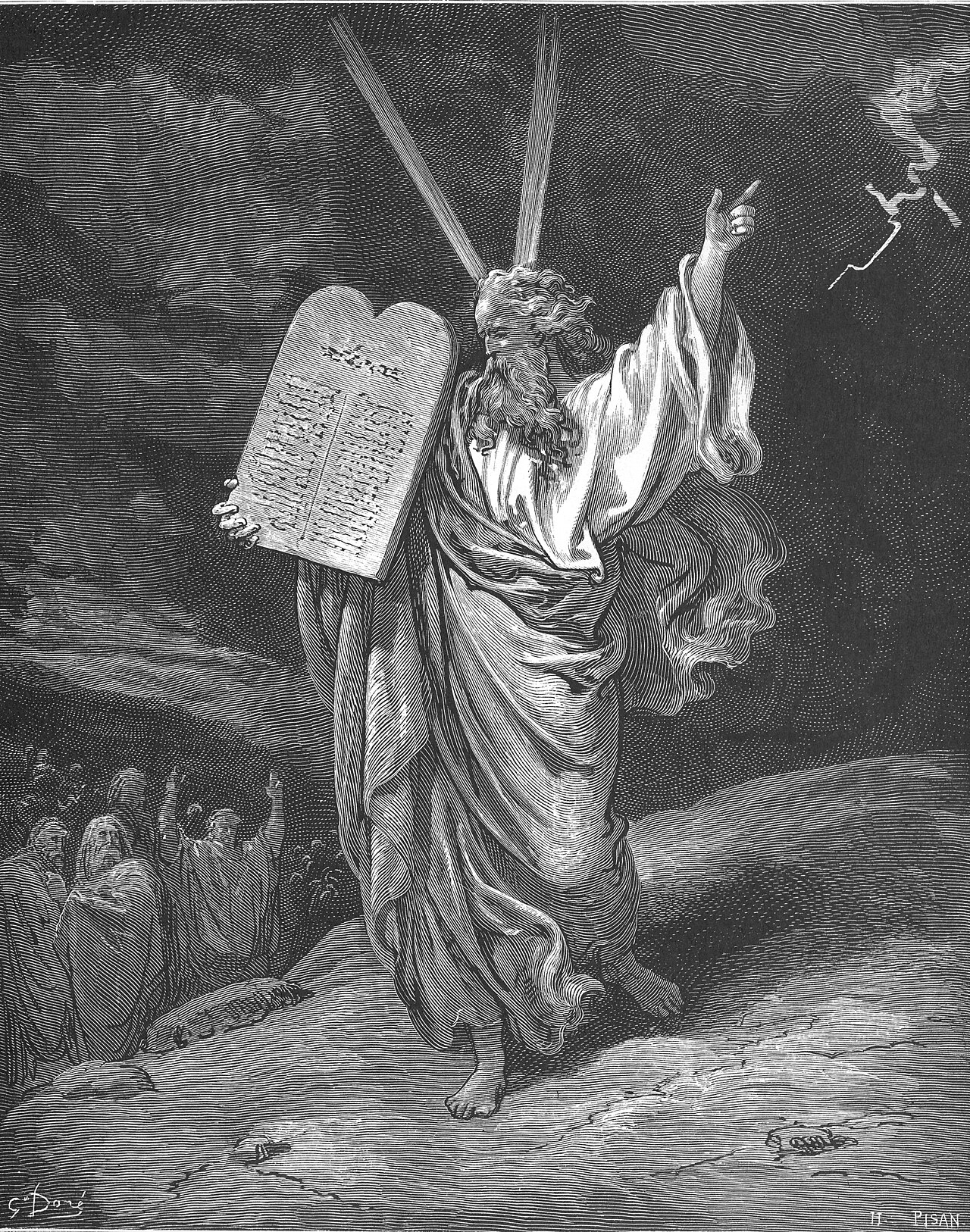
in Exodus 34The LORD also said to Moses, “Write down these words, for in accordance with these words I have made a covenant with you and with Israel.”
BSB
The same verse in ASV and KJV ▾
ASV
And Jehovah said unto Moses, Write thou these words: for after the tenor of these words I have made a covenant with thee and with Israel.
KJV
And the Lord said unto Moses, Write thou these words: for after the tenor of these words I have made a covenant with thee and with Israel.
⋯
This verse in Exodus 34
Commentary
4 notes on this verseWrite thou these words - Either a transcript of the whole law now delivered, or the words included from Exo 34:11 to Exo 34:26. God certainly wrote the ten words on both sets of tables. Moses either wrote a transcript of these and the accompanying precepts for the use of the people, or he wrote the precepts themselves in addition to the ten commandments which were written by the finger of God. See Clarke on Exo 34:1 (note).
This site's exposition
Write down these words
on Exodus 34:27-28
Verse 28 says He wrote on the tablets, and readers have long divided over the subject. Verse 1 has God saying I will write on them and Deuteronomy 10:4 agrees, while the nearest noun in verse 28 is Moses.
The record, by era
The Puritans and the Awakening2 voices
We can never be enough thankful to God for the written word. He is told that according to the tenour of these words God would make a covenant with Moses and Israel; not with Israel immediately, but with them in Moses a mediator. Thus the covenant of grace is made with believers through Christ, who is given for a covenant to the people, Isa. xlix.
And the Lord said unto Moses,....
The words behind it
19 Hebrew wordsEvery Hebrew word of this verse in the order it stands, with what it means and the door to its own study. The last column counts the times a word stands in the whole Bible: the rarer the word, the more the places it appears belong together.
| Hebrew | Sound | Meaning | Word study | In the Bible |
|---|---|---|---|---|
| וַיֹּ֤אמֶר | vaiyomer | and he said | H559 → | 5305 times |
| יְהוָה֙ | yahweh | Yahweh | H3068 → | 6520 times |
| אֶל־ | ʾel- | to | H413 → | 5510 times |
| מֹשֶׁ֔ה | mosheh | Moses | H4872 → | 765 times |
| כְּתָב־ | ketov- | write | H3789 → | 224 times |
| לְךָ֖ | lekha | for <the> yourself | ||
| אֶת־ | ʾet- | <obj.> | H853 → | 10935 times |
| הַדְּבָרִ֣ים | hadevarim | the words | H1697 → | 1440 times |
| הָאֵ֑לֶּה | haeleh | <the> these | H428 → | 746 times |
| כִּ֞י | ki | that | H3588 → | 4482 times |
| עַל־ | ʾal- | on | H5921 → | 5755 times |
| פִּ֣י׀ | pi | [the] mouth of | H6310 → | 498 times |
| הַדְּבָרִ֣ים | hadevarim | the words | H1697 → | 1440 times |
| הָאֵ֗לֶּה | haeleh | <the> these | H428 → | 746 times |
| כָּרַ֧תִּי | karati | I have made | H3772 → | 288 times |
| אִתְּךָ֛ | ʾitekha | with you | H854 → | 929 times |
| בְּרִ֖ית | berit | a covenant | H1285 → | 284 times |
| וְאֶת־ | veet | and with | H854 → | 929 times |
| יִשְׂרָאֵֽל׃ | yisrael | Israel | H3478 → | 2507 times |
וַיֹּ֤אמֶרand he said
vaiyomerH559 →5305 times
יְהוָה֙Yahweh
yahwehH3068 →6520 times
אֶל־to
ʾel-H413 →5510 times
מֹשֶׁ֔הMoses
moshehH4872 →765 times
כְּתָב־write
ketov-H3789 →224 times
לְךָ֖for <the> yourself
lekha
אֶת־<obj.>
ʾet-H853 →10935 times
הַדְּבָרִ֣יםthe words
hadevarimH1697 →1440 times
הָאֵ֑לֶּה<the> these
haelehH428 →746 times
כִּ֞יthat
kiH3588 →4482 times
עַל־on
ʾal-H5921 →5755 times
פִּ֣י׀[the] mouth of
piH6310 →498 times
הַדְּבָרִ֣יםthe words
hadevarimH1697 →1440 times
הָאֵ֗לֶּה<the> these
haelehH428 →746 times
כָּרַ֧תִּיI have made
karatiH3772 →288 times
אִתְּךָ֛with you
ʾitekhaH854 →929 times
בְּרִ֖יתa covenant
beritH1285 →284 times
וְאֶת־and with
veetH854 →929 times
יִשְׂרָאֵֽל׃Israel
yisraelH3478 →2507 times
A shaded row is a word that stands 400 times or fewer in the Bible.
The walk
8 stopsEach card is a verse this one points to, and under it the verses that one points to in turn. Where several paths arrive at the same place, that place is listed first: the text keeps returning to it.
Through
Deuteronomy 4:13He declared to you His covenant, which He commanded you to follow—the Ten Commandments that He wrote on two tablets of stone.
it leads to
- Exodus 34:28
So Moses was there with the LORD forty days and forty nights without eating bread or drinking water. He wrote on the tablets the words of the covenant—the Ten Commandments.
- Exodus 31:18
When the LORD had finished speaking with Moses on Mount Sinai, He gave him the two tablets of the Testimony, tablets of stone inscribed by the finger of God.
- Exodus 24:12
Then the LORD said to Moses, “Come up to Me on the mountain and stay here, so that I may give you the tablets of stone, with the law and commandments I have written…
- Deuteronomy 9:9–11
When I went up on the mountain to receive the tablets of stone, the tablets of the covenant that the LORD made with you, I stayed on the mountain forty days and forty nights.…
- Exodus 19:5
Now if you will indeed obey My voice and keep My covenant, you will be My treasured possession out of all the nations—for the whole earth is Mine.
- Exodus 34:28
Through
Exodus 24:7Then he took the Book of the Covenant and read it to the people, who replied, “All that the LORD has spoken we will do, and we will be obedient.”
it leads to
- Deuteronomy 31:11–13
when all Israel comes before the LORD your God at the place He will choose, you are to read this law in the hearing of all Israel.
- Hebrews 9:18–23
That is why even the first covenant was not put into effect without blood.
- Deuteronomy 31:11–13
Through
Exodus 17:14Then the LORD said to Moses, “Write this on a scroll as a reminder and recite it to Joshua, because I will utterly blot out the memory of Amalek from under heaven.”
it leads to
- 1 Samuel 30:17
And David struck them down from twilight until the evening of the next day. Not a man escaped, except four hundred young men who fled, riding off on camels.
- 1 Samuel 30:17
Where this verse is studied
On this page
Studies14
On this verse
About Exodus
Who and where
1 name in this verse with a page on the site.
This page draws on Adam Clarke, Commentary on the Bible; John Gill, Exposition of the Old Testament (1748-1763); Keil and Delitzsch, Biblical Commentary on the Old Testament: The Pentateuch and Matthew Henry, Commentary on the Whole Bible.