

Ruth 1 · Value 32 of 41 · Featured Study
Loyalty
Loyalty in Scripture is keeping faith with God and with the people one is bound to, in trouble as in ease.
A widow of Moab, a king's son and a soldier from Gath each bound themselves by an oath to someone they were free to abandon.
- Anchor text
- Ruth 1:16 to 17 “But Ruth replied: “Do not urge me to…”
- Its opposite
- Treachery, and the desertion of those one is bound to
Summary
The Old Testament names loyalty chiefly with chesed, the love that keeps faith inside a bond, and pairs it often with emet, faithfulness. The LORD claims both as His own, and He asks them of His people toward Him and toward one another in family, friendship, covenant and service. Scripture's examples keep faith at a cost to themselves, and its warnings are the friends who turned.
- Jonathan kept his covenant with David against his father's order and his own claim to the throne.
- Loyalty is good only as its object is good, and the hearts of the men of Israel went over to Absalom against their king.
- Christ kept faith with disciples who deserted Him, and He restored Peter, who had denied Him.
What Loyalty Is
Two Hebrew nouns carry the value through the Old Testament, and the Berean renders them loving devotion and faithfulness.
What does Scripture mean by loyalty, and why does God ask it of His people? This study of loyalty answers from the text. It gives the Hebrew words, the key texts and the ground of loyalty in the LORD who keeps His covenant. It turns to Christ on the night of His betrayal, then to the people who kept faith, the practice and the opposite. It then gives the stories of Ruth, Jonathan and Ittai, three accounts from the early church, the voices of the centuries and three questions on which readers disagree.
Chesed, loving devotion
247 uses in the canon
Chesed (H2617) is the noun of the refrain of Psalm 136, which the Berean Standard Bible renders “His loving devotion endures forever.”
Emet, faithfulness
127 uses in the canon
Emet (H571) is the noun the Berean renders faithfulness where it stands beside chesed: “the faithfulness of the LORD endures forever.”
Chesed, loving devotion, Emet, faithfulness, The Words Chesed and Emet, the study in brief
The Key Texts of Loyalty
Texts from Proverbs to Revelation name the loyalty asked of those who follow God.
Wisdom
Never let loving devotion or faithfulness leave you; bind them around your neck, write them on the tablet of your heart.
It stands here because it lays both chesed and emet on the reader as a charge to keep.
Proverbs 3:3BSB
Wisdom
Many a man proclaims his loving devotion, but who can find a trustworthy man?
It stands here because it sets the loyalty people claim against the trust they keep.
Prophets
He has shown you, O man, what is good. And what does the LORD require of you but to act justly, to love mercy, and to walk humbly with your God?
It stands here because the prophet asks for loyal love as a thing to be loved, a matter of the heart as well as of the deed.
Micah 6:8BSB
Gospels
No one can serve two masters: Either he will hate the one and love the other, or he will be devoted to the one and despise the other. You cannot serve both God and money.
Jesus' saying stands here because it rules out a loyalty divided between God and money.
Matthew 6:24BSB
Revelation
Do not fear what you are about to suffer. Look, the devil is about to throw some of you into prison to test you, and you will suffer tribulation for ten days. Be faithful even unto death, and I will give you the crown of life.
It stands here because the risen Christ asks a church facing prison to stay faithful to death.
Proverbs 20:6, Micah 6:8, Matthew 6:24, Revelation 2:10
Loyalty Rests on the LORD's Loving Devotion
Texts from Exodus to Lamentations ground the loyalty God asks in the loyalty He keeps.
Then the LORD passed in front of Moses and called out: “The LORD, the LORD God, is compassionate and gracious, slow to anger, abounding in loving devotion and faithfulness, maintaining loving devotion to a thousand generations, forgiving iniquity, transgression, and sin. Yet He will by no means leave the guilty unpunished; He will visit the iniquity of the fathers on their children and grandchildren to the third and fourth generations.”The LORD's own name stands here as the ground of every loyalty He asks of His people.
The LORD keeps His covenant of loving devotion, and His people are called to hold fast to Him.
| Text | The Berean words |
|---|---|
| The LORD keeps faith | |
| Deuteronomy 7:9 | “the faithful God who keeps His covenant of loving devotion for a thousand generations of those who love Him and keep His commandments” |
| Psalm 100:5 | “For the LORD is good, and His loving devotion endures forever; His faithfulness continues to all generations.” |
| Lamentations 3:22 to 23 | “Because of the loving devotion of the LORD we are not consumed, for His mercies never fail. They are new every morning; great is Your faithfulness!” |
| His people hold fast to Him | |
| Deuteronomy 10:20 | “Hold fast to Him and take your oaths in His name.” |
| Joshua 23:8 | “Instead, you shall hold fast to the LORD your God, as you have done to this day.” |
| 1 Samuel 12:24 | “Above all, fear the LORD and serve Him faithfully with all your heart; consider what great things He has done for you.” |
Joshua 23:8, 1 Samuel 12:24
Hesed, the LORD's Loving Devotion, the study in brief, Six texts, three on the LORD's faithfulness and three on His people's answer., the study in brief
Christ and Loyalty
John, Mark and Luke follow the Son from the supper to Peter's restoration, and Paul names a faithfulness in Him that does not change.
He loved His own to the endJohn 13
John sets this sentence at the head of the night of the supper, before Jesus got up from the table and washed His disciples' feet (John 13:4 to 5).
It was now just before the Passover Feast, and Jesus knew that His hour had come to leave this world and return to the Father. Having loved His own who were in the world, He loved them to the very end.
John 13:1BSB The verse stands here as the measure of Christ's loyalty, kept to the last night of His life.
His disciples left HimMark 14
At the supper Peter had said, “I will lay down my life for You” (John 13:37). The arrest came that night in the garden.
Then everyone deserted Him and fled.
Mark 14:50BSB Mark's note stands here because it includes Peter, who had promised to die with Him.
Peter's third answerLuke 22 and John 21
The same night Peter denied Him three times, and “the Lord turned and looked at Peter” (Luke 22:61).
Jesus asked a third time, “Simon son of John, do you love Me?” Peter was deeply hurt that Jesus had asked him a third time, “Do you love Me?” “Lord, You know all things,” he replied. “You know I love You.” Jesus said to him, “Feed My sheep.
John 21:17BSB The third question answers the third denial, and Jesus gives Peter his charge again.
He remains faithful2 Timothy 2
Paul gives this line as part of what he calls “a trustworthy saying” (2 Timothy 2:11).
if we are faithless, He remains faithful, for He cannot deny Himself.
2 Timothy 2:13BSB Paul grounds Christ's loyalty in His own nature, which does not change when His people fail.
Read the study of Faithfulness 14 sections, 4 verses set out
His disciples left Him (Mark 14), Peter's third answer (Luke 22 and John 21), He remains faithful (2 Timothy 2)
John 21:17, 2 Timothy 2:13
Who Kept Faith
Rahab, Elisha and Mary Magdalene kept faith with Israel's spies, with a departing prophet and with Jesus at His cross.
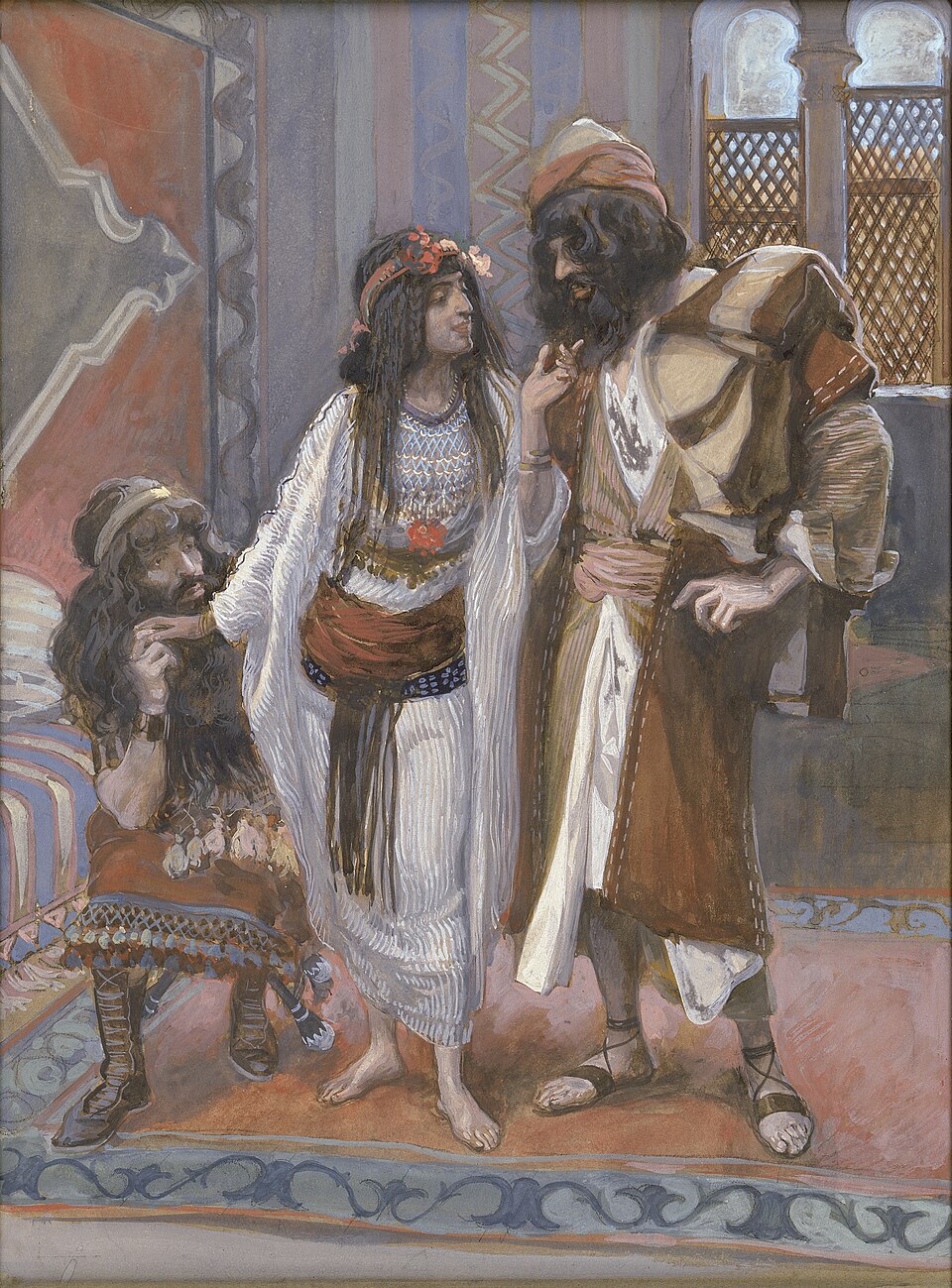
She hid Israel's spies and asked them to swear “that you will indeed show kindness to my family, because I showed kindness to you.”
Joshua 2:12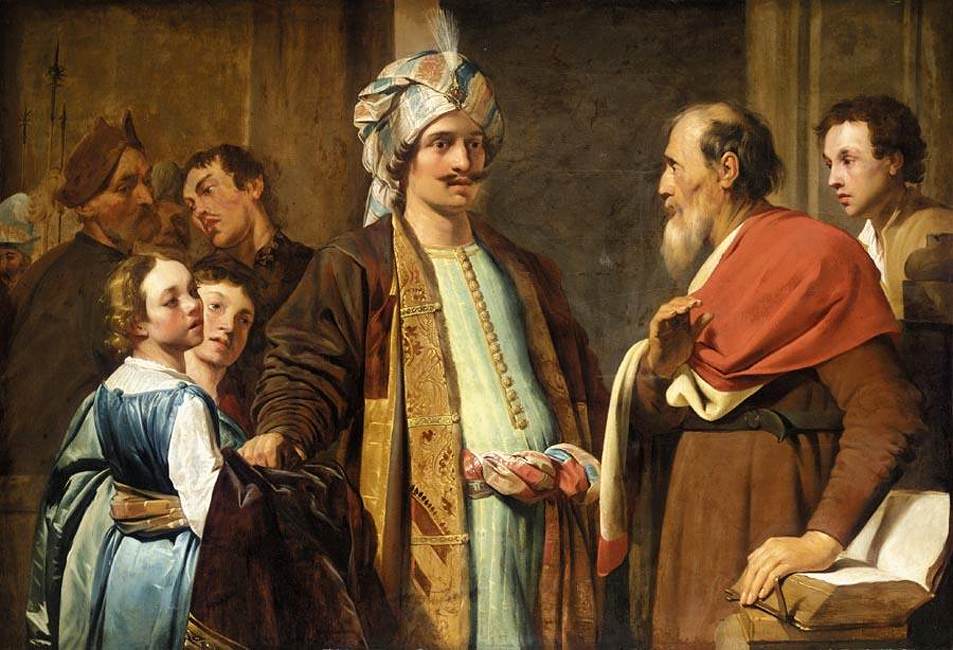
Each time Elijah told him to stay behind, he answered, “As surely as the LORD lives and as you yourself live, I will not leave you.”
2 Kings 2:2
John names her among the women who stayed: “Near the cross of Jesus stood His mother and her sister, as well as Mary the wife of Clopas and Mary Magdalene.”
John 19:25
The Practice of Loyalty
Scripture names six practices of loyalty, each in the words of the verse that gives it.
- 1Stay when trouble comes“A friend loves at all times, and a brother is born for adversity.”Proverbs 17:17
- 2Keep a costly promise“who does not revise a costly oath,”Psalm 15:4
- 3Be faithful in small things“Whoever is faithful with very little will also be faithful with much”Luke 16:10
- 4Keep your father's friends“Do not forsake your friend or your father’s friend,”Proverbs 27:10
- 5Hold to the hope“Let us hold resolutely to the hope we profess, for He who promised is faithful.”Hebrews 10:23
- 6Abide in the Lord“he rejoiced and encouraged them all to abide in the Lord with all their hearts.”Acts 11:23
Keep a costly promise, Be faithful in small things, Keep your father's friends, Hold to the hope, Abide in the Lord
What Stands Against Loyalty
Scripture names a loyalty that vanishes, a trusted friend who turns and companions who desert.
Through Hosea the LORD charged Israel and Judah, “your loyalty is like a morning mist, like the early dew that vanishes” (Hosea 6:4).
Even my close friend whom I trusted, the one who shared my bread, has lifted up his heel against me.Jesus applied this line to His betrayer (John 13:18), so the psalm stands here for the treachery of a trusted friend.
At my first defense, no one stood with me, but everyone deserted me. May it not be charged against them.Paul's words stand here because they show desertion at a trial and a man who refuses to hold it against those who left.
Psalm 41:9, 2 Timothy 4:16
Loyalty in the Stories of the Bible
Ruth, Jonathan, Ittai, Hushai, Ahithophel and Judas show loyalty kept and loyalty broken.
Ruth stays with NaomiRuth 1
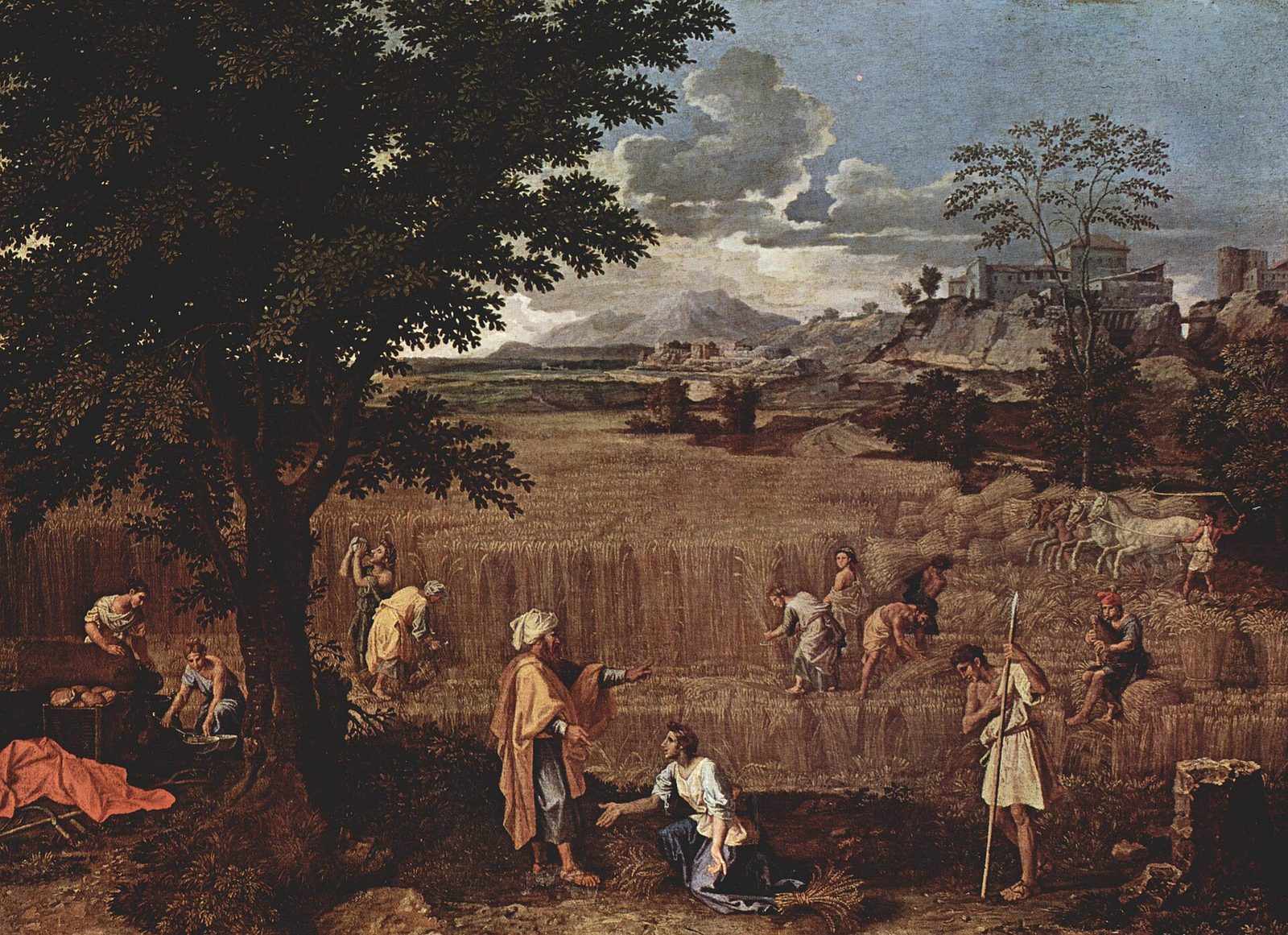
Naomi, widowed and bereaved of both sons in Moab, set out for Bethlehem and urged her two Moabite daughters-in-law to go home. Ruth went on to bind herself to Naomi, to her people and to her God with an oath.
Again they wept aloud, and Orpah kissed her mother-in-law goodbye, but Ruth clung to her.
Ruth 1:14BSB The verse stands here because it sets the two daughters-in-law side by side.
Read the study of Where You Go I Will Go 8 sections, 3 verses set out
Jonathan keeps covenant with David1 Samuel 18 to 20
Saul's son Jonathan gave David his robe and weapons, pleaded for him at the king's table until Saul hurled a spear at him, and sent him away in peace with an oath in the LORD's name.
Then Jonathan made a covenant with David because he loved him as himself.
1 Samuel 18:3BSB The verse names the covenant that came to bind Jonathan's house as well (1 Samuel 20:15 to 16).
Read the story of Jonathan and David 7 sections, 5 verses set out
Ittai the Gittite follows David2 Samuel 15
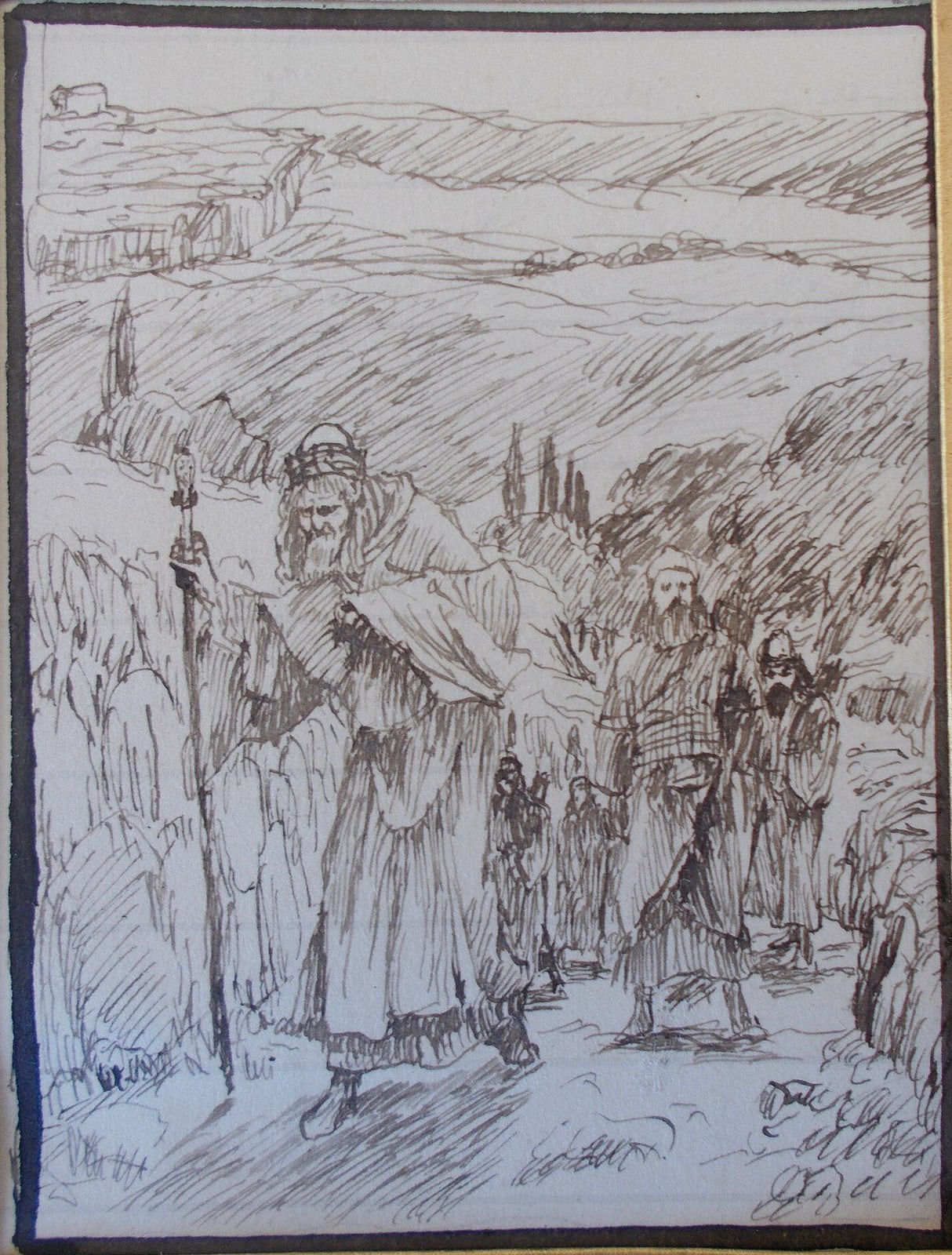
When Absalom rebelled at Hebron, David fled Jerusalem. He urged Ittai of Gath, a foreigner and an exile who had arrived only the day before, to go back with his men.
But Ittai answered the king, “As surely as the LORD lives, and as my lord the king lives, wherever my lord the king may be, whether it means life or death, there will your servant be!”
2 Samuel 15:21BSB Ittai's oath stands here as a stranger's loyalty to a king in flight.
Read the story of Ittai the Gittite 8 sections, 5 verses set out
Hushai and Ahithophel2 Samuel 15 to 17
Ahithophel, David's counsellor, joined Absalom's conspiracy, while David's friend Hushai went back to Jerusalem to defeat his counsel. When Absalom took Hushai's advice, Ahithophel went home and hanged himself (2 Samuel 17:23).
Now someone told David: “Ahithophel is among the conspirators with Absalom.” So David pleaded, “O LORD, please turn the counsel of Ahithophel into foolishness!”
2 Samuel 15:31BSB David's prayer stands here as his answer to a trusted counsellor's treachery.
Read the page on David 14 sections, 34 verses set out
Judas betrays JesusMatthew 26 and 27
Judas, one of the Twelve, left the supper and came back with an armed crowd, having told them that the one he kissed was the man to arrest. After Jesus was condemned, Judas returned the silver.
Going directly to Jesus, he said, “Greetings, Rabbi!” and kissed Him.
Matthew 26:49BSB The kiss stands here as the sign of friendship turned into the means of betrayal.
Jonathan keeps covenant with David (1 Samuel 18 to 20), Ittai the Gittite follows David (2 Samuel 15), Hushai and Ahithophel (2 Samuel 15 to 17), Judas betrays Jesus (Matthew 26 and 27)
2 Samuel 15:21, 2 Samuel 15:31, Matthew 26:49
Loyalty in the Church's History
Three accounts tell of an old bishop before a proconsul, a young man who spoke for his brethren and a slave woman who would not deny Christ.
Polycarp of SmyrnaMartyrdom of Polycarp 9
The church of Smyrna's letter on the Martyrdom of Polycarp (chapter 9, translated by Roberts and Donaldson, 1885) tells how the proconsul told the old bishop to swear and reproach Christ and he would set him free. Polycarp answered, “Eighty and six years have I served Him, and He never did me any injury: how then can I blaspheme my King and my Saviour?”
Read the story of Polycarp 8 sections, 3 verses set out
Vettius Epagathus of LyonsEusebius 5.1.9 to 10
The churches of Vienne and Lyons wrote of the persecution Eusebius dates to the seventeenth year of Antoninus Verus (Church History 5.1, translated by McGiffert, 1890). When the Christians were tried, Vettius Epagathus “asked to be permitted to testify in behalf of his brethren”. Asked whether he too was a Christian, he said so and was taken with them, “being called the Advocate of the Christians”.
Blandina of LyonsEusebius 5.1.17 to 19
The same letter tells how Blandina, a slave, was tortured from morning until evening by men taking turns. Her answer under every torment was “I am a Christian, and there is nothing vile done by us.”
Vettius Epagathus of Lyons (Eusebius 5.1.9 to 10), Blandina of Lyons (Eusebius 5.1.17 to 19)
Voices on Loyalty, by Century
Three quotations from the fourth century and the eighteenth, each under the line it teaches.
died 397 · Ambrose of Milan
On the Duties of the Clergy 2.7.36
A fourth-century reading: David was loved by his friends as he loved them, and Saul struck at the son who put that friendship first.
The quotation1 quotation
“Who would not have loved him [David], when they saw how dear he was to his friends? For as he truly loved his friends, so he thought that he was loved as much in return by his own friends. No, parents put him even before their own children, and children loved him more than their parents. Therefore Saul was very angry and strove to strike Jonathan his son with a spear because he thought that David's friendship held a higher place in his esteem than either filial piety or a father's authority.”
Ambrose of Milan · On the Duties of the Clergy 2.7.36 · on 1 Samuel 20:30 to 34Patristic
1662 to 1714 · Matthew Henry
Commentary on the Whole Bible
An eighteenth-century reading: Ittai bound his loyalty with an oath so that he would not be tempted to break it.
The quotation1 quotation
“Where David is, whether in life or death, safe or in peril, there will this faithful friend of his be; and he confirms this resolution with an oath, that he might not be tempted to break it.”
Matthew Henry · Commentary on the Whole Bible · on 2 Samuel 15:21Puritan
1662 to 1714 · Matthew Henry
Commentary on the Whole Bible
An eighteenth-century reading: a ruler cannot judge his people's loyalty by their applause.
The quotation1 quotation
“Princes cannot always judge of the affections of their people by their applauses; flattery is one thing, and true loyalty is another. One of the best of men is here accused as one of the worst of malefactors, only because he was the prisoner.”
Matthew Henry · Commentary on the Whole Bible · on Acts 24:4Puritan
How Loyalty Has Been Taught
Two passages of Augustine's Confessions speak of a friend he loved and lost.
Augustine taught that true friendship is a bond God makes between those who cleave to Him.1 paragraph
In the Confessions (book 4, section 7, translated by J. G. Pilkington, 1887), Augustine judged that a friendship of his youth fell short of the true kind. True friendship, he wrote, is found only “in such as You bind together”, and the bond is the love God pours into the heart (Romans 5:5).
Augustine taught that a love held in God cannot be lost.1 paragraph
After that friend died, Augustine wrote in section 14 of the same book, “Blessed be he who loves You, and his friend in You, and his enemy for Your sake. For he alone loses none dear to him to whom all are dear in Him who cannot be lost.”
The Studies of Loyalty
Each study takes one part of loyalty into more depth.
The texts
3 studies
- Passages and psalms · 3 verses set outWhere You Go, I Will Go
Ruth bound herself by oath to Naomi, to her people and to her God on the road from Moab to Bethlehem.
- Stories · 8 verses set outThe covenant at Shechem
Joshua 24:1 to 28 records the covenant made between the LORD and Israel in Joshua's last years, sealed by a written record and a standing stone.
- Doctrines · 17 verses set outHesed, the LORD's Loving Devotion
A Hebrew noun found in 241 verses of twenty-eight books of the Old Testament, 127 of them in the Psalms.
- Passages and psalms · 3 verses set outWhere You Go, I Will Go
The stories
3 studies
- Stories · 5 verses set outIttai the Gittite
Ittai, a Philistine from Gath, refused to leave King David when David fled Jerusalem from Absalom.
- Stories · 5 verses set outJonathan and David
Saul's son Jonathan made a covenant with David in 1 Samuel 18 and kept it through his father's attempts on David's life.
- Subjects · 12 versesBetrayal
The wound that comes from a friend's hand.
- Stories · 5 verses set outIttai the Gittite
The words
2 studies
- Symbols and words · 3 verses set outThe Words Chesed and Emet
The Hebrew nouns chesed and emet stand side by side in verses from Genesis to Zechariah.
- Doctrines · 16 verses set outChesed, the Loyalty No Law Compels
The word comes once in each of the book's first three chapters, and the fourth chapter shows its acts at the gate without naming it.
- Symbols and words · 3 verses set outThe Words Chesed and Emet


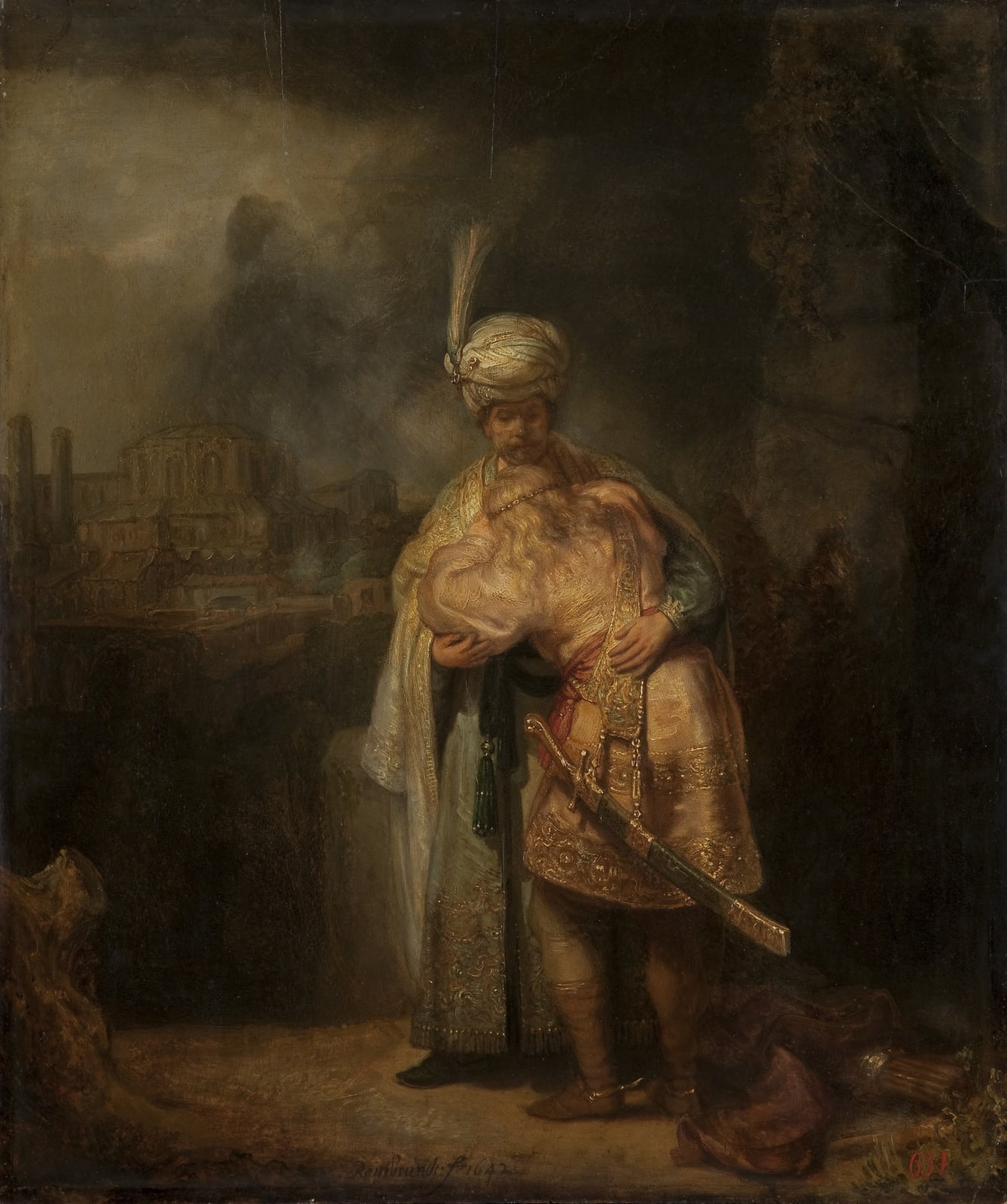

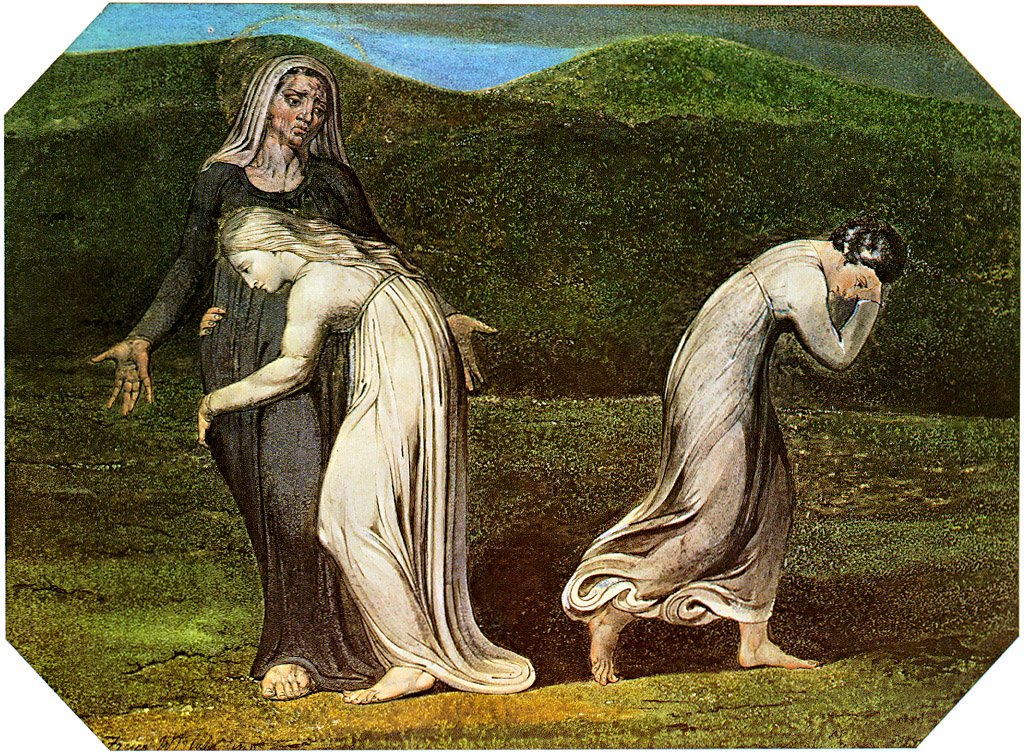
The covenant at Shechem, Hesed, the LORD's Loving Devotion, Ittai the Gittite, Jonathan and David, Betrayal, The Words Chesed and Emet, Chesed, the Loyalty No Law Compels
Where Readers Disagree
Six readings answer three questions, each with its holders, the work that argues it and the objection raised against it.
Whether Ruth's vow was loyalty to Naomi or a turning to God
Read the study of Where You Go I Will Go 8 sections, 3 verses set out
| Reading | Held by | Work | Objection |
|---|---|---|---|
| It was a confession of allegiance to God | Charles Spurgeon (Baptist) | Spurgeon, Ruth Deciding for God, sermon 2680 in The Metropolitan Tabernacle Pulpit (1900) | The vow opens with Naomi's road and closes with “if anything but death separates you and me” (Ruth 1:17), so its first object is a person. |
| It was first a friend's surrender to a friend | Adam Clarke (Methodist) | Clarke, Commentary on the Bible (1832), on Ruth 1:16 | The vow names “your God will be my God” and is sworn by the LORD, so it reaches past Naomi to her God. |
Where Jonathan's loyalty to his father ended
Read the story of Jonathan and David 7 sections, 5 verses set out
| Reading | Held by | Work | Objection |
|---|---|---|---|
| Friendship follows virtue, and no friend may be pleased in evil | Ambrose of Milan (Patristic) | Ambrose, On the Duties of the Clergy, book 3, chapters 21 and 22 (translated 1896) | After the parting David departed and “Jonathan went back into the city” (1 Samuel 20:42), so Jonathan did not leave his father to follow David. |
| His filial duty kept him from a full break with Saul | Albert Barnes (American Presbyterian) | Barnes, Notes on the Old Testament, on 1 Samuel 20:42 | When Saul ordered his servants and his son to kill David, Jonathan told David to hide (1 Samuel 19:1 to 2), so his duty to his father gave way at that point. |
Whether Hushai was right to feign loyalty to Absalom
Read the story of Ittai the Gittite 8 sections, 5 verses set out
| Reading | Held by | Work | Objection |
|---|---|---|---|
| The pretence was a wrong | John Wesley; Matthew Henry (Methodist; English Presbyterian) | Wesley, Explanatory Notes upon the Old Testament (1765), on 2 Samuel 15:34; Henry, Commentary on the Whole Bible (1710), on 2 Samuel 15:34 | The narrator writes that “the LORD had purposed to thwart the good counsel of Ahithophel” (2 Samuel 17:14) through Hushai's advice. |
| He served his king by it | John Gill; Adam Clarke (Particular Baptist; Methodist) | Gill, Exposition of the Old Testament, on 2 Samuel 15:37; Clarke, Commentary on the Bible (1832), on 2 Samuel 15:33 | David told Hushai to offer himself to Absalom as his servant (2 Samuel 15:34), an offer Hushai did not mean, and the narrator's note on the LORD's purpose does not approve the means. |
Sources
Scripture is the Berean Standard Bible.
- STEP Bible, Translators Brief lexicon of Extended Strongs for Hebrew (Tyndale House, Cambridge, CC BY 4.0), with Strong's definitions of 1890.
- The Martyrdom of Polycarp, chapter 9, in the translation of Alexander Roberts and James Donaldson (Ante-Nicene Fathers, volume 1, 1885)
- Eusebius, Church History, book 5, chapter 1, translated by Arthur Cushman McGiffert for the second series of the Nicene and Post-Nicene Fathers, volume 1 (1890)
- Augustine, Confessions, book 4, sections 7 and 14, in J. G. Pilkington's English (Nicene and Post-Nicene Fathers, first series, volume 1, 1887)
- Ambrose of Milan, On the Duties of the Clergy, book 3, chapters 21 and 22, rendered by H. de Romestin (NPNF second series 10, 1896)
- Ambrose of Milan, On the Duties of the Clergy, book 2, chapter 7, section 36, from the 1896 English of H. de Romestin with two words modernized.
- Charles Spurgeon, Ruth Deciding for God, sermon 2680 in The Metropolitan Tabernacle Pulpit (1900)
- Matthew Henry, Commentary on the Whole Bible (1710), on 2 Samuel 15:21, 2 Samuel 15:34 and Acts 24:4.
- Adam Clarke, Commentary on the Bible (1832), on Ruth 1:16 and 2 Samuel 15:33.
- Albert Barnes, Notes, Explanatory and Practical, on the Old and New Testaments (1832 to 1869), on 1 Samuel 20:42.
- John Wesley, Explanatory Notes upon the Old Testament (1765), on 2 Samuel 15:34.
- John Gill, Exposition of the Old Testament (1748 to 1763), on 2 Samuel 15:37.
Keep Studying
In this value7
People and groups24
Show the next 6 titles
Values3