
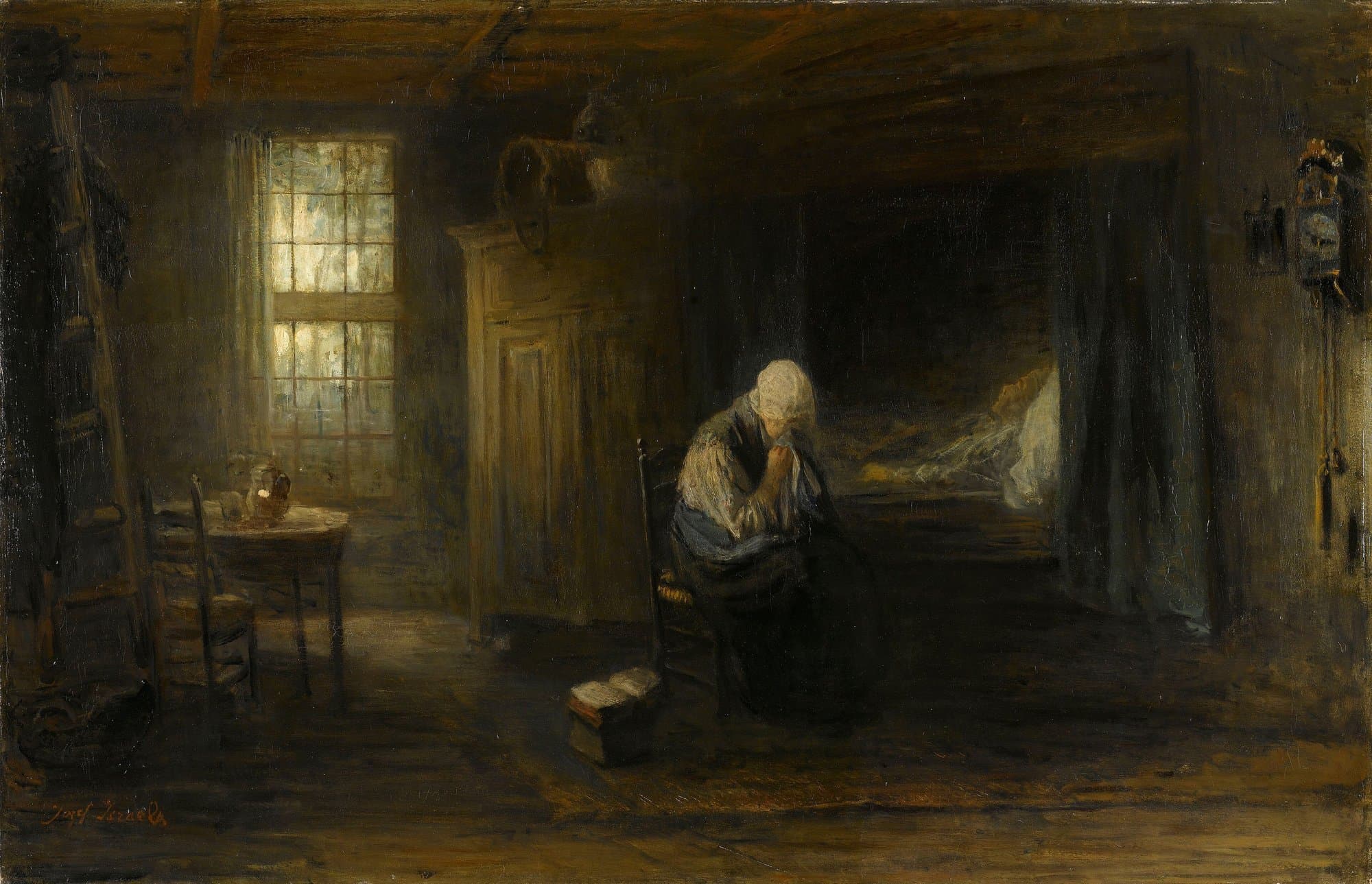
Psalm 68 · Trial 8 of 21 · Featured Study
Loneliness
Loneliness is the pain of being without the company a person needs.
Psalm 88 ends on the line “darkness is my closest companion.”
God settles the lonely in families; He leads the prisoners out to prosperity, but the rebellious dwell in a sun-scorched land.
- Anchor text
- Psalm 68:6 “God settles the lonely in families; He…”
- The lament
- Psalm 142:1 to 7 “I cry aloud to the LORD; I lift…”
- Hold in memory
- Psalm 68:6, Hebrews 13:5
Summary
Scripture treats loneliness as a real sorrow that God sees and answers. It came on faithful prophets, on the sick and on Paul when his friends left him, as well as on the guilty who hid from God. The psalms bring it to Him aloud, and Scripture keeps those prayers for His people to pray. God answers it with the promise of His own presence, which runs through every part of Scripture.
- God called the first man's solitude not good before sin entered the world.
- Jesus was deserted by His disciples on the night of His arrest, and on the cross He prayed the opening words of Psalm 22.
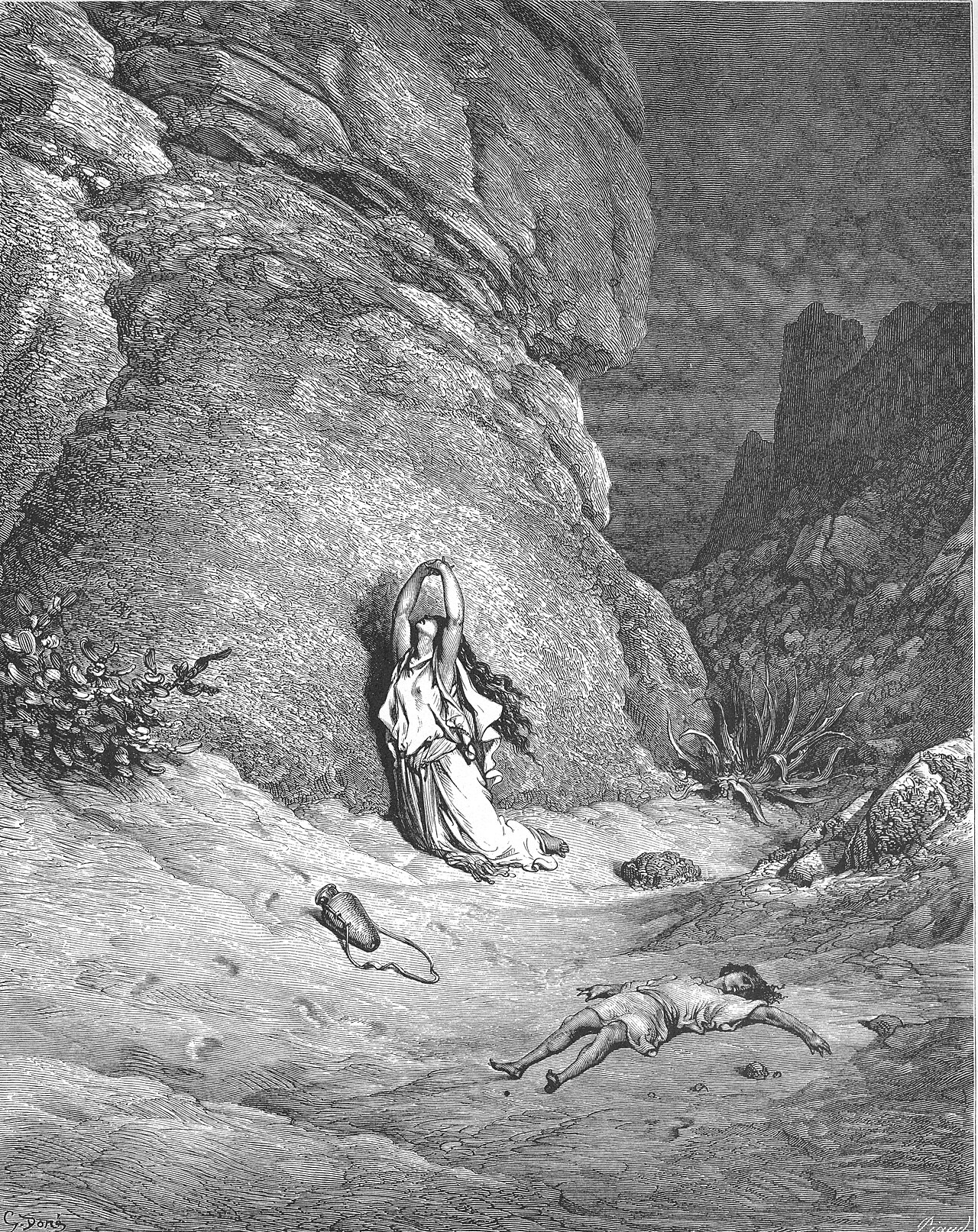
- Hagar, an outcast servant alone in the wilderness, named the LORD who spoke to her “the God who sees me.”
- The church is the household in which God gives the lonely brothers, sisters and mothers in the present age.
- Scripture gives the church its own work toward the lonely, from visiting widows and orphans to sharing its homes.
What Loneliness Is
Four Hebrew and Greek words name the only one, the one set apart, the one left alone and the solitary place.
Loneliness can come at any age and in any company. This study asks what Scripture says to a person who is lonely: where loneliness comes from, how God rules over it, where Christ bore it and what the text gives a lonely person to do. It gives the words Scripture uses, the key texts, the people and stories that show the trial, the voices of the church, three questions on which readers disagree, and the studies of the loneliness family.
Yachid, the only one
12 uses in the canon
The Hebrew adjective yachid (H3173) means sole and only, and by implication beloved and lonely. David uses it in his prayer: “Turn to me and be gracious, for I am lonely and afflicted.”
Badad, alone and apart
11 uses in the canon
The Hebrew word badad (H910) means separate, and as an adverb alone. Lamentations opens with it: “How lonely lies the city, once so full of people!”
Monos, alone
110 uses in the canon
The Greek adjective monos (G3441) means remaining, sole or single. Martha uses it when she complains to Jesus about her sister Mary: “Lord, do You not care that my sister has left me to serve alone?”
Eremos, the solitary place
48 uses in the canon
The Greek adjective eremos (G2048) means lonesome, and so a desert or a deserted place. Paul uses it of the woman left without a husband when he quotes Isaiah: “more are the children of the desolate woman than of her who has a husband.”
The lexicon in full
Yachid, the only one, Badad, alone and apart, Monos, alone, Eremos, the solitary place, The Words Yachid and Monos, the study in brief
The Key Texts of Loneliness
One text from each part of the canon gives God's answer to the one who is alone.
Law
The LORD Himself goes before you; He will be with you. He will never leave you nor forsake you. Do not be afraid or discouraged.”
Moses spoke it to Joshua as he handed over the leadership of Israel, when Joshua was about to lose him.
Wisdom
Though my father and mother forsake me, the LORD will receive me.
David sets God's welcome against the loss of the nearest human bond.
Psalm 27:10BSB
Prophets
“Can a woman forget her nursing child, or lack compassion for the son of her womb? Even if she could forget, I will not forget you!
God answers Zion's complaint that He has forgotten her with a love stronger than a mother's.
Isaiah 49:15BSB
Gospels
I will not leave you as orphans; I will come to you.
Jesus spoke these words on the night before His death to disciples about to lose His bodily presence.
John 14:18BSB
Letters
Keep your lives free from the love of money and be content with what you have, for God has said: “Never will I leave you, never will I forsake you.”
Hebrews takes the promise given to Joshua and gives it to every believer as the ground of contentment.
Hebrews 13:5BSB
Revelation
And I heard a loud voice from the throne saying: “Behold, the dwelling place of God is with man, and He will dwell with them. They will be His people, and God Himself will be with them as their God.
The last vision of Scripture ends all separation, since God Himself dwells with His people.
Psalm 27:10, Isaiah 49:15, John 14:18, Hebrews 13:5, Revelation 21:3
Where Loneliness Comes From, and Christ Who Bore It
Scripture traces loneliness to sin, disease and the desertion of friends, keeps it under God's rule, and shows Christ alone and forsaken for His people.
Sin brought a new loneliness in Genesis 3, when the man and the woman who had walked with God hid from Him.
Then the man and his wife heard the voice of the LORD God walking in the garden in the breeze of the day, and they hid themselves from the presence of the LORD God among the trees of the garden.The verse shows the first sin breaking the company of God and man, so that the guilty hide from the One who made them.
Behold, this day You have driven me from the face of the earth, and from Your face I will be hidden; I will be a fugitive and a wanderer on the earth, and whoever finds me will kill me.”Cain's sentence shows a man's own sin driving him out from God's face and from settled life.
As long as he has the infection, he remains unclean. He must live alone in a place outside the camp.The law of the skin disease set the sick man apart from the camp, so illness brought isolation as well as pain.
The psalms add the loneliness that other people cause, and Paul sets every sorrow inside a creation that “has been groaning together in the pains of childbirth until the present time” (Romans 8:22).
My beloved and friends shun my disease, and my kinsmen stand at a distance.A sufferer's pain is doubled when the people nearest him keep away.
None of these causes moves outside God's rule.
For I am convinced that neither death nor life, neither angels nor principalities, neither the present nor the future, nor any powers, neither height nor depth, nor anything else in all creation, will be able to separate us from the love of God that is in Christ Jesus our Lord.Paul's list closes the account of where loneliness comes from, since no separation reaches past God's hold on His people.
Jesus Christ knew loneliness Himself, and five texts show where.
He was despised and rejectedIsaiah 53
Isaiah foretold a Servant of the LORD who “was pierced for our transgressions” (Isaiah 53:5).
He was despised and rejected by men, a man of sorrows, acquainted with grief. Like one from whom men hide their faces, He was despised, and we esteemed Him not.
Isaiah 53:3BSB The prophet names the rejection the Servant would bear from the people He came to save.
His friends slept in GethsemaneMatthew 26
In Gethsemane Jesus told Peter, James and John, “My soul is consumed with sorrow to the point of death. Stay here and keep watch with Me” (Matthew 26:38).
Then Jesus returned to the disciples and found them sleeping. “Were you not able to keep watch with Me for one hour?” He asked Peter.
Matthew 26:40BSB Jesus wanted human company in His sorrow and did not receive it.
He was left alone, yet not aloneJohn 16
Jesus spoke these words at the close of His last discourse to the disciples in John 13 to 16.
“Look, an hour is coming and has already come when you will be scattered, each to his own home, and you will leave Me all alone. Yet I am not alone, because the Father is with Me.
John 16:32BSB Jesus names the desertion before it happens and names the Father's presence in the same breath.
Read the study of My Peace I Give to You 8 sections, 17 verses set out
He was forsaken on the crossMatthew 27
Matthew records that “From the sixth hour until the ninth hour darkness came over all the land” (Matthew 27:45).
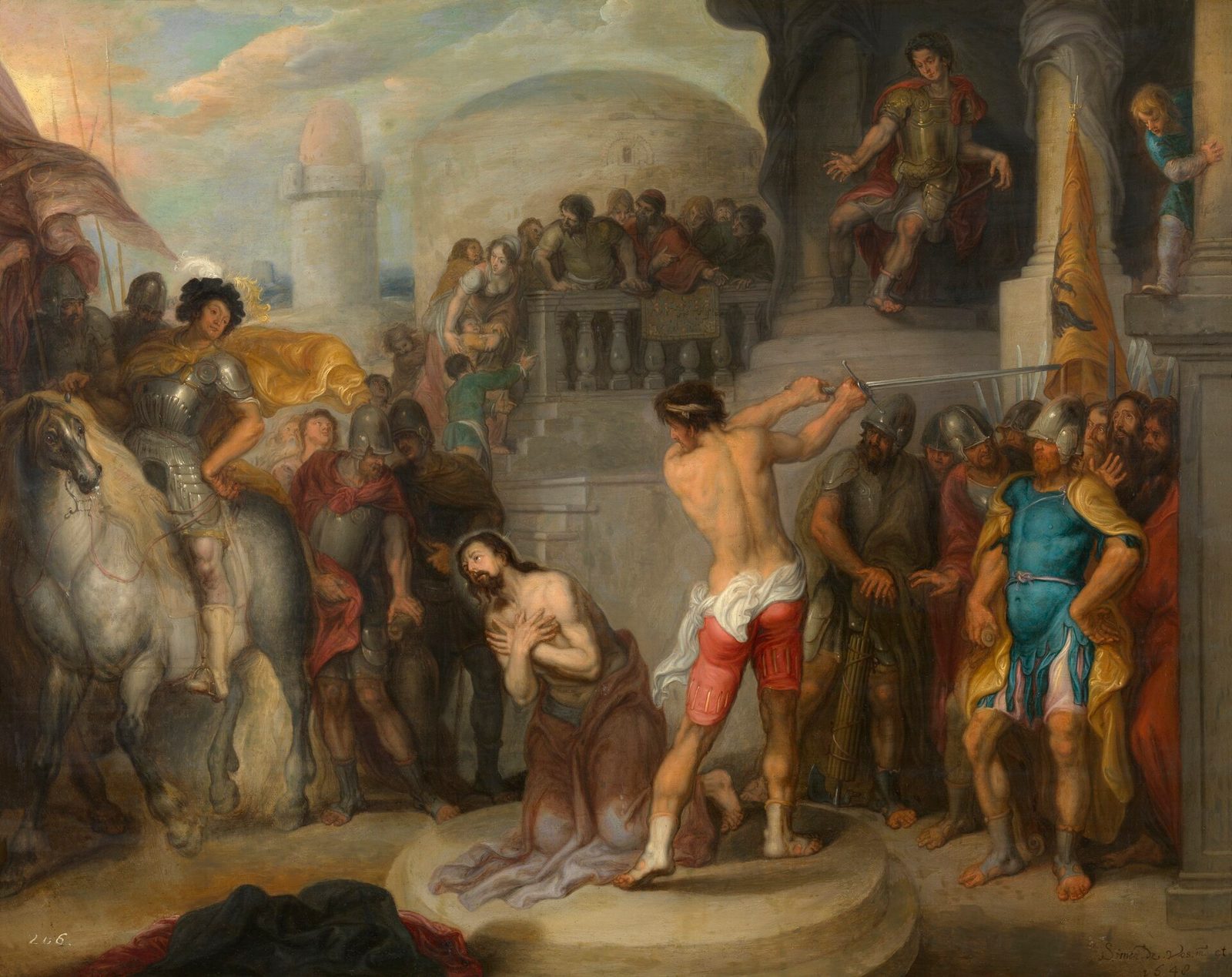
About the ninth hour Jesus cried out in a loud voice, “Eli, Eli, lema sabachthani?” which means, “My God, My God, why have You forsaken Me?”
Matthew 27:46BSB Here the Son of God bore forsakenness in the place of sinners.
Read the study of My God, Why Have You Forsaken Me 8 sections, 28 verses set out
He sympathizes as High PriestHebrews 4
Hebrews calls Jesus “a great high priest who has passed through the heavens, Jesus the Son of God” (Hebrews 4:14).
For we do not have a high priest who is unable to sympathize with our weaknesses, but we have one who was tempted in every way that we are, yet was without sin.
Hebrews 4:15BSB The verse tells the lonely that the One who hears their prayer has felt human weakness Himself.
Read the study of The Compassion of Jesus 8 sections, 19 verses set out
His friends slept in Gethsemane (Matthew 26), He was left alone, yet not alone (John 16), He was forsaken on the cross (Matthew 27), He sympathizes as High Priest (Hebrews 4)
Leviticus 13:46, Psalm 38:11, Romans 8:38 to 39, Isaiah 53:3, Matthew 26:40, John 16:32, Matthew 27:46, Hebrews 4:15
The Fall & the Protoevangelium, the study in brief, Genesis 4:14, Leviticus 13:46, Psalm 38:11, Romans 8:38 to 39, Providence, the study in brief, a paragraph, He was despised and rejected (Isaiah 53) and 4 more
Who Walked Through Loneliness
Four people of the Bible knew loneliness through persecution, a prophet's calling, the loss of friends and disease.
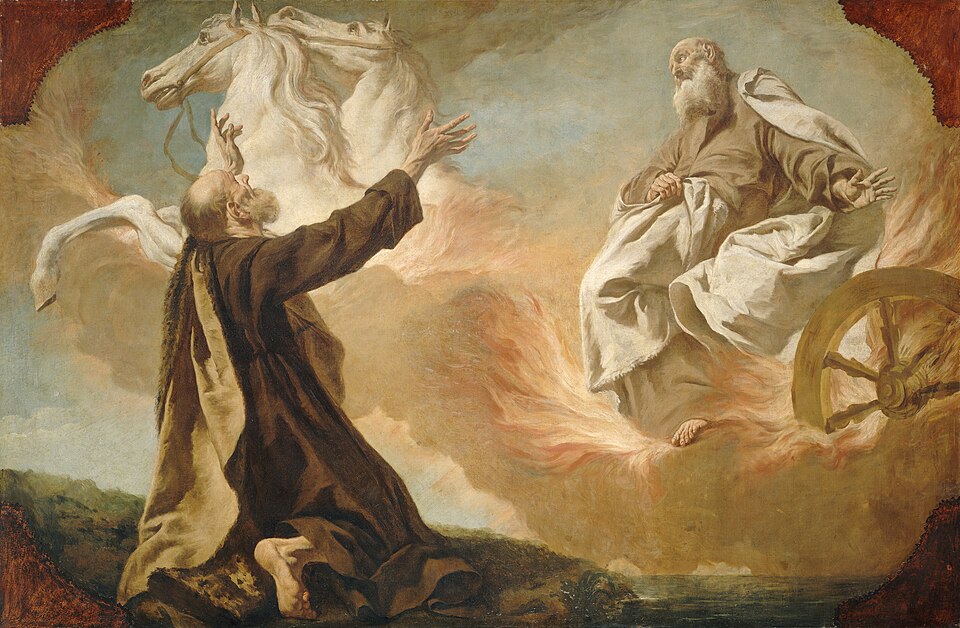
After Mount Carmel he told God, “I am the only one left, and they are seeking my life as well.”
1 Kings 19:10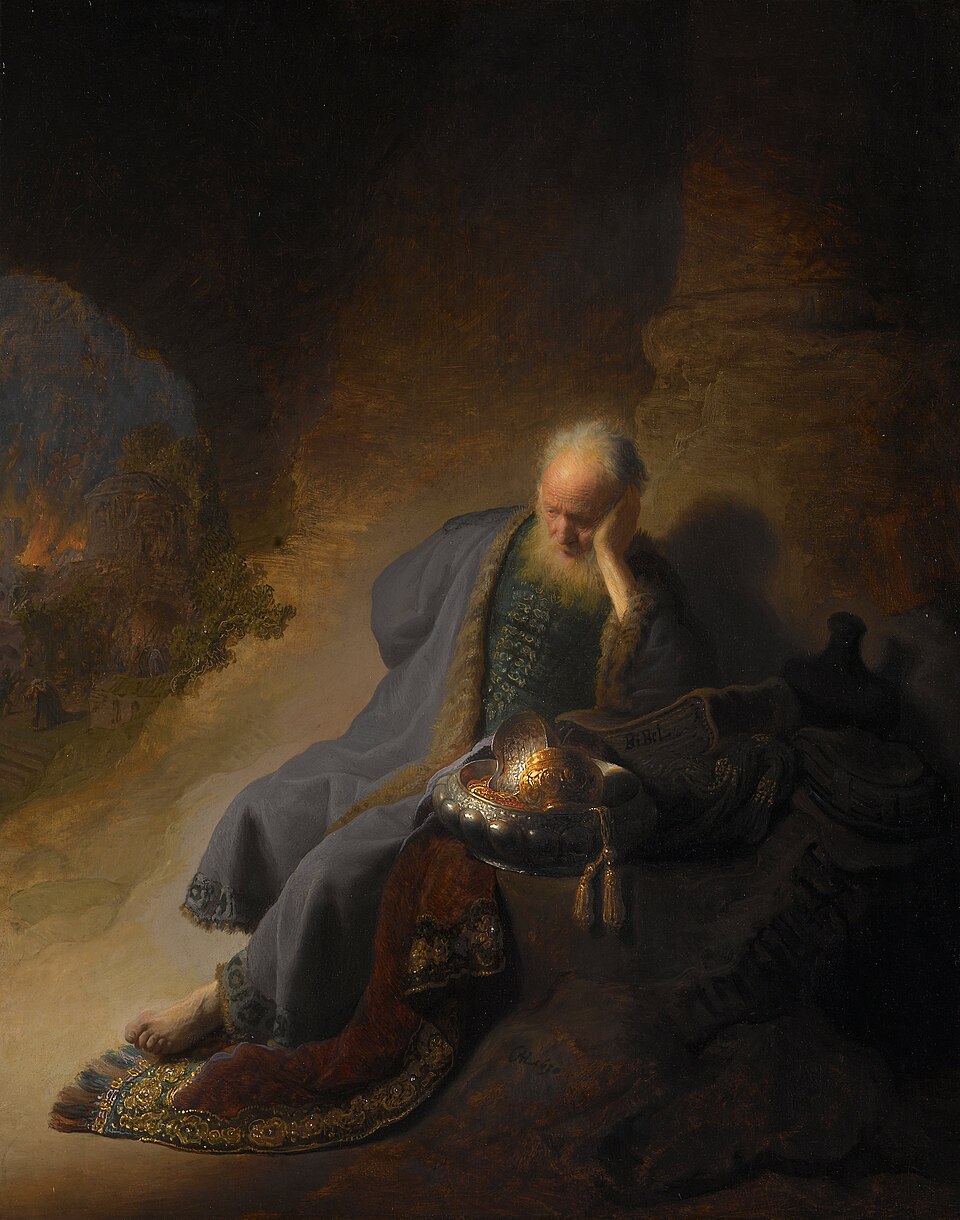
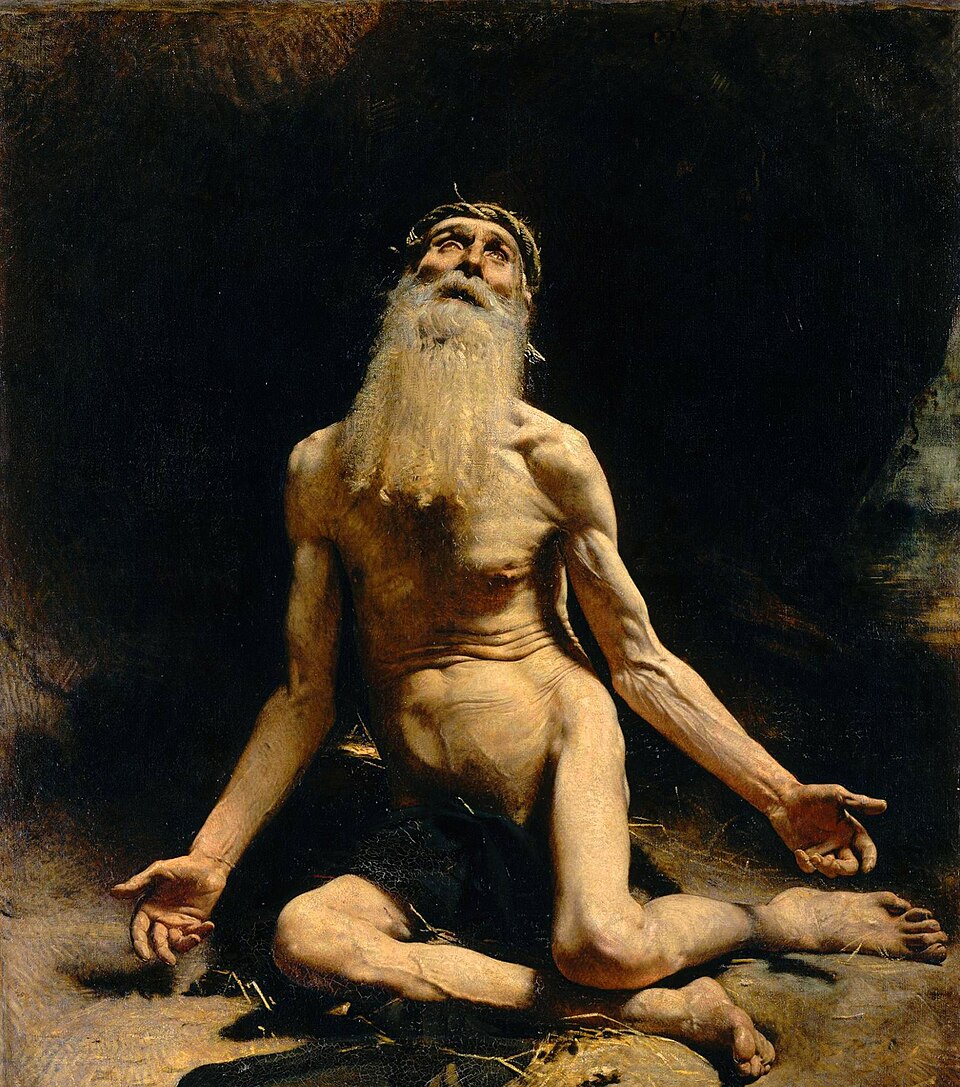

The king became a leper and “lived in isolation, leprous and cut off from the house of the LORD.”
2 Chronicles 26:21
Job, Uzziah
What to Do in Loneliness
Scripture gives six things to do in loneliness, each in the words of the verse that gives it.
- 1Pour out your heart to God“Trust in Him at all times, O people; pour out your hearts before Him. God is our refuge.”Psalm 62:8
- 2Give Him your cares“Cast all your anxiety on Him, because He cares for you.”1 Peter 5:7
- 3Remember that He is near“The LORD is near to the brokenhearted; He saves the contrite in spirit.”Psalm 34:18
- 4Keep meeting with the church“Let us not neglect meeting together, as some have made a habit, but let us encourage one another.”Hebrews 10:25
- 5Look for the lonelyPure religion is “to care for orphans and widows in their distress.”James 1:27
- 6Open your home“Share with the saints who are in need. Practice hospitality.”Romans 12:13
Give Him your cares, Remember that He is near, Keep meeting with the church, Look for the lonely, Open your home
Where loneliness weighs on the body or the mind, the care of a doctor or a counselor stands beside prayer and the help of the church, never in their place.
The Lament: Psalm 142
Psalm 142 runs in seven verses from David's cry for mercy to his request to be set free.
Psalm 142 is the lament this trial takes as its own.
I cry aloud to the LORD; I lift my voice to the LORD for mercy. I pour out my complaint before Him; I reveal my trouble to Him.The prayer opens with the cry itself, so the psalm teaches that complaint brought to God is faith at work.
Look to my right and see; no one attends to me. There is no refuge for me; no one cares for my soul. I cry to You, O LORD: “You are my refuge, my portion in the land of the living.”David names his loneliness plainly and in the next breath names God as his refuge and portion.
Free my soul from prison, that I may praise Your name. The righteous will gather around me because of Your goodness to me.David asks for freedom so that he may praise God, and he expects the righteous to gather around him, so the lament closes in hope.
I Am Lonely and Afflicted, the study in brief
Loneliness in the Stories of the Bible
Three stories tell of the first man before the woman was made, a servant sent into the wilderness and an apostle deserted at his trial.
Adam before the woman was madeGenesis 2
The LORD God placed the man in the Garden of Eden “to cultivate and keep it” (Genesis 2:15). Before He made the woman, God brought every beast and bird to the man “to see what he would name each one” (Genesis 2:19).
The man gave names to all the livestock, to the birds of the air, and to every beast of the field. But for Adam no suitable helper was found.
Genesis 2:20BSB The verse shows that the whole animal world could not meet the man's need for a companion like himself.
Read the study of It Is Not Good to Be Alone 8 sections, 9 verses set out
Hagar under the bushGenesis 21
Abraham “took bread and a skin of water, put them on Hagar’s shoulders, and sent her away with the boy” (Genesis 21:14). “When the water in the skin was gone, she left the boy under one of the bushes” (Genesis 21:15). Genesis 21:16 gives her words, “I cannot bear to watch the boy die!”
Then God heard the voice of the boy, and the angel of God called to Hagar from heaven, “What is wrong, Hagar? Do not be afraid, for God has heard the voice of the boy where he lies.
Genesis 21:17BSB God's answer shows that He heard the outcast mother and child when no one else was near.
Read the story of The God Who Sees Me 9 sections, 16 verses set out
Paul at his first defense2 Timothy 4
Paul wrote his last letter to Timothy knowing that “the time of my departure is at hand” (2 Timothy 4:6).
At my first defense, no one stood with me, but everyone deserted me. May it not be charged against them. But the Lord stood by me and strengthened me, so that through me the message would be fully proclaimed, and all the Gentiles would hear it. So I was delivered from the mouth of the lion.
2 Timothy 4:16 to 17BSB The verses set human desertion and the Lord's presence side by side, and Paul forgives those who left him.
Read the story of Paul's Last Imprisonment and Death 11 sections, 22 verses set out
Hagar under the bush (Genesis 21), Paul at his first defense (2 Timothy 4)
Loneliness in the Church's History
Three accounts tell of a young teacher who lost his closest friend, a preacher parted from his family by prison in 1660 and a missionary alone in the wilderness in 1743.
Augustine and the death of his friendAbout 400
Augustine of Hippo told in the fourth book of his Confessions how a friend of his youth died of a fever. In J. G. Pilkington's translation he wrote, “My eyes sought him everywhere, but he was not granted them.” Later in the same book he wrote, “Blessed be he who loves You, and his friend in You, and his enemy for Your sake.”
Why are you downcast, O my soul? Why the unease within me? Put your hope in God, for I will yet praise Him for the salvation of His presence.
Psalm 42:5BSB Augustine asked his soul the question of this verse and bid it hope in God, and he wrote that in his grief it would not obey.
John Bunyan in Bedford jail1660
John Bunyan was arrested on 12 November 1660 for preaching to a meeting in Bedfordshire. In Grace Abounding to the Chief of Sinners he wrote from prison that “the parting with my wife and poor children, hath often been to me in this place, as the pulling the flesh from the bones”. He named above all “my poor blind child, who lay nearer my heart than all besides”.
Abandon your orphans; I will preserve their lives. Let your widows trust in Me.”
Jeremiah 49:11BSB Bunyan named this promise first among the scriptures that helped him leave his wife and children in God's care.
David Brainerd at Kaunaumeek1743
David Brainerd, a missionary to the Indians, rode to Kaunaumeek, near twenty miles from Stockbridge, on 1 April 1743. On 18 May he wrote in his diary, “I live in the most lonesome wilderness; have but one single person to converse with, that can speak English.” He added, “I have no fellow-Christian to whom I might unbosom myself, or lay open my spiritual sorrows”.
How long, O LORD? Will You forget me forever? How long will You hide Your face from me?
Psalm 13:1BSB Brainerd wrote that what made all his hardships grievous was that God hid His face from him, the complaint this psalm brings to God.
John Bunyan in Bedford jail (1660), David Brainerd at Kaunaumeek (1743)
Voices on Loneliness, by Century
Four quotations from the fourth century to the nineteenth, each under the line it teaches.
died 407 · John Chrysostom
Homily on the Gospel of Matthew 50
A fourth-century reading: Jesus went up the mountain alone to teach that solitude helps prayer.
The quotation1 quotation
“For what purpose doth He go up into the mountain? To teach us, that loneliness and retirement is good, when we are to pray to God. With this view, you see, He is continually withdrawing into the wilderness, and there often spends the whole night in prayer, teaching us earnestly to seek such quietness in our prayers, as the time and place may confer. For the wilderness is the mother of quiet; it is a calm and a harbor, delivering us from all turmoils. He Himself then went up thither with this object, but the disciples are tossed with the waves again, and undergo a storm, equal even to the former. But whereas before they had Him in the ship when this befell them, now they were alone by themselves. Thus gently and by degrees He excites and urges them on for the better, even to the bearing all nobly. Accordingly we see, that when they were first near that danger, He was present, though asleep, so as readily to give them relief; but now leading them to a greater degree of endurance, He doth not even this, but departs, and in mid sea permits the storm to arise, so that they might not so much as look for a hope of preservation from any quarter; and He lets them be tempest-tost all the night, thoroughly to awaken, as I suppose, their hardened heart. For such is the nature of the fear, which the time concurs with the rough weather in producing. And together with the compunction, He cast them also into a greater longing for Himself, and a continual remembrance of Him.”
John Chrysostom · Homily on the Gospel of Matthew 50 · on Matthew 14:23 to 24Patristic
died 420 · Jerome
Homily 52, on Psalm 141
A fifth-century reading: Psalm 142:4 is Christ's own cry when His disciples abandoned Him.
The quotation1 quotation
“I looked to the right hand and saw: and there was no one who knew me. If we make this psalm refer to the Lord, the Lord himself is speaking. All my disciples abandoned me, and fled. One had remained, Peter, who had promised himself, saying, ‘If I must die for you, I will not abandon you’: and he too denied me. Therefore he said, I looked to him on the right hand, and he did not say on the left, because Peter did penance.”
Jerome · Homily 52, on Psalm 141 · on Psalm 142:4Patristic
1509 to 1564 · John Calvin
Commentaries
A sixteenth-century reading: a mind with no way out of danger adds to its distress by trying every device.
The quotation1 quotation
“The figure which he uses of his spirit being perplexed, aptly represents the state of the mind in alternating between various resolutions when there was no apparent outgate from danger, and increasing its distress by resorting to all kinds of devices.”
John Calvin · Commentaries · on Psalm 142:3Reformed
1834 to 1892 · Charles Spurgeon
The Treasury of David, Vol. 4
A nineteenth-century reading: an earnest Christian may look in vain for kindred spirits even in the church.
The quotation1 quotation
“I watch, and am like a sparrow alone upon the house top: I keep a solitary vigil as the lone sentry of my nation; my fellows are too selfish, too careless to care for the beloved land, and so like a bird which sits alone on the housetop, I keep up a sad watch over my country. The Psalmist compared himself to a bird, —a bird when it has lost its mate or its young, or is for some other reason made to mope alone in a solitary place. Probably he did not refer to the cheerful sparrow of our own land, but if he did, the illustration would not be out of place, for the sparrow is happy in company, and if it were alone, the sole one of its species in the neighbourhood, there can be little doubt that it would become very miserable, and sit and pine away. He who has felt himself to be so weak and inconsiderable as to have no more power over his times than a sparrow over a city, has also, when bowed down with despondency concerning the evils of the age, sat himself down in utter wretchedness to lament the ills which he could not heal. Christians of an earnest, watchful kind often find themselves among those who have no sympathy with them; even in the church they look in vain for kindred spirits; then do they persevere in their prayers and labours, but feel themselves to be as lonely as the poor bird which looks from the ridge of the roof, and meets with no friendly greeting from any of its kind.”
Charles Spurgeon · The Treasury of David, Vol. 4 · on Psalm 102:7
John Calvin, Charles Spurgeon
How Loneliness Has Been Taught
Matthew Henry in the eighteenth century and Albert Barnes in the nineteenth taught from Psalm 68 and from Paul's last letter.
Henry taught that God hears the complaints of the fatherless and the widow and meets their wants.1 paragraph
Matthew Henry wrote on Psalm 68:5 to 6 in his Commentary on the Whole Bible (1710) that God “has an ear open to all their complaints and a hand open to all their wants.”
Barnes taught that Paul felt the desertion of Demas as a real loneliness.1 paragraph
Albert Barnes wrote on 2 Timothy 4:10 in his Notes, Explanatory and Practical (1832 to 1869), “That Paul was pained by his departure, and that he felt lonely and sad, is quite apparent”. He judged Demas gently and found no sign that “he was led to this course by the desire of wealth, or fame, or pleasure.”
Where the Science Speaks
Research on large groups of people agrees with Scripture's verdict on being alone.
A meta-analysis by Julianne Holt-Lunstad, Timothy Smith and Bradley Layton in PLoS Medicine (2010) gathered 148 studies and found that people with stronger social relationships were 50 percent more likely to survive.
Loneliness and Health, the study in brief
The Studies of Loneliness
Each study takes one part of loneliness into more depth.
The texts
3 studies
- Passages and psalms · 15 verses set outI Am Lonely and Afflicted
Psalm 25:16 to 21 and Psalm 142 are prayers of David spoken by a man with no one beside him.
- Passages and psalms · 9 verses set outIt Is Not Good to Be Alone
Genesis 2:18 and Ecclesiastes 4:9 to 12 weigh the life of one person by himself against the life of two.
- Passages and psalms · 28 verses set outMy God, Why Have You Forsaken Me?
Psalm 22 opens with the words Jesus cried from the cross at the ninth hour, as Matthew 27:46 records them.
- Passages and psalms · 15 verses set outI Am Lonely and Afflicted
The stories
1 study, 2 linked pages
- Stories · 16 verses set outThe God Who Sees Me
Hagar, an Egyptian servant in Abram's household, met God twice in the wilderness, once as a runaway and once sent away with her son.
- People · 17 verses set outHagar
Sarai's servant from Egypt in Genesis 16 and 21, and Paul's reading of her in Galatians 4.
- Stories · 22 verses set outPaul's Last Imprisonment and Death
Paul's last imprisonment in Rome, his first defence and his last letter, set beside what the early church recorded of his death under Nero.
- Stories · 16 verses set outThe God Who Sees Me
The words
1 study
- Symbols and words · 18 verses set outThe Words Yachid and Monos
Three Hebrew words and two Greek words stand behind the English only, alone and lonely.
- Symbols and words · 18 verses set outThe Words Yachid and Monos
The practice
1 study
- Subjects · 13 verses set outThe Lonely in Families
Scripture gives the lonely a household in the church, and it gives the church commands for taking them in.
- Subjects · 13 verses set outThe Lonely in Families
The science
1 study
- Subjects · 5 verses set outLoneliness and Health
Medical reviews pool the cohort research on what loneliness and social isolation do to the body and the mind.
- Subjects · 5 verses set outLoneliness and Health
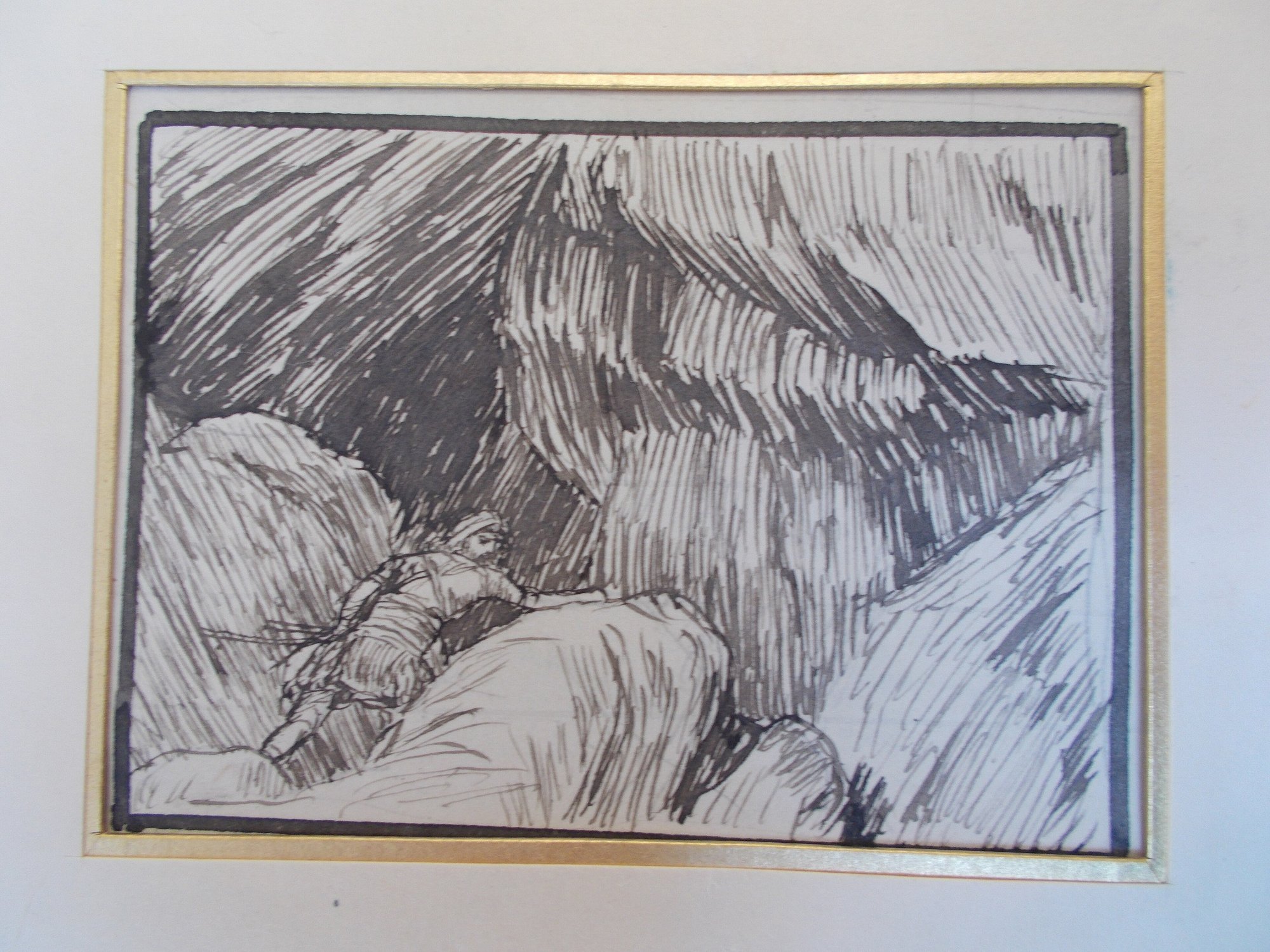
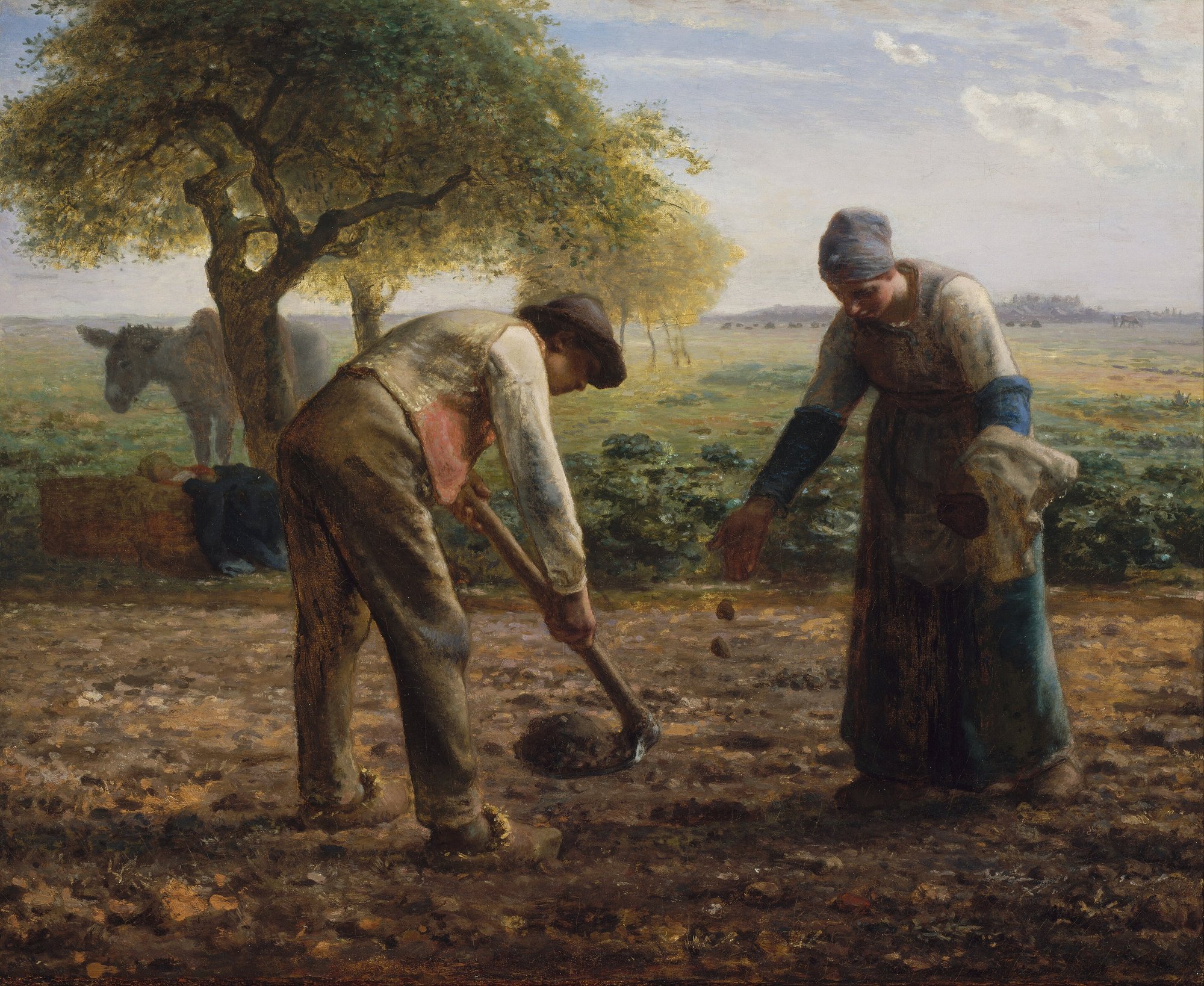
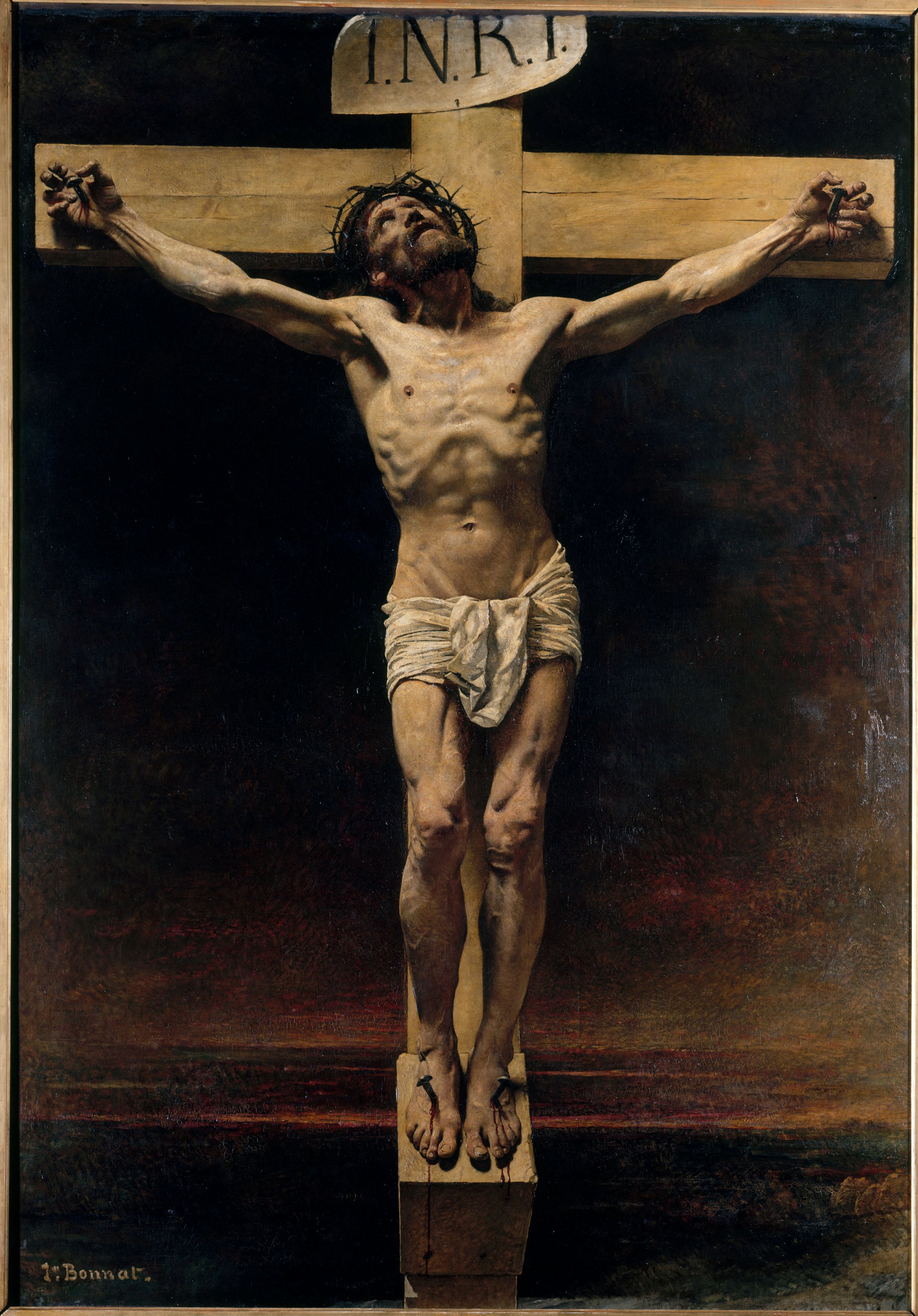
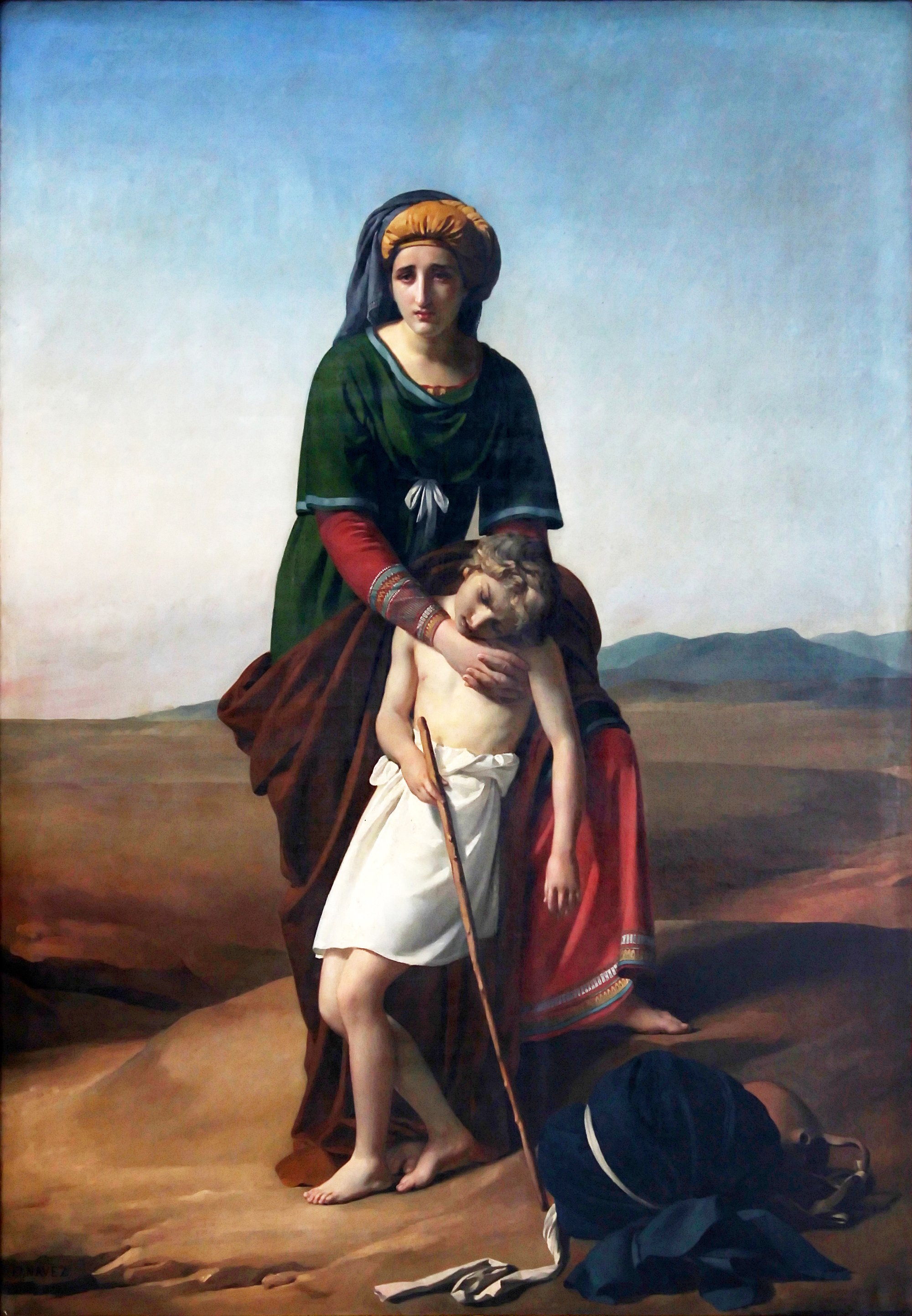

It Is Not Good to Be Alone, My God, Why Have You Forsaken Me?, The God Who Sees Me, Hagar, Paul's Last Imprisonment and Death, The Words Yachid and Monos, The Lonely in Families, Loneliness and Health
Where Readers Disagree
Eight readings answer three questions, each with its holders, the work that argues it and the objection raised against it.
What Psalm 68:6 means by settling the lonely in families
| Reading | Held by | Work | Objection |
|---|---|---|---|
| God joins single persons in marriage and gives them children | John Gill; Adam Clarke (English Baptist; Methodist) | John Gill, Exposition of the Old Testament (1748 to 1763), on Psalm 68:6, citing the Jewish writers and the Targum, the Aramaic paraphrase of the Hebrew Bible; Adam Clarke, Commentary on the Bible (1832), on Psalm 68:6 | The rest of the verse turns to prisoners set free and to rebels left in a dry land, so its subject is wider than marriage. |
| God brings wanderers home, as He settled Israel in its land | Jamieson, Fausset and Brown (Scottish Presbyterian commentary) | Jamieson, Fausset and Brown, Commentary Critical and Explanatory (1871), on Psalm 68:6 | Psalm 68:5 calls God a father of the fatherless and a defender of widows, so the verse speaks of persons as well as of a nation. |
| God makes people of one mind dwell together in one house, His church | Augustine of Hippo (Latin patristic writing) | Augustine of Hippo, Expositions on the Psalms, Psalm 68 | Augustine read a Latin text that speaks of men of one mood, while the Hebrew word of the verse is yachid, the word rendered lonely in Psalm 25:16. |
God brings wanderers home, as He settled Israel in its land, God makes people of one mind dwell together in one house, His church
What the forsaking of Matthew 27:46 was
Read the study of My God, Why Have You Forsaken Me 8 sections, 28 verses set out
| Reading | Held by | Work | Objection |
|---|---|---|---|
| A cry of trust that also voiced the loss of the Father's comfort and the weight of the wrath due to the sins He bore | John Wesley (Methodist) | John Wesley, Explanatory Notes upon the New Testament (1755), on Matthew 27:46 | Psalm 22, which Jesus quoted, says of God, “He has not hidden His face from him, but has attended to his cry for help” (Psalm 22:24). |
| The cry shows the Son as a person distinct from the Father, forsaken while the Father did not suffer | Tertullian (Latin patristic writing) | Tertullian, Against Praxeas (Ante-Nicene Fathers, volume 3) | The argument settles who cried out and to whom, and it leaves open what the forsaking was. |
| A real forsaking borne for the sins of others, beyond measure and beyond full understanding | Charles Spurgeon (English Baptist) | Charles Spurgeon, Sermon No. 2133, on Matthew 27:46, The Metropolitan Tabernacle Pulpit (1890) | Jesus died committing His spirit into the Father's hands (Luke 23:46), so the forsaking did not end the Son's trust in His Father. |
The cry shows the Son as a person distinct from the Father, forsaken while the Father did not suffer, A real forsaking borne for the sins of others, beyond measure and beyond full understanding
Whether union with Christ meets the want named in Genesis 2:18
| Reading | Held by | Work | Objection |
|---|---|---|---|
| The Spirit and the body of Christ give the believer the help Adam needed | John Chrysostom (Greek patristic writing) | John Chrysostom, Homilies on the Gospel of John, Homily 25, section 2 | Paul had the Spirit and still asked Timothy to come to him quickly and to bring Mark with him (2 Timothy 4:9; 2 Timothy 4:11). |
| The believer still needs human friends, and the want of them is a real sorrow | Albert Barnes; Charles Spurgeon (American Presbyterian; English Baptist) | Albert Barnes, Notes (1832 to 1869), on 2 Timothy 4:10; Charles Spurgeon, The Treasury of David, volume 1 (1869), on Psalm 22:11 | Chrysostom names the body of Christ beside the Spirit, so his reading includes the company of believers. |
Every Text Gathered on Loneliness
Ten verses on loneliness, each with the person who lived it and the section that teaches it, and two essays on the subject.
Every verse gathered on loneliness is taught in one of the sections.
| Verse | Who lived it | Where it is taught |
|---|---|---|
| Genesis 2:18 | Adam | In the first point of the Summary, and in the study It Is Not Good to Be Alone |
| Genesis 16:13 | Hagar | In the study The God Who Sees Me, doored from the story of Hagar |
| 1 Kings 19:10 | Elijah | On Elijah's card among the people who walked through loneliness |
| Psalm 25:16 | David | On the card of the word yachid under What Loneliness Is |
| Psalm 68:6 | Israel | In the band, as the anchor of the whole trial of loneliness |
| Psalm 142:4 | David | In the lament, Psalm 142, as the second of its three cards |
| Matthew 27:46 | Jesus | In the account of Christ in Where Loneliness Comes From, as the cry from the cross |
| John 16:32 | Jesus | On the card He was left alone, yet not alone, one of the five texts on Christ |
| 2 Timothy 4:16 | Paul | In the story of Paul at his first defense, with the verse after it |
| Hebrews 13:5 | Every believer | Among the key texts, as the promise given to the letters' readers |
Matthew 27:46, John 16:32, 2 Timothy 4:16, Hebrews 13:5
The essay that stood on the subject page /tag/loneliness7 paragraphs
Loneliness shows up in the very first chapter of the Bible, and it shows up as a problem God himself names. Adam was surrounded by an entire finished creation, walking with God in a perfect garden, and it still was not enough. God said plainly that it was not good for the man to be alone, and set out to fix it (Genesis 2:18). Loneliness, from the beginning, is treated as something real, not something to simply push through.
Hagar knew a harder kind of alone. Cast out into the wilderness with nothing but a skin of water and a child she could not save, she reached the point of giving up. What meets her there is not a lecture. It is God himself, seeing her exactly where she was, so directly that she gave him a name of her own: the God who sees (Genesis 16:13). Loneliness in Scripture is rarely solved by rescue from the situation. It is usually met by the discovery that God was there the whole time, unseen, watching.
Elijah's loneliness was different again: the exhaustion of a man who had just won an enormous victory and still felt utterly alone. Fleeing for his life, hiding in a cave, he told God he was the only faithful one left, that he alone remained (1 Kings 19:10). He was wrong; God quietly told him there were seven thousand others he did not know about. Loneliness lies. It tells a person they are the only one, when they almost never are.
The psalms return to this feeling again and again, because the people who wrote them lived it. One psalmist looked to his right, the place where a defender would normally stand, and found nobody there, no one who cared for his soul (Psalm 142:4). Another cried out feeling desolate and afflicted, asking simply to be turned toward (Psalm 25:16). These are not tidy verses. They are the honest sound of people who felt forgotten, written down and kept in Scripture on purpose.
Then there is Jesus, on the cross, crying out words no one else in Scripture had the right to say in exactly the way he said them, asking why God had forsaken him (Matthew 27:46). If loneliness can reach even the Son of God at the one moment the Father turned away from sin laid on him, then loneliness is not a sign of being outside God's love. It can happen inside the very heart of obedience.
But that was not the last word. Jesus told his disciples plainly that the hour was coming when they would leave him completely alone, and yet, he said, he was not alone, because the Father was with him (John 16:32). Even Paul, abandoned by every friend at his first trial, said something similar in his own words: no one stood with him, but the Lord stood by him anyway (2 Timothy 4:16).
That is the promise underneath every lonely psalm and every solitary figure in Scripture. God sets the solitary in families (Psalm 68:6). He does not simply comfort people from a distance; he places them, gathers them, and promises never to leave or forsake them (Hebrews 13:5). Loneliness is real in Scripture. It is never treated as final.
The paragraph that stood on the topic page /topics/loneliness1 paragraph
Loneliness in Scripture is the cry of the isolated, the widow, the outcast, and the misunderstood — from Hagar in the wilderness to David in the caves to Elijah after Carmel to Paul in the Mamertine. The Bible does not promise the removal of loneliness but the presence of the God who sees (El Roi, Genesis 16:13). The solitary are set in families (Psalm 68:6), and the Lord stands with those whom others forsake.
Sources
Scripture is the Berean Standard Bible.
- STEP Bible brief lexicons of Extended Strongs for Hebrew and for Greek (Tyndale House, Cambridge), CC BY 4.0, with the Strong's glosses.
- Augustine of Hippo, Confessions, book 4, chapters 4 and 9, translated by J. G. Pilkington, Nicene and Post-Nicene Fathers, first series, volume 1 (Buffalo: Christian Literature Publishing, 1887)
- John Bunyan, Grace Abounding to the Chief of Sinners, paragraphs 327 and 329, and A Relation of My Imprisonment, from the 1905 Religious Tract Society edition.
- David Brainerd, his diary for 1 April and 18 May 1743, in Jonathan Edwards, The Life and Diary of the Rev. David Brainerd, with Notes and Reflections, in The Works of Jonathan Edwards, volume 2, with a memoir by Sereno E. Dwight, revised and corrected by Edward Hickman.
- Matthew Henry, Commentary on the Whole Bible (1710), on Psalm 68:5 to 6.
- Charles Spurgeon, Sermon No. 2133, on Matthew 27:46, The Metropolitan Tabernacle Pulpit (1890)
- Charles Spurgeon, The Treasury of David, volume 1 (1869), on Psalm 22:11.
- John Gill, Exposition of the Old Testament (1748 to 1763), on Psalm 68:6.
- Adam Clarke, Commentary on the Bible (1832), on Psalm 68:6.
- Robert Jamieson, A. R. Fausset and David Brown, Commentary Critical and Explanatory on the Whole Bible (1871), on Psalm 68:6.
- Augustine of Hippo, Expositions on the Psalms, Psalm 68.
- John Wesley, Explanatory Notes upon the New Testament (1755), on Matthew 27:46.
- Tertullian, Against Praxeas (Ante-Nicene Fathers, volume 3), on Matthew 27:46.
- John Chrysostom, Homilies on the Gospel of John, Homily 25, section 2, on Genesis 2:18.
- John Chrysostom, Homilies on the Gospel of Matthew, Homily 50, on Matthew 14:23.
- Jerome, Homilies on the Psalms, Homily 52, on Psalm 141 (Psalm 142 in the Hebrew numbering)
- John Calvin, Commentaries, on Psalm 142:3.
- Charles Spurgeon, The Treasury of David, volume 4 (1874), on Psalm 102:7.
- Albert Barnes, Notes, Explanatory and Practical, on the Old and New Testaments (1832 to 1869), on 2 Timothy 4:10.
- Julianne Holt-Lunstad, Timothy B. Smith and J. Bradley Layton, Social relationships and mortality risk: a meta-analytic review, PLoS Medicine 7, no. 7 (2010): e1000316.
- The essay of the subject page /tag/loneliness.
- The essay of the topic page /topics/loneliness.
- The verses gathered on the subject page /tag/loneliness.
Keep Studying
Studies8
In this trial7
People and groups28
Show the next 6 titles
Show the next 6 titles
Values1
Trials of life3