
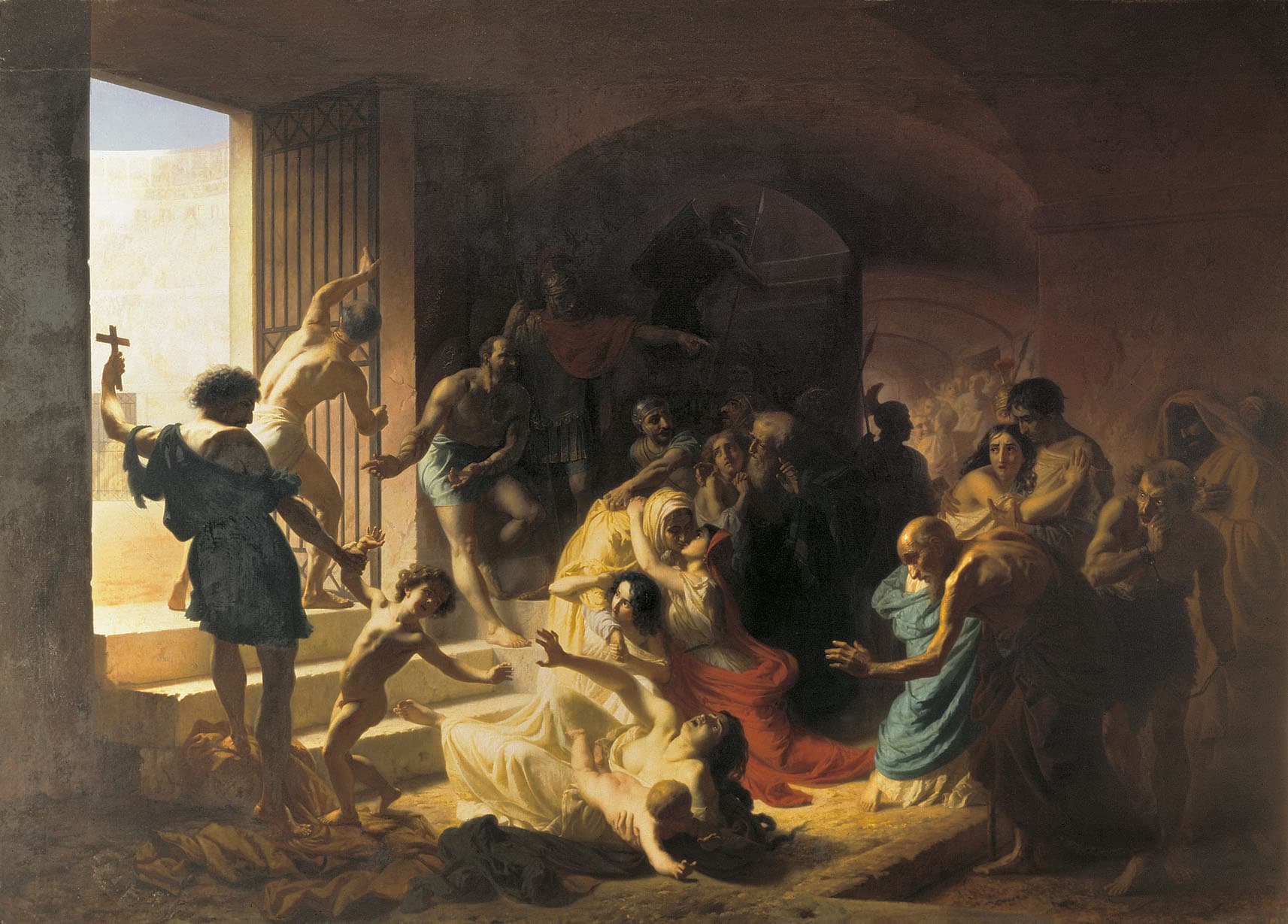
Matthew 5 · Trial 15 of 21 · Featured Study
Persecution
Persecution is the harm a person suffers for belonging to Christ or for doing what is right before God.
The first readers of Hebrews “joyfully accepted the confiscation” of their property, knowing that they had “a better and permanent possession” (Hebrews 10:34).
Blessed are those who are persecuted because of righteousness, for theirs is the kingdom of heaven.
- Anchor text
- Matthew 5:10 “Blessed are those who are persecuted…”
- The lament
- Psalm 142:1 to 7 “I cry aloud to the LORD; I lift…”
- Hold in memory
- Matthew 5:10, James 1:12
Summary
Scripture records persecution from the murder of Abel to the souls under the altar in Revelation. The prophets were persecuted, Jesus was put to death by the rulers of His people, and the apostles were flogged, imprisoned and killed for preaching Him. Their letters teach churches under pressure that God rules over every persecutor, that Christ suffered first and suffers with His people, and that faithfulness under persecution ends in glory.
- Christ was persecuted to the point of death, and Scripture calls His people to follow Him in it.
- Scripture traces persecution to an enmity set at the fall, to the devil, and to the hatred of evil people for the righteous.
- God rules over persecution, and the scattering of the church after Stephen's death carried the word into new places.
- The apostles and the early church met persecution with prayer, endurance and open confession of Christ.
- Scripture calls the persecuted to love and bless their enemies and to commit themselves to God.
What Persecution Is
One Hebrew verb and three Greek words name persecution and witness, each shown in a verse that uses it.
This study asks what Scripture says to a believer who is persecuted for Christ, where persecution comes from, and what God gives a person to do under it. It sets out the Hebrew and Greek words for persecution and for witness and the key texts in their Berean words. It shows Christ's own sufferings at the hands of His persecutors, the people and stories of the Bible who were persecuted, the lament of Psalm 142 and the martyrs of the early church. It also gives the practices Scripture names, the voices of the church by century and three questions on which readers disagree.
Radaph, to pursue
143 uses in the canon
Psalm 7 uses radaph (H7291) of the men who hunt the psalmist: “save me and deliver me from all my pursuers.”
Dioko, to pursue or persecute
45 uses in the canon
Paul uses dioko (G1377) of the apostles' answer to their enemies: “when we are persecuted, we endure it.”
Diogmos, persecution
10 uses in the canon
Paul names diogmos (G1375) among the trials that cannot part believers from Christ: “trouble or distress or persecution or famine or nakedness or danger or sword.”
Martys, a witness
35 uses in the canon
The risen Christ calls a believer killed at Pergamum by the word martys (G3144): “My faithful witness Antipas.”
Radaph, to pursue, Dioko, to pursue or persecute, Diogmos, persecution, Martys, a witness, The Words Dioko and Martys, the study in brief
The Key Texts for the Persecuted
The laments, the words of Jesus and the letters each speak to a believer under persecution.
Laments
All Your commandments are faithful; I am persecuted without cause—help me!
It stands first because it gives a believer harmed without cause a short prayer to bring to God.
Psalm 119:86BSB
Many a time they have persecuted me from my youth— let Israel now declare— many a time they have persecuted me from my youth, but they have not prevailed against me.
Israel looks back on a long history of persecution and declares that its enemies did not prevail.
And when the Lamb opened the fifth seal, I saw under the altar the souls of those who had been slain for the word of God and for the testimony they had upheld. And they cried out in a loud voice, “How long, O Lord, holy and true, until You avenge our blood and judge those who dwell upon the earth?”
The souls of those slain for the word of God ask how long, so the lament of the persecuted reaches into heaven.
The words of Jesus
“Truly I tell you,” Jesus replied, “no one who has left home or brothers or sisters or mother or father or children or fields for My sake and for the gospel will fail to receive a hundredfold in the present age—houses and brothers and sisters and mothers and children and fields, along with persecutions—and in the age to come, eternal life.
Jesus promises a hundredfold to those who leave everything for Him and names persecutions among the gifts of the present age.
But before all this, they will seize you and persecute you. On account of My name they will deliver you to the synagogues and prisons, and they will bring you before kings and governors. This will be your opportunity to serve as witnesses.
It stands here because Jesus turns the courtroom of the persecutor into a place to bear witness.
Letters
We are hard pressed on all sides, but not crushed; perplexed, but not in despair; persecuted, but not forsaken; struck down, but not destroyed.
Paul sets each blow he received beside the limit God put on it.
Still others endured mocking and flogging, and even chains and imprisonment. They were stoned, they were sawed in two, they were put to death by the sword. They went around in sheepskins and goatskins, destitute, oppressed, and mistreated. The world was not worthy of them. They wandered in deserts and mountains, and hid in caves and holes in the ground.
The roll of faith ends with believers who were mocked, imprisoned and killed, and says the world was not worthy of them.
Mark 10:29 to 30, Luke 21:12 to 13, 2 Corinthians 4:8 to 9, Hebrews 11:36 to 38
Where Persecution Comes From and Where Christ Bore It
Six texts trace persecution to its causes and set it under God's rule, and five show Christ bearing it for His people.
Scripture sets the first enmity in the garden, in God's word to the serpent after the fall.
And I will put enmity between you and the woman, and between your seed and her seed. He will crush your head, and you will strike his heel.”It stands first because God Himself sets lasting hostility between the serpent's offspring and the woman's.
Do not be like Cain, who belonged to the evil one and murdered his brother. And why did Cain slay him? Because his own deeds were evil, while those of his brother were righteous. So do not be surprised, brothers, if the world hates you.John traces the hatred of the world for believers back to Cain, whose evil deeds made him hate his righteous brother.
At that time, however, the son born by the flesh persecuted the son born by the Spirit. It is the same now.Paul sees in the old hostility toward Isaac a pattern that runs into his own day.
And the dragon was enraged at the woman, and went to make war with the rest of her children, who keep the commandments of God and hold to the testimony of Jesus. And the dragon stood on the shore of the sea.It stands here because Scripture names an enemy behind every human persecutor.
Over every persecutor stands the rule of God, who turns their plans to His own purpose.
In fact, this is the very city where Herod and Pontius Pilate conspired with the Gentiles and the people of Israel against Your holy servant Jesus, whom You anointed. They carried out what Your hand and will had decided beforehand would happen.The church prays that the rulers who killed Jesus did only what God's hand had decided beforehand.
Those who had been scattered preached the word wherever they went.It stands here because the believers driven from Jerusalem took the gospel with them.
The prophets, the Gospels and the letters show what Christ endured from His persecutors and what His suffering won for His people.
He was led like a lambIsaiah 53
Isaiah 52:13 to 53:12 is the fourth song of the Servant of the LORD.
He was oppressed and afflicted, yet He did not open His mouth. He was led like a lamb to the slaughter, and as a sheep before her shearers is silent, so He did not open His mouth.
Isaiah 53:7BSB It stands here because Philip read this verse to the Ethiopian official as a word about Jesus (Acts 8:32 to 35).
The world hated Him firstJohn 15
Jesus spoke these words to the eleven on the night He was betrayed, after Judas had gone out into the night (John 13:30).
If the world hates you, understand that it hated Me first. If you were of the world, it would love you as its own. Instead, the world hates you, because you are not of the world, but I have chosen you out of the world. Remember the word that I spoke to you: ‘No servant is greater than his master.’ If they persecuted Me, they will persecute you as well; if they kept My word, they will keep yours as well.
John 15:18 to 20BSB Jesus gives here His own reason for the suffering of His people.
Read the page on Jesus 33 sections, 41 verses set out
He bore our sins in His body1 Peter 2
Peter wrote to servants who suffered under harsh masters that Christ had suffered for them and left them an example.
When they heaped abuse on Him, He did not retaliate; when He suffered, He made no threats, but entrusted Himself to Him who judges justly. He Himself bore our sins in His body on the tree, so that we might die to sin and live to righteousness. “By His stripes you are healed.”
1 Peter 2:23 to 24BSB The verses show Christ refusing to retaliate against His abusers while He carried the sins of His people.
Read the study of Christ Who Suffered for Us 8 sections, 13 verses set out
He endured the hostility of sinnersHebrews 12
Hebrews closes its roll of faith by setting Jesus before readers who were tempted to give up.
Let us fix our eyes on Jesus, the author and perfecter of our faith, who for the joy set before Him endured the cross, scorning its shame, and sat down at the right hand of the throne of God. Consider Him who endured such hostility from sinners, so that you will not grow weary and lose heart.
Hebrews 12:2 to 3BSB Hebrews gives the persecuted the cross Christ endured as the reason to keep going.
Read the story of the Crucifixion 12 sections, 17 verses set out
He sympathizes as our high priestHebrews 4
Hebrews says that Jesus “had to be made like His brothers in every way, so that He might become a merciful and faithful high priest” (Hebrews 2:17).
For we do not have a high priest who is unable to sympathize with our weaknesses, but we have one who was tempted in every way that we are, yet was without sin.
Hebrews 4:15BSB It gives the persecuted a high priest who has felt their weakness and can sympathize with it.
The world hated Him first (John 15), He bore our sins in His body (1 Peter 2), He endured the hostility of sinners (Hebrews 12), He sympathizes as our high priest (Hebrews 4)
Galatians 4:29, Revelation 12:17, Acts 8:4, Acts 4:27 to 28, Isaiah 53:7, John 15:18 to 20, 1 Peter 2:23 to 24, Hebrews 12:2 to 3 and 1 more
The Fall & the Protoevangelium, the study in brief, Galatians 4:29, Revelation 12:17, Acts 4:27 to 28, Acts 8:4, Providence, the study in brief, a paragraph, He was led like a lamb (Isaiah 53) and 4 more
Who Suffered Persecution
Five people of the Bible suffered for their righteousness or their witness, and each line gives the verse that tells it.
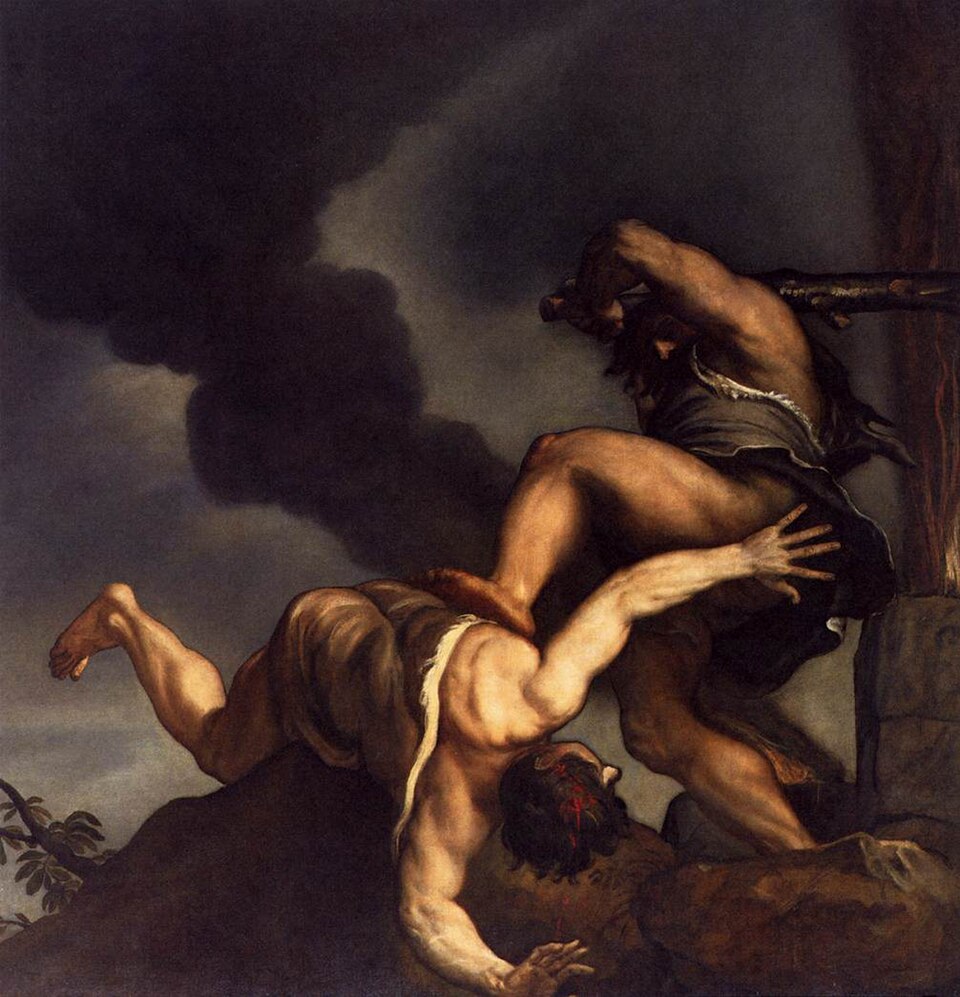
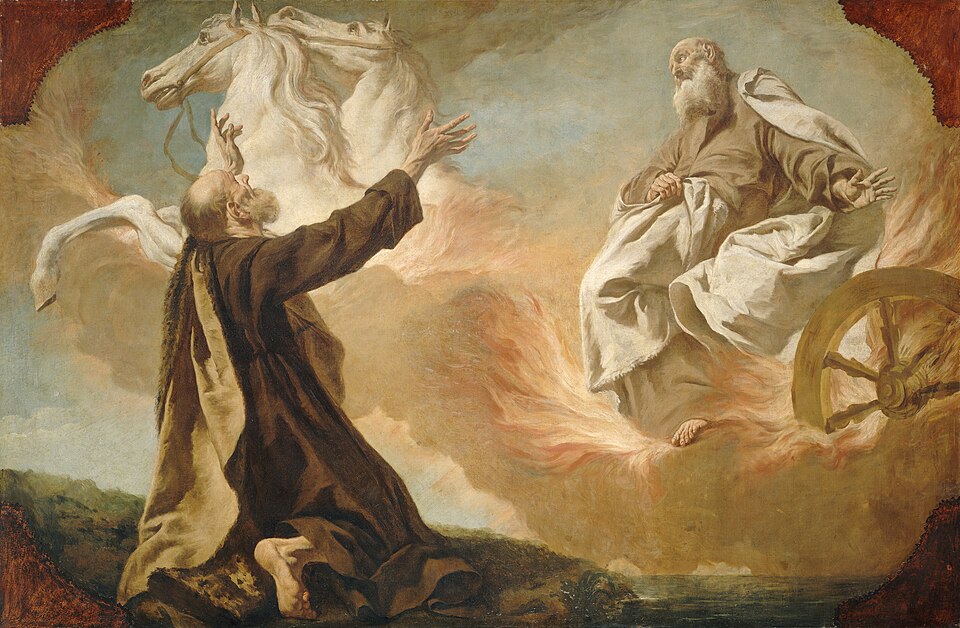
Hunted after the contest on Carmel, he told the LORD, “they are seeking my life as well.”
1 Kings 19:10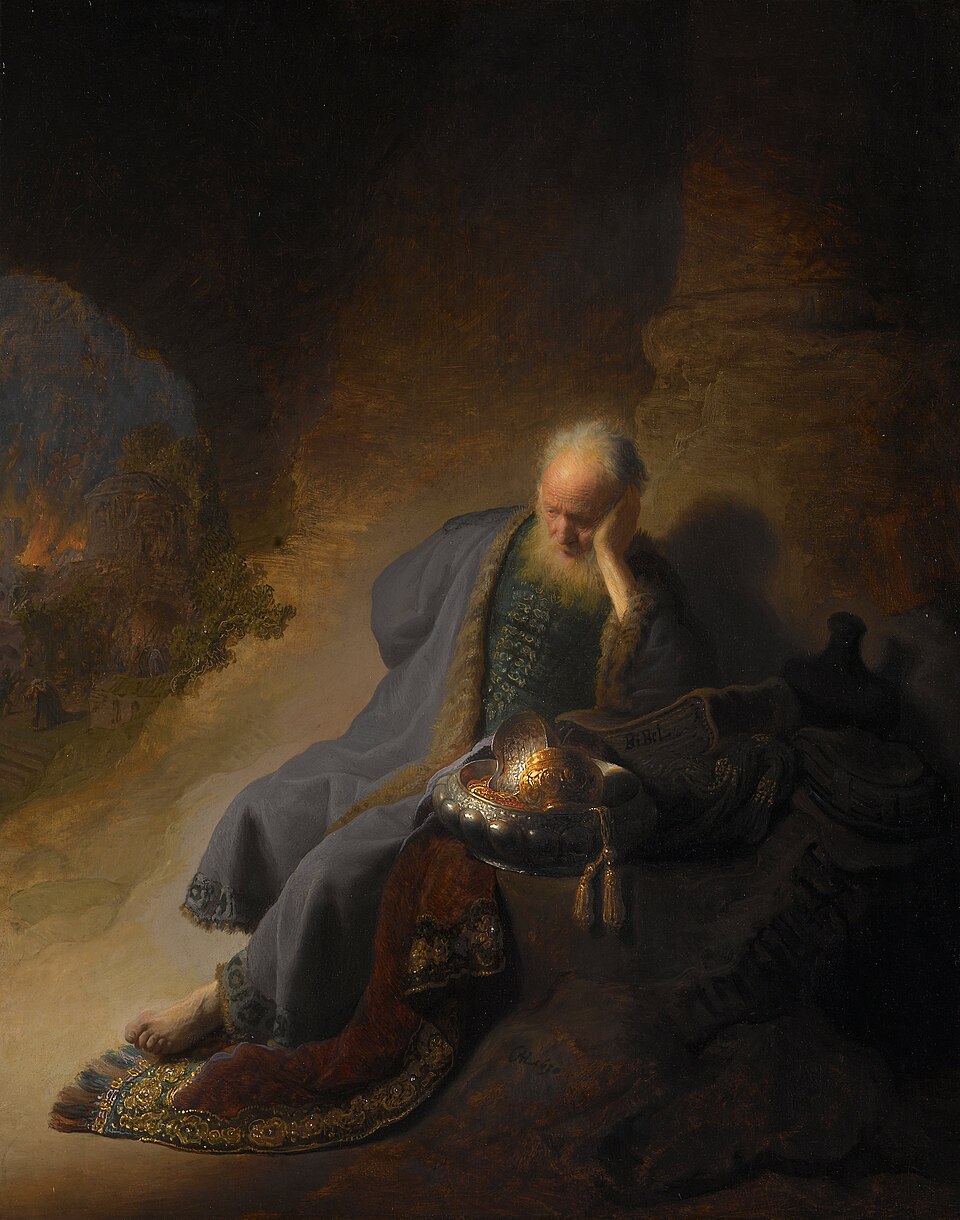
The king's officials lowered him into a cistern where “Jeremiah sank down into the mud.”
Jeremiah 38:6
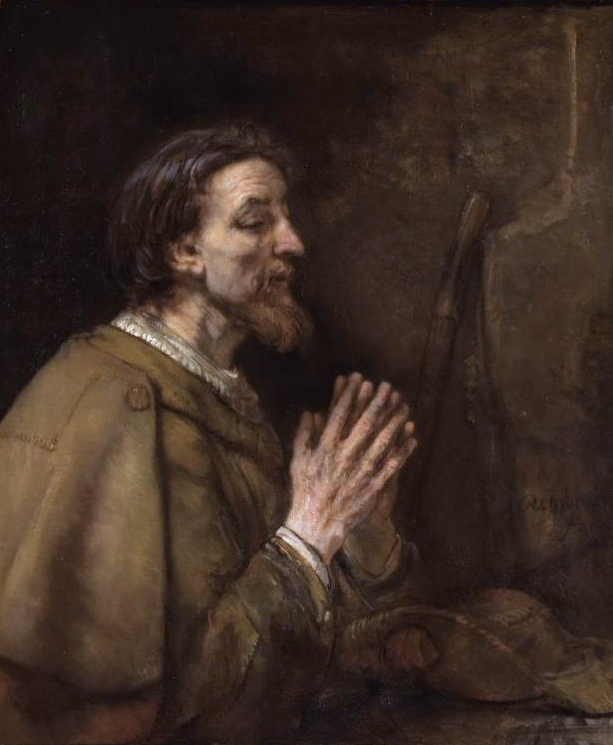
Jeremiah, John the Baptist, James, son of Zebedee
What to Do Under Persecution
Scripture gives seven things to do under persecution, each in the words of the verse that gives it.
- 1Pray for those who persecute you“Love your enemies and pray for those who persecute you.”Matthew 5:44
- 2Bless and do not curse“Bless those who persecute you. Bless and do not curse.”Romans 12:14
- 3Fear God more than those who harm you“Do not be afraid of those who kill the body but cannot kill the soul.”Matthew 10:28
- 4Trust the Spirit for your words“Do not worry about how to respond or what to say. In that hour you will be given what to say.”Matthew 10:19
- 5Flee to the next town when one persecutes you“When they persecute you in one town, flee to the next.”Matthew 10:23
- 6Entrust your soul to God and keep doing goodThose who suffer according to God's will “should entrust their souls to their faithful Creator and continue to do good.”1 Peter 4:19
- 7Stand with those in prison“Remember those in prison as if you were bound with them.”Hebrews 13:3
Bless and do not curse, Fear God more than those who harm you, Trust the Spirit for your words, Flee to the next town when one persecutes you, Entrust your soul to God and keep doing good, Stand with those in prison
A believer injured or traumatized by persecution should receive a doctor's care for body and mind alongside prayer, and prayer never takes the place of that care.
The Lament of Psalm 142
Psalm 142 is a lament of seven verses, prayed by one who is hunted and alone.
Although my spirit grows faint within me, You know my way. Along the path I travel they have hidden a snare for me.It stands first because it names the snare laid in the path of the persecuted and the God who knows that path.
Look to my right and see; no one attends to me. There is no refuge for me; no one cares for my soul.It stands here because it gives words to the loneliness of a believer whom no one defends.
Listen to my cry, for I am brought quite low. Rescue me from my pursuers, for they are too strong for me.It stands here because it uses radaph of the pursuers who are too strong for him.
Free my soul from prison, that I may praise Your name. The righteous will gather around me because of Your goodness to me.It stands last because it asks for release from prison so that the persecuted may praise God's name.
Psalm 142:6, Psalm 142:7
Psalm 142:6, Psalm 142:7
Persecution in the Stories of the Bible
Three stories tell of a furnace in Babylon, a stoning outside Jerusalem and a prison at Philippi.
The furnace in BabylonDaniel 3
King Nebuchadnezzar set up a golden statue and ordered every people to worship it or be thrown into a blazing furnace. Shadrach, Meshach and Abednego refused. The king had the furnace heated seven times hotter than usual and the three men thrown in bound, and then he saw a fourth man walking with them in the fire. They came out unharmed (Daniel 3:19 to 27).
If the God whom we serve exists, then He is able to deliver us from the blazing fiery furnace and from your hand, O king. But even if He does not, let it be known to you, O king, that we will not serve your gods or worship the golden statue you have set up.”
Daniel 3:17 to 18BSB The three men's answer to the king shows faith that obeys God whether or not He delivers.
Stephen outside JerusalemActs 7
Stephen, one of the seven chosen to serve the church in Jerusalem, was brought before the council by false witnesses. He answered with an account of Israel's history and asked them which of the prophets their fathers had failed to persecute (Acts 7:52). They dragged him out of the city and stoned him, and the witnesses laid their garments at the feet of a young man named Saul (Acts 7:58).
While they were stoning him, Stephen appealed, “Lord Jesus, receive my spirit.” Falling on his knees, he cried out in a loud voice, “Lord, do not hold this sin against them.” And when he had said this, he fell asleep.
Acts 7:59 to 60BSB Stephen dies praying for those who kill him.
Paul and Silas at PhilippiActs 16
At Philippi Paul cast a spirit of divination out of a slave girl, and her owners, who had lost their income, dragged Paul and Silas before the magistrates. The two men were stripped, beaten with rods and fastened in the stocks of the inner cell. An earthquake opened the doors, and the jailer and all his household believed and were baptized that night (Acts 16:19 to 34).
About midnight Paul and Silas were praying and singing hymns to God, and the other prisoners were listening to them.
Acts 16:25BSB The verse shows two beaten prisoners praying and singing to God at midnight.
Stephen outside Jerusalem (Acts 7), Paul and Silas at Philippi (Acts 16)
Persecution in the Church's History
Three accounts from the early church tell of an old bishop at Smyrna, a teacher at Rome and two young women in the arena.
Polycarp at SmyrnaSmyrna
The Martyrdom of Polycarp, a letter of the church at Smyrna, tells how the aged bishop was brought into the stadium and urged by the proconsul to swear by the fortune of Caesar and revile Christ. He answered, “Eighty and six years have I served Him, and He never did me any injury: how then can I blaspheme my King and my Saviour?” When the fire did not consume his body, an executioner pierced him with a dagger.
Do not fear what you are about to suffer. Look, the devil is about to throw some of you into prison to test you, and you will suffer tribulation for ten days. Be faithful even unto death, and I will give you the crown of life.
Revelation 2:10BSB The risen Christ's word to the church at Smyrna promises the crown of life to those faithful even unto death.
Read the story of Polycarp: Eighty-Six Years 8 sections, 3 verses set out
Justin before RusticusRome
The Martyrdom of the Holy Martyrs tells how the teacher Justin and his companions were brought before Rusticus, the prefect of Rome, and ordered to obey the gods. Justin answered that “to obey the commandments of our Saviour Jesus Christ is worthy neither of blame nor of condemnation.” Rusticus sentenced those who refused to sacrifice to be scourged and beheaded, and they were beheaded at the accustomed place.
But Peter and the other apostles replied, “We must obey God rather than men.
Acts 5:29BSB The apostles' answer to the council is the answer Justin gave to the prefect of Rome.
Perpetua and FelicityThe arena
The Passion of Perpetua and Felicity tells of five catechumens arrested together, among them Felicity, a fellow servant of Revocatus, and Perpetua, a married woman about twenty-two years old with an infant son at the breast. Perpetua's father pleaded with her to give way, and before the procurator Hilarianus she answered, “I am a Christian.” Felicity gave birth in prison three days before the games, and both women were put to death in the arena with their companions.
Anyone who loves his father or mother more than Me is not worthy of Me; anyone who loves his son or daughter more than Me is not worthy of Me;
Matthew 10:37BSB Jesus' word on loving Him above father and mother describes the choice Perpetua made before her father.
Read the story of Perpetua and Felicity 7 sections, 1 verse set out
Justin before Rusticus (Rome), Perpetua and Felicity (The arena)
Voices on Persecution, by Century
Three quotations from the third century, the fourth and the sixteenth, each under the line it teaches.
died 258 · Cyprian
Treatise XI Exhortation to Martyrdom Addressed to Fortunatus
A third-century reading: afflictions and persecutions come so that God may prove His people.
The quotation1 quotation
“That afflictions and persecutions arise for the sake of our being proved. In Deuteronomy, ‘The Lord your God proveth you, that He may know if ye love the Lord. your God with all your heart, and with all your soul, and with all your strength.’ And again, Solomon: ‘The furnace proveth the potter's vessel, and righteous men the trial of tribulation.’ Paul also testifies similar things, and speaks, saying: ‘We glory in the hope of the glory of God.”
Cyprian · Treatise XI Exhortation to Martyrdom Addressed to Fortunatus · on 1 Peter 4:12Patristic
296 to 373 · Athanasius of Alexandria
FESTAL LETTERS 9
A fourth-century reading: faith and godliness hold each other up when the godly are persecuted.
The quotation1 quotation
“In another place the apostle says, ‘And all those who will live godly lives in Christ Jesus will suffer persecution.’ Then, to help prevent people from renouncing godliness when they are persecuted, he urges them to cling to the faith. ‘You, therefore, continue in the things you have learned and been assured of.’ Just as brothers become strongly knit together when one helps another, so faith and godliness, coming from the same family, cohere together. A person who gives his attention to one of the two is strengthened by the other.”
Athanasius of Alexandria · Festal Letters 9 · on 2 Timothy 3:12Patristic
1509 to 1564 · John Calvin
Commentaries
A sixteenth-century reading: confessing Christ before others is a main part of worship, so a disciple stays ready to die for Him.
The quotation1 quotation
“For this purpose the disciples of Christ must be bold and courageous, that they may be always ready for martyrdom. Now confession of Christ, though it is regarded by the greater part of men as a trifling matter, is here represented to be a main part of divine worship, and a distinguished exercise of godliness.”
John Calvin · Commentaries · on Mark 8:38Reformed
How Persecution Has Been Taught
Tertullian and Augustine taught what persecution does to the church and what makes a martyr.
Tertullian taught that persecution multiplies the church it means to destroy.1 paragraph
Tertullian closed his Apology, addressed to the rulers of the Roman empire (chapter 50, translated by S. Thelwall, Ante-Nicene Fathers, volume 3, 1885), with a word to the persecutors: “The oftener we are mown down by you, the more in number we grow; the blood of Christians is seed.”
Augustine taught that a martyr is known by his cause.1 paragraph
In his letter on the correction of the Donatists (Letter 185, section 9), Augustine set Hagar, who suffered at the hands of Sarah, beside David, who was persecuted by Saul. In his words, “the punishment of the impious may be the same; but the cause of the martyrs is always different.”
The Studies of Persecution
Each study takes one text, word or life of this trial into more depth.
The texts
2 studies
- Passages and psalms · 7 verses set outAll Who Desire to Live Godly
In his last letter Paul recalls what he suffered in three cities of Asia Minor and makes it the pattern for every believer.
- Passages and psalms · 8 verses set outBlessed Are the Persecuted
Matthew 5:10 to 12 closes the Beatitudes with a blessing on the persecuted, first in the third person and then spoken to Jesus' hearers.
- Passages and psalms · 7 verses set outAll Who Desire to Live Godly
The stories
1 study
- Stories · 1 verse set outPerpetua and Felicity
Vibia Perpetua and the slave Felicity were put to death with their companions in the arena at Carthage for confessing Christ.
- Stories · 1 verse set outPerpetua and Felicity
The words
1 study
- Symbols and words · 10 verses set outThe Words Dioko and Martys
The English words persecute and martyr render two Greek words of the New Testament, the verb diōkō and the noun mártys.
- Symbols and words · 10 verses set outThe Words Dioko and Martys
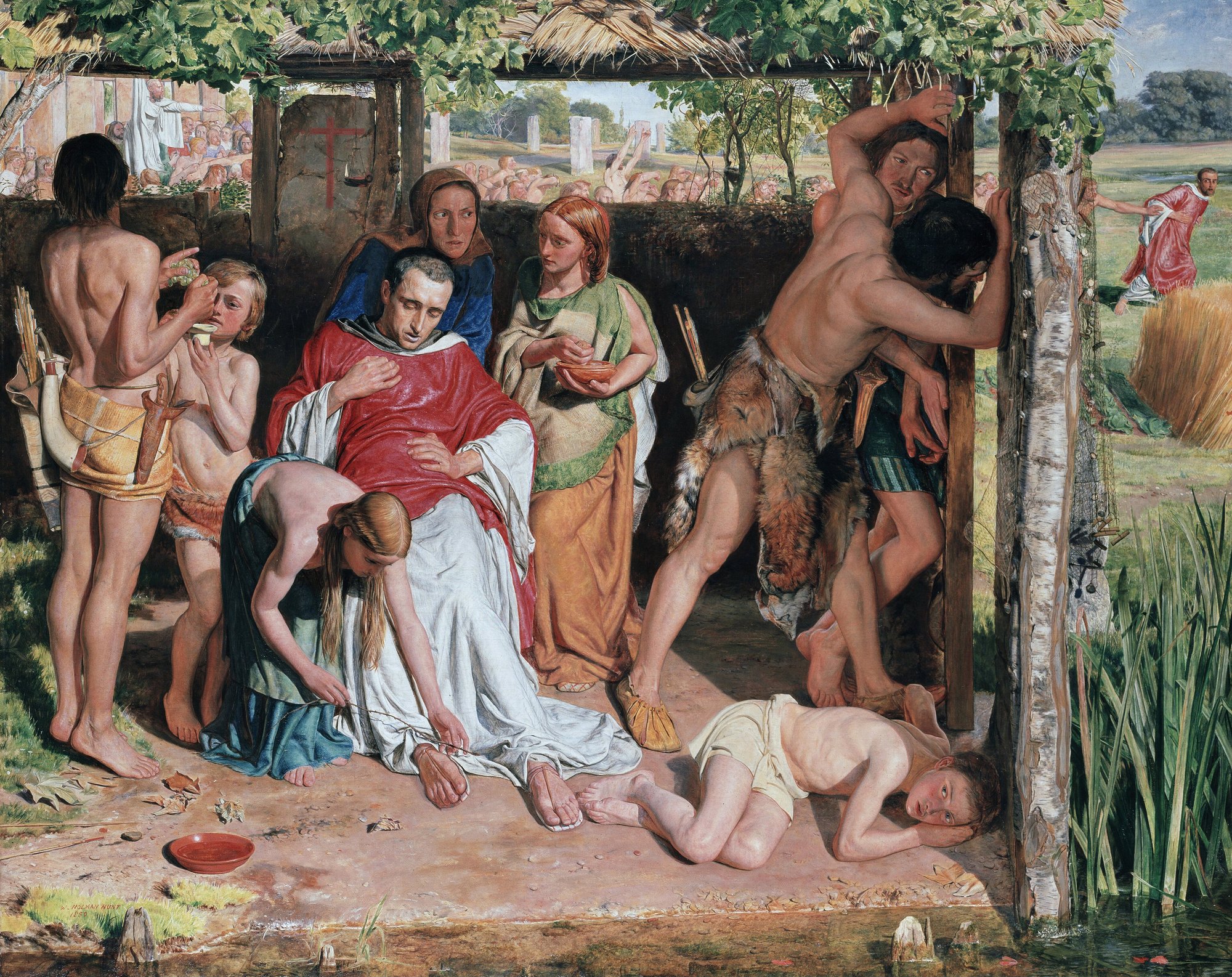

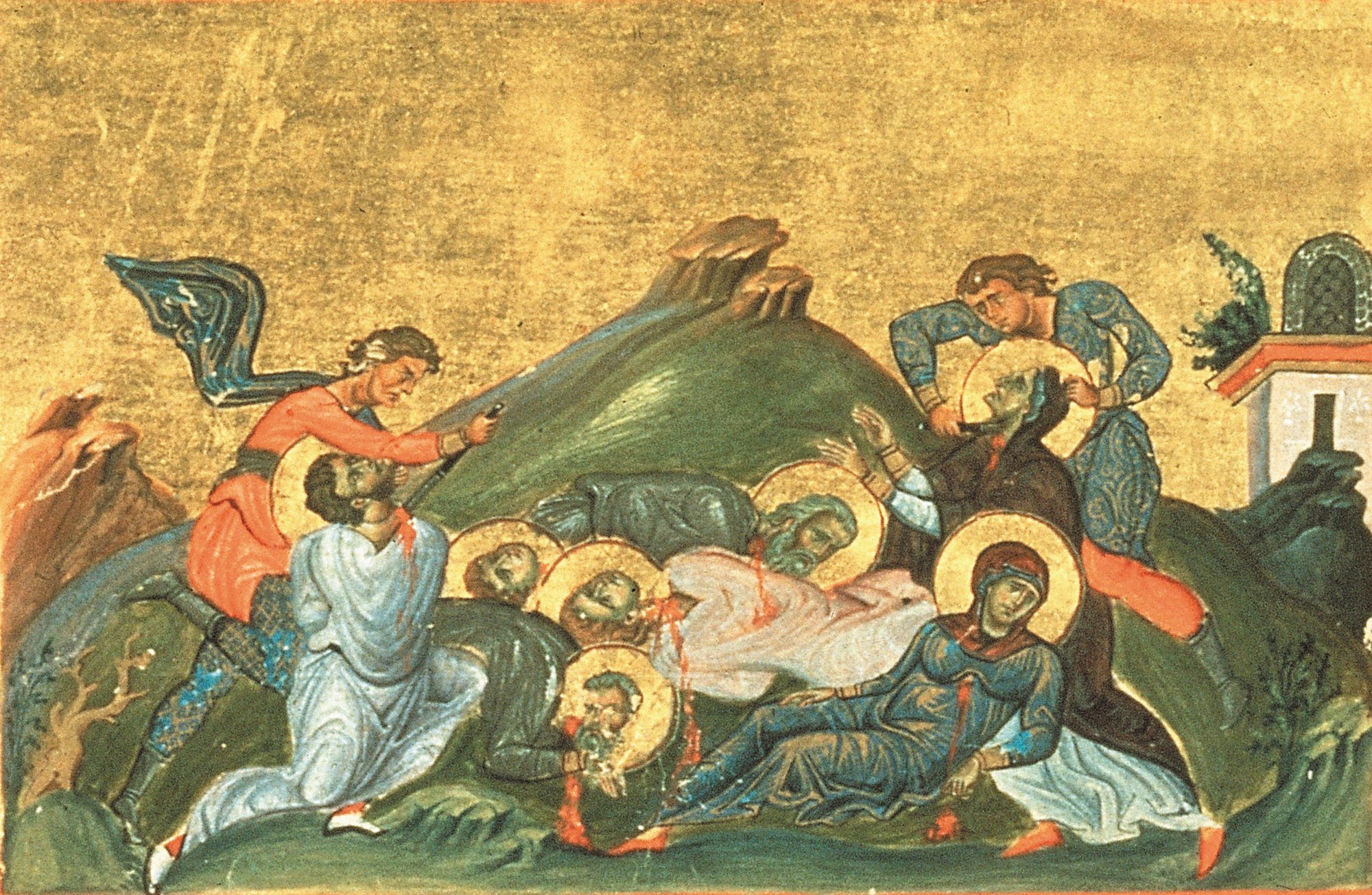
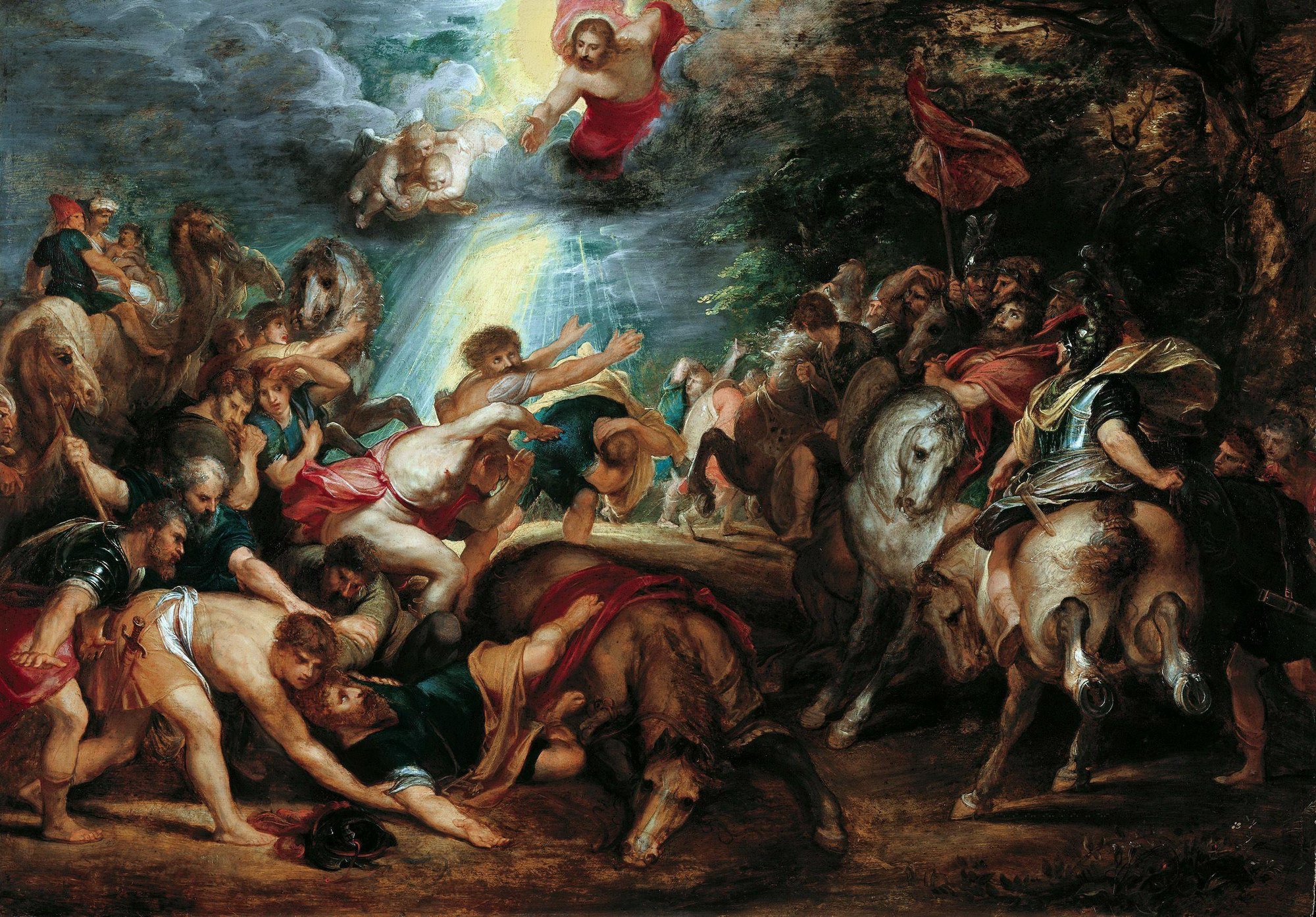
Blessed Are the Persecuted, Perpetua and Felicity, The Words Dioko and Martys
Where Readers Disagree
Six readings answer three questions, each with its holders, the work that argues it and the objection raised against it.
Whether a believer may flee from persecution
| Reading | Held by | Work | Objection |
|---|---|---|---|
| Persecution comes by God's will, so a believer should not flee from it | Tertullian (Latin patristic writing) | Tertullian, De Fuga in Persecutione, chapter 4 (translated by S. Thelwall, 1885) | When the Jews of Damascus plotted to kill Paul, his disciples lowered him from the wall in a basket by night (Acts 9:23 to 25). |
| The saints fled at the right time and never from cowardice, and they met their enemies when God called them to | Athanasius of Alexandria (Greek patristic writing) | Athanasius, Defence of His Flight, sections 17 and 18 (translated by M. Atkinson and Archibald Robertson, 1892) | Tertullian held that a shepherd who flees leaves his flock when it most needs him, since the good shepherd lays down his life for the sheep (De Fuga in Persecutione, chapter 11). |
Whether a believer may offer himself for martyrdom
| Reading | Held by | Work | Objection |
|---|---|---|---|
| The church does not commend those who give themselves up, since the Gospel does not teach it | The church of Smyrna; Clement of Alexandria (Greek patristic writing) | The Martyrdom of Polycarp, chapter 4; Clement of Alexandria, Stromata, book 4, chapter 4 | Ignatius of Antioch, on his way to the beasts at Rome, begged the Roman church not to hinder his death (Epistle to the Romans, chapter 4). |
| A believer may long for martyrdom and ask others not to prevent it | Ignatius of Antioch (Greek patristic writing) | Ignatius of Antioch, Epistle to the Romans, chapter 4 | The Martyrdom of Polycarp tells of Quintus, who pressed himself forward to the trial and then, at the sight of the beasts, swore and offered sacrifice (chapter 4). |
Whether every godly believer will be persecuted
Read the study of All Who Desire to Live Godly 6 sections, 7 verses set out
| Reading | Held by | Work | Objection |
|---|---|---|---|
| Every godly believer is persecuted, by people or else by evil spirits | John Chrysostom (Greek patristic writing) | John Chrysostom, Homilies on the Acts of the Apostles, Homily 24, on 2 Timothy 3:12 | Acts records that after Saul's conversion the church throughout Judea, Galilee and Samaria “experienced a time of peace” (Acts 9:31). |
| The godly are persecuted in every age, though not always alike | Matthew Henry (English Presbyterian) | Matthew Henry, Commentary on the Whole Bible (1710), on 2 Timothy 3:12 | Paul's words “all who desire to live godly lives” set no measure of more or less, and Chrysostom read them of every believer at every time. |
Sources
Scripture is the Berean Standard Bible.
- STEP Bible brief lexicons of Extended Strongs for Hebrew and for Greek (Tyndale House, Cambridge), CC BY 4.0, with the Strong's glosses.
- The Martyrdom of Polycarp, chapters 4, 9 and 16, in the translation of Roberts and Donaldson (Ante-Nicene Fathers 1, 1885)
- The Martyrdom of the Holy Martyrs Justin, Chariton, Charites, Paeon and Liberianus, chapters 1 and 5, translated by Marcus Dods (Ante-Nicene Fathers 1, 1885)
- The Passion of the Holy Martyrs Perpetua and Felicitas, chapters 1, 2, 5 and 6, translated by R. E. Wallis (Ante-Nicene Fathers 3, 1885)
- Tertullian, Apology, chapter 50, in Thelwall's translation (Ante-Nicene Fathers 3, 1885)
- Tertullian, De Fuga in Persecutione (On Flight in Persecution), chapters 4 and 11, translated by S. Thelwall (Ante-Nicene Fathers 4, 1885)
- Athanasius, Defence of His Flight, sections 17 and 18, translated by M. Atkinson and Archibald Robertson (Nicene and Post-Nicene Fathers, second series 4, 1892)
- Clement of Alexandria, Stromata, book 4, chapter 4, translated by William Wilson (Ante-Nicene Fathers 2, 1885)
- Ignatius of Antioch, Epistle to the Romans, chapter 4 (Ante-Nicene Fathers 1, 1885, the Roberts and Donaldson version)
- Augustine of Hippo, Letter 185, The Correction of the Donatists, section 9, translated by J. R. King (Nicene and Post-Nicene Fathers, first series 1, 1887)
- Cyprian, Treatise 11, Exhortation to Martyrdom, Addressed to Fortunatus, on 1 Peter 4:12.
- Athanasius of Alexandria, Festal Letters 9, on 2 Timothy 3:12.
- John Calvin, Commentaries (1554), on Mark 8:38.
- John Chrysostom, Homilies on the Acts of the Apostles, Homily 24, on 2 Timothy 3:12.
- Matthew Henry, Commentary on the Whole Bible (1710), on 2 Timothy 3:12.
Keep Studying
Studies10
In this trial4
People and groups25
Show the next 6 titles
Show the next 6 titles
Doctrines11