
Exodus 34:15
in Exodus 34Do not make a covenant with the inhabitants of the land, for when they prostitute themselves to their gods and sacrifice to them, they will invite you, and you will eat their sacrifices.
BSB
The same verse in ASV and KJV ▾
ASV
lest thou make a covenant with the inhabitants of the land, and they play the harlot after their gods, and sacrifice unto their gods, and one call thee and thou eat of his sacrifice;
KJV
Lest thou make a covenant with the inhabitants of the land, and they go a whoring after their gods, and do sacrifice unto their gods, and one call thee, and thou eat of his sacrifice;
⋯
This verse in Exodus 34
Commentary
4 notes on this verseA commentator
Jamieson, Fausset & Brown1802–1910
Commentary Critical and Explanatory on the Whole Bible (1871)
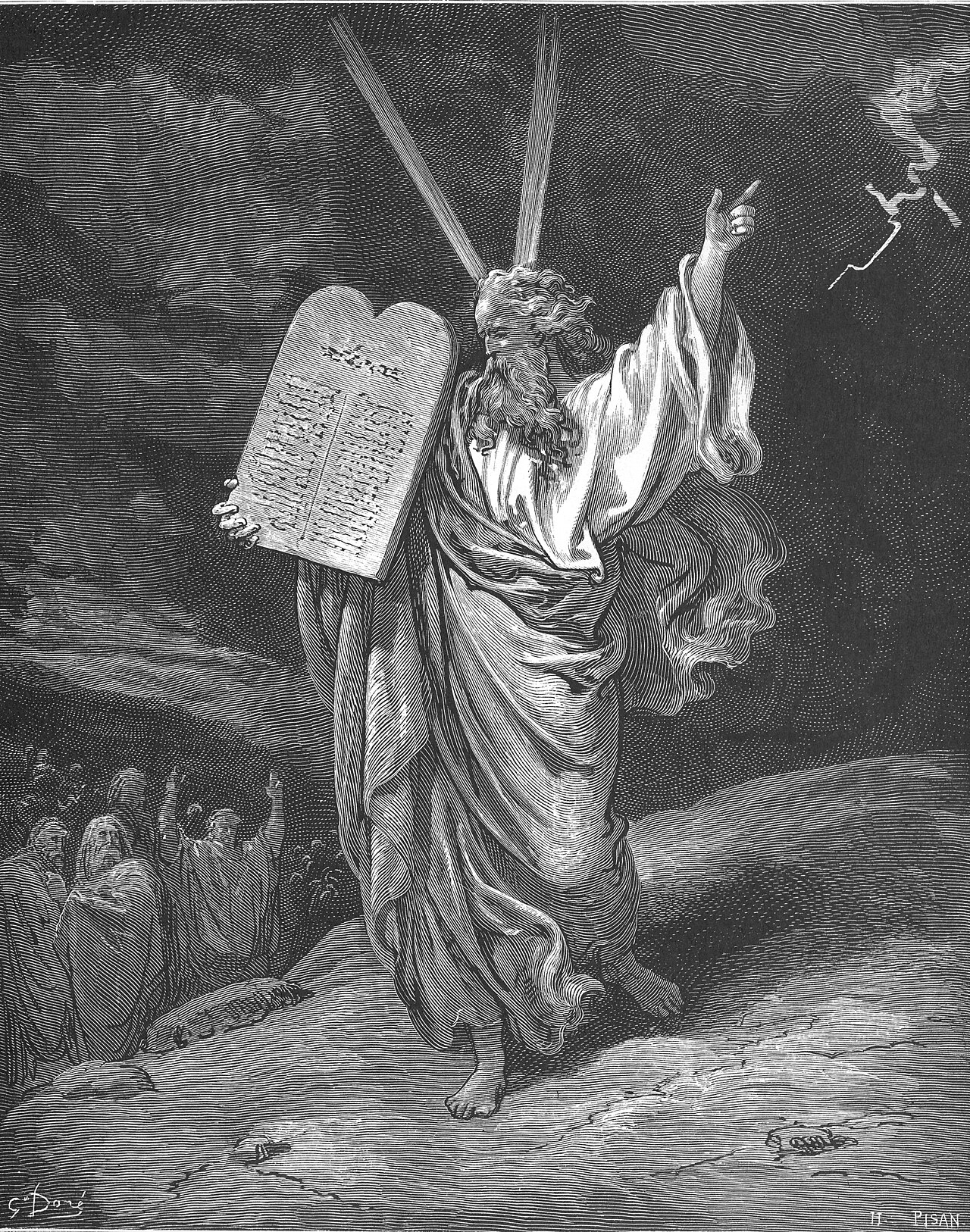
Moses bowed . . . and worshipped--In the East, people bow the head to royalty, and are silent when it passes by, while in the West, they take off their hats and shout.
This site's exposition
Lest thou make a covenant with the inhabitants of the land
on Exodus 34:15-16
These two verses lay out a sequence rather than a single act, running from a treaty to their sacrifices, to an invitation, to eating, to marriage, and at last to sons who go a whoring after their gods. No step in that chain is a decision to change gods, and the last step falls on a generation that made none of the earlier ones. 1 Kings 11:1 to 11:8 tells the story of a king who walked the whole sequence.
The record, by era
The Puritans and the Awakening2 voices
Lest thou make a covenant with the inhabitants of the land,....
The way of sin is downhill: those that are in league with idolaters will come by degrees to be in love with idolatry; and those that are prevailed upon to eat of the idolatrous sacrifice will come at length to offer it.
How the passage was read
What the Jewish commentators add
On the verses either side of this one
[A JEALOUS GOD.] Scripture mentions a jealous God here as it does in the Decalogue.
This section is reception history: how the passage was read and kept in the Jewish tradition. Where a reading parts from an essential of the Christian faith, the section says so at that point.
Texts and citation data: Sefaria; each excerpt follows its version’s licence. 4 further sources are cited on this chapter that carry no English text this site may quote or only restate the verse.
The words behind it
14 Hebrew wordsEvery Hebrew word of this verse in the order it stands, with what it means and the door to its own study. The last column counts the times a word stands in the whole Bible: the rarer the word, the more the places it appears belong together.
| Hebrew | Sound | Meaning | Word study | In the Bible |
|---|---|---|---|---|
| פֶּן־ | pen- | lest | H6435 → | 133 times |
| תִּכְרֹ֥ת | tikhrot | you should make | H3772 → | 288 times |
| בְּרִ֖ית | berit | a covenant | H1285 → | 284 times |
| לְיוֹשֵׁ֣ב | leyoshev | to [the] inhabitant[s] of | H3427 → | 1079 times |
| הָאָ֑רֶץ | haaretz | the land | H776 → | 2504 times |
| וְזָנ֣וּ׀ | vezanu | and they will prostitute themselves | H2181 → | 94 times |
| אַחֲרֵ֣י | ʾacharei | after | H310 → | 715 times |
| אֱלֹֽהֵיהֶ֗ם | ʾeloheihem | gods their | H430 → | 2601 times |
| וְזָבְחוּ֙ | vezavechu | and they will sacrifice | H2076 → | 134 times |
| לֵאלֹ֣הֵיהֶ֔ם | leloheihem | to gods their | H430 → | 2601 times |
| וְקָרָ֣א | vekara' | and someone will invite | H7121 → | 733 times |
| לְךָ֔ | lekha | <to> <the> you | ||
| וְאָכַלְתָּ֖ | veakhalta | and you will eat | H398 → | 810 times |
| מִזִּבְחֽוֹ׃ | mizivcho | some of sacrifice his | H2077 → | 162 times |
פֶּן־lest
pen-H6435 →133 times
תִּכְרֹ֥תyou should make
tikhrotH3772 →288 times
בְּרִ֖יתa covenant
beritH1285 →284 times
לְיוֹשֵׁ֣בto [the] inhabitant[s] of
leyoshevH3427 →1079 times
הָאָ֑רֶץthe land
haaretzH776 →2504 times
וְזָנ֣וּ׀and they will prostitute themselves
vezanuH2181 →94 times
אַחֲרֵ֣יafter
ʾachareiH310 →715 times
אֱלֹֽהֵיהֶ֗םgods their
ʾeloheihemH430 →2601 times
וְזָבְחוּ֙and they will sacrifice
vezavechuH2076 →134 times
לֵאלֹ֣הֵיהֶ֔םto gods their
leloheihemH430 →2601 times
וְקָרָ֣אand someone will invite
vekara'H7121 →733 times
לְךָ֔<to> <the> you
lekha
וְאָכַלְתָּ֖and you will eat
veakhaltaH398 →810 times
מִזִּבְחֽוֹ׃some of sacrifice his
mizivchoH2077 →162 times
A shaded row is a word that stands 400 times or fewer in the Bible.
The walk
8 stopsEach card is a verse this one points to, and under it the verses that one points to in turn. Where several paths arrive at the same place, that place is listed first: the text keeps returning to it.
Through
1 Corinthians 8:4So about eating food sacrificed to idols: We know that an idol is nothing at all in the world, and that there is no God but one.
it leads to
- 1 Corinthians 10:19–20
Am I suggesting, then, that food sacrificed to an idol is anything, or that an idol is anything?
Reached by 2 separate paths from here.
- Deuteronomy 4:39
Know therefore this day and take to heart that the LORD is God in heaven above and on the earth below; there is no other.
- Ephesians 4:6
one God and Father of all, who is over all and through all and in all.
- 1 Corinthians 10:19–20
Through
Deuteronomy 31:16And the LORD said to Moses, “You will soon rest with your fathers, and these people will rise up and prostitute themselves with the foreign gods of the land they are entering. They will…
it leads to
- Judges 10:6
And again the Israelites did evil in the sight of the LORD. They served the Baals, the Ashtoreths, the gods of Aram, Sidon, and Moab, and the gods of the Ammonites and Philistines. Thus…
- Judges 10:13
But you have forsaken Me and served other gods, so I will no longer save you.
- Judges 2:12
Thus they forsook the LORD, the God of their fathers, who had brought them out of the land of Egypt, and they followed after various gods of the peoples around them. They bowed down…
- Judges 10:6
Through
Psalms 106:28They yoked themselves to Baal of Peor and ate sacrifices offered to lifeless gods.
it leads to
- Hosea 9:10
I found Israel like grapes in the wilderness. I saw your fathers as the firstfruits of the fig tree in its first season. But they went to Baal-peor, and consecrated themselves to Shame; so…
Reached by 2 separate paths from here.
- Hosea 9:10
Through
Numbers 25:2who also invited them to the sacrifices for their gods. And the people ate and bowed down to these gods.
it leads to
- 1 Corinthians 10:20
No, but the sacrifices of pagans are offered to demons, not to God. And I do not want you to be participants with demons.
- 1 Corinthians 10:20
Where this verse is studied
About Exodus
This page draws on Adam Clarke, Commentary on the Bible; Jamieson, Fausset & Brown, Commentary Critical and Explanatory on the Whole Bible; John Gill, Exposition of the Old Testament; John Gill, Exposition of the Old Testament (1748-1763) and Matthew Henry, Commentary on the Whole Bible.